Da Nang Cruise Port: Berths, Hoi An and Timing
Da Nang gives cruise passengers a choice between a relaxed city day and a longer heritage excursion. Most ships use Tiên Sa, a working commercial port where transportation matters from the moment the gangway opens.
Hoi An is the headline trip, while the Marble Mountains, Sơn Trà Peninsula, and central Da Nang fit more easily into shorter calls. The smartest itinerary chooses one main goal and protects the return to the ship.
Quick Facts
- Country: Vietnam
- Main cruise port: Tiên Sa in Da Nang Port
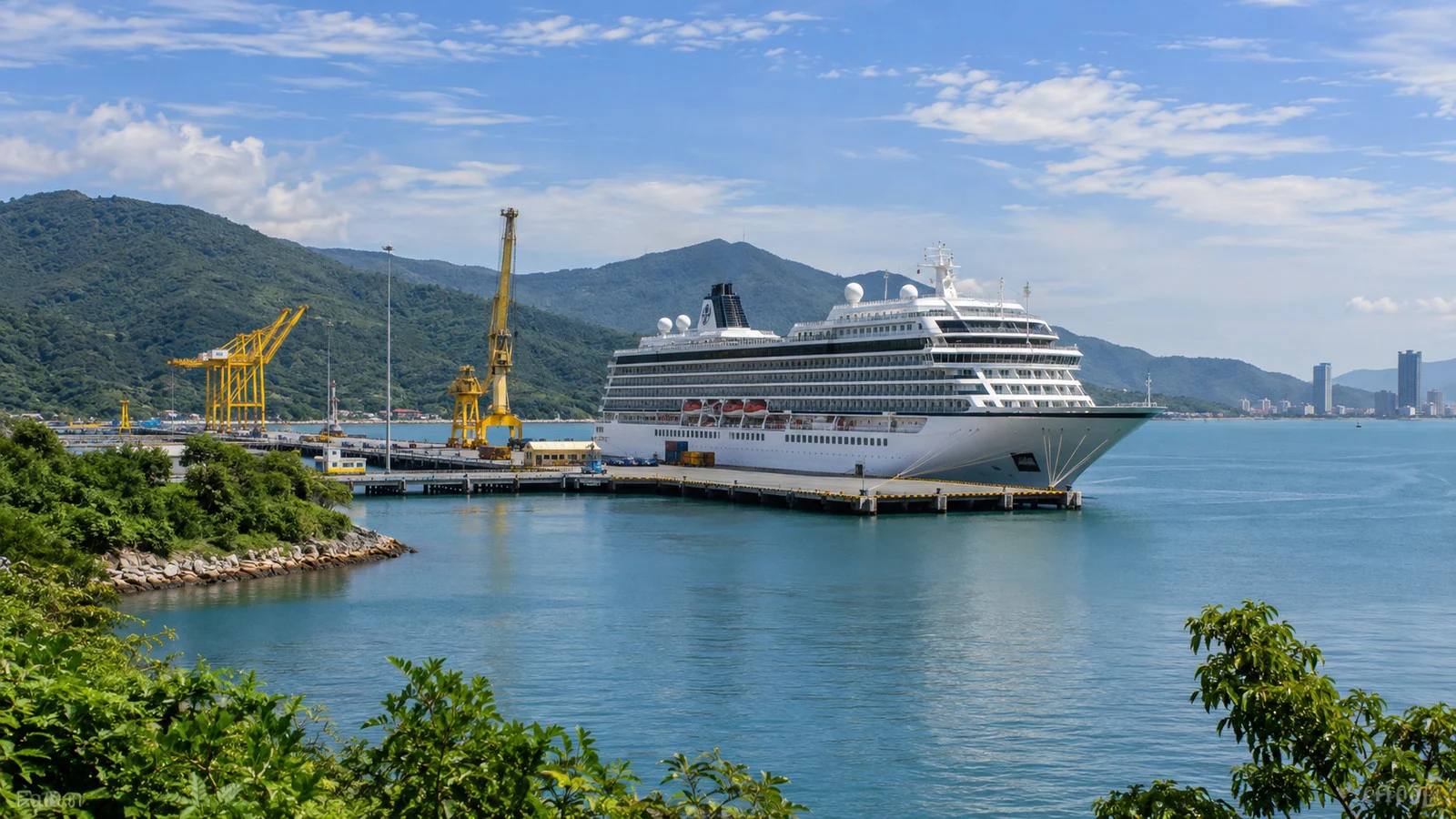
- Arrival: Ships normally berth alongside inside a secured commercial harbor
- Transportation: Cruise excursion, authorized shuttle, taxi, app car, or prebooked private driver
- Top day trip: UNESCO-listed Hoi An Ancient Town
- Closer sights: Sơn Trà Peninsula, Linh Ứng Pagoda, central Da Nang, and the Marble Mountains
- Currency: Vietnamese đồng
- Time zone: Indochina Time, UTC+7
Where Cruise Ships Dock
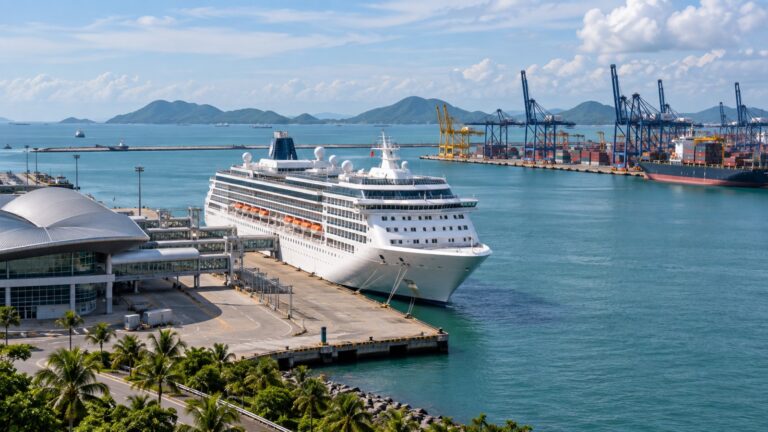
Most Da Nang cruise calls use the Tiên Sa area at the foot of the Sơn Trà Peninsula. This is a cargo port that accommodates passenger ships rather than a purpose-built cruise village.
The official Da Nang Port berth page lists a passenger pier at berth TS3. It also identifies Tiên Sa berths with different lengths and design depths, so the assigned position depends on the vessel and port plan.
Passengers step onto a working quay with cargo operations, port vehicles, fencing, and controlled access. Follow staff directions and do not wander beyond the marked passenger route.
The port’s public road access is not a practical sightseeing destination on foot. Use the ship’s shuttle or an authorized vehicle, and confirm whether independently booked drivers can enter the secure area or must meet outside a gate.
How the Commercial Port Changes Your Day
Tiên Sa works well as a berth, but it does not offer a walkable cluster of cafés, museums, and tour desks around the ship. The first part of every independent plan is reaching the driver or shuttle.
Save the terminal name in Vietnamese and carry the ship’s gate instructions. A request for Da Nang port can be too vague when a driver is choosing among industrial and public waterfront locations.
Agree on price, waiting time, and the exact return point before leaving with a private driver. Put the arrangement in writing through an app or message when language differences could create confusion.
Build a generous buffer before all aboard because the final distance includes commercial-port access. Traffic, gate procedures, and a shuttle transfer can matter even after the car reaches Tiên Sa.
Da Nang City
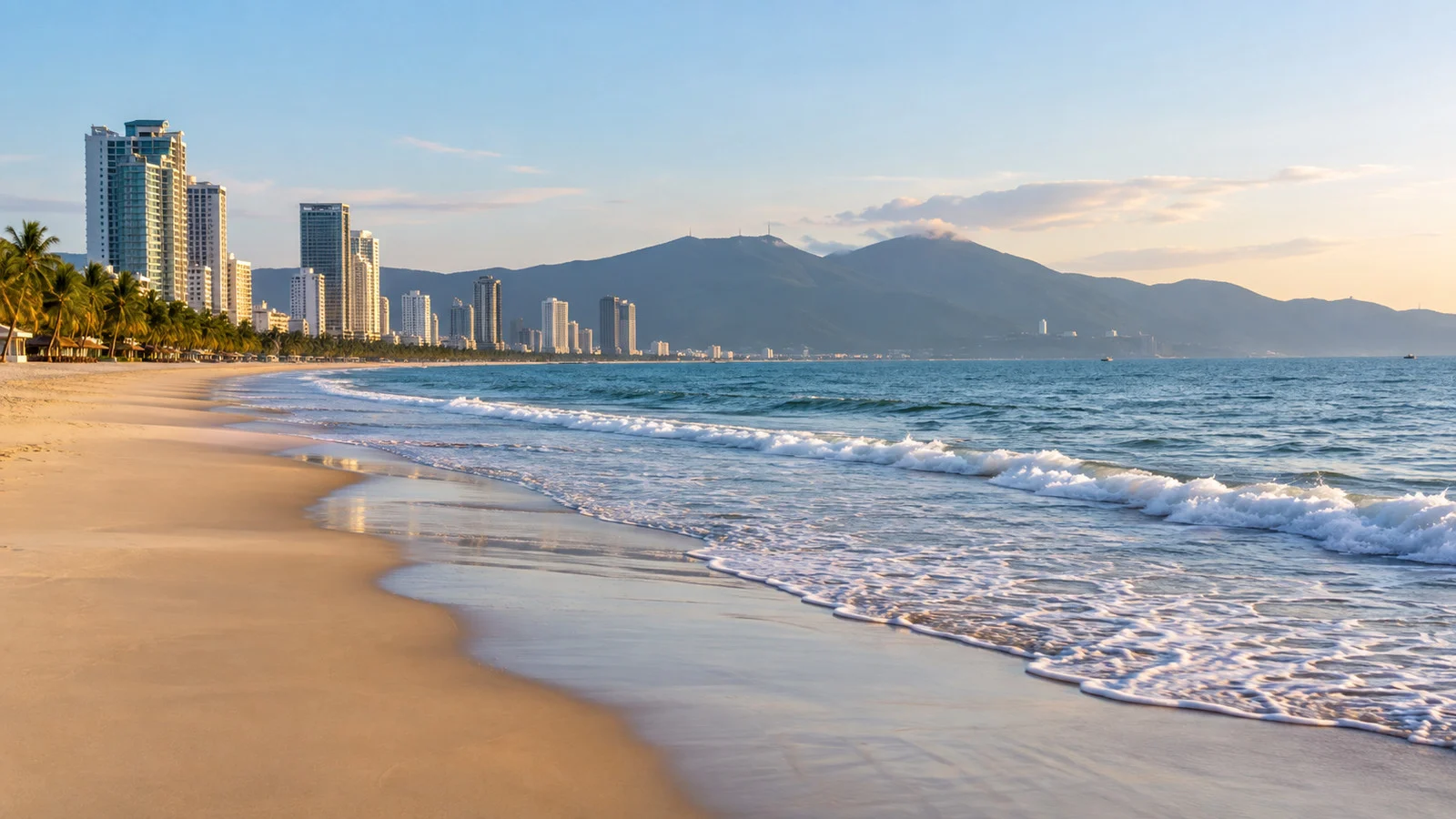
Central Da Nang is a strong choice for a shorter or more relaxed call. The Hàn River waterfront, bridges, markets, museums, cafés, and urban beaches can fill a day without a long inland drive.
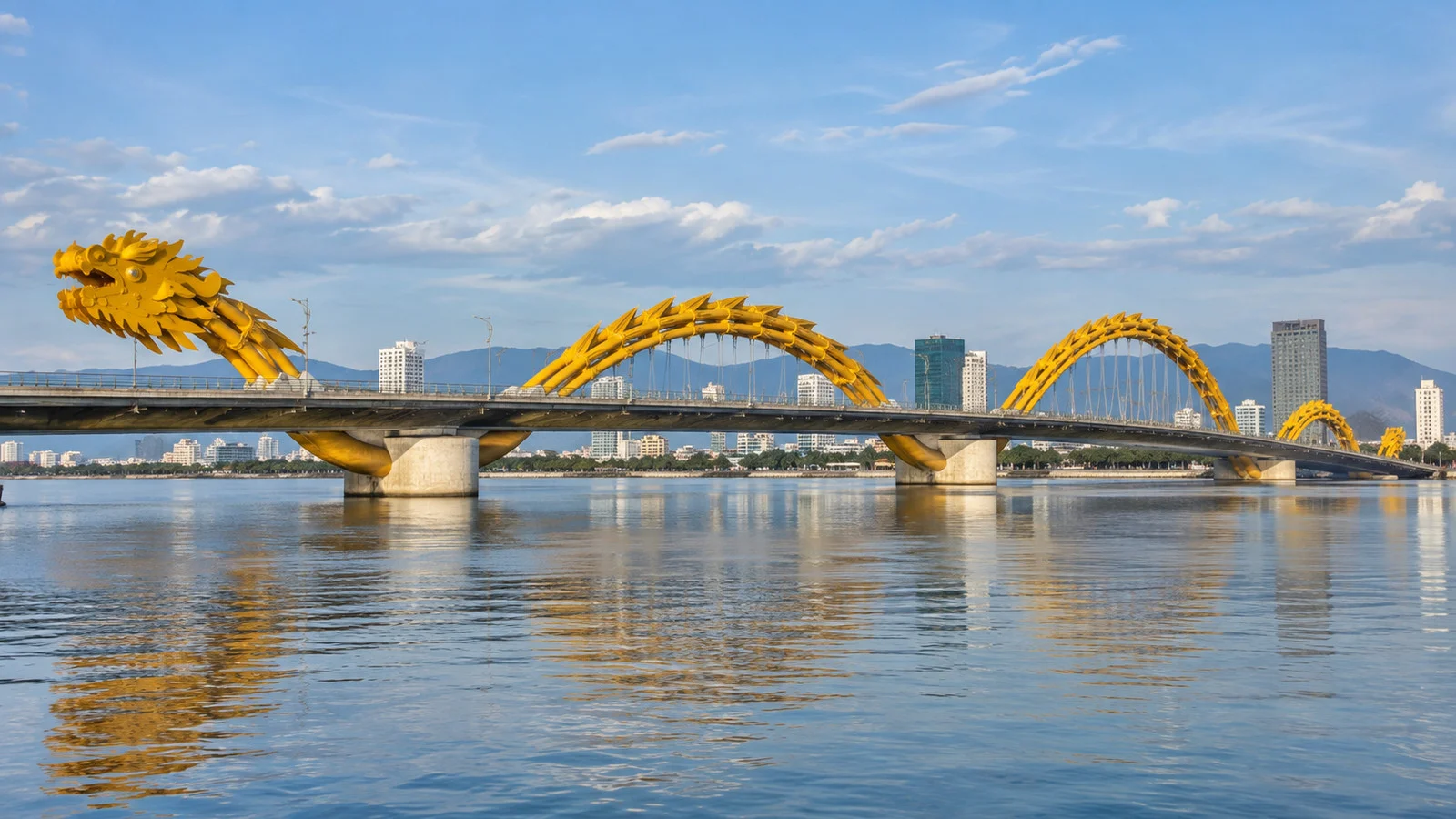
The Dragon Bridge is the city’s most recognizable modern landmark. Its special lighting or fire-and-water show runs on a schedule that can change, so daytime cruise visitors should enjoy the structure without expecting an evening performance.
Hàn Market offers food, clothing, household goods, and souvenirs in a busy local setting. Keep valuables secure, ask prices before buying, and expect narrow aisles rather than a polished shopping mall.
Mỹ Khê and other urban beaches work when weather and time allow, but swimming conditions can change. Follow local flags and lifeguard instructions, and leave enough time to change before the ride back to the port.
Hoi An From the Cruise Port
Hoi An lies south of Da Nang and requires a substantial road transfer from Tiên Sa. Depending on traffic and the final drop-off point, the trip commonly occupies a meaningful part of the port day in both directions.
A ship excursion gives the strongest return protection, while a prebooked private driver offers flexibility. An outbound taxi without a confirmed return is the least comfortable option when thousands of visitors are leaving at similar times.
Ask whether the driver waits or returns at a fixed time, and save a direct contact number. Mark the meeting point carefully because vehicles may stop outside pedestrianized parts of the old town.
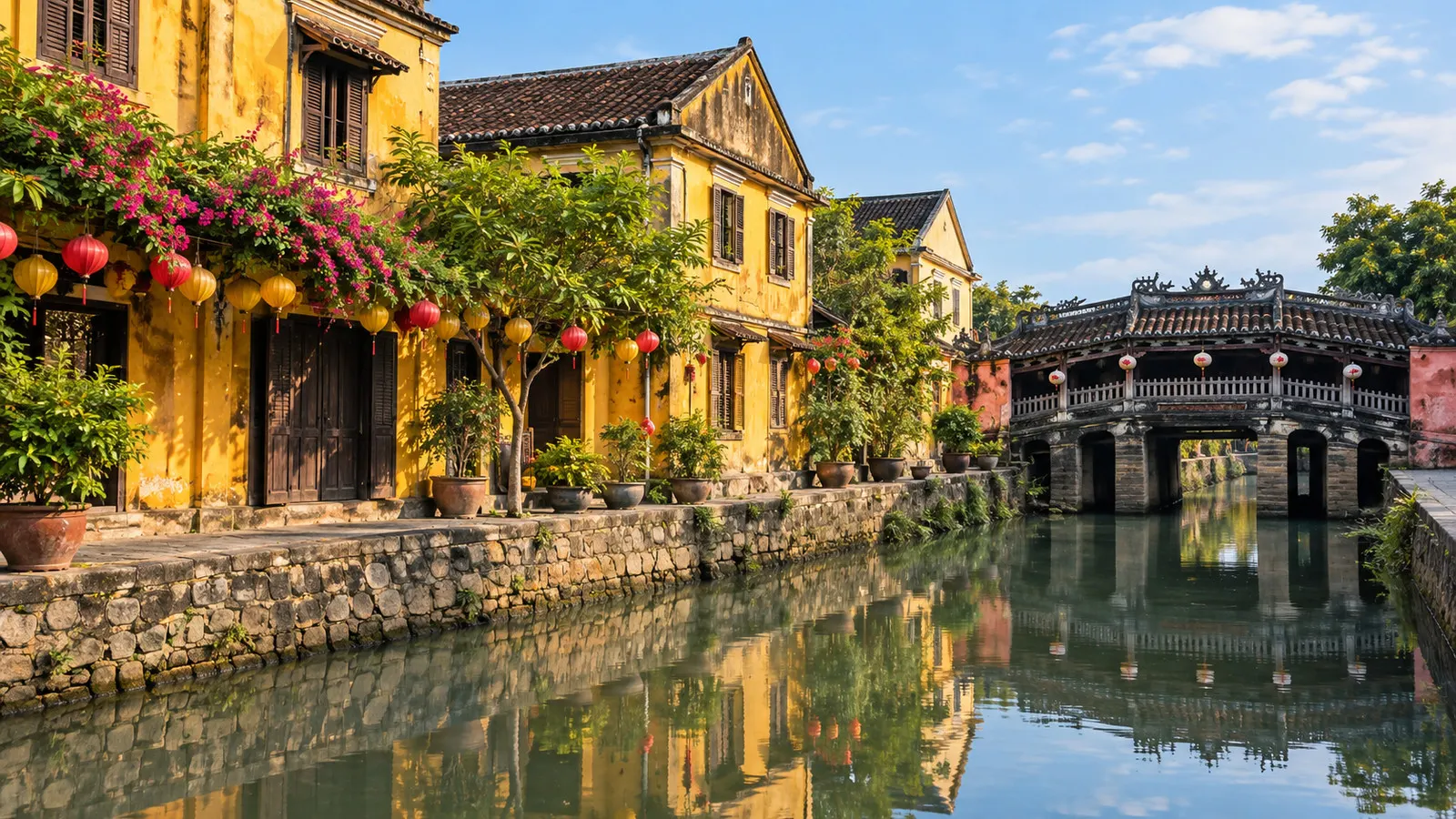
Plan Hoi An as the main event rather than a quick extra. The town rewards slow walking, architectural details, and time beside the Thu Bồn River more than a rushed circuit of famous doorways.
Why Hoi An Is Worth the Drive
UNESCO describes Hoi An as an exceptionally well-preserved Southeast Asian trading port active from the fifteenth through nineteenth centuries. Its buildings and street plan reflect Vietnamese, Chinese, Japanese, and later European influences.
The UNESCO Hoi An page highlights more than a thousand timber-frame buildings, religious structures, commercial houses, and the Japanese Covered Bridge. The historic relationship between streets, quays, and the river remains central to the town’s character.
Start with the riverside and narrow streets before choosing specific houses, assembly halls, temples, or museums. Current ticket rules, attraction openings, and pedestrian periods should be checked through official local information close to the visit.
Tailors can produce clothing quickly, but a cruise call leaves little room for fittings or correction. Buy only when the shop can explain timing, delivery, fabric, and what happens if the ship departs before an item is ready.
Hoi An can become crowded and hot by midday, especially when several tour groups arrive together. An early departure from the ship creates more comfortable walking and a better return margin.
The Marble Mountains
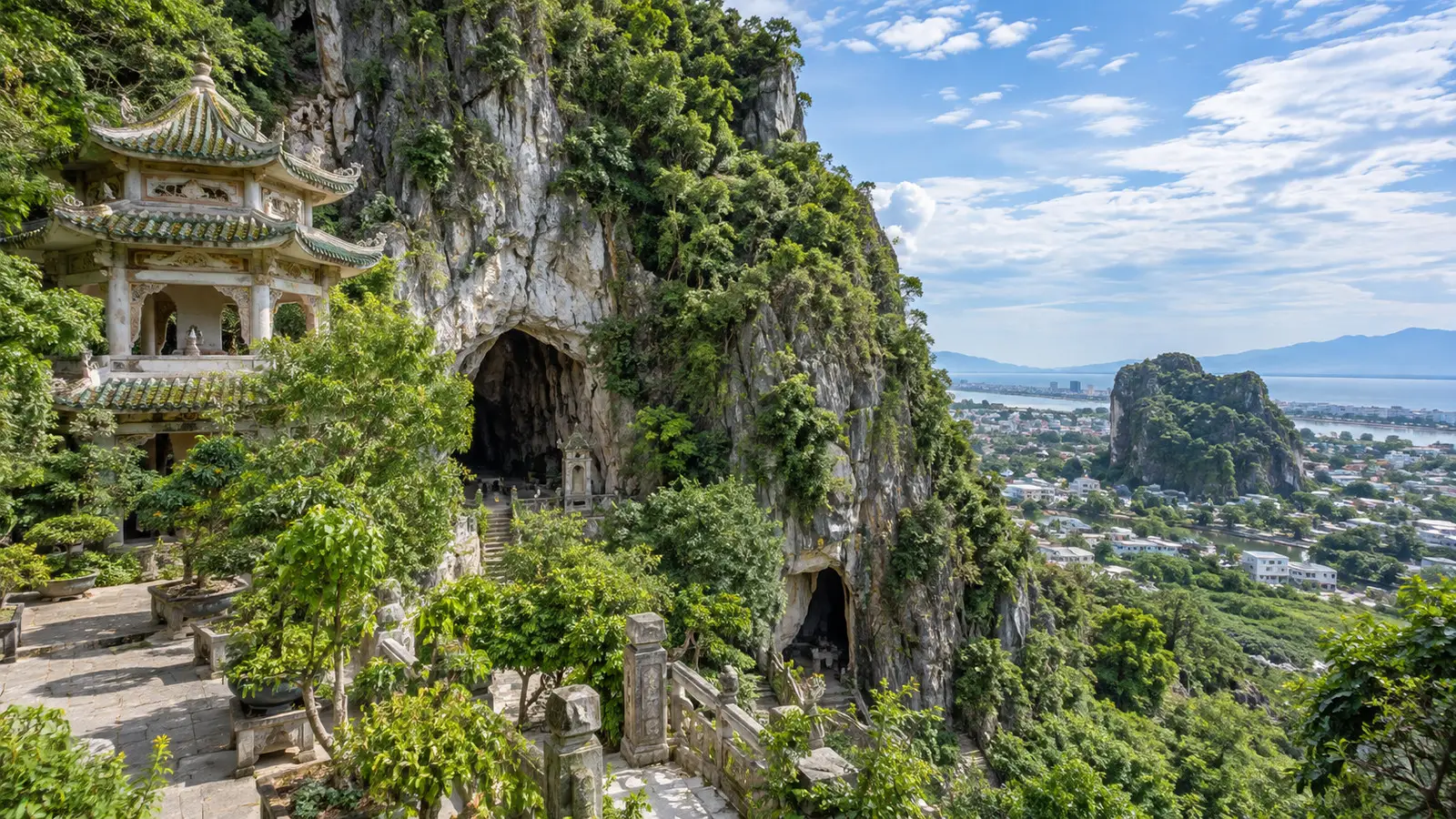
The Marble Mountains are a group of limestone and marble outcrops between central Da Nang and Hoi An. Caves, pagodas, viewpoints, stone steps, and religious spaces make them a logical stop on the southern route.
An elevator can reduce part of the climb on Thủy Sơn, but it does not create a fully step-free visit. Upper paths, cave interiors, thresholds, and viewpoints can still involve steep or uneven stairs.
Check current admission and elevator operation through official Da Nang tourism information. Some caves or areas may have separate entry rules, and wet stone becomes slippery in humid or rainy weather.
Combine the Marble Mountains with Hoi An only when the call is long and the vehicle starts early. If timing slips, drop the extra stop instead of turning the final drive into an anxiety exercise.
Sơn Trà Peninsula and Linh Ứng Pagoda
Sơn Trà is the closest major sightseeing area to Tiên Sa because it shares the peninsula with the port. Forested slopes, coastal views, and Linh Ứng Pagoda make it a practical choice for a shorter call.
The large Lady Buddha statue is visible from parts of the coast and water. Linh Ứng remains an active religious site, so cover shoulders and knees, speak quietly, and avoid blocking worshippers for photographs.
Road access on the peninsula can be restricted by weather, conservation measures, or local traffic rules. Use a licensed vehicle and follow current limits rather than assuming every scenic road is open to visitors.
Wildlife may be present in the forest, but feeding or approaching animals is inappropriate. Keep food contained and let any sighting remain a bonus rather than an excursion promise.
Mỹ Sơn Sanctuary
Mỹ Sơn is a major Champa temple complex in a valley inland from Hoi An. UNESCO describes its surviving tower temples as evidence of a culture shaped by Indian Hinduism between the fourth and thirteenth centuries.
The UNESCO Mỹ Sơn page identifies the site as a former religious and political capital of the Champa Kingdom. Its archaeological setting and surviving brick structures deserve more than a quick stop.
Treat Mỹ Sơn as the main excursion for the day, not an addition to a full Hoi An visit. The inland drive, site shuttle or walk, heat, and touring time make a three-destination plan unrealistic for most calls.
Stay on marked routes and follow local safety notices. Archaeological conservation and past conflict have left areas where access must remain controlled.
Accessibility and Mobility
Start with the secure-port transfer rather than assuming the flat quay answers every access question. Confirm gangway slope, shuttle steps, wheelchair storage, and whether an accessible vehicle can reach the ship or only the outer gate.
Central Da Nang has busy roads, variable curb cuts, scooters on sidewalks, and uneven pedestrian surfaces. A private vehicle with door-to-door stops is often more manageable than improvising transportation.
Hoi An’s core is relatively level, but worn paving, narrow buildings, high thresholds, and stairs can limit access to heritage interiors. Ask which attractions provide step-free entry rather than accepting a general claim that the old town is accessible.
The Marble Mountains are substantially more demanding because of stairs and cave surfaces. The elevator helps with part of Thủy Sơn, but it does not remove every climb or uneven section.
Weather and Seasonal Planning
Central Vietnam has a tropical climate with a wetter period concentrated later in the year. Heavy rain, coastal storms, flooding, wind, and rough seas can disrupt port calls or make inland roads slower.
Hoi An is especially sensitive to river flooding, and water can affect streets even when Tiên Sa remains operational. Follow current local notices and accept that an excursion may be changed for safety.
Hotter months bring strong sun and high humidity. Carry water, sunscreen, a hat, and a compact rain layer, and choose clothing that remains comfortable in temples and air-conditioned vehicles.
No audited Da Nang cruise-call cancellation rate is publicly available, so a percentage claim is misleading. The practical response is to keep private bookings flexible and watch the operator’s weather and itinerary messages.
Money, Connectivity, and Local Transport
Vietnamese đồng is the local currency, and cards are widely used at larger businesses. Carry smaller notes for markets, simple cafés, and minor purchases where cash is easier.
Use an official taxi queue, reputable app, cruise transfer, or prebooked driver. Confirm whether port access fees, waiting time, tolls, and parking are included in the quoted price.
Mobile data helps with translation and driver communication, but signal inside industrial areas or stone caves may be inconsistent. Save the ship contact and return instructions offline.
Vietnam entry rules depend on nationality, itinerary, and current government policy. Use the official Vietnam Immigration portal and the cruise line’s written instructions rather than relying on a visa claim in an old port review.
Three Sensible Port-Day Plans
For a first visit with a long call, make Hoi An the center of the day and use a ship excursion or prebooked driver. Add the Marble Mountains only when the schedule provides an early start and a large return buffer.
For a shorter call, combine Sơn Trà and central Da Nang. This keeps the drive manageable while delivering temple, coastal, riverfront, and city experiences.
For archaeology, choose Mỹ Sơn as the principal outing and accept that Hoi An belongs on another day. Giving one UNESCO site enough time is better than viewing two mostly through a vehicle window.
Whichever plan you choose, leave at the first practical departure and set a firm return time with the driver. The port gate and ship gangway both require time after the sightseeing ends.
The Final Take
Da Nang is a versatile cruise port, but distance separates its best experiences. Hoi An rewards a full heritage day, while Sơn Trà, the Marble Mountains, and the city create better choices when time is tighter.
How this guide was researched: Unless a first-hand visit is explicitly identified above, this guide is based on independent research using official port, immigration, tourism, and UNESCO sources where available. Logistics and time-sensitive details were reviewed on September 12, 2026, under our Editorial Policy.