Cape Verde Cruise Ports: The Complete Guide to Every Stop
Cabo Verde sits in the Atlantic off West Africa, but no two islands feel like copies of one another. A cruise may move from Mindelo’s music and mountain-ringed harbor to Praia’s busy capital streets, then onward to an island of beaches, volcanoes, or dry lunar landscapes.
That variety is the joy of a Cape Verde cruise and the reason careful planning matters. The best port day begins with the island name, the exact harbor, and one realistic priority rather than a generic promise of sun and sand.
Quick Facts for Cape Verde Cruise Ports
- Main cruise ports: Porto Grande at Mindelo on São Vicente and Porto da Praia on Santiago.
- Other possible calls: Palmeira on Sal, Sal Rei on Boa Vista, Porto Novo on Santo Antão, and selected ports on Fogo, São Nicolau, or other islands.
- Currency: Cape Verdean escudo, abbreviated CVE.
- Language: Portuguese is official, while Cape Verdean Creole is central to everyday life.
- Best independent port: Mindelo for a compact center, markets, music, and waterfront atmosphere.
- Best history excursion: Cidade Velha from Praia.
- Best planning rule: Do not add an inter-island ferry unless the return has a generous backup or cruise-line protection.
Mindelo or Praia: The Fast Answer
Choose Mindelo if you want the easiest city walk, a strong cultural day, and scenic driving around São Vicente. Its music, markets, harbor, colonial-era streets, and nearby coastline offer plenty without leaving the island.
Choose Praia if you want a more urban capital, Santiago’s layered history, or the UNESCO World Heritage site at Cidade Velha. The port is less naturally walkable, so a tour or arranged taxi usually improves the day.
Neither port is a polished resort terminal. Cabo Verde is most rewarding when you come for lived-in cities, dry volcanic scenery, Atlantic light, and the warmth often described locally as morabeza.
How Cape Verde’s Islands Change the Itinerary
Cabo Verde has ten islands with distinct landscapes and transport realities. A ship’s route may mix mountainous islands, low sandy islands, historic cities, working fishing communities, and ports where tenders remain part of the operation.
The national port authority ENAPOR manages the country’s port network, but berth assignment and passenger procedure depend on the vessel and day. A destination label such as Mindelo or Praia is not enough for an independent operator who needs the exact meeting point.
Inter-island ferries serve communities and freight as well as visitors. Weather, maintenance, operating days, capacity, and timetable changes make them useful for longer stays but potentially fragile for a single cruise call.
1. Mindelo Cruise Port on São Vicente
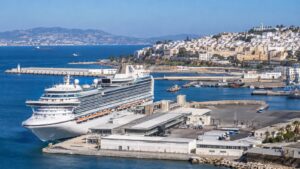
Mindelo wraps around Porto Grande, one of the great natural harbors of the eastern Atlantic. Ships often dock in the working port, with the city center reachable by shuttle, taxi, or a manageable walk according to the assigned berth and current access.
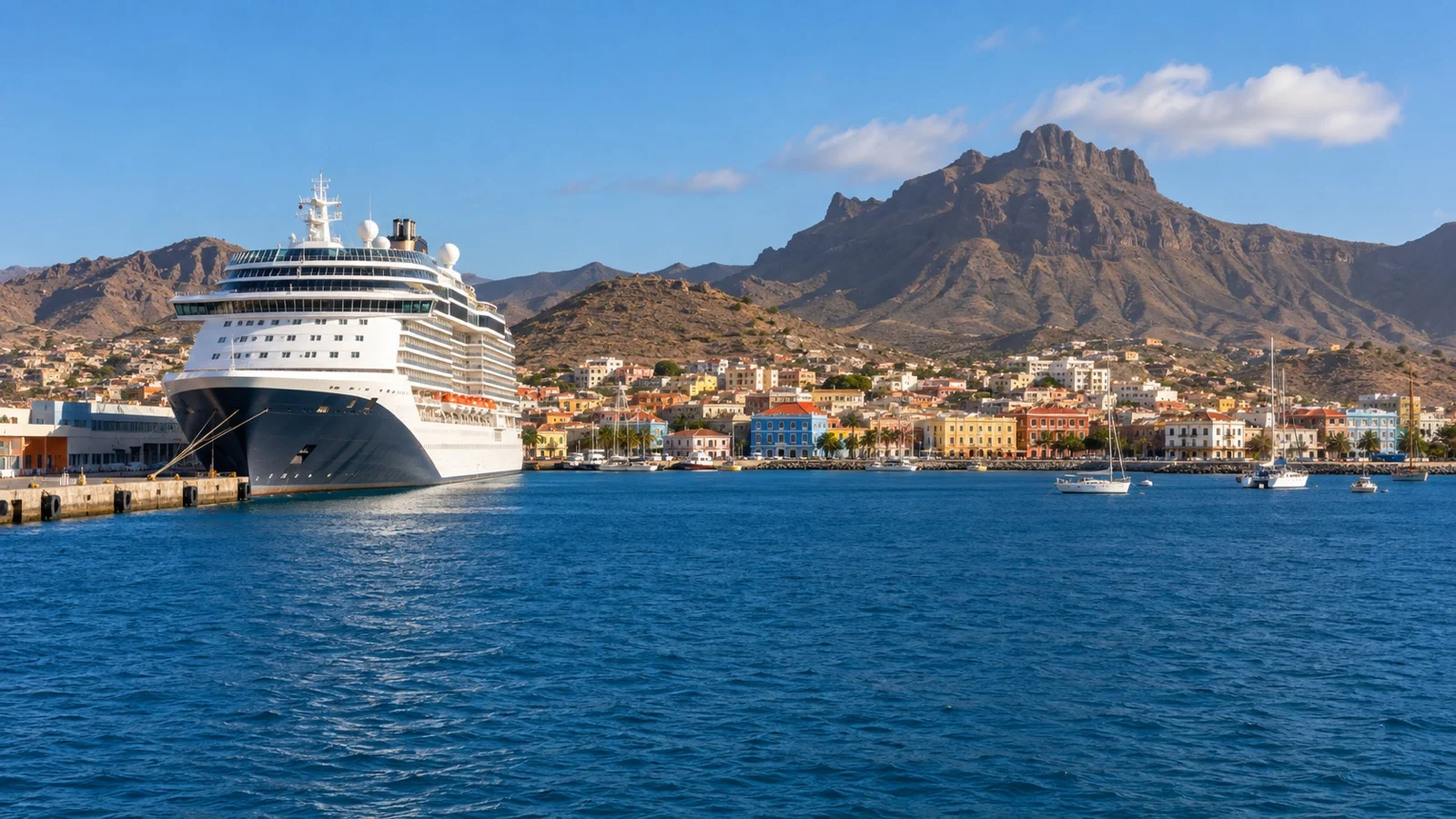
The center feels colorful and human-scaled, with markets, squares, shops, cafés, and cultural buildings woven into everyday streets. I would give the city at least part of the day rather than treating it only as a bus terminal for island scenery.
Music is fundamental to Mindelo’s identity, and the city is closely associated with morna and the legacy of Cesária Évora. Look for a locally led cultural visit or live performance that explains the music rather than using it as background decoration.
The Mercado Municipal and fish market area can be lively places to understand local produce and working life. Ask before photographing vendors, keep valuables discreet, and remember that a market is serving residents first.
Mindelo’s colonial history is visible in architecture and civic spaces, but it sits within a wider story of Atlantic trade, migration, independence, and creole culture. A knowledgeable guide helps keep the day from becoming a superficial walk past painted facades.
A Walking Day in Mindelo
A simple route can connect the waterfront, central squares, markets, cultural buildings, and a good lunch. Sidewalk quality, heat, and port-gate distance vary, so travelers with limited mobility should arrange a short taxi even when the map looks compact.
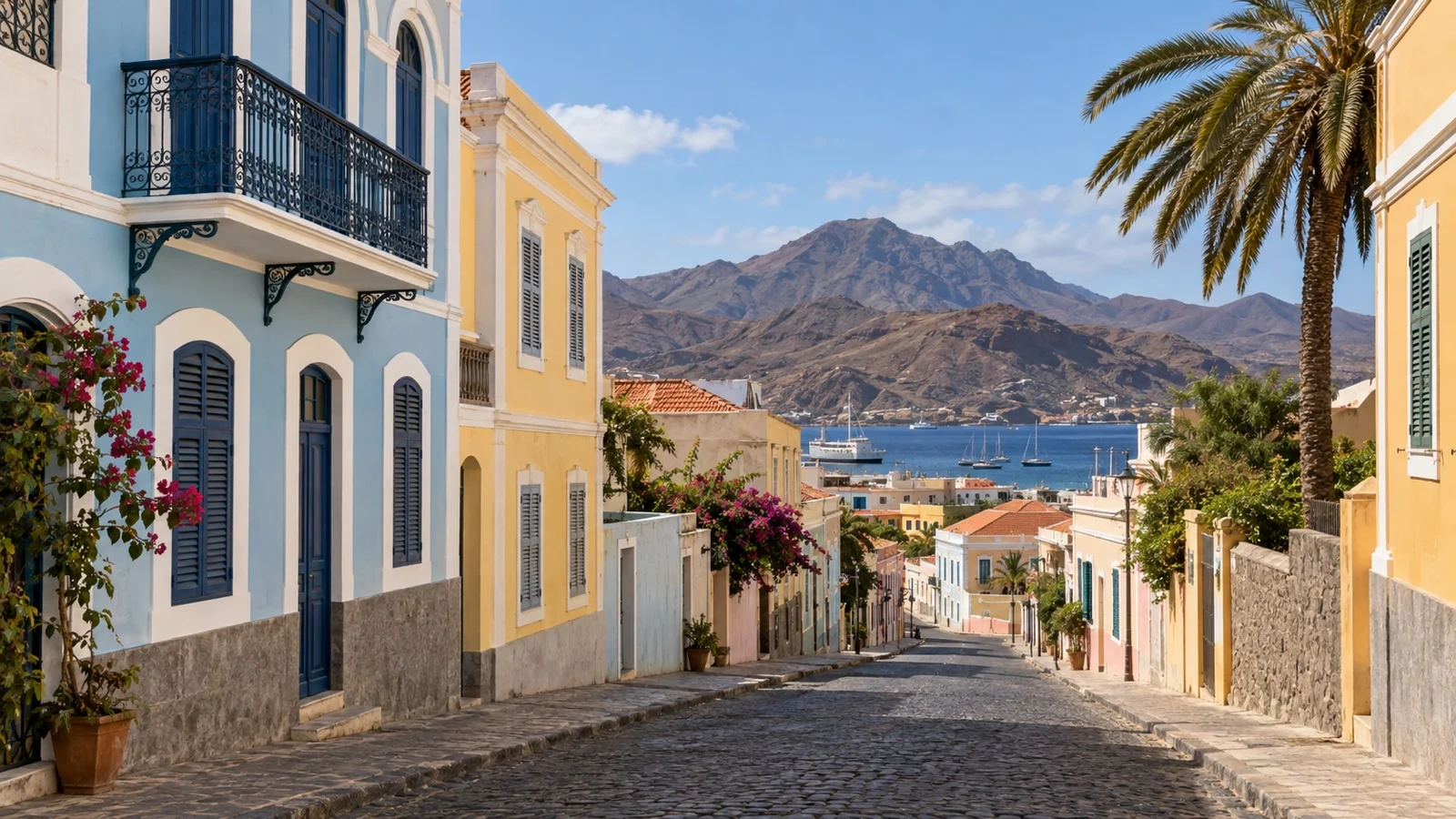
Laginha Beach is close enough to combine with the city for many visitors. Water conditions and facilities change, and the Atlantic deserves more respect than its bright color sometimes receives.
Mindelo is an easy place to slow down over cachupa, grilled fish, or another local dish. Choose a restaurant that fits the ship’s timing, and do not save payment or the return walk for the final minutes.
Scenic São Vicente From Mindelo
São Vicente is dry, volcanic, and dramatic, with bare ridges dropping toward bays that shift color with the clouds. A half-day island drive creates a strong contrast with Mindelo’s streets without requiring a ferry.
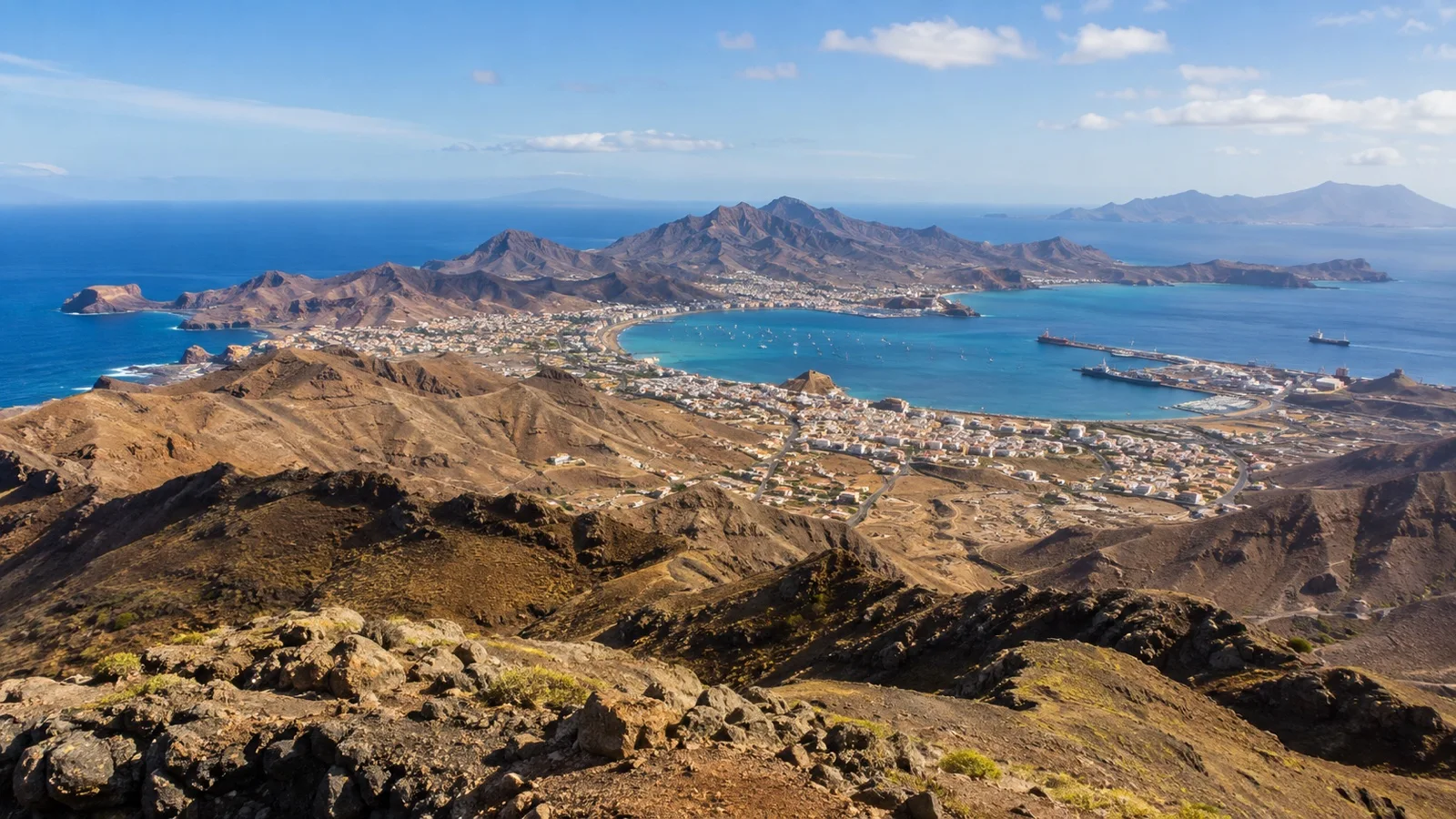
Monte Verde is the island’s highest point and a classic viewpoint, but cloud, wind, road conditions, and visibility affect the experience. Let a local driver decide how far the day’s conditions make sense.
Baía das Gatas is known for its sheltered bay and music-festival associations. Swimming conditions still need local confirmation, and facilities may be limited outside busy periods.
Calhau and the island’s east coast reveal volcanic terrain, fishing communities, and a quieter side of São Vicente. A loop route can combine several landscapes while keeping the port return under the driver’s control.
2. Praia Cruise Port on Santiago
Praia is Cabo Verde’s capital and largest city, located on the island of Santiago. Cruise ships use a working port away from the Plateau, the elevated historic and administrative center, so most passengers need organized transport through the gate.
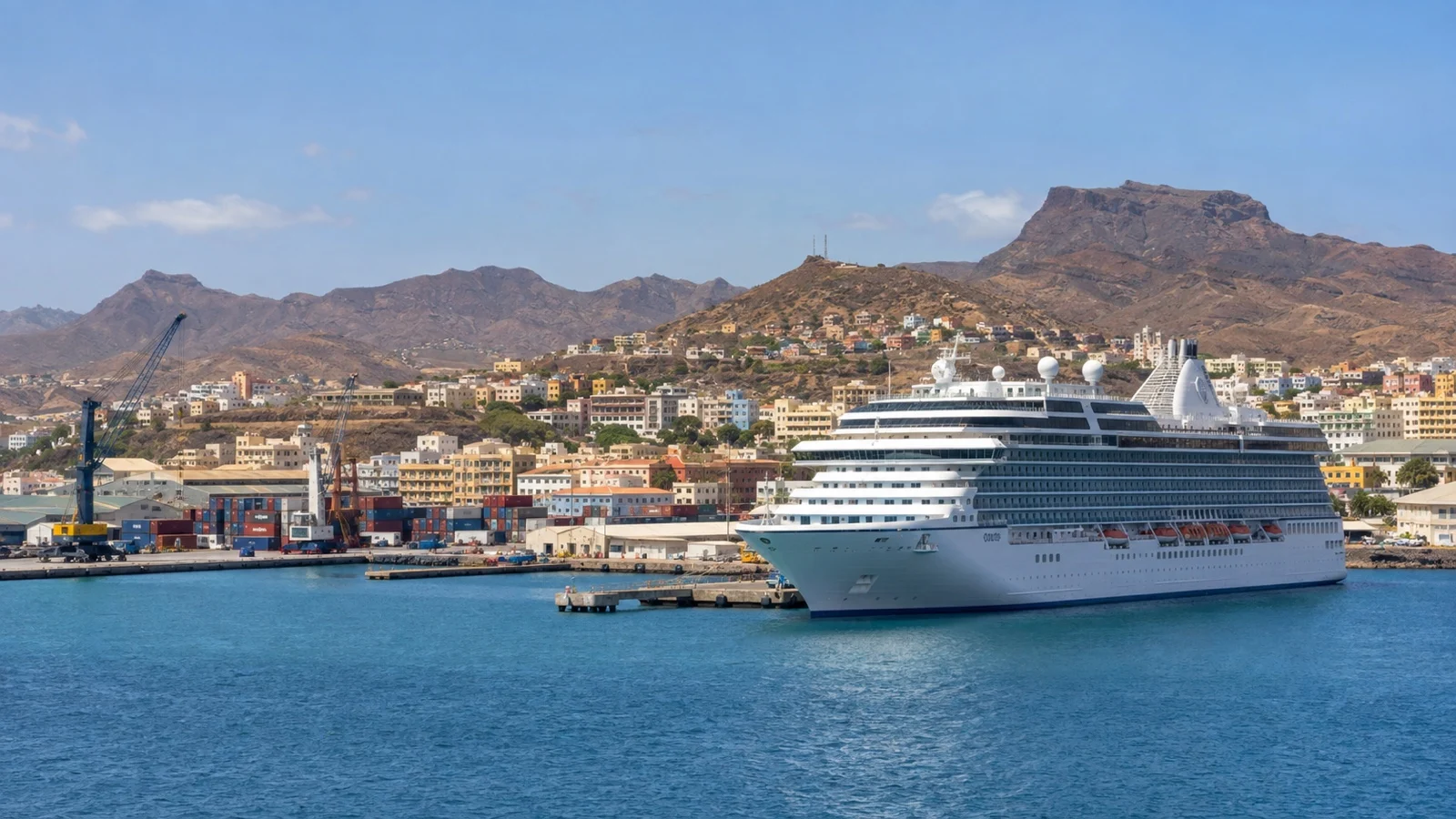
The Plateau offers civic buildings, streets, viewpoints, markets, museums when open, and the rhythm of a busy capital. It is more rewarding with context because important places are woven into an active commercial city rather than arranged as a cruise district.
Sucupira Market can be intense, colorful, and crowded. Visit with awareness, carry little, ask before photographing, and choose a guide if you want to understand what you are seeing rather than moving nervously through the aisles.
Praia is the better port for travelers who want contemporary Cabo Verde alongside history. Music, food, commerce, migration, and politics are part of the city’s story, not distractions from it.
Cidade Velha From Praia
Cidade Velha, historically Ribeira Grande, lies along the coast from Praia and is Cabo Verde’s UNESCO World Heritage site. UNESCO identifies it as the first European colonial outpost in the tropics and a place deeply tied to Atlantic trade and the trafficking of enslaved people.
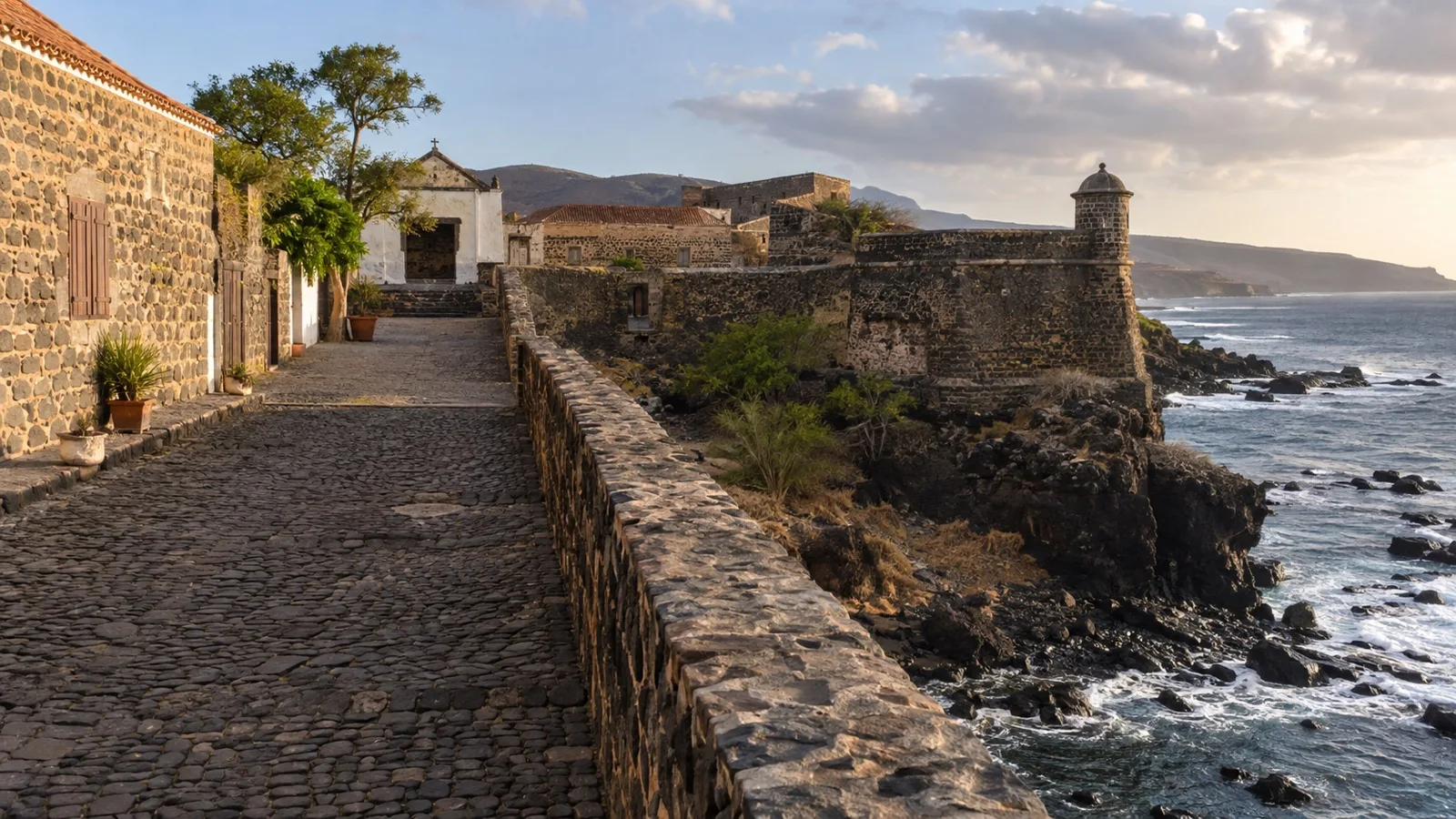
The surviving landscape includes historic streets, churches, a fortress, and Pillory Square. Visit with a guide who addresses enslavement and colonial power directly rather than presenting the site as a picturesque ruin.
The excursion is practical from Praia when transport is arranged around the ship. Heat, uneven surfaces, slopes, and limited shade make water and sturdy shoes more important than the distance suggests.
A city-and-Cidade Velha combination gives first-time visitors the strongest Santiago overview. I would avoid adding a long northern drive unless the ship offers an unusually long call.
Santiago Beyond the Capital
Santiago is Cabo Verde’s largest and most populous island, with mountain interiors, agricultural valleys, towns, beaches, and distinct cultural traditions. A full island crossing consumes too much of many cruise calls.
Tarrafal in the north is known for its bay and history, including the former concentration camp site. It is a long commitment from Praia and deserves more than a quick beach photograph before turning back.
An inland cultural route can focus on music, batuku traditions, markets, food, or rural landscapes closer to the capital. Choose an operator that works respectfully with communities and states how local participants benefit.
São Vicente Beaches and Coast
Cape Verde beaches vary from sheltered bays to exposed Atlantic shores, and a famous name does not guarantee calm water. Ask a local guide where conditions are suitable on the day rather than choosing solely from photographs.
Laginha is convenient from Mindelo, while Baía das Gatas offers a different setting within an island tour. São Pedro is known for wind and marine activities, which also means the sea can be unsuitable for an unplanned casual swim.
Rip currents, shore break, rocks, and strong wind may be present without obvious warning signs. Follow local advice and keep children within arm’s reach near the water.
Fishing boats and working beaches are part of community life. Keep clear of gear, ask before photographing people, and do not assume every stretch of sand is organized for visitors.
A Santo Antão Day Trip From Mindelo
Santo Antão’s green valleys, mountain roads, and hiking routes are a striking contrast with dry São Vicente. Reaching the island usually adds a ferry from Mindelo to Porto Novo, followed by another vehicle and the same chain in reverse.
The crossing can look easy on a timetable, but cruise passengers must allow for port transfer, boarding, sea conditions, ferry operation, island roads, and a backup return. I favor a ship excursion or an established operator that controls the complete sequence.
A full-day Santo Antão tour often becomes more scenic driving than hiking. Ask how much time is spent ashore, where walking occurs, and what route is used if cloud covers the high roads.
If the connection is not secure, stay on São Vicente. Mindelo and its own island scenery make a complete port day without the anxiety of watching a ferry schedule.
Other Cape Verde Cruise Ports
Selected itineraries call at Sal, Boa Vista, Santo Antão, Fogo, São Nicolau, or other islands. Each one needs island-specific planning because a port name may refer to a commercial harbor, a tender landing, or a small-town quay.
Palmeira on Sal is a working port away from the main resort area of Santa Maria. Excursions may combine salt landscapes, desert scenery, coastal features, and beaches, but transfer time should be confirmed.
Sal Rei on Boa Vista can involve tender or small-port operations depending on the ship. The island is known for broad beaches and desert-like interiors, while wind and sea conditions shape water activities.
Porto Novo on Santo Antão places you directly on the island, removing the Mindelo ferry from the day. Scenic mountain routes still involve winding roads, major elevation changes, and weather that can hide viewpoints.
Fogo calls may focus on volcanic landscapes and local communities, with road and port details varying by itinerary. An active volcanic environment demands current official guidance and a qualified local operator.
São Nicolau offers mountain scenery and a quieter island experience on less frequent calls. Limited vehicle supply makes early booking sensible when a ship is scheduled.
Docking, Tenders, and Port Gates
Porto Grande and Porto da Praia can berth cruise vessels, but the final assignment depends on ship size and operations. Other island calls may use tenders or smaller facilities.
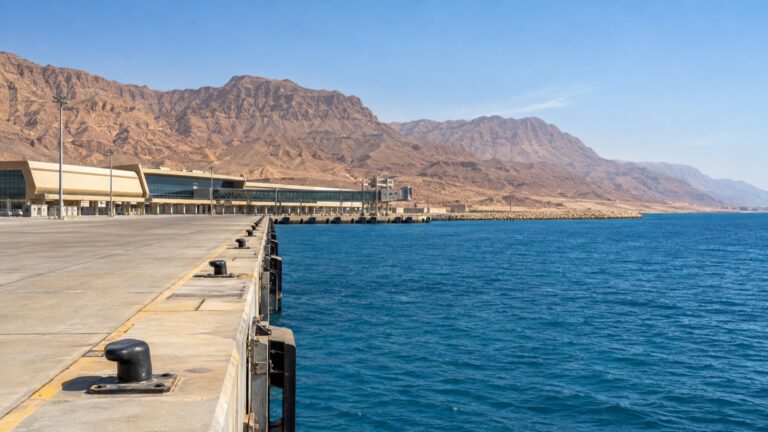
Working ports can restrict walking through cargo areas. Use the shuttle where required and confirm whether a private guide meets inside or outside the gate.
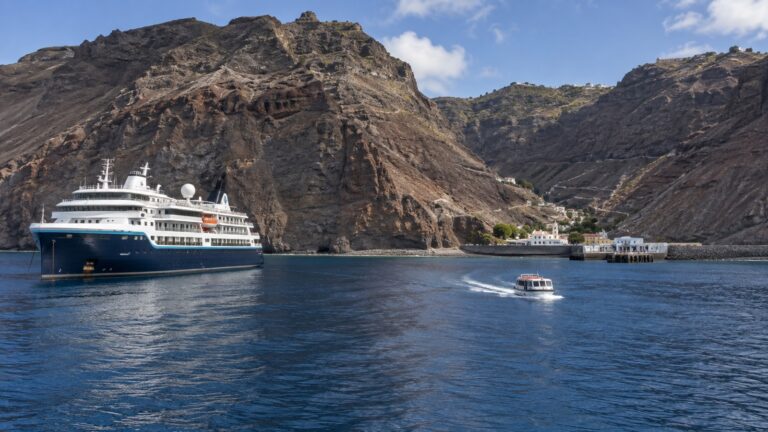
Tender operations add steps, moving platforms, and possible weather restrictions. Passengers with mobility concerns should ask the cruise line about the actual transfer before booking an excursion.
Keep the port-agent contact, ship name, berth, and all-aboard time saved offline. A driver needs the exact harbor rather than the general destination printed on a brochure.
Transport and Realistic Timing
Taxis and arranged drivers are the most practical tools for a cruise day. Agree on the route, fare, waiting arrangement, currency, and return time before leaving the port.
Vehicles range in age and configuration, and seat belts or air conditioning should not be assumed. Ask specifically if either feature matters to you.
Roads can be paved yet winding, steep, dusty, or slow through towns. A short map distance on Santo Antão or Santiago may represent a much longer ride than it would on Sal.
Public minibuses serve residents but do not provide the schedule protection most cruise visitors need. Use them only for a simple same-area plan with ample backup time.
Weather, Wind, and What to Pack
Cabo Verde is generally dry and sunny, but each island and elevation creates its own conditions. Wind is a defining factor for harbor operations, beach comfort, dust, hiking, and small-boat trips.
The national meteorology institute provides official weather information, although local port and ship decisions remain decisive. A clear sky does not mean the Atlantic is calm enough for every activity.
Bring strong sun protection, water, a hat that secures well, and a light layer for wind. Closed shoes are useful on volcanic ground, cobbles, markets, and uneven historic sites.
Dust or seasonal haze can reduce distant views and irritate eyes or lungs. Travelers with respiratory sensitivities should monitor current conditions and carry needed medication.
Hiking and Nature Excursions
Cabo Verde’s trails cross volcanic and agricultural landscapes with little shade. Route finding, heat, steep descents, loose rock, and sudden cloud can make a short distance demanding.
Use a local guide for ambitious hikes, especially on Santo Antão or Fogo. Start with a fixed turnaround time that protects the ship rather than letting the viewpoint decide when you return.
Trail access, park rules, volcanic alerts, and community fees can change. Follow current official and local instructions instead of relying on an old GPS track.
Carry more water than you expect to drink, plus sun protection and a light wind layer. Trekking poles may help on long stone descents if the tour allows them.
Culture, Music, and Responsible Visits
Cabo Verde’s culture reflects West African, Portuguese, Atlantic, and island influences shaped into something distinctly creole. Morna, coladeira, funaná, and batuku should be approached as living traditions rather than a soundtrack for sightseeing.
Pay artists fairly, ask before recording performances, and buy crafts from makers or credible cooperatives when possible. A respectful cultural experience explains the people and context behind the music.
The concept of morabeza is often translated through hospitality, warmth, and welcome. Receive that welcome without expecting residents to perform friendliness on demand.
Money, Language, and Connectivity
The Cape Verdean escudo is the national currency. Euros may be accepted in some visitor businesses, but rates and change practices vary, so confirm the currency before agreeing to a price.
Cards work in larger establishments but can fail because of network or terminal issues. Carry small escudo notes for markets, cafés, taxis, and modest tips.
Portuguese is the official language, while Cape Verdean Creole is widely spoken. A few courteous words and a saved Portuguese translation of your destination can make everyday interactions easier.
Mobile coverage is strongest in cities and may fade on remote roads or mountain routes. Download booking information, maps, and emergency contacts before leaving the ship.
Entry Rules and Cruise Documents
Cabo Verde entry requirements depend on nationality, passport, arrival method, and current policy. Online preregistration or airport-related procedures for air travelers may not apply to a cruise call in the same way.
Follow the cruise line’s instructions and verify visa or entry requirements through official Cabo Verde government channels. Avoid third-party sites that add fees while presenting themselves as official registration services.
The ship may retain or process passports for clearance on some itineraries. Carry ashore exactly what the daily program specifies, not what a traveler on a different sailing recommends.
Accessibility and Lower-Energy Planning
Mindelo is the easiest port for a lower-energy day, but sidewalks, cobbles, curbs, heat, and the port route still create challenges. A short taxi between the ship, center, and Laginha can conserve energy.
Praia’s port is less suited to an independent roll or stroll because the main sights sit beyond the working harbor. Reserve an accessible vehicle early and verify the lift or ramp rather than accepting a general promise.
Island tours may use high-step minibuses and include rough viewpoints without rails. Ask for vehicle photos, walking distances, restroom access, shade, and terrain at every stop.
A panoramic drive with one accessible cultural visit can be a richer day than a physically unsuitable beach or mountain excursion. Cabo Verde’s scenery does not require strenuous hiking to feel dramatic.
Families and Multigenerational Groups
Children need close supervision near Atlantic water, working harbors, cliffs, and busy markets. A beach with local facilities and a reliable driver is preferable to the most remote stretch of sand.
Long ferry chains and mountain roads can exhaust a mixed-age group. Mindelo’s city-plus-beach combination or Praia with Cidade Velha offers more variety and easier pacing.
Bring familiar snacks only within customs and ship rules, along with water and sun protection. Restroom stops should be discussed before starting an island tour.
How I Would Plan Each Main Port
In Mindelo, I would walk the center, make time for music or a market, and add a half-day São Vicente drive. Santo Antão would replace that plan only when the ferry chain is fully protected.
In Praia, I would visit Cidade Velha with a serious guide, then spend time on the Plateau or over lunch. I would not try to add Tarrafal on an ordinary port call.
On Sal or Boa Vista, I would choose one island loop and one safe beach stop rather than crossing repeatedly between attractions. On Fogo or Santo Antão, the landscape and local guide would be the main event.
Frequently Asked Questions
Which Cape Verde cruise port is best for a first visit?
Mindelo is the easiest all-around first call because it combines culture, walkability, and São Vicente scenery. Praia is the better choice for travelers most interested in Santiago’s history and Cidade Velha.
Can I explore independently?
Central Mindelo is the simplest place to explore independently after following port-gate instructions. Praia and the less frequent island ports benefit more from arranged transport.
Can I visit Santo Antão from Mindelo?
Yes when ferry timing, capacity, weather, and the ship schedule align. A protected excursion is the safer choice because the day contains several connections and no bridge back.
Are the beaches safe for swimming?
Conditions vary by bay, wind, swell, tide, and season. Ask locally, obey warnings, and never assume clear blue water means weak currents.
Do I need cash?
Cards are useful, but small amounts of Cape Verdean escudos make taxis, markets, food, and modest purchases easier. Confirm prices and currencies before paying.
What is the biggest planning mistake?
The biggest mistake is treating all islands as one destination and underestimating road or ferry time. Choose an experience that belongs to the island where your ship actually calls.
Final Verdict
Mindelo is Cabo Verde’s most naturally rewarding cruise port for an independent traveler, while Praia offers the strongest gateway to the archipelago’s colonial and creole history. The smaller ports exchange convenience for landscapes and communities that few cruise passengers see.
Build the day around the exact island, respect the Atlantic, and leave ferry ambitions enough room to fail safely. Cabo Verde does not need an overfilled schedule to feel extraordinary.
This guide was researched using current information from Cabo Verde Tourism, ENAPOR, Cabo Verde Interilhas, the national meteorology institute, UNESCO, and official immigration and maritime authorities. Berths, ferries, entry rules, trail access, weather, and swimming conditions can change, so verify the final details with your cruise line and the responsible official agency.