India Cruise Ports: A Planner’s Guide to Every Stop
India is not one cruise destination but a whole coastline of different worlds. Mumbai brings cinematic city energy, Goa mixes Portuguese heritage with beaches, Kochi layers spice-trade history beside Kerala backwaters, and Chennai opens the door to the temples and stone monuments of Tamil Nadu.
I would choose an itinerary by the quality of its port hours rather than the number of famous names on the map. India rewards curiosity, but traffic, heat, security procedures, and long gateway drives can turn an overstuffed plan into a day spent watching the clock.
Quick Facts
- Core cruise gateways: Mumbai, Mormugao in Goa, Kochi, and Chennai
- Additional itinerary-dependent calls: New Mangalore, Visakhapatnam, Port Blair, and Kolkata or Haldia
- Best first city day: Mumbai for landmarks, museums, markets, and food
- Easiest atmosphere: Kochi for Fort Kochi and Mattancherry
- Best beach and heritage mix: Goa, with transportation arranged from Mormugao
- Essential check: Confirm visa eligibility and the authorized first seaport before boarding
Start with immigration, not sightseeing
Most foreign passengers need a valid Indian visa or another qualifying immigration status before travel, even when a cruise line collects passports or submits a passenger manifest. Use only the Government of India’s official visa portal and follow the cruise line’s written instructions for your nationality and itinerary.
The authorized entry list has expanded over time, which is why older cruise articles may name fewer eligible seaports than the current portal. Match your application to the first Indian arrival in the cruise documents, and ask the line for written clarification if the port name or visa category is unclear.
Port immigration may involve face-to-face checks, passport collection, or procedures completed on the ship. Keep a copy of your passport data page, visa approval, insurance details, and the ship’s local contact information.
Port Blair and other island or protected-area itineraries can add local permission questions beyond the ordinary visa. Do not assume that permission to enter India automatically confirms every landing, excursion, or protected-zone visit.
Mumbai
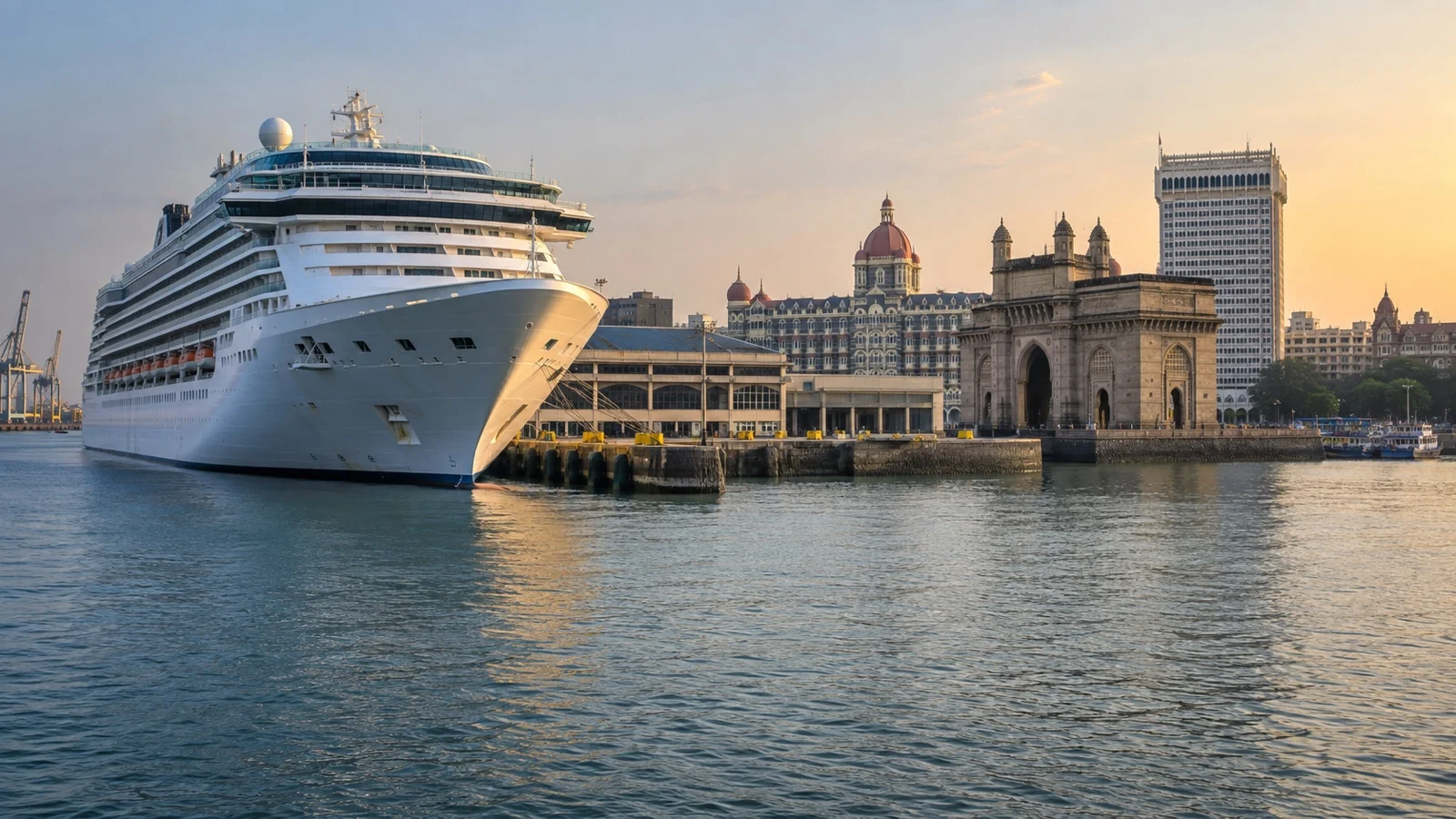
Mumbai is the most complete first-time India call because South Mumbai holds an extraordinary concentration of architecture, museums, markets, restaurants, and waterfront landmarks. The modern cruise facilities at Ballard Pier improve arrival, but the city outside still runs on its own energetic timetable.
For one day, I would build a compact loop around the Gateway of India, Colaba, Kala Ghoda, Chhatrapati Shivaji Maharaj Terminus, and one carefully chosen museum or market. Bouncing north and south across the city wastes the very hours you came to enjoy.
Elephanta Caves are a UNESCO World Heritage Site reached by boat from the Gateway area, with steps and uneven ground after the ferry. It is wonderful on a long call, but weather, queues, site hours, and the return to the terminal all need generous margins.
Use a reputable prepaid taxi, app-based car where available, or guide who understands port access. Photograph the terminal name on arrival because Mumbai has several waterfront facilities and a driver needs the correct return point.
Mormugao, Goa
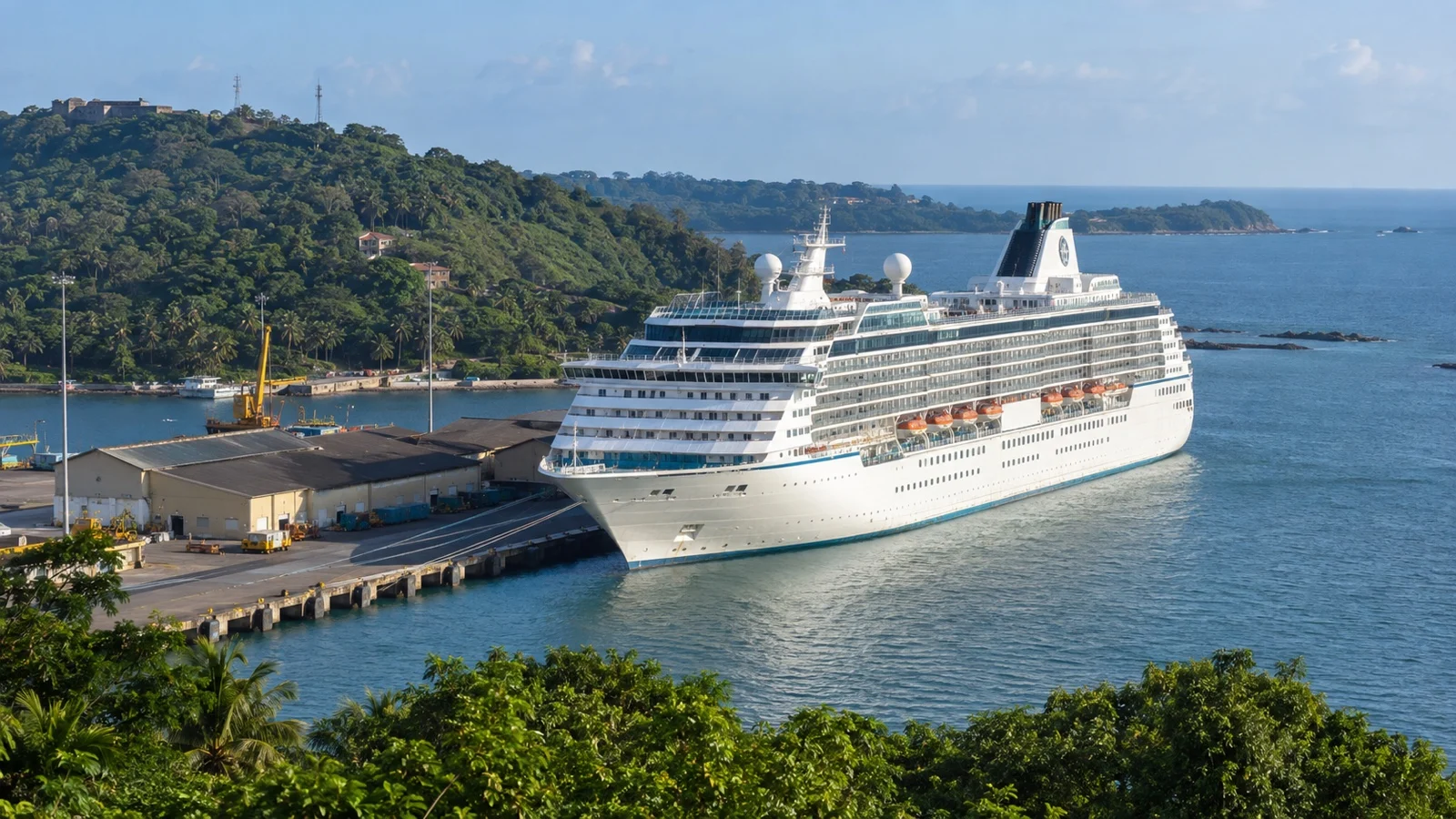
Mormugao is a working port in South Goa, not a beach resort or the historic center of Panaji. Transportation is the first decision, and the best destination depends on whether you want Old Goa’s churches, Panaji, a selected beach, or a slower food-focused day.
The churches and convents of Old Goa form a UNESCO World Heritage Site and make a satisfying cultural anchor. Add Panaji or lunch nearby rather than trying to combine Old Goa with a distant beach circuit and shopping.
Beach names can hide meaningful driving differences, especially when traffic thickens around towns and bridges. Pick one coastal area, agree on the wait-and-return arrangement, and keep the all-aboard time visible.
Goa feels relaxed, but that mood should not soften your return plan. A long lunch, slow road, and uncertain vehicle pickup can consume a comfortable buffer surprisingly quickly.
Kochi
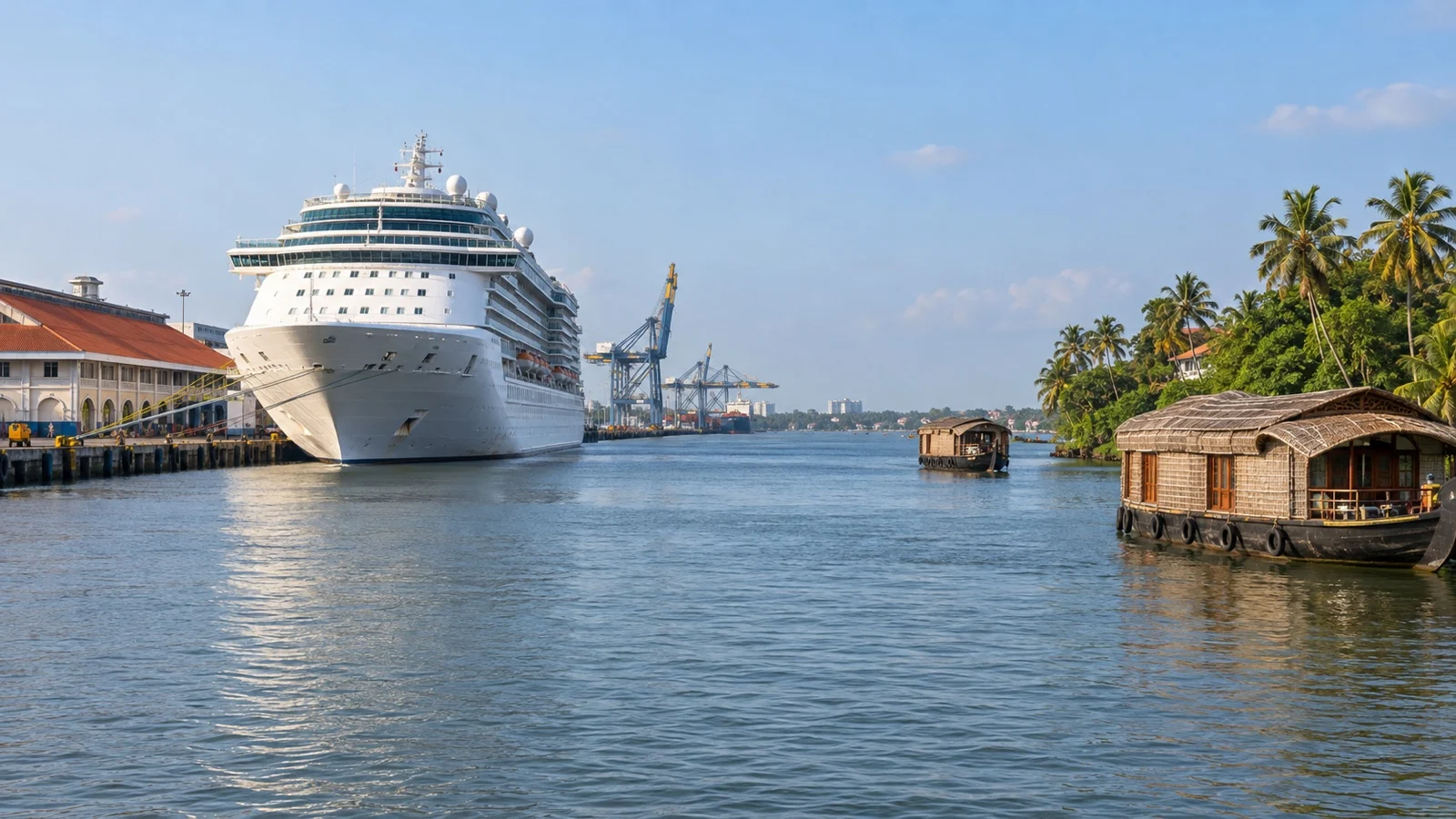
Kochi is the port I recommend to travelers who want history and atmosphere without committing the whole day to a highway. Cochin Port Authority lists dedicated cruise facilities at Samudrika and Sagarika, so check which terminal your ship has been assigned.
Fort Kochi and Mattancherry form the natural local circuit, with waterfront views, Chinese fishing nets, religious sites, spice-trade stories, galleries, and cafes. The sights are not all in one tiny cluster, so a tuk-tuk, taxi, or guided vehicle can save energy in humid weather.
A Kerala backwater excursion is a completely different day and can be beautiful when port hours are long enough. Because it combines a road transfer with boat timing, I prefer a ship excursion or a carefully vetted operator with a conservative return.
The port authority says its cruise terminals handle customs and immigration under one roof, but clearance time can still vary. Do not promise a guide an exact curbside meeting minute until the ship explains where independent pickups occur.
Chennai
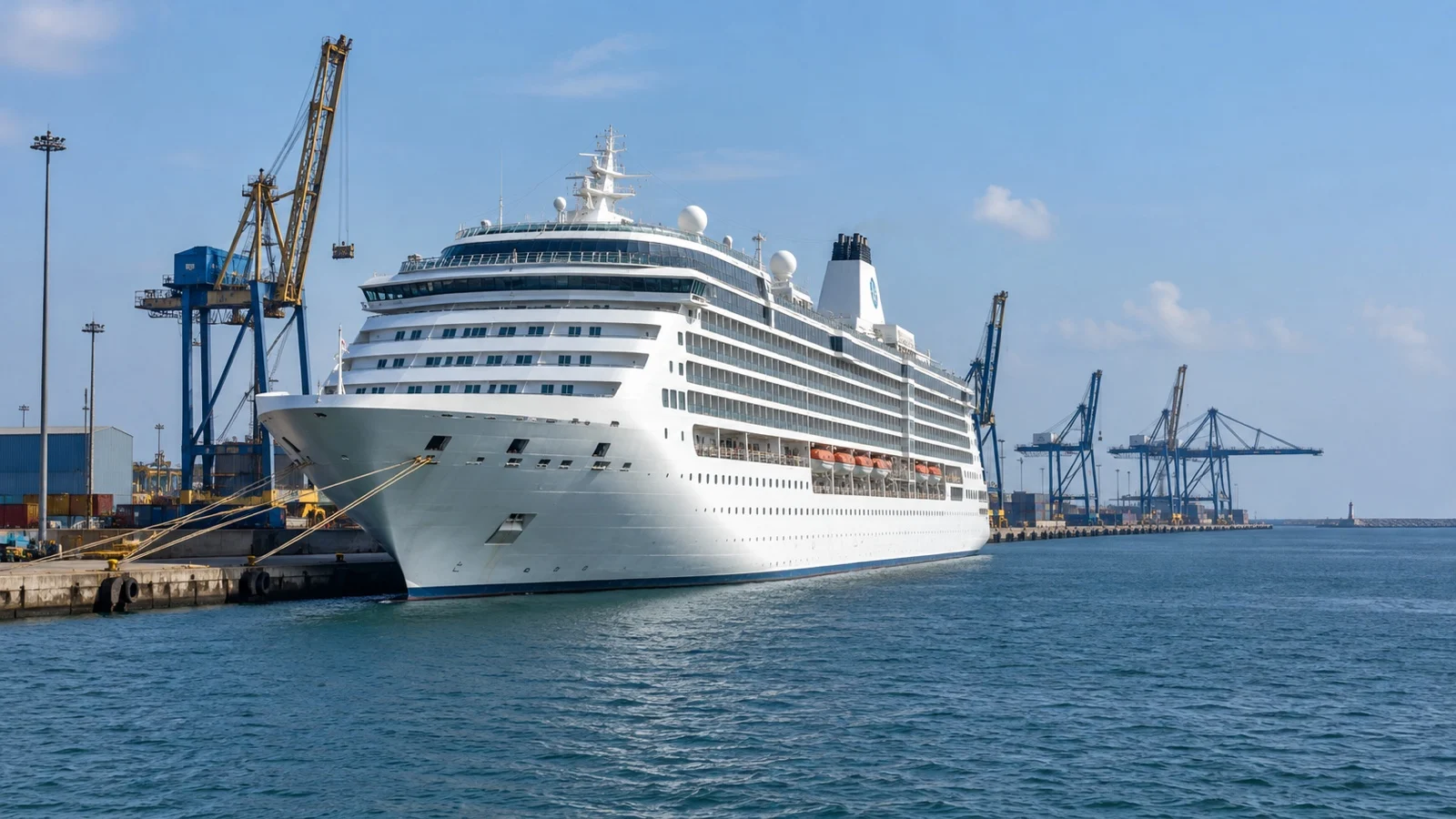
Chennai brings a hotter, faster, and distinctly Tamil experience to an India itinerary. Chennai Port Authority maintains an international cruise passenger terminal, but the secure working-port setting means you should follow shuttle and pickup instructions closely.
A city day can include one temple, the Government Museum area, colonial-era landmarks, and a drive along Marina Beach. Distances look modest on a map, yet traffic and heat make a focused route much more pleasant than a long checklist.
Mahabalipuram, also called Mamallapuram, is the headline excursion beyond the city and a UNESCO World Heritage Site. Its shore temple, rock-cut sanctuaries, and open-air monuments reward an early start, sun protection, stable shoes, and a firm return time.
I would not combine a full Chennai circuit with Mahabalipuram unless the ship offers unusually long hours and the operator builds in a genuine buffer. Pick the city or the monument coast, then enjoy that choice properly.
New Mangalore
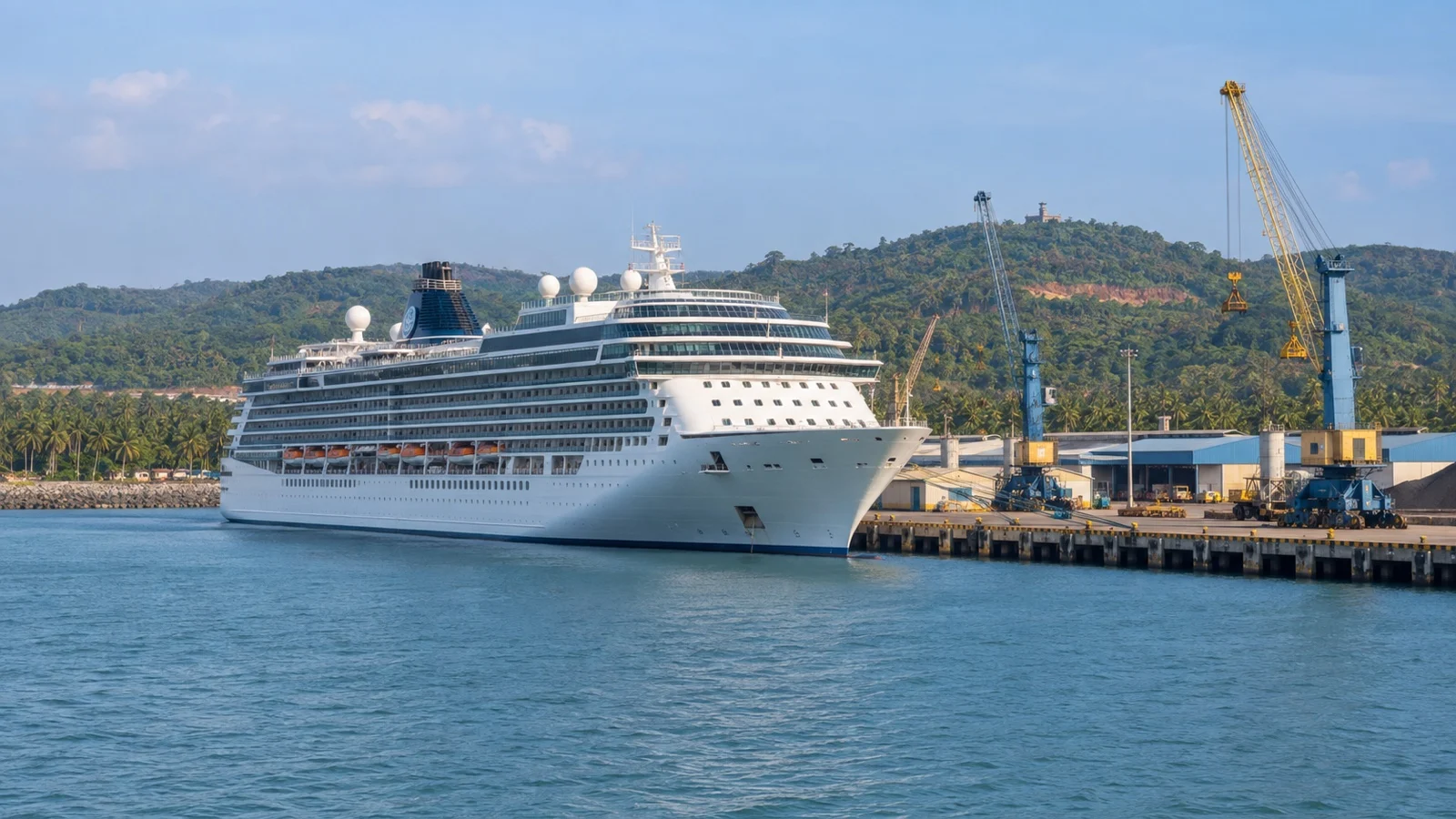
New Mangalore Port sits at Panambur and serves Mangaluru in Karnataka. Calls here can feature city temples, Saint Aloysius Chapel, markets, coastal food, beaches, or much longer journeys toward the Western Ghats.
The port is industrial, so independent walking from the berth is not the main plan. Use the ship shuttle, approved taxi process, or a tour with confirmed port-entry instructions.
Long inland excursions can be excellent, but the road journey becomes the day and leaves little flexibility if traffic or weather changes. I would use a ship-protected tour for the most ambitious routes and keep an independent plan closer to Mangaluru.
A local city-and-food day gives this port its own identity rather than treating it as a gateway you must immediately leave. It also creates a wider return margin on itineraries with several intensive days.
Visakhapatnam
Visakhapatnam, often called Vizag, combines a major commercial harbor with beaches, viewpoints, naval history, and access to the Eastern Ghats. Cruise arrangements continue to develop, so terminal, shuttle, and independent pickup information must come from the current sailing documents.
A city-focused day might pair the Submarine Museum area with the waterfront and one elevated viewpoint. It is easier than a distant inland route and gives you flexibility if clearance takes longer than expected.
Araku Valley and Borra Caves appear in regional touring plans, but they demand substantial travel and should not be treated as casual additions. Use a protected excursion or a highly conservative operator plan only when the port stay clearly supports it.
Port Blair and the Andaman Islands
Port Blair can appear on expeditionary or regional itineraries through the Andaman and Nicobar Islands. It is a special call where immigration status, protected-area rules, landing arrangements, weather, and local permissions deserve more attention than at an ordinary mainland stop.
The Cellular Jail is the principal historical sight, while harbor islands, beaches, and boat outings add operating dependencies. Ferries can be weather-sensitive, and permit procedures may change, so let the cruise line lead on remote-island landings.
Do not photograph defense, port, tribal, or restricted facilities unless permission is unmistakably clear. Respect barriers and local guidance, even when a map suggests a road or shoreline is publicly reachable.
I would choose one official excursion rather than improvise an ambitious island hop. The Andamans are rewarding precisely because they are distinct, and that distinction comes with extra logistics.
Kolkata, Haldia, and other occasional calls
Kolkata is a river-port experience rather than a typical open-coast call, and itineraries may use Kolkata, Haldia, or another operational arrangement. The distance between the named destination and actual berth can transform a day, so read the port line with unusual care.
A central Kolkata day might focus on colonial architecture, one museum, a market, and Bengali food. From a distant berth, road time can dominate and a cruise-line excursion becomes the safer framework.
Other Indian ports may appear on domestic, expedition, repositioning, or trial itineraries as facilities expand. Treat any call outside the familiar gateways as itinerary-specific, and verify immigration capability, passenger handling, transportation, and excursion availability directly.
A government list of authorized seaports does not mean every listed port receives regular leisure ships or offers the same passenger experience. Immigration permission, cruise infrastructure, and an actual scheduled call are three different facts.
Docking, shuttles, and walkability
Most large India calls berth, but no countrywide guide can guarantee one pier because assignments change with ship size, traffic, construction, security, and weather. Confirm the final terminal in the daily program before telling a driver where to meet.
Docked does not mean walkable because major ports include secure or commercial areas. A shuttle may carry passengers to a gate or meeting point before independent transportation begins.
Use local ride apps only if your phone, payment method, data connection, and pickup location all work. A licensed taxi or prearranged guide is often worth the premium when port access is confusing or the return margin is tight.
Download maps, confirmations, the terminal name, and the ship’s local number before leaving reliable service. Show the return details in writing and verify whether all aboard follows ship time or local time.
Accessibility and family planning
Accessibility must cover the gangway, pier, shuttle, vehicle, restroom, attraction entrance, walking surface, and return route. A museum with a ramp does not solve a tender step, a high vehicle, or rough pavement between stops.
Travelers using wheelchairs or scooters should give operators the equipment’s dimensions, weight, folding method, and transfer needs. Ask whether the same accessible vehicle remains with the group or must be requested again.
Families and multigenerational groups do best with one anchor experience and a comfortable place to regroup. Heat can reduce stamina quickly, so shade, water, restrooms, and air-conditioned breaks belong in the plan.
Splitting up is reasonable when interests differ, provided every adult carries offline ship details and understands the reunion time. Keep passports and essential medications under direct control according to immigration instructions.
Weather, clothing, food, and customs
India’s coasts do not share one climate calendar, although many cruise itineraries favor cooler and drier months. Humidity, monsoon patterns, cyclones, air quality, and regional heat can alter a port day even when the ship arrives on schedule.
Pack breathable clothing, sun protection, a refillable bottle where permitted, a light rain layer, and shoes for uneven ground. A scarf or light covering is useful for religious sites, while expensive jewelry is rarely worth the distraction.
Food is part of the pleasure, but choose busy reputable places and allow realistic service time. Travelers with allergies should carry a translated card because a familiar dish name does not guarantee the same ingredients.
Leave ship food aboard and follow customs rules for plants, animal products, medicines, currency, antiques, and wildlife goods. Keep prescriptions in original packaging and avoid purchases made from protected species or objects presented vaguely as old artifacts.
How I would choose an India itinerary
For a first visit, I would prioritize Mumbai and Kochi because the contrast is immediate and both support satisfying local days. Add Goa for a softer rhythm or Chennai when Tamil architecture and Mahabalipuram are major interests.
New Mangalore and Visakhapatnam reward repeat visitors who enjoy regional depth and do not need every stop to be globally famous. Port Blair is the specialist choice for island scenery and history, with more dependence on permissions and weather.
Compare the order of calls as well as the names. Two long inland excursions on consecutive days can drain the joy from a beautiful route, while a local walking, food, or beach day restores the balance.
Before booking, write down the scheduled hours, likely berth style, visa route, distance to your must-see attraction, and the latest safe return. Those five details reveal far more than a glossy map of destination labels.
My final advice
India’s best cruise days are focused rather than frantic. Choose one experience that belongs unmistakably to the port, protect the return, and leave space for a market conversation, a waterside view, or a meal you did not expect.
If a guide promises too many distant stops, remove one before you add another. The country is too layered to understand at motorway speed, and a reason to return is a lovely thing to carry back to the ship.
Visa, immigration, port, monument, customs, and transportation guidance was reviewed against current Indian government, port-authority, UNESCO, and cruise-line information in September 2026, but entry rules and berth arrangements can change. Confirm your exact first Indian seaport, visa status, terminal, all-aboard time, accessibility needs, and excursion conditions directly before travel, then see our Editorial Policy.