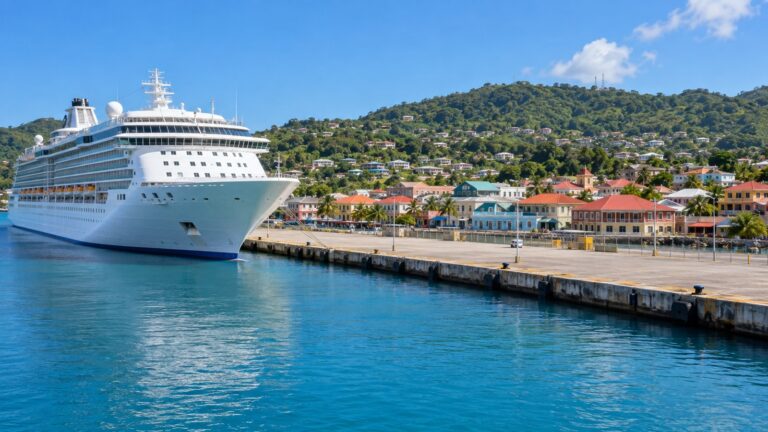
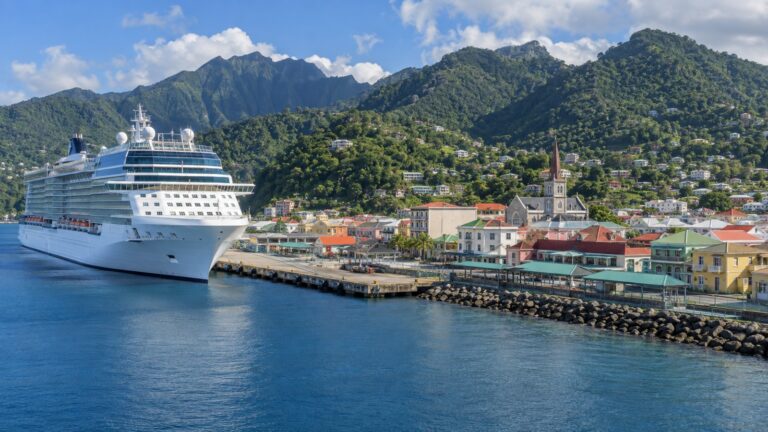
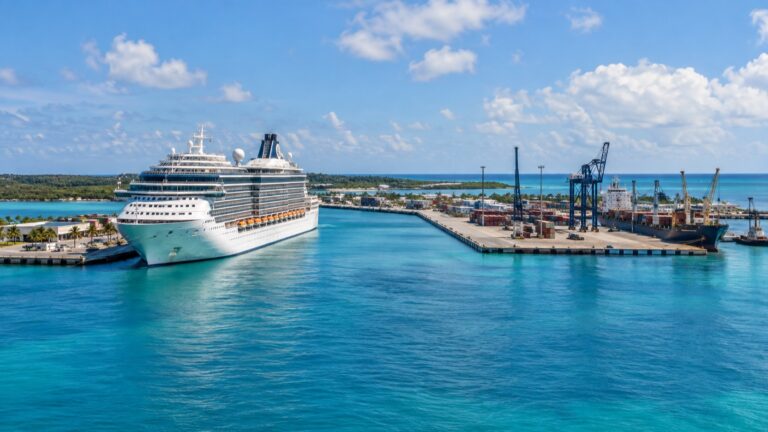
Guadeloupe Cruise Ports: Pointe-à-Pitre and Les Saintes Compared
Guadeloupe’s two main cruise experiences could almost belong to different vacations. Pointe-à-Pitre is a busy gateway to markets, museums, beaches, and rainforest roads, while Les Saintes arrives softly in a bay made for slow wandering.
I would let the ports keep those separate personalities. Use Pointe-à-Pitre for the ambitious island outing, then treat Terre-de-Haut as the day when a harbor, fort, beach, and long lunch are more than enough.
Quick Facts
- Main cruise port: Pointe-à-Pitre, normally an alongside berth
- Small-island call: Terre-de-Haut in Les Saintes, normally reached by tender
- Best for culture: Pointe-à-Pitre markets and Mémorial ACTe
- Best for scenery: Les Saintes bay, Fort Napoléon, and beaches
- Currency: Euro
- Entry warning: Guadeloupe is French territory but outside the Schengen Area
Pointe-à-Pitre
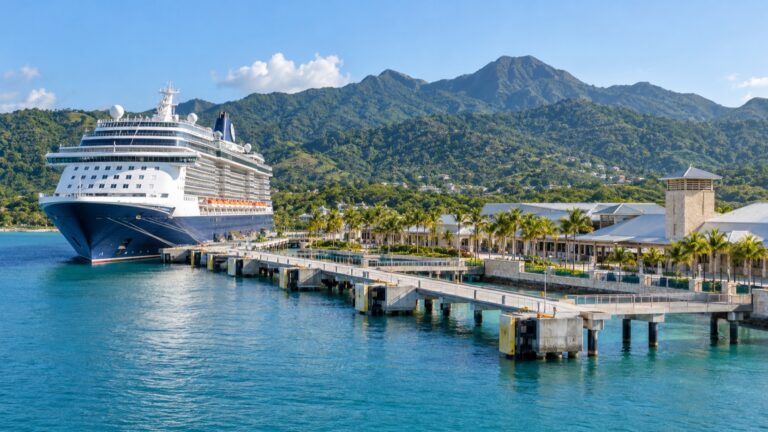
Pointe-à-Pitre is Guadeloupe’s main cruise gateway and the practical base for both a city day and a wider island excursion. The terminal sits beside a working port and urban waterfront, so the exact exit gate and tour meeting point matter even when the ship is alongside.
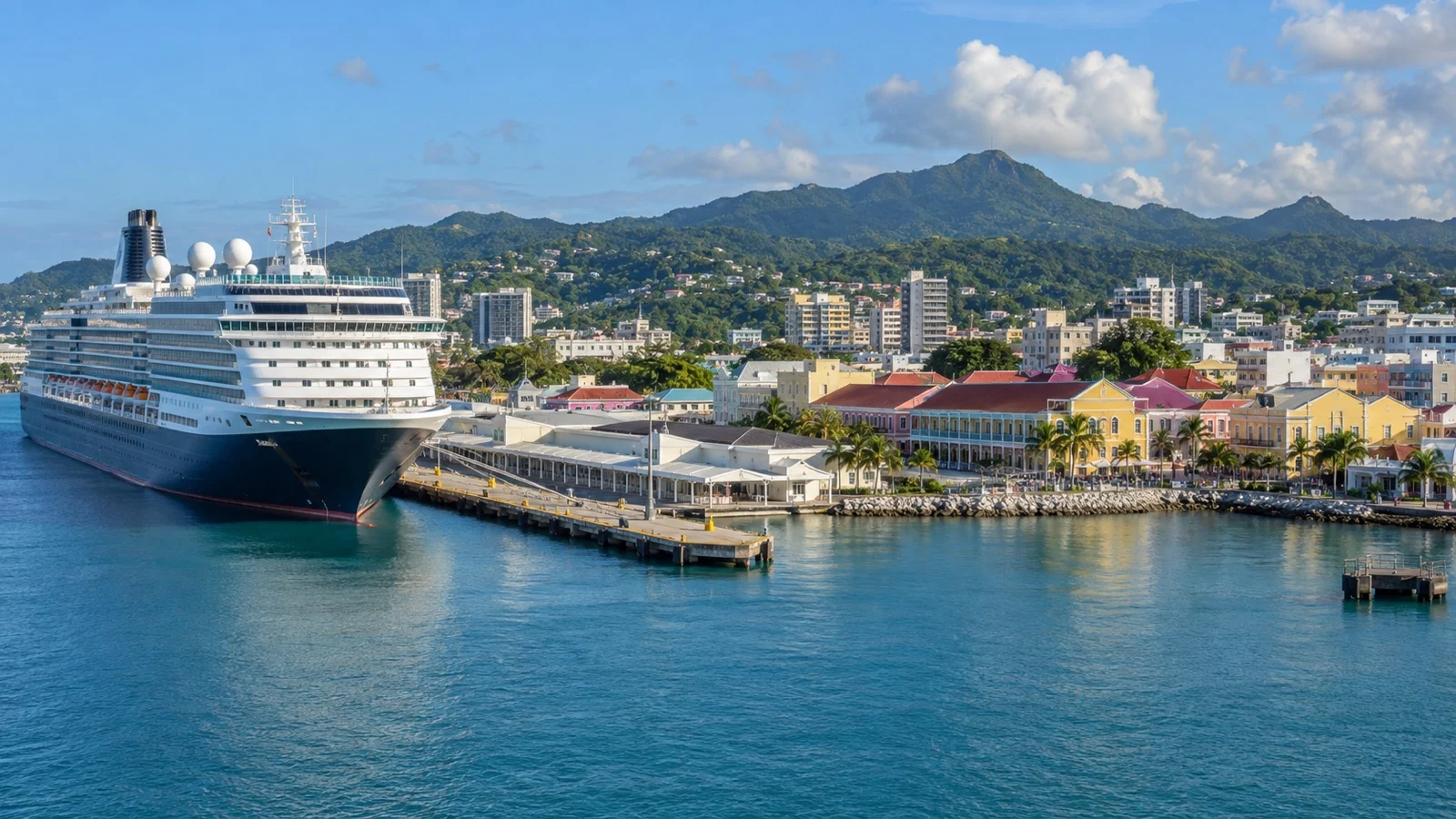
Near the port, markets, central streets, Mémorial ACTe, and local food can create a full day without a long transfer. This is my fallback when rain, delayed clearance, or traffic makes a cross-island plan feel less appealing.
Mémorial ACTe explores the history of slavery and the slave trade in the Caribbean and wider world. It deserves time and emotional space, so I would not squeeze it between a distant waterfall and a rushed lunch.
The markets add color, spices, produce, crafts, and the normal rhythm of the city. Keep valuables discreet, ask before photographing people, and remember that a market is a workplace rather than a staged attraction.
Pointe-à-Pitre itself is not the polished beach image many travelers picture when they hear Guadeloupe. Its value is access, history, food, and an honest urban introduction to the archipelago.
Grande-Terre from Pointe-à-Pitre
Grande-Terre forms the eastern side of Guadeloupe’s butterfly shape and offers beaches, limestone coast, towns, sugarcane landscapes, and Pointe des Châteaux. It looks compact, but traffic around the central corridor can change a comfortable loop into a tense return.
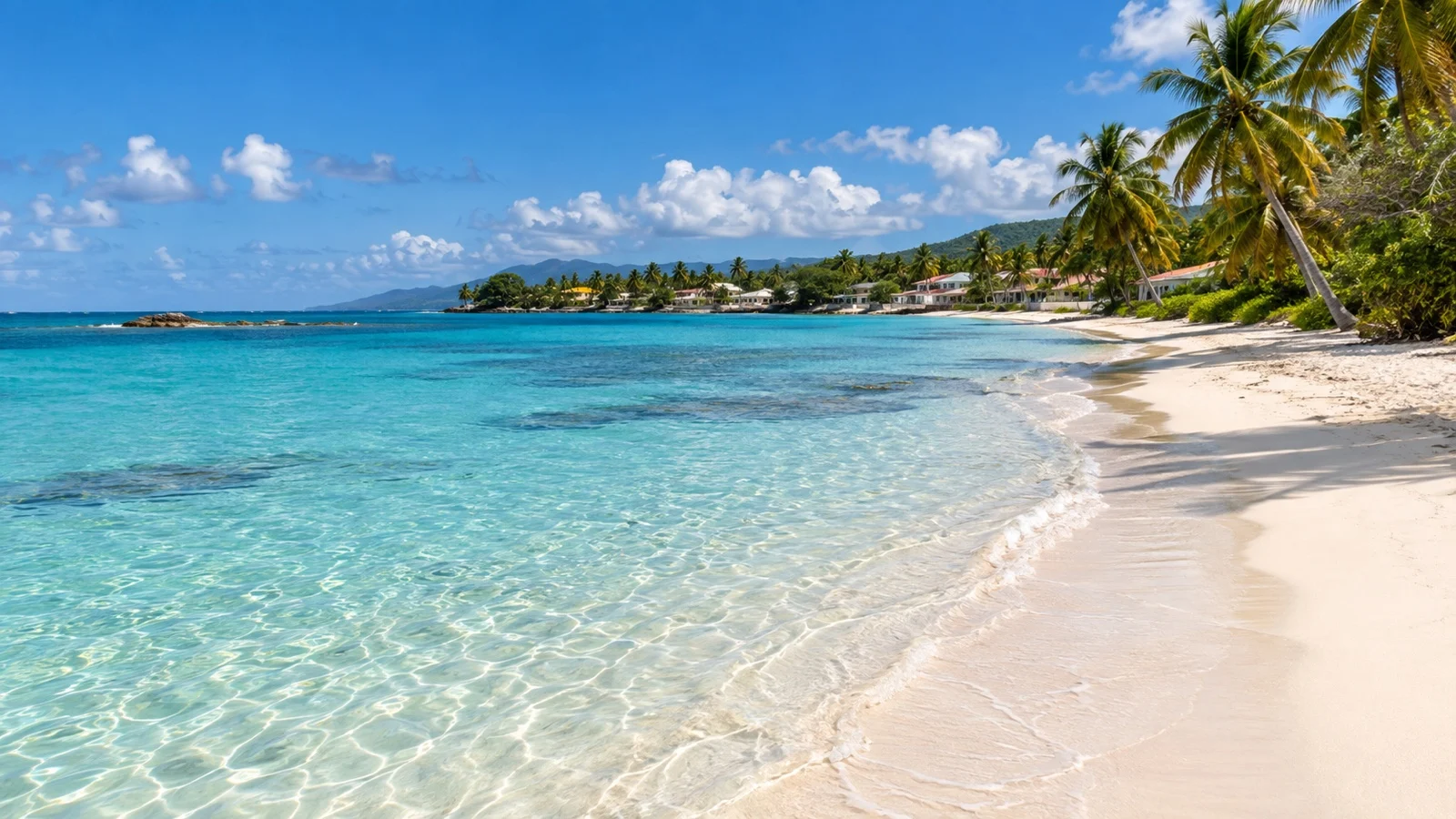
Le Gosier and Sainte-Anne are common beach directions, while Saint-François opens access to the far eastern peninsula. Choose one coastal zone instead of hopping between beaches whose names look close on a map.
Pointe des Châteaux is dramatic and exposed, with wind, sun, uneven ground, and limited shade. Pair it with one nearby stop and leave the headland early enough to absorb traffic back toward the port.
A beach club or hotel day may offer chairs, food, restrooms, and shade, but public access details vary. Confirm exactly what a reservation includes and whether transportation waits or returns at a fixed time.
My favorite Grande-Terre plan is one scenic drive, one beach, and one proper meal. It feels like Guadeloupe rather than a race through three towns and two parking lots.
Basse-Terre from Pointe-à-Pitre
Basse-Terre is the greener western wing, with rainforest, waterfalls, volcanic terrain, gardens, and a wilder coast. The roads can be beautiful and slow, which means attraction distance is only part of the timing question.
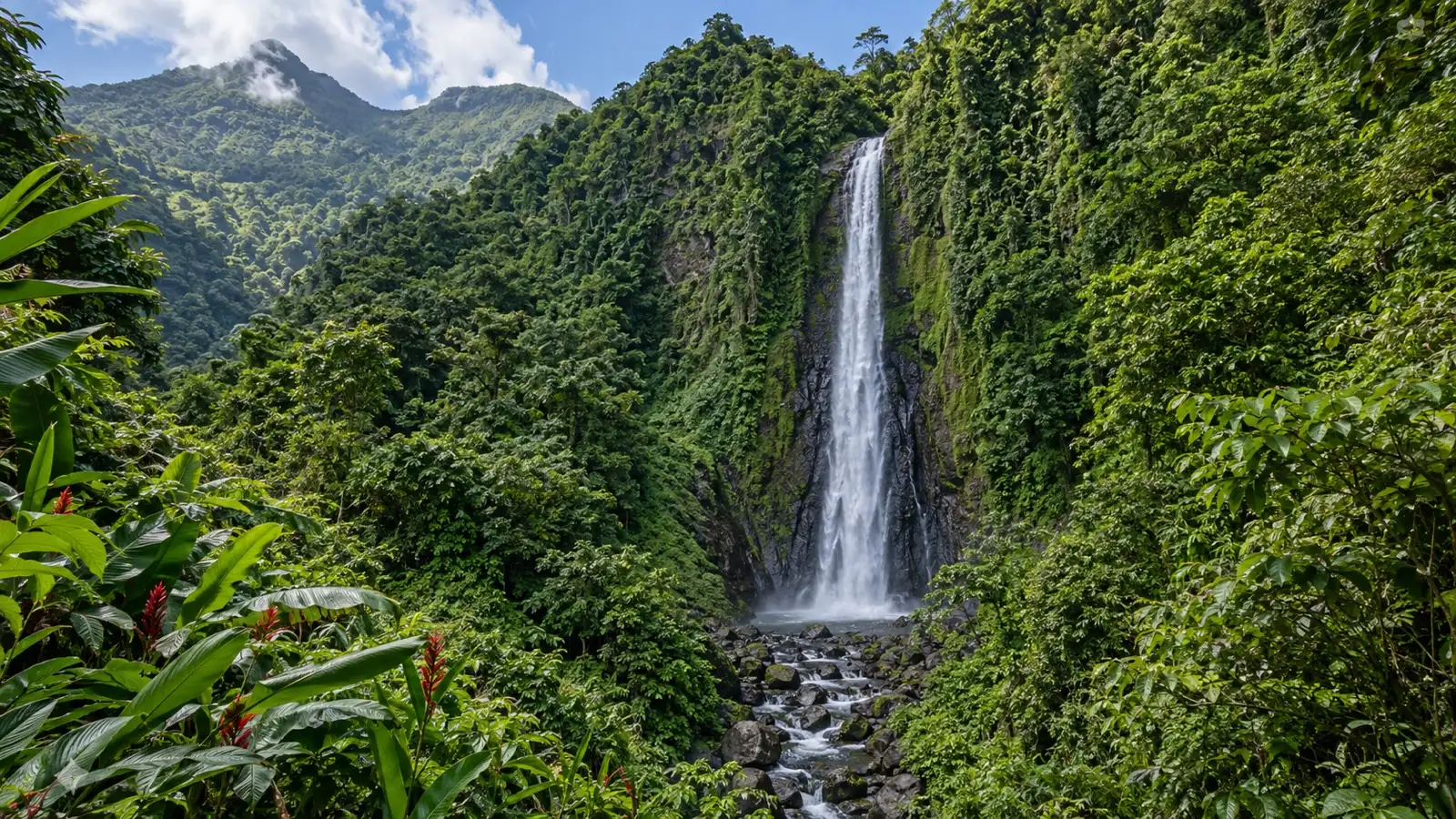
Cascade aux Écrevisses is one of the more approachable rainforest stops, yet crowding, wet surfaces, and parking can affect the visit. Check current access with Guadeloupe National Park and never assume a path is open after heavy rain.
Carbet Falls and La Soufrière demand a more serious assessment of trail conditions, fitness, weather, and port hours. I would use a reputable guided excursion and avoid treating either as a quick roadside add-on.
The national park protects rainforest, volcanic landscapes, mangroves, marine habitats, and endemic wildlife. Stay on open routes, take nothing, feed no animals, and follow temporary closures even when an old map shows a trail.
A Basse-Terre excursion should turn back before the schedule feels urgent. Tropical rain, road works, a slow vehicle, or congestion near Pointe-à-Pitre can combine faster than any one delay suggests.
Les Saintes and Terre-de-Haut
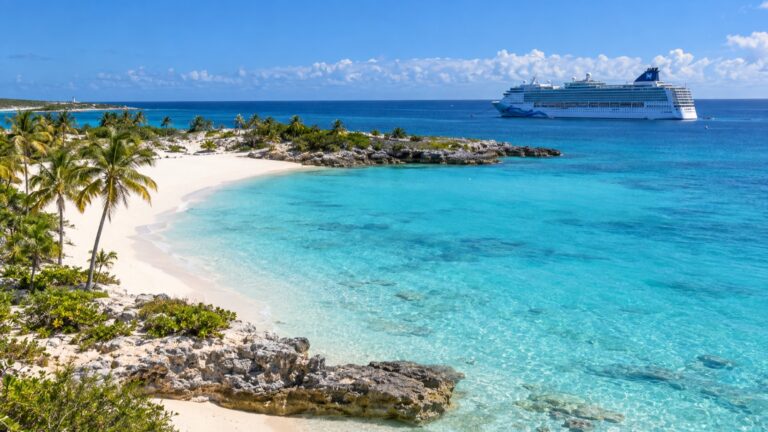
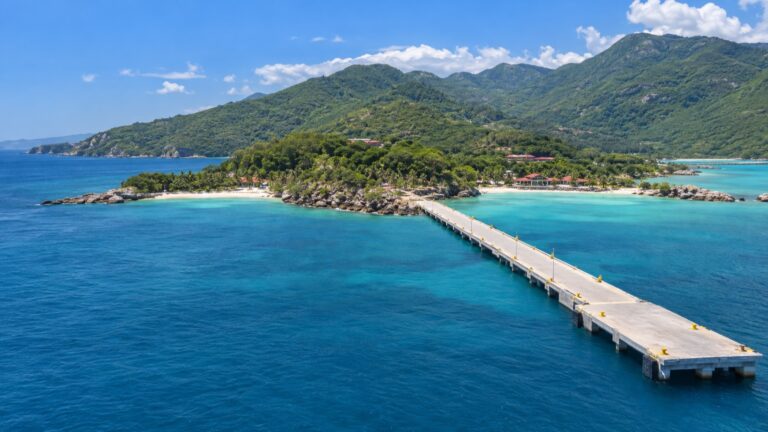
Les Saintes usually means a tender into Terre-de-Haut, a small island of steep streets, colorful boats, beaches, and one of the Caribbean’s most memorable bays. The scale encourages improvisation, but tender cutoff still controls the day.
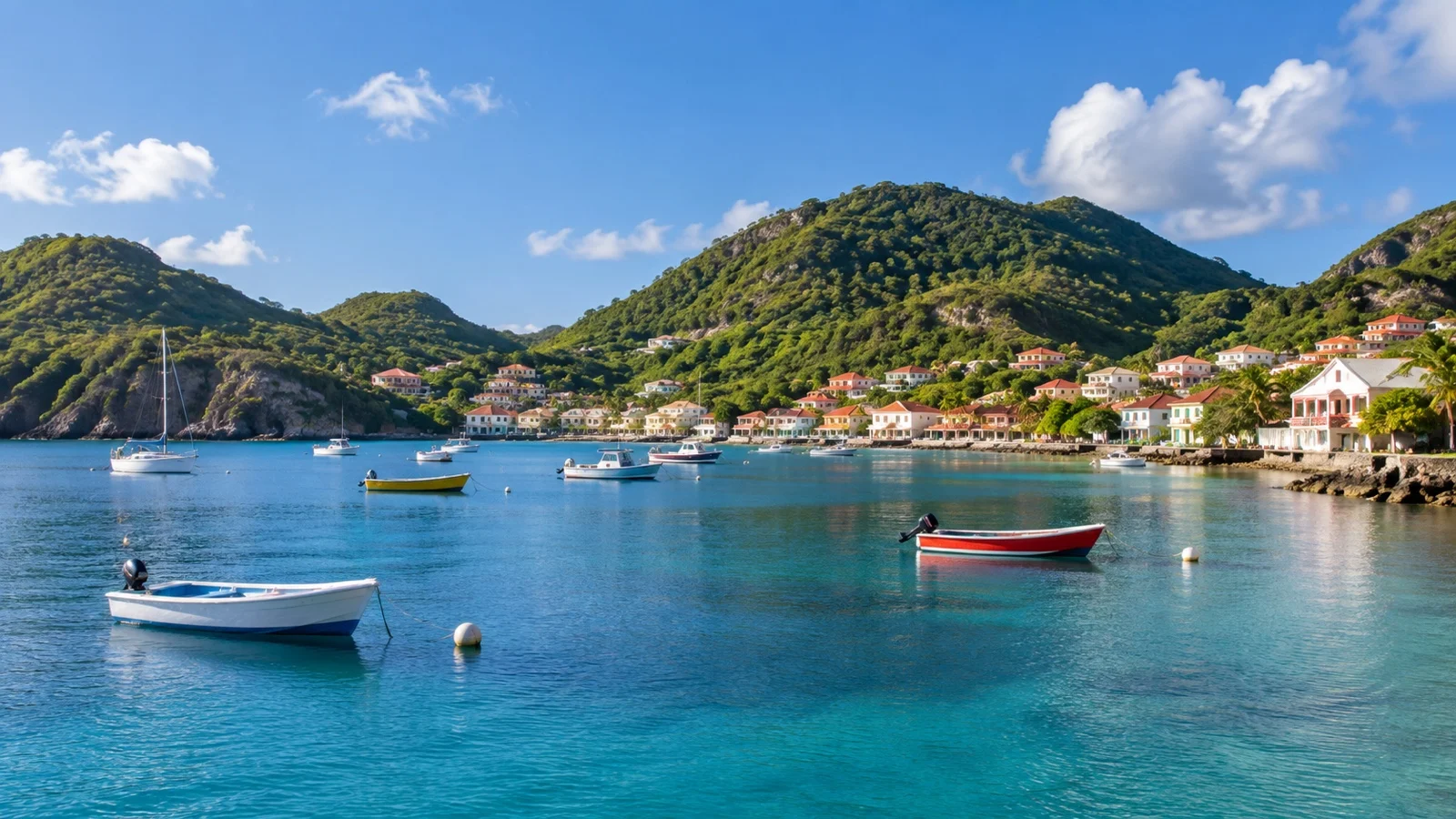
The village begins close to the landing and works beautifully on foot for travelers comfortable with heat and short hills. Shops, cafes, the waterfront, and side streets offer plenty without any transportation at all.
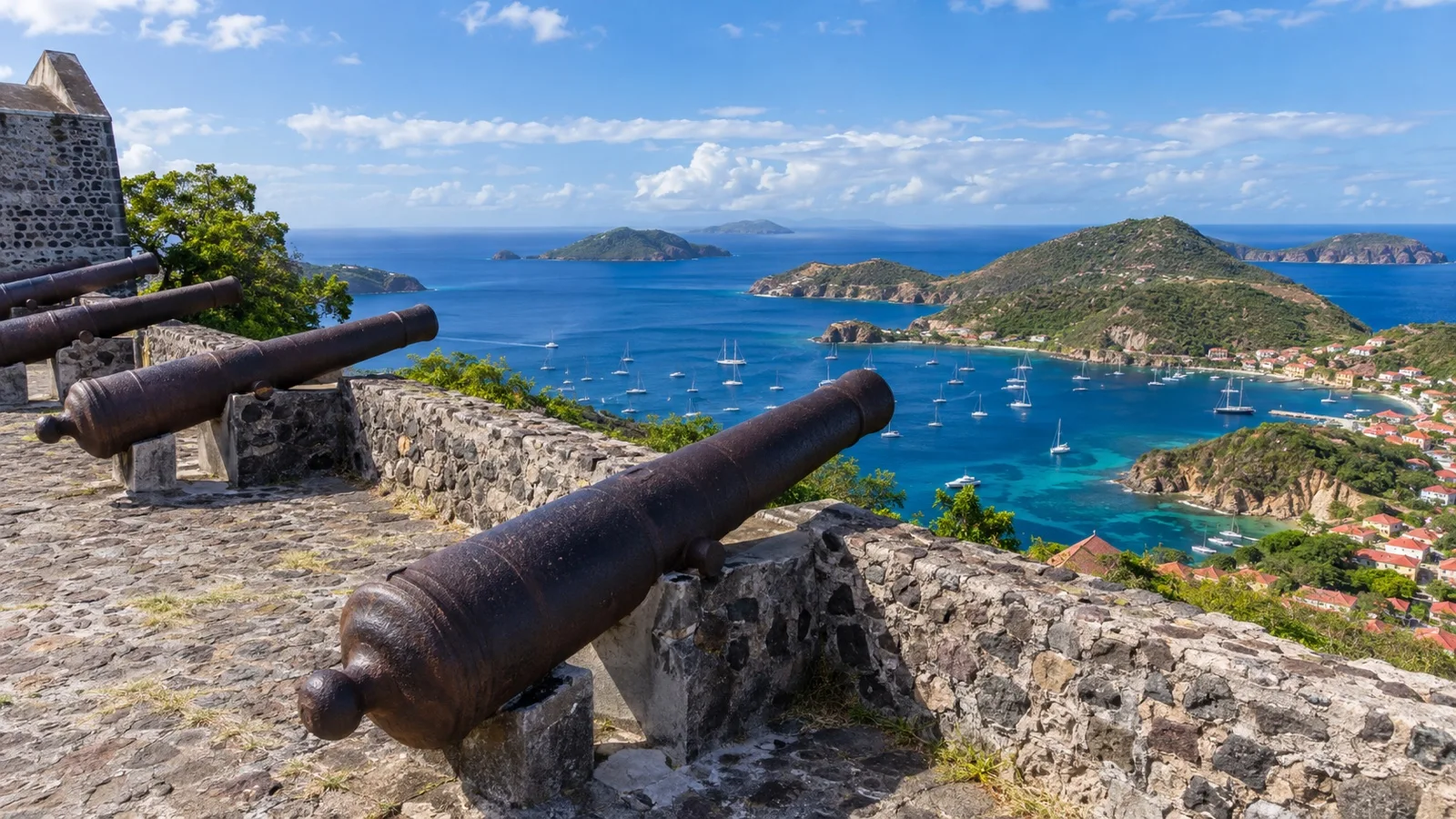
Fort Napoléon stands above the town and combines history with sweeping views. The climb is significant, so many visitors use a taxi, scooter, electric cart, or organized transfer and confirm current opening hours before heading uphill.
Pompierre and other beaches require more effort than the village waterfront, while Pain de Sucre is known for clear water and a scenic setting. Access, shade, sea conditions, and the return route differ, so pick the beach whose logistics fit your mobility.
Small-island vehicles are limited and demand rises quickly when a ship arrives. Reserve only through a reputable provider, verify license and insurance requirements, and never let the final available ride become the return plan.
I would return to the tender pier at least one full cycle before the stated cutoff. A hill, queue, rain shower, or full shuttle can consume the margin that looked generous over breakfast.
Pointe-à-Pitre or Les Saintes
Choose Pointe-à-Pitre when you want options, museums, an island tour, rainforest, or a developed transportation network. Choose Les Saintes for atmosphere, water views, a small village, and a day whose pleasures are close together.
Travelers with limited mobility may find an alongside berth in Pointe-à-Pitre easier than a Les Saintes tender. The tradeoff is that Pointe-à-Pitre’s best island excursions add longer vehicle transfers.
Families who want a straightforward beach may prefer a prearranged Grande-Terre transfer, while confident tender travelers can love Terre-de-Haut’s compact scale. Teenagers often enjoy the freedom of a small harbor town, provided everyone agrees on a reunion point.
If both ports appear on one itinerary, do not duplicate the experience. Make Pointe-à-Pitre the culture or rainforest day, then let Les Saintes be the beach and bay day.
Tendering, ferries, and boat plans
A ship’s tender is not the same as the public ferry network. Tender tickets, accessibility, last-boat timing, security, and the landing point are controlled by the cruise line for that sailing.
Public ferries connect parts of the Guadeloupe archipelago, including routes involving Les Saintes and Marie-Galante, but schedules and departure ports vary. I would not create an independent multi-island cruise day unless the timing leaves an enormous margin and the operator confirms the exact return.
Sea conditions can interrupt tenders, ferries, snorkeling trips, and beach access even under bright skies. The captain’s or port’s operating decision is final, and a flexible local plan is better than trying to work around it.
Travelers prone to motion sickness should prepare before boarding the tender, not after the boat begins moving. Keep hands free for rails and secure hats, phones, and loose bags.
Transportation and road timing
Pointe-à-Pitre’s distant sights need a taxi, rental car, private guide, or ship excursion. Ask whether the quoted price is per vehicle or per person, whether waiting time is included, and how payment is handled.
Driving is on the right, and French road rules apply, but local congestion and narrow scenic roads still demand attention. A rental car only saves time when pickup, paperwork, parking, navigation, fuel, and port return are all simple.
For a long Basse-Terre or far Grande-Terre route, I want the final sightseeing stop finished at least two hours before all aboard. Closer city plans can use a shorter buffer, but security and the walk through the port still count.
Download maps and the terminal address before leaving reliable service. Photograph the gate after exiting because a driver may know the port without knowing the exact passenger entrance.
Entry rules and documents
Guadeloupe is an overseas department of France and part of the European Union, but it is outside the Schengen Area. France-Visas explains that entry authorization for mainland Schengen territory does not automatically cover every French overseas territory.
Requirements depend on nationality, residence status, passport, visa type, and the full cruise itinerary. Use France-Visas and the cruise line’s boarding instructions instead of assuming a Caribbean loop uses one regional rule.
The European Entry/Exit System and ETIAS are designed around participating European borders, so do not apply mainland assumptions to Guadeloupe. Check official guidance for the actual route and avoid unofficial visa or authorization websites.
Carry the passport or approved identification according to the ship’s daily notice. Keep copies secure and know whether the vessel uses local time or ship time.
Money, language, and practical comfort
The euro is the official currency and cards are common at established businesses. Small euro notes and coins remain useful for markets, taxis, public restrooms, and vendors with a temporary connection problem.
French is the official language, while Guadeloupean Creole is central to local culture. A greeting in French and a polite request go a long way, especially before switching to English.
Mobile service may work under French or European roaming terms for some plans, but not all international packages treat overseas departments the same way. Check your carrier before using data for navigation all day.
Cruise crowds can strain taxis, small vehicles, and popular restaurants. Reserve the hard-to-replace pieces and leave casual shopping or lunch flexible.
Weather, tropical systems, and sargassum
The drier cruise season often overlaps winter and spring, while the wetter season brings more heat, humidity, tropical waves, and cyclone risk. Conditions can vary sharply between Grande-Terre, Basse-Terre, and Les Saintes on the same day.
Météo-France Guadeloupe publishes local forecasts, marine information, cyclone bulletins, vigilance alerts, and sargassum guidance. Check the port-specific forecast near arrival rather than relying on a general Caribbean app.
Sargassum can affect selected beaches and coastal areas without ruining the entire port. Ask a local operator which coast is clearest that day and keep a pool, town, museum, or rainforest alternative.
Pack sun protection, water, insect repellent, a light rain layer, and shoes with grip. Basse-Terre trails become slippery after rain, while Les Saintes adds steep roads and exposed tender platforms.
Accessibility and lower-energy planning
Accessibility begins with the ship’s arrival method. An alongside berth in Pointe-à-Pitre is usually simpler than a tender, but gangway slope, shuttle equipment, curbs, and vehicle type still need confirmation.
For Les Saintes, ask the cruise line whether the tender can carry the mobility device in the expected sea conditions. Then separately check the landing, local vehicle step, Fort Napoléon surface, beach access, and tender queue.
A lower-energy Pointe-à-Pitre day can focus on one museum, a market, and lunch near the port. In Terre-de-Haut, stay close to the village and waterfront rather than treating the fort or a distant beach as mandatory.
Give private operators exact wheelchair or scooter dimensions, weight, folding method, and transfer needs. The phrase accessible vehicle is not useful until you know what equipment it can actually carry.
How I would plan each day
In Pointe-à-Pitre, I would choose one of three identities: city and history, Grande-Terre beach and coast, or Basse-Terre rainforest. Mixing all three creates more road time than delight.
In Les Saintes, I would choose the fort plus town or a beach plus town. The island is small, but hills and transport waits make an overfilled schedule feel surprisingly large.
Book long guided excursions and limited-capacity boats once the sailing is firm, using flexible cancellation terms. Keep markets, town walks, and public beaches adaptable until the weather is clear.
Before bed, confirm the berth or tender, local time, documents, meeting point, weather alert, return cutoff, and backup. That five-minute check prevents most avoidable port-day problems.
My final advice
Pointe-à-Pitre and Les Saintes are better together because neither needs to imitate the other. One shows Guadeloupe’s urban, cultural, and geographic reach, while the other distills the archipelago into a bay, village, hill, and beach.
Choose one anchor experience, return with time to spare, and let the rest of the day breathe. Guadeloupe is far more memorable when it feels like an island rhythm instead of a race.
Port, ferry, border, park, weather, transport, and accessibility guidance was reviewed against current Guadeloupe port, French government, national-park, Météo-France, tourism, and cruise-line sources in September 2026, but operations can change. Confirm your exact berth or tender landing, entry documents, road or ferry plan, park access, accessibility needs, marine conditions, and all-aboard time directly before travel, then see our Editorial Policy.