Croatia Cruise Ports: The Complete Guide to Every Stop
Croatia’s coast can make one itinerary feel like several countries stitched together by clear Adriatic water. Dubrovnik brings cinematic walls, Split layers Roman history into everyday city life, Hvar and Korčula slow the pace to island time, and Istria adds a gentler Italianate flavor in the north.
The catch is that the port name rarely tells the whole logistical story. A ship may dock outside the old town, use a modern passenger terminal, or anchor and tender, so the most useful plan always begins with the live berth and cruise-line instructions.
Quick Facts About Croatia Cruise Ports
- Currency: Euro
- Border area: Croatia is in the Schengen Area, though cruise procedures still follow the itinerary
- Best first itinerary: Dubrovnik plus Split, with one island call
- Most common tender-style calls: Hvar and Rovinj, depending on ship and conditions
- Major modern terminal: Zadar Gaženica
- Main Dubrovnik facility: Gruž, with some operations involving the Old Port
- Best independent days: Split, Korčula, Rovinj, and central Rijeka when the ship arrives nearby
- Weather rule: Keep a flexible backup because wind and sea conditions can change tender plans
How to Read a Croatia Cruise Itinerary
Cruise lines often sell the romance of a named old town while the vessel actually arrives several miles away. Always check whether the day is listed as docked, tendered, or subject to operational confirmation, then look for the exact terminal or landing point.
Large ships need deeper water and more infrastructure, while smaller vessels can sometimes berth or tender closer to historic centers. Even a familiar port can use a different position when several ships arrive together.
Croatia’s official port authorities publish schedules and maritime information, but the cruise line controls your passenger instructions. Treat the ship’s daily program as the final operational source and keep enough flexibility for a last-minute change.
Every Croatia Cruise Port, Compared
Dubrovnik Cruise Port
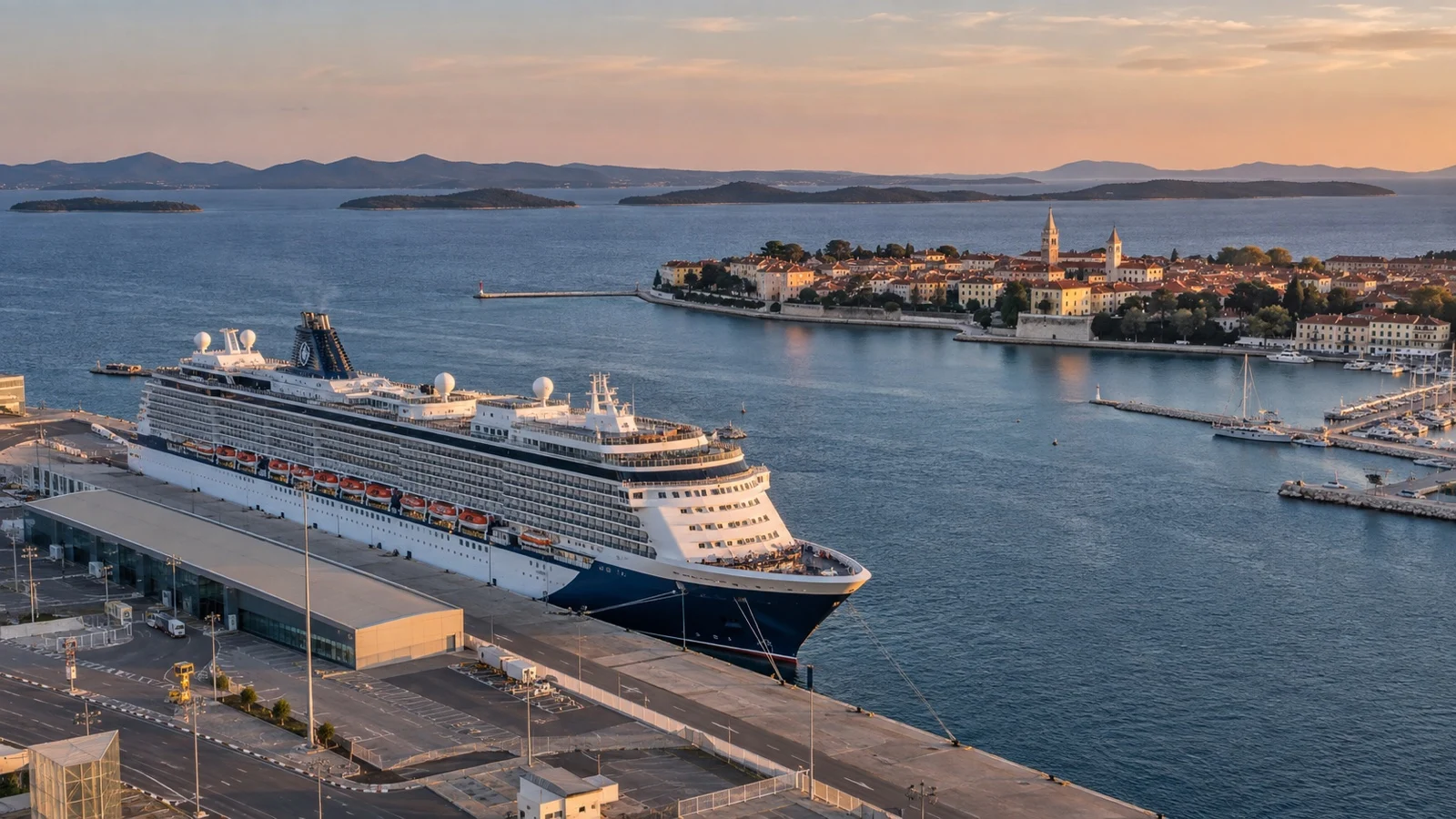
Best for: City walls, Adriatic views, and a first encounter with Croatia
Arrival pattern: Commonly Gruž, with Old Port tender or small-ship arrangements possible
Planning style: Prebook timed attractions and protect the return trip
Dubrovnik is the headline port for a reason, and the first sight of its stone walls against the sea still gives me chills. The compact old city is spectacular but can feel intensely busy when several ships and land tours arrive together.
Most large vessels use Gruž, which sits away from the walled city and requires a local bus, shuttle, taxi, or excursion transfer. Old Port access feels more dramatic, yet tendering adds queues and weather sensitivity.
The wall walk is magnificent but includes many steps, exposed sun, and limited shade. Start early, carry water, and choose a lower-energy route through Stradun, the harbor, and selected churches if the full circuit is not kind to your body.
Do not use a private boat or ferry as though it were part of the ship’s protected transport. Set a firm turnaround time and build traffic, tender queues, and port security into the return.
Hvar Cruise Port
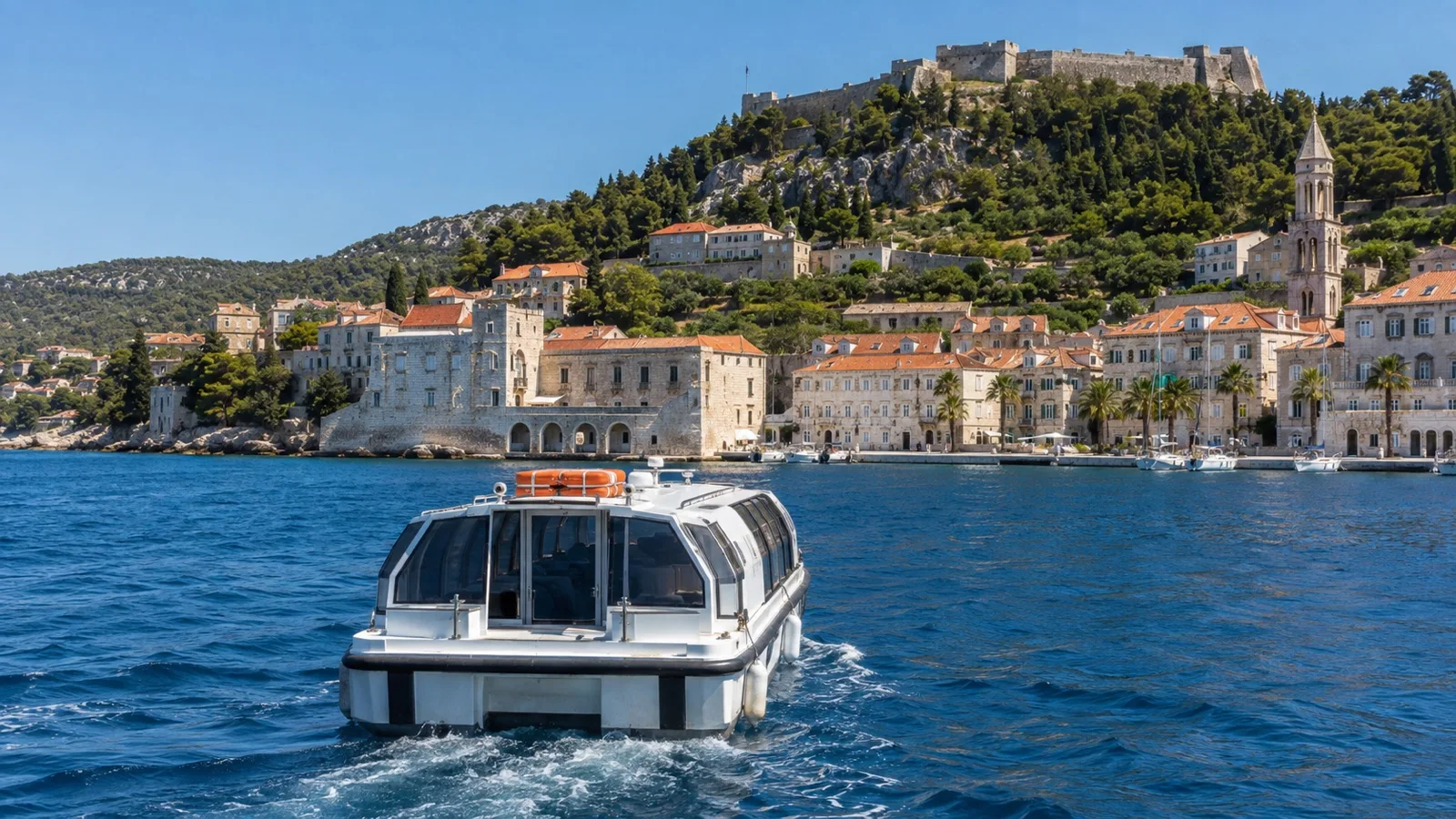
Best for: A glamorous harbor, hilltop views, and a slow island day
Arrival pattern: Often tendered, depending on ship and conditions
Planning style: Stay close unless a trusted excursion handles transport
Hvar Town is instantly appealing, with a waterfront promenade, pale stone lanes, cafes, and the fortress rising above the harbor. It is an easy place to enjoy without an ambitious checklist.
Tender operations are the defining issue because sea state and ship size influence timing. If you climb to Fortica, allow for steep paths, heat, and the possibility of a line for the return tender.
Island road trips to Stari Grad or inland villages can be beautiful, but they create distance from the landing point. Use a ship excursion or a reputable local operator with a clear return plan.
Korčula Cruise Port
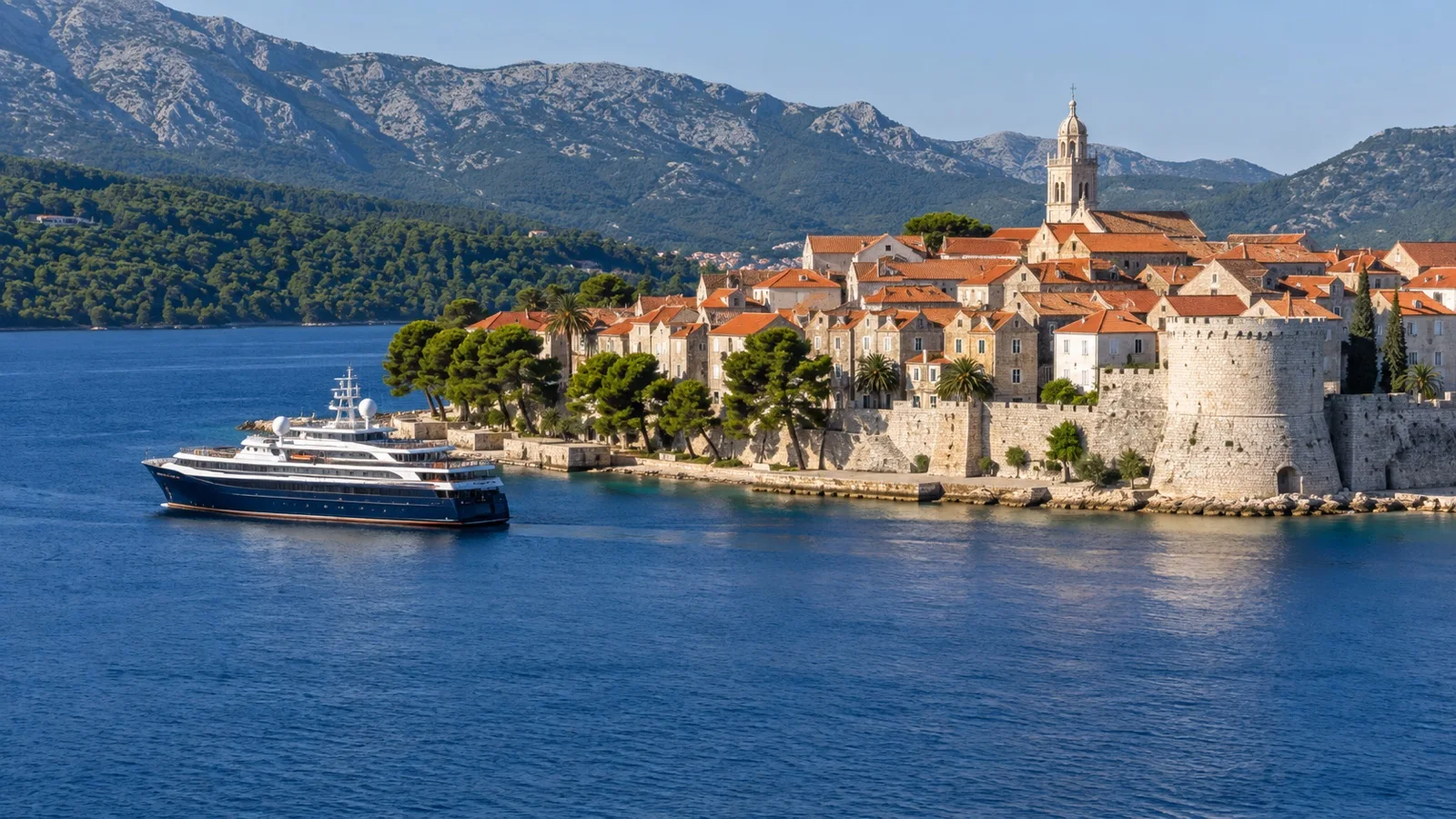
Best for: A compact fortified town, wine country, and a gentler pace
Arrival pattern: Small-ship docking or tendering can vary
Planning style: Explore the old town independently, then add one focused outing
Korčula Town feels like a smaller, calmer cousin of Dubrovnik, with walls, towers, and lanes arranged to catch sea breezes. The historic core is close enough to reward an unhurried wander.
Arrival arrangements depend heavily on vessel size and daily operations. Confirm whether you will step ashore near town or use a tender before booking a tightly timed tour.
The Pelješac Channel and island vineyards make wine tasting tempting, but transport must be organized. Keep enough margin to return through summer traffic and tender procedures.
Pula Cruise Port
Best for: Roman archaeology and an Istrian city with real local life
Arrival pattern: Berth or tender arrangements vary by vessel
Planning style: Center the day on the arena and one neighborhood walk
Pula’s Roman amphitheater is the star and one of the most memorable ancient structures on any Adriatic itinerary. The city around it is working, layered, and less polished than the famous Dalmatian stops.
Cruise schedules are less standardized than in Dubrovnik, so verify the passenger landing and transfer. A ship may not place you directly beside the arena even when the port description sounds central.
Travelers with more time can add coastal scenery or another Istrian town, but I would not rush past Pula itself. The Roman forum, market, and old streets create a satisfying independent day.
Rijeka Cruise Port
Best for: Urban Croatia, Habsburg architecture, and excursions into Kvarner
Arrival pattern: City-port berthing varies with ship and schedule
Planning style: Explore Korzo or use a planned regional excursion
Rijeka is a real port city rather than a preserved stage set, and that is exactly its charm. Korzo, the market, maritime history, and grand facades reveal a different side of coastal Croatia.
Some travelers use the call for Opatija, Trsat, or island scenery, while others remain in the city. Confirm whether a shuttle operates from your berth because an industrial-looking port position may not support a casual pedestrian exit.
Rijeka rewards curiosity more than a race between famous monuments. Choose one viewpoint or excursion, then leave room for coffee and people-watching.
Rovinj Cruise Port
Best for: Photogenic Istria, art-filled lanes, and a romantic waterfront
Arrival pattern: Commonly tendered for cruise ships
Planning style: Keep the day centered on town and watch tender timing
Rovinj rises from the water in a sweep of colorful buildings crowned by the Church of Saint Euphemia. The old town is wonderfully atmospheric, but polished stone, slopes, and steps demand sensible shoes.
Tendering can be beautiful and inconvenient in equal measure. Wind or sea conditions may slow the operation, so avoid booking an independent activity that assumes you will be first ashore.
A walk to the church, a market stop, and lunch by the harbor make a lovely day without leaving town. Istrian countryside tours add truffles, wine, or hill towns but require disciplined return timing.
Šibenik Cruise Port
Best for: Saint James Cathedral, stone lanes, and access to Krka
Arrival pattern: Berth and tender arrangements depend on the vessel
Planning style: Choose between the old city and a well-timed national park excursion
Šibenik is one of Croatia’s most rewarding under-the-radar calls, with a historic center that feels lived-in and a cathedral recognized by UNESCO. The approach through the channel also makes arrival part of the experience.
Krka National Park is the obvious excursion, but entrance systems, permitted swimming areas, and transport change over time. Use official park information and do not assume an old blog’s itinerary remains valid.
Staying in Šibenik gives you fortresses, stairways, cafes, and fewer logistical layers. Travelers with limited mobility should plan the hilly old town carefully and consider a vehicle to higher viewpoints.
Split Cruise Port
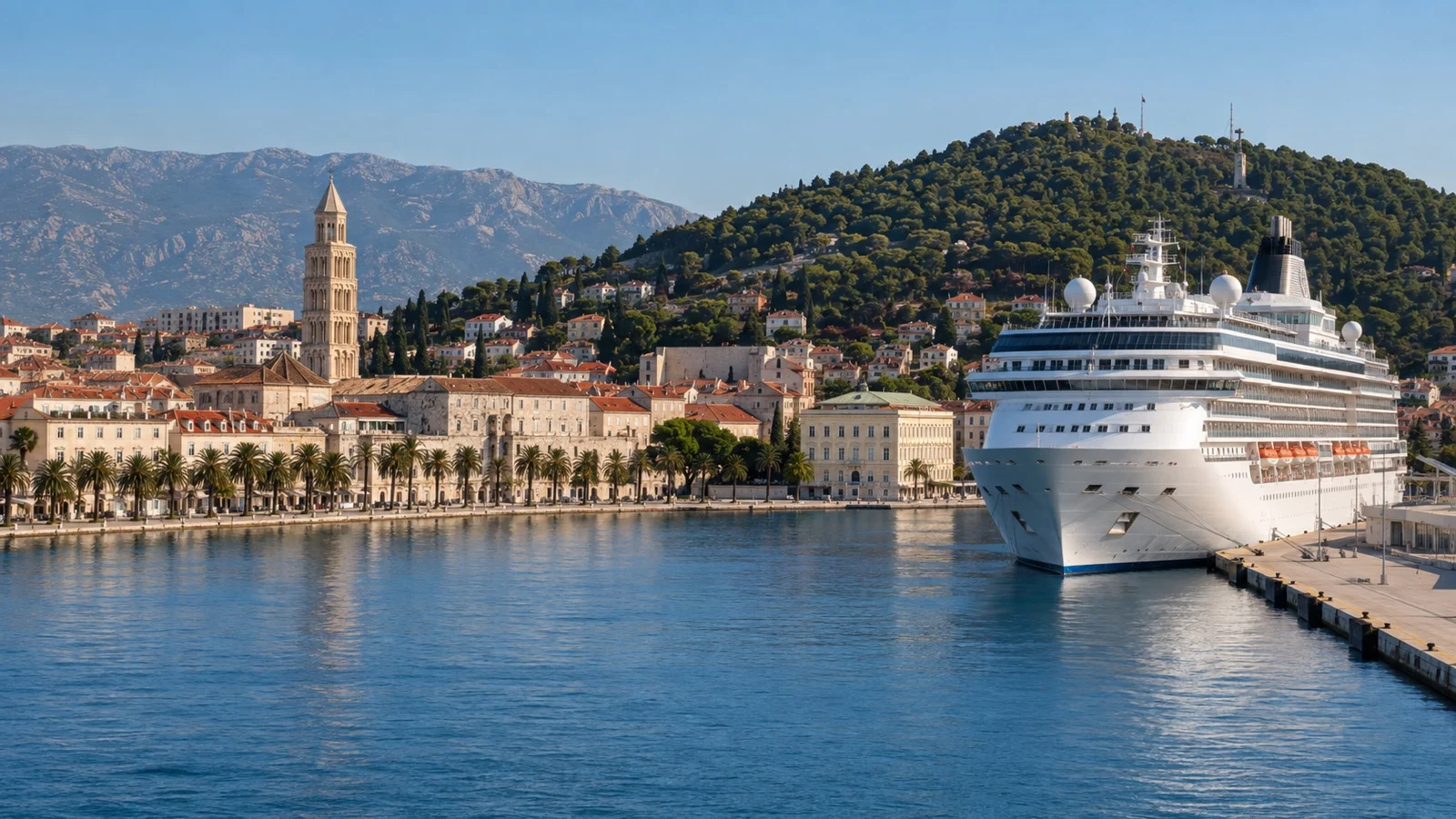
Best for: Diocletian’s Palace, easy independent exploration, and Dalmatian food
Arrival pattern: Docking or tendering varies by berth and ship size
Planning style: Start in the palace, then add Marjan or a short excursion
Split is my favorite all-around first port because the ancient palace is not a fenced monument but the living center of the city. Cafes, apartments, shops, and hidden courtyards occupy Roman spaces in a way that feels wonderfully immediate.
Some berths are close to the Riva and old city, while other operations may involve a longer walk, shuttle, or tender. The active ferry port can be confusing, so follow cruise signage and avoid wandering into vehicle lanes.
Trogir, Klis Fortress, and Salona are strong additions, but Split itself can fill the day without transport. An early palace walk, market visit, lunch, and gentle Marjan viewpoint create a rich independent plan.
Zadar Cruise Port
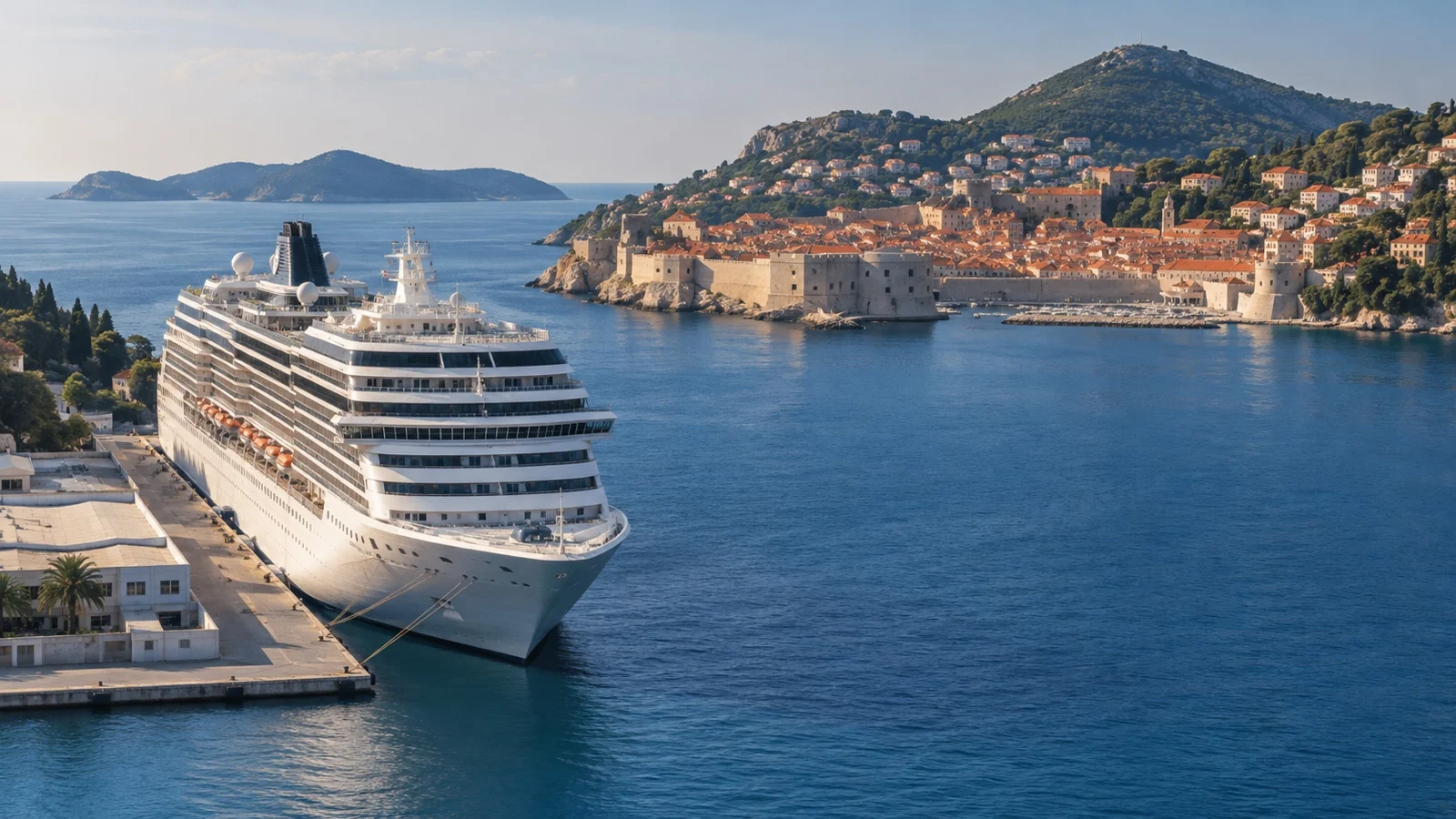
Best for: Roman layers, the Sea Organ, and northern Dalmatian excursions
Arrival pattern: Gaženica terminal or a position closer to the historic peninsula
Planning style: Confirm the shuttle before judging distance
Zadar blends an ancient street plan with playful modern waterfront art. The Sea Organ and Greeting to the Sun give the promenade a personality unlike any other port in Croatia.
Large ships commonly use the modern Gaženica passenger port outside the old peninsula, making shuttle or taxi details important. Smaller-vessel arrangements can bring passengers closer, so never assume every Zadar call has the same transfer.
Plitvice Lakes is famous but far and demanding for a port day, while closer national parks and island outings may still involve significant travel. I would choose a ship excursion for any long nature trip and keep an independent day focused on Zadar.
How I Would Choose the Itinerary
For a first Croatian cruise, I would prioritize Dubrovnik and Split, then add either Hvar or Korčula for island atmosphere. That combination delivers walls, living Roman history, and a slower harbor day without making every stop feel similar.
Travelers who dislike crowds should look for Šibenik, Rijeka, Pula, or a shoulder-season sailing. Istrian calls such as Rovinj and Pula pair especially well with Venice, Trieste, or other northern Adriatic ports.
More ports are not always better because Croatia rewards lingering over coffee, swimming, and evening light. An overnight or late departure can be more valuable than another rushed old town.
Docking, Tendering, and Getting Around
A docked ship can still use an industrial or outlying berth, while a tender may land directly in the historic center. Evaluate the complete passenger route rather than assuming docked always means easier.
Local buses, cruise shuttles, taxis, and ride services vary by city and season. Ask where the return stop is, whether tickets require cash or an app, and how traffic changes near all-aboard time.
Croatia’s domestic ferries are designed for public transport, not for protecting your cruise connection. Never take an independent island ferry without understanding the full timetable, seasonal changes, and a safe backup.
When to Cruise Croatia
Late spring and early fall usually offer the best balance of pleasant weather and manageable crowds. Summer brings the warmest swimming conditions and longest days, but also stronger heat, fuller streets, and higher demand.
The bora can bring powerful northeasterly winds, while other weather systems can roughen the Adriatic and affect tenders. Cruise operations may change even under a bright sky, so keep notifications enabled and listen to onboard announcements.
Shoulder-season rain does not ruin a Croatian port day if you have a museum, cafe, or lower-level old-town plan. Pack a light waterproof layer and shoes that grip polished stone.
Accessibility and Lower-Energy Planning
Croatia’s historic centers often include stairs, steep lanes, cobbles, thresholds, and limited vehicle access. Ask the cruise line where accessible transportation actually meets the ship and whether tender boats can accommodate your specific device.
Dubrovnik’s Stradun, Split’s Riva, Zadar’s waterfront, and Rijeka’s Korzo can provide rewarding lower-energy routes. You do not need to climb every wall, tower, or fortress to have a memorable day.
Heat is an accessibility factor even for travelers who walk comfortably at home. Start early, use shade, schedule indoor breaks, and choose one headline sight instead of turning the day into a stamina test.
Port-Day Planning That Prevents Stress
Download offline maps, photograph the ship’s emergency contact, and mark the exact return point before leaving the terminal. Set your own turnaround alarm earlier than the published all-aboard time.
Carry euros in small denominations, but use cards where accepted and protect your payment method in crowded areas. Keep medication, identification, water, and sun protection with you.
For independent tours, get the operator’s cancellation and late-return policy in writing. Ship excursions cost more but can reduce risk on long trips to national parks, inland villages, or distant islands.
Croatia Cruise Port Questions
Which Croatia cruise port is best for a first visit?
Dubrovnik delivers the iconic walls and Split offers the easiest mix of history, food, and independent exploration. I would choose an itinerary containing both, then add an island call for contrast.
Can I explore independently?
Yes, especially when the ship arrives close to the historic center or provides a reliable shuttle. Confirm the live berth, return point, and transport schedule before leaving on your own.
Which calls benefit most from an excursion?
Long trips to national parks, countryside wine regions, or distant towns benefit most from organized transportation. Tender ports also favor conservative timing because the ship controls the final boat service.
How early should I book?
Book limited-capacity ship excursions, accessible vehicles, and small-group tours as soon as your itinerary is stable. Keep flexible cancellation terms because berth and weather changes remain possible.
What happens if weather changes the plan?
The captain and port authorities may delay, relocate, or cancel an arrival when safety requires it. Keep a flexible mindset and never purchase a nonrefundable independent arrangement without understanding that risk.
My Final Take
Croatia’s best cruise days come from choosing one meaningful experience at each port instead of collecting sights at a sprint. Confirm the berth, respect tender uncertainty, and leave enough time for the cafe, swim, or quiet stone lane that becomes the memory you keep.
This guide was independently checked on September 11, 2026, using official information from Dubrovnik Port Authority, Port of Split, Zadar Port Authority, other Croatian port authorities, tourism boards, and current cruise-line instructions. Reconfirm the ship’s berth, tender plan, transport, attraction access, weather, accessibility, and all-aboard time before committing to nonrefundable arrangements because live operations can change.