Italy Cruise Ports: The Complete Guide to Every Stop
Italy is one of my favorite cruise countries because every coastline feels like a different trip. You can step into a living city in Naples, tender beneath cliffs on the Amalfi Coast, trace Roman history from Civitavecchia, or build an entire sailing around Sicily and Sardinia.
The hard part is that itinerary labels rarely tell the whole logistical story. Some ports are wonderfully central, others are industrial gateways, and several famous places require tenders that depend on weather and sea conditions.
Quick Facts
- Best first cruise: A western Mediterranean itinerary combining Rome, Naples, Sicily, and Liguria gives the broadest introduction.
- Major embarkation ports: Civitavecchia, Genoa, Savona, Trieste, Venice-area terminals, Ravenna, Naples, and Bari commonly handle turnarounds.
- Tender ports: Alghero, Amalfi, Capri, Giardini Naxos, Portofino, and Sorrento often use ship tenders or local boats.
- Biggest label trap: Rome means Civitavecchia, Florence often means Livorno, and Venice may mean several mainland or lagoon facilities.
- Rail strength: Italy’s trains are excellent for many independent port days, but not for every remote berth or tight schedule.
- Planning rule: Confirm the exact berth and all-aboard time before buying independent transportation or timed attraction tickets.
My Quick Take on Italy Cruise Ports
Civitavecchia and Livorno demand the most advance planning because the headline cities sit far inland. Naples, Messina, Palermo, Bari, Genoa, Savona, and central Trieste reward independent travelers with attractions close to the ship.
La Spezia is the practical Cinque Terre gateway, while Salerno can be gentler than Naples for the Amalfi Coast. Island and small-town calls deliver tremendous atmosphere, but tenders make their schedules less predictable.
Every Italy Cruise Port, Compared
Alghero Cruise Port
Alghero is a tender call on Sardinia’s northwest coast, with small boats normally bringing passengers toward the old-town waterfront. The walled center is easy to explore independently, but Neptune’s Grotto and countryside trips need more timing discipline.
Amalfi Cruise Port
Amalfi usually involves a tender or local landing arrangement near the compact waterfront. The cathedral and town are close, while Ravello requires a bus, taxi, or excursion up winding roads where traffic can be slow.
Ancona Cruise Port
Ancona is a working Adriatic port with passenger areas close to the center, though the exact walking route depends on the berth. The city has its own cathedral and museums, while Urbino and the Marche countryside are better with an organized plan.
Augusta Bay Cruise Port
Augusta in eastern Sicily is an occasional call with industrial-port or tender logistics that vary by ship. It can serve excursions toward Syracuse, so I would use the cruise line or a vetted operator rather than assume independent taxis wait at the gangway.
Bari Cruise Port
Bari’s cruise terminal sits in the active harbor beside the old-city side of town. Basilica di San Nicola and the lanes of Bari Vecchia are practical independently, while Alberobello and Matera require a longer road excursion and careful return buffer.
Brindisi Cruise Port
Brindisi combines central waterfront facilities with outer commercial areas, so the assigned berth controls whether a shuttle is needed. The Roman-column waterfront is an easy local day, while Lecce is the most popular inland excursion.
Cagliari Cruise Port
Cagliari’s port faces Sardinia’s capital, with controlled-port transport sometimes bridging the ship and public exit. The Marina quarter and steep Castello district are close, while beaches and archaeological sites require buses, taxis, or tours.
Capri Cruise Port
Capri is normally a tender call into Marina Grande, where funicular, buses, taxis, and boats meet in a famously busy space. Weather can cancel the call, and summer queues make a ship excursion attractive for anyone attempting the Blue Grotto or Anacapri.
Catania Cruise Port
Catania’s harbor is close to the historic center and fish-market district, making a city day straightforward. Mount Etna and Taormina are longer excursions where a reliable operator and conservative timing matter more than saving a few euros.
Civitavecchia for Rome Cruise Port
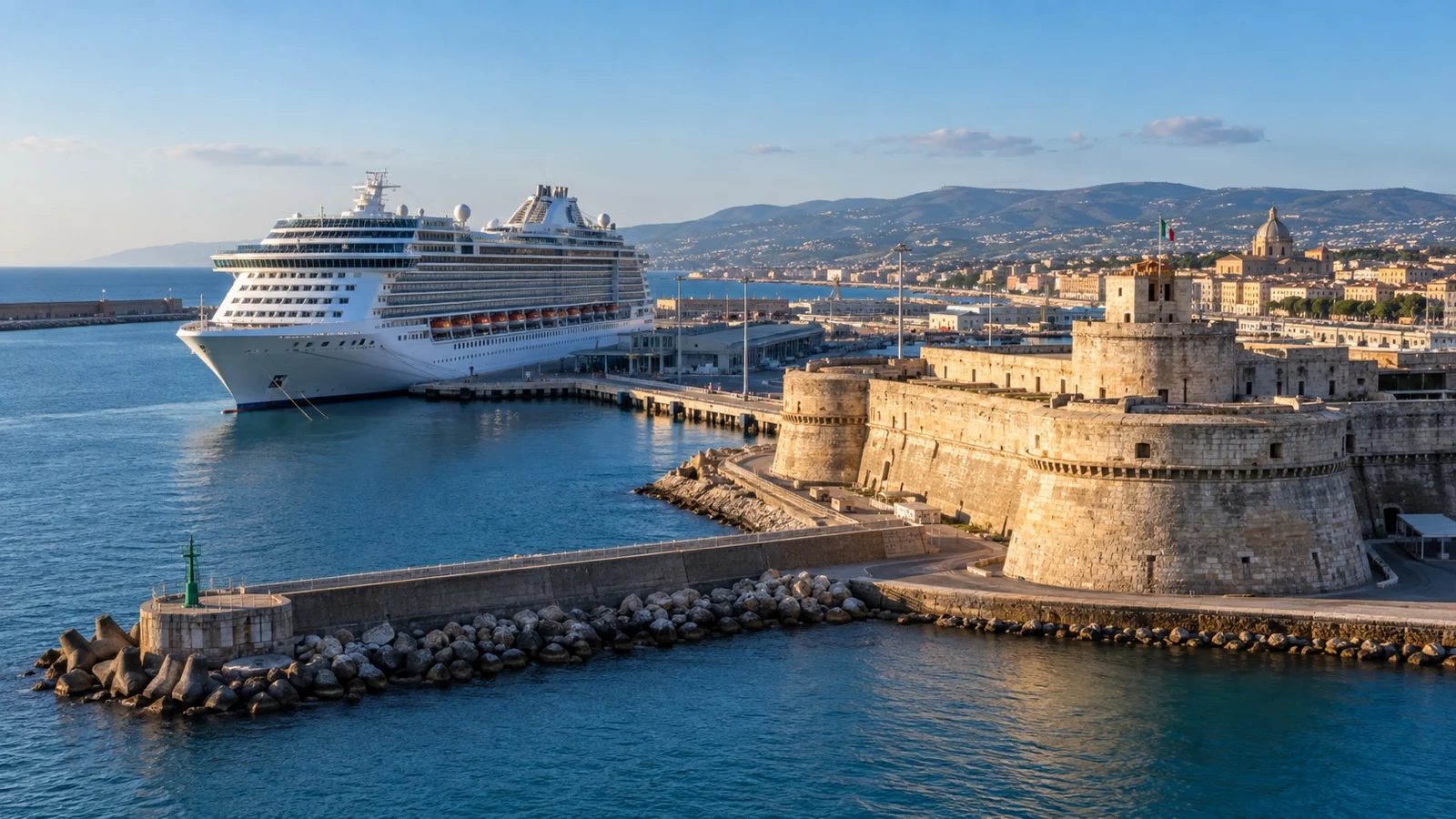
Civitavecchia is Rome’s principal cruise gateway, but the capital is a substantial journey away. The port operates internal transport to public access points, and independent travelers can continue by train or reserved road transfer.
Rome is too rich for a frantic checklist, so choose two or three priorities and prebook any timed admission. On embarkation day, staying in Civitavecchia reduces risk, while a Rome hotel is better for several nights of sightseeing before the cruise.
Florence via Livorno Cruise Port
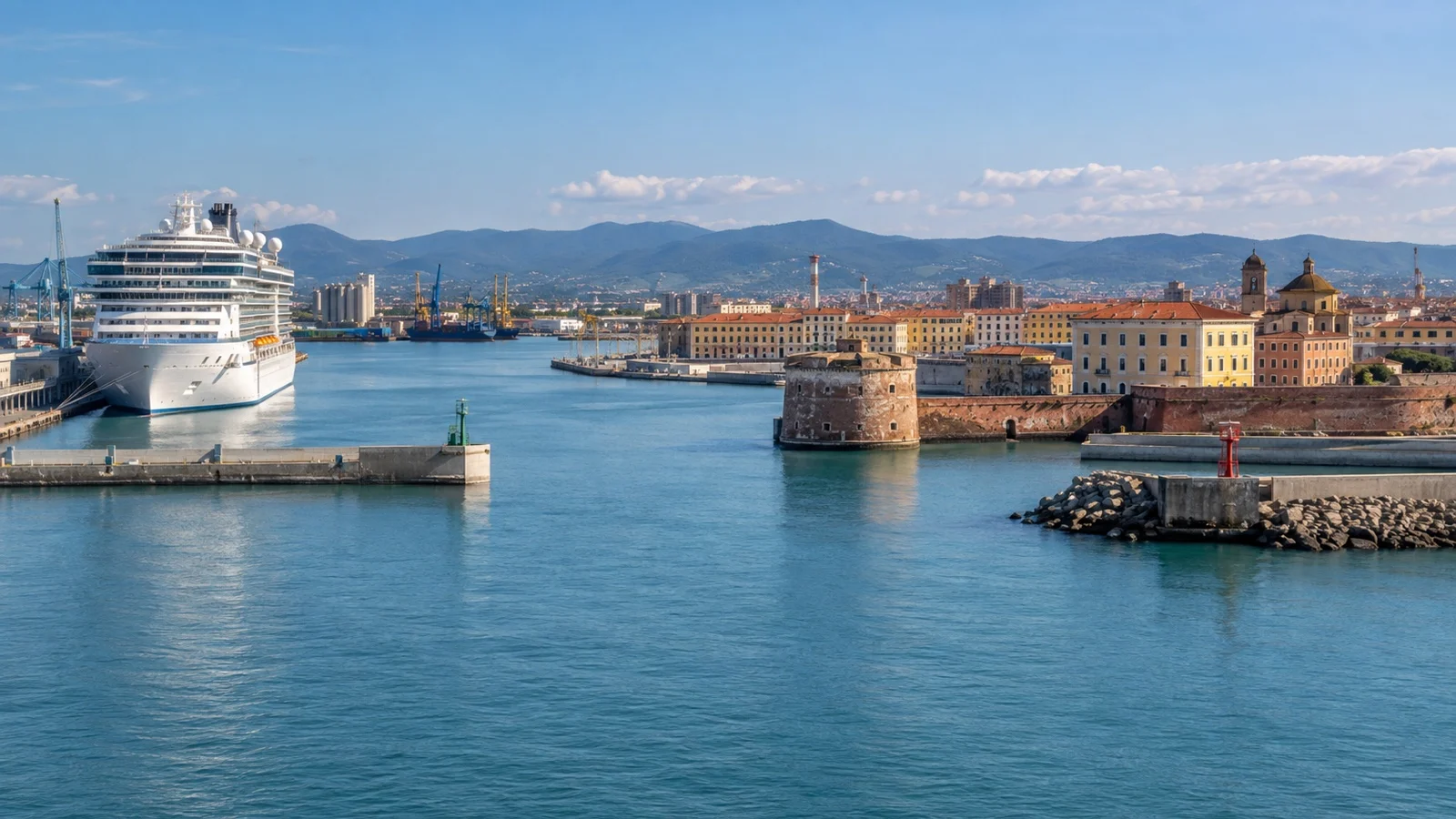
Florence is commonly marketed from Livorno even though the Renaissance center lies well inland. Port shuttle rules, a transfer to Livorno Centrale, and the train journey all consume time, so Florence benefits from an excursion or a very disciplined independent plan.
Genoa Cruise Port
Genoa’s Stazioni Marittime terminals sit close to the historic center and Genova Piazza Principe station. The aquarium, palaces, and old lanes work independently, while Portofino or the Riviera requires rail, boat, or road planning.
Giardini Naxos Cruise Port
Giardini Naxos is a tender gateway for Taormina, with landing arrangements near the bay. Taormina sits uphill and requires onward transportation, so confirm whether the cruise line provides a transfer or reserve a vetted excursion.
La Spezia Cruise Port
La Spezia has secure commercial berths and a public cruise facility near the compact center. Trains from La Spezia Centrale make Cinque Terre tempting, but crowded platforms and service disruption mean you should visit fewer villages than a land traveler might.
Livorno Cruise Port
Livorno is an industrial harbor where passengers normally need authorized transport to the public side. Pisa is the easier independent excursion, Lucca is rewarding with more planning, and Florence is the longest high-stakes day.
Messina Cruise Port
Messina’s cruise berths face the city center across a broad waterfront road. The cathedral clock, shopping streets, and Strait views are easy independently, while Taormina and Mount Etna require a longer journey.
Naples Cruise Port
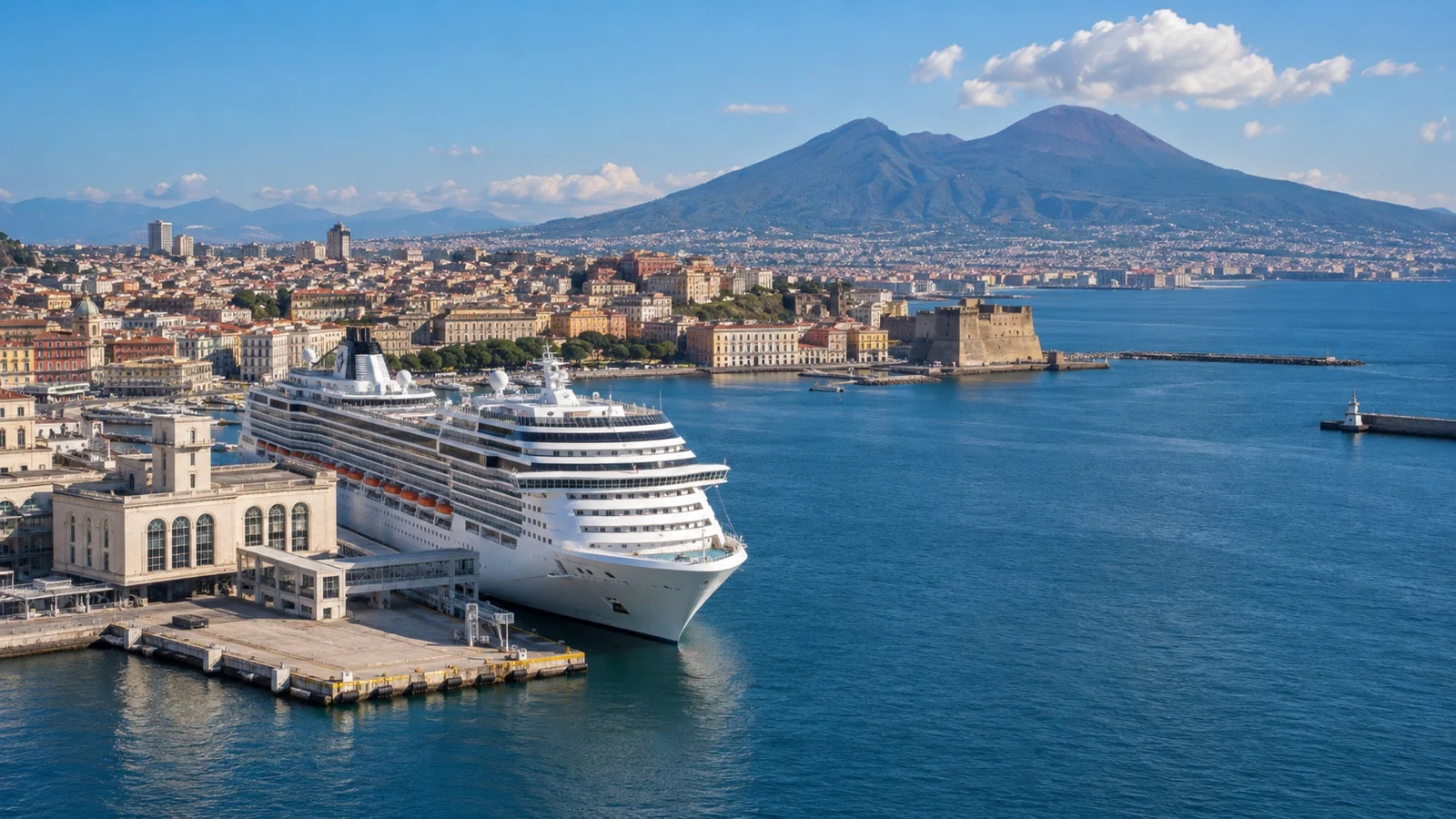
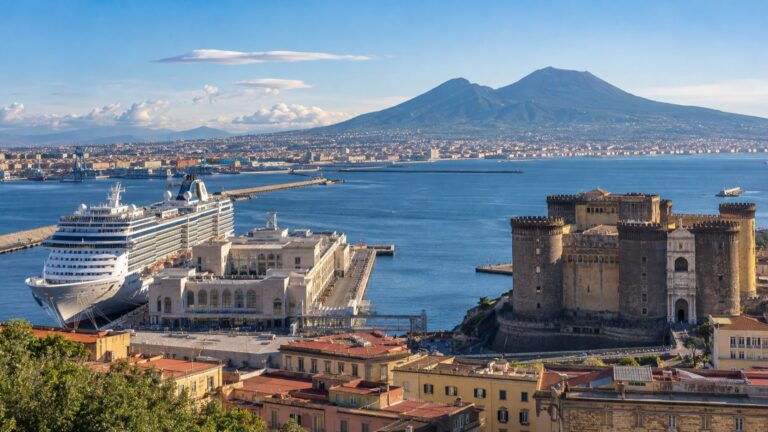
Naples Stazione Marittima sits beside the heart of the city, with ferries, metro access, and historic streets close by. Pompeii, Herculaneum, Capri, and the Amalfi Coast compete for attention, but trying to combine too many is the classic Naples mistake.
Olbia Cruise Port
Olbia is a working Sardinian port where shuttles may connect the berth to the city. The center is pleasant for a low-key day, while Costa Smeralda beaches and villages are spread out and easier with a planned vehicle.
Palermo Cruise Port
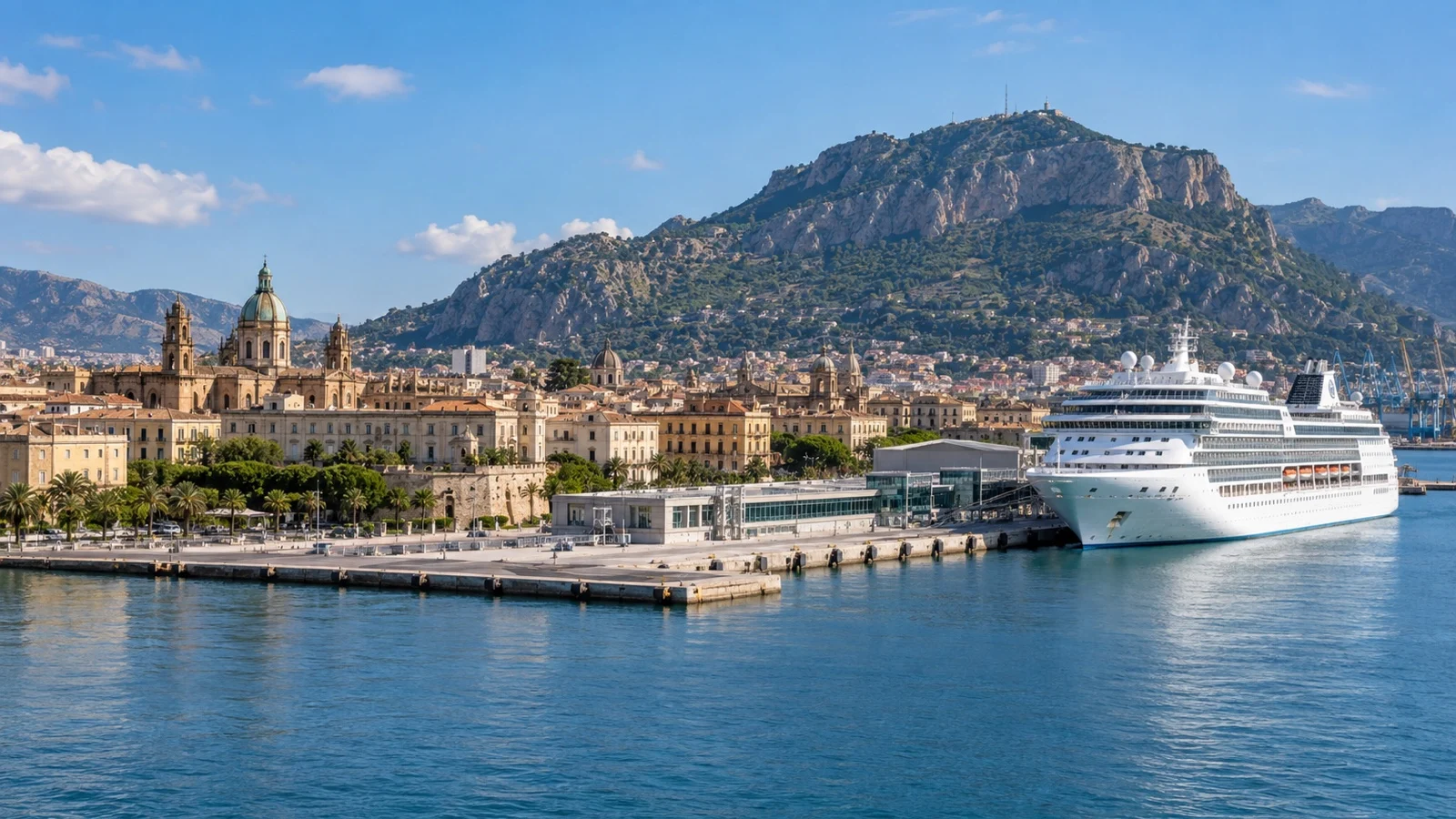
Palermo’s cruise facilities are close to the lively center, making markets, theaters, churches, and street food accessible independently. Monreale requires a bus, taxi, or tour, and summer heat can make a shorter city route far more enjoyable.
Portofino Cruise Port
Portofino is normally a tender call into its tiny harbor, and sea conditions can change the day quickly. The village is easy on foot, while Santa Margherita Ligure and coastal walks add variety if time and weather cooperate.
Ravenna Cruise Port
Ravenna’s cruise terminal is at Porto Corsini, outside the mosaic-filled historic city. It is also marketed as a Venice-region embarkation point on some itineraries, but Venice is a long transfer away and should never be treated as the same city.
Use a cruise-line transfer or confirmed private service when connecting from Venice, Bologna, or Ravenna station. Staying near the actual terminal can simplify sailing morning, while central Ravenna is better for restaurants and mosaics.
Salerno Cruise Port
Salerno may use the striking maritime terminal at Molo Manfredi or another operational berth. The city is a pleasant independent base, and ferries or road tours can reach Amalfi Coast towns when seasonal schedules and weather align.
Savona Cruise Port
Savona’s Palacrociere terminals sit beside the compact Ligurian center and are strongly associated with Costa turnarounds. The city is easy to explore on foot, while Genoa and Riviera connections require train or road planning.
Sorrento Cruise Port
Sorrento is normally a tender call to Marina Piccola beneath the clifftop center. An elevator, stairs, road, and local transport connect the levels, so passengers with limited mobility should ask the cruise line about the entire tender route.
Trieste Cruise Port
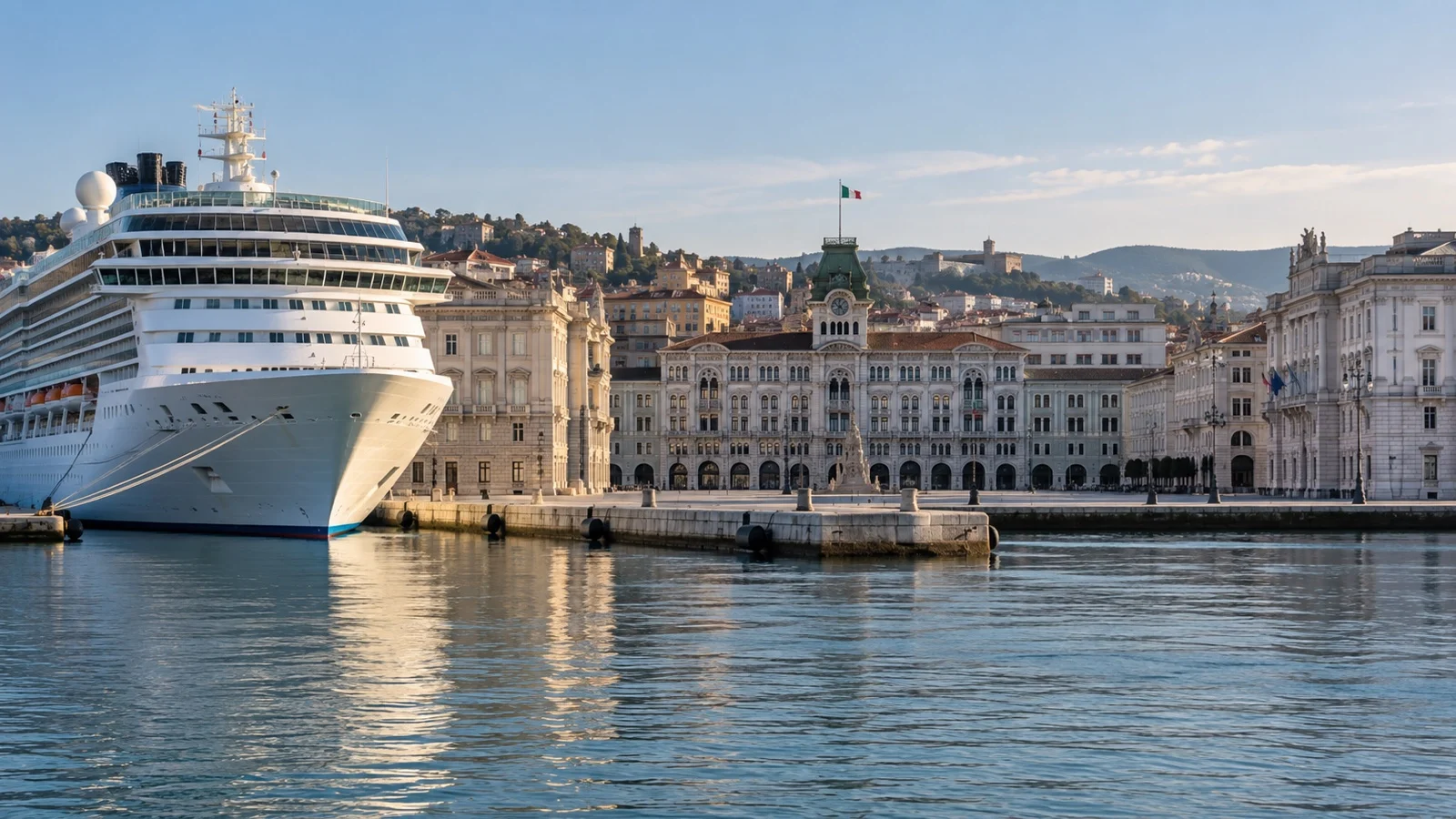
Trieste’s most convenient cruise berths face Piazza Unità d’Italia, but ships can use other facilities around the port. The central city is wonderfully walkable, and Trieste Centrale station supports arrivals from Venice and elsewhere in northern Italy.
Venice Cruise Port
Venice is no longer a single-terminal assumption for large ships, which are restricted from the historic-center route. An itinerary may use Marghera, Fusina, Chioggia, or an operator-specific passenger check-in and transfer process.
Read the ticket for both the check-in location and ship berth before choosing a hotel. A property beside the old Marittima area may be convenient for one operator’s processing plan and completely wrong for another sailing.
How I Would Choose the Itinerary
For a first visit, I would choose a route with one major gateway day, two central city ports, and one smaller coastal or island call. That balance gives you famous sights without spending every morning on a coach.
History lovers should look for Rome, Naples, Sicily, and Bari, while coastal scenery favors La Spezia, Portofino, Amalfi, Sorrento, and Sardinia. Food-focused travelers can have a glorious trip almost anywhere, although Palermo, Naples, Genoa, and Catania are especially rewarding independently.
Read the times in port as carefully as the names. A short Civitavecchia call is not a full Rome day, and a late tender clearance can shrink a small-island visit dramatically.
Docking, Tendering, and Getting Around
A docked ship may still sit inside a secure commercial port where walking is prohibited. Port buses and cruise shuttles can be mandatory, and their drop-off point becomes the real start of your independent day.
Tender calls depend on wind, swell, and harbor conditions. Never book a nonrefundable private activity that begins too soon after scheduled arrival, and return to the tender landing well ahead of the last boat.
Use Trenitalia or the relevant operator for live rail schedules, and check for strikes or engineering work. Always keep a backup that reaches the ship without relying on the final possible train.
When to Cruise and What to Pack
Spring and fall usually offer gentler temperatures for city walking, although weather can still be unsettled. Summer brings long daylight and the widest seasonal schedules, along with intense heat, crowds, and higher prices.
Pack supportive shoes for stone streets, sun protection, a refillable water bottle, and a light rain layer. Churches may enforce clothing expectations, so carry a simple shoulder and knee cover even on hot days.
Italy uses the euro, and cards are widely accepted, but a little cash helps with small purchases. Keep valuables secured in crowded trains and famous visitor zones.
Accessibility and Lower-Energy Port Days
Central ports are not automatically step-free because gangways, shuttles, paving, and historic entrances all affect the route. Ask the cruise line about the exact berth and assistance from ship to public exit.
Tender ports require special scrutiny because boarding a moving small boat may not be possible for every traveler or mobility device. Get a written answer from the cruise line before building the trip around Capri, Portofino, Amalfi, or Sorrento.
Excellent lower-energy days include the immediate centers of Genoa, Savona, Naples, Messina, Palermo, Bari, and Trieste when centrally berthed. A private half-day driver can make gateway ports far more comfortable without forcing a full coach itinerary.
Embarkation and Hotel Planning
Arrive at least one night early for every Italian embarkation, and consider two or three nights for Rome or Venice. Flight delays, rail strikes, and port-location confusion are much easier to solve before sailing day.
Choose a hotel for the actual terminal, not the destination in parentheses. Civitavecchia is safer than central Rome for a very early report time, and Porto Corsini logistics differ sharply from a central Ravenna or Venice hotel.
Confirm breakfast hours, luggage storage, elevator access, and taxi availability. A glamorous old building can become a poor cruise hotel if it has stairs and no staffed early departure.
Documents and Local Rules
Italy is in the Schengen Area, but document requirements depend on nationality, itinerary, and the countries visited before and after Italy. Use official government guidance and your cruise line’s instructions rather than a generic packing list.
Venice may require visitors to follow access-fee or registration rules on specified dates, with exemptions and procedures changing by policy. Check the City of Venice’s official portal for your travel date.
Local transport tickets often require validation or activation, and regional rules vary. Read the purchase instructions before boarding instead of assuming a mobile or paper ticket is automatically valid.
Frequently Asked Questions
Which Italy cruise port is best for first-time visitors?
Naples, Genoa, Palermo, and Trieste are excellent because the city experience begins close to the ship. Rome is unforgettable, but Civitavecchia makes it a more demanding transport day.
Can I explore Italian cruise ports independently?
Yes, especially in centrally located ports and on simple rail routes. Excursions are more valuable for long gateway journeys, tender calls with tight timing, and rural or archaeological sites beyond public transportation.
Which calls benefit most from an excursion?
Florence from Livorno, Rome from Civitavecchia, Taormina from Giardini Naxos, and remote trips from Augusta deserve strong consideration. The Amalfi Coast also benefits from organized transport when traffic and ferry schedules are uncertain.
How early should I book?
Book limited-capacity excursions and timed landmark entries as soon as the itinerary is stable. Keep flexible terms until flights, berth information, and the cruise line’s own transfer options are clear.
What happens if weather changes a tender call?
The captain may delay, move, shorten, or cancel the visit for safety. Independent bookings should have cancellation terms that address a ship failing to call.
My Final Italy Cruise Advice
Italy rewards restraint more than racing. One museum, one neighborhood, and one unforgettable meal often create a better port day than three cities glimpsed through a bus window.
Build the itinerary around geography as well as famous names, and treat every tender or gateway transfer as part of the day. That approach leaves room for the country to surprise you.
Italy’s ports range from effortless city-center docks to ambitious gateways that demand careful timing.
Confirm the berth, protect your return buffer, and give each remarkable stop enough space to feel like Italy rather than a checklist.