Mossel Bay Cruise Port: Berth, Tender & Garden Route
Mossel Bay is where a South Africa cruise can suddenly feel intimate. The harbor sits beside a historic coastal town, the Indian Ocean curls around sandy beaches and cliffs, and the first landscapes of the Garden Route begin almost as soon as you leave the waterfront.
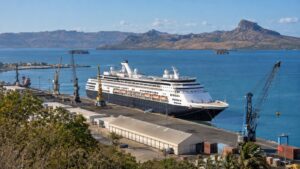
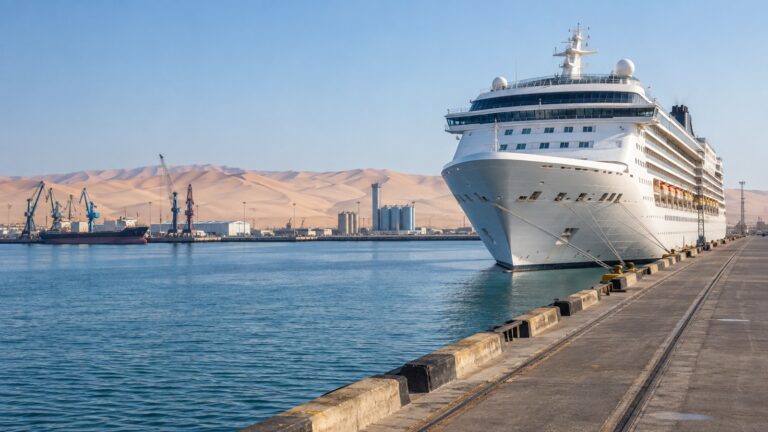
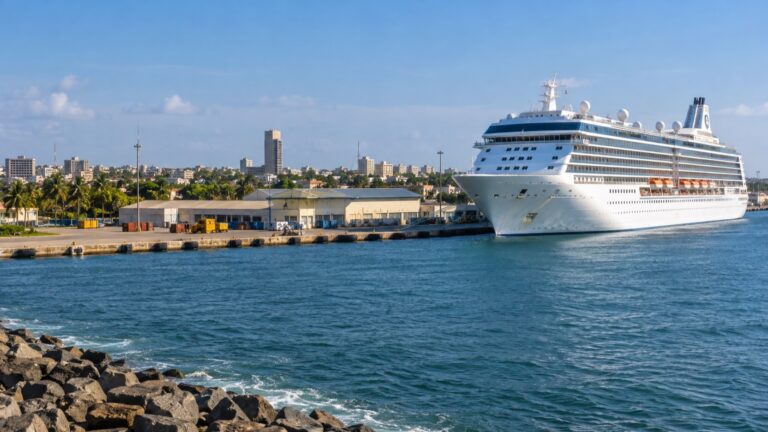
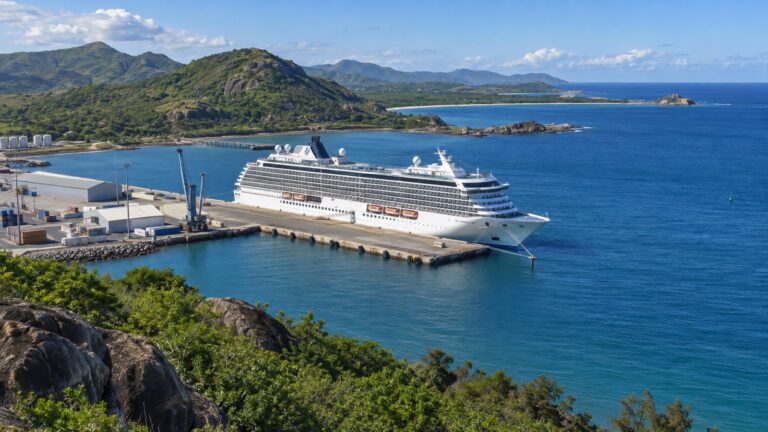
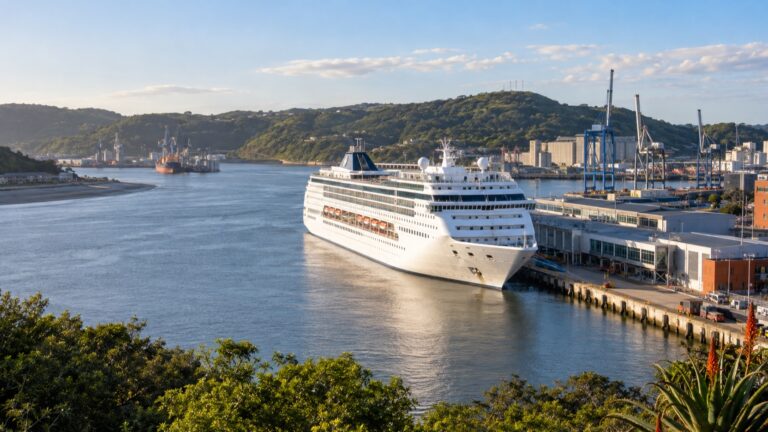
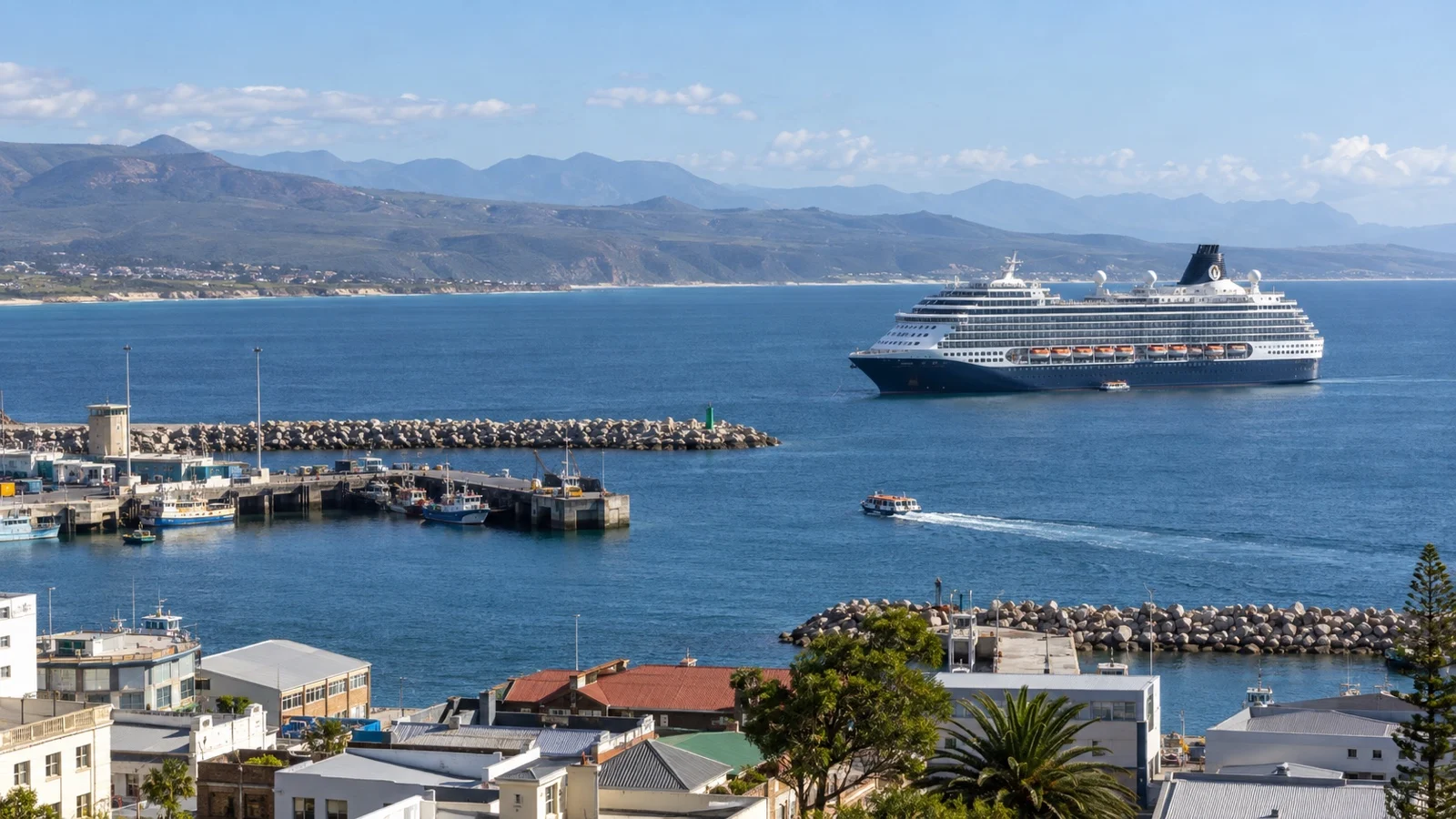
The catch is that arrival arrangements are not identical for every ship. Mossel Bay has a small working commercial port, so some suitable vessels may berth while larger ships are more likely to anchor and use tenders.
That berth-or-tender distinction shapes the entire day. A local museum visit can remain relaxed after a slow landing, but a wildlife outing or long coastal drive needs firm transport, a realistic schedule, and a generous return buffer.
Quick Facts
- Country: South Africa
- Province: Western Cape
- Arrival: Berth or tender, depending on the ship and current port operation
- Currency: South African rand
- Driving: Traffic keeps to the left
- Easy local highlights: Bartolomeu Dias Museum Complex, town center, harbor, and Santos Beach
- Active option: A carefully chosen section of the Saint Blaize Trail
- Longer outings: Private game reserves, scenic Garden Route drives, and specialty marine tours
- Main risk: Wind and swell can delay or cancel tendering
- Planning priority: Confirm the actual arrival method and final boarding time with your cruise line
How Ships Arrive in Mossel Bay
Mossel Bay is the smallest commercial harbor in South Africa’s national port network, and it remains an active marine and industrial space. Cruise access therefore depends on vessel size, draft, berth availability, operational requirements, and sea conditions.
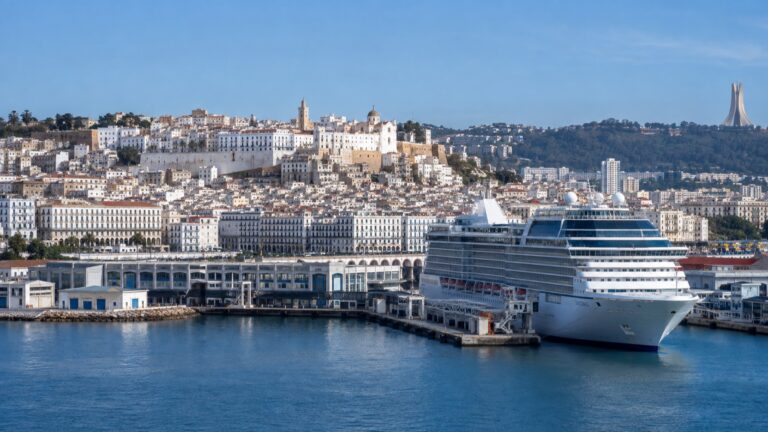
If your ship berths, the gangway process is usually more predictable than a tender operation. You may still need a port shuttle or controlled walking route because passengers cannot wander through restricted working areas.
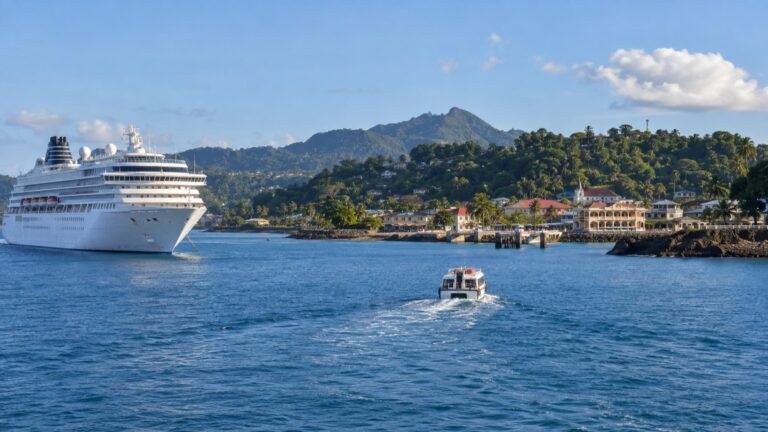
If your ship anchors, tender boats carry guests between the vessel and shore. Boarding can involve steps, moving platforms, an uneven gangway, and a wait for your assigned boat, so the published call time is not the same as usable time ashore.
Never book an independent tour based only on the scheduled arrival hour. Ask when private operators can realistically meet passengers and build the plan around the ship’s final tender rather than its headline departure time.
A Simple Mossel Bay Day Near the Port
Mossel Bay rewards travelers who stay local because several worthwhile sights sit close to the harbor and town center. This is the safest approach after a delayed arrival, on a short call, or when wind makes the tender schedule uncertain.
Start by orienting yourself at the landing or shuttle drop-off point. Confirm where the return line forms, photograph any posted instructions, and save the ship or port agent’s contact details before you walk away.
Bartolomeu Dias Museum Complex
The Bartolomeu Dias Museum Complex is the town’s most natural first stop. Its maritime collections interpret early voyages around southern Africa, and a full-size replica caravel gives scale to journeys that can otherwise feel abstract.
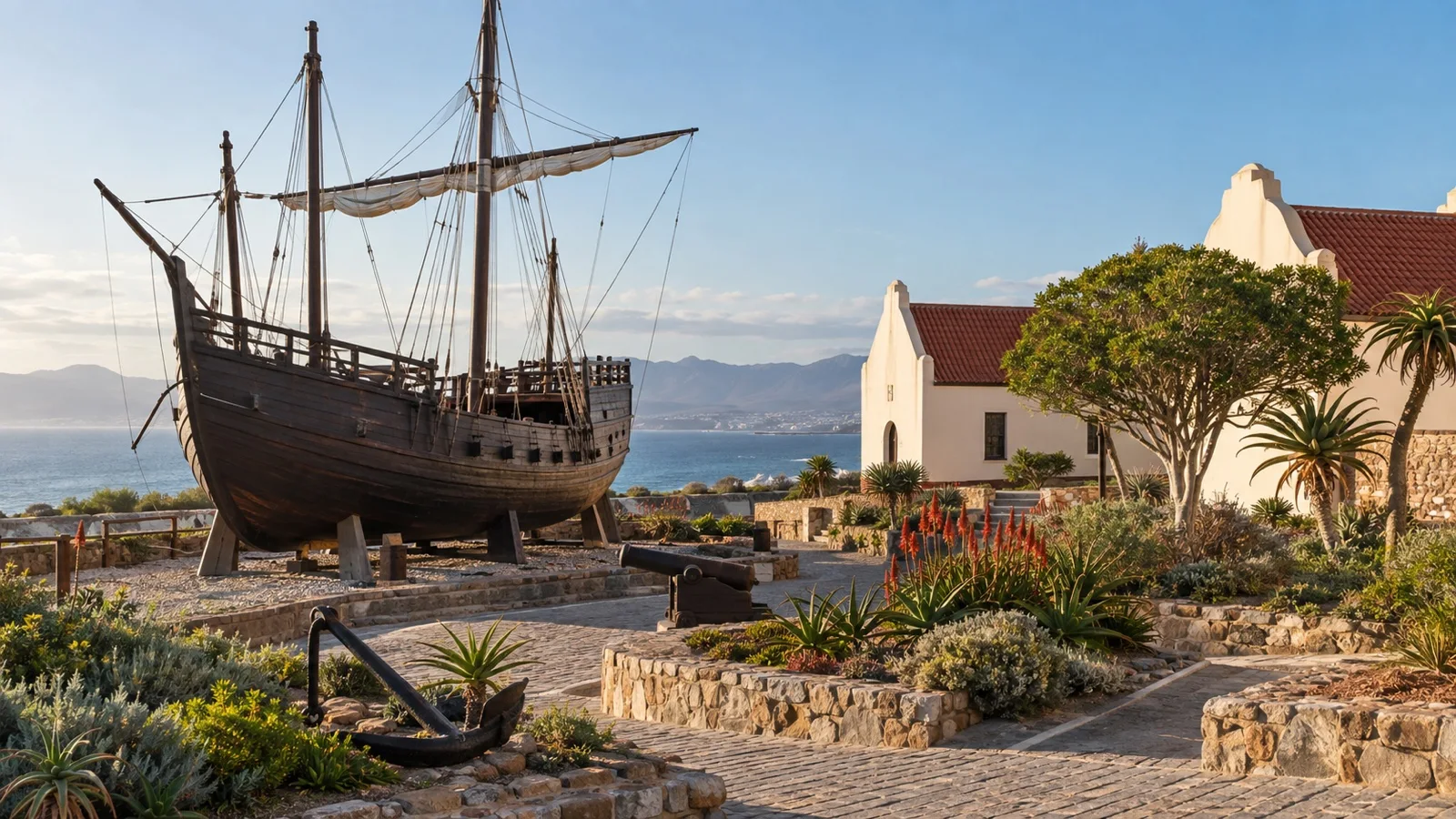
The wider site includes the historic Post Office Tree, indigenous grounds, and exhibits connected with the coast and local history. Check the museum’s official schedule before sailing because individual spaces, ticketing, and hours can change.
The museum is particularly good for mixed-interest groups because one person can focus on maritime history while another enjoys the gardens and sea views. Allow enough time to read, but do not treat every gallery as compulsory on a short call.
Town, Harbor, and Lunch
Central Mossel Bay has cafes, restaurants, shops, and everyday street life rather than the enclosed feel of a purpose-built cruise terminal. That makes it pleasant to browse, though you should remain aware of traffic and use the same common-sense precautions you would in any unfamiliar town.
Seafood is an obvious choice, while South African menus may also feature grilled meat, Cape-inspired dishes, and local wines. Choose a restaurant near your sightseeing route instead of using precious port time to cross town for a famous address.
Cards are widely useful in established businesses, but a little local currency can help with small purchases. Review the amount on the card terminal and avoid carrying more cash than you need.
Santos Beach and the Waterfront
Santos Beach is one of the easiest ways to add sand and sea to a local day. Its curved shoreline lies close enough to combine with the museum and town, though the precise walking route from your landing point should be confirmed locally.
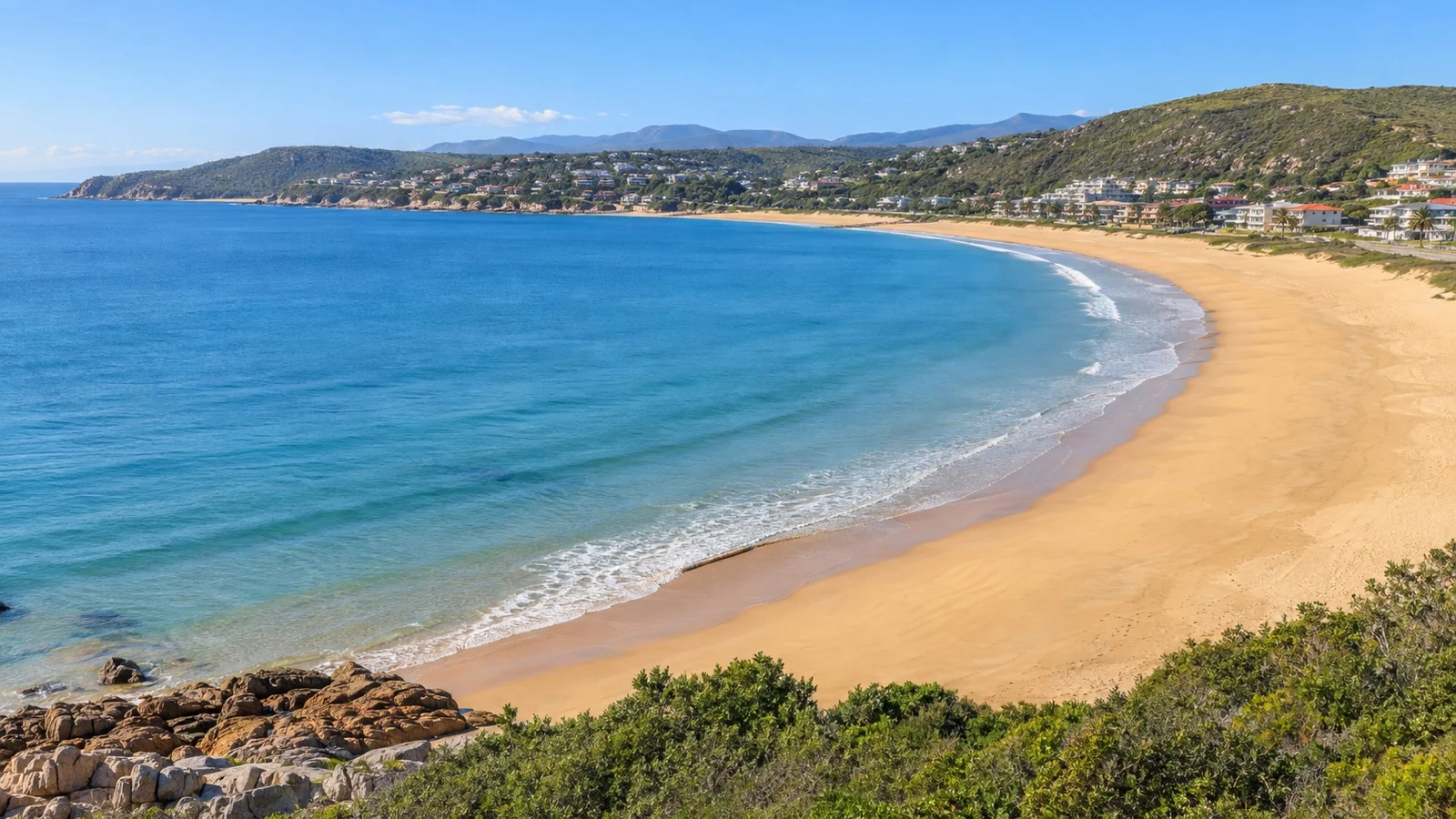
Ocean conditions are never guaranteed, and a protected-looking bay can still have currents, cold patches, or changing surf. Swim only where conditions and lifeguard guidance allow, and keep an eye on the time because a beach stop has a way of expanding.
If swimming is not the goal, the beachfront still works for a walk, coffee, or photographs. Bring sun protection and a light layer because coastal wind can appear even on a bright day.
Cape Saint Blaize and the Cliff Trail
Cape Saint Blaize gives Mossel Bay its most dramatic local scenery. The lighthouse area and cliff viewpoints reveal the rocky coast, open water, and fynbos landscape that make the town feel like a true Garden Route gateway.
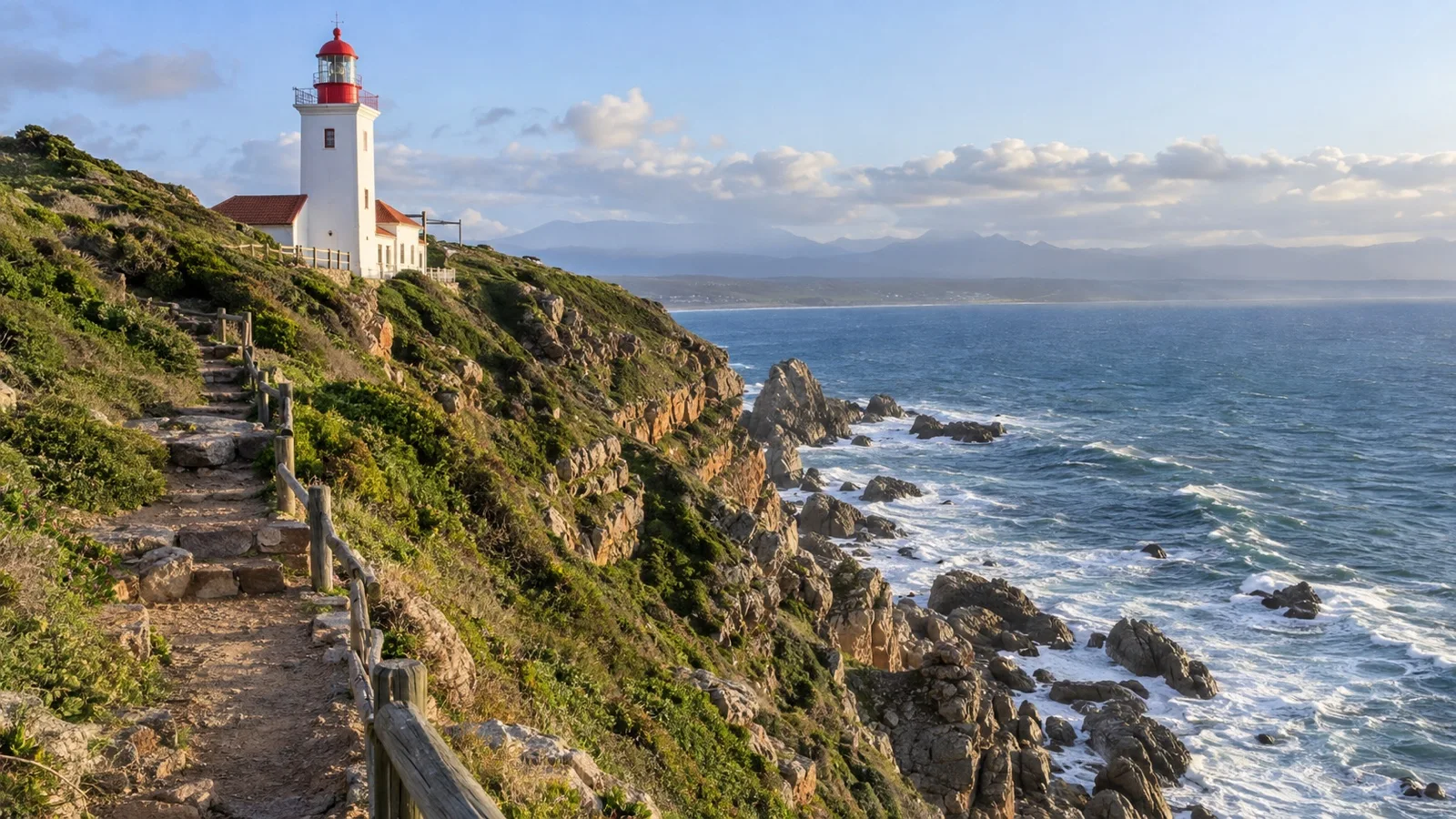
The official Saint Blaize Trail extends for about 13.5 kilometers and is described locally as a roughly six-hour hike. That full route is not a sensible cruise-port activity for most visitors because exit points, transport, exposure, and the ship’s deadline create too much risk.
A short out-and-back section can be rewarding for fit travelers with proper shoes and a clear turnaround time. Local tourism guidance advises hikers not to walk alone, to carry water, prepare for wind, and understand that mobile reception may not cover the entire trail.
Cliff edges, snakes, uneven rock, and sudden weather deserve respect. If you want the view without a substantial hike, arrange transport to a suitable viewpoint and confirm the current access situation.
Point of Human Origins and Cave Experiences
The archaeological story around Mossel Bay reaches far beyond European maritime history. Cave sites in the Cape Saint Blaize and Pinnacle Point area have contributed important evidence about early human behavior along the southern African coast.
Public access to sensitive cave locations is controlled and may require a scheduled guided experience. Do not assume you can arrive independently, and never enter a restricted archaeological area without authorization.
A properly timed guided visit can become the most distinctive excursion in Mossel Bay. Confirm the physical demands, meeting point, steps, footwear requirements, duration, and return transport before paying.
Wildlife Outings from Mossel Bay
Private game reserves in the wider Mossel Bay region make a safari-style outing possible without traveling to one of South Africa’s distant national parks. This can be exciting, but it is not the same landscape or wildlife experience as a multi-day safari in Kruger or the Eastern Cape.
Choose an established operator that explains transfer time, conservation practices, vehicle type, and what the outing actually includes. No ethical operator can guarantee a specific wild animal sighting, and cruise passengers should be cautious of marketing that promises a perfect checklist.
Travel time and gate formalities reduce the hours available for the drive itself. A ship excursion provides the most protection if the itinerary runs late, while an independent booking needs a written return plan and a substantial safety margin.
Marine wildlife tours may also be offered, including seasonal whale watching, dolphin trips, or shark-focused excursions. Weather, permits, animal movement, and sea conditions affect these activities, so only reserve with a reputable operator and keep cancellation terms flexible.
How Far Can You Go on the Garden Route?
Mossel Bay sits at the western gateway to the Garden Route, but the name can tempt travelers into attempting too much. Wilderness, Knysna, and the forested areas farther east may look reachable, yet a round trip quickly becomes a long day on the road.
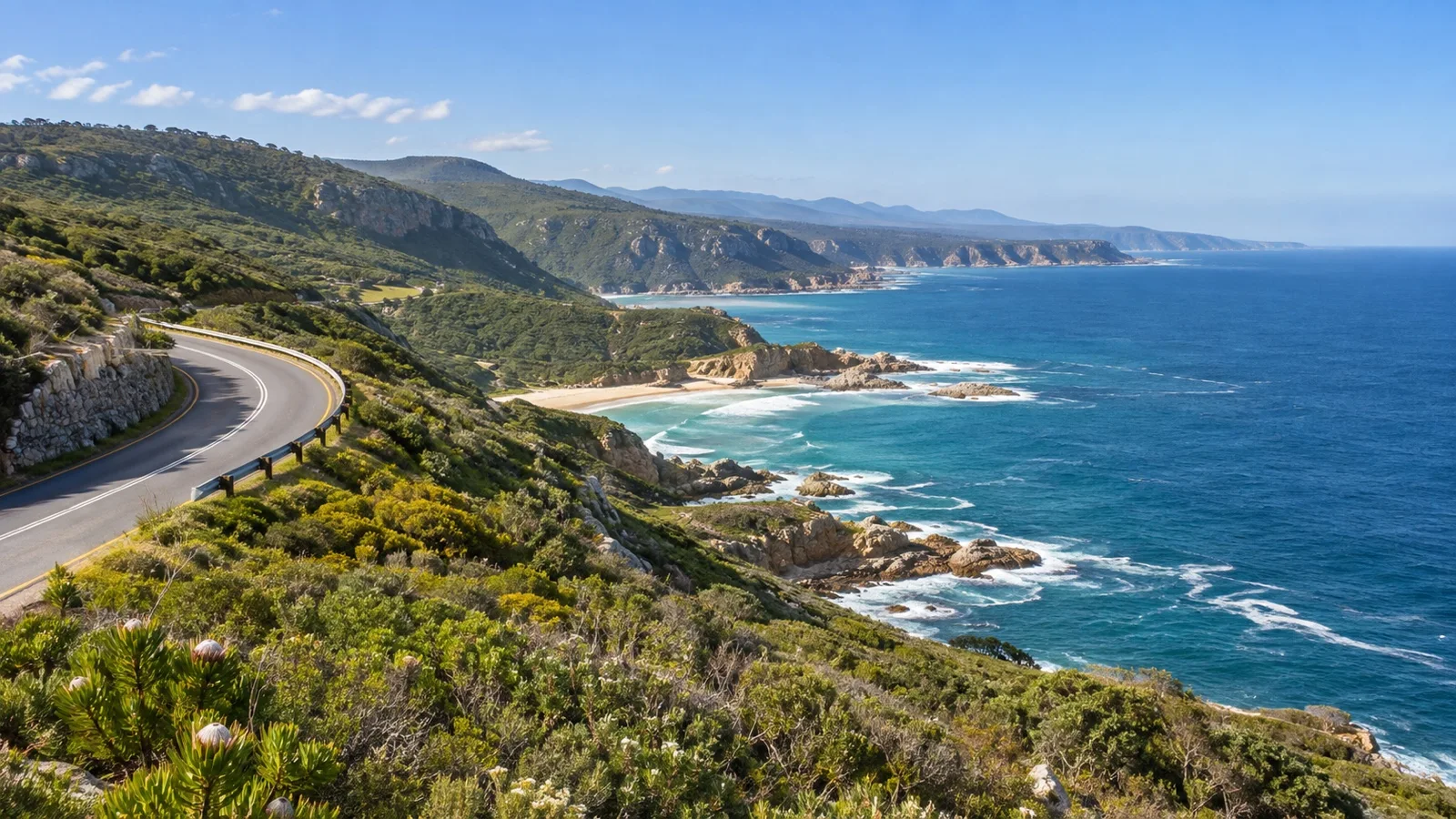
South African National Parks describes the Garden Route National Park as a large collection of coast, lakes, rivers, indigenous forest, and fynbos across the Wilderness, Knysna, and Tsitsikamma areas. Those sections deserve more time than most Mossel Bay cruise calls provide.
George and the landscapes near Wilderness may be workable on a long call with a dedicated driver. Knysna is a more ambitious choice, while Tsitsikamma is generally too far for a relaxed same-day cruise excursion from Mossel Bay.
Roadworks, holiday traffic, crashes, and weather can disrupt the main coastal route. If you travel east, set a firm turnaround time and resist adding one more viewpoint simply because the ship still appears hours away.
Berth Versus Tender: What Changes
A berth gives you a steadier start and makes mobility arrangements easier, but port security can still add transfer time. A tender places weather at the center of the day and may reduce independent time ashore by an hour or more.
Cruise lines decide when conditions are safe enough to operate boats. A calm beach does not prove that the ship’s anchorage or transfer route is suitable, and the captain may shorten or cancel the call even under blue skies.
Tender tickets can prioritize ship excursions or loyalty groups, which matters if you have booked an early private tour. Ask your cruise line how disembarkation works rather than relying on procedures from a previous sailing.
On the return, join the line before the final boat unless the ship gives different instructions. Weather can deteriorate, queues can lengthen, and a last-minute dash is especially stressful when small craft are involved.
Transportation in Mossel Bay
Taxis, prearranged drivers, and cruise excursions are the practical ways to reach places beyond the town center. Agree on the fare or pricing method, waiting time, route, and return point before departure.
Do not expect ride availability to match a major city, particularly when a large ship puts many passengers ashore at once. Prebooking is wise for the lighthouse area, archaeological experiences, private reserves, and longer Garden Route outings.
South Africans drive on the left, and a rental car introduces unfamiliar road rules, insurance terms, navigation, and parking into an already time-sensitive day. I would only self-drive if the ship is securely berthed, the itinerary is simple, and the driver is comfortable with local conditions.
Public transportation is not the best foundation for a distant cruise excursion. Use it only after checking the current route and payment arrangements and confirming that a missed service will not endanger your return.
Entry Rules and Documents
South African visa rules depend on nationality, passport type, length of stay, and itinerary. The Department of Home Affairs maintains the official exemption list and warns that it can change without notice.
Follow the cruise line’s document instructions and confirm requirements through South African authorities well before sailing. A passenger who remains on an organized tour still needs to meet the country’s entry conditions.
Keep the identification requested by the ship with you ashore and protect it from water or theft. Store a separate copy of essential details and the local port contact, but do not display personal information unnecessarily.
Weather, Seasons, and What to Pack
Mossel Bay has a mild coastal climate, but wind and ocean swell matter more to cruise operations than temperature alone. Conditions can shift quickly, and a tender call may change even when the forecast seems pleasant.
Wildlife seasons do not always align with the main cruise calendar. Whales may be seen during the cooler part of the year, while summer brings longer days and lively beaches, so build expectations around your actual sailing month.
Pack sunscreen, a hat, water, a light windproof layer, and shoes with secure grip. Add a dry bag or protective pouch on tender days because spray can reach bags and electronics.
If the weather turns, the Dias Museum and a relaxed town lunch form a resilient backup. Long exposed hikes, small-boat wildlife trips, and distant scenic drives should be the first plans reconsidered.
Accessibility and Traveling Comfortably
A berth is generally simpler for travelers with limited mobility, but the exact gangway angle and port transfer still matter. Ask the cruise line where accessible vehicles meet guests and whether the town shuttle can accommodate your equipment.
Tendering requires individual assessment because stairs, moving platforms, boat motion, and crew procedures vary. The ship makes the final safety decision, so request detailed guidance before assuming you can go ashore.
Historic sites, caves, beaches, and cliff paths may include sand, slopes, steps, and uneven surfaces. Ask tour operators for specific distances and terrain rather than accepting a broad label such as easy.
Travelers needing an accessible vehicle should arrange it before arrival. A shorter museum and waterfront day can still feel complete, especially when it removes the pressure of repeated transfers.
Safety and Sensible Independent Planning
Mossel Bay is a real town rather than a controlled resort compound. Stay aware of your surroundings, keep valuables discreet, use reputable transport, and avoid isolated routes without current local guidance.
The full Saint Blaize Trail should not be treated as a casual solo stroll. Official local advice highlights the need for water, proper footwear, arranged transport, and awareness of limited exits and mobile coverage.
At the beach, follow lifeguard instructions and watch the ocean rather than leaving possessions unattended. On a wildlife outing, obey guides and never pressure an operator to approach animals more closely.
The best safety tool is time. A generous buffer gives you room to handle traffic, a slow tender, a changed meeting point, or a tour that runs longer than expected.
My Ideal Mossel Bay Port Day
On a first visit, I would keep the morning local with the Dias Museum, harbor, and town. I would then choose between Santos Beach and a short scenic visit toward Cape Saint Blaize, depending on wind and energy.
For a longer call with reliable transport, I would consider one major experience such as a private reserve or guided archaeological visit. I would not combine that with a distant Garden Route drive or a separate marine tour.
If the ship is tendering, I would make every independent reservation refundable and return earlier than feels strictly necessary. Mossel Bay is too lovely to spend the final hour worrying about a boat queue.
Final Thoughts
Mossel Bay succeeds as a cruise port because meaningful experiences begin close to the water. Maritime history, beaches, cliff scenery, and the first taste of the Garden Route can all fit into one thoughtful day.
The winning plan is not the one with the most mileage. Confirm how your ship will arrive, choose one strong priority, and leave enough space for the coast to surprise you.
Berthing, tendering, entry requirements, attraction hours, trail access, wildlife tours, and road conditions can change, so verify your plans with your cruise line and the relevant official South African sources before sailing. This guide is for general planning and does not replace current immigration, safety, accessibility, weather, conservation, or transport advice.