Mormugao Cruise Port: Goa Terminal, Panaji and Old Goa
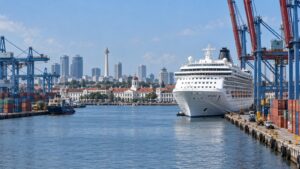
Mormugao is Goa’s cruise gateway, but the gangway does not open onto a beach resort or Panaji’s riverfront. Ships arrive inside a secured working harbor near Vasco da Gama, and every rewarding day beyond the port begins with organized road transport.
The key is choosing one version of Goa before you leave the ship. Old Goa and Panaji make the strongest heritage pairing, while a nearby coast day trades famous names for less time in traffic.
Quick facts about Mormugao cruise port
- Arrival: Ships normally berth alongside inside Mormugao’s commercial harbor
- Nearest city: Vasco da Gama
- Panaji: Goa’s capital, roughly 19 miles away by road
- Old Goa: Heritage district east of Panaji
- Best first visit: Old Goa plus Panaji
- Currency: Indian rupee
- Time zone: UTC+5:30
- Main planning risks: Port access, traffic, heat, and slow clearance
- Return rule: Allow time for the road, security gate, and internal port transfer
Mormugao, Vasco, Panaji, and Old Goa
Mormugao is the port, Vasco da Gama is the nearby city, Panaji is the state capital, and Old Goa is the former colonial capital with monumental churches. An itinerary labeled simply Goa can therefore hide several different destinations and substantial driving between them.
North Goa beaches such as Calangute and Baga add another direction, while South Goa has its own long coastline. Trying to combine every famous name usually creates a road tour with brief interruptions for sightseeing.
Tell a driver or guide exactly what matters to you and which stops are optional. A clear route prevents the vague promise of seeing Goa from expanding beyond the ship’s clock.
Where your ship berths
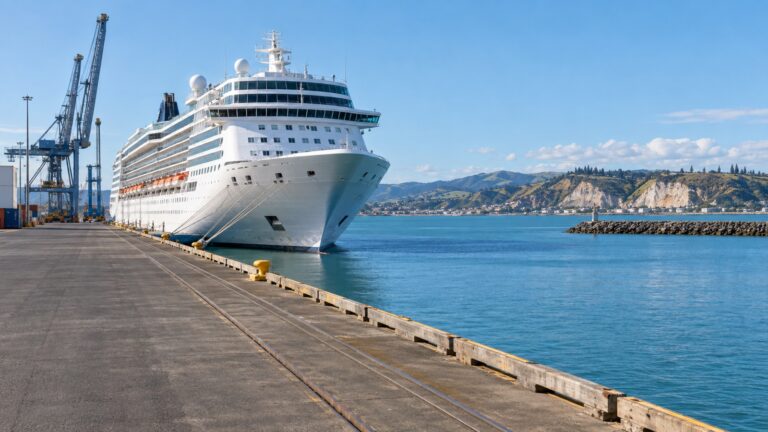
Cruise ships normally dock alongside within the Mormugao Port Authority’s commercial harbor. Berth assignments can vary with vessel size and working-port operations, so use the terminal information issued for your sailing.
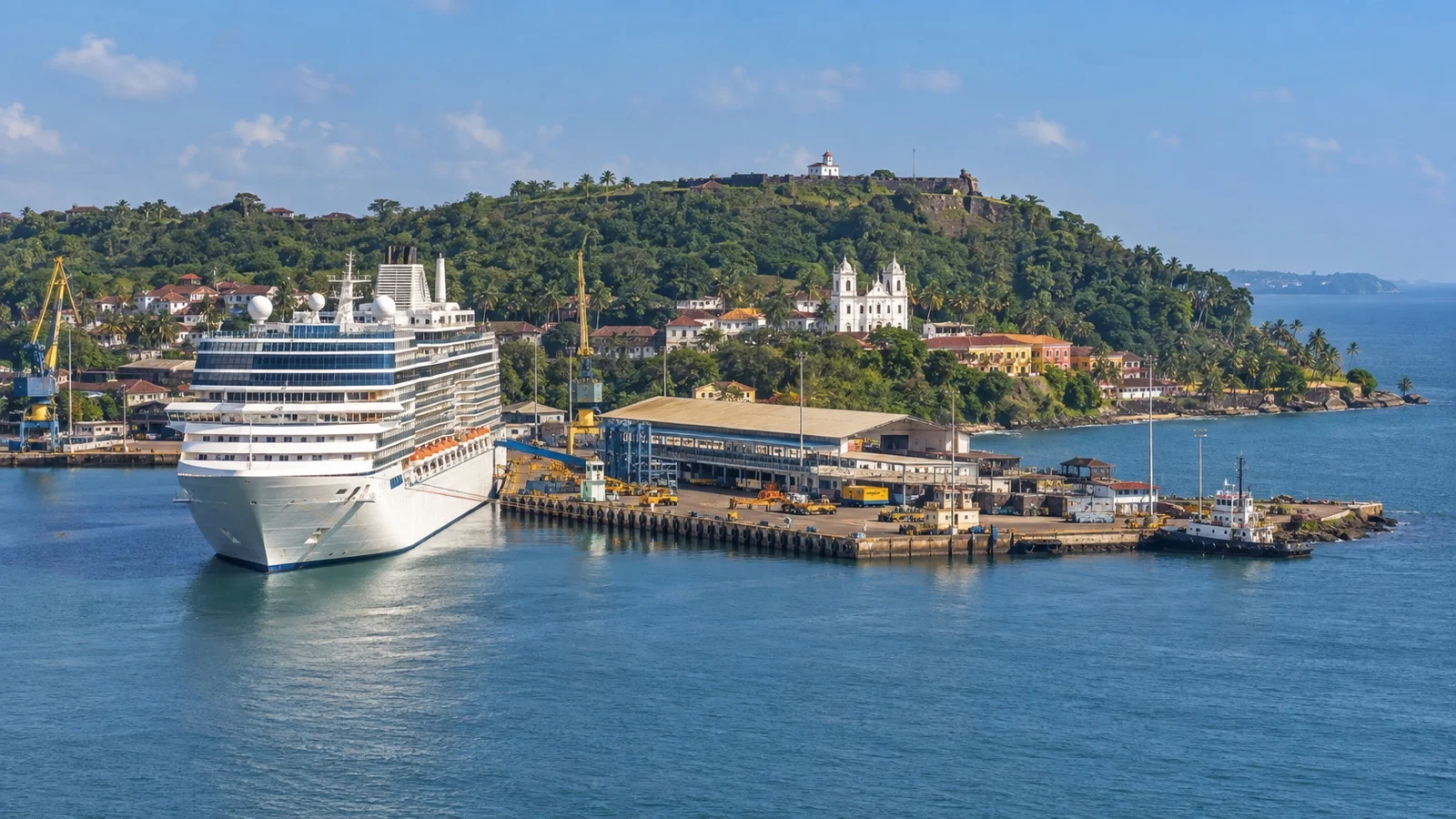
Terminal development has changed the passenger setup over time, but an announced project date does not prove that every ship uses the same new building. Follow the ship’s signs, staff, and transport instructions rather than an old fixed-berth claim.
Passengers leave the secure area by ship excursion, approved shuttle, or authorized prearranged vehicle. Walking through cargo operations is neither a sightseeing route nor a shortcut into Vasco.
Getting beyond the secure port
Ask onboard where independent passengers meet transportation, where any shuttle drops, and how they re-enter the port. A gate transfer is not necessarily a city-center shuttle, and the distinction matters in Goa’s heat.
A prearranged driver should confirm the permitted pickup point, vehicle plate, phone number, fare basis, route, and exact return gate. Do not assume an app-based taxi can reach the ship or even enter the controlled harbor.
A ship excursion offers the cleanest handoff from the berth and the strongest coordination if clearance or traffic runs late. A private driver gives more flexibility when the operator understands port procedures and cruise timing.
Old Goa is the heritage anchor
Old Goa gathers major churches, convents, museums, and the remains of the former capital into a manageable heritage district. The Basilica of Bom Jesus and Se Cathedral are the best-known anchors, but current opening and worship schedules decide what you can enter.
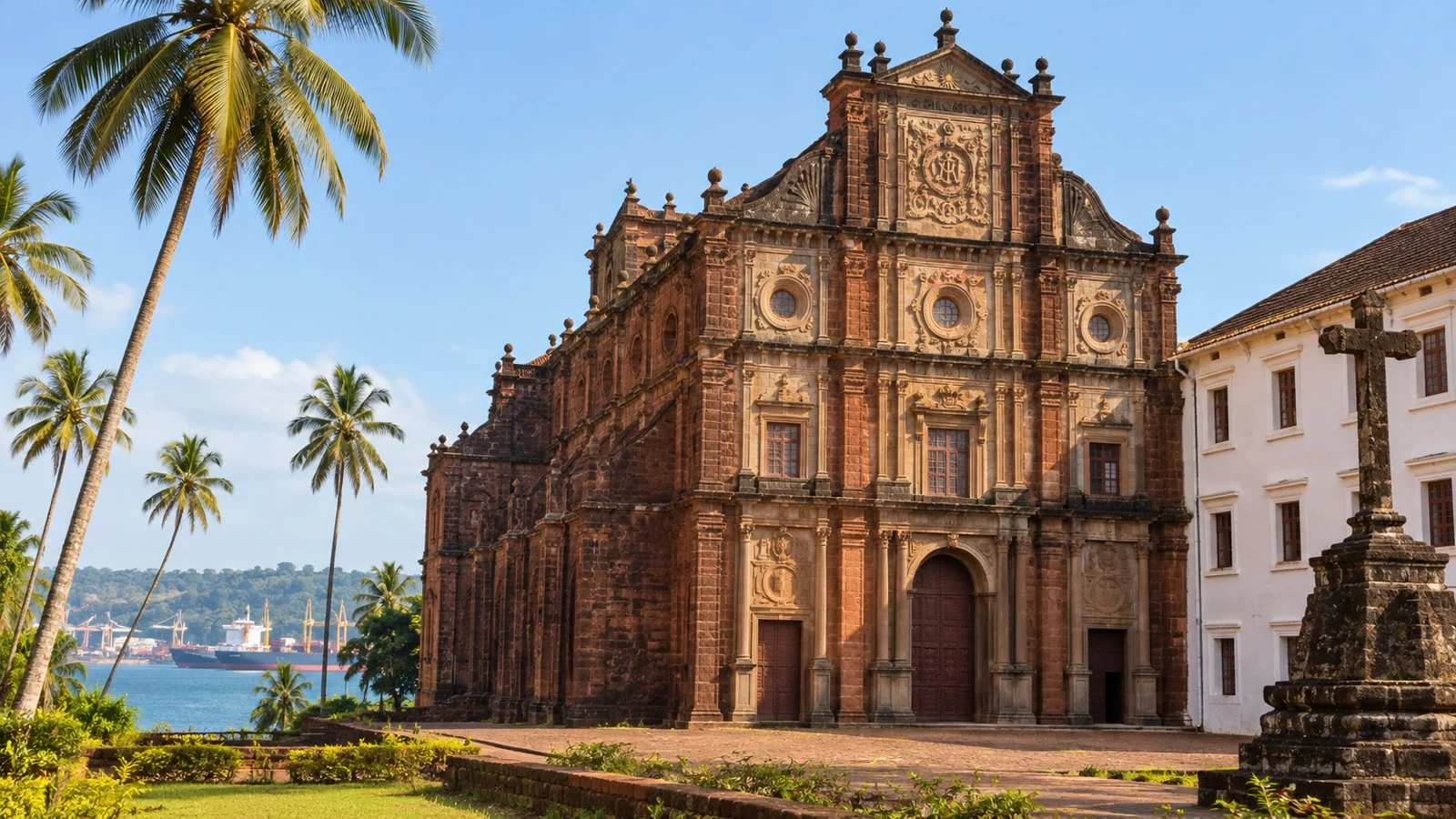
These are active religious places rather than museum sets. Dress modestly, speak quietly, follow photography rules, and accept that a Mass, funeral, feast, or official event can restrict visitor access.
Heat and open ground make water, sun protection, and an unhurried pace important. A knowledgeable guide can add architectural and historical context without forcing the visit through every doorway.
Panaji adds color and riverfront life
Panaji offers the Mandovi waterfront, markets, cafes, the Church of Our Lady of the Immaculate Conception, and the colorful lanes of Fontainhas. It pairs naturally with Old Goa because both sit in the same broad direction from Mormugao.
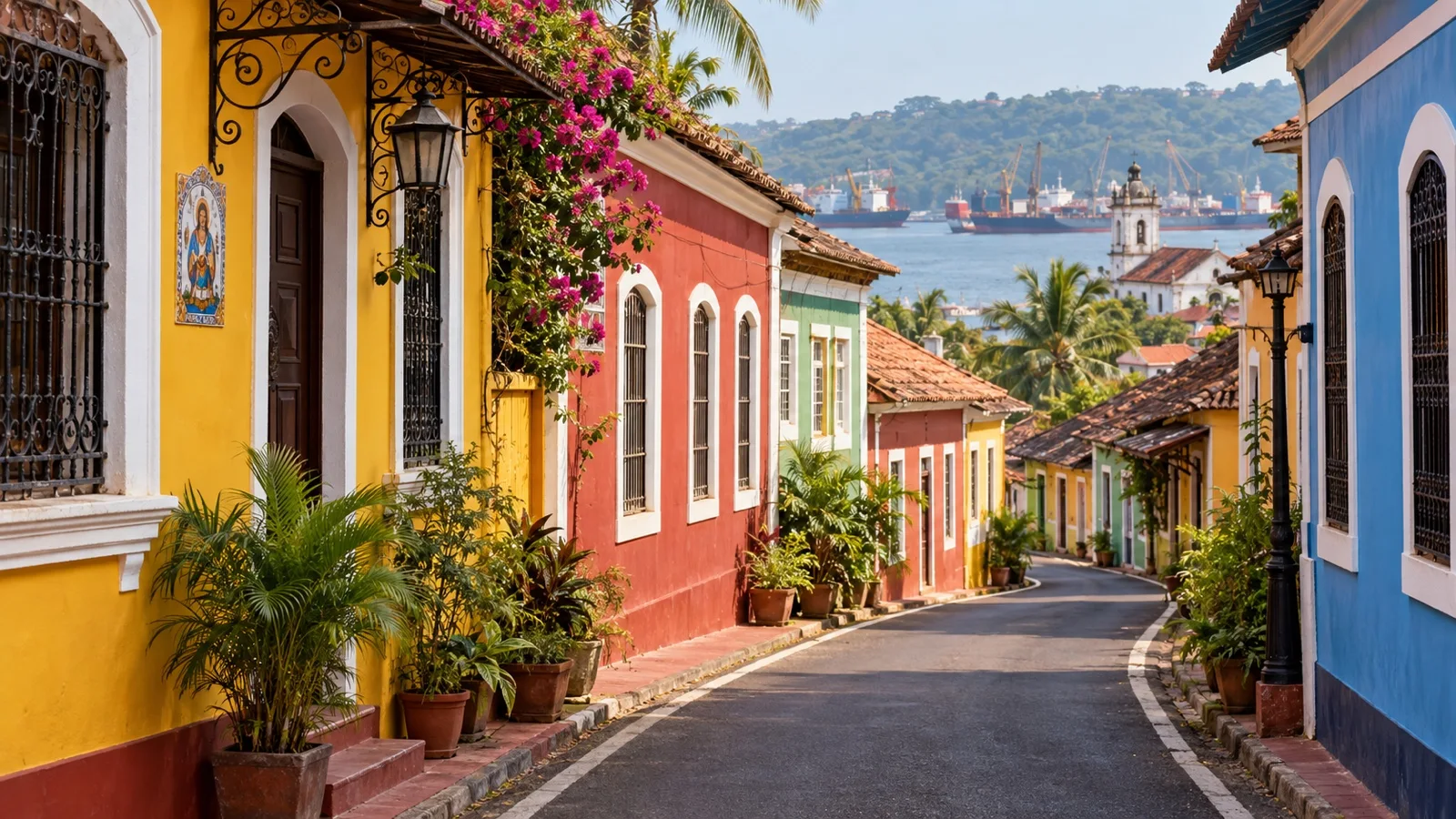
Fontainhas is a lived-in neighborhood with slopes, traffic, and private homes. Keep doorways clear, ask before photographing residents, and remember that a pretty facade is not an invitation to enter.
Choose one lunch stop and a short walking loop rather than scattering the afternoon across the capital. Your driver can wait nearby and keep the final port transfer under control.
Vasco and a nearby coast day
Vasco da Gama can support a lower-mileage day with a local market, lunch, and a planned coastal stop. Bogmalo is among the closer well-known beaches, although current road time, facilities, and water conditions still need checking.
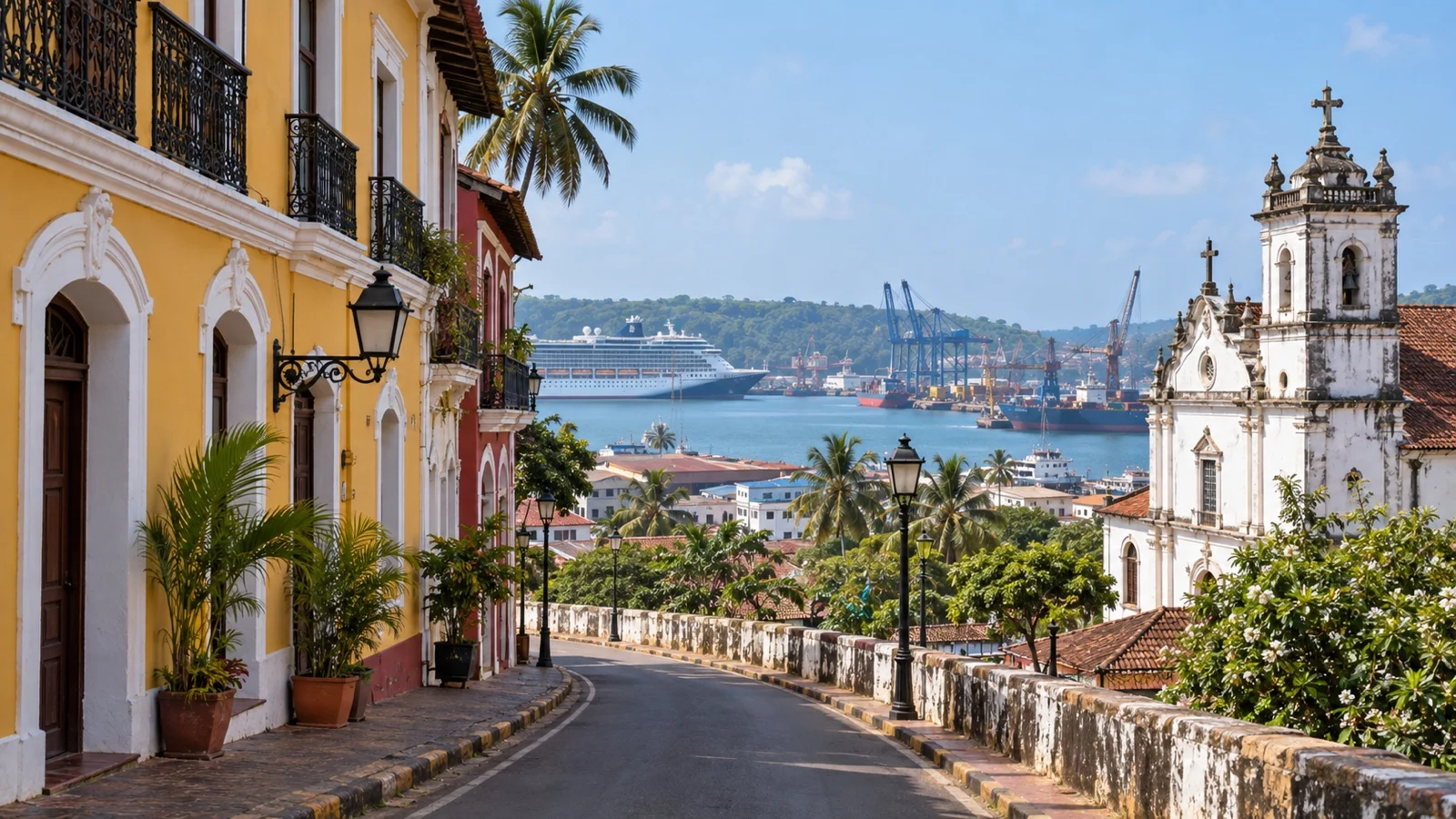
This route may lack Goa’s headline checklist, but it spends less of the call inside a vehicle. It is particularly useful on a short visit, after slow clearance, or for travelers who want a gentler pace.
Choosing a Goa beach
North Goa’s famous beaches can be far from Mormugao once traffic is included. A port day that combines Baga or Calangute with Old Goa and Panaji may feel more like a cross-state transfer than a beach holiday.
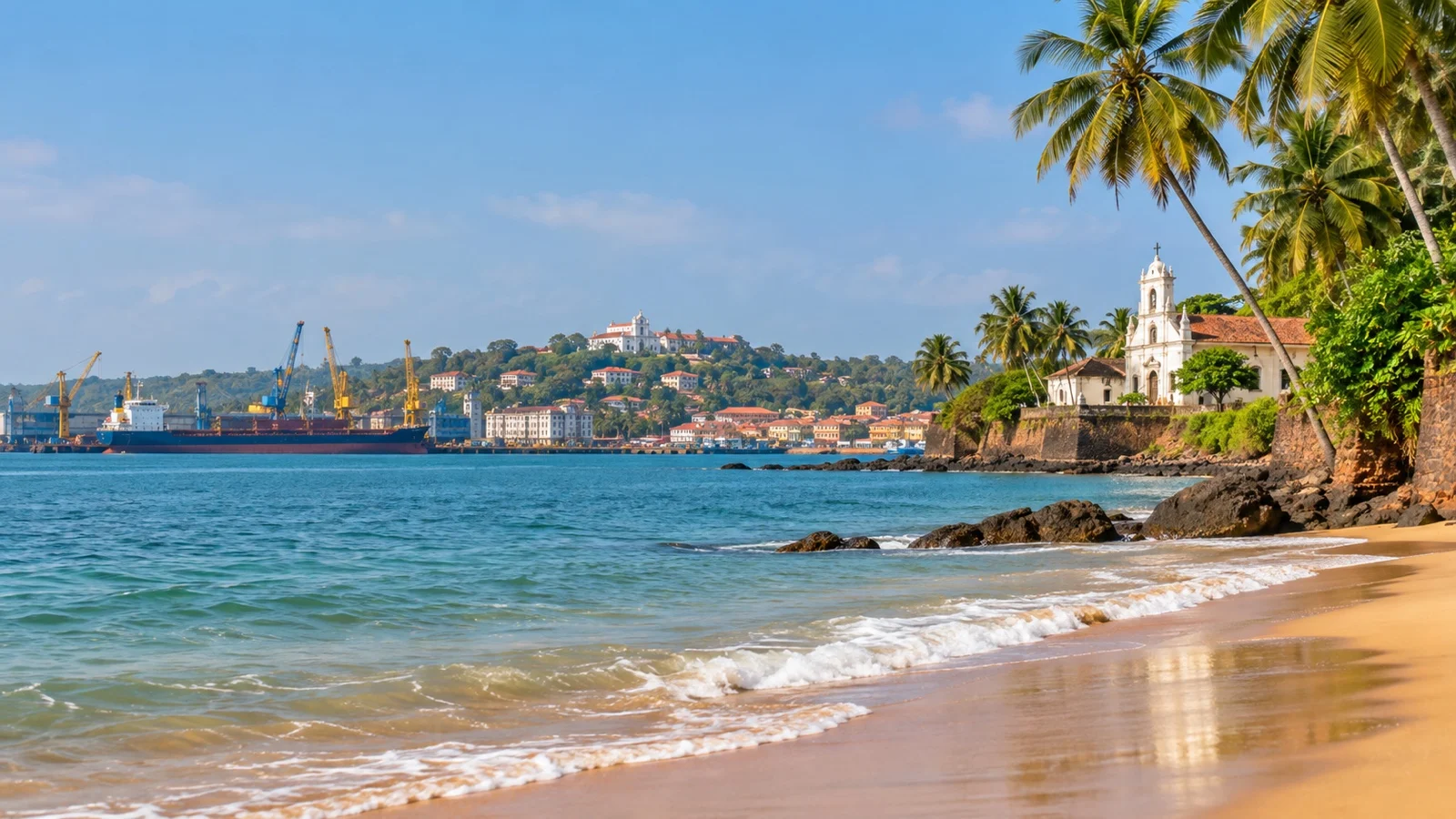
South Goa also covers substantial distance, so choose one named beach with shade, food, restrooms, and a reliable driver. Confirm whether the vehicle waits and agree on the pickup location before stepping onto the sand.
Swimming safety changes with season, currents, lifeguard coverage, and monsoon conditions. Follow flags and local warnings rather than assuming every broad tropical beach is safe for entering the water.
India entry and port clearance
Visa and landing requirements depend on nationality, passport, itinerary, and the cruise line’s clearance arrangement. Mormugao appears on India’s official list of authorized seaports for eligible electronic-visa travelers, but that does not create a blanket visa exemption.
Use the official Government of India visa portal and the instructions supplied by your cruise line. Complete any application before the stated deadline and avoid unofficial websites that imitate government services.
Carry the passport, copy, landing card, cruise card, or shore pass specified for the call. Clearance can take longer when Mormugao is the ship’s first Indian port, so do not make a private pickup dependent on an optimistic gangway time.
Accessibility from berth to attraction
Ask the cruise line about gangway slope, walking distance, terminal steps, shuttle lifts, and mobility-device storage for the assigned berth. A modern terminal building does not guarantee that every motorcoach or passenger route is step-free.
Old Goa’s grounds can include heat, thresholds, uneven paving, and internal steps, while Fontainhas has slopes and variable sidewalks. Request close vehicle drops and verify access at each priority stop before booking.
Beach days add sand and uncertain restroom access. A shorter Vasco or Panaji route can deliver more comfort than an ambitious tour whose accessibility description covers only the vehicle.
Weather and what to wear
Goa is warm, sunny, and humid through much of the cruise season. Carry water, a hat, sunscreen, breathable clothing, and a light layer for strongly air-conditioned vehicles.
The southwest monsoon commonly brings heavy rain from roughly June into September, although downpours can affect travel outside neat seasonal boundaries. Flooded roads, poor visibility, and storms can expand driving time even when the ship remains safely alongside.
Modest clothing suits churches and temples, and footwear may need to be removed at some sites. Keep a scarf or shoulder covering handy rather than discovering a dress-code problem after a long transfer.
Money, food, and practical safety
The Indian rupee is the local currency, and cards work at many established restaurants and shops. Carry small cash for modest purchases, tips, and places where a payment terminal loses its connection.
Goan cooking blends coastal, Konkani, and Portuguese influences, with seafood, curries, breads, sweets, and abundant vegetarian choices. Ask about chili and allergens, drink sealed or properly treated water, and choose busy reputable vendors.
Use licensed or prearranged transport, confirm prices before departure, and keep valuables close in crowded places. Do not photograph military, naval, security, or restricted port facilities unless officials explicitly permit it.
Three Mormugao days that fit
Old Goa and Panaji
Visit Old Goa first, then spend a focused period in Panaji with a driver who waits. This is the strongest first-time combination for history, architecture, and Goan character.
Vasco and nearby coast
Choose a local lunch, short city stop, and one nearby beach or viewpoint. This plan protects time when the call is short or clearance begins slowly.
One-beach day
Select one coast area, confirm facilities and swimming conditions, and keep the same driver. Skip a cross-state attraction list and return before traffic begins controlling the itinerary.
Protect the return through the port
Work backward from all aboard and include road traffic, rain, security checks, and any internal port shuttle. Reaching a gate labeled Mormugao is not necessarily the same as reaching the ship.
Old Goa, Panaji, and distant beaches need more margin than Vasco or a nearby coast stop. When traffic worsens, cut the final optional attraction instead of borrowing time from the return.
Confirm the exact gate or terminal name and save it offline for your driver. Follow any more conservative deadline stated by the cruise line, because staff understand that day’s harbor access better than a generic estimate.
Final thoughts
Mormugao is a transport-first port with several excellent versions of Goa within reach. Choose heritage, a lower-mileage local day, or one beach region, then protect the secure-harbor return.
CruisePorts.co provides practical, independent planning guidance for cruise travelers. Berths, clearance, entry rules, traffic, site access, and beach conditions can change, so verify critical details with official sources and your cruise line before travel.