Boracay Cruise Port: Tenders, White Beach & Timing
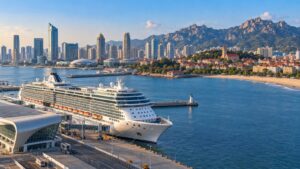
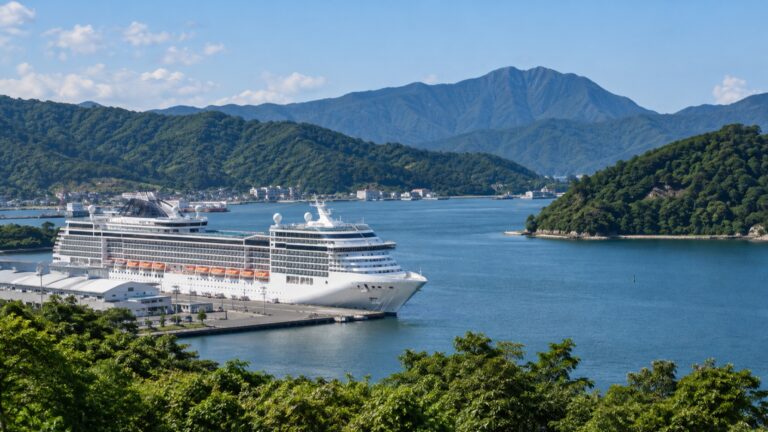
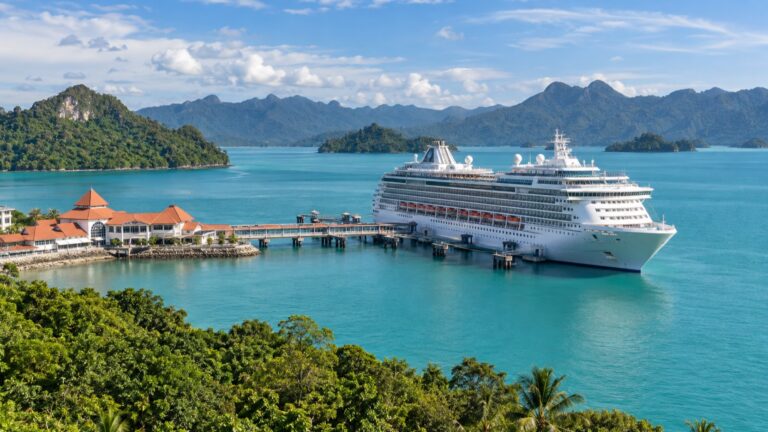
Boracay looks effortless in photographs, but a cruise visit works best when you understand how many moving pieces sit behind that perfect strip of white sand. Your ship anchors offshore, tenders depend on conditions, the landing point can change, and White Beach may still require an island transfer.
Once those logistics are clear, the day becomes wonderfully simple. Choose a beach zone, protect your return time, respect the island’s environmental rules, and let Boracay be a place to enjoy rather than another port to race across.
Quick Facts
- Port type: Anchor call with ship tender or local tender arrangements
- Possible landing areas: Cagban, Tambisaan, or another point assigned for the specific cruise call
- Main attraction: White Beach on Boracay’s western shore
- Local transport: E-trikes, authorized shuttles, tour vehicles, and walking in beach districts
- Currency: Philippine peso, with cash useful for small purchases
- Languages: Filipino and English are widely used in visitor settings
- Key uncertainty: Wind, swell, and seasonal conditions can change tender and shore operations
- Return strategy: Allow time for the island transfer, security, queues, and the final tender
How Cruise Ships Arrive at Boracay
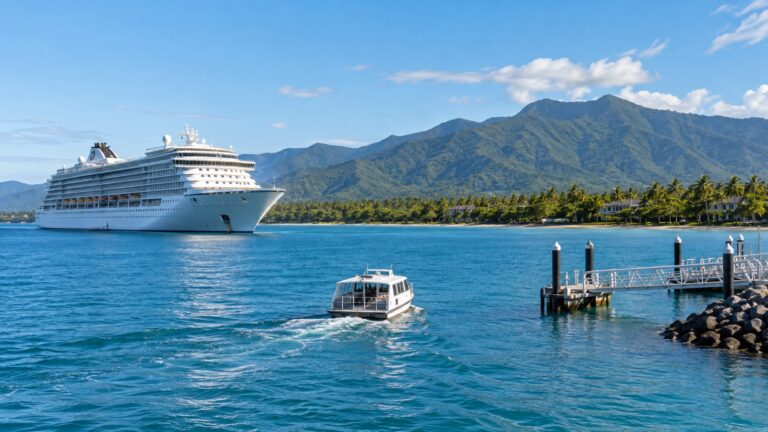
Boracay does not have a large cruise pier where ocean ships dock beside White Beach. Ships normally anchor offshore and transfer passengers by tender, with the precise landing plan set for that call.
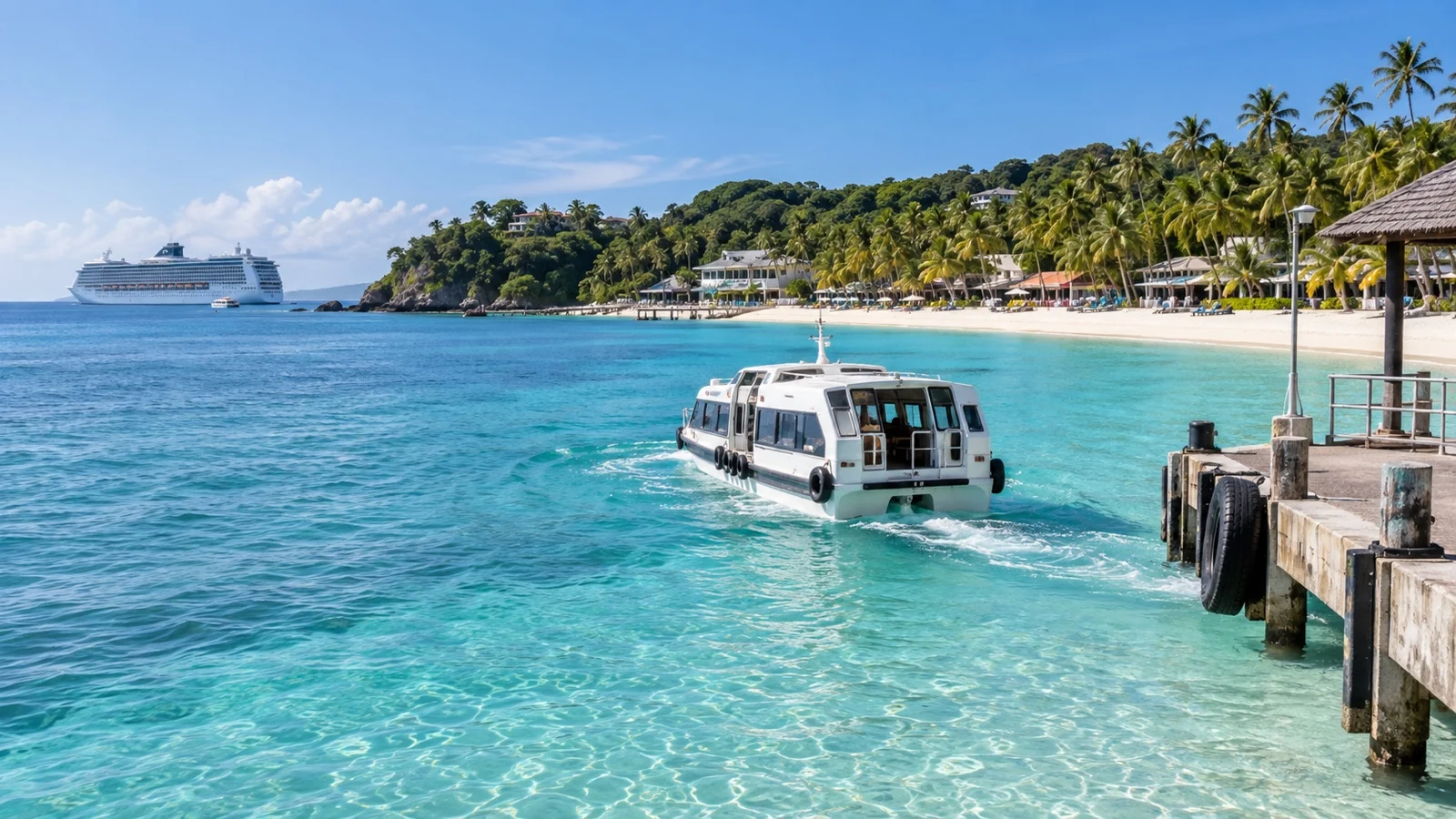
Cagban Jetty Port on the south side is the island’s main passenger gateway during many conditions, while Tambisaan on the east side can serve as an alternative when seasonal winds or sea state favor it. A cruise ship may use other approved arrangements, so your onboard announcement outranks an old map or travel forum.
The landing point matters because it changes your route to White Beach, the amount of road travel, and the return plan. Before leaving the ship, note the exact terminal name, tender schedule, last boat, required identification, and where independent transportation is allowed to meet you.
Tender Operations and Timing
Tendering is the biggest variable in a Boracay cruise day. Ship clearance, boat loading, swell, wind, visibility, and the number of guests going ashore can all affect when you actually step onto the island.
A scheduled arrival time is not a promise that you will be on land at that minute. Do not accept a private booking with a start time that leaves no allowance for tender tickets, queues, or a changed landing location.
Ship excursions usually receive coordinated meeting instructions and transport. Independent travelers should confirm whether their driver can enter the relevant jetty area and what happens if the ship assigns Tambisaan instead of Cagban.
Wear secure shoes for the transfer and follow crew instructions when stepping between moving surfaces. Keep documents, electronics, and essential medication in a small water-resistant bag because spray is always possible.
From the Jetty to White Beach
White Beach lies along Boracay’s western side, while Cagban and Tambisaan sit away from its central resort strip. Most cruise visitors use an e-trike, shuttle, tour van, or prearranged vehicle for the connection.
Travel time depends on the landing point, your chosen station, congestion, road restrictions, construction, and the number of visitors moving at once. The return can take longer than the outbound ride, especially when many tours finish together.
Agree on the fare before departure when it is not clearly metered or fixed, and confirm whether the price is per person or for the vehicle. Show the driver a specific landmark or accommodation area rather than simply saying “the beach.”
Keep the jetty name saved on your phone and in writing. Cagban and Tambisaan are not interchangeable when you are trying to meet a final tender.
Understanding White Beach
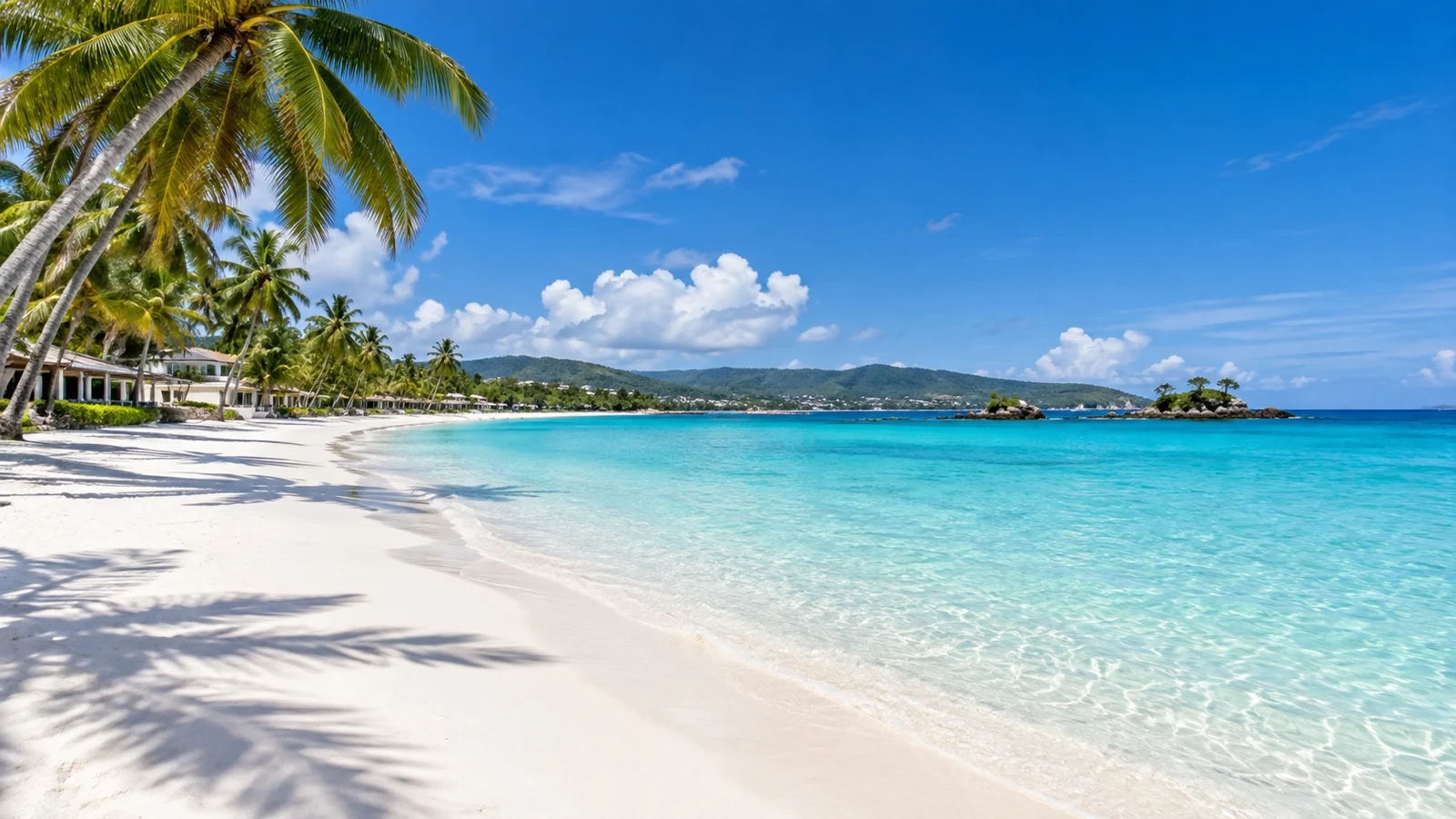
White Beach is a long shoreline divided informally into Station 1, Station 2, and Station 3. The station names help describe the atmosphere and meeting points, but there is no fence separating three different beaches.
Station 1
Station 1 is associated with a broader, quieter stretch of sand and many higher-end resorts. It suits travelers who want a calmer beach focus and do not mind being farther from some central activity.
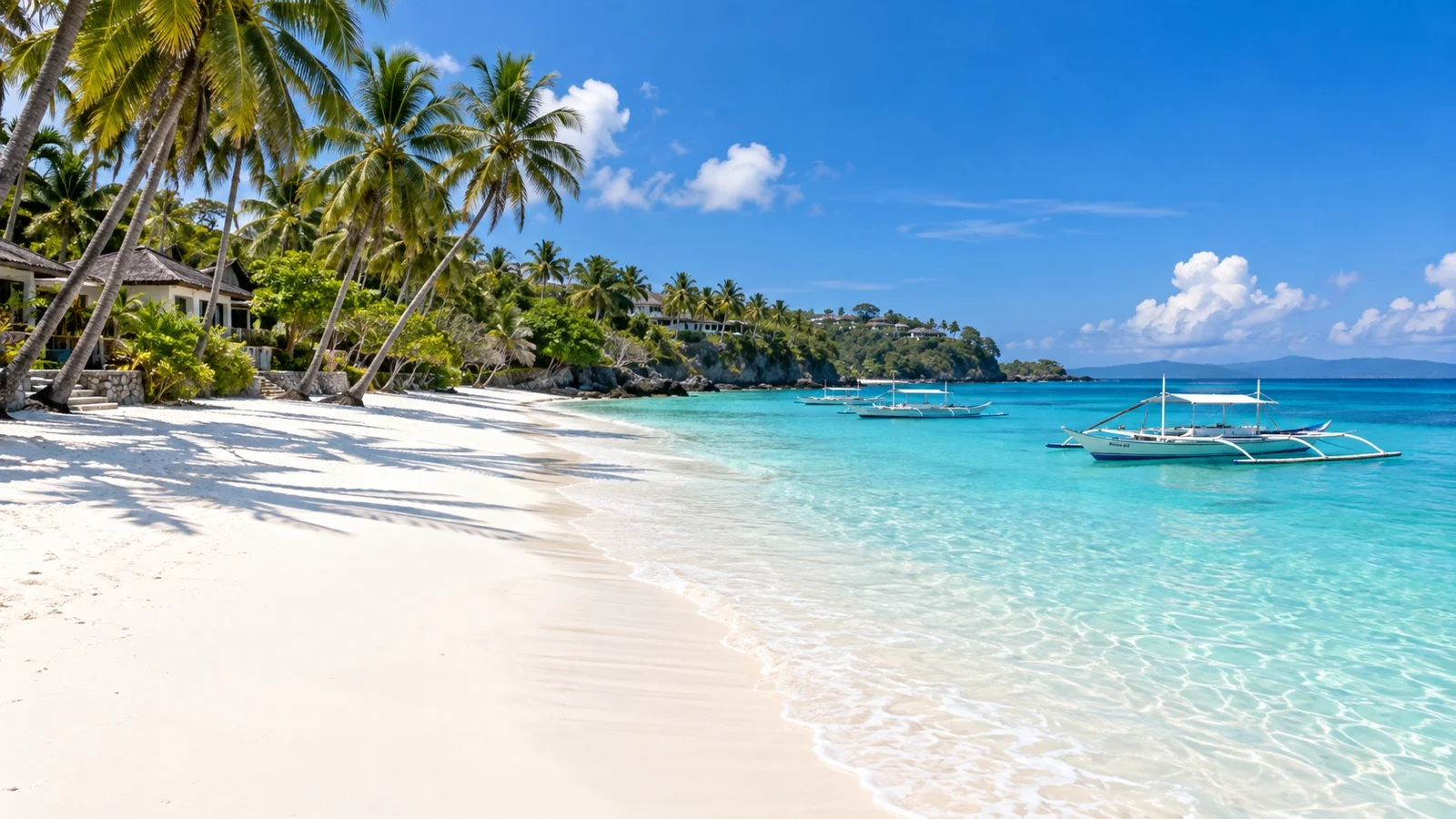
Willy’s Rock is a recognizable landmark in this general area, but access depends on tide and conditions. Walk carefully on wet or uneven surfaces and respect any worship or local activity around the shrine.
Station 2
Station 2 is the most active central zone, with D’Mall, restaurants, shops, and a steady flow of visitors. It is convenient for anyone who wants food and services close by, though it can feel crowded on a large ship day.
Use an obvious meeting point because beachfront paths and similar storefronts can blur together. Share the exact pickup location with your driver instead of assuming they can reach you directly from the sand.
Station 3
Station 3 often feels more relaxed than the central strip while remaining close to practical services. It can be a good compromise for a quieter swim, casual meal, and manageable transfer back toward the southern side of the island.
Conditions and atmosphere vary by date, so choose based on the day rather than a permanent station stereotype. A recent storm, event, seaweed, or construction work can change which section feels best.
Swimming and Beach Safety
White Beach can look calm, yet swimming safety still depends on wind, waves, current, boat traffic, and local warnings. Use designated swimming areas, watch flags and signs, and follow lifeguard or coast guard instructions.
Do not swim alone, far from shore, or after drinking alcohol. Keep children within reach and identify a fixed family meeting point before anyone enters the water.
The tropical sun is strong even through haze or cloud. Use shade, protective clothing, reef-conscious sun protection where appropriate, and regular water breaks.
Secure valuables rather than leaving phones, wallets, passports, or cruise cards unattended on the sand. A waterproof pouch can be more practical than asking a stranger to watch your belongings.
Boracay’s Environmental and Beach Rules
Boracay went through a major rehabilitation because its environment and infrastructure were under pressure. Visitors should treat current beach rules as part of protecting the island, not as inconvenient fine print.
Do not smoke, drink alcohol, eat meals, set up unauthorized furniture, build commercial sandcastles, or hold an activity on the sand unless current local signs and officials clearly permit it in a designated place. Rules have evolved, so check posted notices rather than assuming an old online list is still complete.
Use proper waste bins, refuse single-use items when practical, and never leave cigarette butts, food, plastic, or water-activity gear behind. Hotels and restaurants sit close to the beach, so enjoy food and drinks in their authorized areas rather than on the shoreline.
Do not collect sand, shells, coral, or marine life. The beach is beautiful because millions of small natural elements remain where they belong.
Water Activities and Island Hopping
Boracay offers sailing, snorkeling, diving, parasailing, paddle sports, and island-hopping excursions, but not every activity operates from every beach at every hour. Current zoning, weather, environmental controls, and coast guard instructions determine what is available.
Use a licensed, reputable operator and confirm the meeting point, duration, safety equipment, insurance, inclusions, cancellation policy, and return time. Avoid unmarked boats or a rushed cash deal that provides no clear operator identity.
A helmet-dive, scuba, or open-water activity involves real medical and physical considerations. Disclose relevant conditions, follow professional guidance, and do not combine alcohol with boating, diving, or motorized water sports.
Island-hopping descriptions may include Puka Beach, snorkeling areas, coves, or nearby islands, but routes change with conditions. The name on the brochure is less important than the captain’s safe decision on the day.
Sunset Activities on a Cruise Call
Boracay sunsets are famous, but they often occur too late for daytime cruise calls. Never book a sunset sail unless the ship’s published schedule and your operator’s return plan clearly support it.
The final tender will not be delayed because the sky turned beautiful. A morning beach and early afternoon return are usually the wiser cruise rhythm.
Bulabog Beach and the East Side
Bulabog Beach faces east and has a different personality from White Beach. Seasonal wind patterns can make it a center for kiteboarding and other wind sports, while conditions on the western side remain more sheltered.
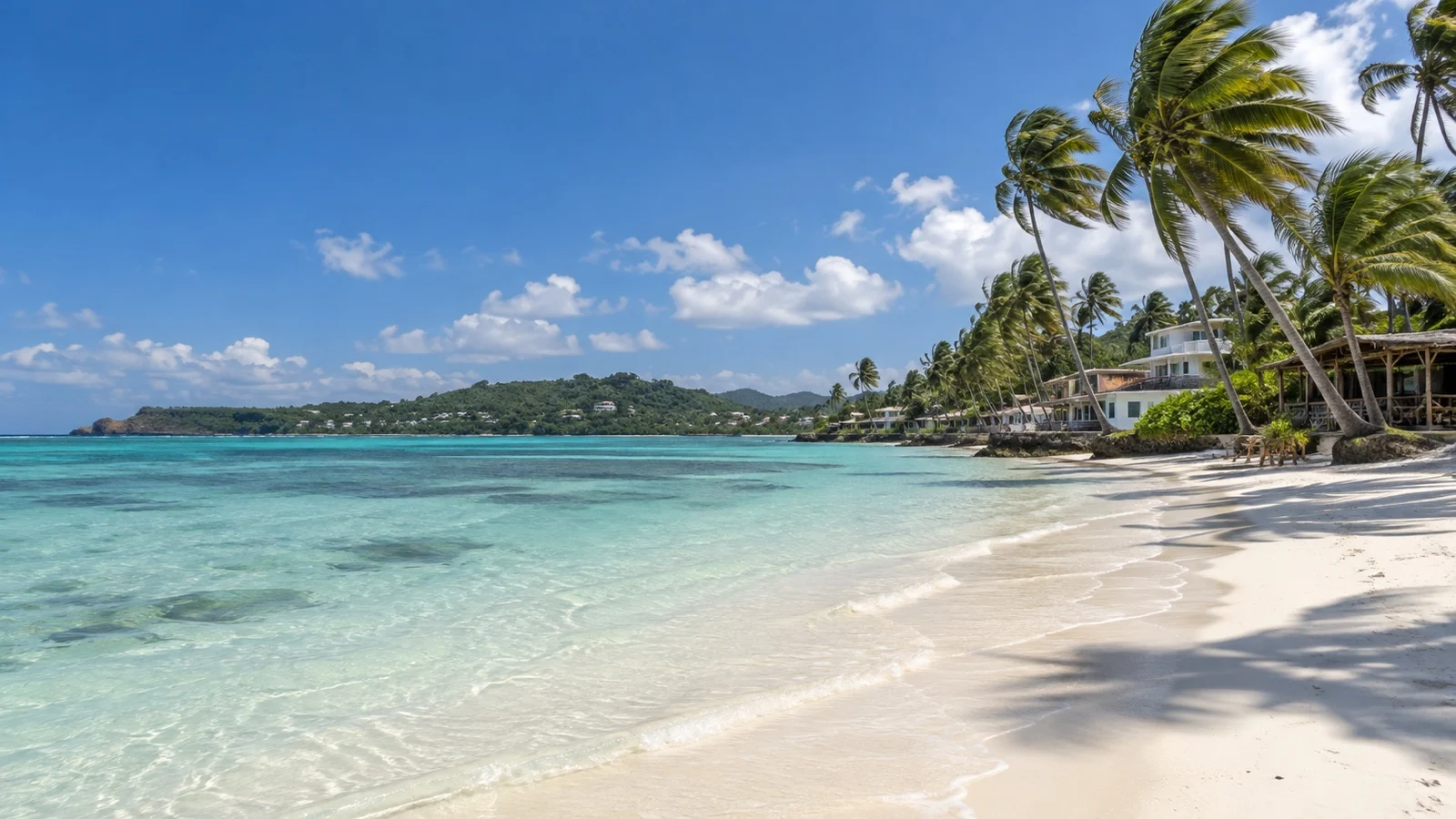
This does not mean Bulabog is always suitable for a particular activity. Operator licensing, current zoning, wind, tide, and safety notices must guide the decision.
A quick visit can show you how narrow the island is and how dramatically two coasts can differ. It is best added only when transport and timing are simple, not as a reason to zigzag across Boracay all day.
Puka Beach and the Northern End
Puka Beach offers a different setting near the island’s northern end and appears on many island tours. It can feel less urban than central White Beach, though visitor numbers, vendors, access, and sea conditions vary.
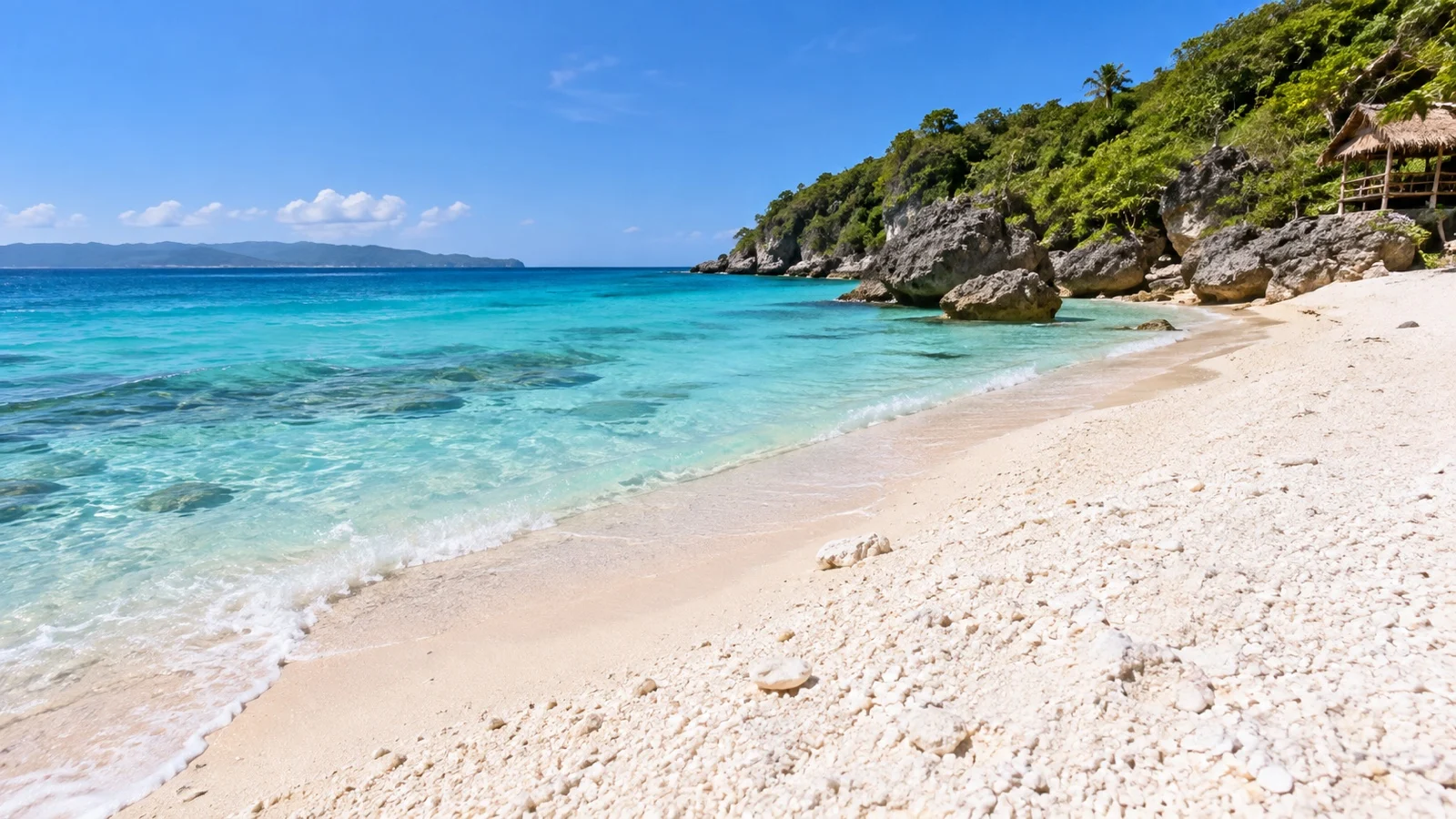
The trip adds road or boat time, so it is not automatically a better choice for a short call. Ask whether the day’s conditions favor swimming there and how the stop affects your return to the assigned tender point.
Do not remove shells or beach material despite the name. Leave the shoreline intact and buy souvenirs only from legitimate sellers whose products comply with wildlife and customs rules.
A Simple White Beach Day
The easiest independent plan is an early tender, a direct ride to one chosen White Beach station, a swim or walk, and lunch in an authorized restaurant area. Start the return before the island’s roads and jetty become crowded with other cruise guests.
Choose one dependable meeting point for the outbound and return ride. A hotel entrance or recognized commercial landmark on the road side is easier for a driver than a vague point along the sand.
Set alarms for the time you must leave the beach and the time you want to be at the jetty. The second alarm should be much earlier than the ship’s final tender cutoff.
Food, Drinks, and D’Mall
Boracay has everything from Filipino comfort food and fresh seafood to international restaurants and cafes. D’Mall and the central resort areas make it easy to find a meal without traveling far.
Choose a clean, established venue and ask about allergens, ingredients, and spice level when needed. Drink sealed bottled water or water you know is safely treated, and be cautious with raw seafood if you are sensitive.
Remember that eating and drinking rules apply to the beach itself. Enjoy your meal inside the restaurant or its properly authorized seating area, then take all personal waste with you.
A long lunch can quietly consume the return buffer. Tell the server if you have a firm departure time, and avoid ordering a complicated meal when the tender deadline is close.
Shopping and Local Purchases
Shops around D’Mall and other visitor zones sell beachwear, crafts, art, food products, and souvenirs. Compare quality, confirm the price, and ask before photographing people or merchandise.
The Philippine peso is the local currency, and cards are accepted at many established businesses. Cash remains useful for e-trikes, small vendors, tips, and situations where a payment connection fails.
Use legitimate ATMs and protect your PIN. Keep smaller notes separate from your main funds so you do not display everything during a minor purchase.
Avoid coral, shells from protected sources, wildlife products, counterfeit goods, or items that could create customs problems at your next destination. Keep receipts for purchases that may be questioned onboard or at a border.
Weather, Seasons, and Tender Changes
Boracay’s weather is shaped by tropical systems and seasonal wind patterns commonly described as amihan and habagat. Those patterns influence which coast is more sheltered, which jetty is practical, and whether water activities can operate.
PAGASA is the Philippines’ official weather agency and publishes forecasts, tropical cyclone bulletins, rainfall information, and marine-related warnings. Check current official information and follow the captain or coast guard when conditions alter the plan.
Heavy rain can flood roads, slow island traffic, reduce visibility, and change tender safety. A waterproof layer and dry bag help, but they do not turn an unsafe boat operation into a safe one.
The Return Journey
The return has several stages: leaving the beach, finding the correct vehicle, reaching the assigned jetty or landing, passing any local process, waiting for the tender, and riding back to the ship. Each stage needs time.
Traffic can build when tours and beachgoers leave together. Rain, road work, an accident, a special event, or a change of landing point can add delays without warning.
Be at the tender point well before the published final boat. I would rather spend twenty quiet minutes waiting near the landing than spend five frantic minutes wondering whether the ship will sail without me.
Ship-sponsored excursions generally communicate with the vessel if delayed, but they still cannot control the sea. Independent travelers carry responsibility for meeting all-aboard and should build an even larger margin.
Accessibility and Mobility
Tendering is the first accessibility question, and the answer depends on your ship, equipment, and sea conditions. Steps, moving boats, gaps, crew-assisted boarding, and mobility-device storage can make the operation unsuitable on a particular day.
Ask the cruise line for the ship-specific tender policy before sailing. A wheelchair or scooter that works perfectly ashore may not be accepted if it cannot be transferred safely.
Boracay’s road vehicles vary, and standard e-trikes may not accommodate every mobility device. Arrange an appropriate vehicle in advance, confirm dimensions and lifting needs, and verify the exact tender meeting point.
White Beach itself is sand, while access paths, ramps, paving, and resort facilities vary. Request a stop-by-stop description from any tour that calls itself accessible, including toilets, beach access, and vehicle boarding.
A scenic road tour, accessible resort day, or short visit near the landing may be more comfortable than forcing a long sand walk. Heat and humidity are also legitimate accessibility concerns, so plan shade and air-conditioned breaks.
Boracay With Children
Boracay can be a wonderful family port because the main experience does not need to be complicated. A short beach stay, swim in safe conditions, sand play, and a familiar lunch may be enough.
Use age-appropriate life jackets on boats and confirm whether the tender or tour provides the right size. Water-activity operators set their own age, height, and ability limits, and those limits should not be negotiated away.
Keep children close around traffic, crowded jetties, boats, and the water. Establish a meeting point, write down ship and parent contact details for older children, and take a photo of what younger children are wearing.
Sun and dehydration can change a happy day quickly. Pack hats, water, sun protection, simple snacks where permitted, and a dry change of clothes.
Health and Safety Practicalities
Carry essential medication ashore and do not assume a pharmacy will have your exact prescription. Travel insurance should cover the activities you actually plan to undertake, including diving or motorized water sports when applicable.
Use insect repellent when conditions call for it, protect cuts before swimming, and seek help for significant bites or stings. Do not touch unfamiliar marine life, even when it appears harmless.
Traffic moves differently from what some visitors expect, and roadside space can be tight. Let a local driver manage the road while you keep hands, bags, and phones safely inside the vehicle.
If you feel unwell from heat, alcohol, motion, or an activity, stop and tell someone. Returning early is better than turning a manageable problem into a medical emergency near final tender time.
Culture and Respect
Boracay is a resort island, but it is also home to Filipino communities and has a deeper Indigenous history connected to the Ati people. Treat local residents, workers, worship, and private property with the same respect you would expect at home.
English is widely used in tourism, which makes logistics easier. Courtesy still matters, so ask before taking close photographs and avoid treating service workers as part of the scenery.
Dress is relaxed at the beach, but cover up when entering roads, shops, churches, or community spaces. Keep noise and behavior appropriate outside dedicated entertainment venues.
Entry, Security, and Biosecurity
Your cruise line coordinates ship clearance, but passengers remain responsible for required travel documents and Philippine entry rules. Requirements vary by nationality and itinerary, so use official government guidance and the cruise line’s written instructions.
Carry only the identification requested for going ashore and keep it secure. Allow time for screening or checks when returning to the tender area.
Do not carry fresh food, plants, wildlife products, sand, coral, or other restricted natural material across borders. Your next port may impose rules that are stricter than the place where an item was purchased.
Three Realistic Cruise-Day Plans
A Relaxed White Beach Day
Tender ashore early, ride directly to one White Beach station, swim or walk, and have lunch in an authorized dining area. Leave the beach with a generous margin and return to the exact assigned landing.
A Beach and Island Tour
Use a reputable operator for a morning boat route that reflects current weather and safety conditions, then spend a short period on White Beach. Make sure the boat trip returns early enough that you are not stacking one marine deadline on another.
A Gentle Scenic Day
Arrange a driver for selected island viewpoints, an east-coast glimpse, and a comfortable beach or resort stop. This plan can reduce long sand walks, but vehicle access and accessibility still need confirmation.
Common Planning Mistakes
The first mistake is assuming every cruise tender uses the same jetty. Landing arrangements can change, and a driver waiting at Cagban cannot help if you have arrived elsewhere without communication.
The second is treating all of White Beach as one small point. Choosing a station and a precise meeting landmark saves time and confusion.
The third is booking too many water activities. Each transfer, briefing, equipment fitting, and weather delay consumes time that must come out of the beach day or return buffer.
The final mistake is staying for a sunset that occurs after the ship’s schedule permits. Cruise timing wins, no matter how beautiful the light becomes.
Frequently Asked Questions
Where do cruise tenders land in Boracay?
The assigned landing varies by call and conditions, with Cagban and Tambisaan among the important island gateways. Follow the current ship announcement and save the exact return point.
Can I walk from the landing to White Beach?
Most visitors will find a vehicle far more practical because the main jetty areas are away from the central beach strip. The route also involves traffic, heat, and time that is better protected for the return.
Which White Beach station is best?
Station 1 often suits a quieter beach focus, Station 2 offers the most central services, and Station 3 can feel more relaxed while remaining practical. Current conditions and your transport plan matter more than a fixed ranking.
Can I use US dollars?
Some tourism businesses may accept foreign currency, but you should not rely on it or assume a favorable rate. Use Philippine pesos or an accepted card and confirm the payment method in advance.
Are water sports always available?
No, activities depend on weather, zoning, operator status, environmental rules, and safety directions. Book with a reputable provider and accept cancellations when conditions are unsuitable.
Will the ship wait if I am late?
A ship is not required to wait for independent passengers who miss all-aboard. Return early enough to cover island traffic, the correct jetty, screening, queues, and the tender ride.
My Take on Boracay Cruise Port
Boracay is at its best when you stop treating it as a trophy beach and start treating it as a living island with real limits. The sand, water, community, and visitor experience all benefit when cruise guests follow the rules and give the day room to breathe.
Choose one beach area, confirm the landing twice, use licensed operators, and begin the return earlier than your vacation instincts suggest. That simple discipline lets the middle of the day feel as relaxed as the photographs promise.
For current planning, consult the Department of Tourism’s official Philippines travel portal, the Province of Aklan, the Municipality of Malay’s current visitor instructions, and PAGASA for weather and tropical cyclone information. Tender landings, beach rules, transport, activity zones, marine conditions, and entry requirements can change, so reconfirm them with your cruise line and local authorities before your visit.