Holyhead Cruise Port: Berths, Tenders & North Wales
Holyhead is a working Irish Sea ferry port on Holy Island, not a decorative gateway built around cruise passengers. Its reward is immediate access to Anglesey cliffs and castles, with North Wales mountain scenery waiting beyond the Menai Strait.
The complication is that one ship may berth while another anchors and tenders. I would confirm the arrival method first, then choose one geographic theme and protect the final port transfer as carefully as the road journey.
Quick Facts
- Port: Holyhead Harbour is operated by Stena Line Ports and remains a busy ferry and commercial facility.
- Alongside berths: The deep-water berth accepts vessels up to 300 meters, while the inner-harbor refit berth accepts vessels up to 100 meters.
- Tender calls: Ships without an assigned suitable berth can anchor and transfer guests to a call-specific landing.
- Town access: Follow the ship’s shuttle, secure-port route, or marina landing instructions.
- Best local excursion: South Stack offers dramatic cliffs and seasonal seabirds close to Holyhead.
- Currency: Pound sterling.
- Languages: Welsh and English, with bilingual signs common.
- Main risk: Irish Sea wind can disrupt tendering, exposed paths, and longer road plans.
Your ship may berth or tender
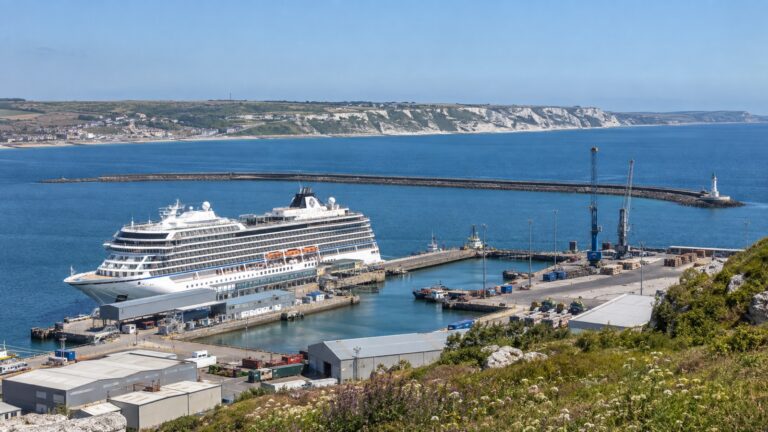
The Holyhead Harbour Authority lists two cruise-capable alongside positions. Stena Line’s deep-water berth operates around the clock without a lock and can accept vessels up to 300 meters long.
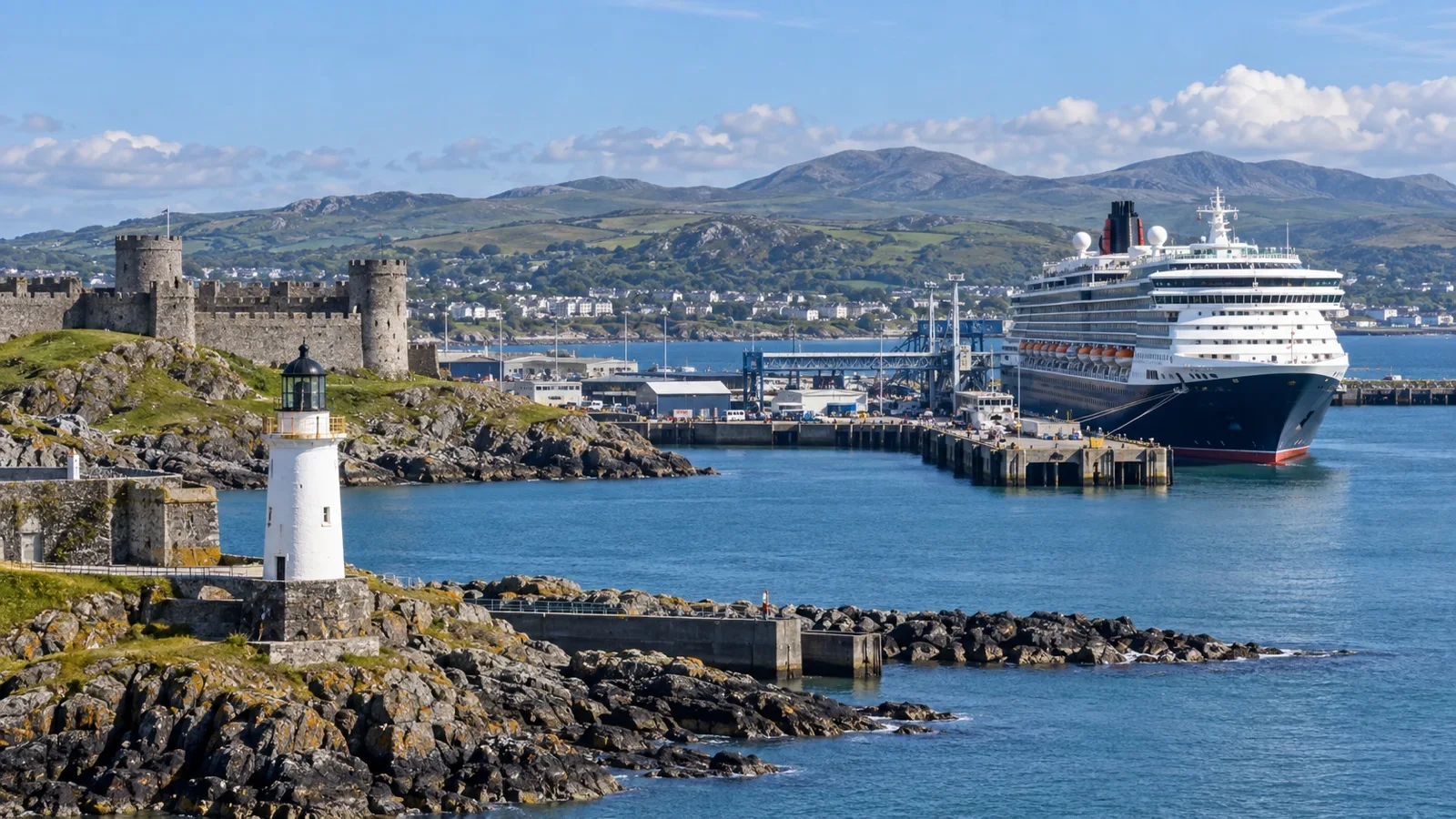
The inner-harbor refit berth is listed for vessels up to 100 meters, making it relevant mainly to smaller ships. Berth availability, vessel dimensions, port traffic, weather, and the harbor master’s plan decide the actual assignment.
A ship without a suitable alongside position can use an anchorage and tender operation arranged for the call. Do not infer your arrival method from a photograph, an old review, or another vessel on the same itinerary.
Read the daily program for the berth name, shuttle point, tender landing, final boat, and identification requirement. Holyhead alone does not tell you whether the day begins with a gangway, a bus, or a smaller boat.
The deep-water berth is not a town promenade
The deep-water facility is part of an active secure port with ferry movements, commercial traffic, and controlled pedestrian routes. Use the ship or port shuttle rather than trying to walk through the harbor independently.
A shuttle may use the ferry-terminal area, railway station, town center, or another temporary stop depending on the call. Photograph the stop, note the final departure, and ask whether there is a separate accessible vehicle.
Tender passengers should record the exact marina or harbor landing and any gate instruction. The final tender deadline will usually be earlier than all-aboard, and reaching Holyhead town does not necessarily mean reaching the boat queue.
Holyhead town makes a flexible local day
Holyhead has shops, cafés, rail and ferry connections, local maritime character, and several modest historic sights. It works best when weather or a late arrival makes a distant road excursion unattractive.
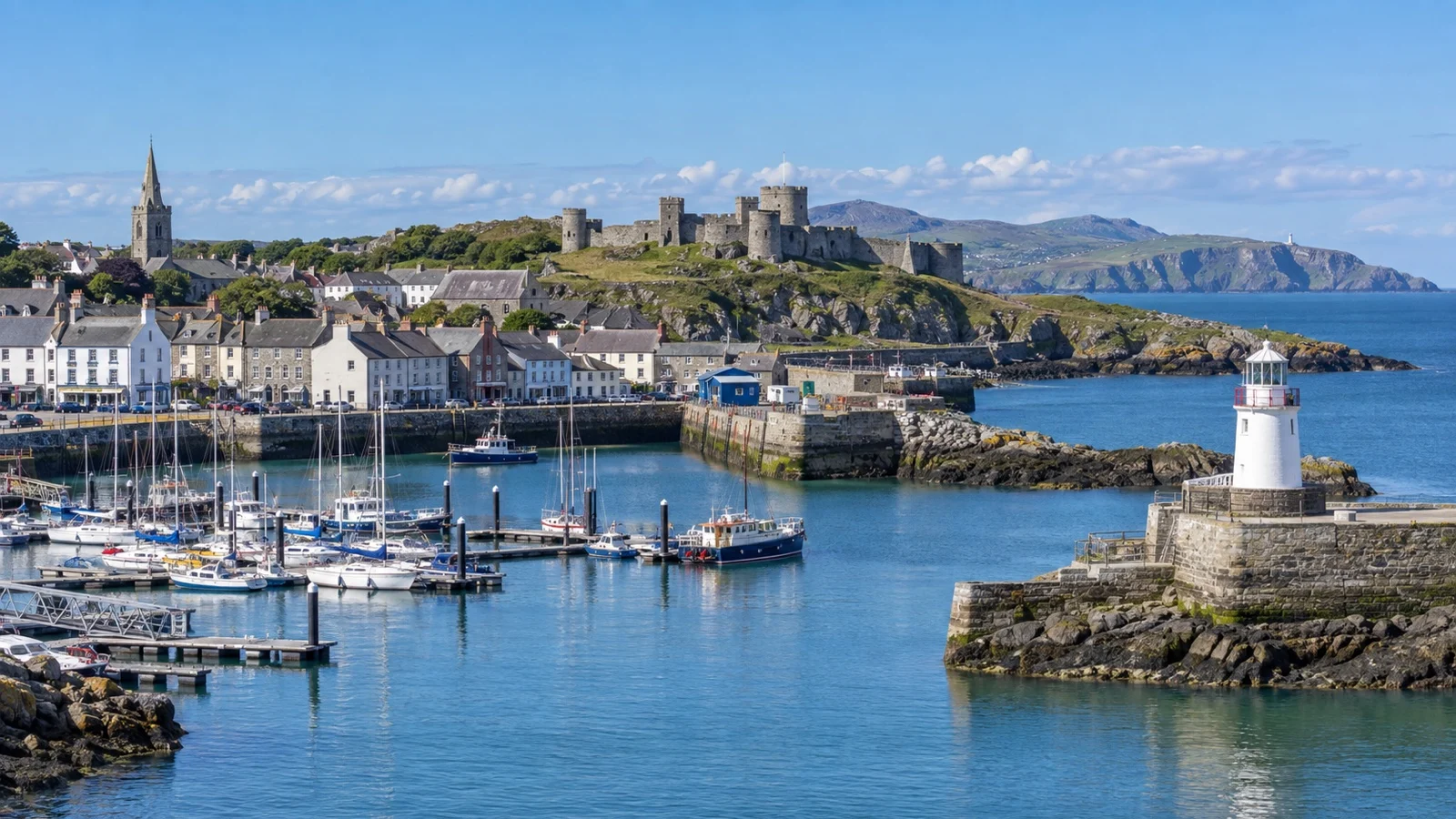
Saint Cybi’s Church stands within Roman-linked walls and gives the center a long historical thread. Check current access and service times, then treat the building as an active place of worship rather than an automatic interior stop.
The maritime museum, waterfront, and town center can form a relaxed compact route when open. A local lunch adds more value than stretching the walk toward an attraction that still requires a return taxi.
Holyhead Breakwater Country Park lies west of town with coastal scenery and trails, but it is not a casual extension from every shuttle stop. Arrange transportation and choose a walk suited to wind, ground conditions, and the return time.
South Stack is the strongest nearby excursion
South Stack combines sea cliffs, heathland, farmland, lighthouse views, and seasonal nesting birds only a few miles from Holyhead. It delivers a distinct sense of Anglesey without using half the day to cross the island.
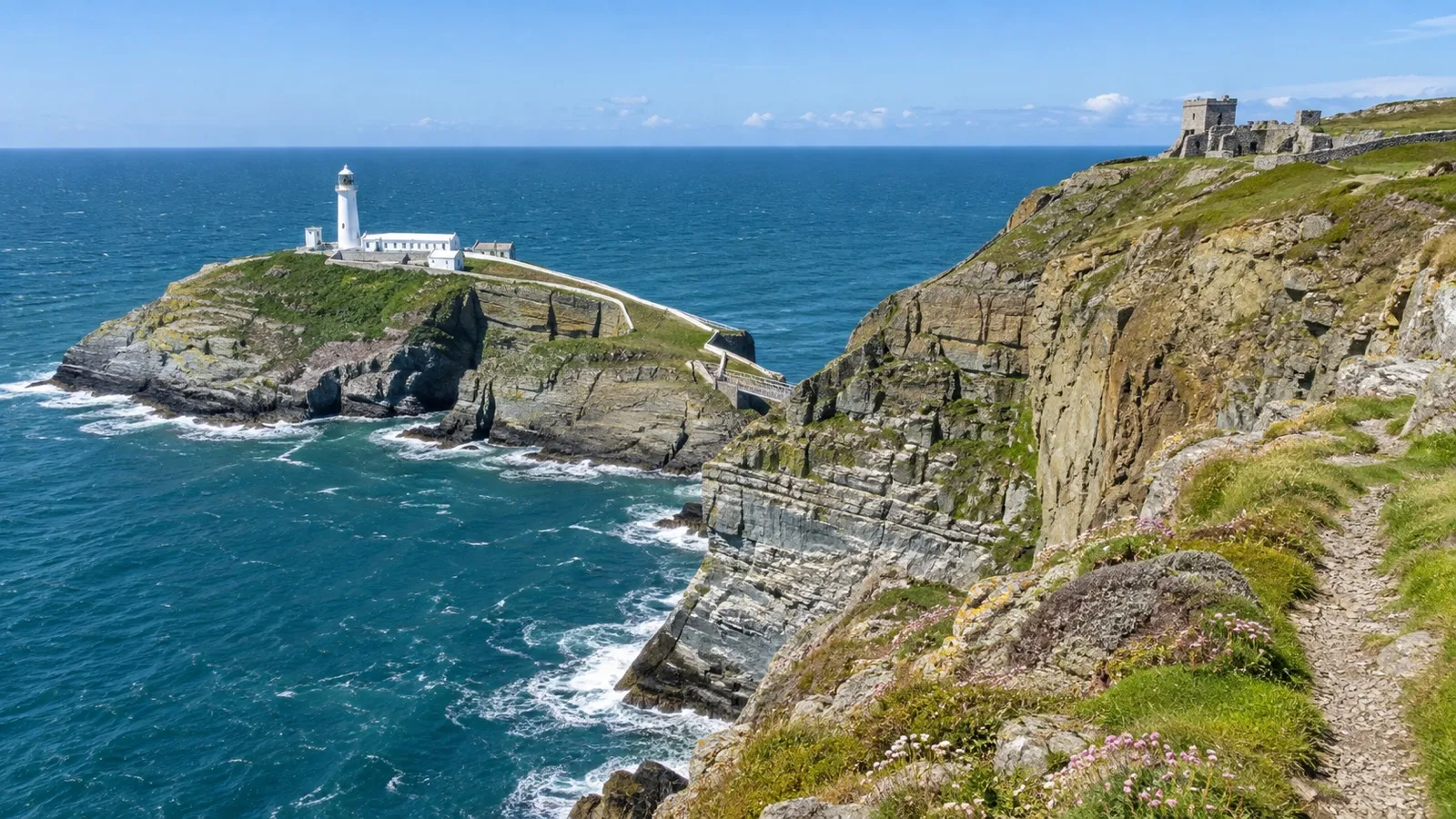
The RSPB reserve page identifies guillemots, razorbills, and puffins as spring breeders, while rare choughs can be seen through the year. Wildlife remains seasonal and never guarantees an appearance or viewing distance.
Prebook a taxi, private driver, or excursion and include the return because transport can be scarce. The cliff edge is not the ideal place to discover that a local cab app has no vehicle available.
Views of the lighthouse do not require descending every step toward it. The headland offers different paths and viewpoints, allowing a good visit without treating the steep cliff stair as compulsory.
South Stack accessibility is route-specific
The RSPB describes a level path from the Ellin’s Tower car park to the viewpoint outside the tower. It also notes that another route from the visitor center includes 25 uneven steps and that the coastal trail is rugged, narrow, and uneven.
Accessible parking and toilets are available in specified areas, but there is no formal drop-off point and facilities have their own hours. Ask the driver to use the correct car park for the intended route rather than simply entering South Stack into navigation.
Wind can make an otherwise manageable viewpoint uncomfortable or unsafe. Keep clothing fitted, secure loose items, and follow every barrier and RSPB closure.
Beaumaris offers castle and town in one direction
Beaumaris sits on the eastern side of Anglesey beside the Menai Strait. Its unfinished medieval fortress, Georgian streets, waterfront, and mountain views create the island’s most complete heritage-focused excursion.

The official Cadw page calls the castle an unfinished masterpiece and publishes seasonal hours, booking, access, and safety information. It warns about wet grass, gravel, cobbles, tree roots, ramps, uneven stairs, and slippery conditions.
Ground-level interpretation can still make a substantial visit for travelers avoiding wall walks and internal stairs. Check the current access guide and ask the driver where the closest suitable drop-off is located.
The town remains worthwhile if the castle interior is unavailable because the waterfront and streets create a gentler circuit. A prebooked driver makes the return more predictable than an improvised rural bus connection.
Caernarfon is the monumental mainland choice
Caernarfon lies across Anglesey and the Menai Strait, with an imposing castle dominating the walled town. It makes a stronger one-monument day than trying to combine several distant North Wales highlights.
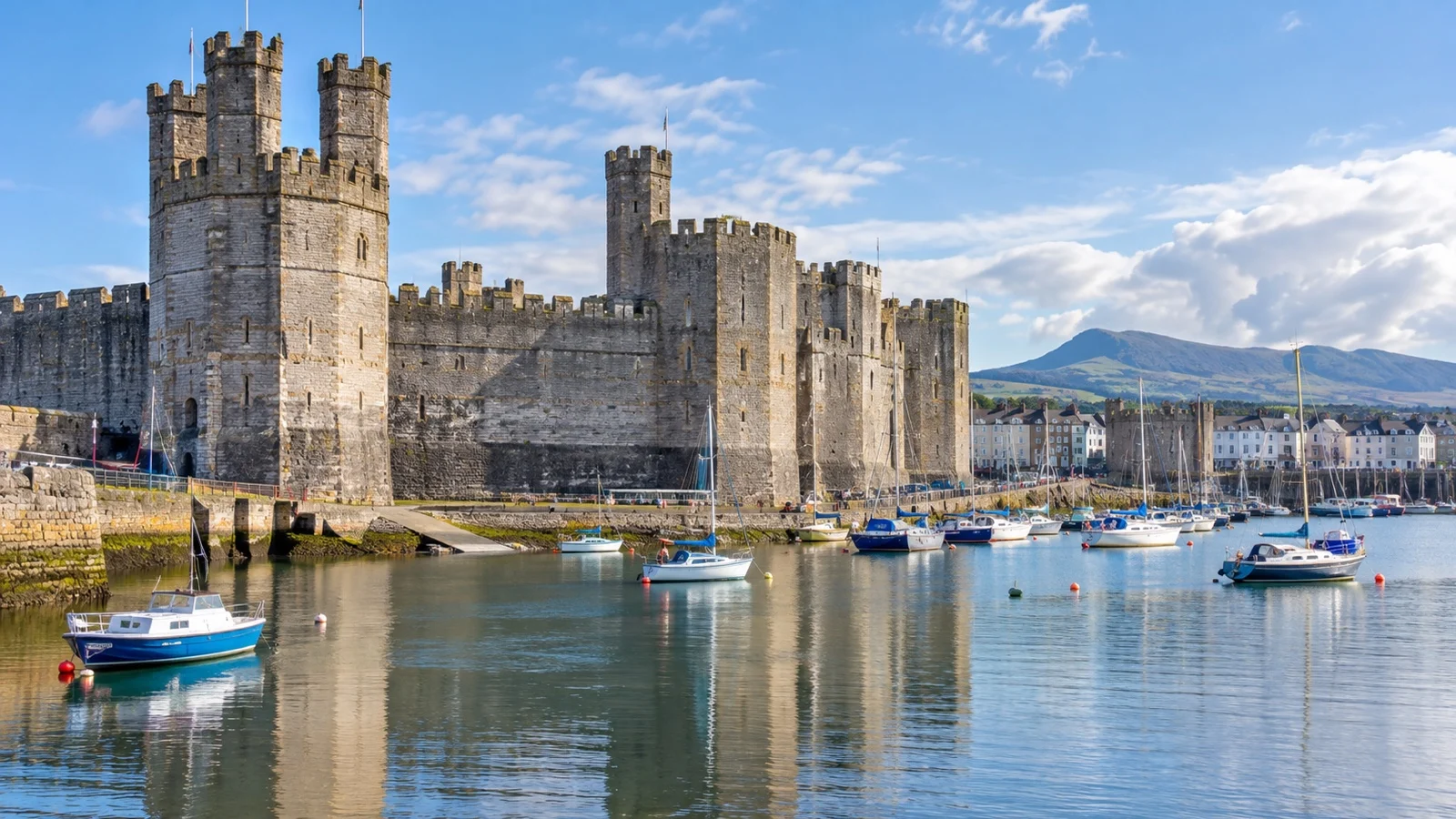
Use the current Cadw visitor page for opening, admission, events, and accessible routes. Towers, wall walks, spiral stairs, and historic surfaces create very different experiences for different mobility levels.
A cruise excursion may add a village, scenic drive, or railway stop, but ask how long is actually spent at the castle. Panoramic North Wales can become a polite phrase for many hours behind glass.
Return traffic through the bridges and across Anglesey needs a conservative margin. Let the farthest stop occur early and make any final Holyhead sightseeing optional.
Eryri needs one disciplined route
Eryri National Park, also widely known as Snowdonia, covers a broad mountain region rather than one attraction. A cruise tour might focus on a lake, village, scenic pass, heritage railway, or viewpoint, and those are separate itineraries.
Mountain railways and popular sites may use timed tickets, while narrow roads and village traffic reduce speed. Book a ship excursion or proven cruise-day operator that names the route, activity level, and turnaround point.
Do not plan an independent summit hike during a normal call. Weather changes quickly, phone coverage can be uneven, and a missed ship is not redeemed by the fact that the cloud was beautifully Welsh.
A scenic vehicle circuit with one short walk often fits the day better than a major trail. Pack a waterproof layer, secure footwear, water, and warmer clothing even when Holyhead begins bright.
Rail is useful but not a complete excursion plan
Holyhead railway station sits beside the ferry-terminal complex and connects along the North Wales coast. Trains can support a carefully chosen independent day, but the cruise shuttle stop, ticket timing, and return service all need confirmation.
A rail schedule does not protect a cruise departure and can be disrupted by engineering work, weather, or operational problems. Choose a return with at least one practical earlier fallback and preserve time for the port shuttle or tender.
For rural attractions, the station at a town is often only the first transportation link. Do not assume that reaching Bangor, Llandudno Junction, or another rail point places the castle or mountain gate beside the platform.
UK entry rules apply before sightseeing
International visitors need the correct United Kingdom permission for their nationality and itinerary. Depending on the passport, that may involve a visa, Electronic Travel Authorisation, or another status.
Use the official UK government checker and follow the cruise line’s sailing-specific document instructions. A cruise booking does not itself grant permission to go ashore.
Carry the passport or photo identification named in the daily program and keep it protected from rain or spray. Immigration or clearance can delay the start, so an independent tour should not promise departure at the published arrival minute.
Welsh language and local context
Welsh and English are both part of daily life, and place names may appear in both languages. Eryri and Snowdonia refer to the same national park area, while Ynys Môn is the Welsh name for Anglesey.
Use the name shown in the operator’s current instructions and save addresses offline. A driver will understand the destination more easily when you have the venue and postal code rather than an uncertain pronunciation copied from memory.
Ask before photographing individuals and respect worship, memorial, farm, and residential spaces. North Wales is a lived landscape rather than scenery arranged between castle stops.
Accessibility begins with the arrival mode
An alongside berth avoids tender transfer, but gangway slope, secure-port distance, and shuttle design still determine the route. Confirm the accessible vehicle, mobility-device storage, and drop-off before leaving the ship.
Tender calls depend on sea state, equipment, crew assessment, device size, and the passenger’s ability to transfer. Ask about steps, platform movement, lifting limits, and the marina landing before booking an independent excursion.
Historic castles include uneven surfaces, grass, stone, ramps, and stairs, while mountain plans add vehicle steps and outdoor ground. Request the exact accessible route at the attraction and the exact boarding arrangement on the motorcoach.
A South Stack viewpoint, Anglesey panorama, or castle ground level can provide a strong day without promising every tower or trail. A clear limited-mobility plan is better than discovering three high coach steps after the shuttle departs.
Irish Sea weather controls more than clothing
Holyhead is exposed to wind, fast showers, and quick temperature changes throughout the cruise season. Bring a waterproof shell, wear shoes with grip, and secure anything the breeze can take.
Wind can close exposed paths, alter the berth assignment, interrupt a tender, or cancel the call. Keep ship notifications active and treat any revised final boat or shuttle as an immediate instruction.
A sunny town center does not prove that conditions at South Stack or the anchorage are suitable. Check the official forecast, attraction notices, port information, and the ship’s live assessment.
Return timing includes the secure port
From Holyhead town, allow time for the shuttle or approved route through the harbor rather than walking toward the ship at all-aboard. Tender passengers need the earlier final-boat deadline plus time to queue and load.
South Stack visitors should return with a large local buffer, while Beaumaris, Caernarfon, and Eryri require increasing road margins. Add more during summer traffic, bridge disruption, road work, heavy rain, or strong-wind forecasts.
Photograph the berth, shuttle stop, or marina landing before departure. Holyhead’s ferries, trains, secure gates, and cruise operations create several plausible places to stand while being completely wrong.
Four realistic Holyhead plans
The weather-flexible local day
Explore Saint Cybi’s Church, the town center, maritime history when open, and a sheltered waterfront section. Add a short prearranged coastal drive only when conditions and time remain comfortable.
The South Stack day
Prebook round-trip transport to the RSPB reserve and choose a viewpoint route suited to the group. This plan minimizes road time while delivering the island’s most dramatic local landscape.
The Anglesey castle day
Choose Beaumaris Castle, its waterfront, and lunch with a confirmed return. This keeps the itinerary on Anglesey and provides culture without the longest mountain drive.
The North Wales panorama
Select Caernarfon or one defined Eryri circuit with ship-protected transportation. Let that regional route own the day and save Holyhead sightseeing for time remaining after the return.
Frequently asked questions
Do cruise ships dock in Holyhead?
Some do. Vessels can use the deep-water or inner-harbor berth when size and operations permit, while other calls may anchor and tender.
Can I walk from the deep-water berth?
Do not plan on an independent port walk. Use the ship or port shuttle and follow the secure-harbor route.
Is South Stack easy to reach?
It is geographically close but requires planned transportation. Reserve the return and check the RSPB route, facility hours, and weather.
Which castle should I choose?
Choose Beaumaris for an Anglesey town-and-castle day or Caernarfon for the more imposing mainland fortress. Both need road transport and a comfortable return margin.
Can I visit Eryri independently?
A limited rail or road plan may be possible, but a ship excursion is safer for a full mountain circuit. Avoid summit hikes and retain substantial time for the port transfer.
My final advice
Holyhead works when you respect the sea first and choose one landscape second. South Stack, Beaumaris, Caernarfon, and Eryri are not competing checkboxes but different versions of North Wales.
I would rather return early from one excellent cliff, castle, or mountain route than spend the final hour testing every road and ferry variable at once. The island offers plenty of drama without adding your own.
How this guide was researched: This guide was independently checked on September 11, 2026, against Holyhead Harbour Authority, the RSPB, Cadw, United Kingdom government entry guidance, current Welsh transport and park information, and cruise operating instructions.
Reconfirm the berth or anchorage, shuttle or tender, entry documents, transport schedule, attraction access, weather, accessibility, and final return time before sailing because live conditions can change.