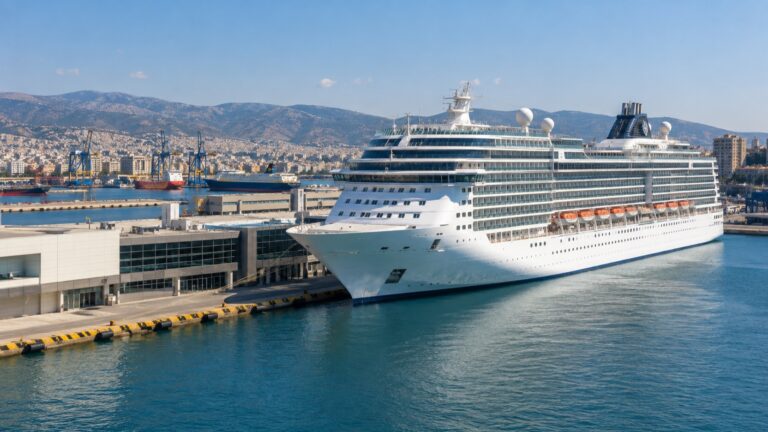
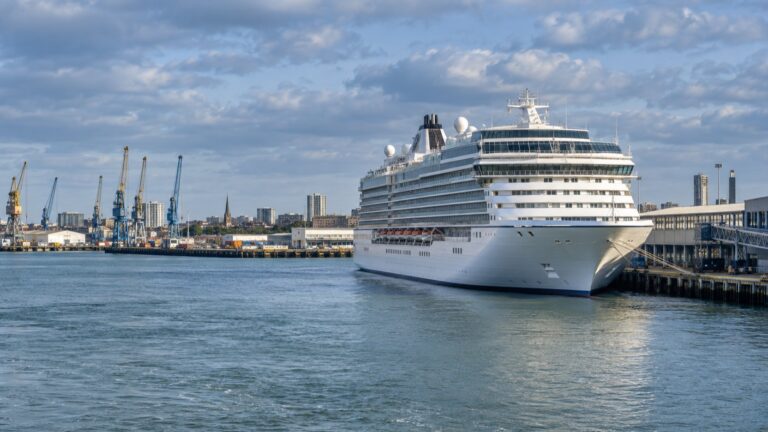
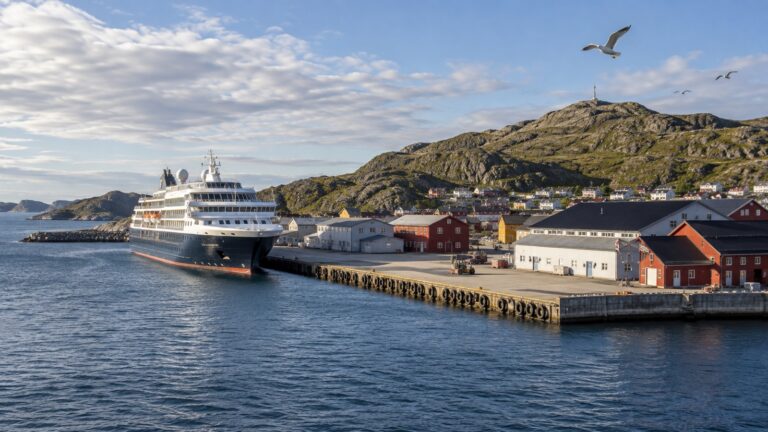
Narvik Cruise Port: Pier 3, Ofoten Railway and Gondola
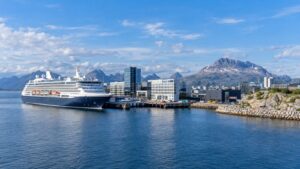
Narvik makes sense the moment you see how tightly the railway, ore harbor, town, fjord, and mountains are pressed together. This is not a polished resort port, and that industrial honesty is exactly what gives the call its power.
The classic port day offers three strong stories: the Ofoten Railway, the battles of 1940, and the mountain above town. In 2026, however, major construction has temporarily removed the gondola from that choice, so current planning needs a different center of gravity.
Quick Facts
- Usual cruise berth: Pier 3 is Narvik’s established central cruise berth, though operational assignments can change.
- Arrival type: Scheduled cruise ships normally berth alongside in Narvik’s deep-water port.
- Town access: The center is close but uphill, and the marked route or shuttle depends on the day’s quay.
- Currency: Norwegian krone, abbreviated NOK.
- Language: Norwegian, with English widely spoken in visitor services.
- Time: CET in winter and CEST during summer time.
- Key 2026 closure: Narvikfjellet says its gondola and restaurant are closed for construction until the ski season in December 2026.
- Best return rule: Allow at least an hour from central Narvik and more from rail, mountain, or regional excursions.
Pier 3 and the Working Port
Pier 3 is the established cruise berth close to central Narvik and can handle large ships. Narvik’s deep water is also fundamental to its role as an ice-free export harbor for iron ore arriving by rail from northern Sweden.
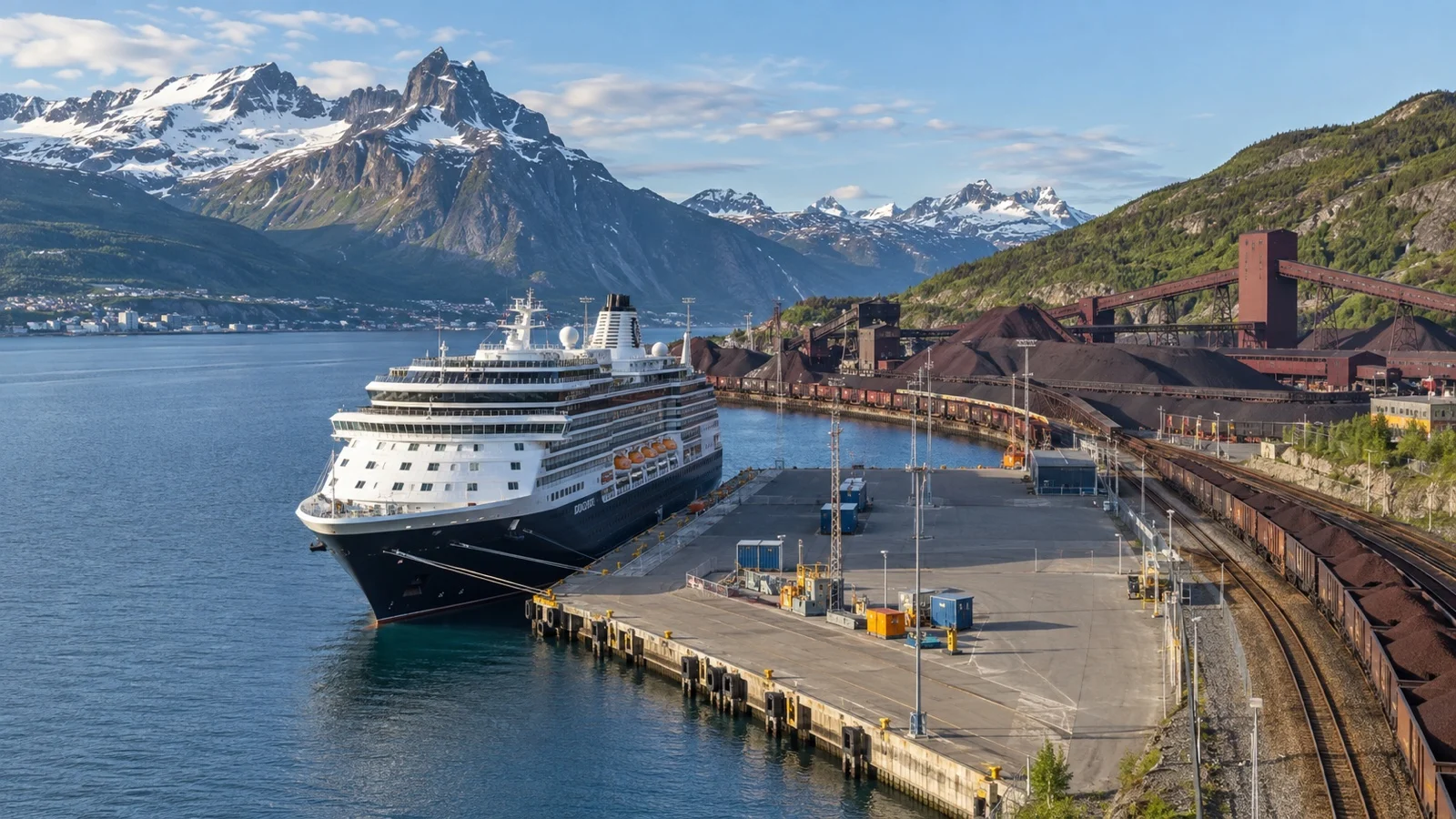
Your ship may still receive a different operational assignment in the port. Read the daily program for the exact quay, gate, shuttle, identification requirement, and all-aboard time rather than navigating back to Pier 3 by habit.
Scheduled cruise calls normally berth alongside instead of tendering. A gangway can still be steep at some tidal positions, and winter snow or ice can make the route from ship to shuttle more demanding than a summer photograph suggests.
The port is an active freight environment with trains, trucks, restricted rail areas, and heavy machinery. Stay inside signed passenger corridors and never improvise a shortcut through the ore operation.
Getting From the Ship to Central Narvik
The center lies uphill from the usual cruise area, with the practical walk often taking around 10 to 20 minutes according to the exact berth and personal pace. Pier 3 is close enough for many passengers to walk, but “close” feels different on ice, in sleet, or with limited mobility.
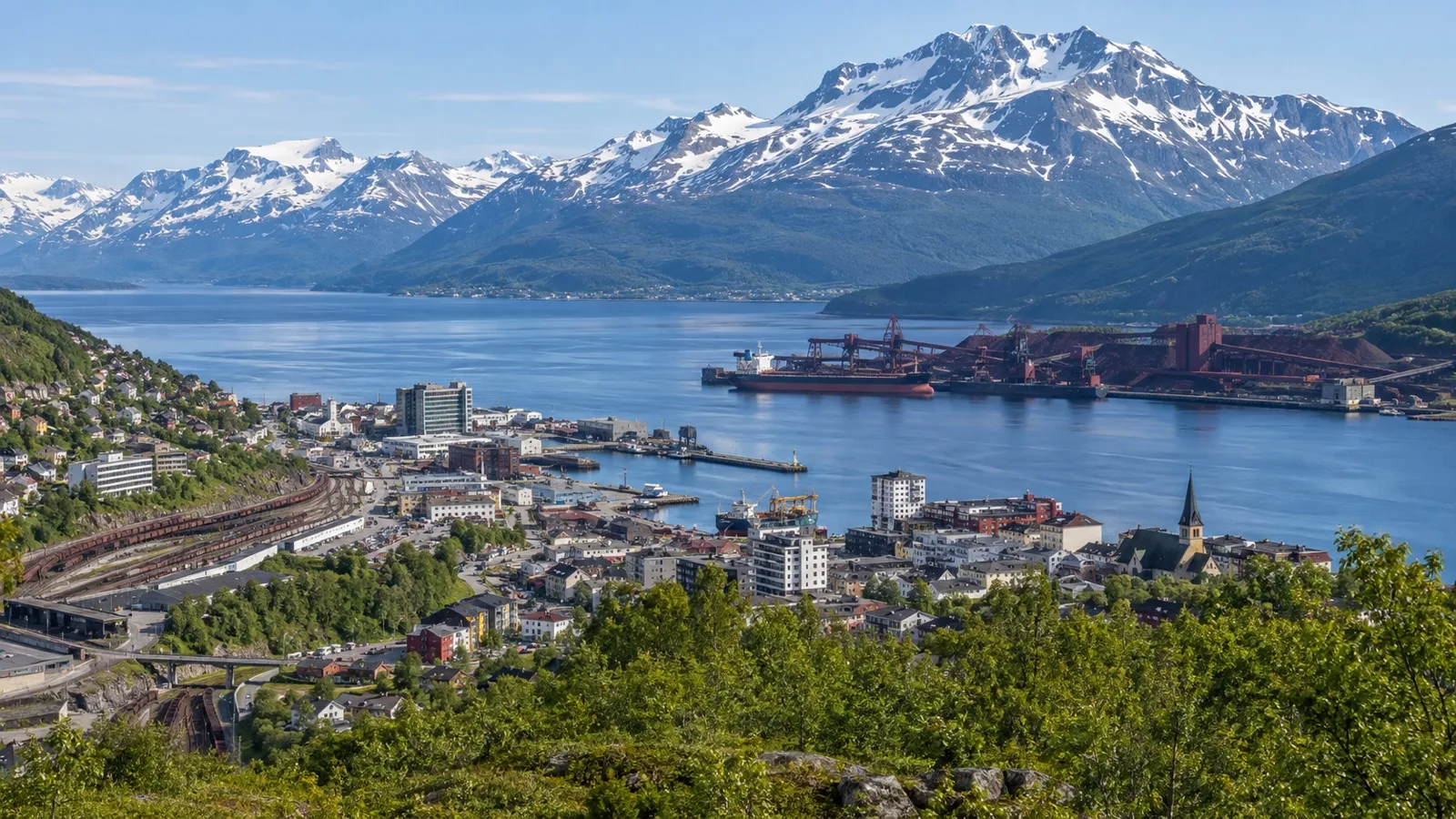
Use the marked pedestrian route provided for your call. Construction, cargo movements, and temporary security controls can change which gate is open even when the ship appears to be beside town.
A port or cruise-line shuttle may operate, particularly for winter calls or a berth farther from the center. Ask where it stops, whether it can carry mobility equipment, how often it runs, and when the final return leaves.
Taxis are useful for the War Museum, Narvik Museum, railway station, or a scenic drive when walking conditions are poor. Show the driver the berth and gate from the ship’s program because Narvik has several port facilities.
Why Narvik Exists Here
The Ofoten Railway was completed at the beginning of the twentieth century to carry iron ore from the Swedish mining district to Narvik’s ice-free fjord. The harbor and railway created the modern town, and ore trains still define its daily rhythm.
Narvik Port describes the town as Northern Norway’s first industrial city and dates its town status to 1902, the year the railway was completed. Swedish navvies, British engineers, sailors, railway workers, and local communities all shaped the place that grew around the line.
That strategic rail link also explains why Narvik became a major objective in 1940. The battles were fought on land and sea in difficult Arctic terrain, with the ore route connecting local events to the wider European war.
I would choose one museum before choosing a souvenir stop. Narvik’s landscape becomes more legible once you understand what the railway carried and why nations fought to control it.
Narvik War Museum
The Narvik War Museum is the strongest all-weather anchor for a first visit. Its modern exhibits focus on the 1940 campaign, occupation, civilian experience, and the wider questions of war and peace.
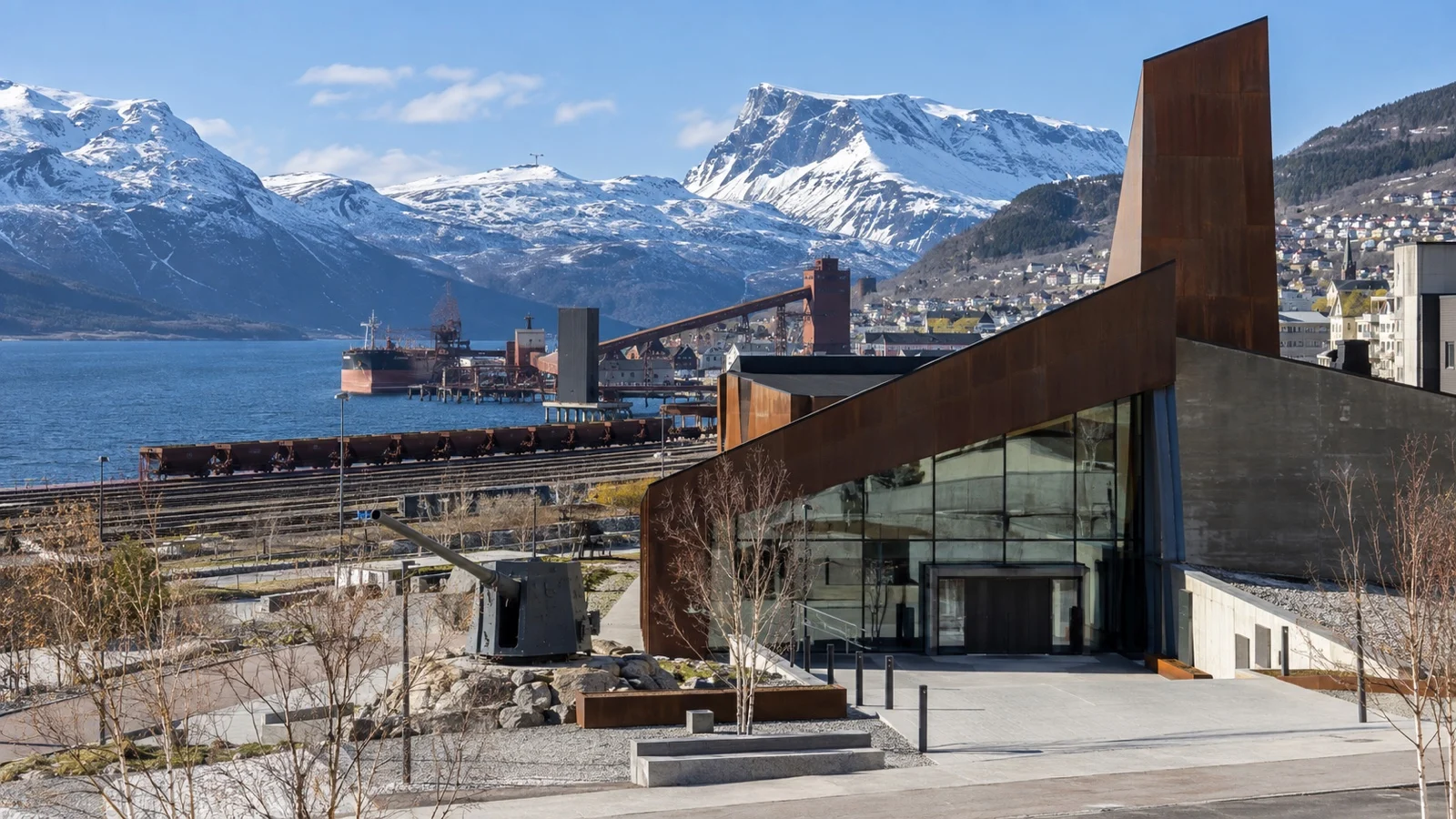
Allow at least 60 to 90 minutes if the story matters to you. A rushed loop through military objects misses the decisions, geography, and human consequences that make Narvik’s history so compelling.
Check the museum’s official site for the day’s hours, admission, guided tours, and accessibility. Winter cruises, holidays, private events, or exhibition work can change the routine.
The museum sits in the central area and pairs naturally with lunch, city streets, and a safe return to the ship. It is also a complete plan rather than a consolation prize when the mountains disappear into cloud.
Narvik Museum for Railway and Industrial History
Narvik Museum tells the other half of the city through the Ofoten Railway, ore harbor, engineers, navvies, and rapid industrial growth. It occupies a historic railway administration building, which gives the collection a fitting setting.
Choose it when rail and industrial history interest you more than military history. Trying to study both museums in a short call can leave too little time for the actual landscape that connects their stories.
The museum is not in exactly the same spot as the War Museum, so check current hours and map the route before setting out. Snow, hillside streets, and road crossings affect the walking effort.
A museum visit followed by a viewpoint over the tracks and harbor can be more memorable than a distant bus tour. Narvik’s working systems are visible evidence, not background clutter.
Narvikfjellet Gondola: The 2026 Reality
Narvikfjellet normally gives visitors a spectacular lift-assisted view over Ofotfjord, the town, railway, harbor, and surrounding peaks. Many older guides still present the gondola as the easiest highlight from the cruise berth.
The operator’s current notice says the gondola and restaurant are closed for construction and will reopen for the ski season in December 2026. That means summer and fall 2026 cruise passengers should not buy a plan built around the lift.
Construction schedules can change, so check Narvikfjellet’s official homepage again close to sailing. A reopening announcement from the operator is the standard that matters, not an old ticket page or tour listing.
The closure does not make the mountain area generally safe for an improvised hike. Trails, work zones, snow, wind, visibility, and steep terrain require current local advice and suitable equipment.
Passengers sailing after the announced reopening should still verify operating dates and hours. Wind, maintenance, avalanche control, and weather can suspend lift service even during the ski season.
What to Do Instead of the Gondola
Use the War Museum as the main attraction, then add Narvik Museum, a central lunch, or an organized fjord and landscape drive. This keeps the day flexible and avoids wasting an hour traveling to a closed lower station.
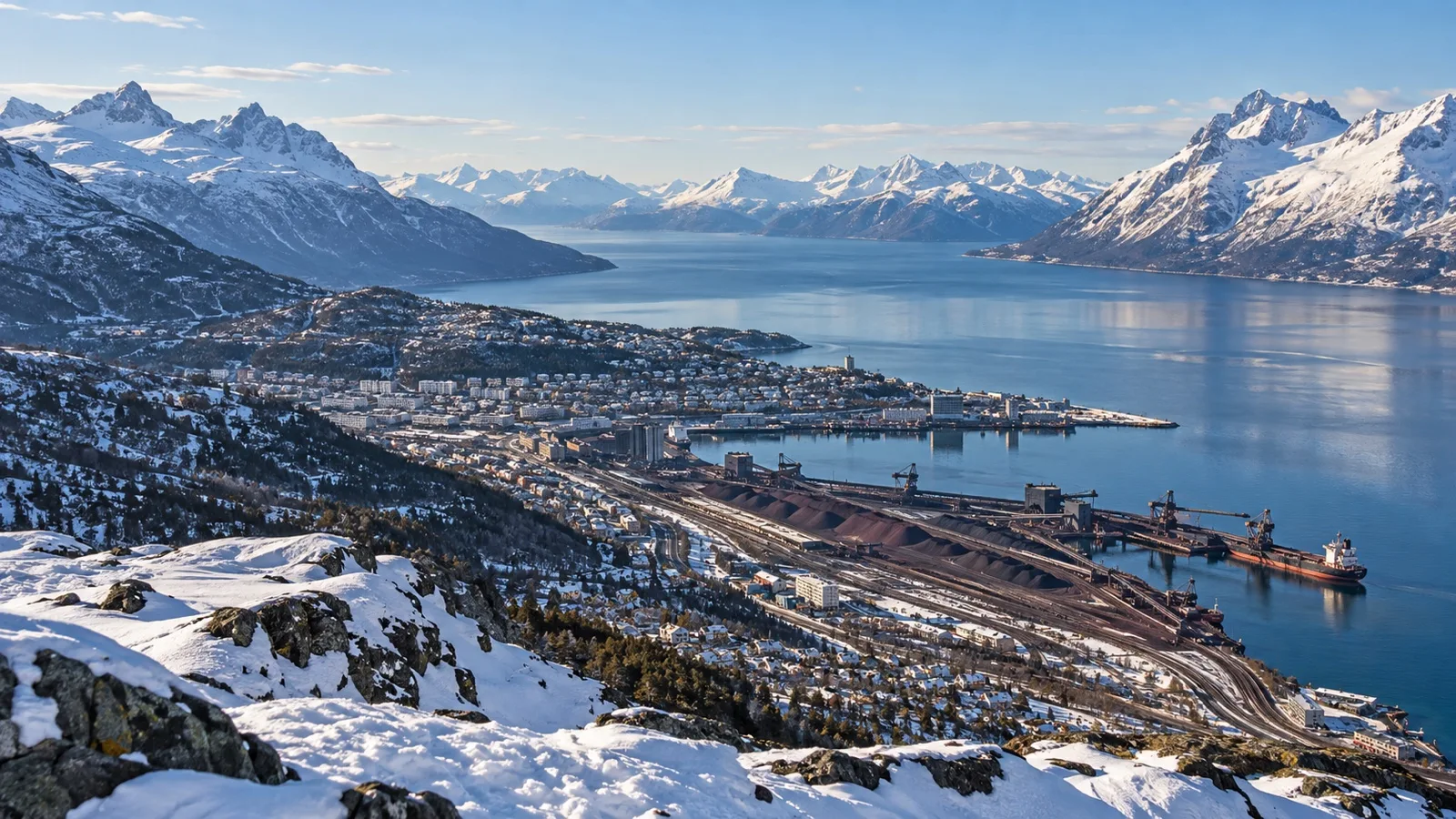
A local guide can choose a road-accessible viewpoint based on visibility and conditions. Never ask a driver to stop in an unsafe shoulder or restricted railway area for a photograph.
If low cloud covers the hills, lean into the industrial and wartime story. Narvik is one of the rare ports where poor mountain visibility can sharpen your attention to the reason the town exists.
The Ofoten Railway
The Ofoten Line climbs east from Narvik toward the Swedish border through steep mountain terrain above Rombaksfjord. It is the Norwegian section of the iron ore railway, and freight remains central to its purpose.
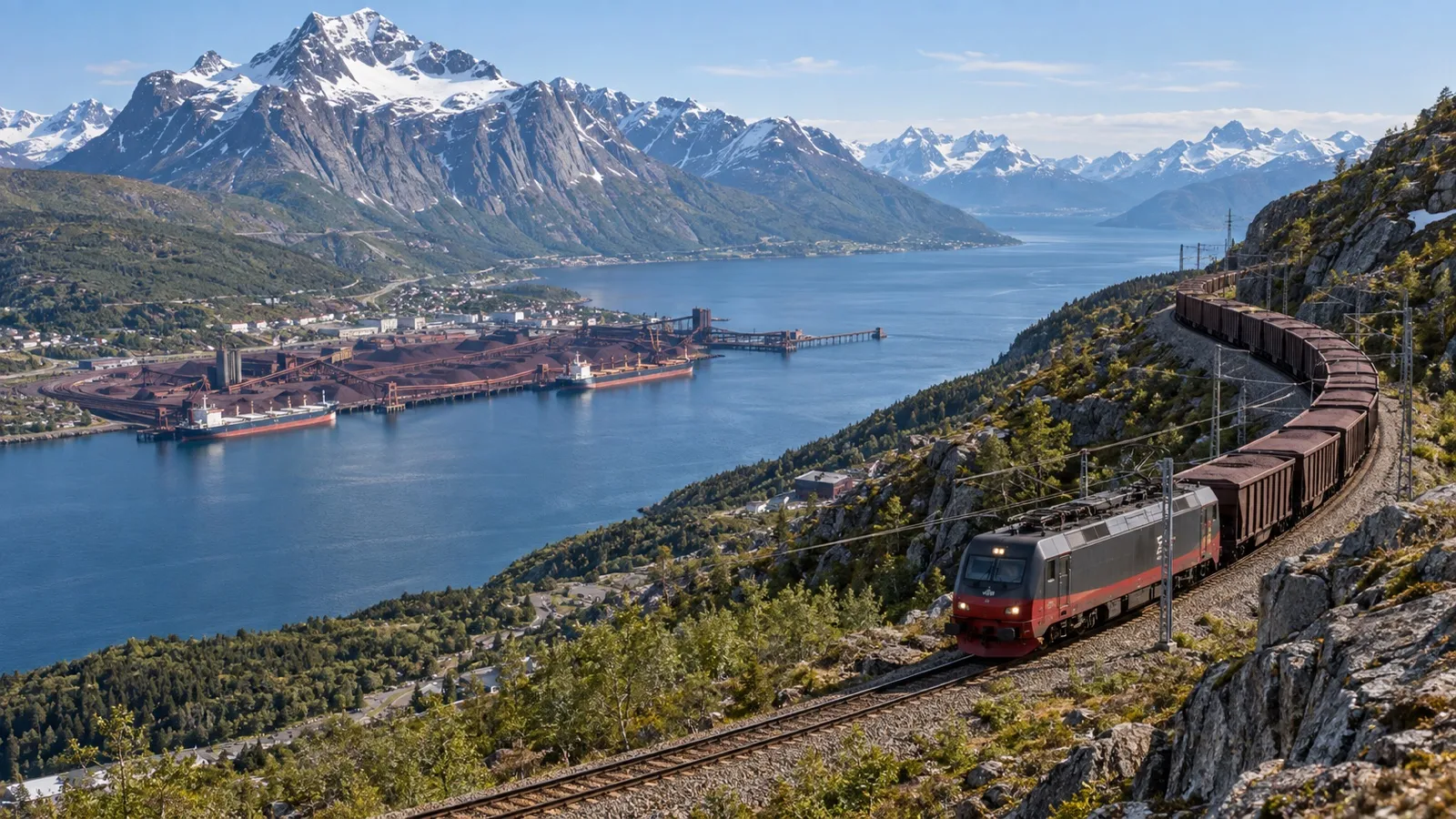
Visit Norway calls it one of the country’s beautiful railway journeys, but cruise passengers need to distinguish a scenic excursion from an ordinary international train. The route, stops, narration, duration, and return protection are not the same.
Seasonal tourist services may run from Narvik toward Katterat or Bjørnfjell, while scheduled passenger trains continue across the border toward Kiruna and farther into Sweden. Service patterns can change with track work, weather, freight disruption, and operator timetables.
The railway is largely single track and heavily used by long ore trains. A delay or closure can affect both the outbound journey and the only obvious rail return.
Ship or Organized Rail Excursion
A cruise-line railway excursion is the safest way to make the line the focus of the day. The operator coordinates the timing, meeting point, transport to the station when needed, and response if the railway is disrupted.
Read the description carefully because a “railway tour” may be one-way by train with a bus return, a charter to a specific station, or a train segment inside a longer scenic loop. The arrangement can be excellent, but the name alone does not reveal the schedule.
An organized product may also include interpretation of the navvies, ore traffic, wartime events, and mountain engineering. That context turns a beautiful window view into a coherent Narvik story.
Independent Public Train
An independent rail trip requires a dated timetable for the exact call and a confirmed round trip. Search the official operator and Entur journey planner, then check for service messages again on the morning of arrival.
Do not rely on a same-train reversal unless the ticket and schedule clearly allow it. A train may continue into Sweden, skip a stop, change platform, or offer no convenient return for hours.
Cross-border passengers must carry the identification and travel documents required for Norway and Sweden. Both are in the Schengen Area, but border rules and spot checks still exist, and the cruise line may set its own document requirements.
A public train is a poor gamble when the return leaves only a narrow ship buffer. The scenery will not feel magical once every signal stop becomes a threat to all aboard.
Katterat, Bjørnfjell, and Hiking Limits
Katterat is unusual because it has no normal road connection, which makes the railway central to both arrival and departure. Missing the planned train there is a serious problem rather than a minor taxi expense.
Bjørnfjell lies close to the Swedish border at higher elevation and can have very different weather from Narvik. Snow, wind, and low visibility may exist even when the port feels mild.
The historic navvies’ road is a real mountain route, not a short cruise-port stroll. Sections, conditions, transport links, and seasonal safety must be confirmed through a local outdoor authority or guide.
I would only hike from a railway stop on a cruise call as part of a professionally timed excursion. The terrain, weather, and limited rail service leave too little room for improvisation.
Scenic Drives and Regional Excursions
Road excursions can reach fjord viewpoints, wartime sites, Swedish border country, or Polar Park depending on call length and season. Distances in northern Norway often take longer than the map suggests because of weather, roadwork, and winter maintenance.
Polar Park is well outside central Narvik and should be treated as a dedicated excursion. Its opening hours, animal welfare rules, walking surfaces, and return time need current confirmation.
A drive toward the Swedish border can mirror parts of the railway landscape without the single-track risk. It still crosses exposed high terrain, so road status and weather matter.
Lofoten is far too ambitious for a normal Narvik port day unless the cruise line sells a specific long excursion. Visit Norway places the road journey from Narvik to Svolvær at roughly three and a half hours by bus, before sightseeing or the return.
Three Realistic Narvik Port Days
History and Town
Walk or shuttle uphill, give the War Museum a proper visit, have lunch, and choose Narvik Museum or a permitted harbor viewpoint afterward. This is the most resilient plan for a short call, low cloud, or unstable winter weather.
Keep the second museum optional. If the first deserves more time, stay with it and let the city center provide the transition back to the ship.
Railway-Led Day
Make the Ofoten Railway the centerpiece through a ship excursion or a conservatively timed tourist service. Treat any museum or cafe time before and after as a bonus.
Do not add a distant regional drive to the rail schedule. One transport system already creates enough moving parts for a port day.
Scenic Alternative During the Gondola Closure
Book a local landscape drive with a port-aware guide, add a viewpoint chosen for the day’s weather, and finish at the War Museum. The guide can reverse the order if cloud lifts later.
This plan keeps mountain scenery in the day without pretending the closed gondola is operating. It also provides an indoor fallback when wind or rain takes over.
Winter Cruise Calls
Narvik receives ships during the polar-night season as well as in summer. Daylight may be short or absent, snowbanks narrow the sidewalks, and a familiar ten-minute walk can require much more care.
Wear insulated waterproof footwear with reliable traction, warm layers, gloves, and reflective details. Removable traction devices can help on ice where local rules and surfaces allow them.
Northern lights are possible in dark, clear conditions, but no guide can guarantee cloud cover or solar activity. A tour can improve location and safety while leaving the sky beyond anyone’s control.
Rail, roads, shuttle routes, and gangways can all be affected independently. Keep a complete indoor town plan ready instead of assuming every canceled activity can be replaced with another outdoor one.
Summer Light and Mountain Weather
The midnight-sun season brings long light, but a daytime cruise schedule still controls your return. Endless brightness is not extra time on the gangway clock.
Temperature and wind at elevation can differ sharply from conditions beside the ship. Carry a windproof waterproof shell, hat, gloves, and a warm layer even when the quay feels comfortable.
Cloud can erase a viewpoint within minutes, then lift just as quickly. Place the most weather-sensitive activity early only when it is operating and keep a flexible alternative nearby.
Weather forecasts are a planning tool rather than a promise. Check official local information on the morning of the call and listen to any restrictions announced by the captain.
Accessibility and Reduced Mobility
Berthing alongside removes the tender transfer, but it does not guarantee a step-free day. Gangway slope, industrial surfaces, shuttle steps, snow, ice, and the climb into town all deserve call-specific questions.
Ask whether the shuttle can carry a folding wheelchair or powered scooter and whether space must be reserved. Give the dimensions and weight of the device rather than relying on the word “accessible.”
Reserve an accessible taxi early because local supply is limited, especially when several ships or winter events create demand. Confirm ramp or lift type, securement, transfer ability, and the exact permitted port pickup point.
The modern War Museum is a promising central choice, but check its official accessibility page and contact staff for current elevator or entrance conditions. Narvik Museum occupies a historic building and requires its own separate assessment.
When the gondola eventually reopens, accessibility must cover the full chain from vehicle drop-off to cabin boarding and upper-station surfaces. Snow or construction can change an otherwise suitable route.
Money, Food, and Connectivity
Norway uses the krone, and cards are accepted almost everywhere in Narvik. A small amount of cash can be useful, but there is little reason to exchange a large sum for one port day.
Expect Norwegian prices for taxis, restaurants, and excursions. Read cancellation terms before booking a weather-sensitive activity because operator and passenger cancellations may be treated differently.
Local menus may feature fish, reindeer, soups, waffles, and baked goods, with strong coffee an easy pleasure between museums. Tell staff about allergies and ask about preparation when cross-contact matters.
Mobile service is generally good in town but can weaken in tunnels and mountain terrain. Download tickets, maps, berth details, and emergency contacts before leaving the ship.
Safety in an Industrial Arctic Port
Narvik is generally comfortable for visitors, while its practical risks come from traffic, railway operations, weather, ice, and terrain. Port fences and warning signs protect you from active systems that cannot stop quickly.
Never stand on railway tracks or cross outside a marked point for a photograph. Ore trains are long, quiet at a distance, and far heavier than ordinary passenger trains.
Do not launch a drone without checking Norwegian aviation rules, local restrictions, port security, and the ship’s policy. Airports, military history sites, people, wildlife, and industrial areas can add separate limits.
On mountain roads, use a licensed or established operator with the correct seasonal vehicle and equipment. A scenic pullout is only useful when the driver can stop safely.
Return Timing That Protects the Ship
From central Narvik, I want at least an hour between starting the return and all aboard. Winter conditions, shuttle queues, a closed pedestrian route, or additional port security can consume that margin.
From the railway, Swedish border, Polar Park, or a regional drive, I want at least 90 minutes and often more. The right buffer depends on the actual excursion, season, backup transport, and ship instructions.
Save the ship time, berth, gate, port agent number, and excursion operator details offline. “Narvik harbor” is not a precise destination when multiple quays and cargo areas are active.
If a train or road delay develops, contact the port agent and ship using the procedure in the daily program. Early communication does not guarantee the ship can wait, but silence removes options.
What I Would Avoid
I would not arrive in summer or fall 2026 expecting the gondola to operate. The operator’s current construction closure lasts until the announced December 2026 ski-season reopening.
I would not board a public train without a dated, conservative return. The Ofoten Line is international, freight-heavy, and too important to improvise around a cruise deadline.
I would not combine the railway, both museums, a mountain drive, and shopping in one short day. Narvik rewards following one story deeply because the landscape connects everything else.
I would not leave winter footwear decisions to the view from the balcony. The shaded uphill route can remain icy after central streets look clear.
Final Planning Advice
Confirm the exact quay first, then choose rail history, wartime history, or a guided landscape route as the main event. Treat the gondola as unavailable until Narvikfjellet officially confirms reopening and live operations.
Keep one central indoor plan, wear clothing for rapid weather changes, and begin the return while the day still feels calm. Narvik’s power comes from understanding the link between mountain, railway, harbor, and history rather than collecting the greatest possible number of stops.
This Arctic port is both compact and complicated, which makes focus your best tool. Give one Narvik story the time it deserves and the fjord will supply the scale.
Planning more calls in northern Norway? Explore our other CruisePorts.co guides for practical port-day ideas, and confirm live details with your cruise line before sailing.