Santander Cruise Port: City Terminal, Bay and Cantabria
Santander gives cruise visitors one of northern Spain’s most graceful arrivals. The broad bay, green headlands, beaches, waterfront gardens, and elegant city streets create a port day that can feel complete before you ever consider leaving town.
The practical advantage is a central cruise setting when the ship receives a city berth, but the exact quay still matters. Santander is hilly beyond the waterfront, some regional highlights require a real road journey, and Cantabrian weather can rewrite even the prettiest plan by lunchtime.
Quick Facts
- Port: Santander, capital of Cantabria in northern Spain
- Usual cruise advantage: Central berths can place passengers close to the waterfront and city center
- Berth caution: The Port Authority and cruise line confirm the actual quay for each call
- Easy city sights: Pereda Gardens, Centro Botín area, cathedral, waterfront, and markets
- Popular half-day areas: Magdalena Peninsula and El Sardinero
- Regional excursions: Santillana del Mar, Altamira Museum, Comillas, and Cabárceno
- Currency: Euro
- Language: Spanish, with English availability varying by business
- Weather: Changeable Atlantic conditions with rain possible year-round
- Return rule: Use the ship’s all-aboard time and allow for city or highway delays
Where cruise ships arrive
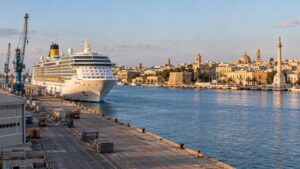
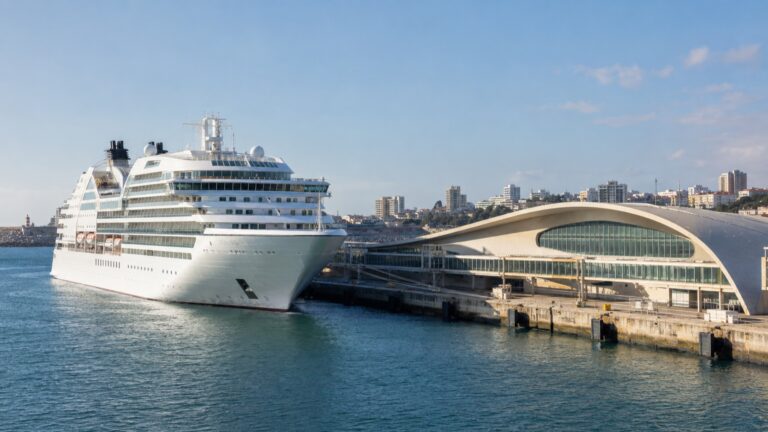
Santander’s port sits directly beside the urban waterfront, and a city-center berth can make independent exploration unusually easy. The Estación Marítima and nearby port quays are close to gardens, cultural buildings, shops, and the older central streets.
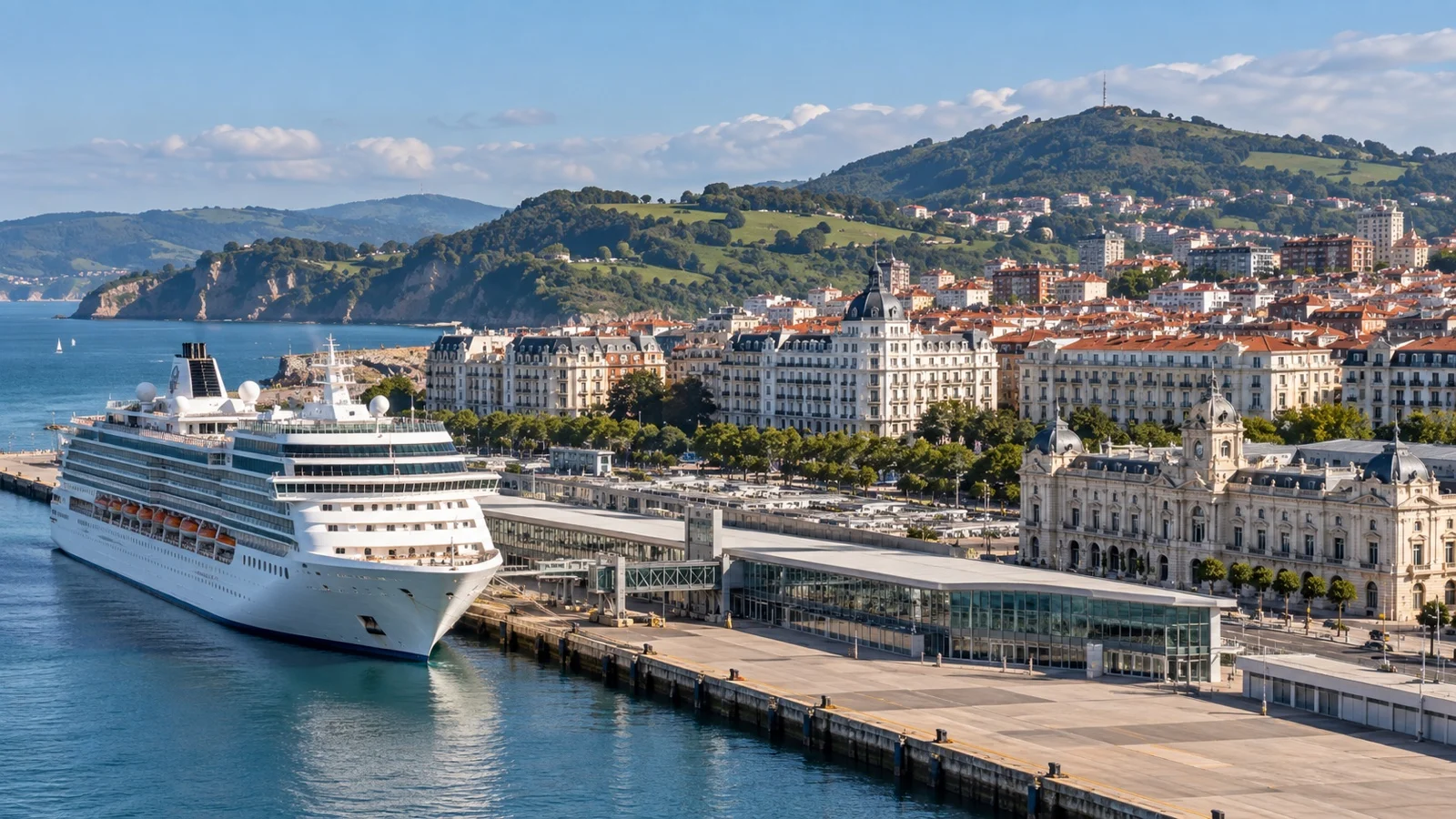
Not every vessel can use the same position, and operational needs may place a ship elsewhere within the port. Check the daily program for the assigned berth, pedestrian route, shuttle arrangements, and security restrictions before setting out.
Do not rely on a map pin labeled “cruise terminal” without comparing it with the ship’s actual instructions. Santander is a working commercial and ferry port, so some areas are not open to casual pedestrian movement.
If your ship uses a central berth, note the port entrance and the route back before you start exploring. Large buildings and waterfront spaces can look different when approached from the city side later in the day.
The best first hour on foot
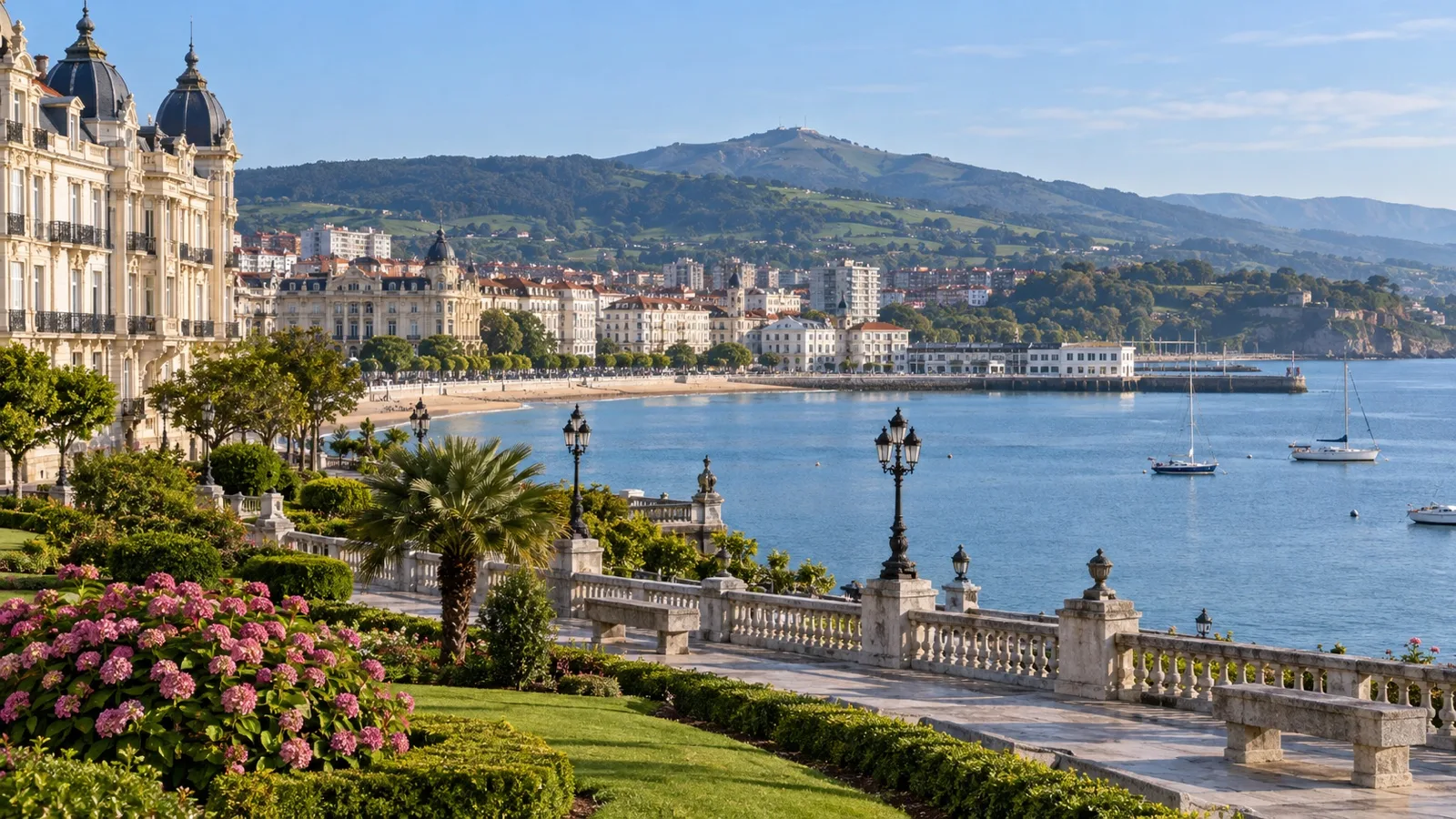
Begin along the waterfront, where the bay provides an easy sense of direction. The Pereda Gardens, Centro Botín surroundings, promenade, and historic port buildings create a relaxed introduction without committing you to hills or transportation.
Centro Botín is a contemporary arts center in a striking waterfront building. Check current exhibitions, ticket requirements, and opening hours if you want to go inside, because a cruise call may arrive before the galleries open.
From the waterfront, continue toward the cathedral and central commercial streets. Santander’s center is more about atmosphere, rebuilding, civic life, and handsome urban spaces than a preserved medieval maze.
The Mercado del Este area and nearby streets can work well for a coffee or snack. Opening hours vary, and restaurants may follow Spanish meal timing rather than the schedule of an early-arriving ship.
Santander Cathedral and the rebuilt city
Santander Cathedral combines an upper church with the lower Church of Christ, though access can be affected by worship and current opening arrangements. Dress respectfully, keep voices low, and never treat an active service as a sightseeing interruption.
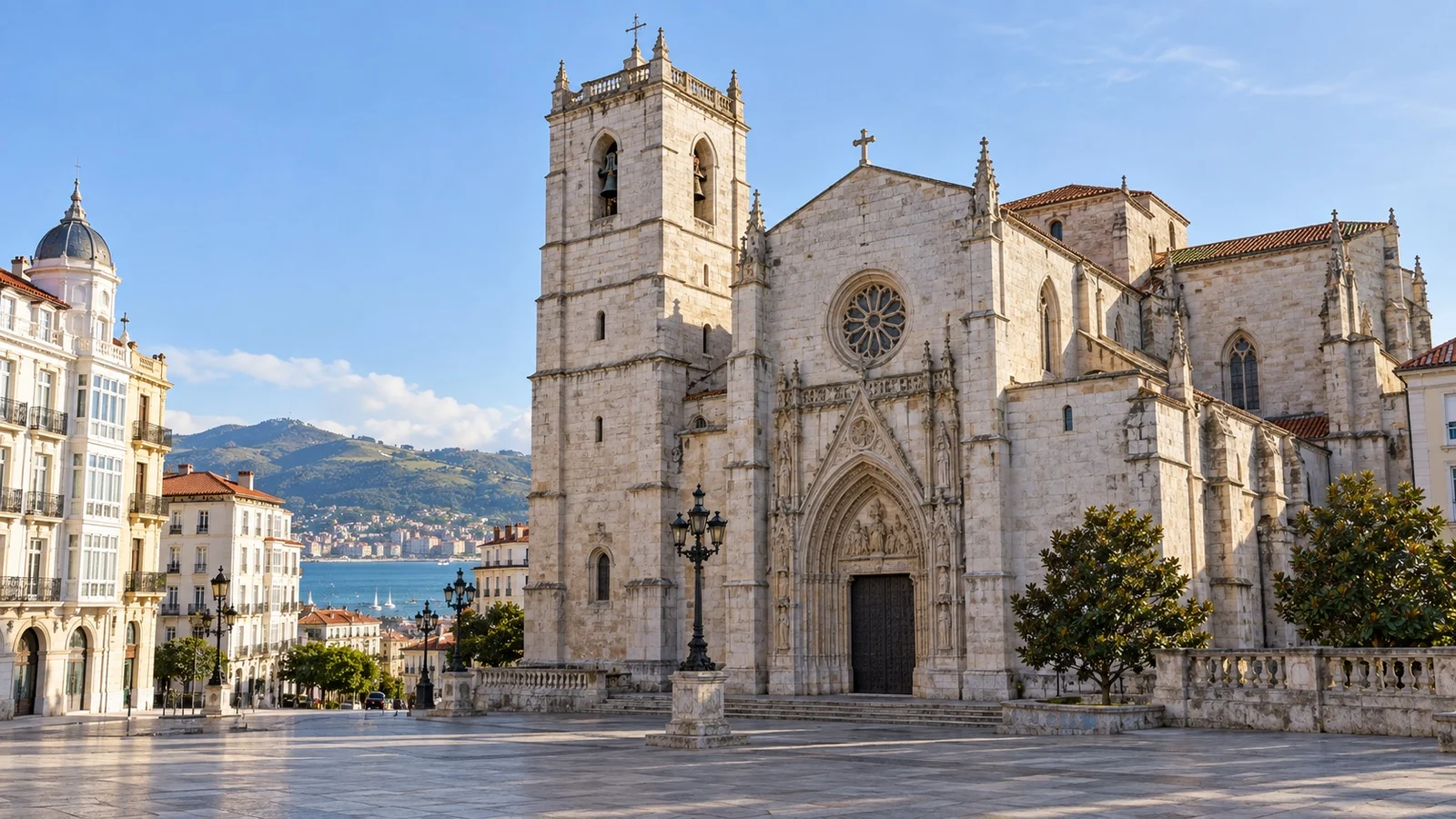
Much of central Santander was transformed after a devastating fire in 1941. That history helps explain the broad streets and twentieth-century character found near older religious and civic landmarks.
A guided walk adds value because the city’s story is not always obvious from individual facades. The guide can connect the medieval origins, port activity, fire, reconstruction, royal summer presence, and modern cultural investment.
Travelers who prefer independent wandering should download a map before leaving the ship. Street levels rise quickly away from the bay, and the most direct route is not always the gentlest.
Magdalena Peninsula
The Magdalena Peninsula is one of Santander’s signature outings, with coastal views, wooded paths, beaches, and the Palacio de la Magdalena. It sits beyond the immediate center, so many cruise visitors use a city bus, taxi, tour, or sightseeing service.
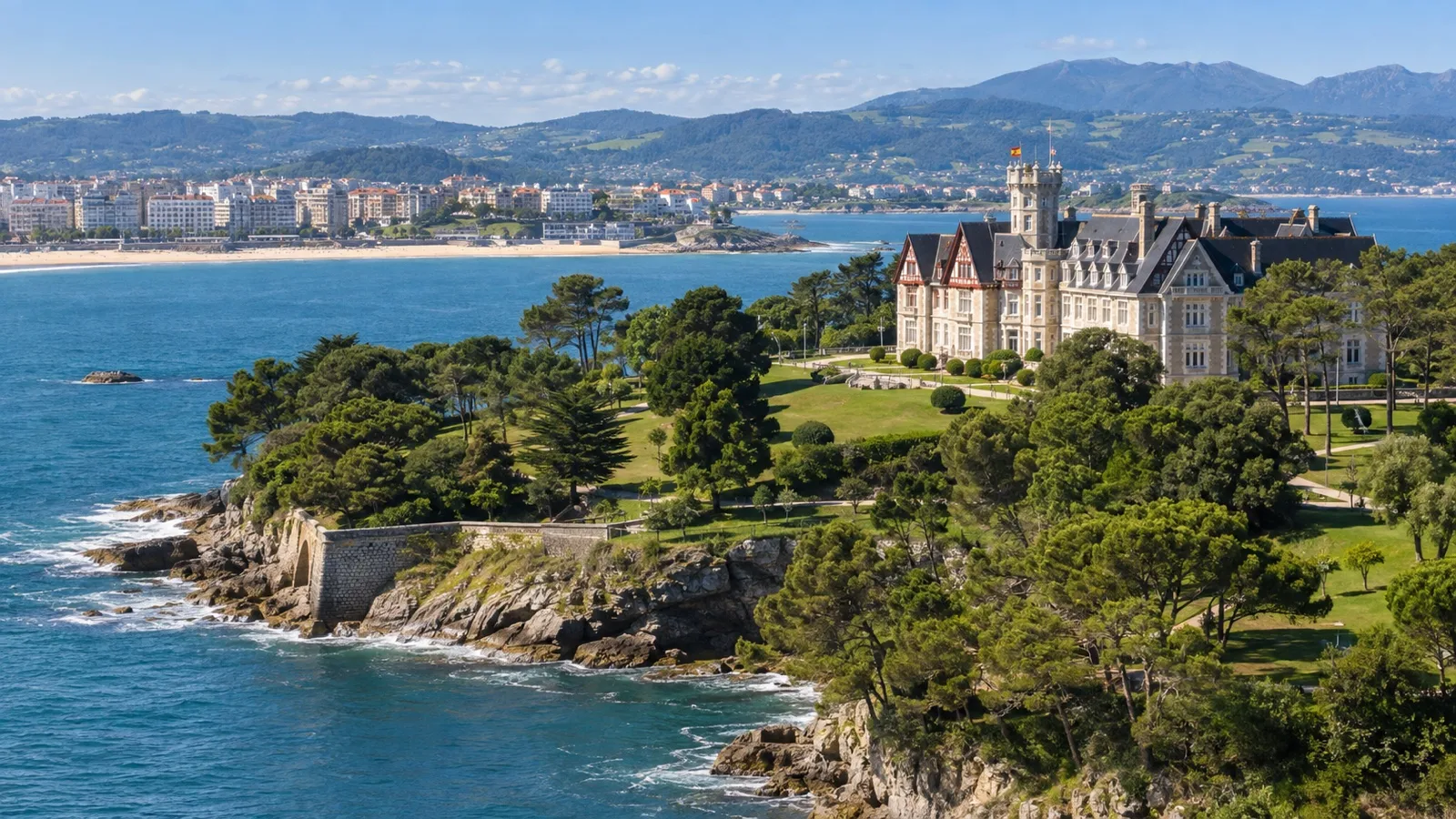
The palace was built as a royal summer residence and remains an important civic and event venue. Interior access is not guaranteed, because visits depend on the current program and building use.
Even without an interior tour, the peninsula can be rewarding for the bay views and grounds. Walking routes include slopes and distance, so choose the turnaround point according to your energy and return plan.
A small tourist road train may operate seasonally, but it should not be assumed. Confirm the day’s service and accessibility locally before depending on it to avoid the walk.
Wind can feel stronger on exposed points than in the sheltered center. Carry a light layer and protect hats, phones, and loose belongings.
El Sardinero and the beaches
El Sardinero presents Santander’s resort side, with broad beaches, the casino area, seafront walks, and views toward the open Cantabrian Sea. It pairs naturally with the Magdalena Peninsula on a bus, taxi, or panoramic tour.
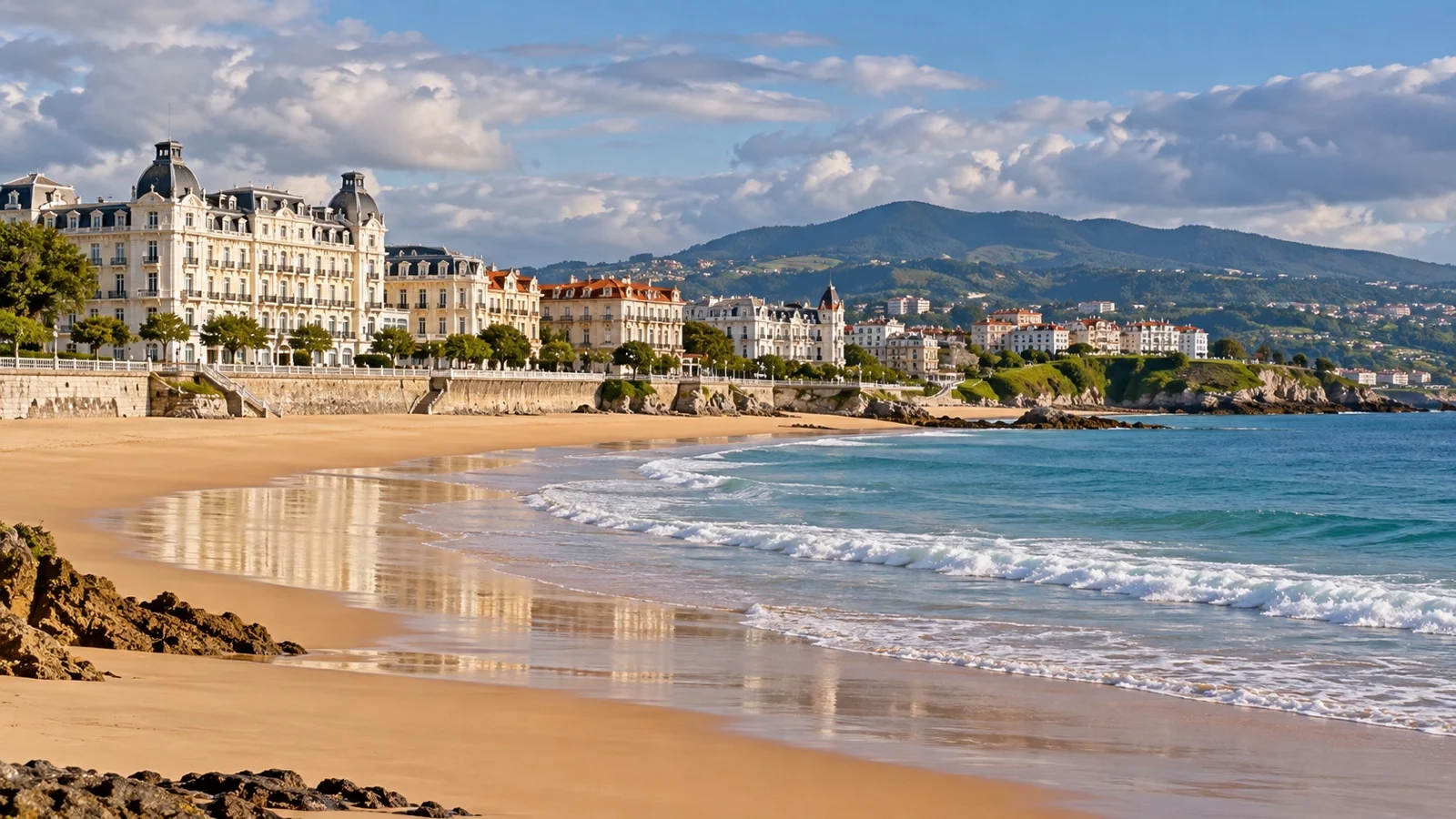
Swimming conditions are not comparable to a protected pool or calm Mediterranean bay. Watch local flags, tides, surf, and lifeguard directions, and stay out of the water if the beach is unsupervised or conditions are unclear.
A beach walk can be excellent even when the weather is too cool for swimming. The changing sky, waves, and coastal architecture give the district character in every season.
Do not leave cruise cards, identification, phones, or wallets unattended on the sand. Allow time to change and return, because wet clothing and tired legs make the journey slower.
Using Santander’s city buses
Transportes Urbanos de Santander, known as TUS, operates the municipal bus network. It can be useful for reaching Magdalena, El Sardinero, and uphill neighborhoods without turning the day into a strenuous walk.
Routes, stops, fares, payment methods, and temporary diversions can change. Use the official TUS information for your visit date and confirm the correct direction before boarding.
Build the return around an earlier bus than the last one that appears possible. Traffic, a missed stop, or a full vehicle can consume a safety margin quickly.
Taxis can simplify a small-group trip, particularly for the peninsula or beaches. Ask for the approximate fare, use an official taxi, and arrange a pickup if you travel beyond areas with regular passing traffic.
Santillana del Mar and Altamira
Santillana del Mar is a beautifully preserved historic town west of Santander and a popular regional excursion. Its stone streets, collegiate church, and compact center feel far removed from the modern port city.
The town’s paving is attractive but uneven, and vehicle access near the center can be restricted. Ask where the coach drops passengers and how much standing or walking the tour includes.
The National Museum and Research Center of Altamira is nearby and provides the visitor experience associated with the famous Paleolithic cave. The Neocave is a carefully created reproduction that helps protect the fragile original.
Do not book a standard cruise excursion expecting routine access to the original painted cave. Entry to the original is exceptionally restricted, while the museum, exhibitions, and Neocave form the dependable public visit.
Check the museum’s official ticketing, timed-entry, opening, and closure information. A combined Santillana and Altamira day can be excellent, but it needs disciplined timing and organized transport.
Comillas and Gaudí’s El Capricho
Comillas offers another side of Cantabria, with historic architecture, coastal atmosphere, and El Capricho de Gaudí. The colorful building is one of the architect’s relatively few works outside Catalonia.
Interior entry should be reserved or confirmed through the official attraction when it is central to your plan. Timed access, group schedules, and seasonal demand can determine whether a quick independent visit is realistic.
Comillas can be paired with Santillana on a longer tour, but each stop becomes shorter. Choose the combination for variety, not if you want deep time at the Altamira Museum.
An independent taxi itinerary should include round-trip commitment and a generous return buffer. Do not assume another driver will be waiting in a small town exactly when you need one.
Cabárceno Nature Park
Cabárceno Nature Park occupies a large former mining landscape southeast of Santander and houses animals in expansive enclosures. Visits typically rely on a vehicle route and current park transport rather than a compact walk between traditional zoo exhibits.
This can be a strong family excursion, but the scale matters. Ask how the cruise tour moves through the park, how many stops are included, and whether cable-car or other components are operating.
Animal visibility is never guaranteed, and weather can affect the experience. Choose the outing for the landscape and conservation-focused visit rather than a promise of close encounters.
Check the official park schedule, ticketing, accessibility, and operating notices. A vehicle-based route may sound easy, yet boarding, viewpoints, and facilities still deserve specific questions.
Weather in Cantabria
Santander’s green surroundings come with changeable Atlantic weather. A clear morning can become cloudy, windy, or wet, while rain may pass quickly enough for the afternoon to brighten again.
Pack a waterproof shell, a light warm layer, and shoes with grip. An umbrella can work in sheltered streets, but a hood is easier on windy waterfronts and headlands.
Check Spain’s State Meteorological Agency, AEMET, for the current Santander forecast and alerts. Regional excursions can experience different conditions inland or along the coast.
Do not cancel every outdoor idea because of a shower icon. Build a flexible sequence with indoor options, then watch actual conditions and official alerts.
Rainy-day choices
A wet day can still work beautifully in Santander. The cathedral if open, Centro Botín, markets, cafes, maritime or cultural venues, and a bus-based city loop reduce exposure without abandoning the city.
Confirm museum hours before walking across town. Some attractions close on particular weekdays, pause between seasons, or use timed admission.
Keep one dry layer in your bag rather than wearing everything at once. Heated interiors and buses can feel warm after a damp waterfront walk.
For a regional tour, ask whether the operator has an alternate stop if heavy rain affects outdoor access. A transparent backup plan is a sign of careful scheduling.
Accessibility and reduced-mobility planning
A central berth and level waterfront can make Santander approachable, but the city rises away from the bay. Hills, curbs, older paving, beach surfaces, and attraction entrances can change the practical route.
Ask the cruise line about gangway slope and the exact port exit. If a shuttle operates from a noncentral berth, confirm whether it has a lift and whether mobility devices require advance notice.
TUS buses may offer low-floor access, but a particular vehicle, stop, or crowd level can affect boarding. Consult current official accessibility information rather than relying on a general assumption.
The Magdalena Peninsula includes gradients and distance even when vehicle access reduces the first climb. Confirm palace access, accessible restrooms, and the closest drop-off point for your visit.
Regional attractions require separate questions about coach steps, cobbles, ramps, elevators, seating, and walking duration. A panoramic Santander tour may be the better experience when energy conservation matters.
Families and multigenerational groups
Santander works well for families because the day can mix parks, waterfront space, beaches, history, and food. You do not need a long transfer to create variety.
Magdalena and El Sardinero are natural choices for children who need room to move. Keep them close near cliffs, roads, port edges, and surf.
Cabárceno can appeal across ages, while Altamira brings prehistory to life through the museum and Neocave. Check the length of the coach journey and the amount of structured tour time before booking with very young children.
Pack layers, water, sunscreen, and familiar snacks. Northern Spain can be cool and wet even when another port on the itinerary was hot.
Food and market stops
Cantabrian food gives the city day plenty of personality. Seafood, anchovies, cheeses, pastries, pinchos, and hearty regional dishes can turn a short break into one of the port’s best memories.
Spanish lunch hours may begin later than some cruise passengers expect. Cafes and bars often provide quicker options when a full restaurant meal does not fit the schedule.
Ask the price before ordering seafood sold by weight and check the bill calmly. If gratuity is not included, rounding up or leaving a modest tip for good service is appreciated but not handled exactly like tipping in the United States.
Santander uses the euro, and cards are widely accepted. Keep a little cash for small purchases or temporary payment issues, and use bank-affiliated ATMs when possible.
Shopping and local etiquette
Central Santander offers fashion, food products, books, gifts, and specialty shops without requiring a dedicated tourist market. Keep purchases manageable if you plan to continue uphill or ride a crowded bus.
Food souvenirs should be sealed and labeled if you plan to take them through customs after the cruise. Fresh meat, produce, and dairy products may face restrictions at your final destination.
Begin conversations with “hola” or “buenos días,” and use a translation tool when needed. English is available in many visitor-facing businesses but should not be assumed everywhere.
At churches and memorial spaces, dress respectfully and keep photography discreet. At beaches and parks, follow posted local rules rather than treating the cruise schedule as an exception.
How to protect your return
Start with the ship’s all-aboard time, not the scheduled sailing time. Work backward through the port entrance, walk or shuttle, city traffic, and a buffer for getting briefly turned around.
For regional excursions, use an established operator who understands cruise schedules. Santillana, Altamira, Comillas, and Cabárceno are not places to leave at the last possible minute.
Keep your cruise card, required identification, daily program, and port-agent contact details with you. Save them offline and carry a small paper backup.
If a driver suggests an extra stop, check the clock before agreeing. A scenic detour is not worth arriving at a secured port gate after boarding has closed.
Simple plans for different call lengths
Short call
Stay in the center for the waterfront, gardens, cathedral area, shops, and food. Add only sights that leave an easy walk back to the assigned berth.
Medium call
Combine the city center with Magdalena and El Sardinero by bus, taxi, or tour. Alternatively, choose one well-timed regional destination and return directly.
Long call
A fuller Cantabria excursion may pair Santillana with Altamira or Comillas. Protect the final part of the day instead of filling it with optional shopping stops.
Common Santander planning mistakes
The first mistake is assuming every ship uses the same central quay. Confirm the berth and walking route for your specific call.
The second is trying to walk every sight without accounting for Santander’s hills. Use buses or taxis strategically to save energy.
The third is expecting routine entry into the original Altamira cave. The museum and Neocave are the standard visitor experience, while original-cave access is exceptionally restricted.
The fourth is packing for sunny Spain instead of Atlantic northern Spain. A waterproof layer and shoes with grip belong in the bag.
Frequently asked questions
Can I walk into Santander from the cruise ship?
Often yes when the ship uses a central city berth, but the assigned quay can vary. Follow the cruise line’s port instructions rather than a generic map.
Is the Magdalena Peninsula walkable from the center?
Strong walkers may cover the distance, but a bus or taxi saves time and energy. The peninsula itself adds more walking and gradients.
Can I see the original Altamira cave?
Do not plan on routine original-cave access during a cruise call. The National Museum and its Neocave provide the established public visit.
Is Santander good in the rain?
Yes. Cultural sites, markets, cafes, and city buses support a flexible day, though opening hours should be checked.
Which regional trip is best?
Choose Santillana and Altamira for history, Comillas for architecture, or Cabárceno for a landscape and wildlife-focused family outing. The best option is the one that fits the call length and your walking tolerance.
What currency do I need?
Spain uses the euro. Cards are common, but a modest amount of cash is useful for small purchases.
What should I wear?
Choose layers, a waterproof shell, and comfortable shoes with grip. Add sun protection because clear periods can still be bright on the waterfront.
My take on Santander
Santander is a port where the city itself deserves first place. The bay, gardens, cultural waterfront, Magdalena, beaches, and food can fill the day without a long coach ride.
I would go into Cantabria only for a place that genuinely excites me, then return early enough to enjoy one final look across the bay. That balance captures Santander better than a frantic checklist.
Planning sources include the Port Authority of Santander, Santander’s official tourism service, Transportes Urbanos de Santander, the National Museum and Research Center of Altamira, and AEMET. Confirm the assigned berth, transit, attraction access, regional-tour operation, weather, and all-aboard time close to sailing.