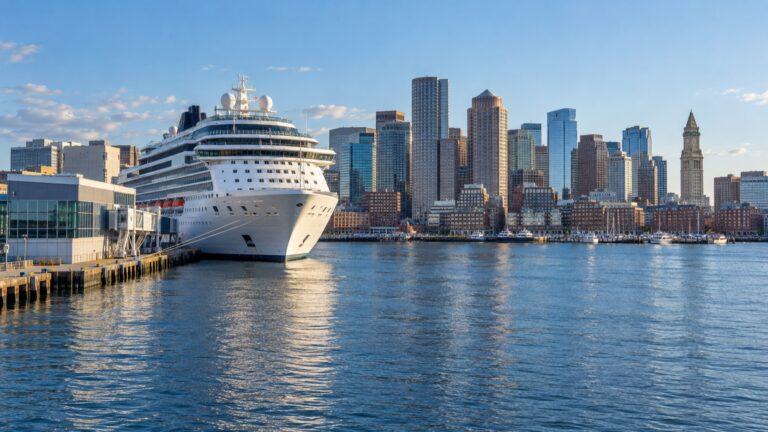
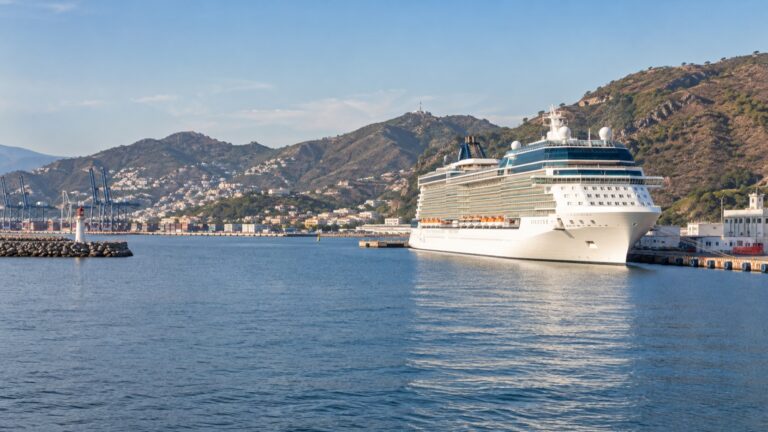
Puerto Quetzal Cruise Port: Shuttles, Antigua and Volcanoes
Puerto Quetzal is Guatemala’s main Pacific cruise gateway, but the best day is rarely spent beside the ship. The port is a working cargo complex in Escuintla, while Antigua’s courtyards, churches, coffee culture, and volcano views wait well inland.
I treat this call as a transport day with a beautiful destination at the end of it. Your berth, the internal port shuttle, road traffic, volcanic conditions, and the ship’s all-aboard time all shape what is sensible.
Puerto Quetzal Cruise Port Quick Facts
- Arrival: Cruise ships normally berth alongside inside a secure commercial port
- Walking: Do not plan to walk through the industrial port; use the provided internal shuttle or an authorized transfer
- Main excursion: Antigua Guatemala, usually requiring roughly 1.5 to 2 hours each way in favorable conditions
- Other choices: Coffee estates, carefully planned volcano viewpoints, Iximché on a long call, or a closer coastal nature outing
- Currency: Guatemalan quetzal, with cards accepted unevenly and US dollar acceptance never guaranteed
- Climate: Hot and humid at the coast, often cooler in elevated Antigua, with wetter conditions generally from May through October
- Best strategy: Reserve transport before arrival and protect a generous return buffer
Where Your Ship Docks
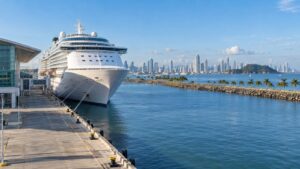
Puerto Quetzal is an alongside port rather than a tender destination. That makes the ship-to-quay step straightforward, although it does not make the wider port freely walkable.
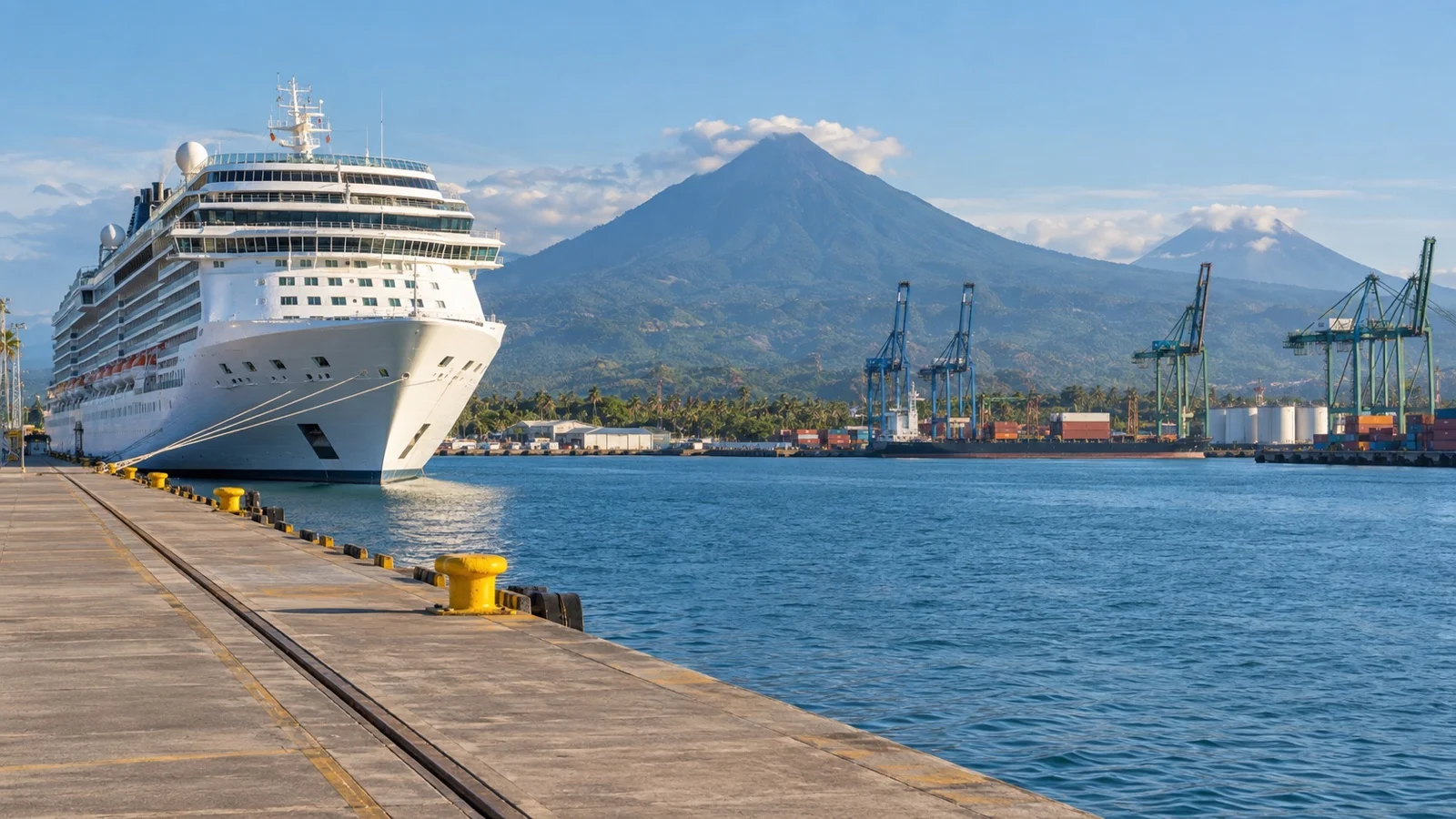
Containers, freight vehicles, restricted roads, and security controls surround the cruise berth. Follow crew directions to the designated shuttle or meet-point system instead of trying to walk toward the gates.
The exact berth and passenger arrangements can change with the day’s commercial traffic. Check the ship’s program after arrival because its instructions outrank an old map or a previous visitor’s report.
The Internal Port Shuttle
The internal shuttle bridges the secure quay and the authorized passenger area, but it is not necessarily a public sightseeing bus. A tour operator may meet you at a controlled point rather than directly beside the gangway.
Allow time for queues in both directions, especially when many passengers return together. If mobility equipment is involved, ask the cruise line before sailing whether the operating vehicle has a lift, ramp, storage, and a guaranteed accessible space.
Independent drivers cannot always enter the berth zone. Confirm the driver’s exact meeting location, the name displayed, a working phone or messaging contact, and what happens if the ship changes berth.
Is There Anything to Do at the Port?
The passenger area may have simple craft or refreshment stalls when a ship is in, but it is not a substitute for a town center. Facilities and vendor participation can vary, so arrive with essentials already handled.
Puerto San José is the nearby coastal community, yet it is not the reason most travelers choose this call. If you want a low-key day, arrange a short authorized transfer rather than assuming the port gate opens directly onto a promenade.
Antigua Is the Classic Day Trip
Antigua Guatemala is the destination that gives Puerto Quetzal its star power. The former colonial capital sits in a highland basin framed by volcanoes, with a compact historic core of cobbled streets, shaded courtyards, churches, and ruined monuments.
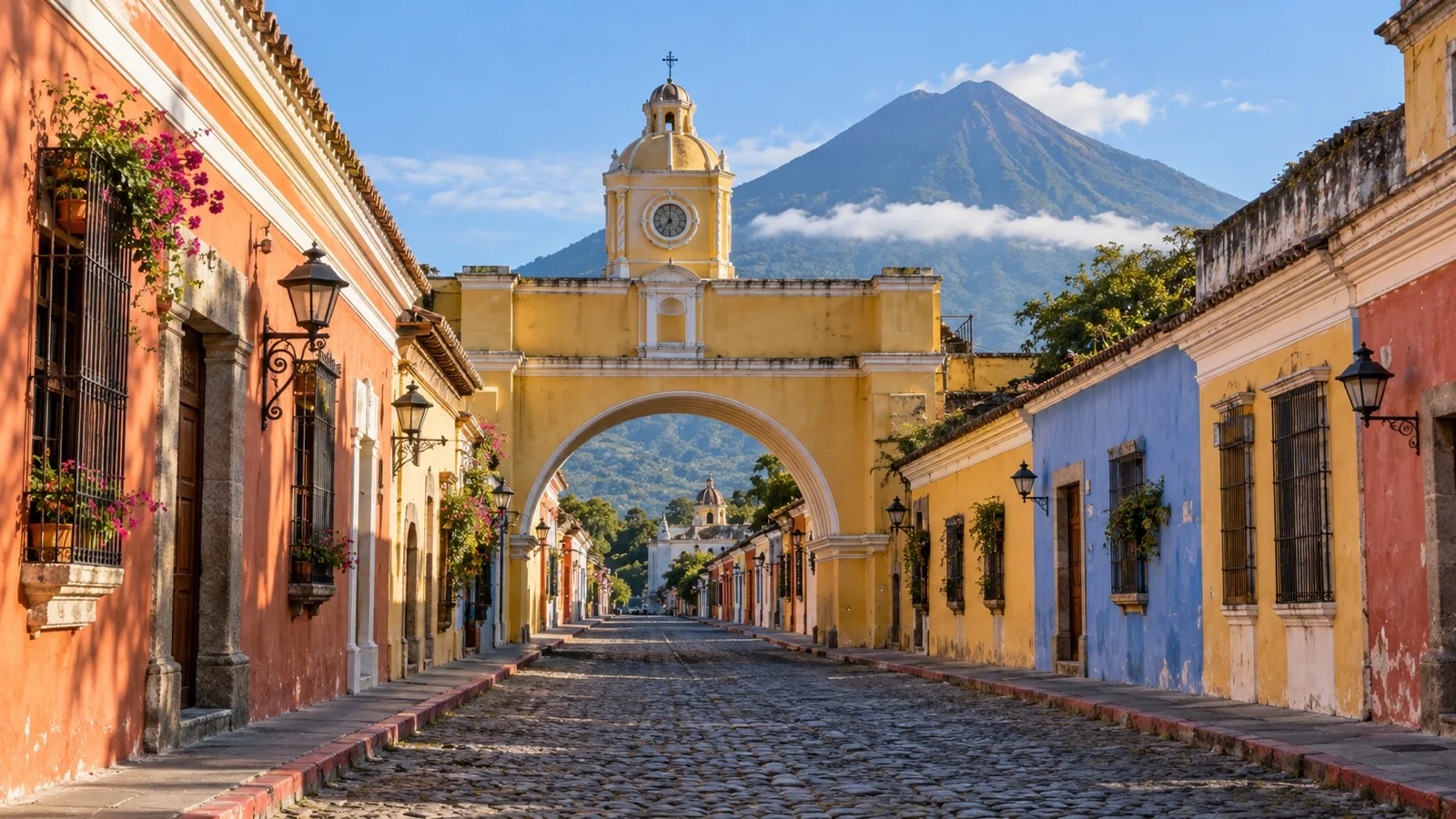
The road distance is manageable on paper but traffic makes the clock unpredictable. I would budget about 1.5 to 2 hours each way when conditions cooperate, then add reserve time rather than turning that estimate into a promise.
A ship excursion offers the clearest protection if road disruption makes the return tight. A reputable private tour can provide more flexibility, but the operator should understand cruise schedules, port access, and the need to abandon the last stop when traffic deteriorates.
A Practical Antigua Walking Route
Start near Parque Central, where the city’s plan becomes easy to understand. From there, choose a short loop rather than racing between every landmark.
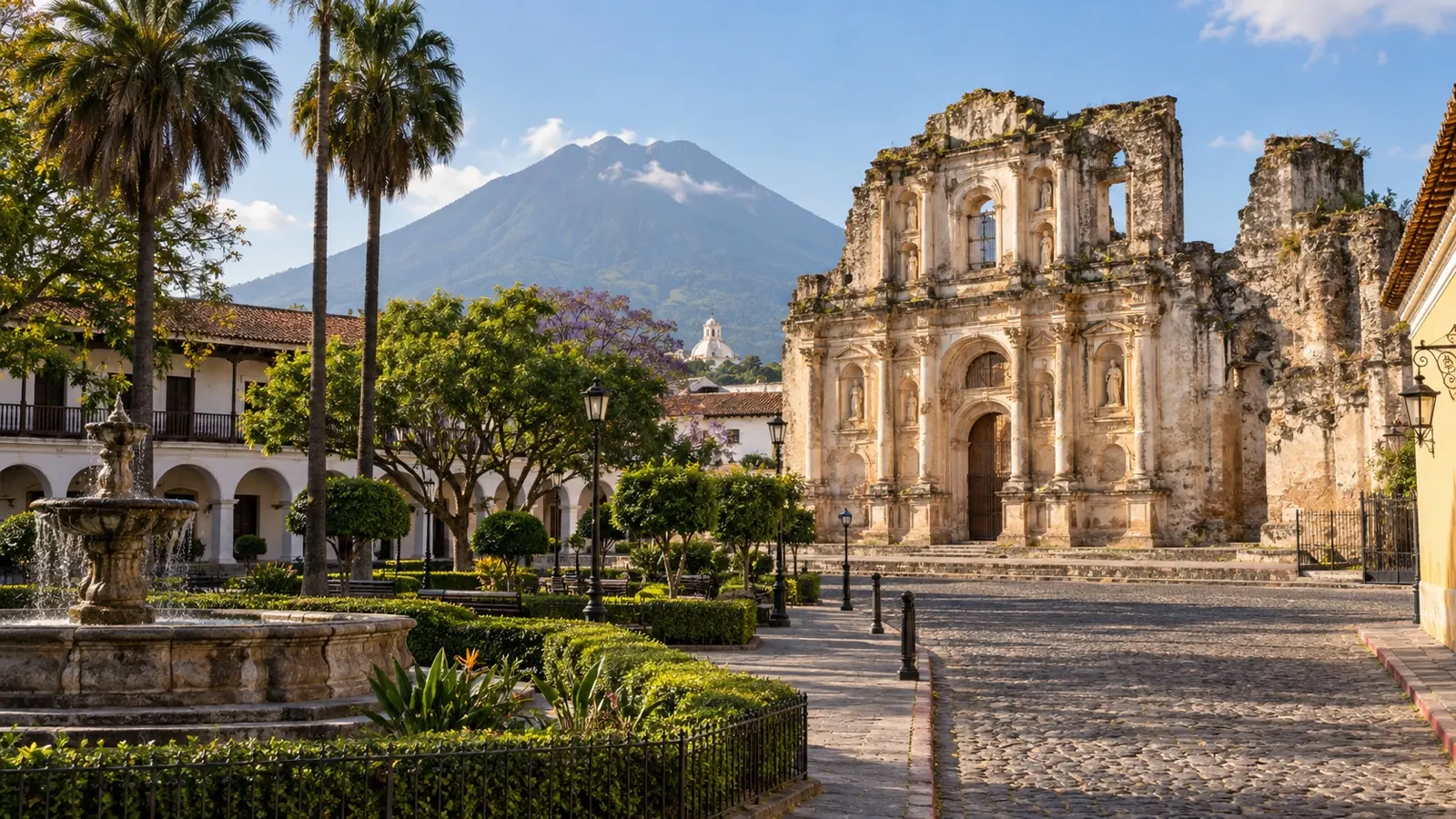
The Cathedral area, Palacio de los Capitanes Generales, Santa Catalina Arch, La Merced, and the remains of historic religious complexes can fit into a focused visit. Opening hours, restoration work, religious services, and ticket access change, so treat interiors as bonuses rather than guarantees.
Antigua rewards pauses more than checklist touring. A courtyard coffee, a market browse, or ten unhurried minutes looking back toward a volcano may become the memory that lasts.
The cobbles are beautiful but tiring, and polished stones can become slick in rain. Supportive shoes matter, while a hat and water remain useful even though the highland air may feel cooler than the coast.
UNESCO Heritage Deserves Time
UNESCO recognizes Antigua Guatemala for its surviving colonial plan, architecture, and history in an earthquake-prone landscape. That status is a reminder to visit respectfully, not merely a label for a photograph.
Some structures are active places of worship, while others are fragile ruins. Follow posted rules, ask before photographing people, and do not climb masonry or block services for a better camera angle.
Coffee and Chocolate
Guatemala’s coffee culture makes a finca visit a natural companion to Antigua. A well-designed tour can explain cultivation, processing, roasting, and tasting without demanding the physical effort of a volcano hike.
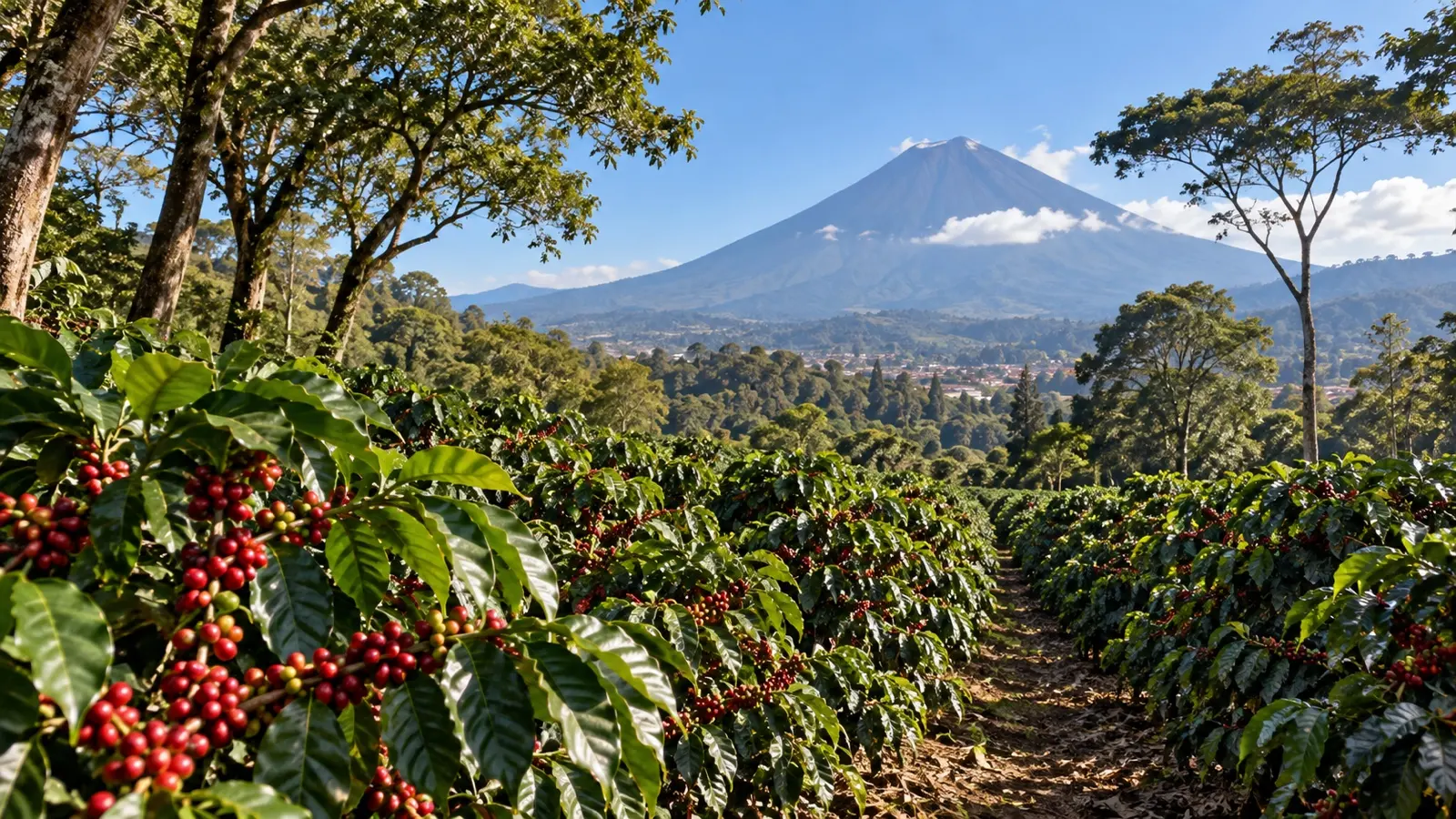
Choose one substantial coffee experience or a broad Antigua visit, then combine them only if the schedule leaves a real cushion. Estate locations, tour languages, walking surfaces, and harvest activity differ, so verify the actual property rather than relying on a generic “coffee tour” description.
Chocolate workshops and tastings can be an easier city-based alternative. They work especially well for mixed-age groups, although anyone with allergies should ask about shared equipment and ingredients.
Volcano Views Without Bad Promises
Volcán de Agua dominates many classic Antigua views, while active Fuego can sometimes produce visible plumes in the distance. Clouds, rain, haze, and volcanic activity decide what you see, so no responsible operator can guarantee a perfect panorama.
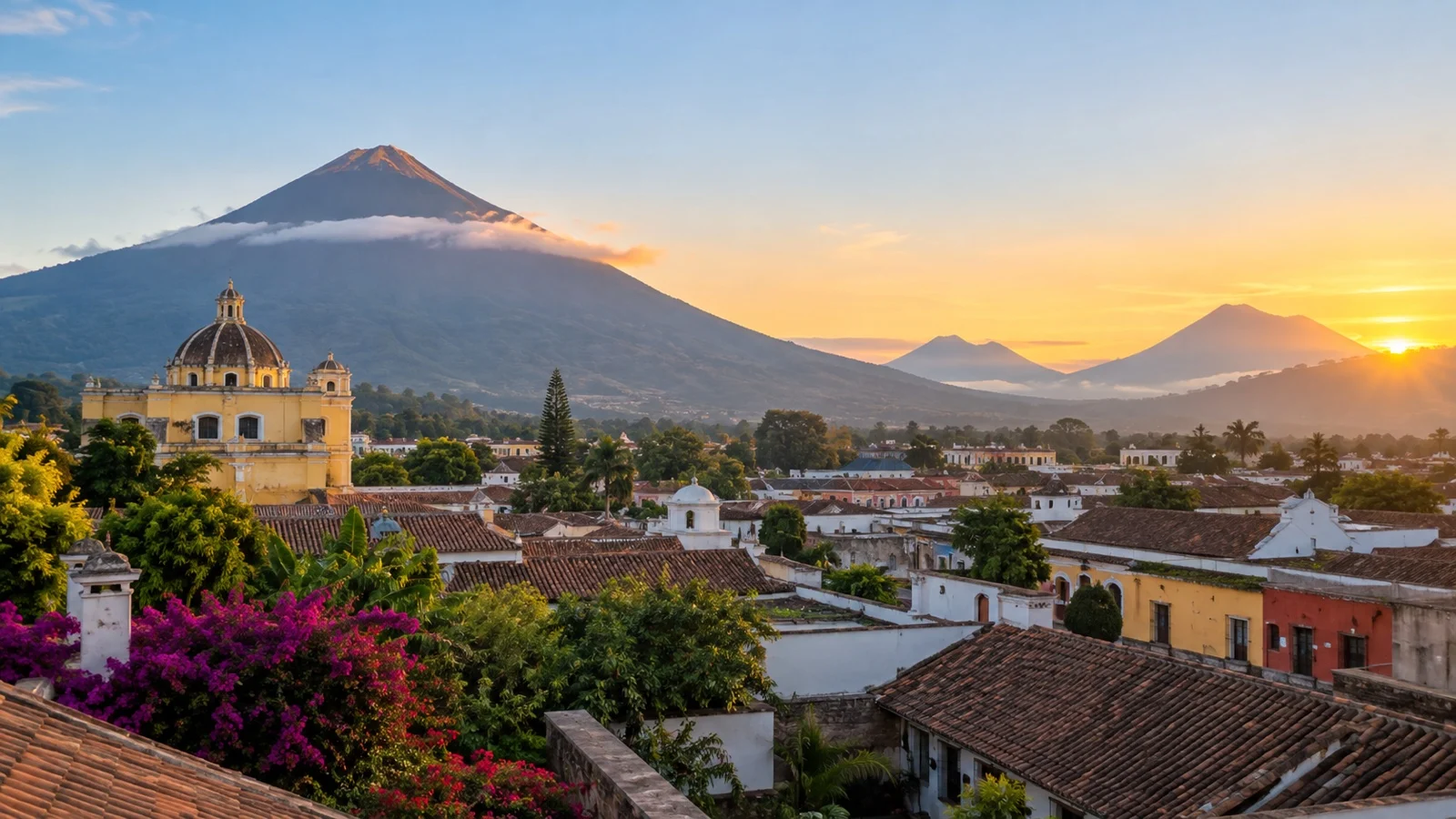
Fuego is active and must be treated as a monitored natural hazard, not an informal place to approach. Follow official bulletins from Guatemala’s INSIVUMEH and instructions from civil-protection authorities if ash, closures, or eruptive activity affects the region.
Pacaya excursions require careful scrutiny on a cruise day. Trail conditions, authorized access, guides, weather, altitude, volcanic restrictions, road time, and the participant’s fitness all matter, and photographs of glowing lava are never a reliable forecast.
I would choose a ship excursion or a proven cruise-aware operator for any volcano outing. Travelers who simply want scenery will usually get a calmer and more predictable day from Antigua viewpoints or a coffee estate.
Iximché and Maya History
Iximché, the late Postclassic Kaqchikel Maya capital, offers a different view of Guatemala’s history from Antigua’s colonial streets. Its plazas and ceremonial structures are compelling, but the inland road commitment makes it a demanding port-day choice.
Consider it only on a sufficiently long call with transport built around the ship’s schedule. Trying to combine Iximché, Antigua, a meal, and shopping usually turns cultural travel into a rushed drive.
Closer Coastal Options
A coastal nature trip can reduce the highland road exposure, although it still needs advance planning. Mangrove channels, birdlife, black-sand shorelines, or a regional attraction may be offered depending on season and current local operations.
Ask exactly how much time is spent driving, whether a boat segment uses life jackets, what shade and toilets are available, and whether wildlife sightings are seasonal. Beach conditions on Guatemala’s Pacific coast can include strong surf and hot dark sand, so a beach label does not automatically mean easy swimming.
A coastal outing is useful for travelers who prefer nature to architecture or cannot tolerate a long ride to Antigua. It should still be booked with an authorized operator who knows the secure-port meeting process.
What Is Too Far for a Normal Call?
Lake Atitlán is magnificent, but variable roads and a long transfer can consume the day. Guatemala City also introduces traffic risk without offering the compact cruise-day payoff of Antigua.
Tikal is not a sensible independent road trip from Puerto Quetzal, and a flight-based excursion adds aviation and transfer dependencies. Only consider a cruise-line program specifically built for the call, then understand that weather or operations can still cancel it.
Taxis, Drivers, and Independent Touring
Do not expect to step off the ship and negotiate casually at the hull. Secure-port rules mean the practical pickup point may be beyond an internal shuttle, and access can differ between licensed providers.
Reserve a driver who provides a full name, vehicle details, meeting instructions, itinerary, total price, included waiting time, and return commitment in writing. Confirm whether payment is in quetzales or another currency and whether card service depends on a mobile connection.
A private vehicle becomes most valuable when the group agrees on priorities before departure. Give the driver a conservative back-at-port time that includes entry procedures, not merely an arrival at the outer gate.
Accessibility and Reduced Mobility
An alongside berth removes the tender transfer, which is a meaningful advantage. The remaining chain can still include a gangway slope, internal shuttle step, vehicle transfer, uneven Antigua cobbles, narrow sidewalks, curbs, and steps at heritage sites.
Ask the cruise line to confirm every link rather than accepting the word “accessible” on its own. A wheelchair user needs a vehicle that fits the occupied chair or has agreed transfer assistance, plus an itinerary with suitable toilets and step-free stops.
Travelers who walk short distances may enjoy Antigua more with a vehicle-based overview and one compact stop. A folding seat, cane tip suited to stone, or mobility aid can help, but historic paving remains the decisive factor.
Weather, Altitude, and Volcanic Conditions
The coast is typically hot and humid, while Antigua’s elevation can make it noticeably cooler. Dress in light layers so the same outfit works in an air-conditioned vehicle, a warm highland shower, and the tropical port.
Guatemala’s wetter season generally runs from May through October, with showers, poor visibility, localized flooding, or road problems possible. Conditions can change quickly in mountain terrain even when the quay began under bright sun.
Volcanic ash or official safety measures can alter routes and close attractions. Check the cruise line’s notices and current INSIVUMEH information instead of using an old travel report to judge an active system.
Money, Food, and Connectivity
The quetzal is Guatemala’s currency. Formal restaurants, hotels, and established shops may accept cards, but small vendors, tips, minor admissions, and market purchases can require cash.
US dollars may be accepted in some tourist settings, yet exchange rates and change can be unfavorable. Carry small clean notes only as a backup and use a bank-linked ATM in a secure location if cash is needed.
Antigua is an inviting place to try pepián, tamales, tortillas, local coffee, and chocolate. Choose reputable kitchens, drink treated or sealed water, and explain food allergies clearly because sauces can contain nuts, seeds, dairy, or ingredients that are not obvious.
Mobile coverage may be good along populated routes but is not a return plan. Save the ship’s contact information, port agent details, driver number, and meeting instructions offline before leaving the berth.
Safety and Entry Requirements
Use ship-sponsored transport or a reputable authorized provider, keep valuables discreet, and avoid displaying large amounts of cash. Follow current advice from the cruise line and your government because conditions and recommended areas can change.
Passport handling, visas, tourist forms, and shore permissions depend on nationality and the vessel’s itinerary. Follow the cruise line’s written instructions and Guatemala’s current immigration requirements rather than assuming that another passenger’s rules apply to you.
Build the Return Buffer Backward
Begin with the ship’s all-aboard time, then subtract security, the port gate process, the internal shuttle, road uncertainty, and the walk from your final Antigua stop to the vehicle. The result is your real sightseeing deadline.
Tell the driver that deadline before departure and check traffic before the final activity. If delays begin building, drop shopping or a last photo stop immediately rather than spending the reserve you created.
Independent travelers carry the consequences of a late return. A relaxed hour aboard is a far better ending than watching the clock from a blocked highland road.
Frequently Asked Questions
Do cruise ships tender at Puerto Quetzal?
Cruise ships normally berth alongside. Passengers still use controlled transport inside the secure commercial port, so docking does not mean you can walk freely to the public road.
Can I walk from the ship into town?
No practical tourist route leads through the industrial port. Use the designated internal shuttle and an authorized onward transfer.
Is Antigua worth the drive?
Yes, for most first-time visitors it is the strongest choice. Its UNESCO-listed core, volcano setting, food, coffee, and compact sights justify the transfer when the call is long enough.
Can I visit a volcano independently?
A simple viewpoint may fit a private tour, but a hike requires current access information, an appropriate guide, sufficient fitness, and a large time margin. Active-volcano conditions can change, and a cruise day is not the time to improvise.
Is Puerto Quetzal wheelchair accessible?
The alongside berth helps, but the shuttle, tour vehicle, and Antigua’s cobbles can create barriers. Arrange accessible capacity in advance and request details for each transfer and stop.
What should I book first?
Book the transport that gets you out of the secure port and back on time. Once that chain is confirmed, choose one main experience and let everything else remain optional.
My Puerto Quetzal Port-Day Strategy
For a first visit, I would choose Antigua with a focused walking loop, a good lunch or coffee stop, and a deliberately early departure for the ship. Travelers avoiding the long highland road can choose a vetted coastal nature outing, while active adventures should be booked only with current official conditions in mind.
Confirm live port arrangements with Empresa Portuaria Quetzal, destination guidance with INGUAT, Antigua’s heritage context with the UNESCO World Heritage Centre, and volcanic information with INSIVUMEH. Your cruise line’s berth, shuttle, immigration, excursion, and all-aboard instructions remain the final authority for your sailing.