Puntarenas Cruise Port: City Pier, Caldera and Wildlife Trips
Puntarenas gives cruise travelers a rare choice on Costa Rica’s Pacific side. You can step from the city pier into a lively waterfront day, or use the call as a launch point for crocodiles, scarlet macaws, cloud forest, coffee country, or the islands of the Gulf of Nicoya.
The first line of your plan should be the exact port printed on the ship’s daily program. Puntarenas Cruise Terminal and Puerto Caldera serve the same broad coast, but they create very different walking and transfer days.
Know whether you have Puntarenas or Puerto Caldera
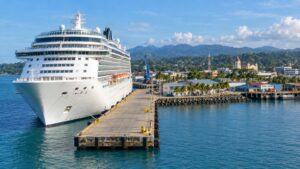
At the Puntarenas cruise terminal, ships berth at a long city pier on the narrow peninsula. Costa Rica’s port authority, INCOP, describes a 553.44 meter pier with passenger platforms, safety markings, and a small tourist train for movement along the structure.
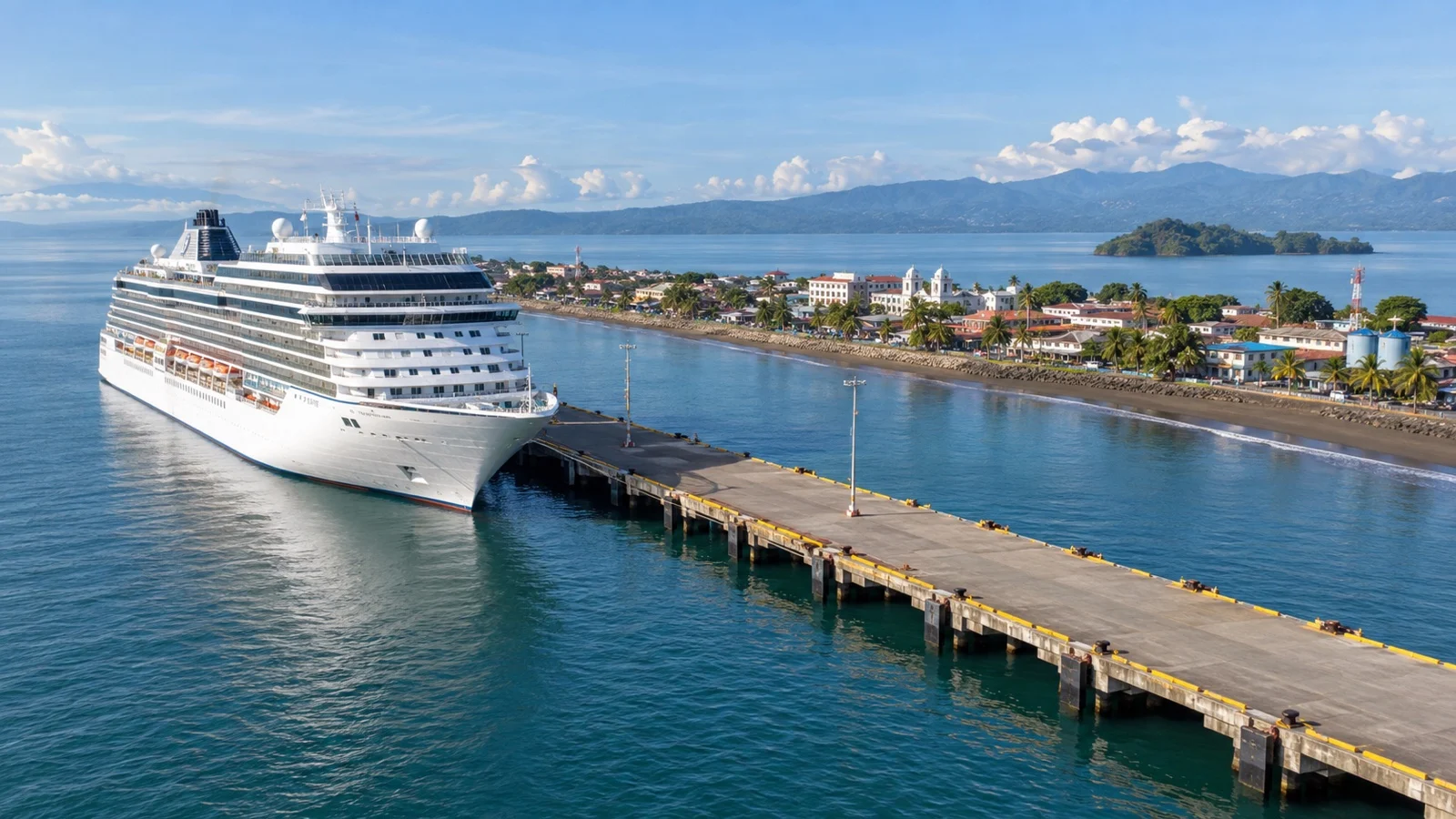
That setup puts the public waterfront and town close to the landward end of the pier. It is the easy version of the call for anyone who wants to browse stalls, walk the promenade, taste local food, and return to the ship without a major road transfer.
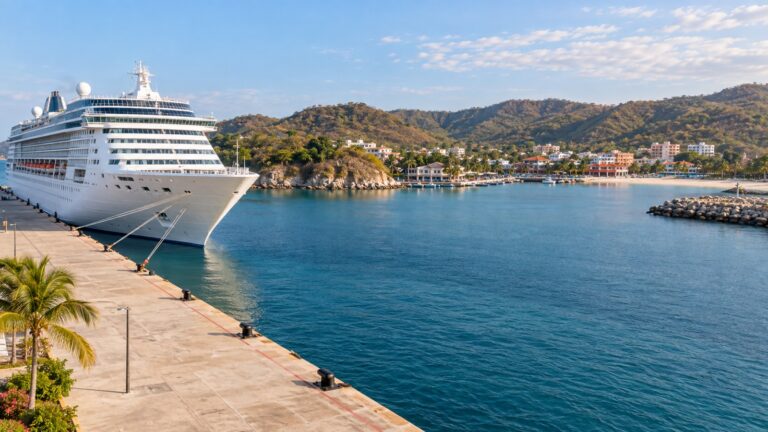
Puerto Caldera is a separate commercial harbor southeast of the city. If your itinerary says Caldera, do not assume you can follow Puntarenas walking directions, because organized transport or a taxi becomes the starting point for almost every plan.
Both locations normally handle cruise ships alongside at an assigned berth, although daily operations and ship size control the actual arrangement. Check the live schedule and onboard announcement rather than relying on a map pin or an old review.
Quick Facts
- Primary cruise locations: Puntarenas city pier and the separate Puerto Caldera commercial port
- City pier advantage: direct access to the peninsula waterfront after the pier walk or port transport
- Caldera reality: expect a vehicle transfer for town sightseeing and most excursions
- Best easy day: Puntarenas promenade, local market browsing, and seafood or a Churchill dessert
- Best wildlife pairing: Tárcoles River and Carara National Park
- Island option: boat excursion in the Gulf of Nicoya, with weather and sea conditions controlling the day
- Longer inland options: Monteverde, coffee country, Sarchí, or San José only with a conservative schedule
- Currency: Costa Rican colón, with cards widely useful in established businesses
- Weather: tropical sun, humidity, and sudden rain all belong in the same day plan
- Return rule: protect a larger margin for mountain roads, boat connections, and Puerto Caldera transfers
A city day can be wonderfully simple
Puntarenas is a working port town with an elongated waterfront rather than a polished resort enclave. The Paseo de los Turistas gives you sea views, food counters, souvenir shopping, shade breaks, and an easy sense of local rhythm within a compact area.
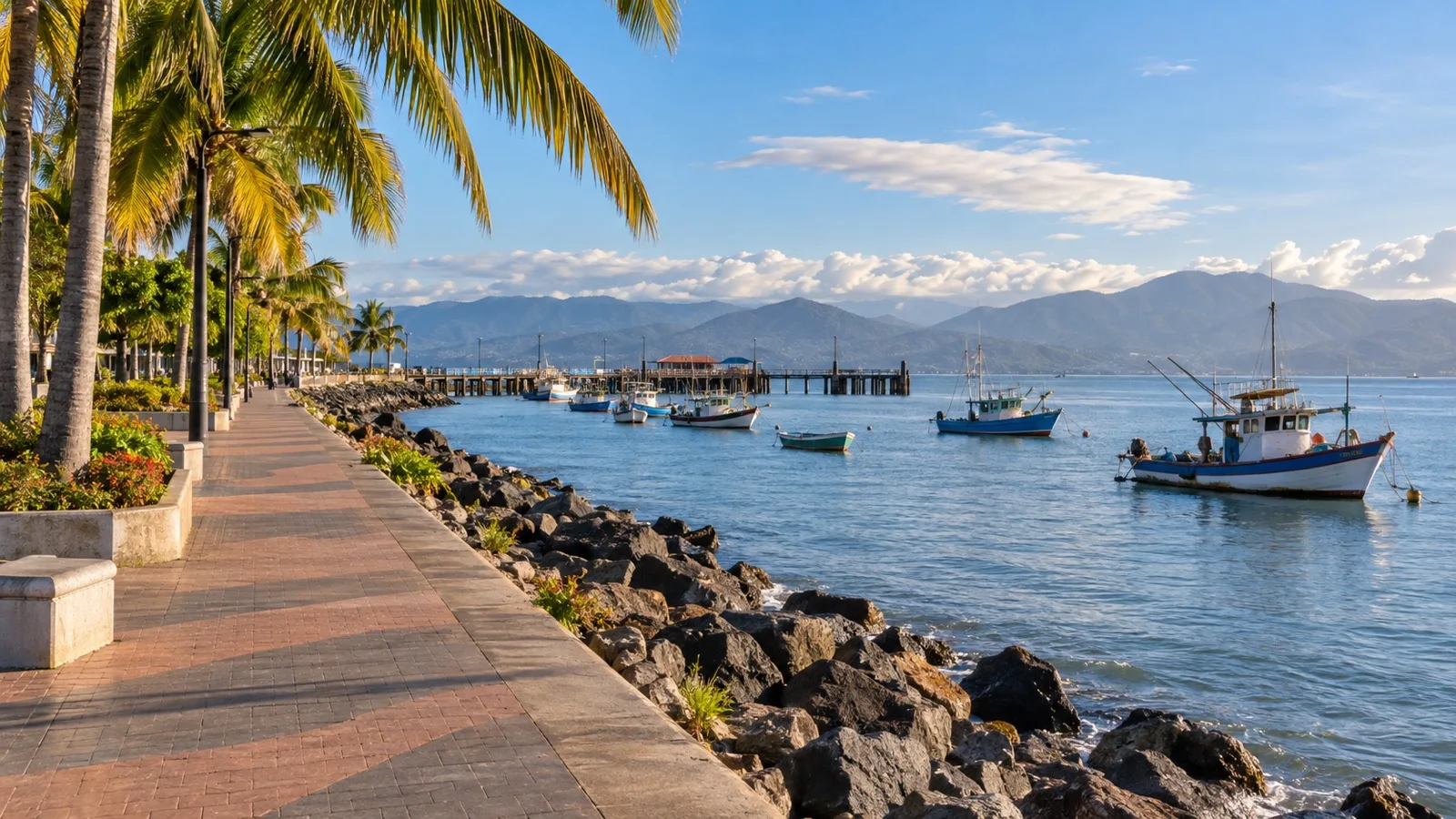
The classic treat is a Churchill, a tall shaved ice dessert layered with syrup, milk, and other sweet additions that vary by vendor. It is delicious, messy, and exactly the kind of pleasure that makes a short independent day feel specific to the place.
Seafood is another natural choice, but let freshness, cleanliness, and your own food sensitivities guide the decision. A busy restaurant with clear pricing is a calmer bet than trying to maximize novelty before a long tour.
The city plan suits travelers who dislike long bus rides or want control over their pace. It also leaves room to return to the ship for lunch or a rest, assuming the pier and security procedures allow normal reentry during the call.
Tárcoles and Carara make a strong wildlife day
A boat trip on the Tárcoles River is popular for American crocodiles, shorebirds, mangroves, and the chance to see other wildlife from the water. Sightings remain natural and unscripted, so choose an operator that watches animals without crowding or feeding them.
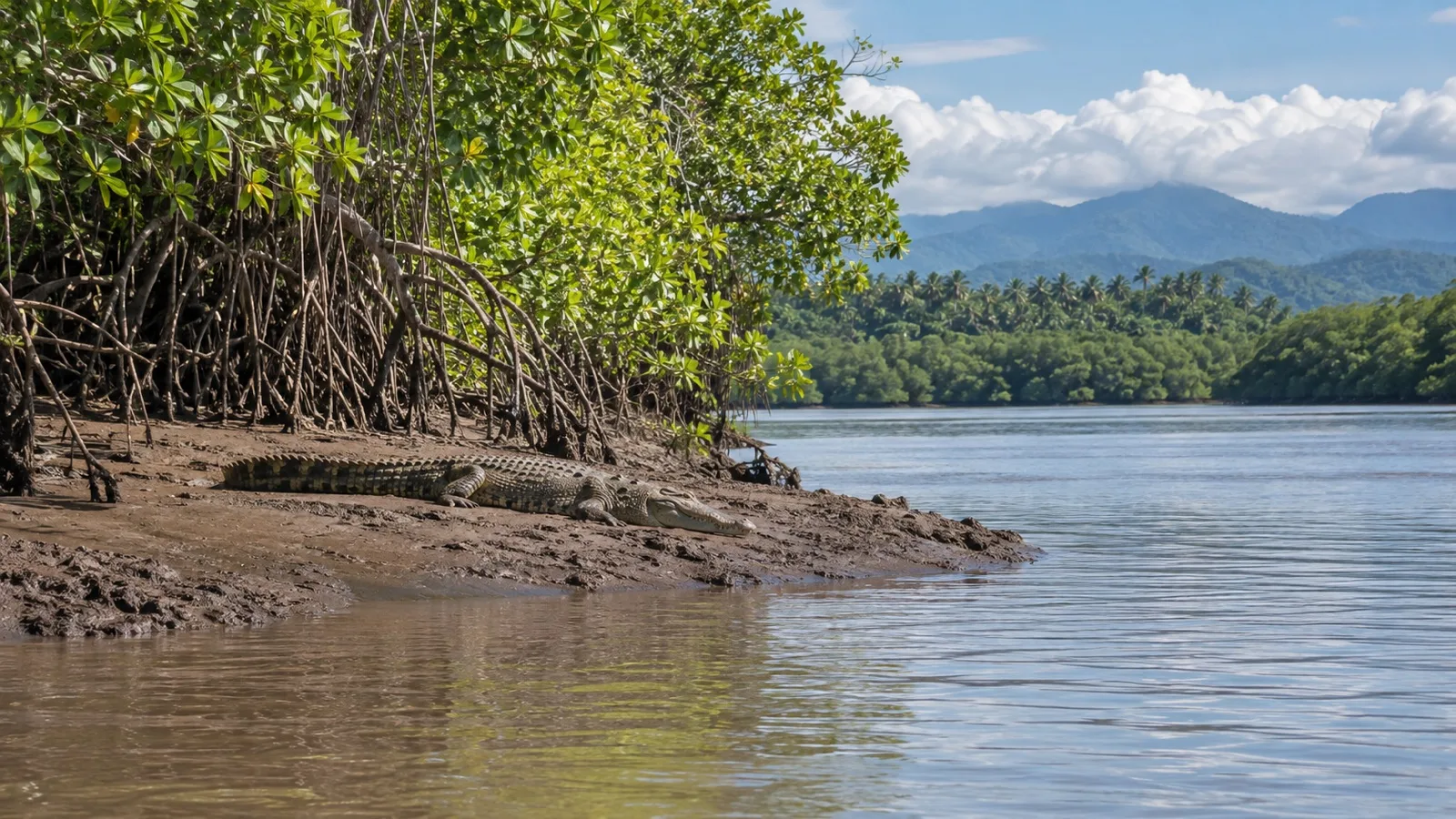
Nearby Carara National Park protects a transition zone between tropical dry and wetter Pacific forest. It is particularly associated with scarlet macaws, but no guide can promise a bird at a certain branch or hour.
The river and park can complement each other because they reveal different habitats without sending you deep into the mountains. Even so, road conditions, park entry arrangements, walking surfaces, and the boat departure point need to fit the ship’s schedule.
Use Costa Rica’s National System of Conservation Areas for current park rules and ticket guidance. If advance reservations are required, a tour confirmation is not automatically the same thing as a park admission unless the operator says so in writing.
Tortuga Island is a boat day, not a beach transfer
Tortuga Island excursions trade road travel for a marine journey across the Gulf of Nicoya. The appeal is clear water, a beach setting, and time away from the mainland, but the schedule depends on boat speed, sea state, boarding procedures, and the exact departure location.
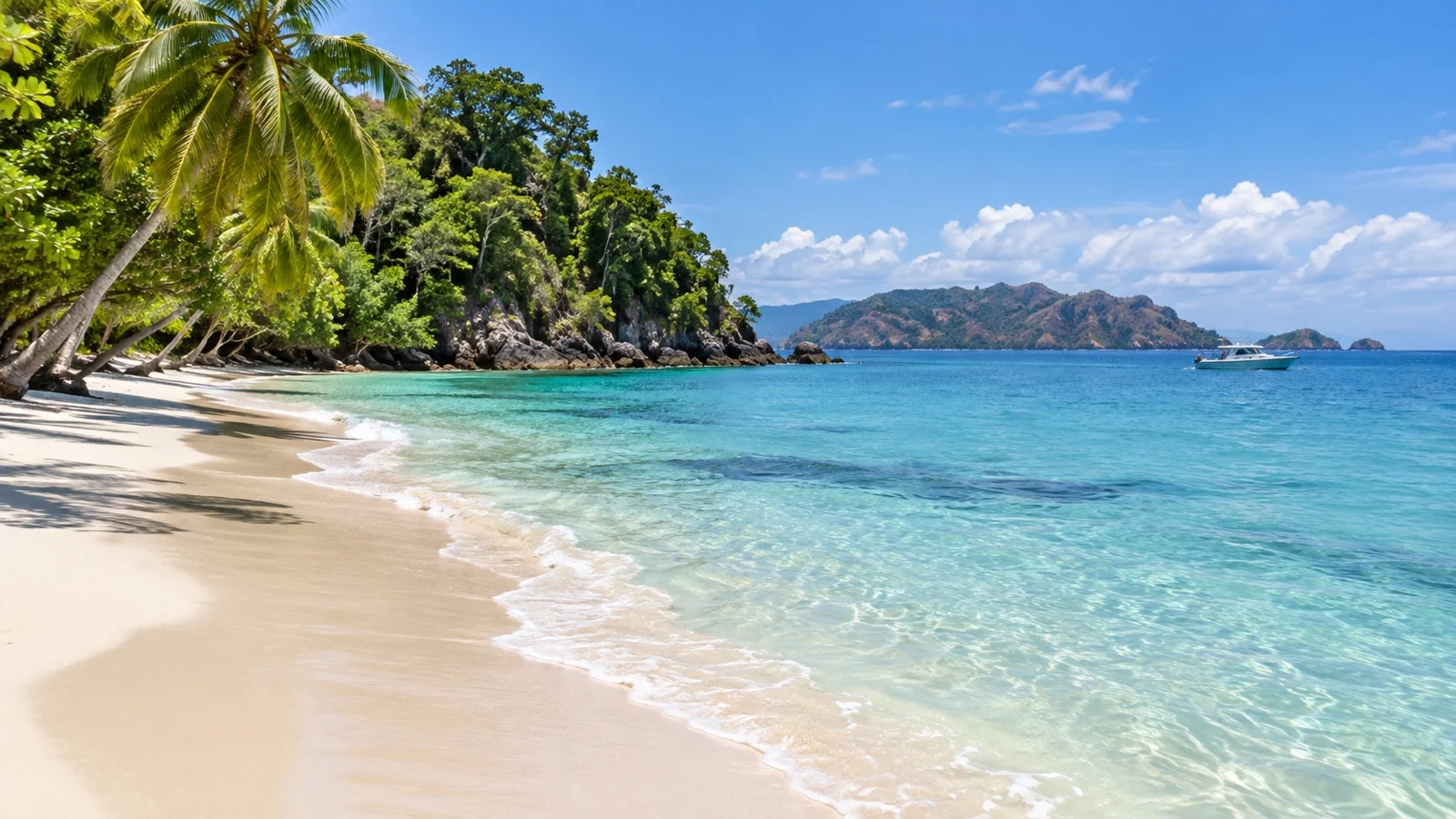
Ask whether the excursion leaves from Puntarenas, another Gulf port, or a marina reached by bus. Also confirm the return contingency, because a delayed boat can consume the margin faster than a delayed city walk.
Snorkeling visibility and wildlife vary with weather and water conditions. Travelers with limited mobility should ask about dock versus beach landing, boat steps, wet boarding, shade, restrooms, and the ability to remain aboard.
Monteverde is beautiful and demanding
Monteverde is one of Costa Rica’s great nature destinations, known for cool, misty cloud forest and an elevation around 1,600 meters. The official Visit Costa Rica site highlights its trails, green views, and dense fog, which tells you why it feels so different from hot Puntarenas.
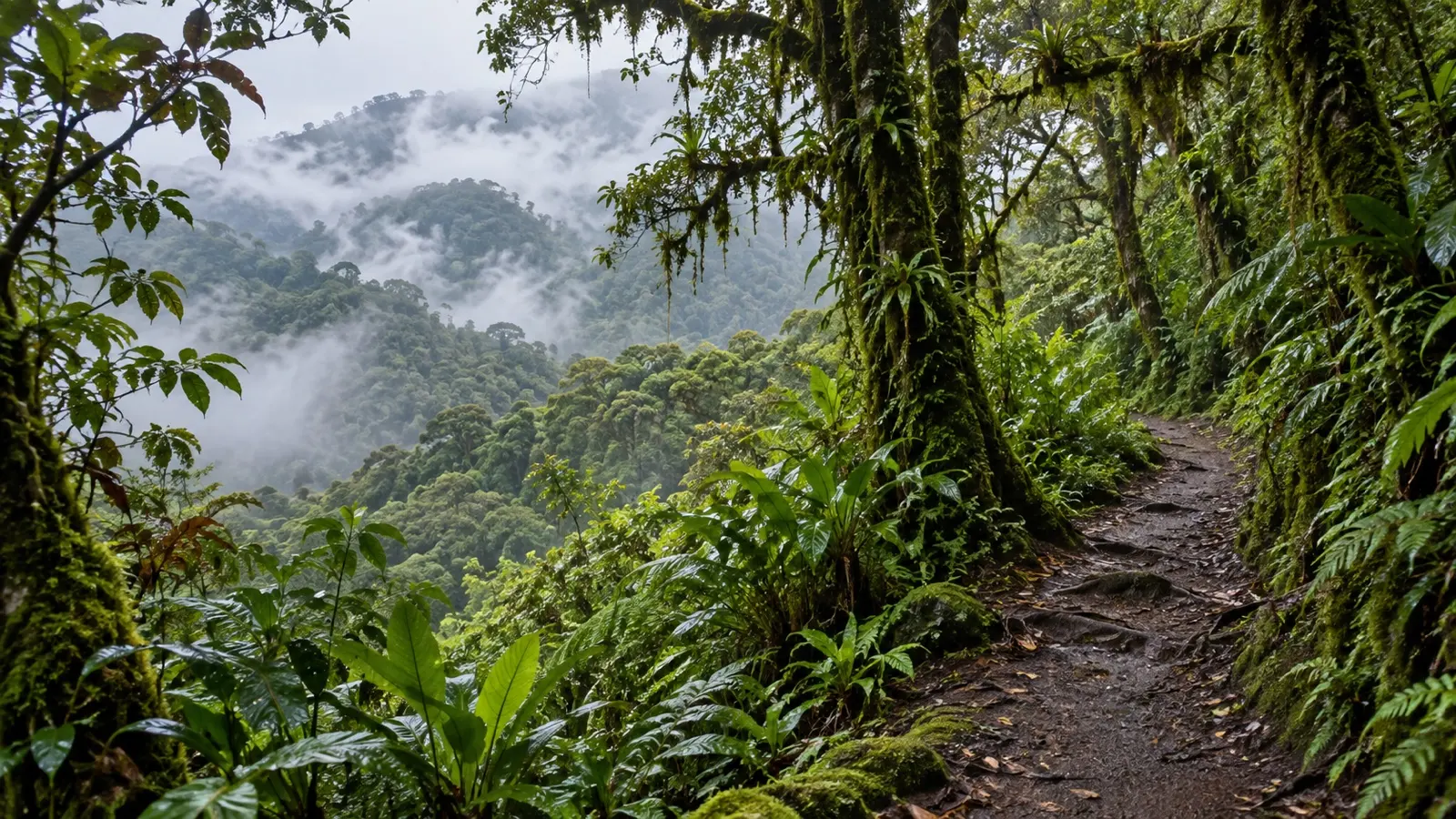
It is also a long mountain outing for one port day. Winding roads, weather, traffic, entry timing, and the walk itself can make the journey feel rushed, particularly from a Caldera call with a shorter stay.
Choose Monteverde only when a cruise focused operator has designed the route around your ship. If the itinerary spends more time promising stops than explaining the return buffer, I would select a closer forest experience instead.
Temperature changes matter here, too. Pack a light rain layer and shoes with real traction even if the pier feels bright and fiercely warm when you depart.
Coffee country, Sarchí, and San José
Central Valley excursions can introduce coffee production, artisan traditions, gardens, and Costa Rica’s urban history. They also bring the highest exposure to highway traffic and a day shaped by bus windows rather than the sea.
A coffee estate visit works best when the tour explains the growing, processing, and tasting sequence instead of treating the property as a gift shop. Verify whether steps, sloped paths, or uneven farm surfaces are involved.
Sarchí is associated with painted oxcarts and woodworking, while San José offers museums and civic landmarks. Each is more sensible as a focused destination than as one item in an overloaded inland circuit.
The official tourism board describes the Puntarenas region as a port of call and excursion center near the Central Valley, but closeness on a national map is not a guarantee of cruise day timing. Road incidents and congestion deserve a real margin in both directions.
Match the excursion to your energy
Low effort and flexible
Explore the Puntarenas waterfront, pause for a Churchill, and browse close to the pier. From Caldera, arrange a short transfer to a defined viewpoint or restaurant instead of assuming an independent promenade day begins at the gangway.
Moderate wildlife day
Combine a guided river cruise with a short forest walk or viewpoint, keeping the program compact. This gives you a satisfying nature story without the longest mountain roads.
Full day adventure
Choose Monteverde, a Gulf island, or a Central Valley route as the single headline. Do not stack one of these with ambitious independent shopping afterward, because the final miles back to port deserve protection.
Accessibility starts with the correct port
Puntarenas pier has passenger handling infrastructure, but its length can still matter to someone with low stamina. Ask whether the small port train or another mobility service will operate for your ship and whether a wheelchair can remain unfolded.
At Caldera, accessible transport becomes the central question because the commercial port is not the town promenade. Confirm lift equipment, securement, vehicle steps, and the exact pickup position before booking.
A river boat may require narrow steps or a transfer across a moving surface, while forest trails can be uneven, damp, and rooted. The phrase easy walk means very little unless the operator provides distance, gradient, surface, restroom, and seating details.
Travelers who cannot manage a beach landing should avoid vague island descriptions. Ask directly whether boarding is from a fixed dock and how passengers reach the sand at the destination.
Pacific weather can rewrite the plan
Puntarenas is hot and humid for much of the year, yet tropical rain can arrive quickly and heavily. Sun protection and a compact rain shell belong in the same day bag.
Wet season showers do not automatically ruin an excursion, but they change trail traction, river levels, visibility, and drive times. A responsible operator should adjust the order or shorten a stop when conditions require it.
Heat can be more tiring on the exposed pier and promenade than travelers expect. Drink steadily, seek shade before you feel overheated, and save enough energy for the walk or transport back to the gangway.
Return timing is the real itinerary
For a town day from the city pier, your main variables are walking pace, security, and the pier distance. A Tárcoles or Carara outing adds highway and group timing, while Monteverde or the Central Valley demands a much wider road buffer.
Island excursions add boat operations and sea conditions to the equation. Confirm who is responsible if the marine route changes and whether the operator routinely serves cruise passengers.
Tell an independent guide your all aboard time rather than only the ship’s sailing time. Set your personal return target earlier, and do not spend that reserve on one final roadside stop.
Money, language, and practical preparation
Costa Rican colones are the local currency, and cards are commonly useful in established tourism businesses. Carrying a modest amount of cash helps with small purchases, but agree on currency before accepting a taxi price or market transaction.
Spanish is the main language, while English is common in organized tourism. Save destination names and your port in writing, especially because Puntarenas and Puerto Caldera must not be treated as interchangeable return points.
Download maps, tickets, and confirmations before leaving the ship. Keep the port agent number and ship contact details offline, along with a photograph of the daily program showing all aboard time.
Food, wildlife, and responsible choices
Choose wildlife operators that keep appropriate distance and do not manipulate animals for tips or photographs. Crocodiles, monkeys, macaws, and marine life are most memorable when their behavior remains their own.
Costa Rica’s official tourism platform emphasizes the Puntarenas region’s islands, beaches, and protected areas. That variety is a reason to choose carefully, not permission to compress an entire country into eight hours.
Buy locally when you can, ask permission before photographing people, and leave shells, plants, and wildlife where they belong. Small decisions are part of whether a busy cruise season benefits the coast without wearing it down.
The best Puntarenas plan
First, circle the exact port name on your daily program. Then choose one main theme, whether it is the peninsula, wildlife, an island, cloud forest, or coffee, and build the return margin before adding extras.
Check the current INCOP cruise schedule, consult Visit Costa Rica’s Puntarenas guide, and use SINAC for protected area requirements. Your ship remains the authority for the day’s berth, gangway, and all aboard instructions.
Puntarenas can be a relaxed port day or a sweeping Costa Rican adventure, but it should not try to be both at once. Make one confident choice, leave room for tropical conditions, and the coast will give you far more than a frantic checklist.
Respect the port printed on your itinerary and protect your return time with the same care you give the excursion. That simple discipline leaves space for wildlife, weather, and a little pura vida to shape the day.