Aruba, Curaçao or Bonaire: Which Island Best Matches Your Interests?
Aruba, Curaçao, and Bonaire share a sunny corner of the Caribbean, not one personality. I match the island to the traveler first, because copy-and-paste planning is how someone who wanted reefs ends up shopping beside a very pretty bridge.
Aruba is the easiest crowd-pleaser, Curaçao is strongest for city-and-culture days, and Bonaire is the clear specialist for reef lovers and quiet exploration.
The short answer
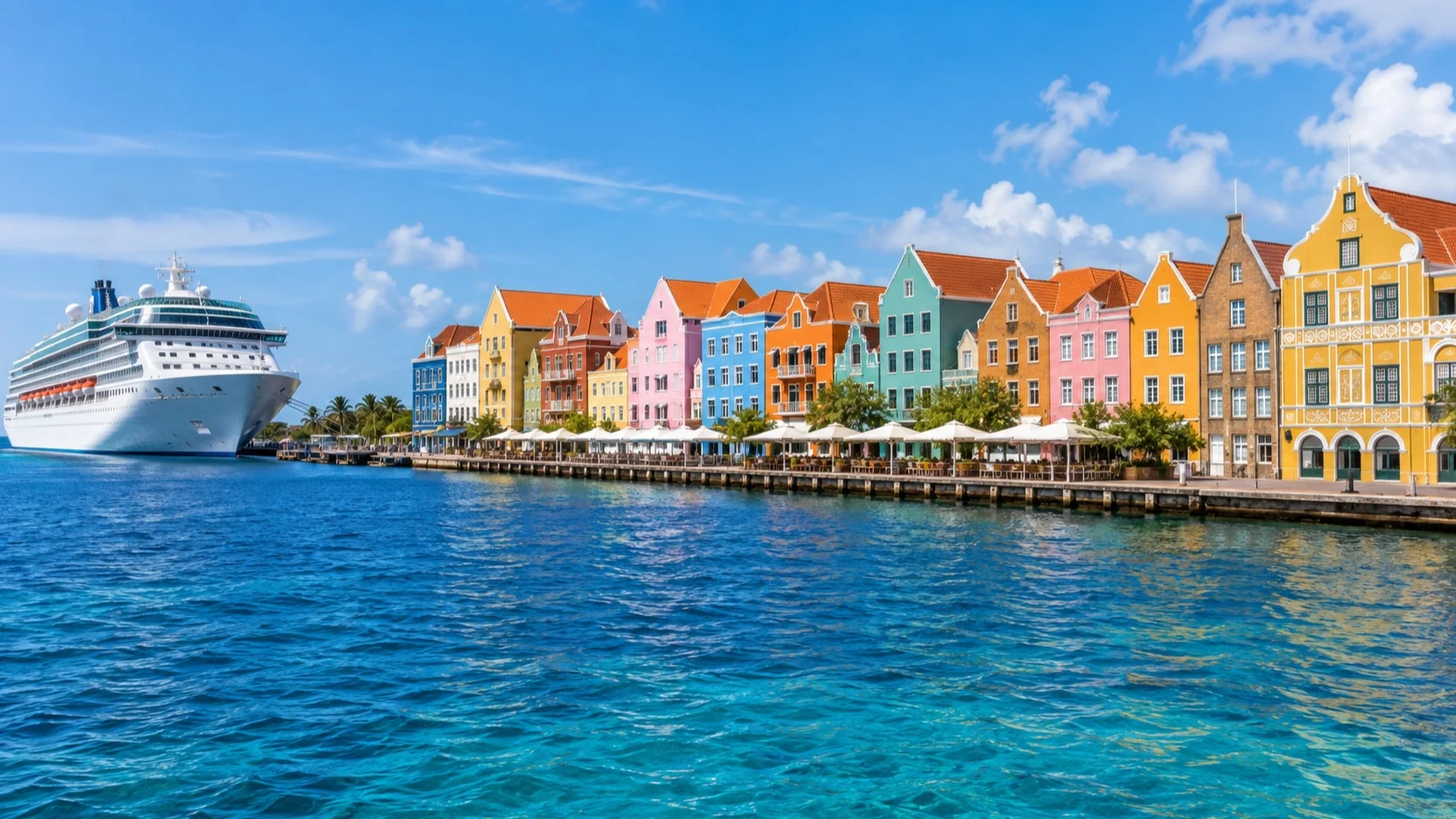
Choose Aruba for polished beaches, broad activity choice, and a straightforward first visit. Choose Curaçao for colorful Willemstad, food, architecture, museums, and a day that mixes culture with a beach or island drive.
Choose Bonaire for snorkeling, diving, nature, and a slower island feel. It is the most distinctive choice for serious water time, but it is less compelling for travelers expecting a large resort scene or a packed shopping district.
Aruba, Curaçao and Bonaire Quick Facts
- Best all-around first visit: Aruba.
- Best walkable urban experience: Curaçao.
- Best snorkeling and diving focus: Bonaire.
- Best for beach clubs and resort-style comfort: Aruba.
- Best for architecture, history, and food: Curaçao.
- Best for a quieter nature day: Bonaire.
This comparison is about fit, not declaring one island universally better. Your port hours, berth, mobility, water confidence, crowd tolerance, and the conditions on your actual day matter more than a permanent ranking.
Aruba: the flexible crowd-pleaser
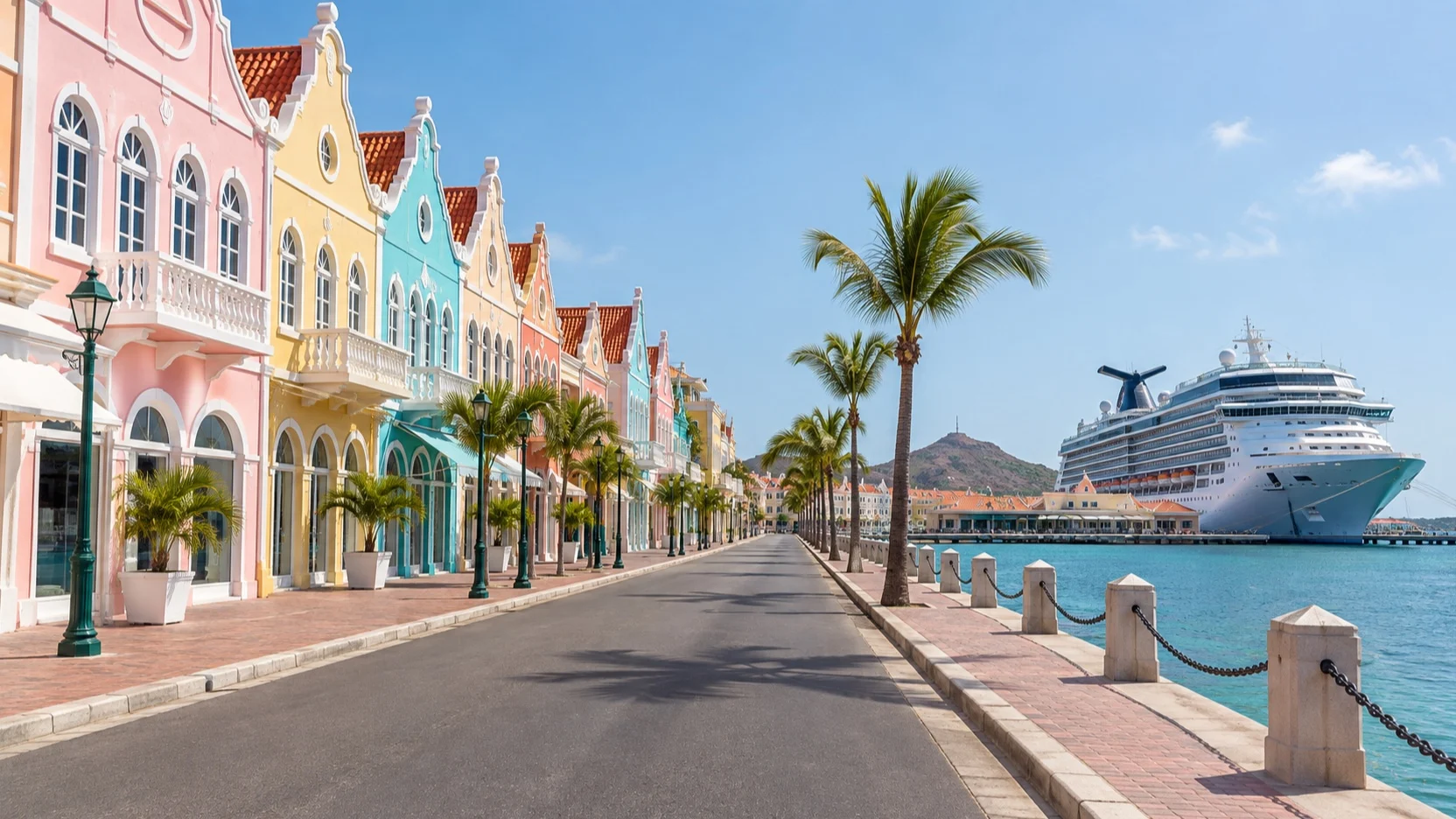
Aruba is the easiest island in this trio to recommend to a group with competing wish lists. It offers famous beaches, an active resort corridor, watersports, desert scenery, shopping, restaurants, and a compact capital with services near the cruise area.
Our Aruba cruise port guide explains the Oranjestad starting point. The official Aruba tourism page for Oranjestad notes that the downtown trolley connects the cruise terminal area with central streets and museums, although operating details should be checked for the day.
Who will love Aruba
Choose Aruba when your group wants recognizable beach-day infrastructure and the freedom to scale comfort up or down. One traveler can reserve loungers and food service while another adds a watersport or short outing, provided the chosen location supports both.
Aruba also suits first-time visitors who feel better with established transportation and a broad tourism network. That convenience can reduce planning friction, although it does not eliminate the need to confirm fares, return arrangements, and beach facilities.
Aruba’s best non-beach angle
The island’s dry landscape separates Aruba from the greener Caribbean image many travelers expect. A responsible island tour can combine rocky coastline, cacti, cultural stops, and viewpoints, creating a strong alternative for non-swimmers.
If Arikok National Park is your priority, check the Fundacion Parke Nacional Aruba for official information, rules, alerts, and visitor guidance. Terrain, road requirements, heat, and access vary across the park, so choose transportation suited to the exact route.
Where Aruba can disappoint
Aruba’s most famous beaches and resort areas can feel busy when several ships and land visitors converge. A high-priced package may buy predictability rather than solitude, so read inclusions closely and decide whether reserved space is worth the premium.
Travelers seeking a compact colonial city as the entire day’s centerpiece may prefer Curaçao. Serious divers may also find Bonaire’s marine identity more central to the destination.
Curaçao: the richest city-and-culture day
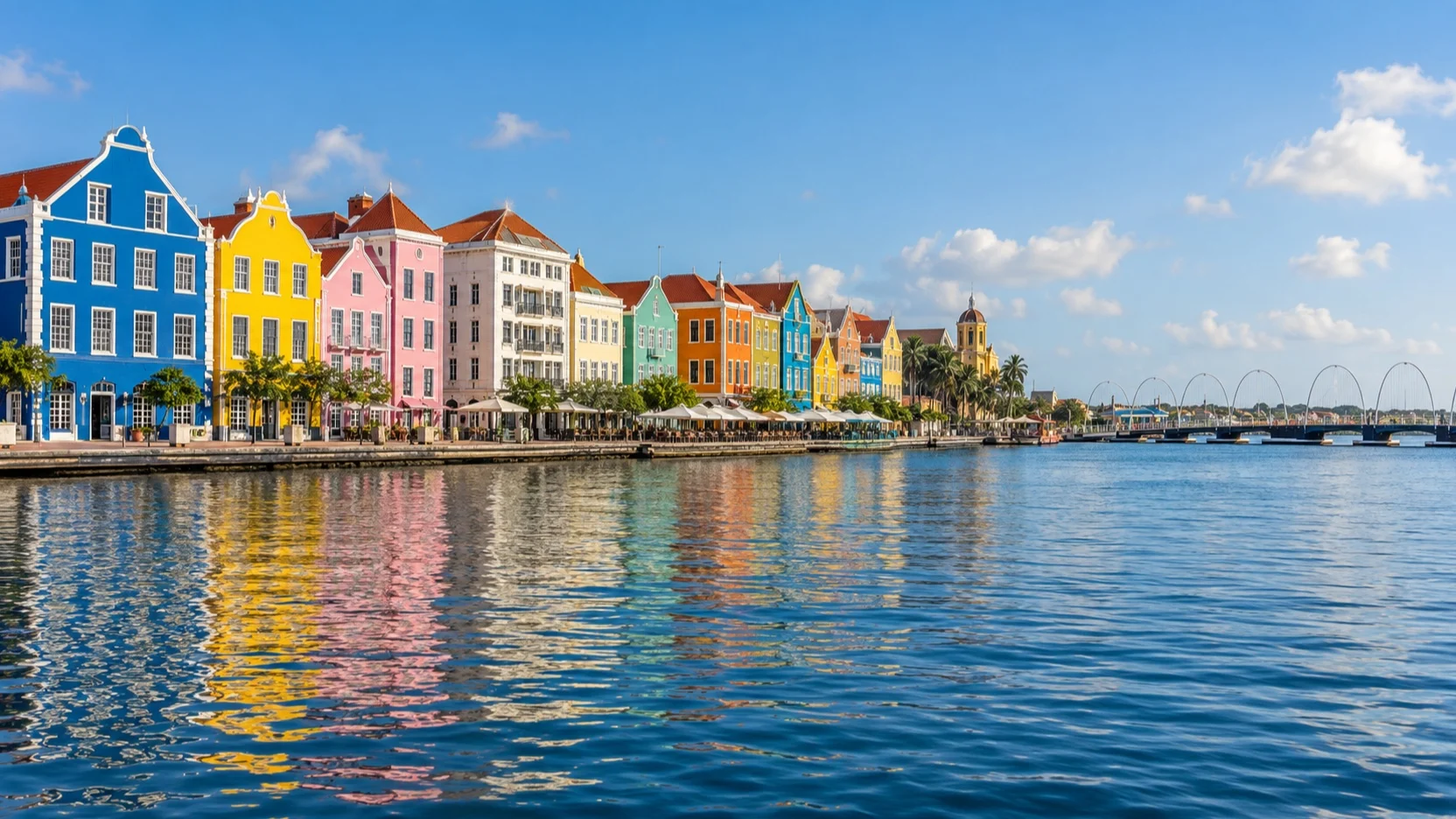
Curaçao stands out because Willemstad can carry a cruise day without requiring a beach transfer. The harbor, colorful Dutch Caribbean architecture, floating Queen Emma Bridge, museums, markets, public art, and restaurants create a port experience with layers.
Read our Curaçao cruise port guide for the difference between common docking areas and the route into the historic districts. The official Curaçao tourism information for Willemstad is useful for current destination planning.
Who will love Curaçao
Choose Curaçao if a good port day means walking through a real city, stopping for food, learning history, and still having the option to add swimming. It works especially well for couples and mixed-interest groups that do not want their entire Caribbean itinerary organized around beaches.
Photographers and architecture fans gain more here than from a generic panoramic drive. The value comes from moving slowly enough to notice neighborhoods, facades, public spaces, and the harbor rather than collecting hurried photo stops.
Curaçao beyond Willemstad
The island’s strongest beaches are not all concentrated beside the cruise pier, and a tour or arranged vehicle can connect coves farther west. That creates a different decision from Aruba’s resort-corridor day because transportation planning plays a larger role.
Choose a west-island itinerary only after measuring drive time against time at the water. Several beach names in a tour title can disguise a day spent repeatedly boarding a van.
I choose by the island’s strongest character rather than the activity list with the most bullet points.
Where Curaçao can disappoint
The midday heat can make a self-guided city plan feel harder than its map suggests, especially on exposed streets. Build in shade, water, an indoor museum or meal, and realistic walking limits.
Travelers who want a seamless full-service resort day may find Aruba simpler, while committed divers may prefer Bonaire. Curaçao offers balance, which is a strength unless your group wants one highly specialized experience.
Bonaire: the reef and nature specialist
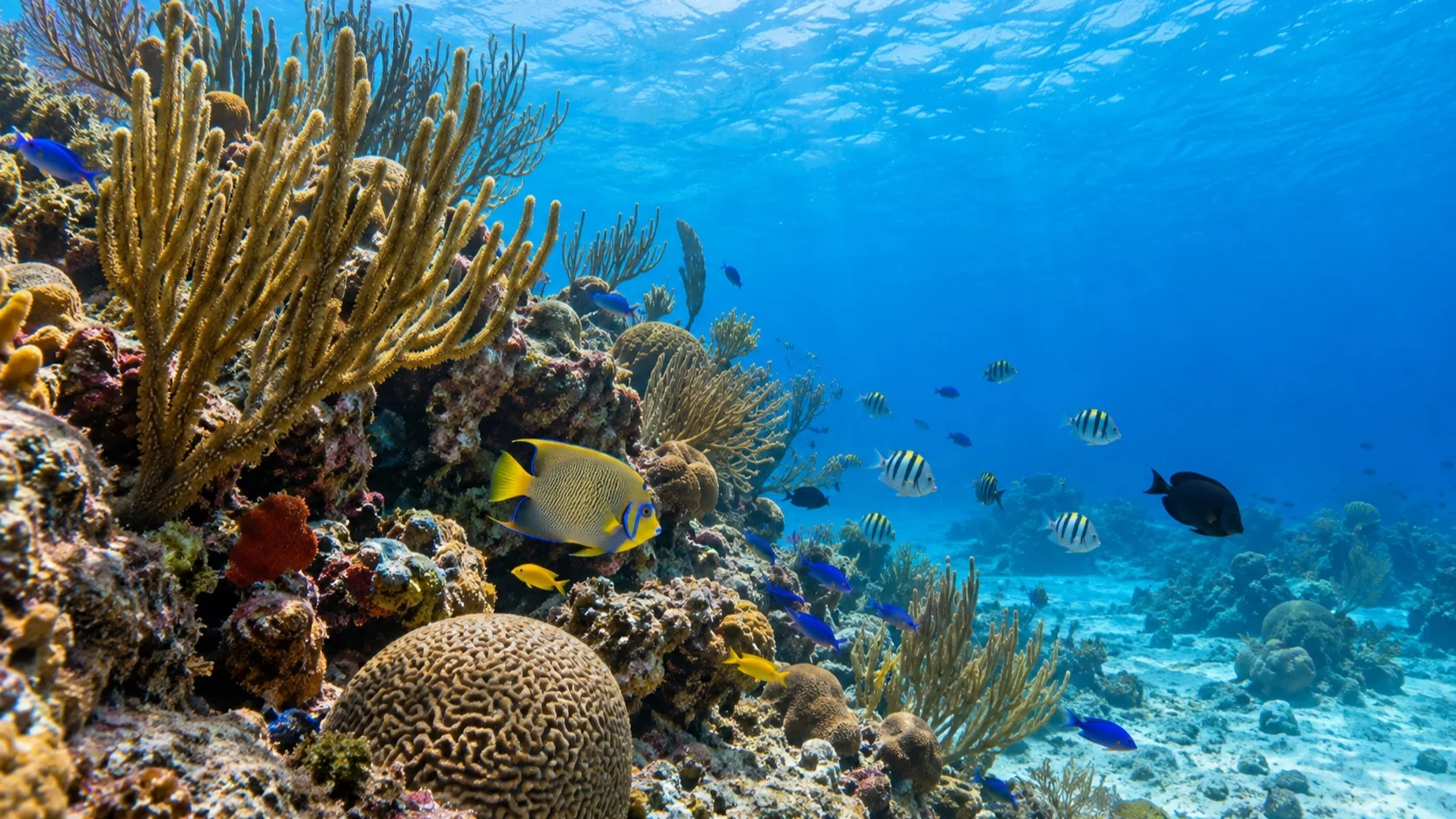
Bonaire has the clearest identity of the three for divers and snorkelers. Kralendijk is smaller than Willemstad or Oranjestad, and the island’s protected marine environment shapes how many visitors spend the day.
Our Bonaire cruise port guide covers the Kralendijk starting point. The STINAPA Bonaire site is the authoritative place to check current marine-park and nature information, including rules and any required nature-fee arrangements.
Who will love Bonaire
Choose Bonaire when being in or beside the water is the main point, especially if your group values clear planning around reef protection. A quality operator should explain marine rules, select a site appropriate to conditions and ability, and prevent guests from touching or standing on coral.
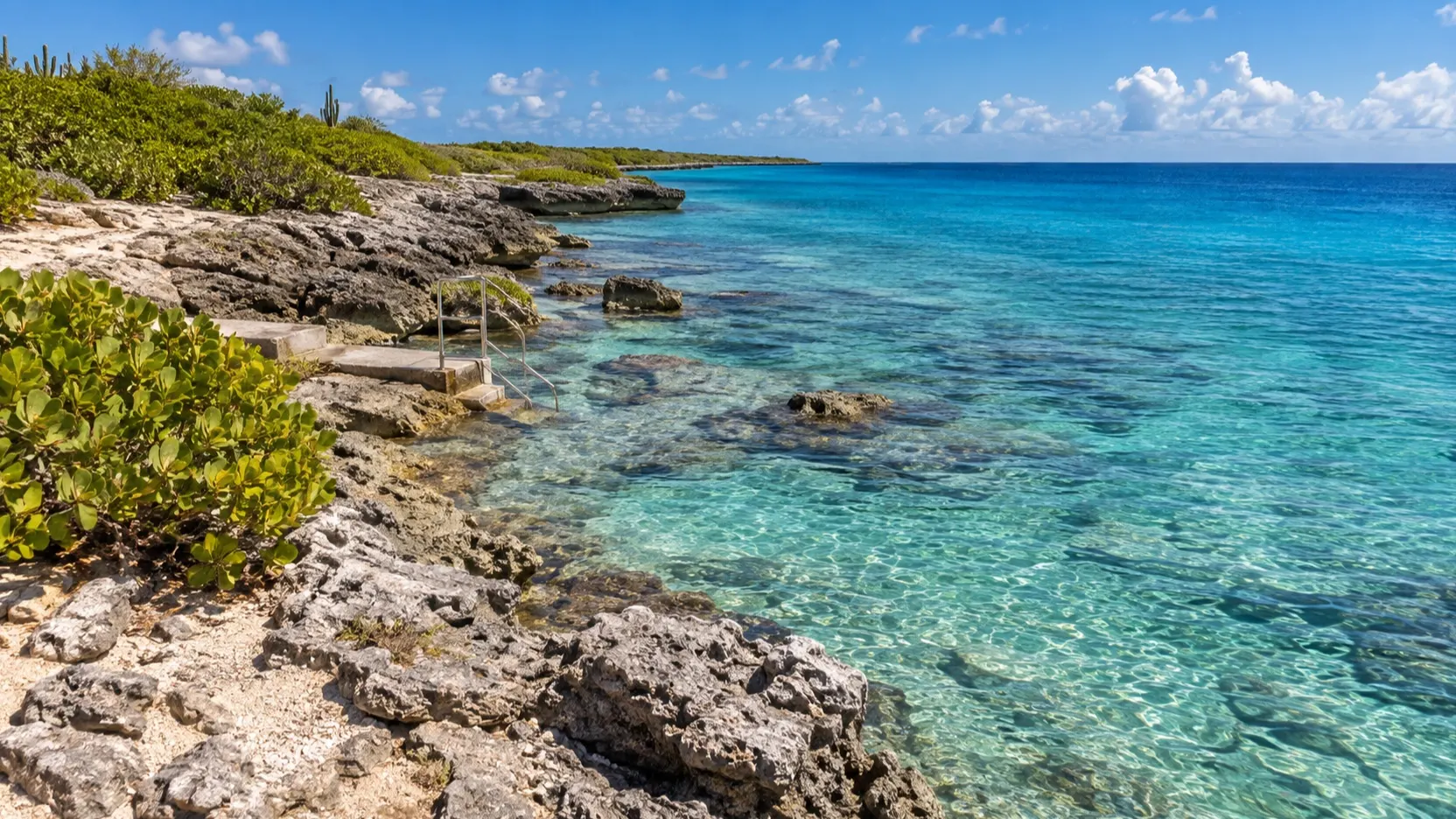
Nature lovers who do not swim can still find value in salt-pan landscapes, flamingo viewing from respectful distances, coastal scenery, and Washington Slagbaai National Park when timing and access work. Confirm road, vehicle, weather, and park-entry requirements directly before committing.
The case for a Bonaire excursion
A vetted tour can match water entry and site difficulty to your group, provide equipment, and coordinate transportation. That matters because a famous shore-diving location may still be unsuitable for a novice swimmer, rough conditions, or limited mobility.
For a land day, paid transportation can reach places that a Kralendijk walking loop cannot. The best tour is focused and honest about distances, not an itinerary promising the whole island plus a long beach stop in a few hours.
Where Bonaire can disappoint
Bonaire is not the best match for someone expecting a sprawling resort complex, endless duty-free shopping, or a highly developed public-beach scene. Its appeal is quieter and more specialized.
Non-swimmers can enjoy the island, but they should choose a land itinerary deliberately rather than tagging along on a reef-centered day. Our guide to cruise destinations for non-swimmers offers more comparisons.
Choose by what you actually enjoy
Best for beaches
Aruba wins for the broadest familiar beach-day setup, especially for travelers who value nearby restaurants, loungers, and a resort atmosphere. Curaçao offers attractive coves that may require more driving, while Bonaire’s shoreline is often approached through its marine and snorkeling identity.
Beach quality is never static. Wind, waves, currents, crowding, construction, and temporary facility changes can alter the experience, so verify current conditions close to the port call.
Best for snorkeling and diving
Bonaire is the strongest specialist, but the best day depends on a safe site match and responsible operator. Curaçao and Aruba also offer marine activities, so travelers with limited swimming confidence should choose the entry, supervision, and equipment rather than the island’s reputation.
Ask how guests enter and exit the water, whether a boat ladder is used, the expected current and depth, flotation options, guide-to-guest ratio, minimum age, and the weather fallback. Never treat a difficulty label as a substitute for those details.
Best for history and culture
Curaçao is the clear first choice because Willemstad supports a layered independent day around architecture, neighborhoods, museums, food, and harbor life. Aruba offers a smaller capital experience, while Bonaire’s cultural stops tend to sit within a broader island-and-nature plan.
Best for food
Curaçao offers the easiest setting for making meals and local flavors part of a walkable city day. Aruba has a deep restaurant scene across Oranjestad and resort areas, while Bonaire can be rewarding when you research opening hours and avoid assuming every restaurant serves during a short call.
Best for families
Aruba is the safest general recommendation because it has many ways to build a low-friction beach or activity day. Curaçao suits curious older children and teenagers who enjoy cities, while Bonaire shines for confident young snorkelers and nature-focused families.
Families should compare shade, restrooms, food, car seats, boat safety equipment, minimum ages, water entry, and nap timing. The most famous attraction may not create the easiest family memory.
Best with limited mobility
No island wins automatically because the exact route matters. Willemstad includes bridges, curbs, heat, and varied surfaces; beaches can have soft sand or steps; boats and vans may have difficult entries.
Ask operators for measurements and specific surfaces, confirm whether a mobility device can travel in the vehicle, and identify accessible restrooms. A private half-day route may deliver more value than a longer standard tour.
Best for avoiding crowds
Bonaire often feels like the natural choice for a quieter day, but cruise arrivals can still concentrate visitors around Kralendijk and popular sites. Curaçao allows crowd escape by moving beyond the most photographed waterfront, while Aruba’s famous beaches may require an earlier or more strategic plan.
How to choose the excursion port
Spend in Bonaire when you need a guide, equipment, or transportation to reach the right reef or nature site. Spend in Curaçao when a guided cultural or west-island experience will add context or solve transportation.
If I want all three islands to feel different, I have to let each one keep its specialty.
Spend in Aruba when the purchase creates guaranteed comfort, park access, an activity you cannot arrange casually, or a route beyond the resort corridor. Otherwise, Aruba is a good place to keep plans flexible.
Three sample port-day combinations
The first-time Caribbean mix
Use Aruba for an easy beach day, explore Willemstad independently in Curaçao, and book a responsible snorkel or island tour in Bonaire. This creates contrast without requiring three premium excursions.
The non-swimmer mix
Tour Aruba’s desert landscapes, make Curaçao the architecture-and-food day, and arrange a Bonaire land route around salt pans, viewpoints, and nature. Verify park access and avoid building the Bonaire day around marine stops that frustrate the non-swimmer.
The serious water-lover mix
Reserve Bonaire first, then compare Cozumel-style experience factors across Aruba and Curaçao: operator quality, site, boat time, entry, conditions, and reef practices. Leave one island for a dry-land recovery day so the itinerary remains varied.
Practical planning safeguards
Confirm the berth and ship’s local all-aboard time before booking.
Check official park, marine, and tourism information close to sailing.
Read port-cancellation and weather policies before paying.
Verify water entry, swimming expectations, mobility, shade, and restrooms.
Build a return margin that does not depend on perfect traffic or boat conditions.
Respect protected areas and choose operators that explain conservation rules.
Transportation quotes and attraction hours can change, so do not preserve a screenshot from months earlier as if it were a guarantee. Reconfirm the meeting point, total price, accepted payment, and return plan shortly before the port call.
Match the island to the traveler
The best choice becomes much clearer when you decide whether your priority is an easy beach, a layered city day, or protected marine nature. These are different strengths, not three versions of the same Caribbean stop.
Aruba: best for mixed-interest groups that want a reliable beach-and-town split, with Oranjestad as a simple fallback if wind or surf changes the water plan.
Curaçao: best for architecture, food, art, and travelers who want a rewarding day without committing to a boat. Pay for a west-coast loop only when the operator explains beach time, entry fees, and the return route.
Bonaire: best for divers, snorkelers, and quiet nature, but the reef is not a casual free-for-all. The STINAPA nature fee applies to users of the marine park, so verify the current fee and whether an operator includes it before arrival.
On Bonaire, follow briefing, entry, mooring, and no-touch rules even on a shore snorkel. For island drives, agree on the exact loop and return time, then be back near the ship 60 to 90 minutes before all-aboard.
The final verdict
Aruba is the best all-around answer, Curaçao is the best cultural answer, and Bonaire is the best specialist answer. The most satisfying itinerary often uses all three identities instead of asking which island wins at everything.
If you can buy only one excursion, let the activity decide. Book Bonaire for a reef or nature focus, Curaçao for a deeper island or cultural route, and Aruba for a high-comfort beach or park day that your group will genuinely use.
Quick answers
Which ABC island is best for a first visit?
Aruba is the broadest crowd-pleaser because it combines established beaches, varied activities, and familiar visitor infrastructure. Curaçao may be the better first choice for travelers who care more about city culture than resorts.
Which island is best for snorkeling?
Bonaire is the clearest snorkeling and diving specialist, but safe conditions and a suitable entry matter more than reputation. Choose a responsible operator or site appropriate to your ability.
Can I explore all three without excursions?
Yes, each port can support an independent day, especially around Oranjestad, Willemstad, or Kralendijk. You will need transportation or a tour to reach many parks, beaches, reef sites, and outlying landscapes.
Which island is best for non-swimmers?
Curaçao is strongest for a full city-and-culture day, while Aruba offers desert scenery and a wide activity menu. Bonaire can work well with a deliberately planned land tour rather than a reef-centered itinerary.
Which island is least crowded?
Bonaire can feel quieter, but popular sites still concentrate cruise visitors. Crowd levels depend on ship schedules, time, season, and the exact attraction, so plan the route instead of relying on a permanent label.
How this guide was researched
This comparison was checked in September 2026 using official Aruba, Curaçao, STINAPA Bonaire, and park information plus our island guides. Marine rules, nature fees, park access, transportation, attraction hours, and beach conditions change, so verify them directly for your port date; see our Editorial Policy for our sourcing, review, and corrections standards.
More on this topic: browse every guide on shore excursions and DIY port days.