Phuket Cruise Port: Tenders, Old Town & Phang Nga Bay
Phuket is not one cruise port with one predictable gangway. A ship may tender passengers into Patong on the busy west coast or berth at Phuket Deep Sea Port on the southeast side, and those two arrivals create completely different distances, traffic patterns, and sensible day plans.
That is the detail to solve before choosing Old Town, Phang Nga Bay, a beach, or a temple circuit. Build the day from the confirmed landing point, not from a generic Phuket map, and keep the final return simple enough to absorb island traffic.
Quick Facts
- Country: Thailand
- Province: Phuket
- Common cruise arrivals: Patong tender landing or Phuket Deep Sea Port
- Currency: Thai baht
- Driving side: Left
- Signature choices: Phuket Old Town, Phang Nga Bay, beaches, and temple visits
- Main planning risk: Using the wrong arrival point and underestimating road traffic
- Tender factor: Sea conditions and boat queues can shorten the day
- Best planning rule: Choose one side of the island or one major excursion
First, identify your arrival
During suitable conditions, ships may anchor off Patong and tender to the west-coast resort area. The landing can place you close to the beach, shopping, restaurants, and local transport, but tender queues must be included in every independent plan.
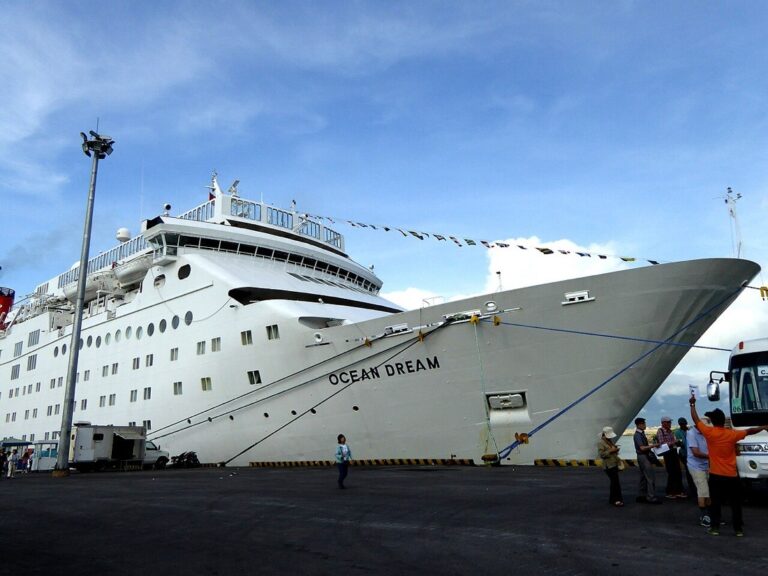
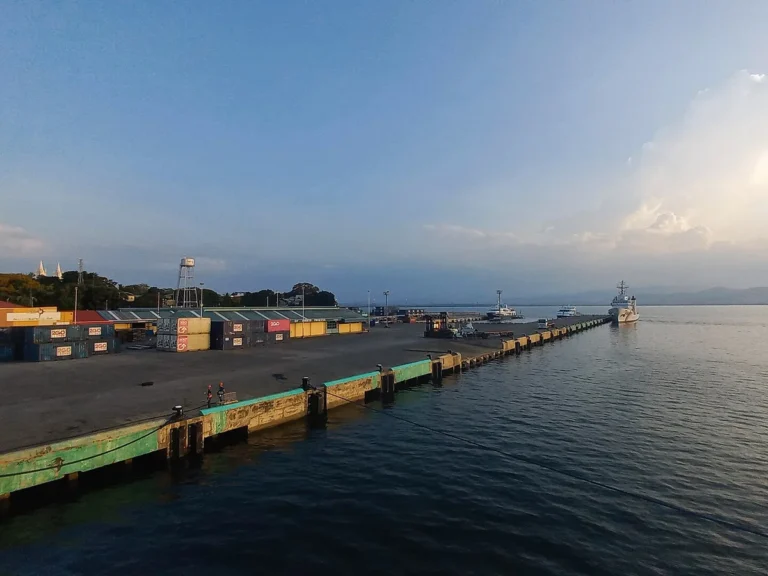
Other calls berth at Phuket Deep Sea Port near Ao Makham on the southeast coast. This is a working port area away from Patong, and onward transport is needed for Old Town, west-coast beaches, or most excursions.
Why the location changes everything
A relaxed Patong beach day makes sense from a Patong tender but requires a cross-island drive from the deep-sea port. Old Town is more logical from the southeast than from a west-coast landing during heavy traffic.
Your cruise line’s daily notice is the authority for the actual operation. Weather, swell, port scheduling, or a late change can alter the landing after an itinerary page was published.
Tendering at Patong
Tender boats operate under the captain’s safety assessment, and Andaman Sea conditions can delay or cancel transfers. Obtain any required tender ticket early and listen for changes rather than waiting at the gangway without instructions.
On the return, aim for a boat well before the final tender. Traffic in Patong, security checks, and a concentrated late queue can consume the margin you thought you had.
Patong as a port day
Patong offers an easy combination of beach time, shopping, massage, and lunch when the tender landing is nearby. It is busy and commercial rather than quiet, so choose it because you want convenience and energy.
Swim only under current local conditions and follow beach flags or lifeguards. Keep valuables secure, agree on prices before services, and return toward the tender area early.
Phuket Old Town
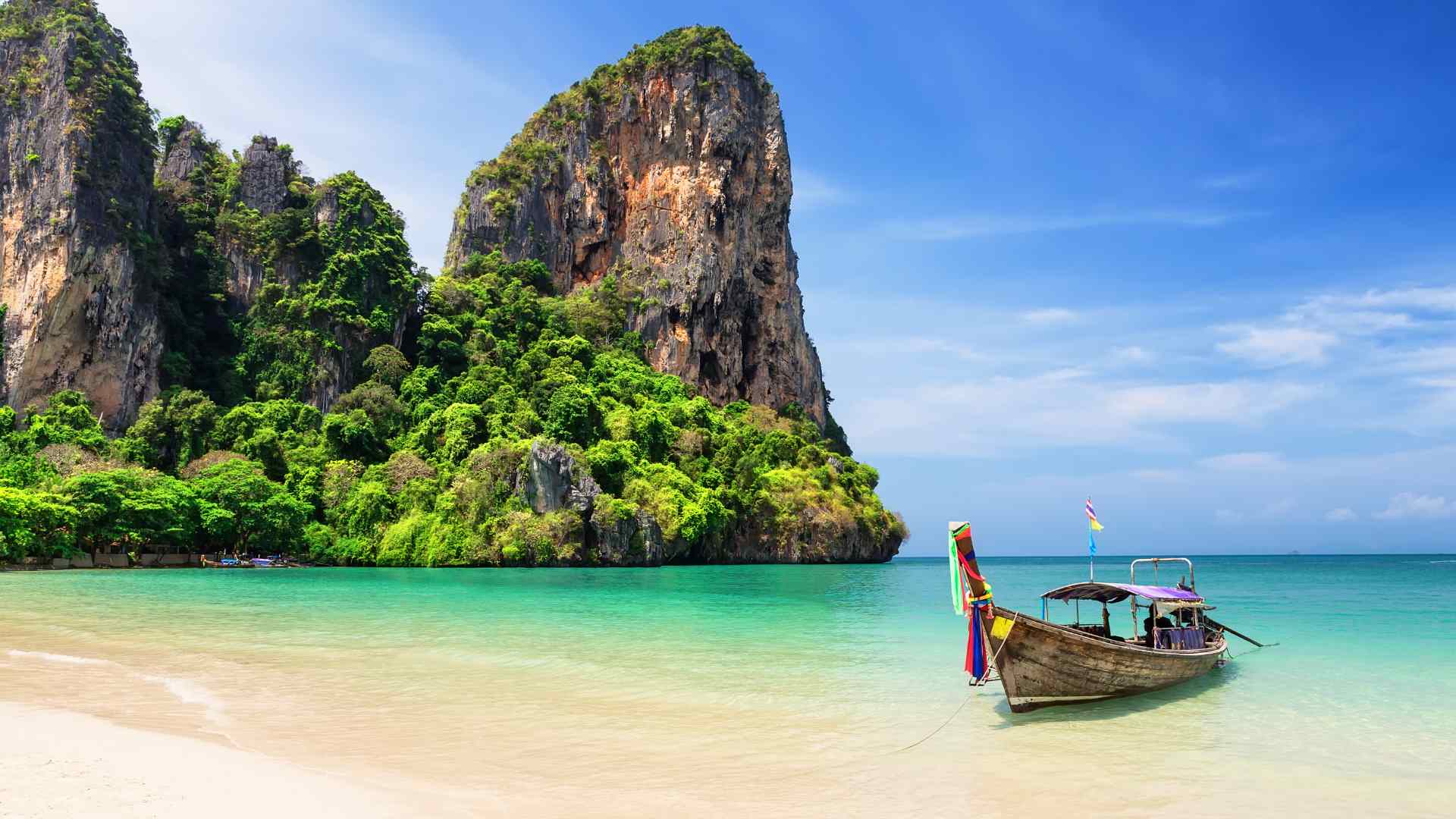
Phuket Old Town reflects the island’s tin-trading history through Sino-Portuguese architecture, Chinese shrines, colorful shop houses, cafés, markets, and museums. Thalang Road and the surrounding streets reward walking at a slower pace than a drive-by tour allows.
This is my preferred cultural choice from the deep-sea port. It also works from Patong when transport is coordinated, but cross-island traffic must be allowed for in both directions.
What to look for
Notice the narrow facades, covered walkways, decorative plasterwork, family businesses, and religious sites woven into ordinary streets. Ask before photographing people inside shrines, workshops, or private courtyards.
The Old Town is active rather than frozen as a heritage display. Keep entrances clear and dress respectfully if you enter a place of worship.
Markets and timing
Market days and evening events do not necessarily align with a ship’s daytime call. Check the municipal or Tourism Authority of Thailand calendar before promising yourself a particular street market.
Daytime cafés, shops, museums, and architecture still make a worthwhile visit. A local guide can explain the Baba and Peranakan heritage that is easy to miss from storefronts alone.
Phang Nga Bay
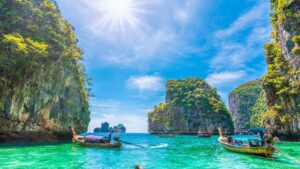
Phang Nga Bay is famous for limestone towers, sheltered water, caves, mangroves, and island scenery north and east of Phuket. A typical excursion involves a road transfer to a departure pier followed by a larger boat, speedboat, canoe, or combination of craft.
This is a full excursion rather than a quick add-on. Read the tour description for the actual pier, boat type, time on the water, number of stops, meal, and return protection.
James Bond Island and sea canoeing
Many tours include the rock formation commonly called James Bond Island, while others emphasize cave canoeing and quieter sections of the bay. The most famous landing can be crowded, so judge the excursion by the complete route rather than one photograph.
In canoe sections, follow the guide’s instructions about posture, hands, tides, and low cave roofs. Access may change with water level and weather.
Boat safety
Use a licensed, reputable operator that provides properly sized life jackets and explains emergency procedures. Tell the operator about mobility limits, pregnancy, back problems, or motion sensitivity before boarding a speedboat.
The Thai Meteorological Department issues marine forecasts and warnings for the Andaman coast. A responsible cancellation is better than forcing a scenic trip in unsafe conditions.
Phi Phi is a separate major excursion
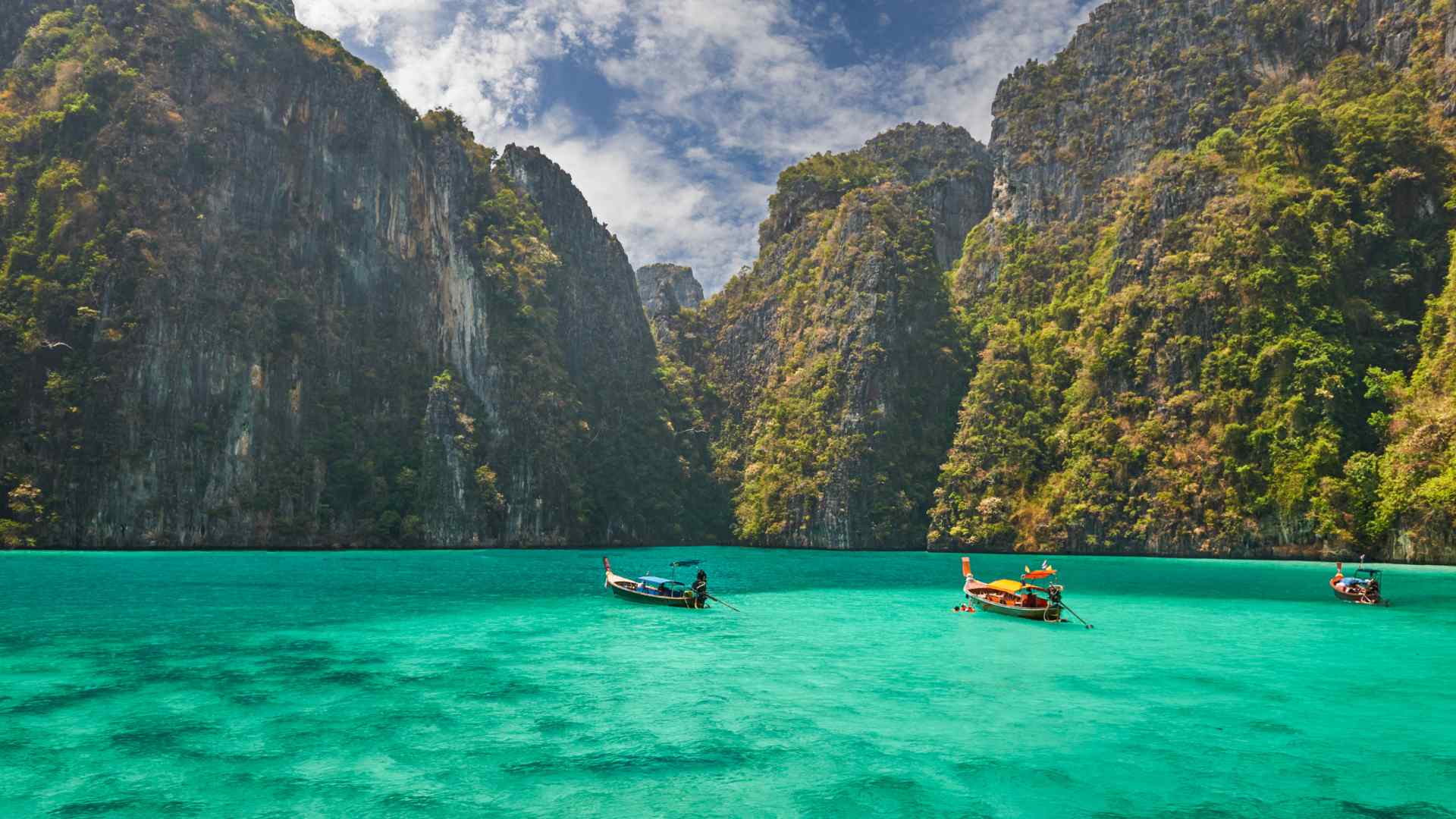
The Phi Phi islands lie offshore and should not be confused with Phang Nga Bay. A cruise-day visit requires significant boat travel, favorable sea conditions, and a schedule coordinated with the ship.
Choose Phi Phi only when the excursion is the day’s clear priority. Do not add Old Town, the Big Buddha, or a distant beach simply because a sales page describes them all as Phuket highlights.
Wat Chalong
Wat Chalong is one of Phuket’s most important Buddhist temple complexes and appears on many island tours. It can pair naturally with Old Town or a scenic drive when the route begins from the southeast.
Cover shoulders and knees, remove shoes where required, speak quietly, and do not pose disrespectfully with sacred images. Ceremonies and religious activity take priority over sightseeing.
The Big Buddha requires a current access check
The hilltop Big Buddha became a major Phuket landmark, but the site was closed after a deadly landslide in 2024 and its status has continued to evolve. Social posts and old tour descriptions are not reliable proof that public access, road conditions, and every area have returned to normal.
Check current provincial or municipal information and ask the excursion operator to confirm access on the day. If the site is restricted, accept a substitute viewpoint rather than approaching a closed area.
Temple and viewpoint etiquette
If public access is officially open, dress as you would for a religious site and obey all barriers. The hill road, heat, and walking surfaces may still affect travelers with limited mobility.
Do not ask a driver to bypass a closure for a photograph. Landslide controls exist to protect visitors and nearby communities.
Beaches beyond Patong
Karon, Kata, and other west-coast beaches offer different atmospheres, but each adds road time from the deep-sea port. From Patong, moving to another beach may add less value than enjoying the one beside the tender landing.
Beach clubs, chairs, lifeguard coverage, and water activities vary by season and operator. Confirm prices, insurance, and safety procedures before renting equipment.
Rip currents and monsoon conditions
Phuket’s west coast can develop dangerous surf and rip currents, especially during the wetter monsoon period. Red flags mean stay out of the water, regardless of swimming experience.
A rough-sea day can still work for Old Town, temples, food, or a spa. Keep a land-based backup rather than treating a canceled swim as a lost port call.
Ethical animal encounters
Phuket excursions may advertise elephant bathing, rides, shows, tiger photographs, or other close-contact experiences. Avoid venues that use riding, forced performances, chains for visitor entertainment, or direct handling designed mainly for photographs.
A genuine welfare-focused sanctuary should explain its standards clearly and allow observation of natural behavior at an appropriate distance. Marketing language alone does not prove good animal care.
Getting around
Options include ship excursions, prearranged drivers, taxis, ride-hailing where pickup is permitted, and local shared vehicles. Availability, pickup zones, and pricing can differ between the port, Patong, and Old Town.
Agree on the fare or confirm the meter before departure, save the vehicle details, and keep the return location in Thai. Build extra time for traffic near schools, beaches, intersections, and port security.
Independent driving
Thailand drives on the left, and Phuket traffic mixes cars, trucks, buses, and many motorbikes. A short cruise call is not a good setting for an inexperienced visitor to learn local road behavior.
Motorbike rental carries serious injury, licensing, insurance, and helmet risks. Use professional transport rather than exchanging safety for a small saving.
Three realistic port-day plans
Patong tender day
Enjoy Patong Beach, lunch, shopping, or a spa close to the landing. Add Old Town only with a reserved driver and a return that reaches Patong well before the final tender.
Deep-sea port culture day
Go to Old Town, continue to Wat Chalong if time permits, and use one officially open viewpoint. Keep the route on the southeast and central side rather than crossing to several west-coast beaches.
Phang Nga Bay day
Book one reputable excursion that includes every road and boat transfer. Let the operator manage the sequence, and do not reserve an additional activity near the port for a fixed return time.
Accessibility
Tendering can involve steps, vessel movement, and transfer limits for mobility equipment. Ask the cruise line about the exact tender procedure before assuming you can go ashore at Patong.
Phuket Deep Sea Port may be easier for some travelers, but shuttle lifts, curbs, vehicle steps, and attraction surfaces still require confirmation. A private driver and Old Town overview may be more suitable than a speedboat or cave canoe trip.
Historic streets can have uneven sidewalks and obstacles, while temples require shoes to be removed and may include steps. Ask operators for measurements and route details rather than a simple accessible label.
Weather and what to bring
Phuket is hot and humid throughout the year, with a wetter Andaman monsoon season and intense tropical sun even under cloud. Rain can be brief or disruptive, while sea conditions may differ sharply from weather at the tender pier.
Carry water, sun protection, insect repellent, a light rain layer, and a dry bag for electronics. Wear clothing suitable for heat plus a temple layer that covers shoulders and knees.
Money, food, and practical details
Thailand uses the baht, and cash remains useful for small vendors, local transport, and markets. Use established exchange counters or bank ATMs, protect your card, and decline unneeded currency conversion prompts after checking the terms.
Phuket food reflects southern Thai, Chinese, Malay, and Peranakan influences. Ask about chilies, shellfish, fish sauce, peanuts, and other allergens rather than assuming a dish is mild or vegetarian.
Drink sealed or properly filtered water and choose busy, clean food stalls. Keep enough time for the return before ordering a meal that is prepared from scratch.
Common planning mistakes
The biggest mistake is booking from the word Phuket without knowing whether the ship tenders at Patong or berths at the deep-sea port. The second is accepting an itinerary that combines beaches, Old Town, the Big Buddha, and Phang Nga Bay without realistic travel time.
Travelers also trust an old Big Buddha access report or ignore red beach flags. Current local safety information always outranks a saved blog post.
Final verdict
Phuket can deliver a superb port day when the plan begins with the actual landing point. Patong favors an easy beach day, the deep-sea port favors Old Town and a southeast circuit, and Phang Nga Bay deserves the whole excursion.
Choose one geographic focus, use safe transport, and return early enough to absorb traffic or tender queues. That simple discipline protects the part of Phuket you came to enjoy.
Verify current conditions with the Tourism Authority of Thailand, Thai Meteorological Department, and your cruise line’s port instructions before finalizing the day. Arrival point, tender operations, road access, Big Buddha status, marine conditions, attraction hours, and excursion routes can change, so confirm every time-sensitive detail for your sailing date.