Phu My Cruise Port: Ho Chi Minh City, Cu Chi & Vung Tau
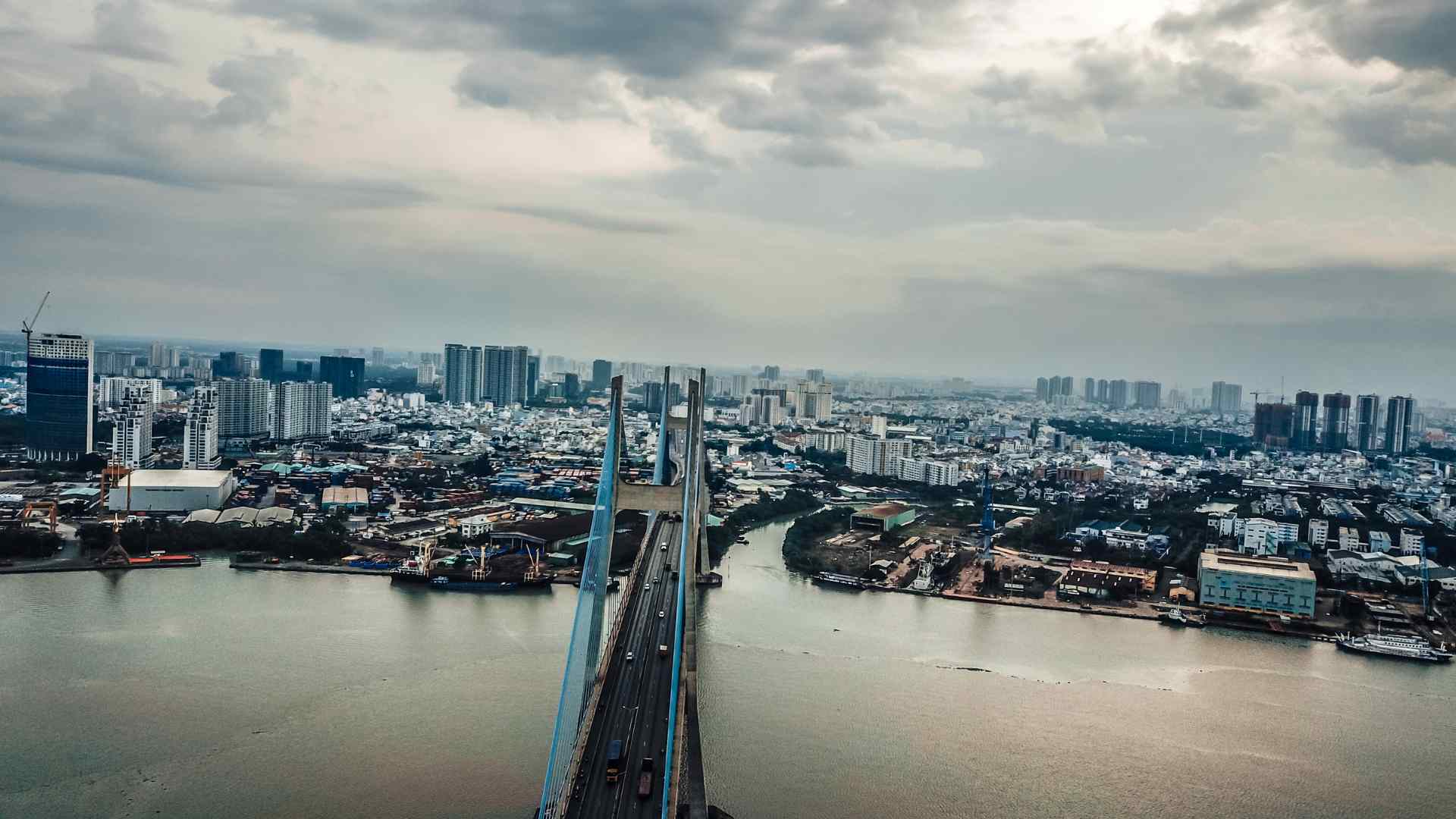
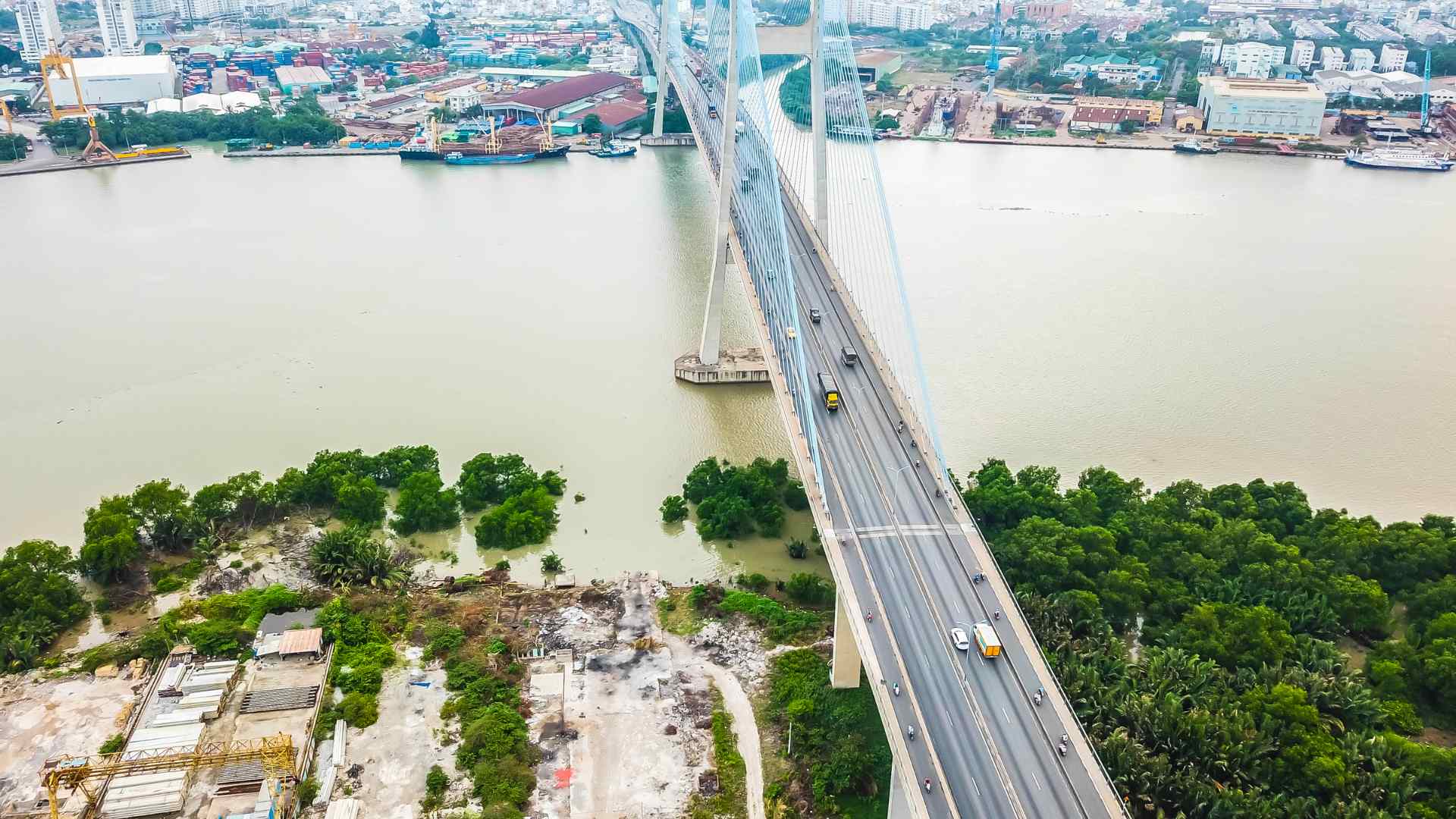
Phu My is a working cargo port full of cranes, container stacks, and precisely nothing for a cruise passenger to do. The good news is that nobody has ever come here for Phu My.
You come for Ho Chi Minh City, which sits roughly two hours away by road, or for Vung Tau, which is far closer and far smaller. That single choice shapes the entire day.
My quick take
Four hours of your day are already spoken for before you choose a single thing to see. That is the honest arithmetic of Phu My, and pretending otherwise is how people end up sprinting through Ben Thanh Market with fourteen minutes to spare.
If the ship is in port for a long day, go to Ho Chi Minh City and accept the motorcoach time as the price of entry. It is a genuinely thrilling city, and half a day there beats a full day almost anywhere else.
If the call is short, or you have already done Saigon, Vung Tau is the sensible answer. It is a faded French seaside resort with a giant Jesus on a hill, and you get hours back instead of scenery through a coach window.
This is the same puzzle as Laem Chabang in Thailand, where the port is industrial and the famous city is two hours inland. Solve it the same way, by picking one destination and refusing to be greedy.
Phu My Cruise Port Quick Facts
- Where you land: Phu My, on the commercial cargo quays of the Cai Mep Thi Vai deep water complex on the Thi Vai river, in what was Ba Ria Vung Tau province. There is a gangway, a shed for immigration formalities, and a line of motorcoaches, and that is the whole facility.
- Dock or tender: Dock, at a working cargo terminal rather than a purpose built cruise terminal.
- Into town: There is no town to walk to, and this is secured industrial land, so you will need a motorcoach or a prearranged car.
- Currency and language: The Vietnamese dong (VND), with prices carrying an intimidating number of zeros, and Vietnamese.
- Time zone: Indochina Time (UTC+7).
- Weather and operations: Tropical storms and port conditions can affect safe access or road transfers, so confirm the final plan onboard.
Berthing, transfers, and the visa question
Phu My has no cruise terminal in the way that Singapore or Yokohama has one. Ships tie up alongside cargo quays in the Cai Mep Thi Vai complex, and Vietnam’s authorities approve those terminals for passenger calls on a rolling basis rather than permanently.
In practice that means a gangway, a tent or a shed for immigration formalities, and a line of motorcoaches on the quayside. It is functional and well organized, and it is not remotely scenic.
Because the port is secured industrial land, independent walking off is not an option and taxi access is controlled. Anything you do starts with a motorcoach or a prearranged car, whether the ship sold it to you or not.
Vietnam’s Immigration Department says an e-Visa can be valid for up to 90 days, single or multiple entry, for eligible foreign travelers. Nationality, port of entry, passport, and cruise-line clearance still matter, so do not turn that maximum into a universal permission.
How that is handled for a cruise call varies by line and by sailing, and some ships arrange group clearance while others expect you to arrive holding your own document. Read your pre cruise paperwork properly and check the official Vietnam visa requirements page rather than a lookalike agency site.
Getting around
There is no train, no useful public bus, and no walkable anything. Your realistic choices are a ship excursion, a private car booked ahead, or a shared transfer if your line runs one.
Ship excursions are the lower-stress option because the cruise line manages the group’s port access and response to a tour delay. That protection is stronger than an independent booking, but passengers must still follow the tour leader and any revised all-aboard instruction.
Private drivers are widely available and usually cheaper per head for a group of four. Agree the itinerary and the return time in writing before you set off, because “back by four” means different things to different people.
Use marked crossings, signals, overpasses, or a guide in Ho Chi Minh City, and keep movements predictable. Do not step into traffic on the assumption that motorbikes will always flow around you.
The stops I would actually spend time on
You will not do all of these, and anyone selling you a tour that includes most of them is selling you a motorcoach ride. Here is what I would rank, in the order I would sacrifice things.
Independence Palace: The 1960s presidential palace, preserved with its war rooms, command bunker, and rotary phones exactly as they were. It is a special national relic and easily the most atmospheric hour in the city.
War Remnants Museum: Unsparing, one sided by design, and genuinely difficult in places. Go if you want to understand the war from the Vietnamese side, and skip it if you want a light afternoon.
Cu Chi tunnels: The guerrilla tunnel network northwest of the city, which is the opposite direction from the port. Budget for a very long road day, and know that the crawl sections are tighter than the photos suggest.
Notre Dame Cathedral and the Central Post Office: The two French colonial set pieces, standing across a small square from each other. The cathedral has been under long running restoration, so check before you build a photo stop around it.
Ben Thanh Market: Loud, hot, and relentlessly commercial, which is either the fun or the problem depending on your mood. Haggle cheerfully and expect the first price to be theater.
Cho Lon and Binh Tay Market: The Chinese quarter, with temples thick with coiled incense and a wholesale market that is not performing for tourists. This is one of the city’s most appealing corners and the one most tours skip.
Jade Emperor Pagoda: A small, dark, smoky Taoist temple that feels a century older than the traffic outside. Fifteen minutes here is worth an hour in most museums.
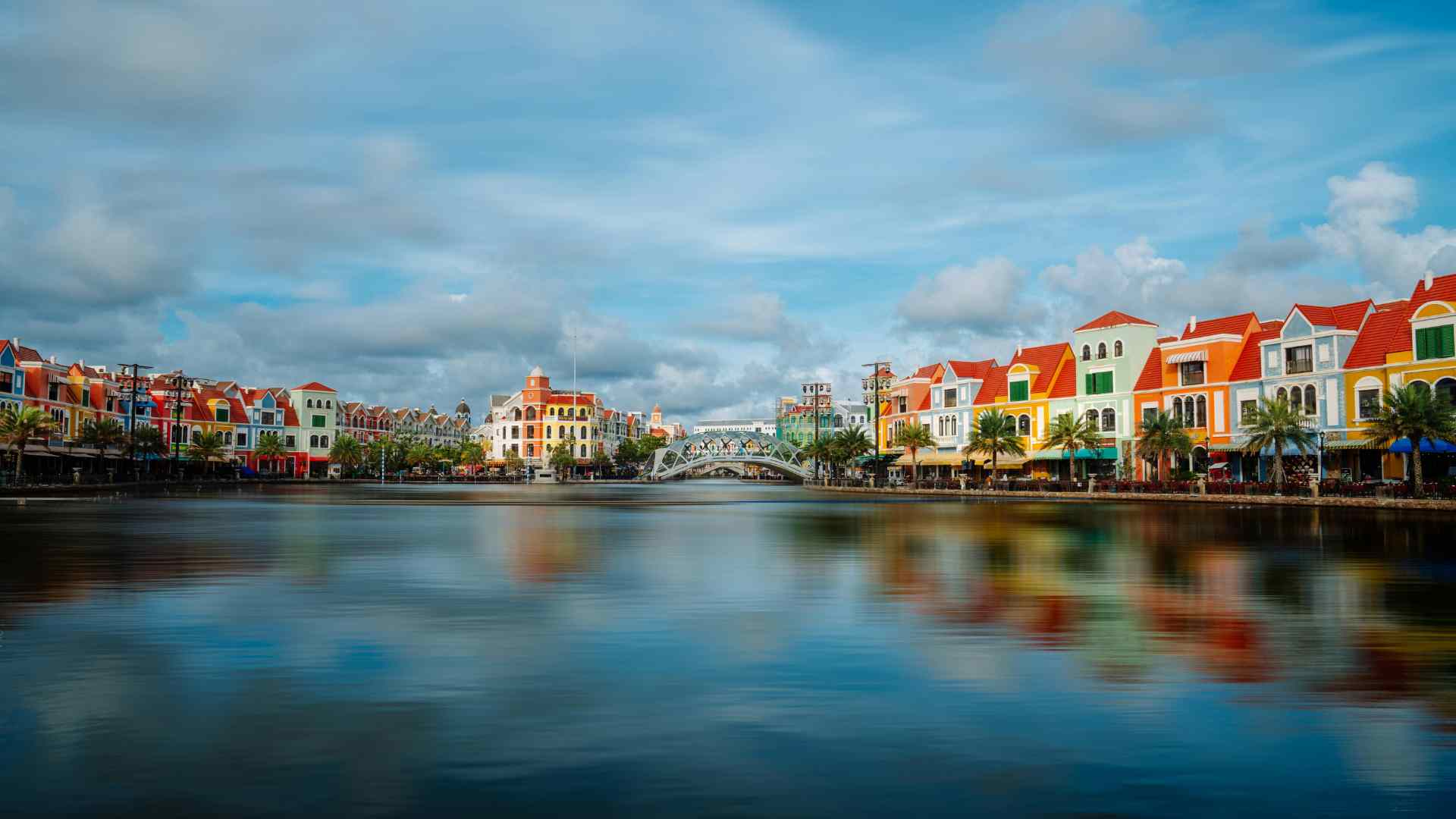
Vung Tau: The nearby beach town, with a hilltop Christ the King statue you can climb inside for the view. It is the whole day if you go, and a perfectly good whole day at that.
Fun fact: The Independence Palace holds more than 3,700 artifacts and artworks across 150 odd rooms, and in 2009 it was named one of Vietnam’s first ten special national historical sites. The official Independence Palace site lists current hours and ticket prices, which is handy if you are going independently.
The return chain is the real Phu My excursion
For Ho Chi Minh City, reserve transport that is admitted through the secure terminal, identify the exact pickup point, and plan the city stops in one compact area. Keep at least 90 to 120 minutes of margin beyond the expected drive, because port security and the industrial gate come after highway traffic.
Cu Chi is on the far side of the metropolitan area from Phu My and works best as a ship-run dedicated excursion, not an extra stop after the city center. Vung Tau is the safer choice for a short call, travelers who cannot tolerate four or more hours in a vehicle, or anyone who prefers a slower waterfront day.
Use the current Vietnam Immigration e-Visa portal, verify that the authorized entry point matches the cruise documents, and follow the line’s passport instructions. An e-Visa approval for the wrong checkpoint is not a useful backup at a cargo quay.
How I would plan the day
Check your all aboard time before you commit to anything, because a call that ends at five is a different port from one that ends at nine. Overnight calls exist here and they change the answer completely.
On a standard long day I would take the earliest transfer available and go straight to Ho Chi Minh City. Two or three sights done properly, one long lunch, and back on the motorcoach without regret is the winning shape.
I would not attempt Cu Chi and the city center on the same call unless the ship has built a specific long tour for it. The tunnels sit on the far side of Ho Chi Minh City from the port, so you are effectively adding a third leg to an already long drive.
On a short call, Vung Tau, every time. The drive is manageable, the seafood is excellent, and you are not watching the clock from the moment you sit down.
If the weather turns, indoor Saigon still works, since the museums, the palace, and the markets are all under cover. Rain here arrives hard, drains fast, and rarely cancels anything except your hair.
A realistic word on accessibility
The berth itself is flat and the gangway is usually a gentle one, so getting ashore is rarely the problem. Everything after that is, because the day is built around motorcoaches with steps and no wheelchair lift.
Accessible vehicles exist in Vietnam but are not standard, so arrange one specifically and well in advance rather than hoping. Two hours in a seat you cannot easily leave is worth thinking about honestly.
In the city itself, sidewalks are uneven and often blocked by parked motorbikes, and curb cuts are inconsistent. For ports where this goes more smoothly, see my roundup of wheelchair-friendly cruise ports.
When to go, and the weather
Southern Vietnam has two seasons, wet and less wet, and it is warm in both. Daytime highs sit in the upper 80s to mid 90s Fahrenheit more or less all year.
The dry season runs from around December to April and is when most cruise itineraries call. It is still hot, but the sky stays open and the humidity is merely unpleasant rather than punishing.
From May to November the rain arrives in short, violent afternoon bursts rather than all day drizzle. Plan indoor things for the middle of the afternoon and you will barely notice it.
Pack light layers, shoes you can walk miles in, and something with sleeves for temples. Vietnam’s official tourism guide to Ho Chi Minh City is a decent starting point for what is open and what is worth eating.
Our Phu My cruise port hotel guide sorts the options by how easy the morning transfer is.
Quick answers
How far is Phu My from Ho Chi Minh City?
Roughly two hours each way by road in normal conditions, and longer if you hit the city at a bad moment. Budget four hours of driving out of your day before you plan anything else.
Can I walk off and explore on my own?
Not really, because this is a secured industrial cargo port with nothing within walking distance. You need a ship transfer, a ship excursion, or a pre booked private car.
Do I need a visa for Vietnam?
It depends on nationality, itinerary, and cruise-line handling. Vietnam’s official e-Visa can be valid for up to 90 days with single or multiple entry, so use the Immigration Department portal and the exact seaport named in your documents.
Is Vung Tau worth it instead of Saigon?
Yes, if your call is short or you have seen Ho Chi Minh City before. It is a low key beach town with good seafood and a hilltop statue, and you get half your day back.
The last word
Phu My is a port you tolerate in exchange for one of the most alive cities in Asia. Nobody photographs the container cranes on the way out, and nobody regrets the trip either.
Vietnam itineraries usually pair this call with the middle of the country, so my Chan May cruise port guide covers Hue, Da Nang, and Hoi An and the same choose one problem. It is the same lesson learned in a prettier landscape.
Further north, my Ha Long Bay cruise port guide is the one call in Vietnam where the scenery is right outside the ship. Read all three together and the shape of a Vietnam cruise makes a lot more sense.
How this guide was researched: Unless a first-hand visit is explicitly identified above, this guide is based on independent research using official port, tourism, transit, government, and attraction sources where available. Logistics and time-sensitive details were reviewed on September 11, 2026; see our Editorial Policy.