
Suva, the capital of Fiji, offers a vibrant blend of culture, history, natural beauty, and modern charm, making it a must-see destination for cruise passengers.
Whether you're arriving for a day or planning to explore the city more thoroughly, Suva's cruise port serves as the perfect gateway to experience the unique blend of South Pacific traditions and colonial-era influences.
Overview of Suva Cruise Port
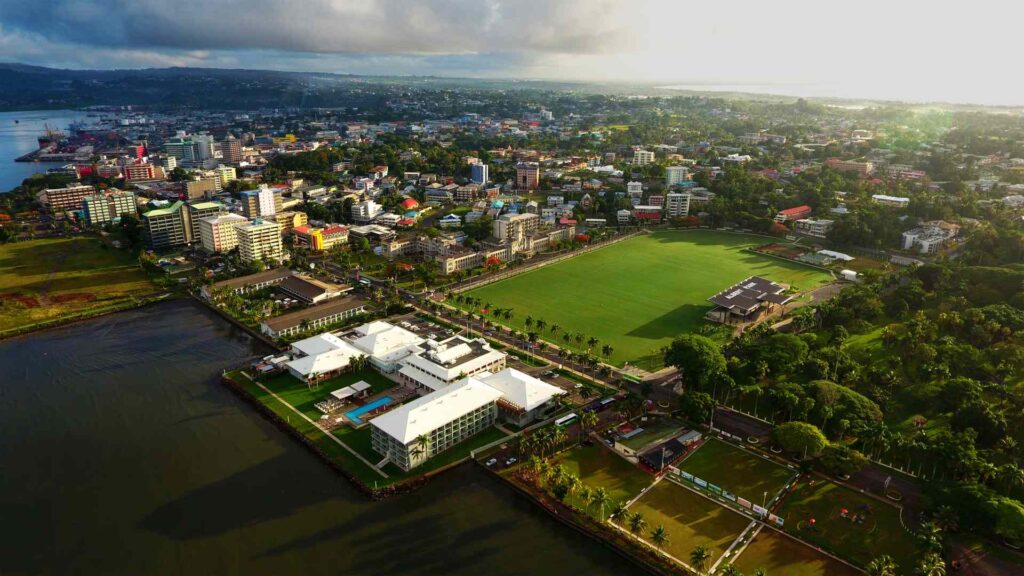
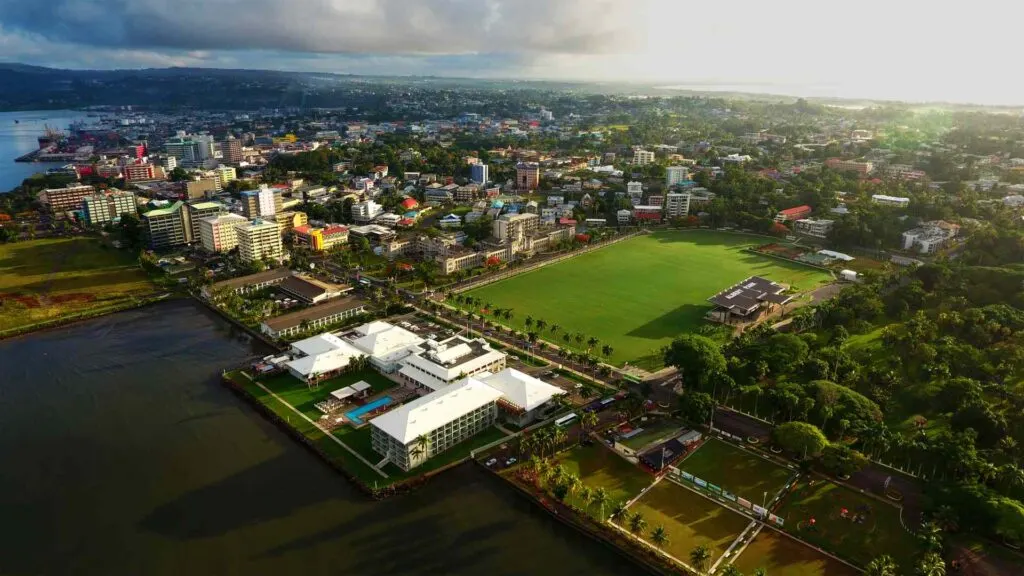
Suva is the largest city in Fiji, located on the southeastern coast of Viti Levu, Fiji's main island.
Its cruise port, located in the heart of the city, is within walking distance of major landmarks, shopping areas, and dining options.
Upon disembarkation, you’ll find yourself at the King’s Wharf, a bustling dock that sets the stage for your exploration of the capital.
The Suva cruise port offers a smooth transition for travelers, with plenty of tour operators, taxis, and guides available to help you make the most of your time.
Additionally, the port has various amenities, including souvenir shops, currency exchange services, and local vendors selling crafts and snacks.
Best Time to Visit Suva
Fiji enjoys a tropical climate, with warm temperatures year-round. However, the best time to visit Suva is between May and October, during the dry season.
This period offers sunny days and less humidity, making it ideal for outdoor activities and exploration.
From November to April, Suva experiences its wet season, characterized by higher humidity and occasional tropical storms. While it's still possible to enjoy the city during this time, be prepared for sudden downpours and consider indoor activities if needed.
Getting Around Suva from the Cruise Port
Since the cruise port is located centrally, you can easily access Suva's main attractions by foot. However, if you're looking to explore beyond the city center, there are several transportation options:
- Walking: Suva is a pedestrian-friendly city, and many of the key attractions are within a 15- to 20-minute walk from the port.
- Taxis: Taxis are readily available at the port, offering an affordable and convenient way to get around. Most taxis have meters, but it's wise to confirm the fare before starting your journey.
- Buses: The local bus system is efficient and inexpensive. Buses can take you to nearby towns or more distant attractions like Colo-i-Suva Forest Park.
- Private Tours: Numerous operators offer guided tours of Suva, which can be arranged at the port. These tours provide insights into the city’s history and culture while ensuring you don't miss any highlights.
Top Attractions to See Near Suva Cruise Port
1. Fiji Museum
Located within Thurston Gardens, the Fiji Museum is a must-visit for anyone interested in the rich cultural heritage of Fiji.
It houses an extensive collection of artifacts, including traditional Fijian canoes, weapons, pottery, and items from Fiji’s colonial past. The museum is about a 15-minute walk from the port, making it a convenient first stop on your Suva exploration.
2. Thurston Gardens
Adjacent to the Fiji Museum, Thurston Gardens is a peaceful, botanical oasis in the heart of the city.
Originally established as a botanical garden during the British colonial period, it features a diverse collection of tropical plants, trees, and flowers. The gardens offer a serene spot to relax or have a picnic amidst beautiful scenery.
3. Suva Municipal Market
One of the best ways to experience the local culture is by visiting the bustling Suva Municipal Market. Here, you’ll find an array of fresh fruits, vegetables, spices, and handcrafted items.
The market is particularly known for its tropical fruits like pineapples, papayas, and coconuts. Be sure to try some Fijian kava, a traditional drink made from the root of the kava plant.
4. Albert Park
Located near Thurston Gardens, Albert Park is a historic site that has hosted many significant events in Fijian history, including a visit by Charles Kingsford Smith, the aviator who made the first trans-Pacific flight in 1928.
Today, it's a large open space where locals gather for sports and community events. If you're lucky, you might catch a game of rugby or soccer in progress.
5. Government Buildings and Parliament House
Suva is Fiji’s political center, and visitors can admire the grand architecture of the Government Buildings, a blend of traditional Fijian and colonial influences.
The Parliament House, located nearby, is also worth a visit, especially for those interested in learning about Fiji's modern governance.
6. Colo-i-Suva Forest Park
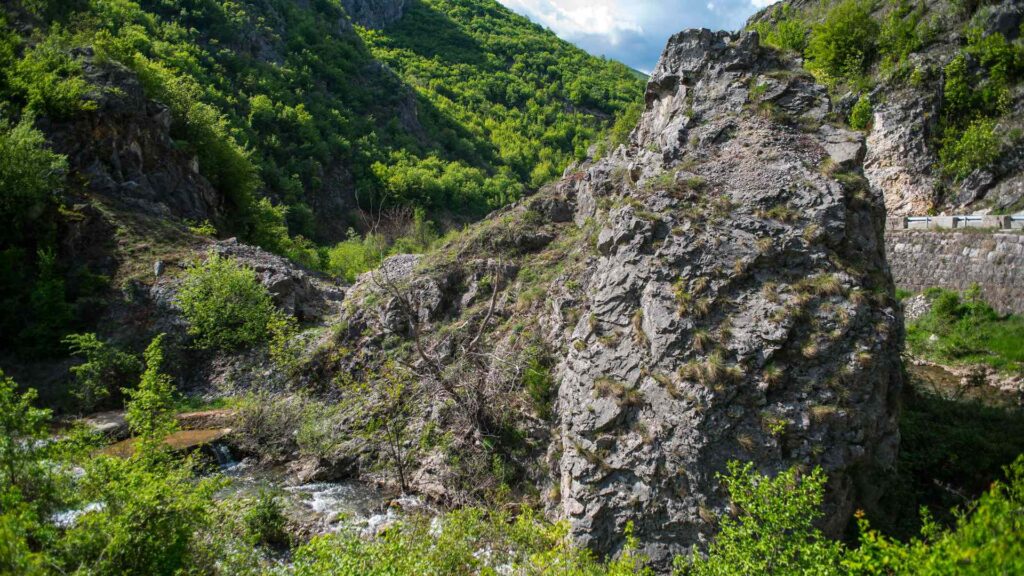
For nature lovers, Colo-i-Suva Forest Park is a fantastic destination just a 20-minute drive from Suva. This lush rainforest park is home to hiking trails, waterfalls, and natural swimming pools. It’s a great spot to enjoy a refreshing dip or immerse yourself in the sounds of the rainforest.
7. Sacred Heart Cathedral
Sacred Heart Cathedral is one of Suva's architectural highlights. Built in 1902, this Roman Catholic cathedral features a striking blend of European and Fijian design. The interior is as impressive as the exterior, with stained glass windows and intricately carved woodwork.
Exploring Suva’s Local Culture and Traditions
Suva is a cultural melting pot, where indigenous Fijian traditions blend with Indian, Chinese, and European influences. To fully appreciate Suva’s unique atmosphere, take time to engage with its local culture:
- Traditional Fijian Villages: Many tours offer visits to nearby traditional villages, where you can witness a traditional kava ceremony and see locals perform traditional dances, including the meke, a storytelling dance.
- Fijian Handicrafts: Souvenir hunters will love the variety of handcrafted goods available throughout Suva. From woven baskets and mats to wooden carvings and jewelry, these items make for unique mementos.
- Local Cuisine: Fijian food is a delicious fusion of native ingredients and Indian flavors. Don’t miss out on trying dishes like kokoda (raw fish marinated in coconut milk), lovo (food cooked in an underground oven), or roti served with curry.
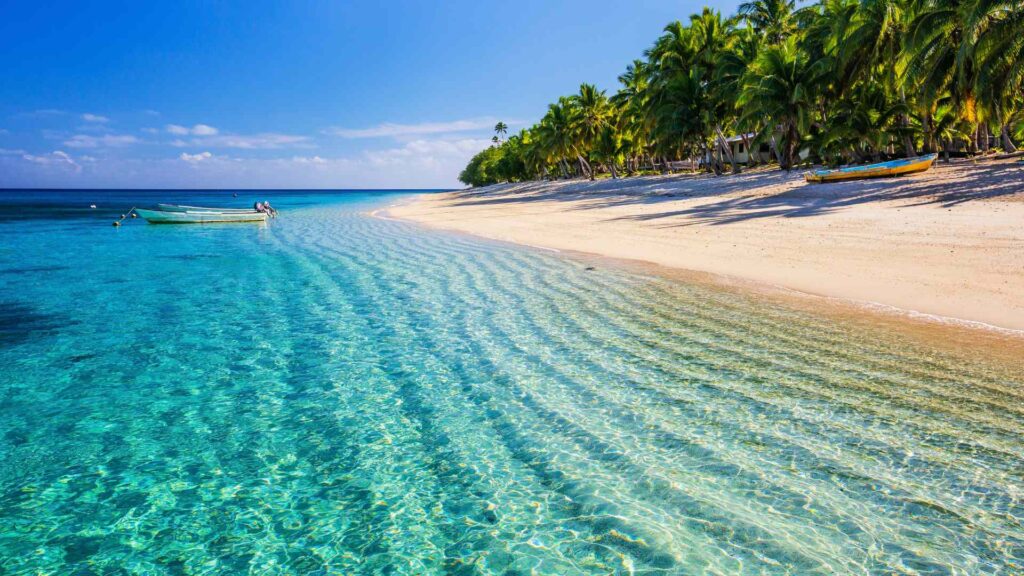
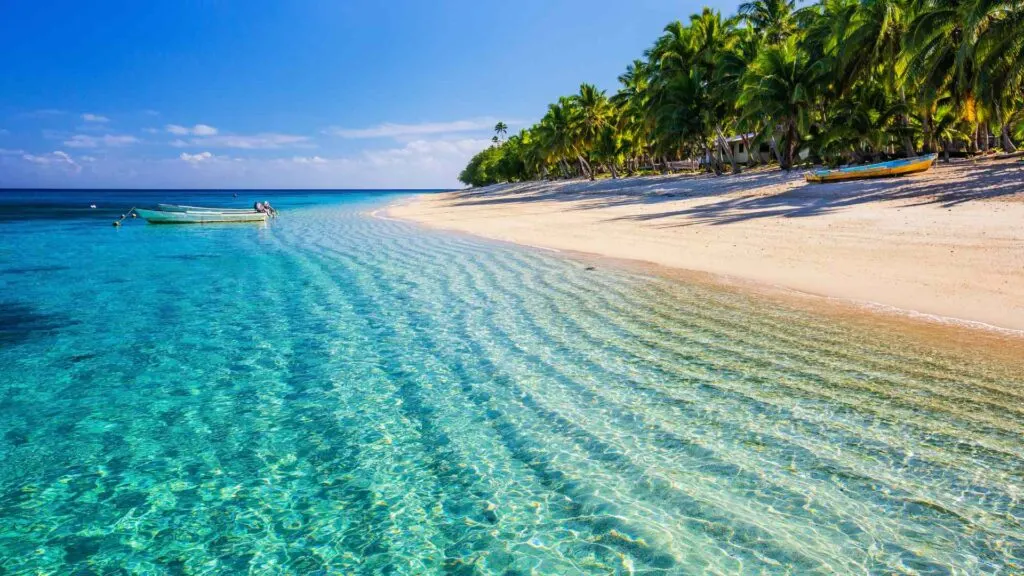
Best Beaches Near Suva for Cruisers
Although Suva itself is not known for its beaches, there are a few nearby coastal areas that offer the perfect escape for beach lovers:
- Pacific Harbour: About an hour's drive from Suva, Pacific Harbour is home to some of the best beaches near the capital. You can relax on the golden sands or take part in water sports like snorkeling, diving, and kayaking.
- Makalao Beach: Just a 30-minute drive from Suva, Makalao Beach is a quieter spot for those looking to escape the city crowds. The crystal-clear waters and soft sands make it an ideal place to unwind for the day.
- Beqa Island: Known for its world-class diving, Beqa Island is a 45-minute boat ride from Suva. Its coral reefs and abundant marine life make it an excellent spot for snorkeling and scuba diving enthusiasts.
Shopping in Suva: Where to Find the Best Souvenirs
Shopping in Suva is an exciting mix of traditional markets and modern shopping malls. Some of the best places to find souvenirs include:
- Handicraft Centre: Located near the port, this is the go-to spot for locally made crafts, including Fijian masi (tapa cloth), hand-carved wooden bowls, and woven goods.
- Suva Flea Market: A lively market where you can find an eclectic mix of souvenirs, clothing, and local foods. Bargaining is common here, so feel free to negotiate for a good price.
- TappooCity Mall: If you’re looking for a more modern shopping experience, TappooCity is a large shopping mall that offers everything from local fashion to electronics. It’s also a good place to escape the heat and enjoy a coffee in one of the mall’s cafés.
Dining Options Near Suva Cruise Port
Suva offers a wide variety of dining experiences, from street food to upscale restaurants. Here are some top spots near the port where you can grab a bite:
- Tiko’s Floating Restaurant: Located on a converted boat, Tiko’s offers fresh seafood with stunning waterfront views. The restaurant is popular with locals and tourists alike, so it's a great place to enjoy a leisurely meal.
- Governor’s Museum Themed Restaurant: If you’re in the mood for a mix of history and fine dining, Governor’s offers a unique experience. Located in a colonial-era building, it serves a blend of Fijian and international dishes.
- Maya Dhaba: For those craving Indian cuisine, Maya Dhaba offers delicious curries, tandoori dishes, and biryani, all within walking distance of the port.
Suva’s Vibrant Nightlife
If your ship is staying overnight, Suva's nightlife offers plenty of options for an enjoyable evening. From laid-back bars to lively nightclubs, there’s something for everyone:
- Bad Dog Café: A popular spot with expats and locals, Bad Dog Café is perfect for grabbing a drink and enjoying live music.
- O’Reilly’s Bar: A lively Irish pub that’s a favorite among tourists, offering a wide range of beers and pub fare.
- Traps Bar: One of Suva’s top nightlife destinations, Traps offers a dance floor and a variety of music genres. It’s the place to go if you want to dance the night away.
Practical Tips for Cruisers Visiting Suva
- Currency: Fiji’s currency is the Fijian dollar (FJD). Most shops and restaurants accept major credit cards, but it's a good idea to have some cash on hand for smaller purchases or markets.
- Language: English is widely spoken in Suva, along with Fijian and Hindi, so communication is rarely an issue.
- Safety: Suva is generally safe for tourists, but as with any city, it’s wise to be aware of your surroundings and take standard precautions, especially at night.
- Dress Code: Fiji has a conservative culture, so it’s respectful to dress modestly, especially when visiting religious sites or villages.
FAQs About Suva Cruise Port
How far is the Suva city center from the cruise port?
The Suva city center is a short 10- to 15-minute walk from the cruise port, making it easy to explore on foot.
What currency should I use in Suva?
The local currency is the Fijian dollar (FJD). Major credit cards are accepted in most places, but it's good to carry some cash for markets and smaller vendors.
Are there beaches near the Suva cruise port?
While Suva itself doesn’t have many beaches, nearby Pacific Harbour and Makalao Beach are excellent options for beachgoers, both within an hour’s drive.
What is the best time of year to visit Suva?
The best time to visit is during Fiji’s dry season, from May to October, when the weather is more pleasant and ideal for outdoor activities.
What local foods should I try in Suva?
Be sure to try Fijian specialties like kokoda (raw fish in coconut milk), lovo (food cooked in an earth oven), and roti with curry, showcasing Fiji's blend of native and Indian flavors.
Are taxis readily available at the cruise port?
Yes, taxis are readily available and affordable. Always ensure the driver uses a meter or agrees on a fare beforehand.

I’m Ellie, founder of Cruise Ports. I use an engineering mindset plus years of cruising to write clear, step-by-step port guides focused on walkability, local transit, safety, accessibility, and budget-friendly DIY days. I personally research routes, timetables, and logistics so you can explore confidently. Interested in the process? Check out how I research and update guides.
Last sailed: December 2024 • Home base: Madison, WI • Sole author & fact-checker