Curaçao Cruise Port: What to Do in Willemstad
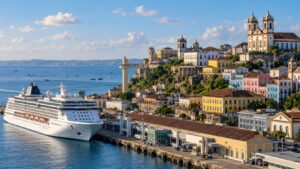
Curaçao is one of my favorite Caribbean walk-off days, because your ship ties up right at the edge of Willemstad. From the pier you can stroll the painted waterfront and cross a floating bridge into a UNESCO old town in minutes.
Last Visited: January 2022 aboard Norwegian Epic. This stop in Willemstad was part of my seven-night Southern Caribbean sailing from San Juan.
My quick take
If you like color, history, and easy beaches, Curaçao punches above its weight. It is one of the most walkable stops in my Caribbean cruise ports guide, and a natural pairing with nearby Aruba and Bonaire.
The quick facts
- Where you land: Willemstad, either at the Mega Pier about 660 feet west of the harbor mouth on the Otrobanda side, or at a wharf inside St. Anna Bay north of the pontoon bridge. The Curacao Ports Authority assigns the berth, so check your daily program the night before.
- Dock or tender: Ships berth alongside at either location and you walk off.
- Into town: About a 10 minute walk from the Mega Pier along the waterfront past Rif Fort and over the Queen Emma pontoon bridge into Punda.
- Currency and language: The Caribbean guilder (Cg), pegged at about 1.79 to the US dollar, though US dollars are accepted almost everywhere and cards are near-universal.
- Time zone: Atlantic Standard Time (AST, UTC−4) all year.
- How often the call is missed: Low (under 1%): tropical storms can make the approach unsafe.
How I’d confirm my own berth
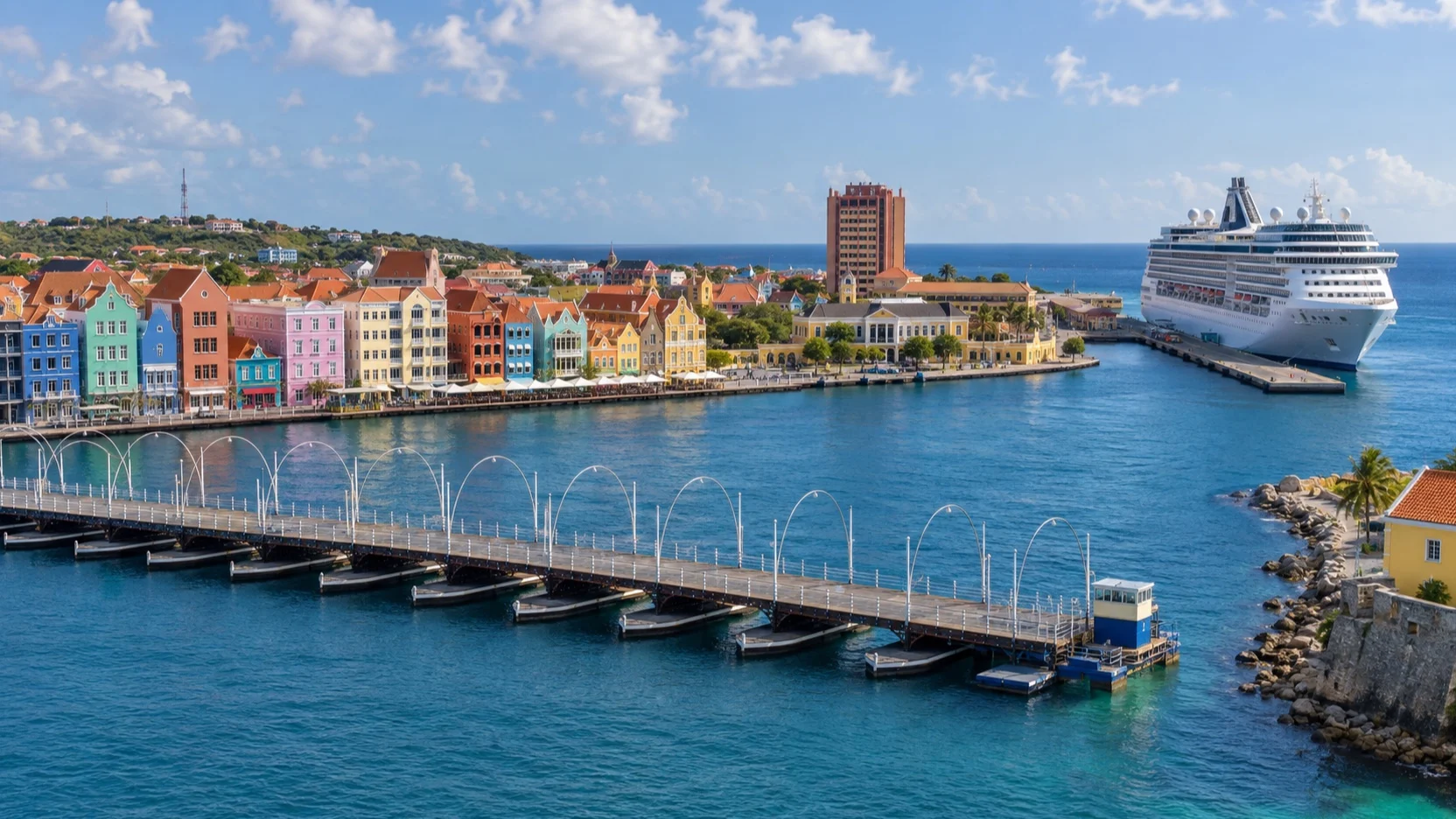
Curaçao has two docking areas, so it is worth knowing which one you get. The Curaçao Ports Authority notes that cruise ships berth at the Mega Pier facility or at the wharves inside St. Anna Bay.
The Mega Pier sits about 660 feet west of the bay entrance and handles the largest ships. A berth inside St. Anna Bay, north of the pontoon bridge, drops you even closer to the old town.
Either way you are within easy walking distance of Willemstad. Check your daily program the night before so you know which side you are stepping off onto.
Heads up: some links below are affiliate links. If you book through one, I may earn a commission at no extra cost to you. It never changes which hotels or tours I recommend. Full disclosure.
Getting around
Most of what you will want to see in Willemstad is walkable. The Punda and Otrobanda districts sit on opposite banks and are linked by the Queen Emma pontoon bridge, so exploring on foot is the whole point here.
For beaches and parks farther out, taxis wait near the terminal and many run on set fares. Guided island tours, booked through your line or independently, are the simplest way to reach the west end.
Renting a car gives you the most freedom for a full day. Public buses are cheap but run to their own rhythm, so I would not build a tight schedule around them.
Choose downtown or the west coast
The Mega Pier facilities and the Otrobanda wharves inside St. Anna Bay all put you on the west side of the harbor near Willemstad’s core. When the Queen Emma Bridge opens for marine traffic, use the free passenger ferry or wait rather than turning a short crossing into a rushed detour.
A Willemstad day needs no vehicle and best suits history, architecture, museums, and food. West-coast beaches or Christoffel National Park suit travelers who value scenery and swimming enough to accept a rental car, taxi, or tour plus a longer return.
Christoffel’s official guidance limits mountain climbing to the cooler morning hours, so start early and do not combine the summit with several distant beaches. For a beach day, arrange the return before leaving because taxis may not wait at quieter west-coast coves.
The stops I’d actually spend time on
The Handelskade waterfront
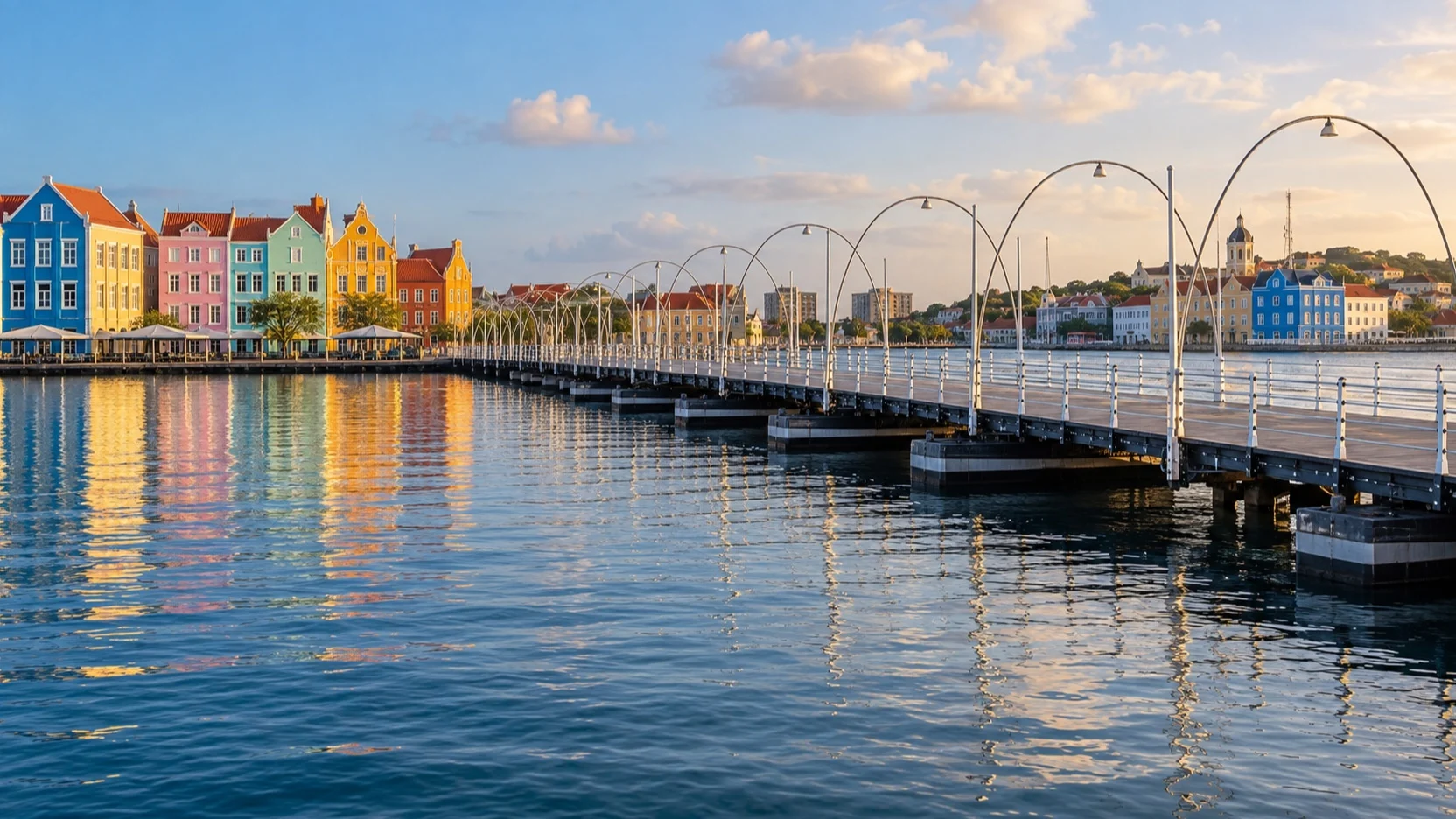
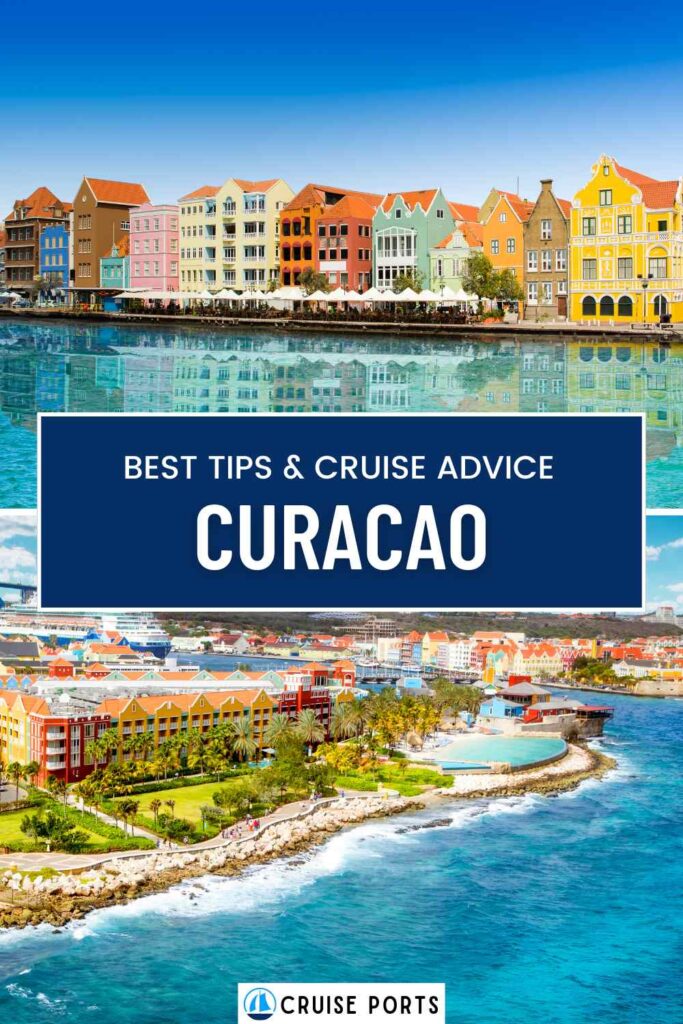
This row of candy-colored Dutch colonial facades is the picture that sells Curaçao. It lines the Punda side of the harbor and is the first thing most cruisers photograph.
UNESCO recognizes Willemstad for Dutch colonial urban planning adapted to Caribbean conditions. The vivid waterfront is worth enjoying without repeating the unsupported story that a governor banned white paint because of glare.
The Queen Emma pontoon bridge
Nicknamed the Swinging Old Lady, this floating bridge carries pedestrians across St. Anna Bay between Otrobanda and Punda. It is a genuine working structure, not just a photo op.
The Ports Authority confirms it opens day and night to let vessels in and out of the bay. When it swings aside for a passing ship, small free ferries shuttle people across instead.
Punda and Otrobanda
The whole historic core of Willemstad is a UNESCO World Heritage Site, inscribed in 1997 as the Historic Area of Willemstad, Inner City and Harbour. Punda holds the shops, synagogue, and forts, while Otrobanda is the more artsy, residential side.
I would give myself time to wander both. The tourist board’s district guides are a good primer before you go.
Fort Amsterdam and the Mikvé Israel-Emanuel Synagogue
Fort Amsterdam, a 17th-century fort, now houses the seat of government and a small church museum. A few blocks away sits Mikvé Israel-Emanuel, one of the oldest continuously used synagogues in the Americas.
Kura Hulanda Museum
Over in Otrobanda, this museum tells the hard history of the transatlantic slave trade and the island’s African roots. It is a sobering, worthwhile counterweight to the postcard waterfront.
Rif Fort and the Floating Market
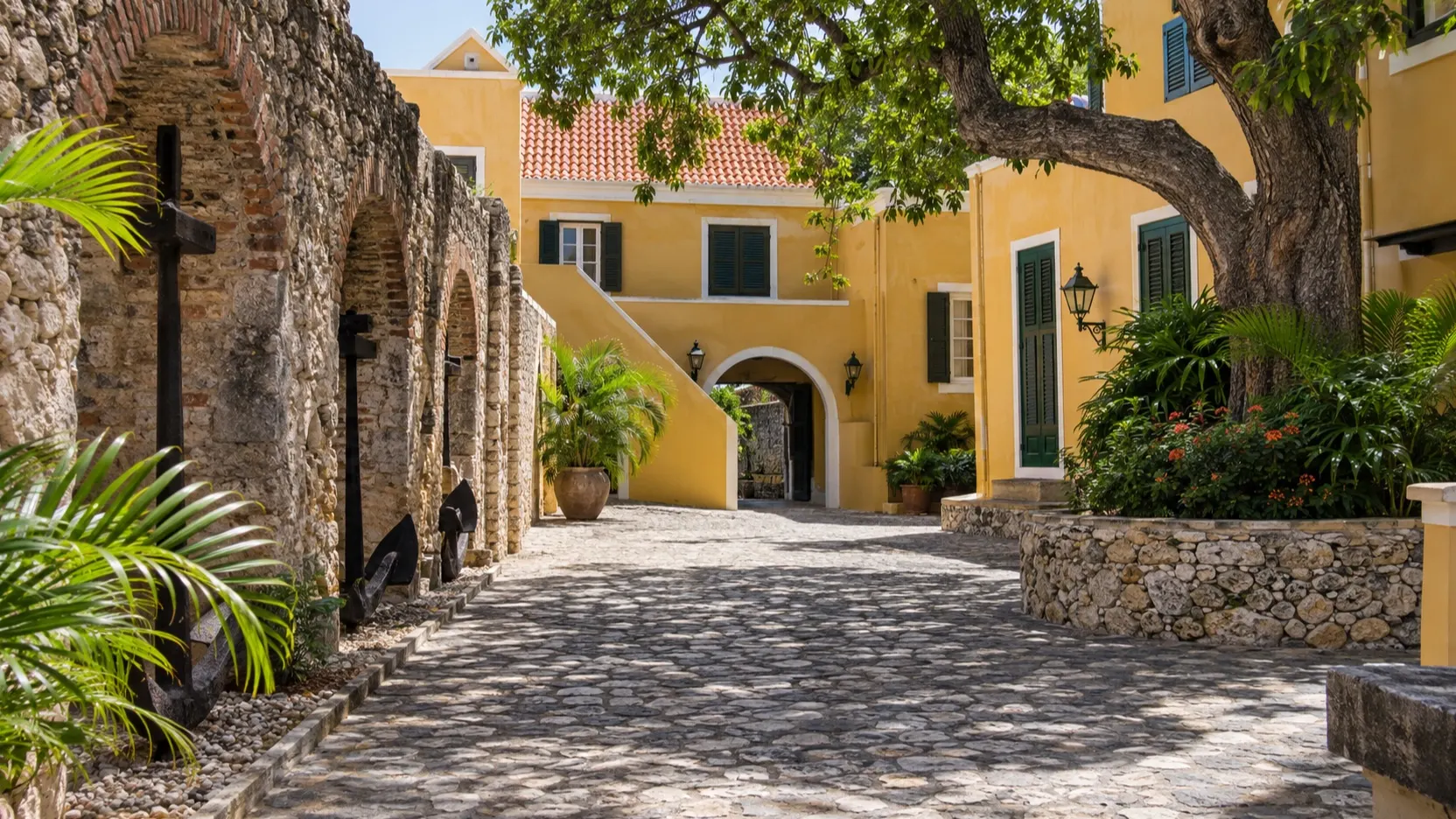
Rif Fort, on the Otrobanda side near the Mega Pier, is a restored 19th-century fort now filled with shops and restaurants. Across the water in Punda, the Floating Market has operated intermittently, so treat any Venezuelan produce boats as a bonus rather than a guaranteed attraction.
Christoffel National Park
On the island’s western end, Christoffel National Park protects Curaçao’s highest peak, Mount Christoffel, plus hiking and driving trails through dry forest. It is a longer drive from town, so save it for a full day ashore.
Curaçao Sea Aquarium
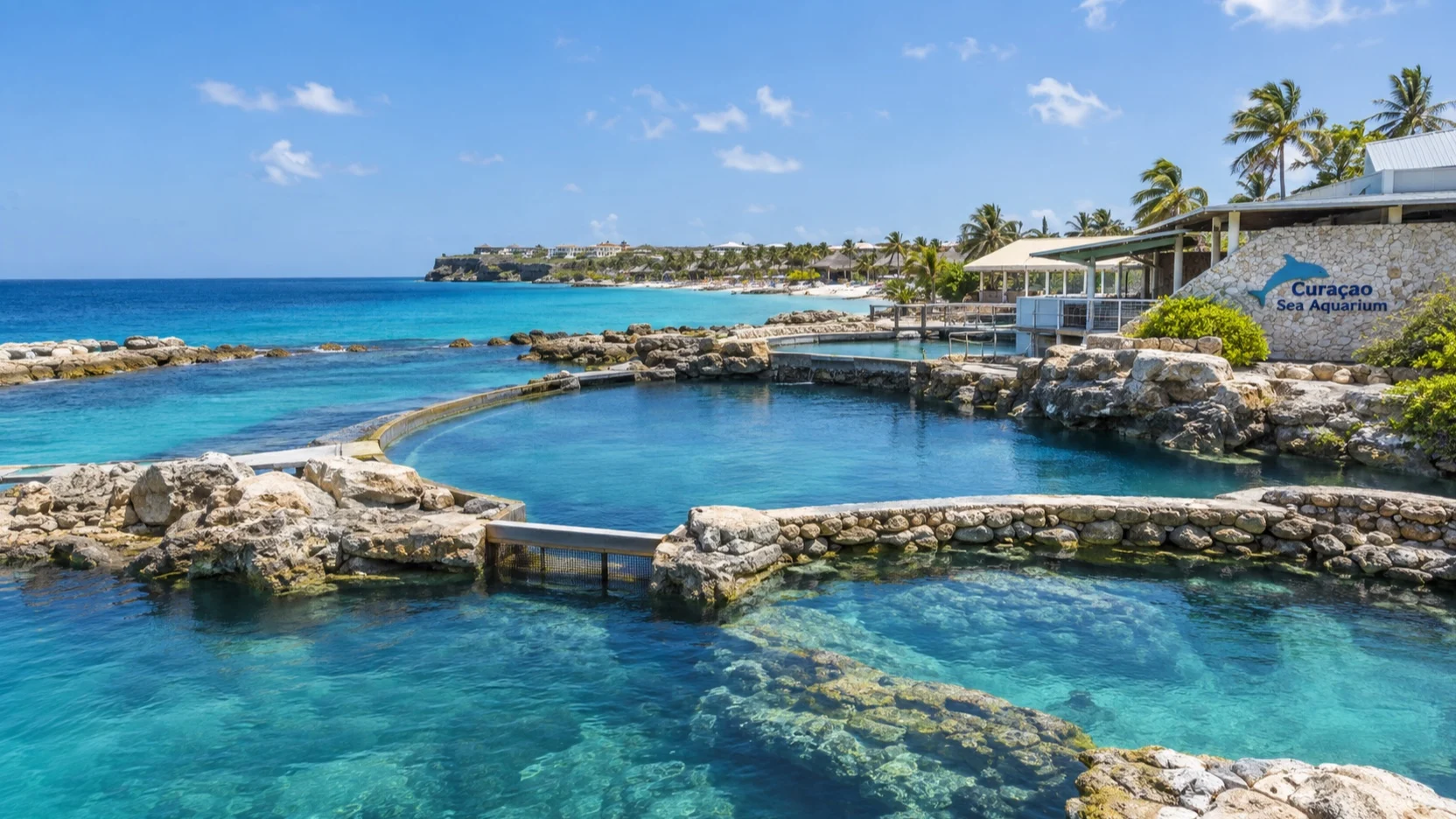
Southeast of Willemstad near the Sea Aquarium and Mambo beaches, this attraction is an easy family stop. It offers marine exhibits and animal programs within a short ride of the port, so review current welfare practices before booking a close-contact experience.
The beaches worth the drive
Curaçao’s best beaches sit west of the city, so they suit a taxi or rental over a full day. The tourist board even flags a couple among the region’s top Caribbean beaches.
Playa PortoMari
This sheltered west-coast beach is known for calm water and a house reef good for snorkeling. There are facilities on site, which makes it an easy half-day.
Grote Knip (Kenepa Grandi)
Grote Knip is the classic Curaçao postcard: turquoise water framed by low cliffs. It sits well out on the west end, so pair it with the park if you have wheels.
Cas Abao
Cas Abao is a well-run beach with soft sand, clear water, and a bar and loungers. It is one of the island’s most reliable picks for a relaxed swim day.
How I would plan the day
- Three useful hours: Walk Otrobanda, cross the Queen Emma Bridge, and explore Punda. This is the strongest low-cost plan and the easiest one to shorten.
- Five to six hours: Choose a city museum and nearby beach, or one west-coast beach with a reserved return. The city suits culture and food, while the beach plan trades flexibility for clearer water and snorkeling.
- Eight or more hours: Start early at Christoffel National Park, then add one west-coast beach if time remains. Target Willemstad 75 to 90 minutes before all aboard after an island drive, and do not depend on finding a taxi at a remote beach.
A realistic word on accessibility
The waterfront is flat and easy, but the Queen Emma Bridge is a moving pontoon structure with a boarding ramp and gaps between sections. Wheels can cross, though it takes a little care.
When the bridge swings open for ships, you either wait or take the ferry, so build in flexibility. Older forts and museums have steps and uneven surfaces.
When to go, and the weather
Curaçao is warm and dry year-round and sits outside the main hurricane belt, which is a big reason cruise lines call here even in summer. Peak visitor season runs roughly December to April.
Trade winds keep the heat manageable most days. Whenever you visit, bring sun cover and water for the beaches and the park.
Quick answers
Do ships dock or tender in Curaçao?
Ships dock alongside, either at the Mega Pier or at a wharf inside St. Anna Bay. There is no tender.
Can I walk from the port into Willemstad?
Yes. Both berths are within easy walking distance of the old town, with the Queen Emma Bridge linking the two banks.
What currency should I bring?
The local currency is the Caribbean guilder, but U.S. dollars are widely accepted and cards work in most places. Small cash helps for taxis and markets.
How this guide was researched: Unless a first-hand visit is explicitly identified above, this guide is based on independent research using official port, tourism, transit, government, and attraction sources where available. Logistics and time-sensitive details were reviewed in September 2026; see our Editorial Policy.