Abashiri Cruise Port: Drift Ice & Prison Museum, Hokkaido
Abashiri is Hokkaido’s quiet gateway to the Sea of Okhotsk, and its seasons create strikingly different calls. Winter can bring drift ice and eagles, while warmer months favor capes, lakes, and wide skies.
My quick take
Abashiri rewards a simple plan more than a packed one. Pick one headline experience, add a museum on Mount Tento, and leave room to breathe.
Abashiri works especially well as a northern Japan call because several headline sights sit within a short taxi ride. If you are still mapping the region, the Japan cruise ports guide puts Abashiri in context.
Quick Facts
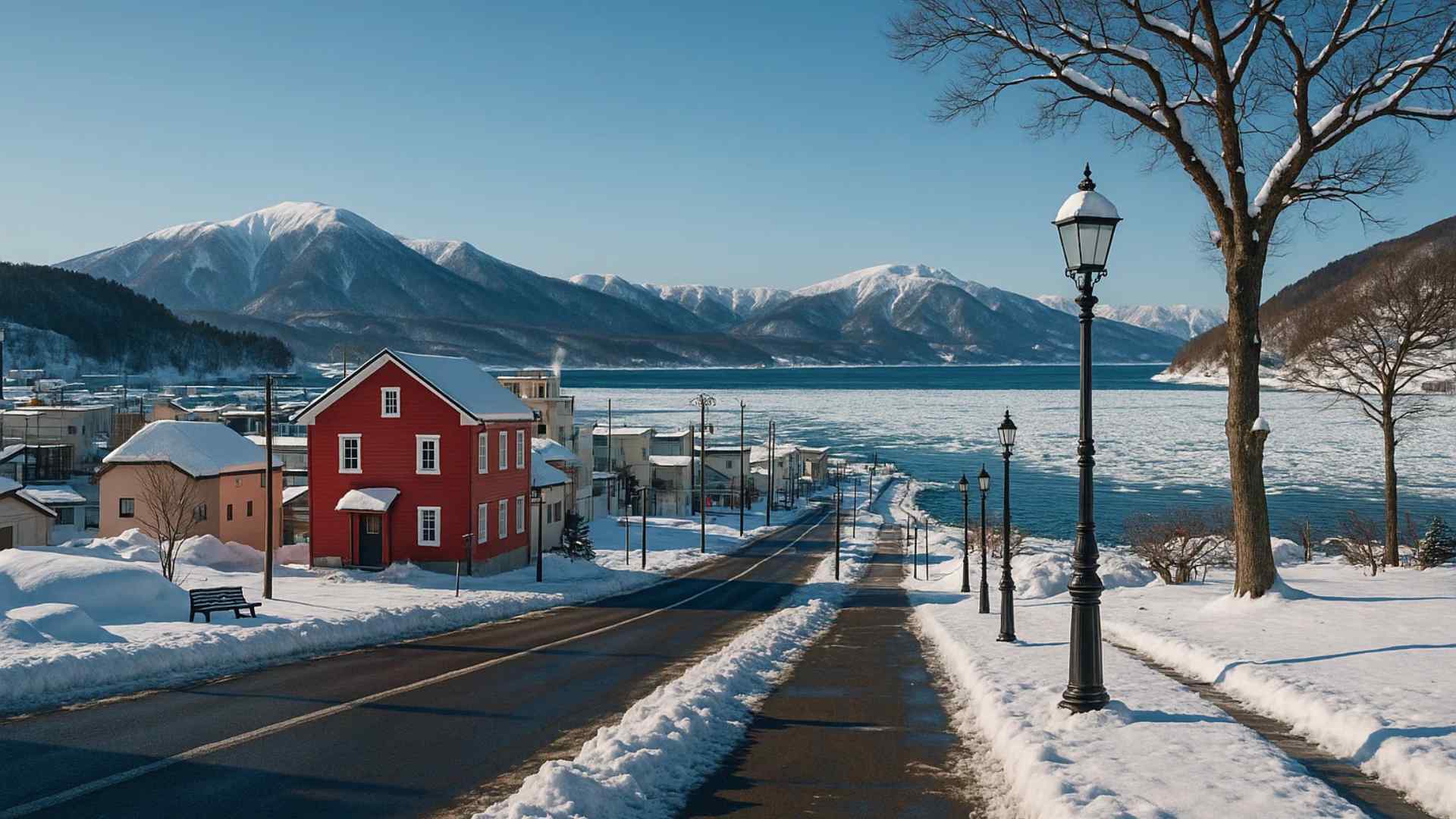
- Where you land: Abashiri Port, a working commercial harbor in the Minatomachi area on the Sea of Okhotsk. Passenger facilities and the authorized pickup area can vary by ship and berth, so follow the current gangway signs and onboard instructions.
- Dock or tender: Cruise ships normally berth alongside. Confirm the published assignment and any berth-specific access instructions for your sailing.
- Into town: Abashiri Station and the bus terminal are roughly 2 miles from the port area. Use the ship shuttle if one is offered, or take an authorized taxi according to the day’s pickup plan.
- Currency and language: The Japanese yen (JPY) and Japanese.
- Time zone: Japan Standard Time (UTC+9).
- Schedule risk: No official public cancellation rate is available. Wind, fog, berth operations, and the ship’s wider itinerary can change or cancel the call.
Getting off the ship and the berth
A cruise-day shuttle may run to Abashiri Station or the roadside station, but it is not universal. Confirm the route, fare, accessibility, last return, and taxi availability in the ship’s program before leaving the working pier.
The roadside station “Ryuhyo Kaido Abashiri” is the handy hub near the water. It has tourist information, free Wi-Fi, coin lockers, restrooms and a small cafe.
Abashiri Station is the other useful base, with local buses, taxis, lockers and convenience stores. From either point you can reach every headline sight without much fuss.
Getting around
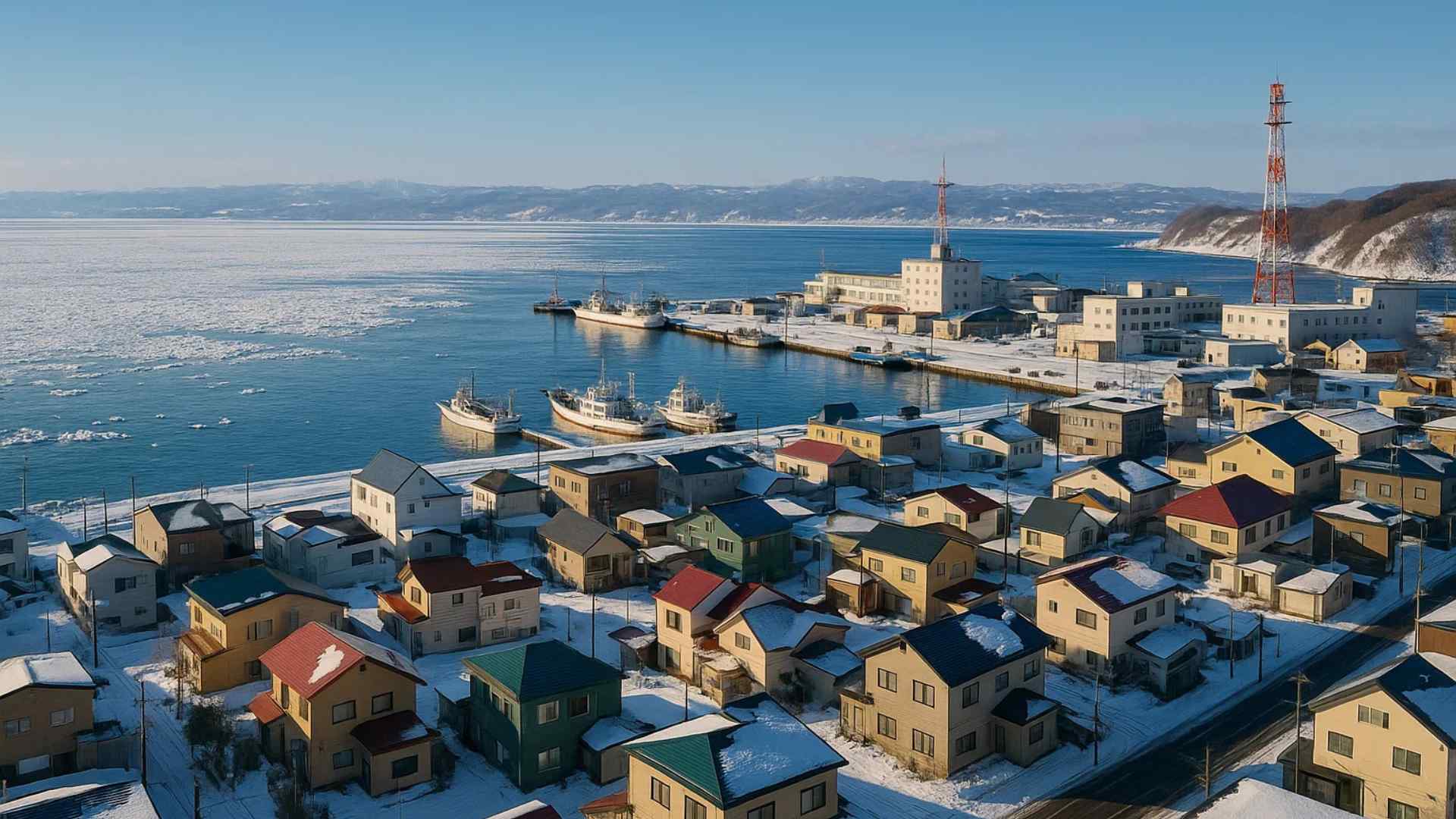
The waterfront promenade near the roadside station is flat and stroller friendly. The climb up to Mount Tento is steep, so I would not tackle it on foot if you are short on time.
Abashiri Bus runs town routes toward Mount Tento, which serves the Prison Museum, the Ryu-hyo museum and the Northern Peoples museum. A sightseeing loop sometimes runs in the main seasons.
Bus payment methods can vary by route and vehicle, so check the current operator instructions before boarding. Carry some yen as a backup rather than assuming a national IC card or phone payment will work.
Taxis wait at Abashiri Station and are the most efficient option for a short call. Ask for a two to three hour loop covering the hilltop museums and Cape Notoro, and keep place names on your phone in Japanese.
Seasonal bicycle or e-bike rental may be available near the roadside station, but opening dates and inventory can change. Confirm locally before relying on a bike, and remember that the Mount Tento climb and exposed wind make this more than a flat waterfront ride.
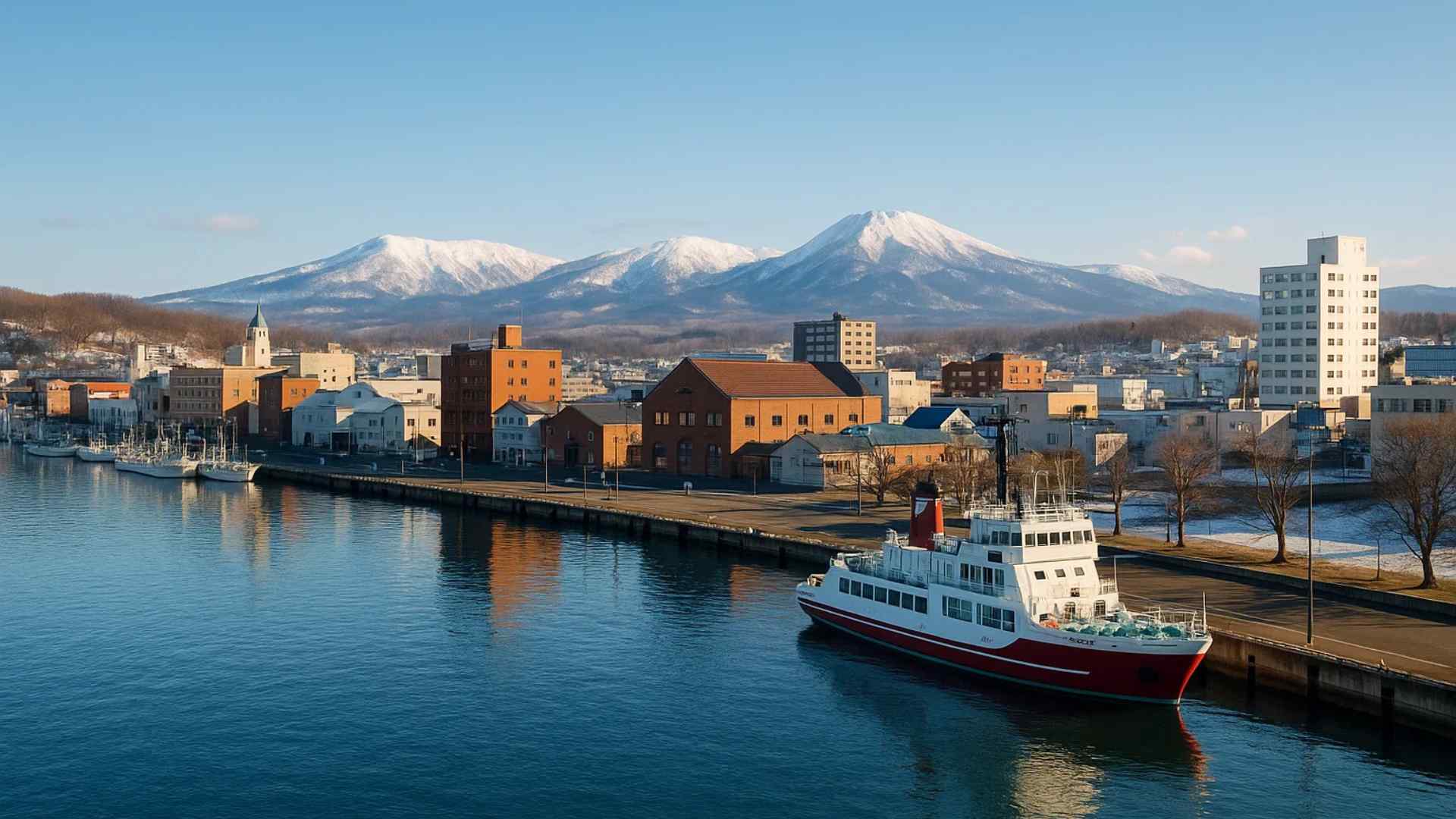
The stops I would actually spend time on
You cannot see all of Abashiri in one call, so I focus on a short list that tells the region’s story. These are the places I would give real time to.
Abashiri Prison Museum
This open-air museum on the flank of Mount Tento preserves the buildings of Japan’s remote frontier prison. The exhibits are moving, honest and surprisingly family friendly.
Fun fact: the surviving five-wing wooden cell house was completed in 1912, and inmates were once forced to build the first road toward Sapporo, according to the Japan National Tourism Organization.
Okhotsk Ryu-hyo museum on Mount Tento
This is the drift ice museum, and it is the best way to understand the phenomenon in any season. You can touch real drift ice indoors and meet the tiny sea creatures that live beneath it.
Fun fact: the Abashiri City tourism office notes the museum keeps a “Drift Ice World Experience Room” with real ice, plus a free rooftop observatory looking over the city, lakes and sea.
Hokkaido Museum of Northern Peoples
This one quietly won me over. Rather than focus only on the Ainu, it compares northern cultures right across the top of the world.
Fun fact: the museum opened in 1991 and is dedicated to circumpolar peoples from the Sami and Nivkh to the Ainu and the ancient Okhotsk culture, a comparative sweep that is rare in Japan.
Lake Notoro and Lake Abashiri
The lakes bookend the town and give you an easy hit of nature. Lake Abashiri is good for a calm sunset stroll, while Lake Notoro delivers the surreal photo op.
Fun fact: the coral grass, or glasswort, along Lake Notoro turns a deep crimson from mid September to early October, one of the region’s signature fall sights.
Shiretoko National Park, a UNESCO day trip
Shiretoko is too far and its public-transport chain too fragile for most Abashiri cruise calls. Consider it only on a long, prearranged excursion with a conservative return, and otherwise save the UNESCO coast for a land stay.
Fun fact: UNESCO inscribed Shiretoko in 2005, in part because its seasonal sea ice is the lowest latitude drift ice in the northern hemisphere and fuels an extraordinary food web.
The drift ice cruise in winter
In the winter operating season, the Aurora sightseeing icebreaker is the headline, but drift ice is a moving natural event rather than a guaranteed wall at the harbor. Reserve the correct sailing, confirm the season and cancellation policy, and protect the cruise ship’s return time.
Fun fact: the ice drifts down from Russia’s Amur River, and Abashiri sits near the southern limit of sea ice in the northern hemisphere, which is exactly why it forms such a rare spectacle here.
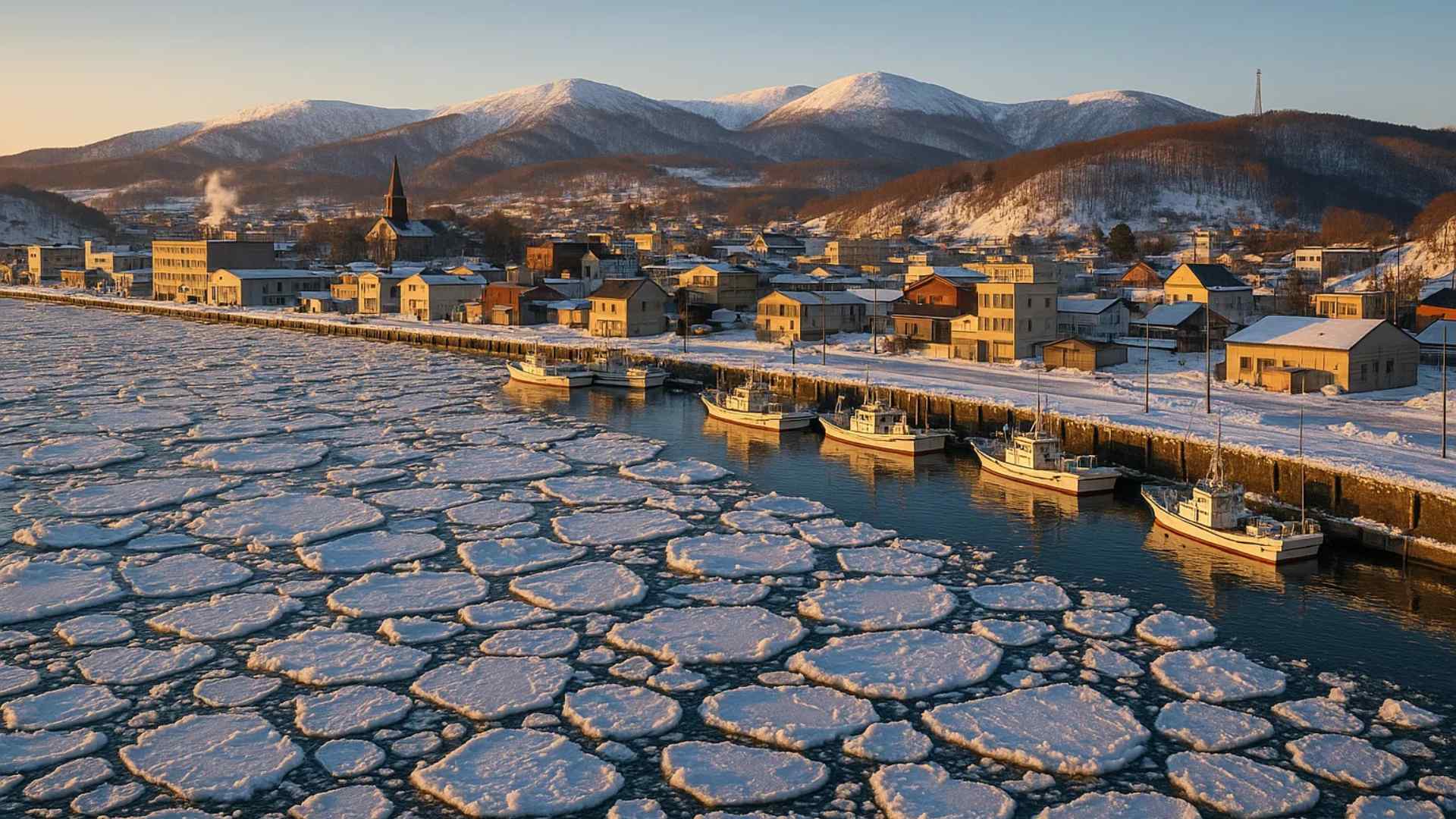
How I would plan the day
For a short call in winter, I would board the drift ice cruise first thing while the light is good. After thawing out with a seafood lunch, I would head up to the Prison Museum and finish at the Mount Tento observatory.
For a warmer month call, I would flip the order and go cultural first. Start at the Museum of Northern Peoples, walk over to the Prison Museum, then drive out to Cape Notoro for sea breeze and photos.
If you have a long day and clear skies, add Lake Notoro or a slow coastal loop. Reach the pier 60 minutes before all-aboard from town and 90 minutes early after Cape Notoro, a winter icebreaker sailing, or another timed connection.
A realistic word on accessibility
The good news is that the town core and waterfront are mostly flat and easy to roll. The roadside station has barrier-free restrooms, changing tables, lockers and indoor seating, so it makes a great regrouping base.
Mount Tento is the catch, since it is steep and best reached by vehicle rather than on foot. Local buses mix step-entry and low-floor types, so a taxi is often easier for anyone with limited mobility.
The major museums generally have ramps or elevators and benches for rests. It is worth asking at the desk about wheelchair loans or a step-free route before you start.
When to go, and the weather
Most cruise calls here fall in the warmer months, roughly May to October, when the weather is mild and the lakes and capes shine. Summers are cool, often in the mid-60s°F, with sea breezes and the occasional bank of fog.
The drift ice is a strictly winter affair, usually late January to late March. If you want ice, you need a winter sailing, and you need to dress for sharp windchill on an open deck.
June brings very long days that are perfect for scenic loops. December and January bring short daylight, so I would plan fewer stops and lean on indoor museums.
Quick answers
Is Abashiri a walk-off or shuttle port?
You can walk off to a small waterfront area, but most visitors shuttle or taxi to the station or roadside station in about 10 to 15 minutes.
If I can do only one thing, what should it be?
Choose the Aurora drift-ice cruise in its winter season, or Mount Tento’s Okhotsk Ryu-hyo Museum and observatory in warmer months.
Can I see wildlife without a boat?
It is possible to spot swans, eagles, deer, or other seasonal wildlife from lakes and capes, but location, weather, and timing never guarantee a sighting.
Is a quick hop to Shiretoko realistic?
Usually not, because the train-and-bus chain to Utoro is too fragile for most calls; consider only a long, prearranged excursion with a conservative return.
Where Abashiri fits on your Hokkaido run
Abashiri is wilder and quieter than the bigger names on a Hokkaido itinerary, and that is the whole appeal. If you want a livelier canal town with easy Sapporo access, compare it with my Otaru cruise port guide.
For a port with more history right at the waterfront, Hakodate makes a fine contrast, and if your route dips south to Honshu, Aomori pairs nicely. Whichever you choose, Abashiri’s drift ice and big skies will still be the day you talk about most.


How this guide was researched: This guide uses current information from the Japan National Tourism Organization, Abashiri’s official tourism office, museum and transport pages where available, and UNESCO’s Shiretoko listing. Berth assumptions, seasonal transport, museum access, drift-ice operations, and excursion timing were reviewed on September 11, 2026; see our Editorial Policy.