Aberdeen Cruise Port: A Cruiser’s Guide to the Granite City
Aberdeen introduces itself as a working North Sea port, then rewards the transfer into town with sparkling granite, excellent museums, a broad beach, and a chance of spotting bottlenose dolphins from shore. Choose between an urban day and one Aberdeenshire excursion, because combining both turns a vacation into a clipboard exercise.
Quick Facts
- Where you land: most large ships use South Harbour at Nigg Bay, a secure commercial facility about 2 miles south of the city center, while smaller vessels can still take a berth in the old city-center harbor. Port of Aberdeen publishes the scheduled berth, but it warns that details change.
- Dock or tender: Both harbors are alongside berths, though Aberdeen has previously landed guests by tender when conditions or berth availability required it, so check the daily program.
- Into town: From South Harbour, use the cruise line or port-authorized transfer. Travel time changes with the berth, gate, traffic, and shuttle stop, so use the day’s program rather than a fixed 10-to-15-minute promise.
- Currency and language: Pounds sterling (GBP) and English, with the local Doric dialect much in evidence.
- Time zone: British Summer Time (BST, UTC+1) through the May to September cruise season, Greenwich Mean Time (UTC+0) in winter.
- Operational caution: Berth assignments and marine conditions can change, so check the port schedule and ship’s daily program.
First, find out which Aberdeen you are arriving at
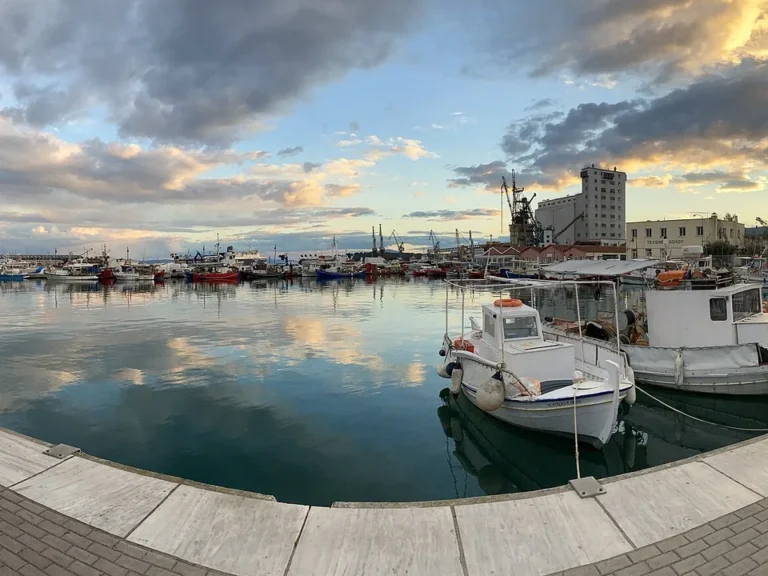
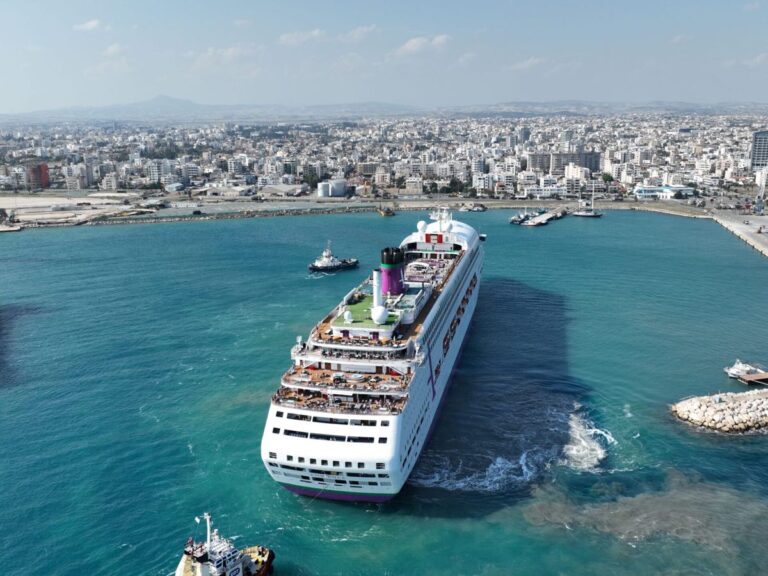
Port of Aberdeen uses several cruise berths, and the berth changes the logistics. Most large ships use South Harbour at Nigg Bay, while smaller vessels can appear at North Harbour quays closer to the center, so the ship’s daily program is more useful than an old port map.
South Harbour is a secure commercial facility rather than a walk-off tourist pier. Follow the transport arrangements supplied by the ship and port, and never assume that you can leave an industrial quay on foot just because the city looks close across the water.
The port’s live cruise-call list identifies scheduled berths, but it also warns that details can change. Weather can alter a call too, and Aberdeen has previously received tendered guests when conditions made the intended berth unsuitable.
My first move would be wonderfully unglamorous: photograph the shuttle details and last return time. Once you reach the center, Aberdeen becomes a much simpler proposition.
The best easy day stays in the city
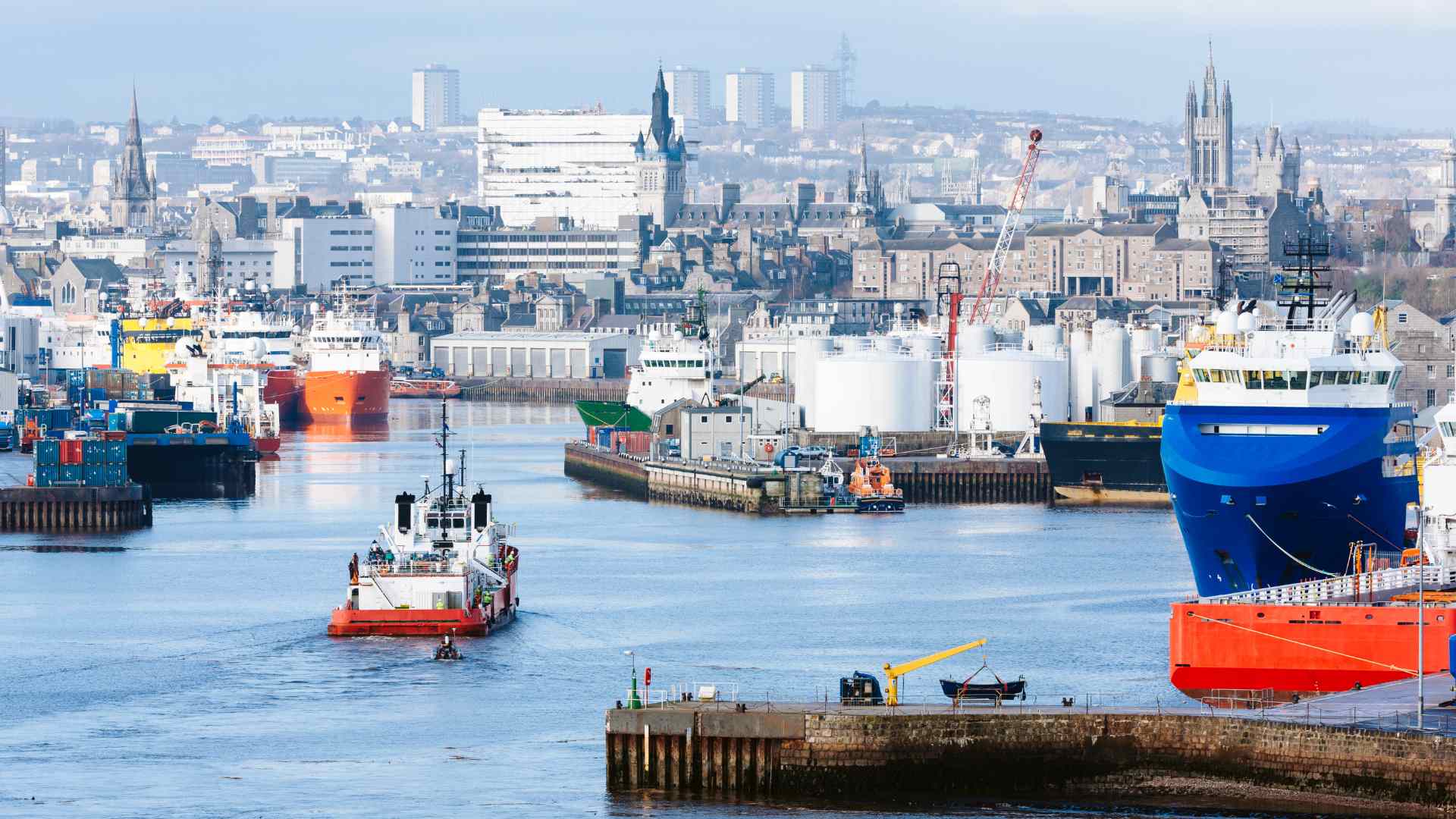
Start around the Castlegate and harbor end of town if that is where your transport leaves you. The Aberdeen Maritime Museum sits in historic buildings beside the harbor and explains shipbuilding, fishing, trade, and the offshore energy industry, so it turns all those purposeful vessels outside into a story rather than background machinery.
The museum is a strong bad-weather choice, but check the city council’s current opening information before depending on it. Historic buildings can also involve elevators, changes of level, or temporary gallery closures, which is worth confirming if mobility shapes the day.
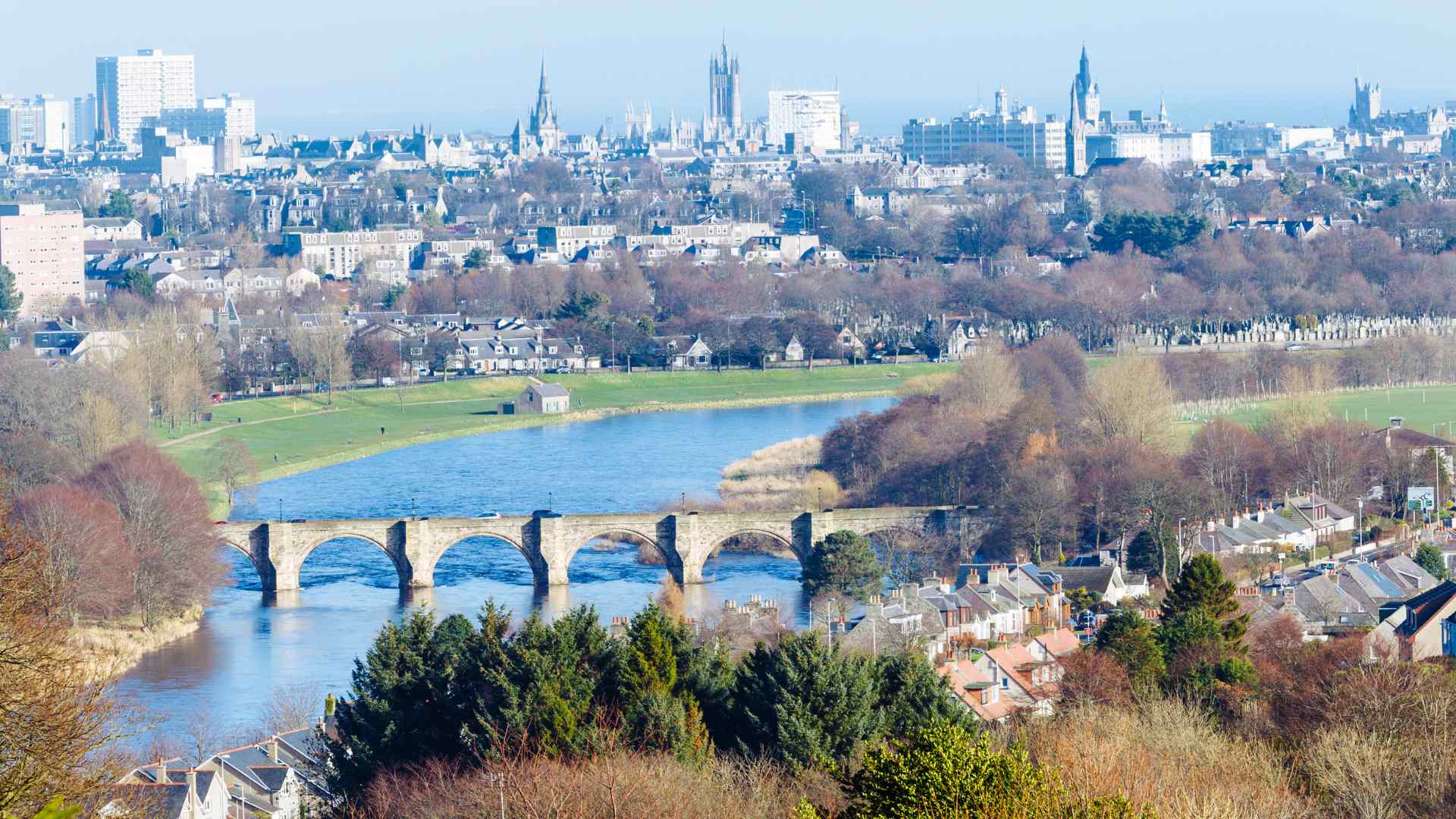
From the harbor, walk uphill toward Marischal College. Its long granite frontage provides the city’s grandest architectural moment, though it is primarily a working civic and university building rather than an attraction you tour room by room.
Continue to Aberdeen Art Gallery, where the collection ranges across fine and decorative art in a handsome modernized building. General admission is free, which makes it ideal for a quick look or a long rainy retreat without the emotional burden of “getting your money’s worth.”
Union Terrace Gardens offers an outdoor pause nearby. The restored gardens include accessible routes and sit below the city streets, giving tired feet a patch of green without requiring an expedition into the countryside.
This central loop works because it leaves room for lunch and detours. It also keeps you close to the return point, a quality that becomes more charming as all-aboard approaches.
Old Aberdeen deserves its own chapter
Old Aberdeen lies north of the modern center and feels distinct enough to justify a bus or taxi hop. The University of Aberdeen’s King’s College campus, the crown-topped chapel, old streets, and nearby St Machar’s Cathedral create a compact historic cluster.
St Machar’s is an active place of worship, not a film set, so check visitor access and services before going. Its striking heraldic ceiling is a highlight, but weddings, funerals, worship, and special events properly take priority over sightseeing.
Seaton Park spreads north of the cathedral toward the River Don. It provides lawns, formal planting, and a greener approach to the area, though paths, weather, and the distance back to transport all matter more than the map makes obvious.
Confident walkers can continue toward the medieval Brig o’ Balgownie, but it should be an optional flourish rather than a compulsory box. The extra distance is pleasant on a bright day and notably less delightful in horizontal rain.
Pairing Old Aberdeen with the city-center museums makes a balanced full day. Pairing it with a distant castle usually means watching more of Aberdeenshire through a vehicle window than I would choose.
For sea air, choose Footdee and the beach
Aberdeen Beach stretches north of the harbor behind a broad esplanade. It is a refreshing contrast to the stone center, but North Sea wind can turn a theoretically gentle stroll into vigorous facial exfoliation.
At the harbor end sits Footdee, commonly pronounced “Fittie,” a small former fishing community arranged around compact squares. People live here, so admire the lanes quietly, keep doorways clear, and treat homes and gardens as private rather than as a themed attraction.

The beach promenade is mostly straightforward for wheels and slower walkers, but the sand itself is another matter. Check local conditions, stay clear of rough water, and do not confuse a sunny spell with warm bathing weather.
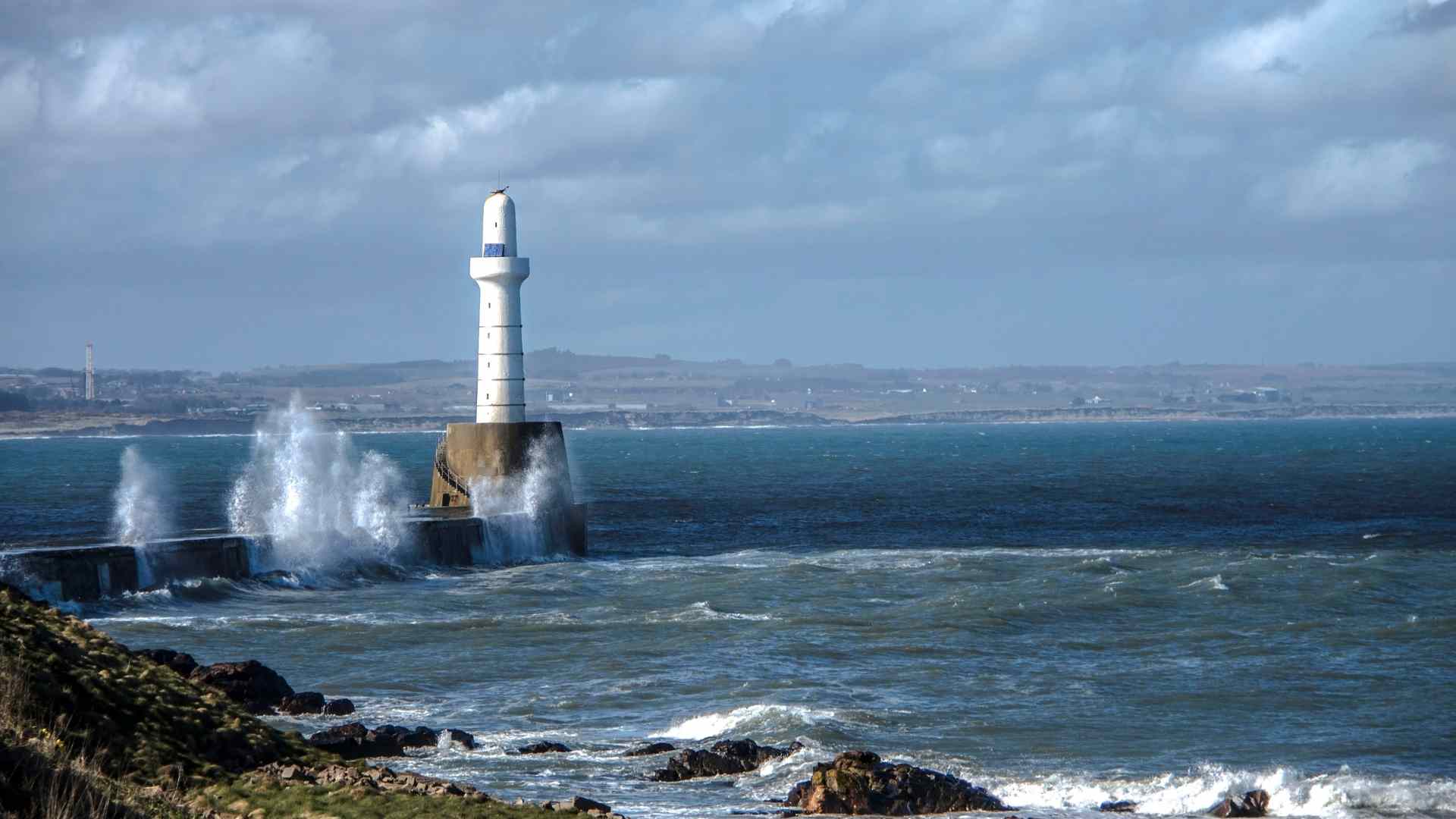
Torry Battery, on the opposite side of the harbor mouth, is promoted locally as a shore-based dolphin-watching location. The animals are wild and no sighting is guaranteed, which is precisely why a brief fin breaking the surface feels much more exciting than a scheduled performance.
RSPB’s Dolphinwatch activity has helped establish the area’s reputation, and the harbor mouth can also produce seabirds and busy vessel movements. Bring binoculars, add a windproof layer, and keep the outing enjoyable even if every dolphin has apparently booked the afternoon off.
Reaching Torry Battery is best treated as a separate taxi or organized transfer from the center. Do not assume that a route beside an industrial harbor will be an attractive or permitted pedestrian shortcut.
Castle country is a different kind of port day
Aberdeenshire’s castles and coast are strong reasons to leave the city, but they require a disciplined plan. Dunnottar Castle near Stonehaven is the most dramatic choice, standing on a rocky headland with steep approaches and extensive ruins.
The castle’s official site warns visitors about many steps and uneven terrain. Wind, rain, maintenance, and capacity can affect access, so check current conditions and book where required rather than treating it as a casual add-on.
Crathes Castle offers a different day, with a turreted house, gardens, and woodland managed by the National Trust for Scotland. Opening arrangements vary by season and by part of the property, so verify the house and garden separately.
Balmoral lies much farther into Royal Deeside and operates around a working royal estate. Public access is seasonal and can change, which makes it better suited to a ship excursion or carefully booked private tour than to improvisation at the shuttle stop.
I would choose one headline excursion, not collect castles like airport stamps. Dunnottar gives coastal drama, Crathes gives interiors and gardens, while a Deeside drive gives scenery but consumes more of the call.
Independent rail or bus travel may be possible for some destinations, yet a port day is a poor moment to test a chain of tight connections. Compare the official transport planner with your ship’s all-aboard time and build a large buffer for the final port transfer.
Build the port-to-ship return before choosing a castle
South Harbour is a secure working port, so a city day begins and ends with the authorized transfer rather than an independent walk through the gate. Note the exact city stop, last shuttle, all-aboard time, and whether the ship requires photo identification before leaving the terminal.
For Dunnottar, Crathes, or Balmoral, choose a ship excursion or a prebooked driver who knows the berth and will wait during the visit. Independent transit can cost less, but infrequent service, seasonal opening, and the final port transfer make it a poor fit when the call is short.
Aim to be back at the city shuttle point 60 to 90 minutes before all aboard, with more time for a distant castle. Entry permission depends on nationality, so check the official UK visa checker and, when applicable, the UK ETA guidance before travel.
Three plans that actually fit
A short call or a wet day
Take the authorized transfer into central Aberdeen, begin at the Maritime Museum, and walk to Marischal College and the Art Gallery. Add a café stop or Provost Skene’s House if it is open, then return without trying to outrun the weather.
This plan is compact, inexpensive, and rich in local context. Its limitation is obvious: you will see little of the coast or countryside that gives northeast Scotland its scale.
A full city day
Start in Old Aberdeen before the day grows busy, then move to the center for the Art Gallery and Maritime Museum. Finish with either Footdee and the beach or a taxi to Torry Battery, depending on the wind and your enthusiasm for speculative dolphin appointments.
The plan uses short transport hops and leaves choices for rain. The downside is that Old Aberdeen’s surfaces and the total walking distance can tire anyone who thought “compact” meant “tiny.”
One grand excursion
Book a ship tour, licensed guide, or well-researched private transfer to Dunnottar Castle or Royal Deeside. Keep the itinerary to one major site plus a scenic stop, and return to Aberdeen early enough to absorb traffic or a delayed entrance.
This is the best choice for landscape and history beyond the city. It costs more, depends more heavily on road conditions, and sacrifices Aberdeen’s excellent free museums.
Food, money, and small practicalities
Scotland uses pounds sterling, and cards and contactless payment are widely accepted. A little cash can still help with small purchases, but there is no reason to carry a heroic wad of notes around a modern UK city.
Look for northeast produce rather than chasing a single supposedly compulsory dish. Seafood, bakery treats, buttery rowies, and local beef can all make sense, while dietary needs are generally easy to communicate in established cafés and restaurants.
Lunch around the center is simplest for timing. A meal in Footdee or farther along the beach can be pleasant, but allow for the journey back rather than ordering dessert with one eye on the ship.
Standard UK personal-safety habits apply. Watch traffic direction when crossing, protect valuables in busy areas, and follow port staff instructions in commercial zones.
Aberdeen weather changes quickly because the sea is never far away. A waterproof outer layer, shoes with grip, and something warm belong in the day bag even when the morning forecast looks smugly optimistic, advice that also travels well to our Greenock guide for Glasgow.
Accessibility without wishful thinking
Modern central attractions generally publish access information, and Aberdeen Art Gallery provides accessible facilities. The Maritime Museum occupies connected historic buildings, so contact the venue if you need a particular elevator route or have a larger mobility device.
Old Aberdeen brings cobbles, older paving, and longer distances. Seaton Park may provide gentler approaches in places, but gradients and wet surfaces still deserve consideration.
Dunnottar Castle is not a step-free excursion and should not be presented as one. Visitors who want coastal scenery without the castle approach may prefer an accessible viewpoint arranged with a driver, subject to parking and current local conditions.
Cruise shuttles and gangways vary by vessel and operator. Ask the ship directly about wheelchair capacity, mobility-scooter acceptance, gangway slope, and whether assistance must be reserved.
What I would skip
I would skip a rushed attempt to combine Balmoral, a castle interior, and central Aberdeen. Distances and seasonal access make that plan look better in a brochure than it feels from the back seat.
I would also skip treating a dolphin sighting as the day’s guaranteed centerpiece. Make Torry Battery a good coastal outing first, then let wildlife provide the bonus.
Most of all, I would not dismiss Aberdeen as merely a gateway. A city day here delivers maritime history, strong art, old university architecture, and open sea with far less logistical theater than a cross-country dash.
The verdict
Choose central Aberdeen and Old Aberdeen if you want a flexible day that can shrug off rain. Choose one Aberdeenshire excursion if castles or dramatic coast matter more, but resist squeezing both versions into a single call.
My own vote goes to the city, Old Aberdeen, and a weather-dependent finish by the sea. It feels specific to the port, leaves breathing room, and makes a useful northern contrast with our Edinburgh cruise port guide.
How this guide was researched: Unless a first-hand visit is explicitly identified above, this guide is based on independent research using official port, tourism, transit, government, and attraction sources where available. Logistics and time-sensitive details were reviewed in September 2026; see our Editorial Policy.