Cabo San Lucas Cruise Port: El Arco, Beaches & Baja Tips
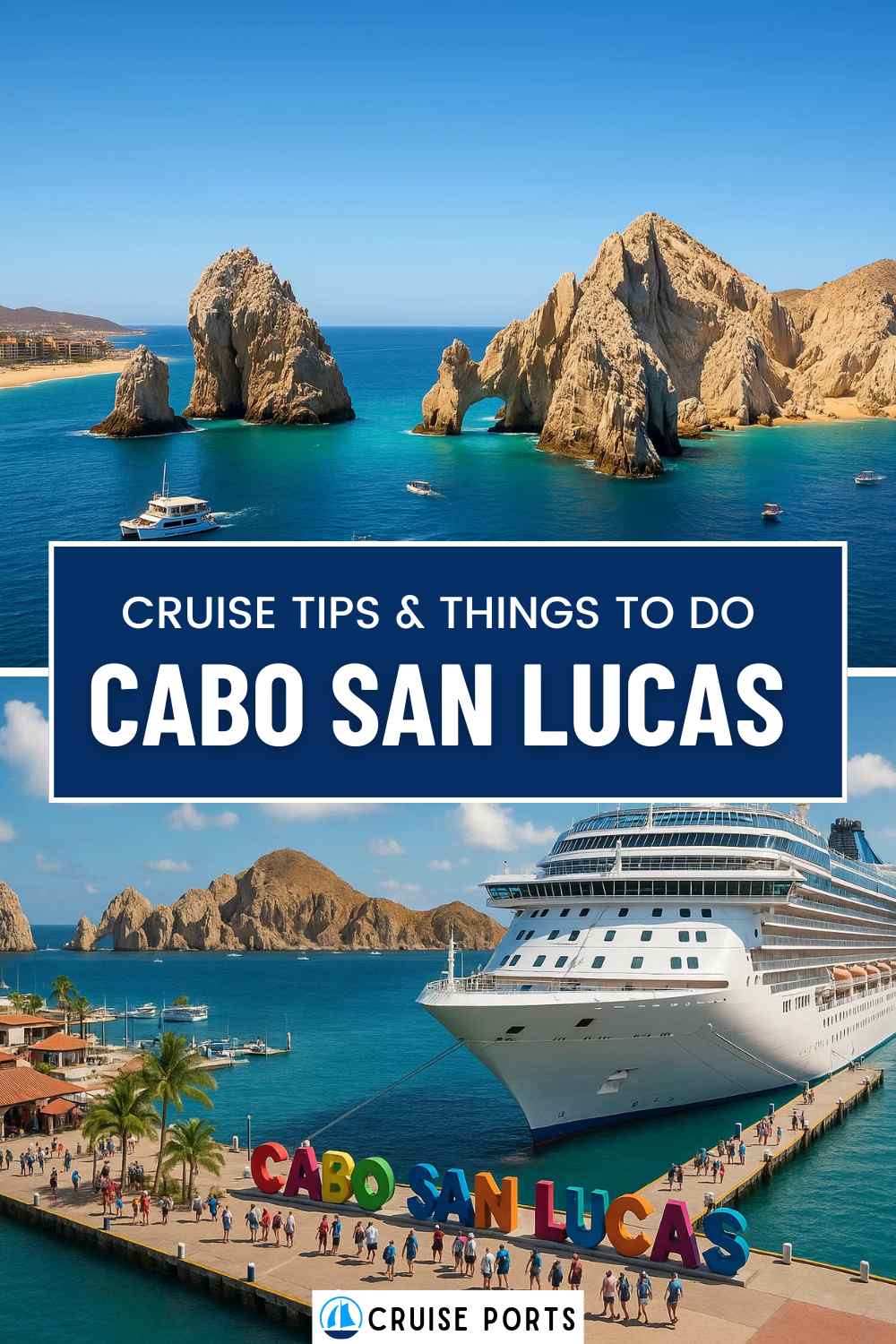
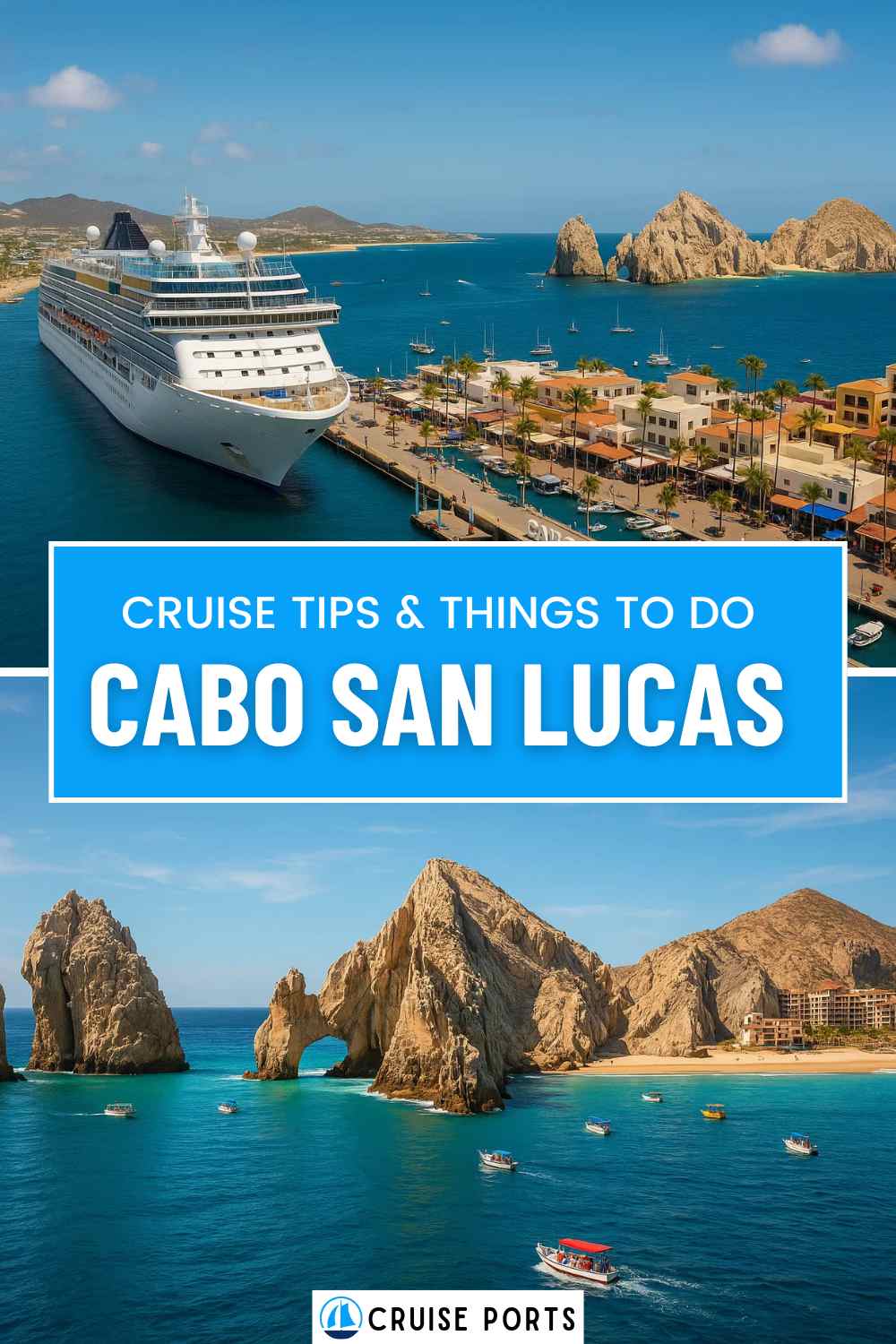
Cabo San Lucas is pure Baja drama: desert cliffs, that granite Arch, and pool-blue water where two seas meet. It is a tender port, so here is how I would plan a day ashore.
My quick take
Take a boat to El Arco first thing, then pick one add-on: a swim at Medano Beach, a whale watch in winter, or a snorkel along the Corridor.
If you are stitching together a Pacific route, my wider Mexico cruise ports roundup is a good companion. It puts Cabo in context with the rest of the coast.
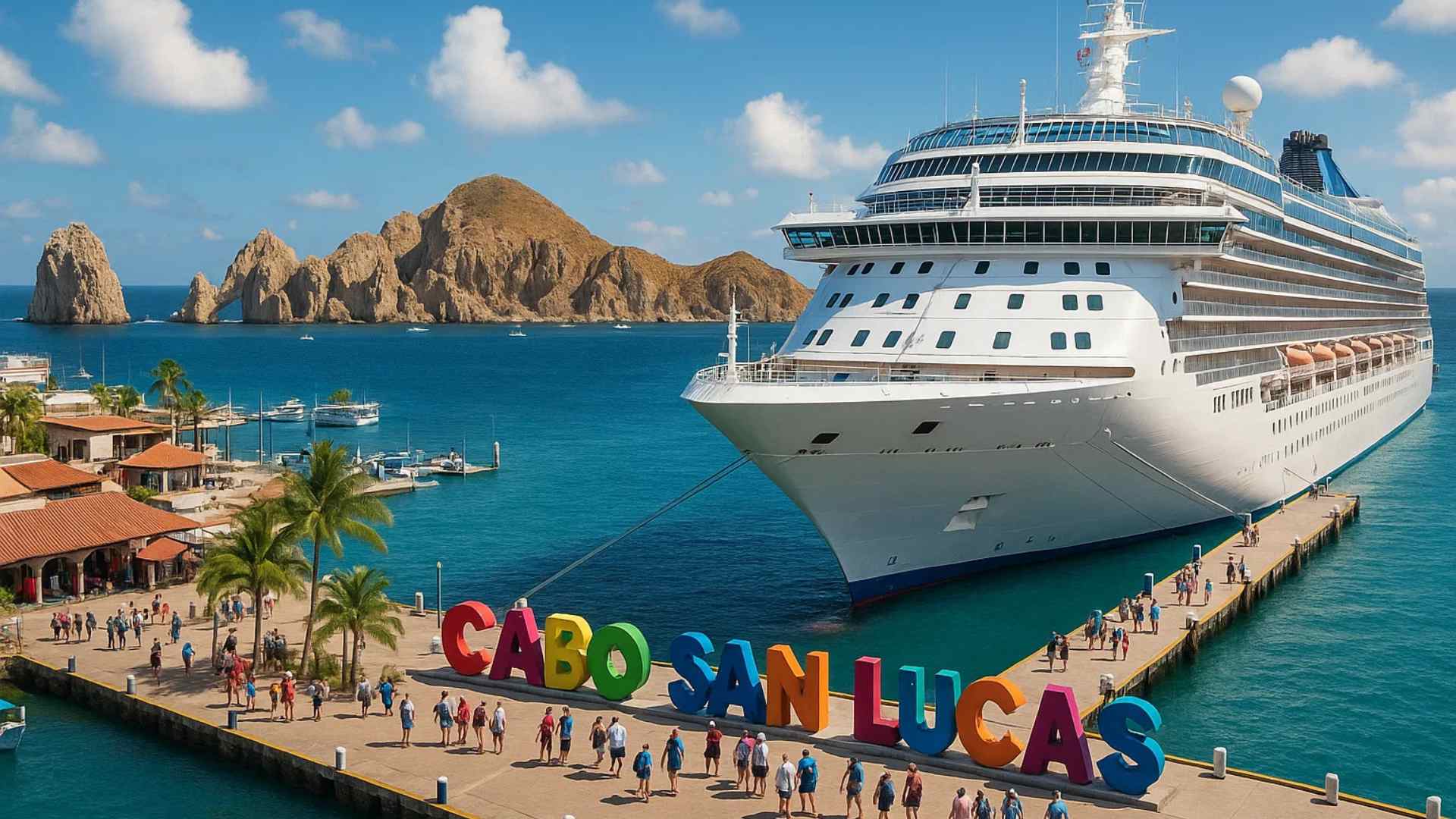
Cabo San Lucas Cruise Port Quick Facts
- Where you land: the tender pier inside the Cabo San Lucas Marina, right in the heart of town. There is no cruise berth at all, and the ship anchors out in the bay off Land’s End. The Los Cabos tourism board is the official source for what is running.
- Dock or tender: Ships anchor in the bay and run their own tenders, and the ride into the marina takes about 10 minutes once underway.
- Into town: You step off in the marina, a few paces from shops, restaurants and the waterfront promenade.
- Currency and language: The Mexican peso (MXN) and Spanish, with English spoken throughout the marina.
- Time zone: Mexican Pacific time (UTC−7) in Baja California Sur.
- Weather and operations: Open-roadstead swell or tropical weather can stop tendering, so confirm the day’s landing plan and last tender onboard.
How the tender works, and other logistics
Cabo has no cruise pier, so your ship anchors in the bay and runs its own tenders. The ride into the marina is short, usually around 10 minutes once you are underway.
In the first hour or two after clearance, lines build fast. Many ships hand out tender tickets to manage the crowd, so either go early or wait for the surge to fade.
You land inside the marina complex, walkable to shops, ATMs, and restrooms. Expect a few water-taxi touts near the gate, where a polite “No, gracias” does the job.
Cell coverage in town is strong, and cafes and malls offer Wi-Fi. ATMs sit around the marina, though many places happily take dollars.
The one rule I never bend: be back in line well before the last tender. I aim for 60 to 90 minutes of buffer, more if the sea is choppy.
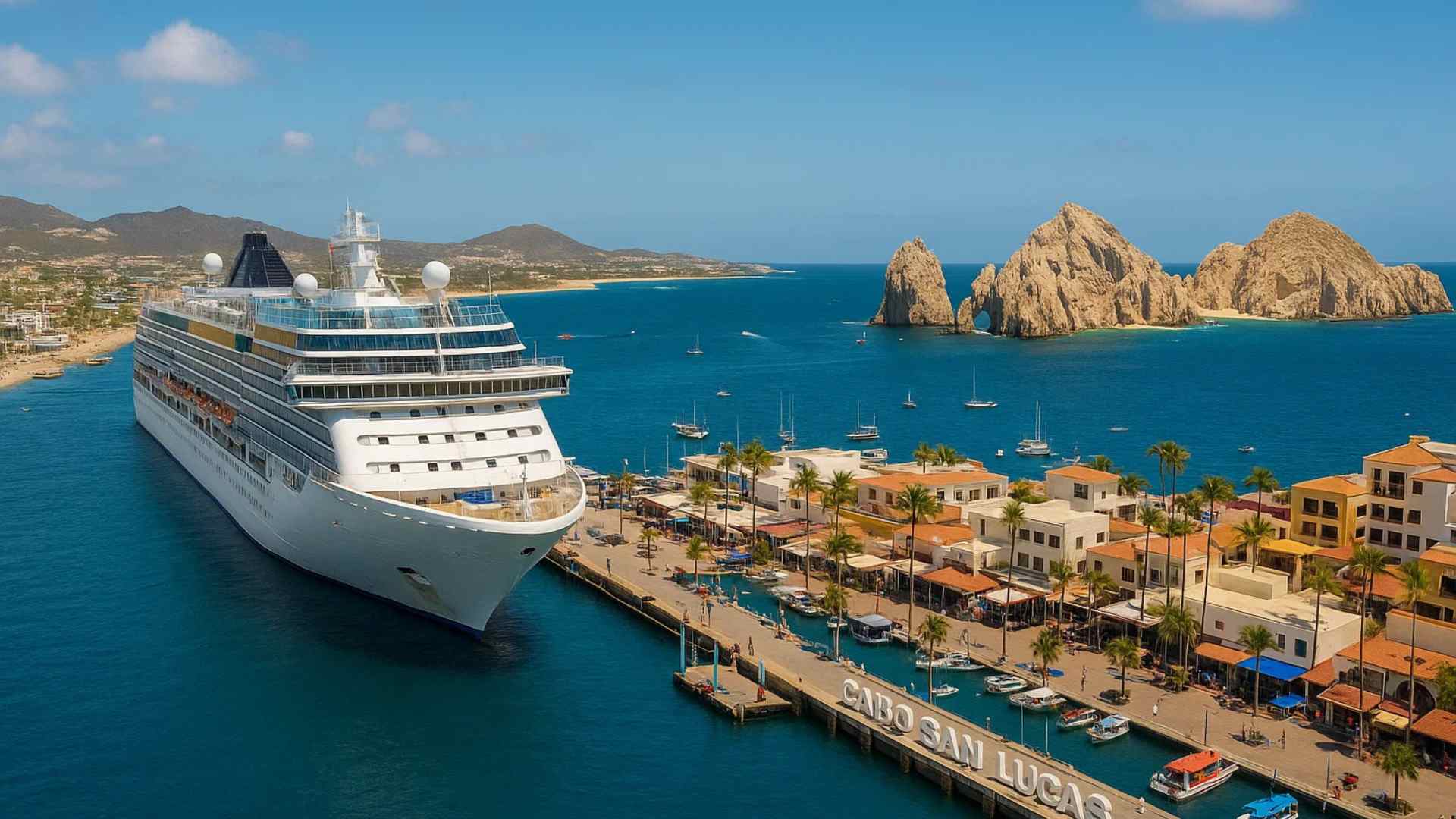
Getting around once ashore
Most of what you want is walkable from where you land. The marina promenade is flat and easy, and the old town plaza is a gentle 10 to 15 minute stroll uphill.
Water taxis circle the marina constantly, heading for Lover’s Beach, Medano, and the Arch. Landings at Lover’s Beach are wet, so expect to step into calf-deep water and keep phones in a dry bag.
For the Corridor beaches, local buses run along Highway 1 toward San Jose del Cabo. Pay the driver in pesos with small bills, and it becomes a cheap link to Chileno and Santa Maria.
Taxis wait by the marina, and they do not use meters. Agree the fare before you climb in, exactly as you would anywhere on this coast.
A rental car only makes sense if you plan a do-it-yourself Corridor day or a longer run to Todos Santos. On a short tender call, the time pressure usually is not worth it.
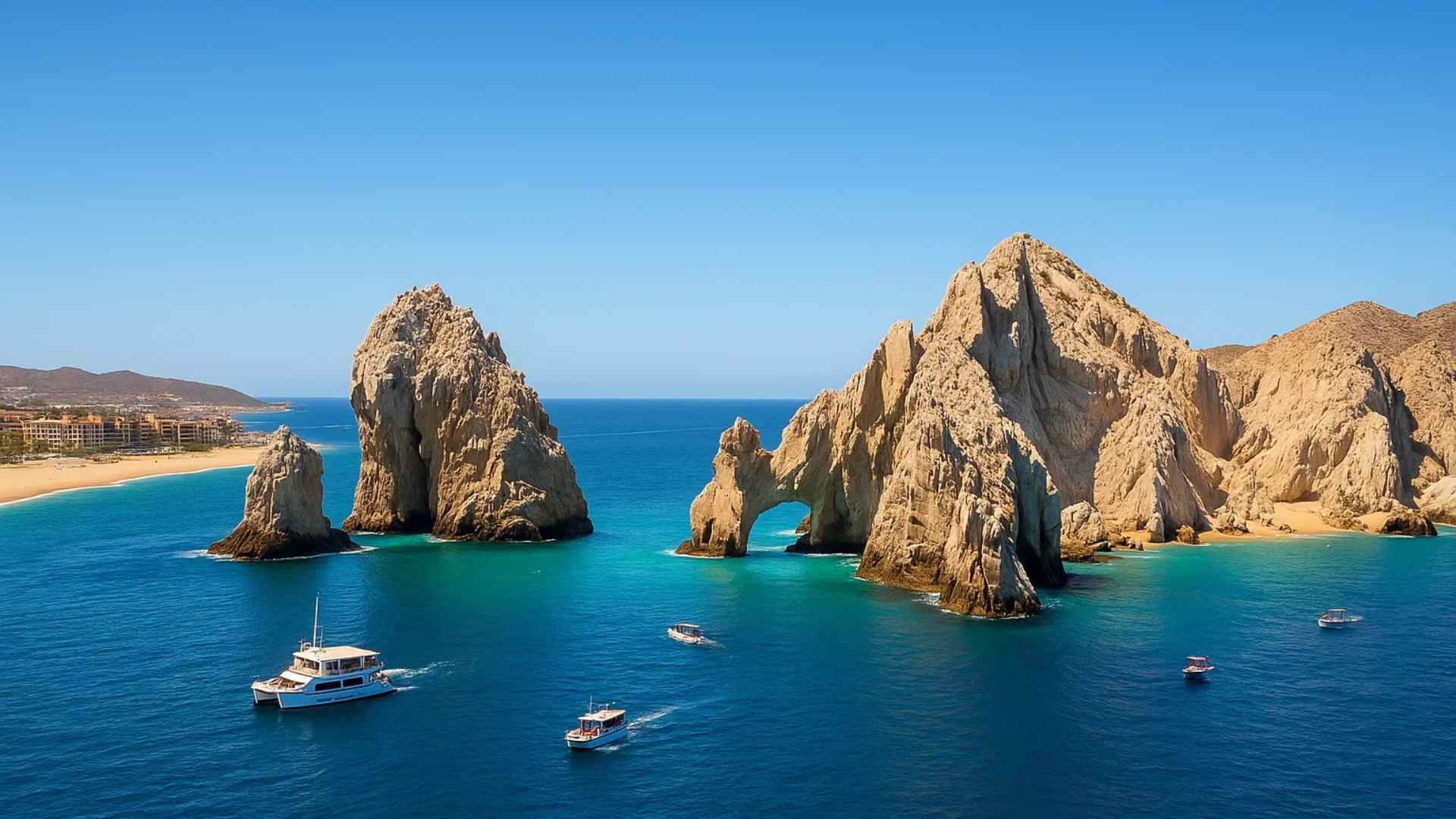
The stops I would actually spend time on
El Arco and Land’s End by boat
This is the one thing I would not skip. A glass-bottom boat or water taxi loops the granite spires in under an hour from the marina.
Fun fact: the official Los Cabos tourism board notes the Arch rises about three stories above the exact point where the Pacific Ocean meets the Sea of Cortez, carved over millennia by wind and tide. It is reachable only by water.
Go early if you can, because boats fill quickly through mid to late morning. Morning water is often calmer, but the day’s wind and swell matter more than the clock, so ask the licensed operator about conditions and protect time for the tender back.
Lover’s Beach and Divorce Beach
These two beaches share a single sandy spit right at Land’s End. Most boat trips can drop you for a while, though there are no facilities here.
Fun fact: they sit back to back on the same strip, yet on entirely different seas. Lover’s Beach faces the calm Sea of Cortez, while Divorce Beach faces the wild Pacific with rip currents that make swimming dangerous.
The marina and downtown
The marina horseshoe is where a Cabo day begins and ends, ringed with taco stands, craft stalls, and boat touts. Walk it slowly and you will find most of what you need without a taxi.
A short stroll uphill brings you to Plaza Amelia Wilkes, the town church, and a small natural history museum. The municipal tourism office is a solid official source for current events and beach conditions.
The Marina Flea Market is worth a slow browse for silver, blankets, and embroidered textiles. Haggling is expected, and a friendly smile goes a long way.
Medano Beach
Medano is the main swimmable beach in town and the easiest to reach. It is about a 15 to 20 minute walk from the marina, or a quick water-taxi hop.
Fun fact: because it sits inside the sheltered bay, Medano stays calm while the Pacific side crashes. That is exactly why it works for families and first-timers.
Whale watching in season
The winter whale-watching season around Cabo is best known for humpbacks, while exact annual dates are set by Mexican authorities. Sightings and behaviors are never guaranteed, even during the peak months.
Fun fact: Mexico’s national whale rules, tracked by the International Whaling Commission, require boats to keep a set minimum distance and slow to a crawl near the animals. Choosing a licensed operator keeps the encounter legal and safe.
Santa Maria and Chileno snorkeling
Santa Maria and Chileno are protected-looking Corridor coves that can offer good snorkeling when flags and sea conditions permit. Neither is calm or clear every day, and both require a longer return than Medano.
Both sit along the Tourist Corridor between Cabo and San Jose, just off Highway 1. A local bus can leave you near a highway access point, while a taxi is more direct but needs a prearranged return, so confirm the walking distance, pickup point, and fare before leaving the marina.
Fun fact: Chileno has held Blue Flag status for its water quality and facilities, with showers and seasonal lifeguards. Arrive early on a port day, because shade palapas fill fast.
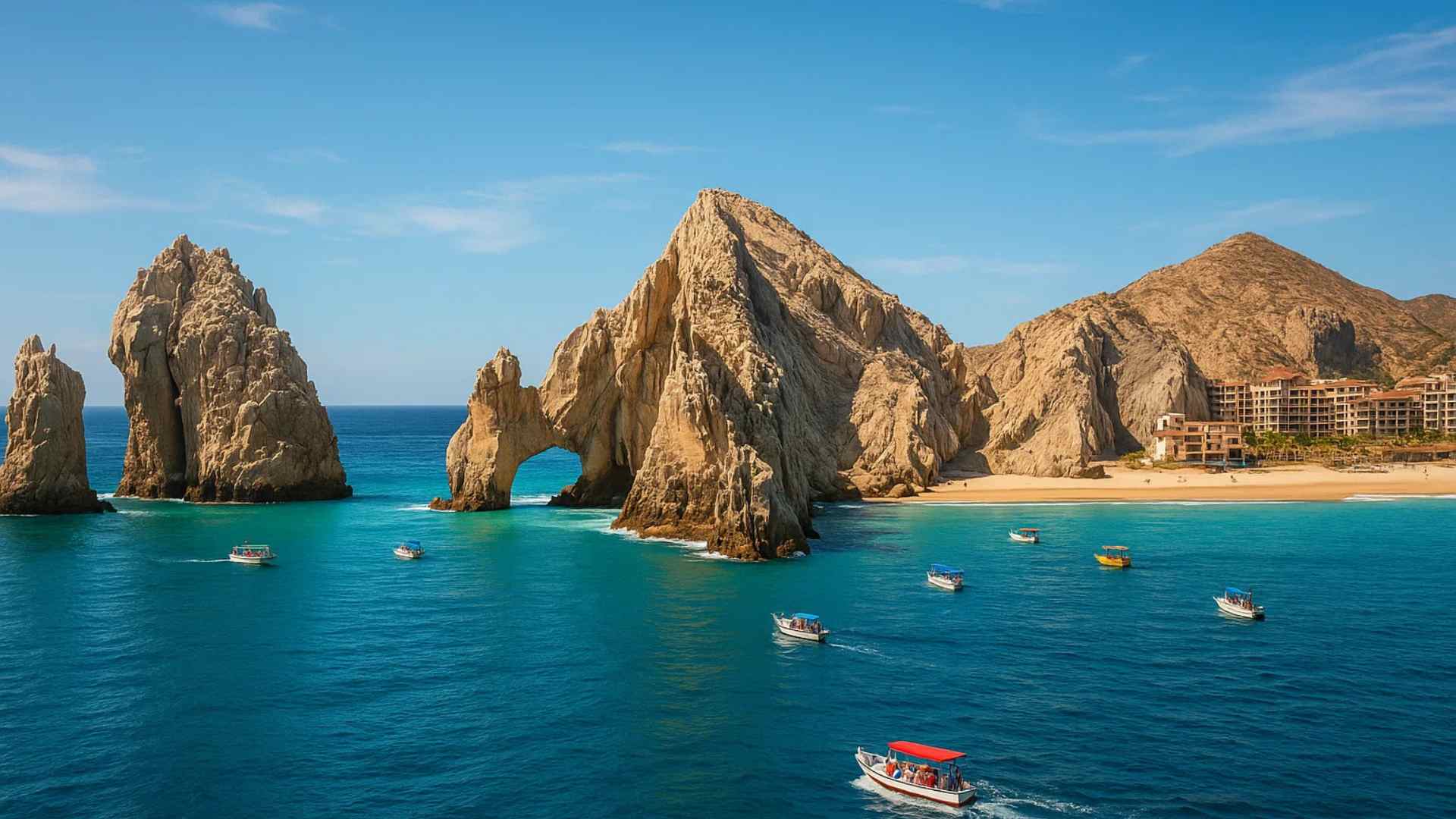
How I would plan the day
Short on time (about 3 hours): tender in, take a glass-bottom boat around the Arch, then grab tacos and a plaza photo before heading back to the line.
Half a day (about 5 hours): do the Arch and sea-lion cruise first, then add a swim and a lounger at Medano before a slow marina wander.
Full day (about 8 hours): in winter, book a morning whale watch, then bus out to Chileno for a snorkel. Outside whale season, swap in a kayak and snorkel at Land’s End.
A realistic word on accessibility
Because Cabo is a tender port, the boarding itself is the first hurdle. Tenders require stepping across a gap between platforms, and crew can help manual wheelchairs, but scooters are often not permitted.
Ashore, the marina promenade is flat with curb cuts and easy to roll along. Beaches are the harder part, since most are soft sand and water-taxi landings can be wet.
If access matters, Chileno tends to have the best infrastructure of the beaches. Ask lifeguards or nearby resorts about beach wheelchairs before you commit to the trip.
Ask the cruise line and tour operator about tender and beach access before booking, because a step-free marina does not make a wet sand landing accessible.
When to go, and the weather
Cabo is a year-round port, but the sweet spot runs from roughly October through May with dry, pleasant days. Winters are warm and summers are hot, often near 90°F with humidity.
The headline season is whale watching, which runs from December to April. If that is on your list, aim for a winter sailing and book a licensed boat.
Rain is rare overall, with the wettest window falling between August and October. Whenever you visit, pack reef-safe sunscreen, a hat, and water for a day outdoors.
Check the official Los Cabos beach flags and weather before leaving the marina, then keep the Arch loop or downtown as the rough-water backup.
Pick one water day, not three
An Arch loop plus Medano Beach is the easiest first visit because both connect naturally with the marina. A whale-watch trip already includes substantial boat time, while a Corridor snorkeling trip adds road transport, so either one should replace the beach-and-Arch combination on a shorter call.
Santa Maria and Chileno are several miles along the Tourist Corridor, and a bus stop on the highway still leaves a walk to the beach. A taxi is simpler for families, but arrange the pickup and return fare before the driver leaves because a cab may not be waiting when you are ready to go.
Use only a licensed whale-watching operator that follows Mexico’s wildlife rules, and treat any sighting as a possibility rather than a promise. Humpbacks are the main winter draw around Cabo, with exact season dates and operating permits published by Mexican authorities each year.
At any beach, follow the posted flag rather than a general label such as “swimmable.” Divorce Beach faces dangerous Pacific surf, and even usually sheltered Medano, Chileno, or Santa Maria can have unsafe conditions on a particular day.
Quick answers
Is Cabo walk-off or tender?
It is tender-only, with boats running all day between the ship and the marina. Build in a generous buffer so a line or choppy sea never costs you the ship.
If I do one thing, what should it be?
Take a boat to El Arco, since it is Cabo’s signature and reachable only by water. Add Medano Beach if you have extra hours.
Can I use U.S. dollars?
Yes, dollars are widely accepted around the marina and beaches. You will usually get better value paying in pesos, so carry small bills either way.
When can I see whales?
Whale season runs from December through April, peaking in the depths of winter. Outside those months, sea lions at Land’s End are still a reliable sighting by boat.
How Cabo compares on the Pacific coast
Cabo is the wildest-looking of Mexico’s Pacific stops, but it is also the only major one where you tender. If you want a walk-off port with a big boardwalk, my Puerto Vallarta cruise port guide is the natural next read.
For a very different feel further south, the Acapulco cruise port guide covers cliff divers and big-bay beaches. Line all three up against the full Mexico cruise ports roundup to shape your itinerary.
How this guide was researched: This guide was independently researched using official port, tourism, transit, government, attraction, and operator sources unless a first-hand visit is explicitly identified. Logistics and time-sensitive details were reviewed September 11, 2026; see our Editorial Policy.