Jeju Island Cruise Port: Korea’s UNESCO Volcano Isle
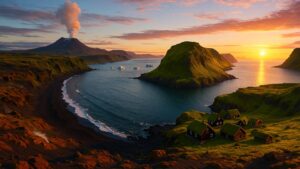
Jeju is one of Korea’s most distinctive cruise stops. This volcanic UNESCO island packs sunrise peaks, lava tubes, waterfalls, and the culture of its free-diving haenyeo into a single day ashore.
My quick take
Jeju is genuinely one of the most rewarding stops on an Asia itinerary, and I want to say that plainly up front. It is a shield volcano that rose out of the sea, so nature is the whole show here.
The good news for planning is that big ships tie up alongside, so you walk off on a gangway rather than a tender boat. If you are unsure what that distinction means, here is my plain explainer on what a tender port is and why Jeju usually is not one.
My honest advice is to pick one corner of the island and commit to it. The sights are spread out, so chasing all of them leaves you stuck in a van watching the clock instead of the coast.

Quick Facts
- Where you land: one of two terminals on opposite sides of the island, so check yours before you sail. The Jeju Port International Passenger Terminal sits in the north beside Jeju City, and the newer Seogwipo Gangjeong Cruise Port sits in the south near Seogwipo. Both are working ports rather than shopping complexes.
- Dock or tender: Ships tie up alongside at both terminals and you walk off on a gangway, so there is no tender operation here.
- Into town: From Jeju Port, use a short taxi or local bus for Dongmun Market rather than treating the secure terminal exit as a guaranteed 15-minute walk. From Gangjeong, central Seogwipo is several miles east, so arrange transportation.
- Currency and language: The South Korean won (KRW), and Korean, with limited English outside the tourist sites.
- Time zone: Korea Standard Time (KST, UTC+9) all year.
- Operational caution: Tropical storms, wind, berth changes, and the ship’s operating plan can alter a call, so follow current notices.
The berth and the logistics
Jeju has two cruise gateways, and which one you get depends on your ship and itinerary. It pays to know your terminal before you dock, because they sit on opposite sides of the island.
The Jeju Port International Passenger Terminal is on the north coast beside Jeju City, but the usable route to Dongmun Market depends on the assigned gate. It is the better starting point for Jeju City and eastern or northern routes, not automatically for every Hallasan trail.
The Gangjeong cruise terminal sits on the southwest side of Seogwipo municipality, several miles from central Seogwipo. It favors south-coast sights, but Seongsan on the east coast still needs a substantial road transfer.
Both terminals are working ports rather than shopping malls, so the magic is inland. Download offline maps and confirm any guide meeting point in writing before you step off.

Getting around
Jeju is a big island, and the sights are genuinely spread out. I recommend deciding your transport before you disembark rather than winging it at the gate.
Ship excursions are the simplest choice, because they guarantee you make it back before all aboard. They also solve the distance problem, since some highlights are an hour or more from the pier.
A private driver or a small group tour is my favorite balance of freedom and safety. You can stitch together two or three sights and set your own pace without hunting for a ride each time.
Taxis may be available at both terminals, but ship-day demand can exceed supply and app setup may not be simple for a short-term visitor. Prebook a licensed driver for a long route, or use the visitor desk to confirm the official taxi queue and a written destination.
Public buses are cheap and cover the island well, but they eat time you may not have on a port day. I would only lean on them for a relaxed stay close to town.

The stops I would actually spend time on
Jeju earns its fame through nature, and the headline sights back that up. The whole island’s volcanic story is recognized on the UNESCO World Heritage listing for Jeju Volcanic Island and Lava Tubes, inscribed in 2007.
Seongsan Ilchulbong, the Sunrise Peak. This dramatic tuff cone rises straight out of the sea on the island’s east coast, crowned by a wide bowl shaped crater.
The climb to the rim is a stepped path that takes most people around 20 to 30 minutes up. The reward is a green crater fringed by jagged rock and a sweeping view over the water to Udo island.
Fun fact: Seongsan Ilchulbong formed from a hydrovolcanic eruption more than 5,000 years ago, when hot magma met cold seawater. It rises about 590 feet, and its crater runs roughly 1,970 feet across.
Hallasan, the roof of Korea. This shield volcano forms the entire core of the island, and its slopes fan out to the sea in every direction.
A full summit hike is too long for a port day, but lower trails and viewpoints are very doable. You can read the official trail and park details on the Hallasan National Park page before you go.
Fun fact: Hallasan reaches about 6,388 feet, which makes it the highest mountain in South Korea. A crater lake called Baengnokdam, meaning White Deer Lake, sits at the very top.
Manjanggul lava tube. This is the one cave I would prioritize, a vast tunnel carved by flowing lava and part of the Geomunoreum system.
About 0.6 mile of Manjanggul is open to visitors after its May 30, 2026 reopening, with a rebuilt visitor route following a long rockfall-related closure. Check Visit Jeju’s live hours, since the cave has a monthly closing day and ticket sales stop before the site closes.
Visit Korea currently describes Manjanggul as part of the Geomunoreum Lava Tube System and identifies the public section’s roughly 25-foot lava column as a defining feature. Older sources use different total-length figures, so the accessible visitor route matters more for planning than the full mapped system.
The waterfalls of Seogwipo. The south coast is where Jeju’s famous falls cluster, and they are an easy pairing with the Gangjeong terminal.
Cheonjiyeon tumbles into a wooded pool at the end of a gentle walking path. Jeongbang is the showstopper, one of the few waterfalls in Asia that pours straight into the ocean.
The haenyeo tradition is living culture, not a scheduled performance at every beach. Use an official museum or confirmed demonstration time, keep a respectful distance from working divers, and never block access to their equipment or shoreline.
Fun fact: The culture of the Jeju haenyeo was added to the UNESCO Representative List of the Intangible Cultural Heritage of Humanity in 2016. Many active divers are in their sixties, seventies, and beyond.
The quirky museums. If nature is not your whole day, Jeju leans into offbeat attractions like the Teddy Bear Museum and the adults only sculpture park Loveland.
They are optional and a little kitsch, but they make a fun, air conditioned break in bad weather. I would only slot one in if you have already seen a headline sight.

Reserve only what the terminal can support
For Jeju Port, an east-coast day can pair Seongsan with Manjanggul only when the driver, live opening hours, and return traffic leave a conservative buffer. From Gangjeong, a Seogwipo waterfall and a south-coast stop usually produce a calmer day than crossing the island twice.
Hallasan’s summit routes are full hiking days, not casual cruise excursions. For a port call, choose a lower trail or scenic road stop and check the official park’s weather and trail notices that morning.
How I would plan the day
Start with the exact all-aboard time because Jeju calls vary and the drive can consume a large part of the day. Keep one coast as the anchor, add no more than one major second stop, and turn back earlier during rain or holiday traffic.
If you dock in the north at Jeju Port, I would run east to Seongsan Ilchulbong first thing, then swing by Manjanggul on the way back. Add the haenyeo coast near Seongsan if the timing works.
If you dock in the south at Gangjeong, I would base the day around Seogwipo. Pair Jeongbang and Cheonjiyeon waterfalls with a lower Hallasan viewpoint and a market lunch.
For an easy, low stress day, stay close to whichever city you land in. Jeju City and Seogwipo both reward a relaxed wander, a market meal, and a coastal stroll.
Whatever you choose, build in a comfortable buffer for the drive back. Traffic near the terminals thickens when a full ship is heading home at once.

A realistic word on accessibility
I want to set expectations honestly here. Jeju’s biggest draws are natural, and nature does not always come with ramps.
Seongsan Ilchulbong’s summit route is a sustained stair climb, while the lower coastal area gives a less demanding view. Manjanggul’s renewed visitor path is more stable than before its closure, but the cave still involves a long, cool underground walk and an entrance sequence that may not suit every wheelchair or mobility device.
The good news is that plenty of Jeju is gentle and paved. Waterfront promenades, some waterfall viewpoints, market streets, and the quirky museums are far more manageable.
If mobility is a concern, I would build a scenic drive with a few paved stops rather than a climbing day. A private driver makes that kind of flexible, seated day far easier.

When to go, and the weather
Jeju sits in a milder pocket than the Korean mainland, but it still has four clear seasons. Spring and fall are the sweet spots for a cruise call.
Spring, roughly April to June, brings mild air and famous canola and cherry blossoms. Fall, around September to November, delivers crisp, clear days that are perfect for the peak and the trails.
Summer is warm and humid, and it overlaps with the wetter monsoon window and the odd typhoon. Mornings are still your friend for anything scenic.
Winter is cool rather than brutal at sea level, though Hallasan can wear snow. Pack layers, comfortable shoes, and a compact rain jacket whatever the season.
Quick answers
Do ships dock or tender at Jeju?
Ships usually dock alongside, so no tender is needed. You will land at either the Jeju Port terminal in the north or the Gangjeong terminal near Seogwipo in the south.
What currency do I need?
The South Korean won. Cards are common, but carry a modest amount of won for small markets and confirm whether a foreign card or mobile wallet will work before the driver leaves.
What is the single best thing to see?
Seongsan Ilchulbong is the icon and my top pick if you can only choose one. The Manjanggul lava tube is the strongest partner for a half day plan.
Can I see the island independently?
Yes, taxis and a private driver make independent days easy and safe. Just watch the clock, since the best sights sit well outside the port areas.
How Jeju compares
If you are stitching together an East Asia itinerary, Jeju is the nature stop rather than the big city one. It rewards travelers who come for volcanoes, coast, and fresh air over shopping and skyscrapers.
Compared with the urban energy in my Keelung cruise port guide, which whisks you into Taipei, Jeju feels slower and greener. You trade night markets and temples for craters and waterfalls.
Set against the calls in my Japan cruise ports guide, Jeju is a natural complement on many Korea and Japan sailings. If a metropolis like Shanghai is also on your route, Jeju is the perfect exhale between the big cities.
My bottom line is simple. Come to Jeju for the volcano, pick one region, hire a trusted driver, and this UNESCO island will feel like the highlight of the whole cruise.


How this guide was researched: Unless a first-hand visit or stay is explicitly identified above, this guide uses official port, tourism, transit, government, and attraction sources where available. Logistics and time-sensitive details were reviewed on September 10, 2026; see our Editorial Policy.