Stanley Cruise Port Guide: Falkland Islands Penguins
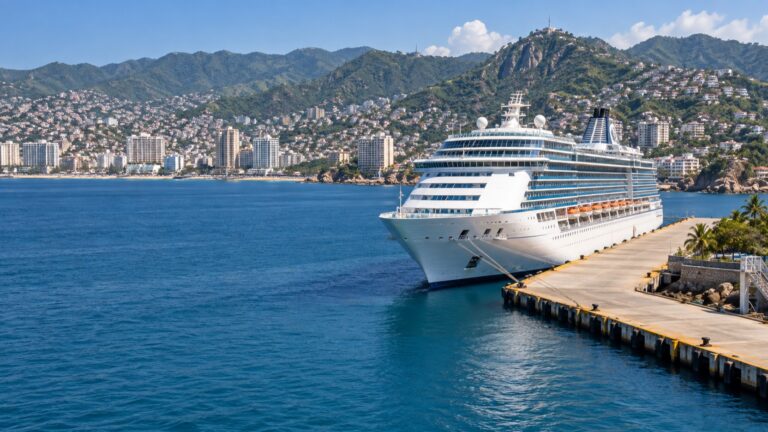
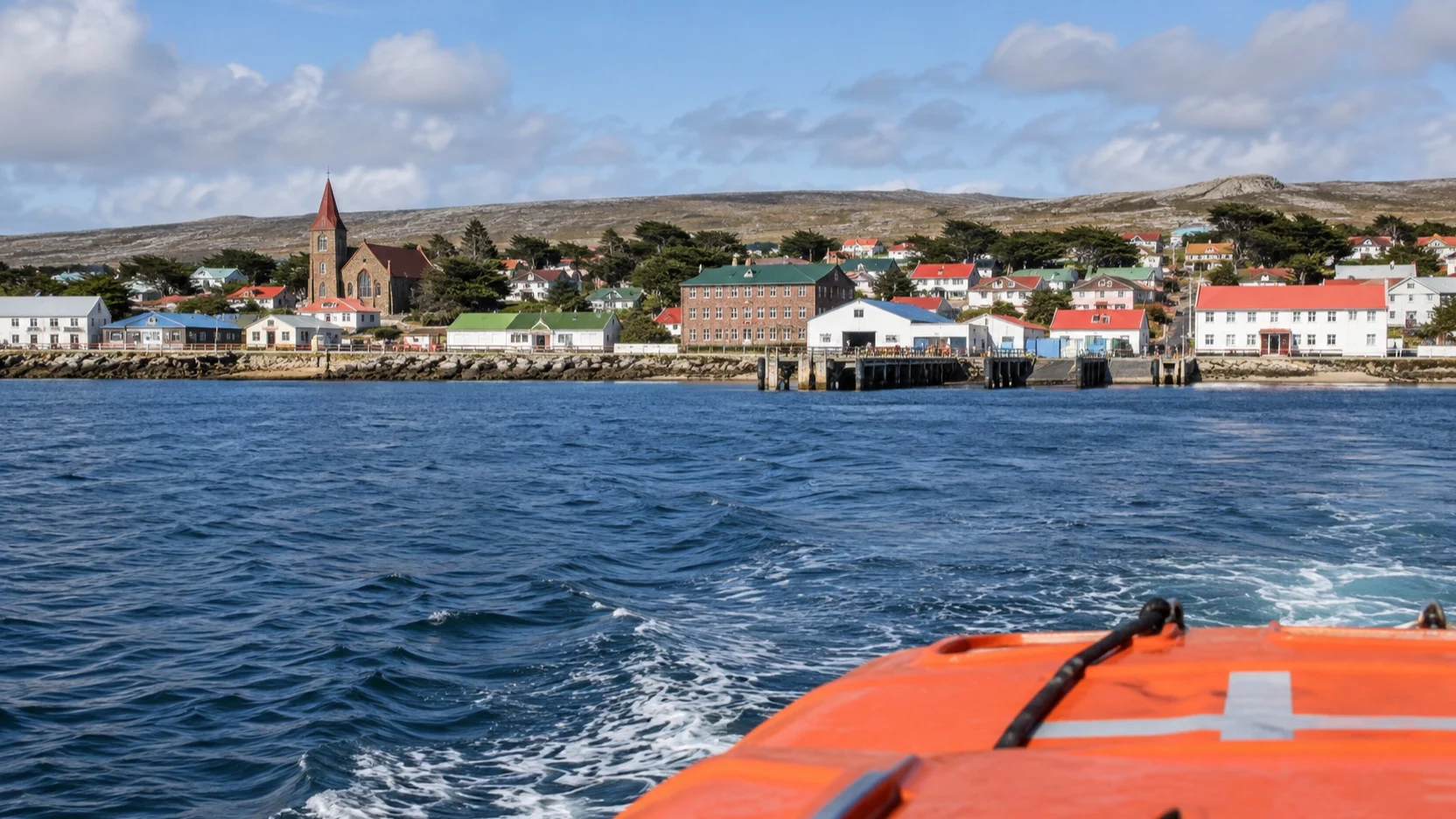
I still remember tendering into Stanley and spotting its brightly painted roofs against a huge South Atlantic sky. This is one of the most remote and rewarding stops on any southern cruise, and a little planning goes a long way.
Last Visited: December 2019 aboard Norwegian Star. This tender call was part of my South America sailing from San Antonio, Chile, to Buenos Aires.
My quick take
Stanley rewards travelers who come curious about wildlife and history rather than shopping and nightlife. If you love penguins, windswept landscapes, and a genuinely warm welcome, you will remember this day for years.
It slots naturally into a wider Patagonia and Antarctica itinerary, so it pairs beautifully with the other South America cruise ports. Treat it as a nature day first and a town day second.
Stanley Cruise Port Quick Facts
- Where you land: normally the Public Jetty on Ross Road, although the ship and local authorities confirm the day’s landing. You arrive close to the cathedral, shops, and Historic Dockyard Museum.
- Dock or tender: There is no cruise pier at Stanley, so everything depends on the tender operation and the wind.
- Into town: You land in it.
- Currency and language: the Falkland Islands pound (FKP), fixed at parity with pound sterling, and English. Sterling is widely accepted, but cards and change are not guaranteed at every small operator.
- Time zone: Falkland Islands Summer Time (UTC−3) all year.
- Weather watch: Wind and swell can halt tender operations, so keep independent plans flexible until the ship confirms landing.
Tendering in, and why timing matters
Stanley is normally a tender call, with the ship choosing an anchorage in Stanley Harbour or Port William and the day’s landing point. Wind, swell, visibility, and the safe operating limits of the ship and local facilities can delay, shorten, or cancel the transfer.
Take the tender assigned to your tour rather than chasing an earlier boat that conflicts with the meeting instructions. Volunteer Point operators coordinate tightly with ship timings, while independent passengers should still confirm priority and the final return.
Be back near the landing point at least 60 to 90 minutes before the published final tender unless the ship directs otherwise. Lines can build quickly, and the tender landing may change during the call.
Getting around
Stanley itself is compact and easy on foot, which is exactly how I like to explore it. From the jetty you can reach the cathedral, the museum, and the shops without needing any transport.
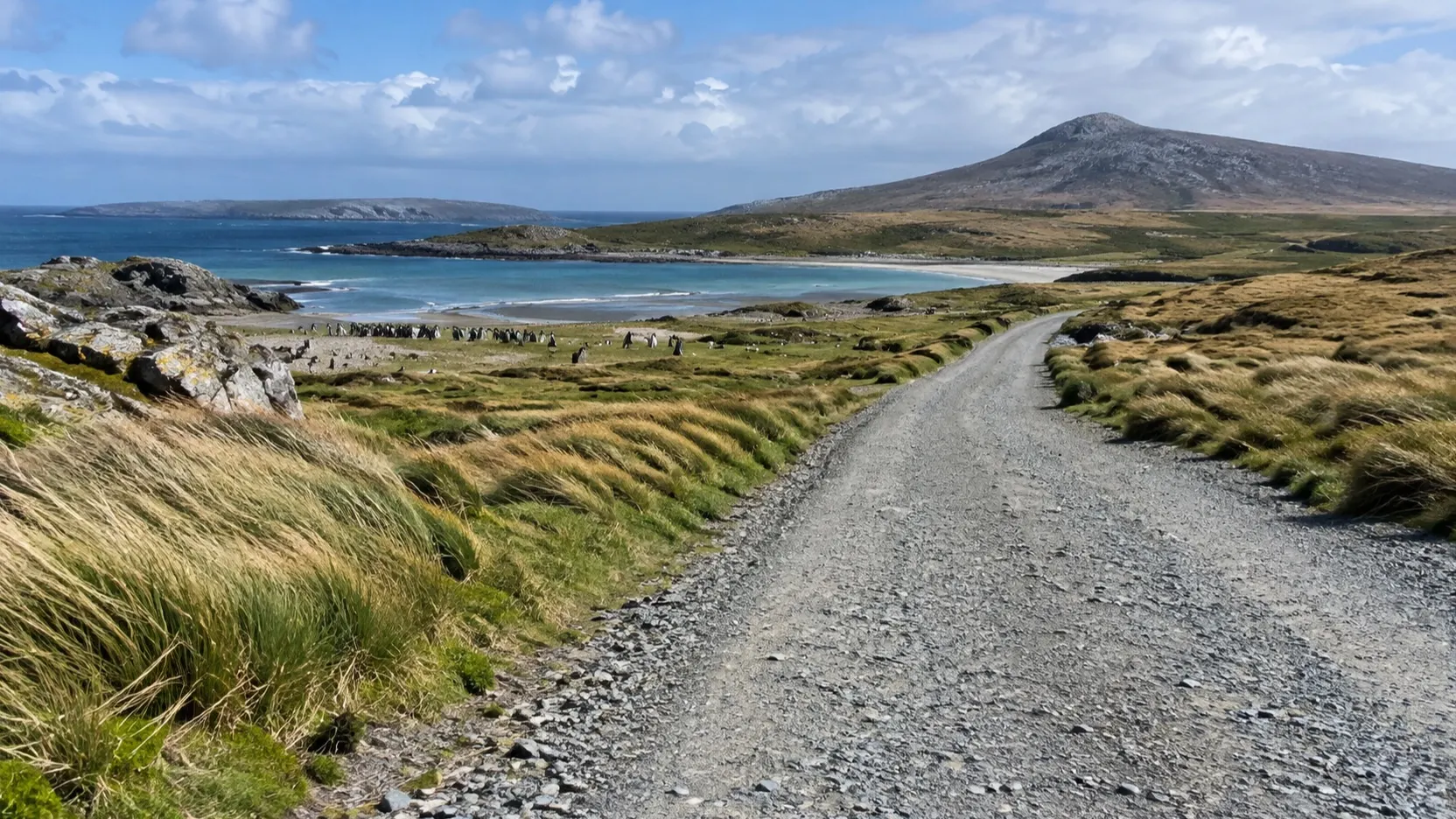
Anything beyond town means a vehicle, and the wild spots are reached by 4×4 over rough tracks. Taxis exist but are limited, so book any farther excursion in advance rather than hoping to arrange it on the day.
Road distance is deceptive because outer wildlife sites use slow gravel roads, peat tracks, or off-road sections. Treat every operator’s quoted time as a complete pickup-to-return chain, not just driving time.
The stops I would actually spend time on
There is a long list of possible activities in Stanley, but a port day is short. These are the ones I think earn their place.
Gypsy Cove penguins
Gypsy Cove is the closest penguin fix to town, with Magellanic penguins nesting in burrows above a pale sandy beach. Boardwalk viewpoints let you watch them without disturbing the colony.
It is a great choice if your tender time is tight or the weather is uncertain. You still get the wildlife thrill without committing to a full day off in the wilds.
Fun fact: Gypsy Cove is one of the wildlife sites the Falkland Islands tourist board highlights near Stanley, home to nesting Magellanic penguins.
Volunteer Point king penguins
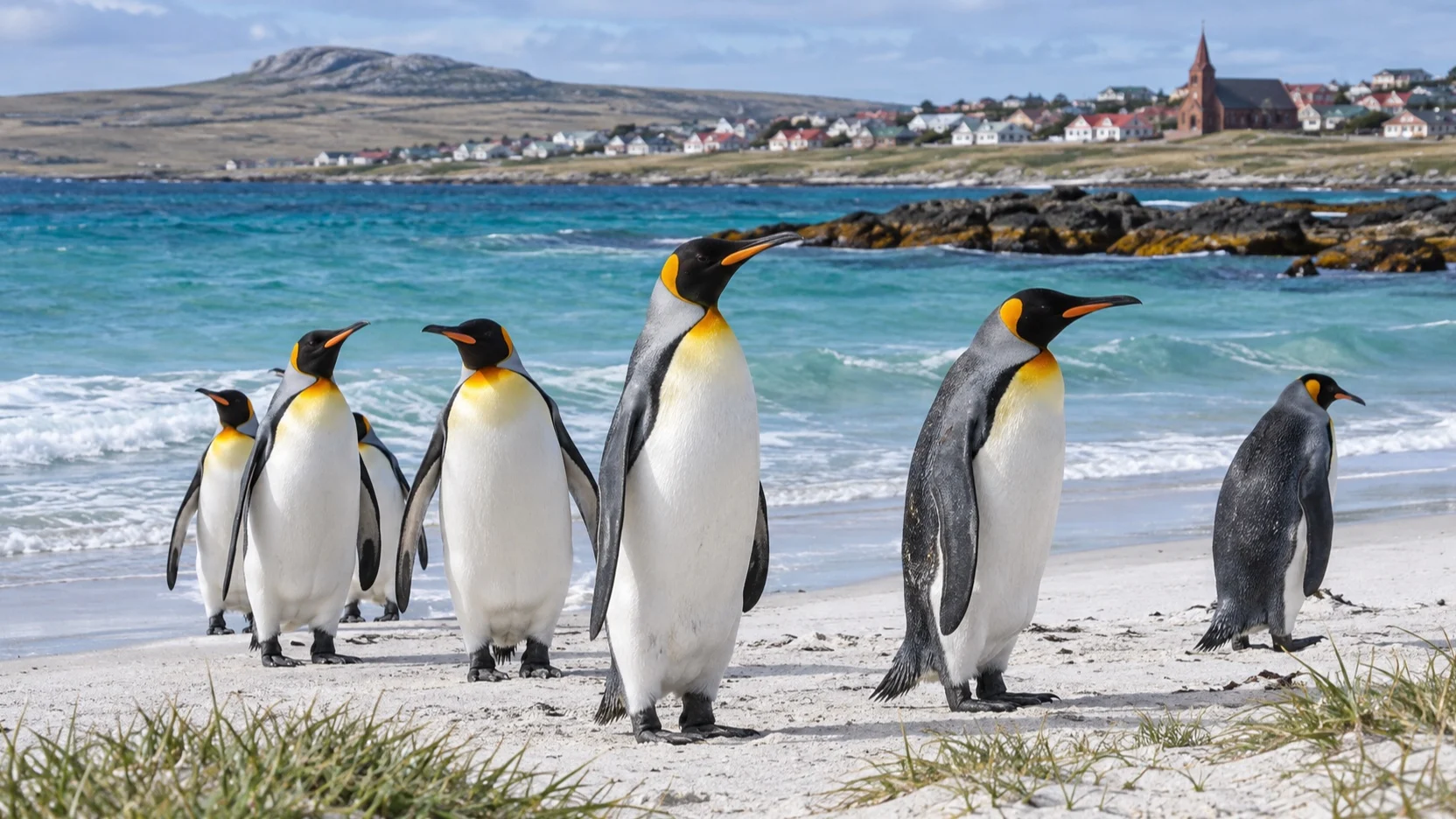
If you only do one big excursion in your life to see king penguins, this is a serious contender. Volunteer Point holds the islands’ largest king penguin colony right beside a long white sand beach.
Volunteer Point normally takes about three hours each way by 4×4, including a rough off-road section, so it needs a long call and a proven cruise-day operator. Ask about seat belts, toilets, meals, refund terms, and the exact ship-return commitment before booking.
Volunteer Point has king, gentoo, and Magellanic penguins, but colony numbers and where birds gather change through the season. The roughly 2-mile beach and three-hour 4×4 transfer make this a full-day wildlife choice, not an add-on.
Stanley waterfront, Christ Church Cathedral, and the whalebone arch
A slow walk along Ross Road is the easiest way to feel Stanley’s character. The star is Christ Church Cathedral, a sturdy little stone and brick building with striking stained glass.
Right beside it stands the whalebone arch, framed by the harbor behind. It is the most photographed spot in town for good reason.
Fun fact: The cathedral is the world’s most southerly Anglican cathedral, consecrated in 1892, and the arch is built from the jaws of two blue whales, erected in 1933 to mark a century of British rule.
The Historic Dockyard Museum
This is the place I always steer first-time visitors toward for context. Its galleries cover social, maritime, and natural history across restored dockyard buildings on Ross Road.
An hour here makes everything else you see that day land more deeply. It is also a fine rainy-weather backup if the wind turns fierce.
Fun fact: The Falkland Islands Museum and National Trust runs the site and even opens on cruise ship days when it would otherwise be closed.
1982 war history
The 1982 conflict still shapes daily life and identity here, and it is woven through the whole island. Memorials in and around Stanley, including the Liberation Memorial, give you space to reflect.
Guided battlefield trips to sites like Mount Tumbledown add real depth for history-minded travelers. Local guides tell these stories with a personal weight you will not forget.
Fun fact: The islands are a self-governing British Overseas Territory, and the Falkland Islands Government marks Liberation Day each year on 14 June.
How I would plan the day
If wildlife is your priority and you have a long call, book Volunteer Point and accept that it will fill the whole day. Bring layers, snacks, and patience for the drive, and you will be rewarded.
If you want a balanced day, I would pair a Gypsy Cove or Bluff Cove penguin trip with a town walk. That combination gives you penguins, the cathedral, and the museum without a punishing schedule.
If the weather looks rough or your time ashore is short, stay close to town and keep it flexible. Stanley on foot is genuinely lovely, and you can always add a boat trip if conditions allow.
A realistic word on accessibility
I want to be honest here because Stanley is not an easy port for everyone. The tender transfer alone can be difficult for wheelchair users and anyone unsteady on their feet, especially in a swell.
Once ashore, the town waterfront is fairly flat, but the wildlife sites are another story. Colonies sit across rough, boggy, uneven ground reached by bumpy 4×4 tracks.
Ask the cruise line first whether the tender can safely take you and your mobility device in the expected conditions. Then ask the tour operator about vehicle height, transfer assistance, walking surfaces, and how close the vehicle reaches each viewpoint.
When to go, and the weather
Cruise ships call here during the austral summer, broadly November to March, which lines up with the Antarctic season. That window brings longer daylight and the best chance of settled conditions.
Even then the weather is famously changeable, and wind is the constant you plan around. Highs often sit in the low to mid 50s Fahrenheit, so layers and a windproof outer shell matter more than a thick coat.
The austral-summer season overlaps nesting, chick-rearing, and molting for different penguin species, but no particular behavior is guaranteed on one call. Follow wardens and marked routes, keep the requested distance, and never block an animal’s path.
Entry, biosecurity, and wildlife etiquette
Cruise visitors staying no more than seven days are generally exempt from a Falkland Islands visa, but passport and voyage-document requirements still apply. Confirm your own case with the official entry guidance and the cruise line.
Biosecurity protects farms and wildlife, so clean mud and seeds from footwear and bags before going ashore. Do not bring food to colonies, touch wildlife, cross barriers, or take natural objects.
A town day needs no advance vehicle, but Gypsy Cove, Bluff Cove, battlefields, and Volunteer Point do. Reserve early, compare cancellation terms for a missed landing, and use one operator for the whole outer route so the return responsibility is clear.
Quick answers
Is Stanley a tender port? Yes, ships anchor offshore and passengers come ashore by tender to the Public Jetty on Ross Road, so calls depend heavily on the weather.
Can I see king penguins from Stanley? The main king colony is at Volunteer Point, roughly a three hour 4×4 drive each way, while Gypsy Cove and Bluff Cove offer far quicker wildlife.
What money should I bring? British pounds work well, since the Falkland pound is pegged to GBP and sterling is widely accepted, though carrying some cash helps where card acceptance is patchy.
Do I need an excursion, or can I walk? You can happily fill a day on foot in town, and only need a tour to reach the more remote penguin colonies or battlefield sites.
How Stanley compares
Stanley often shares an itinerary with the great Patagonian gateways, and the contrast is part of the fun. If you loved the penguins here, you will find more of them near Punta Arenas on the Chilean side.
For a bigger, busier end-of-the-world town with mountains and a national park, compare it with Ushuaia. Stanley is the quieter, wilder, more remote sibling, and that is exactly why I love it.
How this guide was researched: The December 2019 visit above is clearly identified; current logistics were independently checked against Falkland Islands Government, tourism, museum, and wildlife guidance. Tendering, entry, transport, and time-sensitive details were reviewed on September 11, 2026; see our Editorial Policy.