Eating Well on a Port Day Without Losing Half of It
The best meal of your cruise is probably waiting at a market counter a few blocks from the pier. The hard part is not finding it, it is fitting it into a day that ends when the gangway closes.
My quick take
Eating ashore is the most underrated part of a port day and the one people most reliably botch. They plan a fort, a beach and a bus, then eat a sad packaged sandwich at 3pm because the good place was full.
My rule is simple. I decide roughly what I want to eat before I step off the ship, and I favor places that serve continuously, because a kitchen with strict hours is what swallows an afternoon.
The quick facts
- The trap: A proper sit down lunch in southern Europe can run two hours, and service often does not begin until 1pm or later.
- The fix: A covered market hall lets you eat in fifteen minutes or ninety, and you choose which.
- The best hour: Mid morning, when cafes and bakeries are open, kitchens are not, and nobody is in line.
- The hidden cost: In much of Europe a restroom costs you a coin or the price of a coffee.
- The backup: Eating onboard before you leave is a legitimate strategy, not a failure.
The two hour lunch trap
Run the arithmetic once and you will not plan a port day the same way again. A ship alongside at 8am with an all aboard around 4:30pm gives you roughly seven usable hours.
Now drop a full restaurant lunch into it. You sit at 1:15, the first plate lands at 1:40, and between the pace and the wait for the check you are back on the street at 3:15.
It gets worse in a tender port, where tendering quietly removes an hour or more from your day at both ends. I treat a sit down lunch as a decision to skip something else.
The regions where nobody eats before 1pm
In Spain lunch is the main meal and it is late. Kitchens often open around 1:30pm and the room does not fill until 2 or later, which is why dinner starts at 9.
Italy runs earlier but tighter. Lunch is generally 12:30 to 2:30, and when the kitchen closes it closes, so a 2:15 arrival gets a shrug rather than a menu.
Greece is the most forgiving, since many tavernas cook through the afternoon and nobody blinks at a 4pm meal. Portugal sits in between, and French kitchens outside the big cities close hard around 2pm.
Latin America follows the Spanish pattern, with a long midday meal that anchors the day. Japan is the easy one, because lunch sets typically run about 11:30am to 2pm, they are fast, and they are the best value food you will find.
Why the market hall wins almost every time
A market hall solves the timing problem by ignoring it. Counters open in the morning and serve straight through, so you can be in and out in twenty minutes or linger for two hours.
It also solves the group problem, which is the other reason port day meals fall apart. One person wants grilled fish, one wants a sandwich, one wants to keep walking, and a hall handles all three.
Markets are usually near the old center and almost always cheaper than the place with the English menu and a man outside waving at cruise passengers. They also tend to have restrooms.
The market halls worth building a day around
Some ports make this almost too easy. The examples below are a walk or a short ride from where ships tie up, and none need a reservation.
- Bergen: The fish market sits right on the harbor, a few minutes from the central berths, with seafood counters and a view.
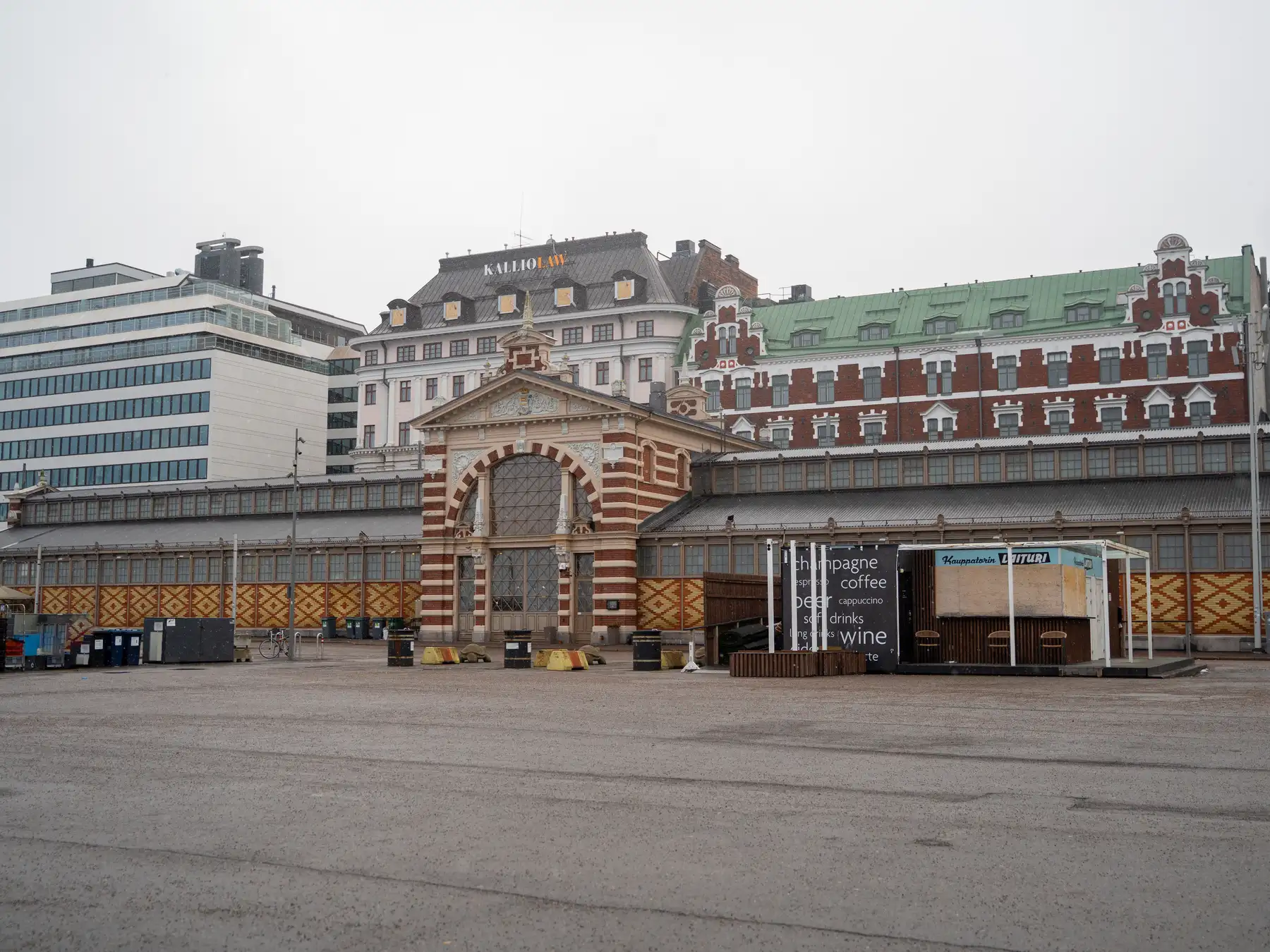
- Helsinki: The waterfront hall has been selling fish, cheese and pastries since 1889 and is small enough to see in one pass.
- Barcelona: The big covered market off La Rambla is famous and busy, and the counters at the back are far calmer than the ones at the front.
- Lisbon: The riverside food hall gathers a lot of the city’s cooking under one roof and is the fast, high quality lunch this whole list is about.
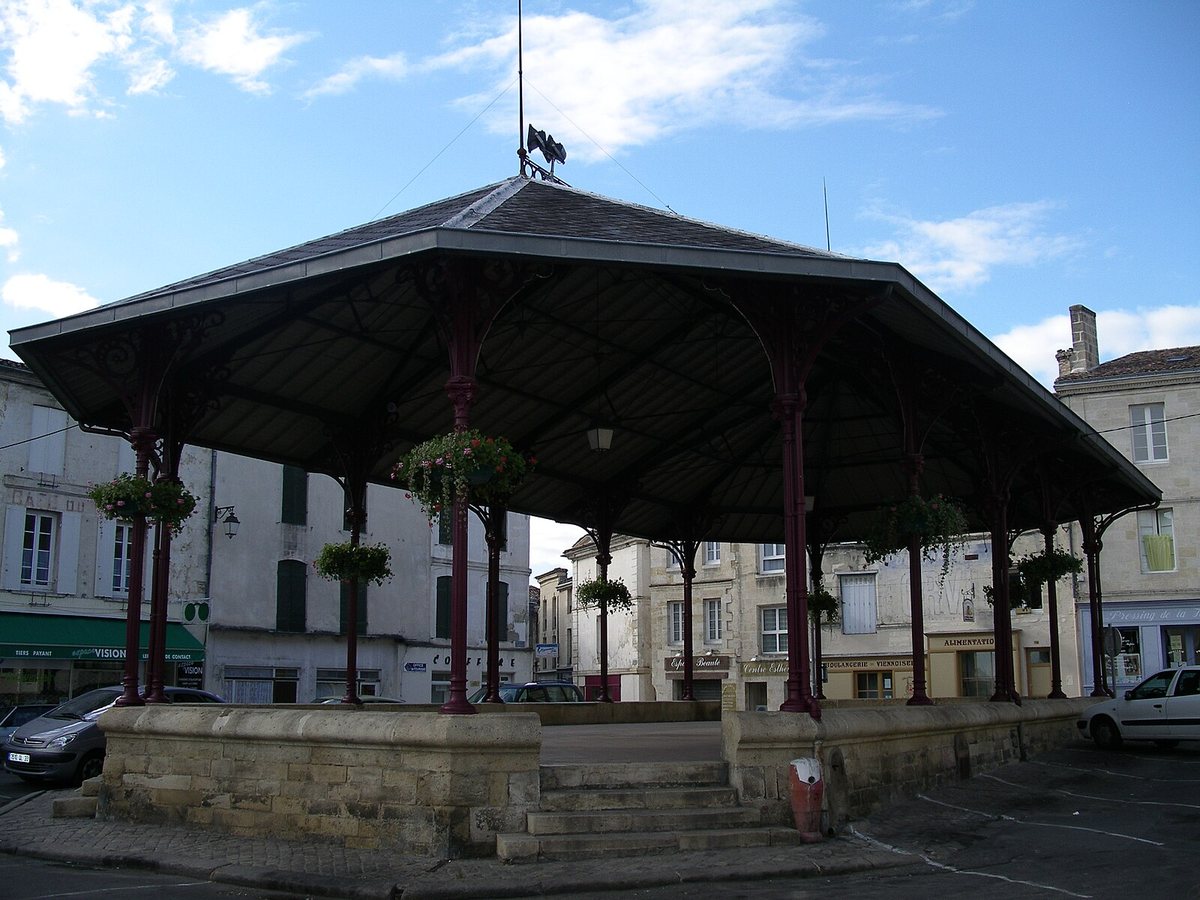
- Valletta and Palma: Both have restored covered markets inside the old town, uphill from the water in Valletta and an easy flat walk in Palma.
- Athens and San Juan: Athens has a proper working central market near Monastiraki, and in San Juan the food is spread through the old town rather than in one hall.
- Singapore and Malaysia: Hawker centers are the whole point, and Singapore alone has well over a hundred markets and hawker centers across the island.
One caution on the ambitious version of this. Santiago’s central market has a huge reputation and it is also 1.5 to 2 hours each way from the pier at Valparaiso, which turns a market lunch into the entire day and a real risk of a late return.
The mid morning move
Here is the play almost nobody uses. In every country where lunch is late, the cafes and bakeries are open at 10am, quiet, and staffed by people who are not slammed.
A coffee and a pastry at 10 takes fifteen minutes and buys you a seat, a restroom and a look at the town before the tour buses arrive. It also stops you making a bad restaurant decision at 12:45 because you are starving.
In Spain, Italy and Portugal the local pastry is often the most memorable thing you eat all day. I would take that at 10am over a mediocre entree at 1:30.
Food tours and whether they pay off
A port day food tour is usually two to four hours on foot, five or six tasting stops, and enough food to replace lunch. Expect a market, a bakery or cheese counter, something cooked in front of you, and a guide handling the language.
The good ones start early, often between 9 and 10:30am, because that is when producers and markets are actually working. A tour that starts at 1pm is a lunch with narration and it will eat your afternoon.
They pay off when the food culture is genuinely hard to access on your own, when the language is a real barrier, or when you want context rather than calories. They do not pay off in a compact port where you could walk to the market yourself, which is the same calculation as choosing between a ship excursion, a local tour and doing it yourself.
Reservations, and whether to bother from the ship
For a market hall or a hawker center, no. Reservations do not exist and turning up is the entire system.
For a real restaurant in a busy Mediterranean port in summer, yes, and book it before you sail rather than from the ship’s Wi-Fi at 8am. Ask for the earliest seating, say you are on a ship, and set a hard walk away time.
The catch is that a reservation converts a flexible day into a fixed one. A slow shuttle or a long tender line leaves you with a 1pm appointment you cannot move.
The restroom economy
This sounds trivial and it is not, because it quietly shapes where you eat and how far you wander. Public restrooms are scarce in most European old towns, and the ones that exist often want a coin.
The practical rule is that a cafe purchase is the price of admission. Order the coffee, use the restroom, and consider the coffee a fee you paid cheerfully rather than an impulse buy.
Market halls, department stores and museums are the reliable options. I would not plan a long walking route in an unfamiliar old town without knowing where two of them are.
Street food, handled sensibly
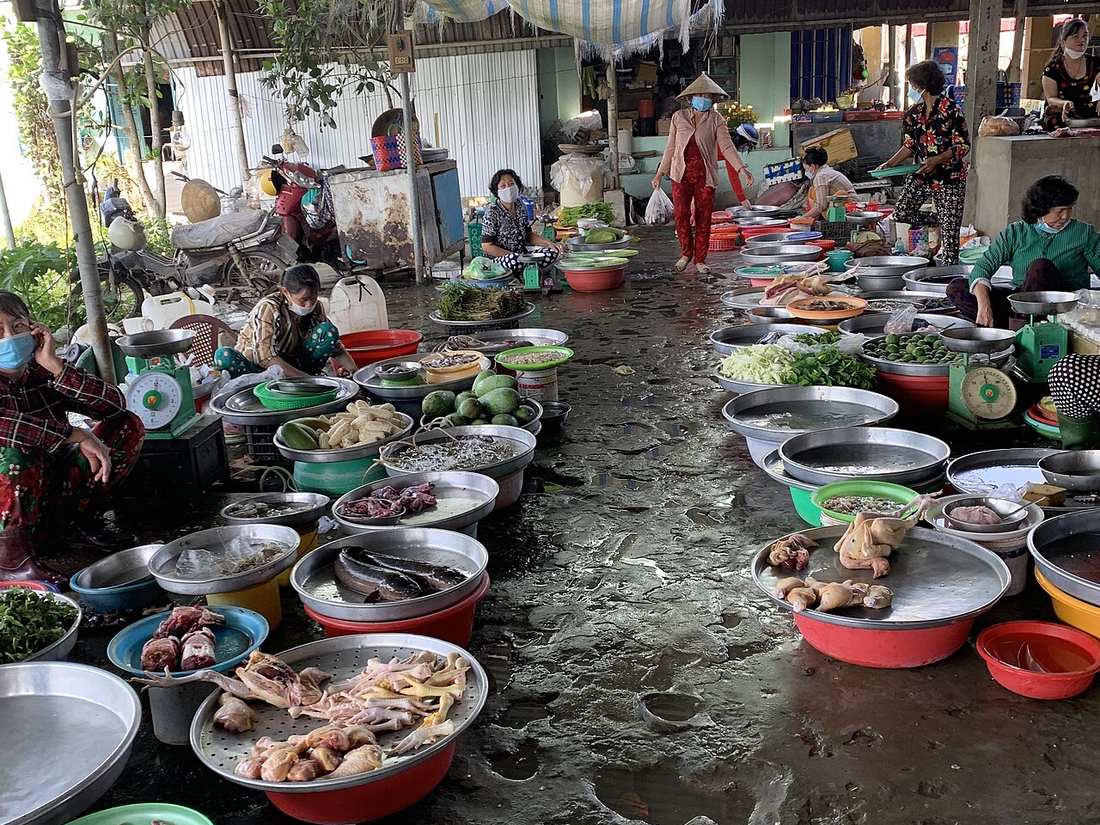
A lot of the best eating happens at street level, and skipping it out of nervousness costs you more than it protects you. The sensible version is the same everywhere.
Eat where the line is long and local, because turnover means the food has not been sitting. The general guidance about food that is served steaming hot, drinks from sealed bottles, and fruit you peel yourself is boring and it works, and ice is the item most worth being fussy about in places where you would not drink the tap water.
Southeast Asia is the region people worry about most and often the one with the highest standards, since hawker food there is regulated, institutional and recognized internationally as living cultural heritage. A stall with a line of office workers beats a quiet restaurant with photos on the menu.
Eating with an allergy in another language
The onboard version is well handled and the ashore version is entirely on you. Carry a card in the local language naming the allergen and the severity, on your phone and on paper, because phones die and kitchens are loud.
Restaurants and cafes across the European Union are required to give you allergen information even for food that is not prepacked, so asking is normal and expected rather than awkward. Outside that framework, assume nothing and ask twice.
Market stalls are harder than restaurants, because the cook may not have made the sauce and cross contact is real. Our guide to managing food allergies onboard and in port goes deeper, and a cooked to order dish beats a prepared one every time.
When to just eat onboard
Eating a real lunch onboard before you go ashore is underrated, and I do it more often than I expected to. It is free, it takes twenty minutes, and it removes the biggest source of time pressure in the day.
It is the right call in industrial ports where town is a long shuttle away, on short calls of five hours or less, and anywhere the food near the pier is aimed squarely at cruise passengers.
Then treat the town as dessert. A pastry and a coffee at a real cafe gives you the flavor of the place in twenty minutes, without the two hour commitment.
Tipping ashore, briefly
Tipping ashore is lighter than at home in most of the world. Service is usually included in Europe and rounding up is plenty, tipping is genuinely not done in Japan, and around ten percent is common in Latin America and the Caribbean.
Market counters and street stalls generally expect nothing. Carry small bills anyway, since what to carry ashore in cash versus card is exactly the sort of thing that is annoying to solve at a food stall with a line behind you.
What comes back up the gangway with you
Buying food to take back is a real pleasure and also where people get their bag emptied at the scanner. Sealed and shelf stable travels fine, while cheese, cured meat, fresh produce and anything needing refrigeration is where trouble starts.
Fresh fruit is the most commonly confiscated item, and agricultural rules at later ports are usually why. Check our rundown of what you cannot bring back onboard before you buy the beautiful bag of peaches.
Quick answers
How long does lunch take in Spain or Italy?
Plan on ninety minutes to two hours for a full sit down lunch, plus the wait for the check. Since service often does not begin until around 1pm, that is most of your remaining port time.
What is the fastest good meal near a cruise pier?
A covered market hall or a hawker center, every time. You order at a counter, you eat when the food is ready, and you leave when you decide to.
Should I book a restaurant before my cruise?
Only for a busy port in high season, and only if you book the earliest seating available. Otherwise a reservation just converts a flexible day into a fixed appointment you may not make.
Is street food safe in cruise ports?
Generally yes if you pick busy stalls, eat food that is cooked hot in front of you, and stick to sealed drinks. Be more careful with ice, pre cut fruit and anything sitting at room temperature.
Can I bring food back on the ship?
Sealed and shelf stable items are usually fine, and fresh produce, meat and dairy usually are not. The rules tighten based on where the ship sails next, not where you bought it.
Final word
Ask people about a port six months later and a startling number of them describe a meal. Not the cathedral, not the viewpoint, the fried fish at a counter or the pastry they still think about.
You do not have to give up your day to get that. Go early, eat at the market, keep the sit down lunch for a country where it fits the clock, and let the town feed you on your schedule rather than its own.
How this guide was researched: Market hall locations and hours, regional meal service times, allergen rules and food safety guidance were checked against official tourism, government and health sources in September 2026. Opening hours, market closures and restaurant service times change with the season and with local public holidays, so confirm the details for your own sailing date before you build a day around them. See our Editorial Policy.
More on this topic: browse every guide on shore excursions and DIY port days.