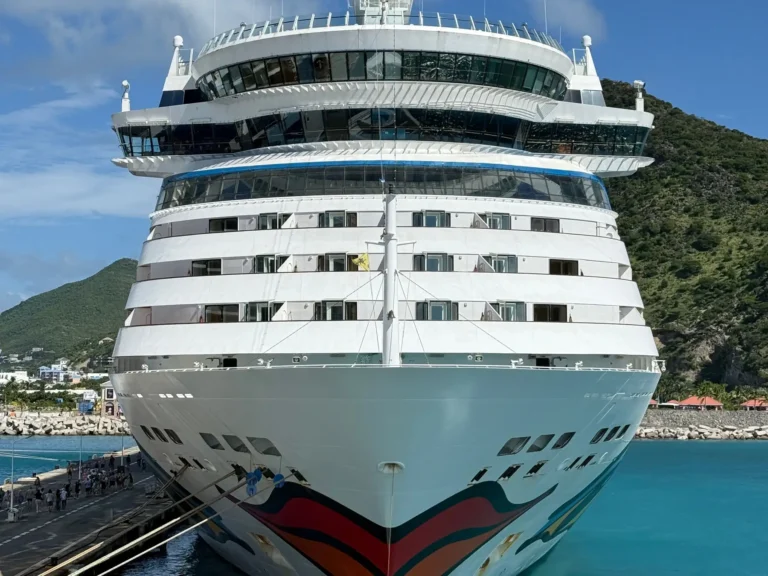
Prescription Medications in Foreign Ports: The Countries That Can Take Yours
Your pill organizer is a great system right up to the moment a border officer asks what is in it. Several medications sold in any American pharmacy are controlled or banned in countries cruise ships visit every week, and the pier is a bad place to learn that.
My quick take
For about 90 percent of itineraries, this is a ten minute job you do once. Keep everything in the labeled bottle it came in, print the prescription list, and you are done for the Caribbean, Alaska, most of Europe and most of Latin America.
The other 10 percent is where people get hurt, and it is a short, predictable list of countries. Japan, the UAE and Singapore are the three I would stop and check before booking, because two of them want paperwork filed weeks ahead and one of them bans a drug that half of America has in a bathroom cabinet.
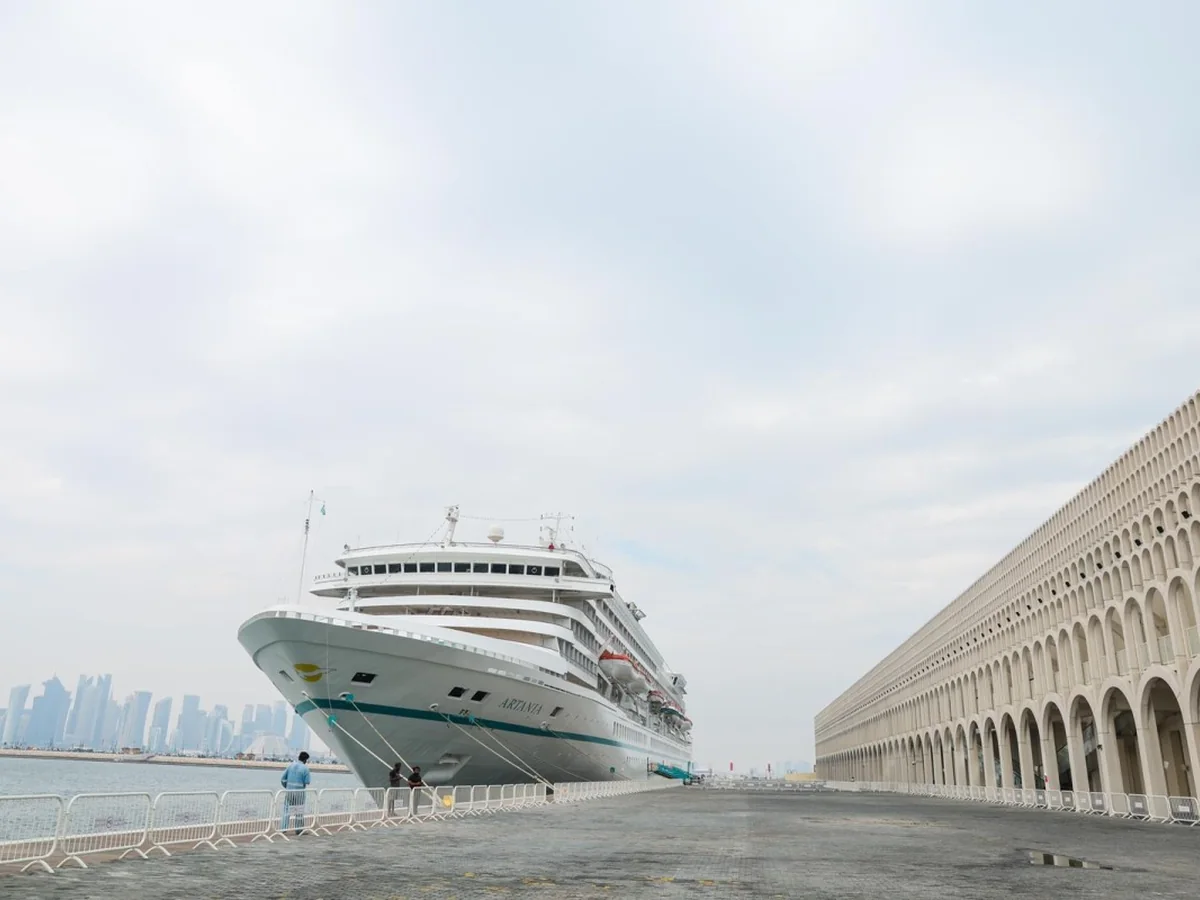
The quick facts
- The rule that never fails: Original pharmacy container, your name on the label, a printed list using generic names.
- Japan: Amphetamine stimulants are prohibited outright, and pseudoephedrine needs advance government permission.
- The UAE: Controlled medicines are allowed with a stamped prescription, and an online approval beforehand is the safer route.
- Singapore: Up to three months of most medicines, but controlled ones need an application filed about two weeks ahead.
- Cannabis and CBD: Illegal in plenty of cruise destinations no matter what your state says, gummies and oils included.
The three countries actually worth preparing for
Almost every country restricts something, but most do it in a way a traveler with a labeled bottle will never notice. The ones that actually stop you are where the paperwork must exist before you arrive, or where a common American drug sits on the banned list rather than the restricted one.
For cruisers that comes down to Japan, the United Arab Emirates and Singapore. If your itinerary touches any of the three, sit down with your actual medication list a month out, not the week before.
Japan is the one that surprises people
Japan is the stop where an ordinary American medicine cabinet becomes a legal problem. Stimulants including amphetamine and methamphetamine are prohibited, which is why some widely prescribed ADHD medications cannot come in at all, and no letter from your doctor changes that.
Pseudoephedrine is the other one that catches people, because it is treated as a stimulant raw material rather than a cold remedy. The decongestant you grabbed for the flight needs advance permission, which almost nobody has.
Narcotic painkillers such as oxycodone, morphine and codeine sit in the same bucket. They are allowed for a patient who carries them, but only with a permit obtained beforehand, and the guidance on carrying prescribed narcotics into the country asks you to apply at least 14 days ahead.
What the Japanese paperwork actually is
There are two separate documents and people mix them up constantly. The first is an import confirmation, still widely called a Yakkan Shoumei, and it is about quantity rather than legality.
You generally do not need it for a personal supply under the standard thresholds, which run to roughly a month of prescription medicine, about two months of over the counter products, and 24 units of external items like creams and patches. Above that you apply online, and the official advice on bringing medication into the country is to file at least two weeks before you travel.
The second document is the narcotics permit, and that one is about legality rather than volume. It wants an application form, a recent medical certificate explaining why you take the drug, and photos of the packaging, and it is slow rather than expensive.
The UAE list is longer than you would guess
Dubai and Abu Dhabi run a published list of controlled and semi controlled medicines, and it is broader than the American idea of a controlled substance. Sleep aids, anxiety medications, strong painkillers and some ADHD drugs are on it, along with things sold over the counter at home.
The system is built for patients rather than against them, and controlled medicines are allowed in a quantity that does not exceed a stated treatment period of a few months. What they want is a prescription naming you and the drug, stating the duration and carrying the clinic stamp, and the route to a personal import permit before you arrive exists so you are not explaining yourself at a desk.
The electronic approval is optional rather than mandatory. I would still get it, because optional and free is a good trade against a bad morning.
Singapore wants the letter, not the story
Singapore is the most procedural of the three and, oddly, the easiest to satisfy. Most travelers can bring in up to about three months of personal medication, kept in original containers with the pharmacy label showing your name and the drug.
Controlled substances are the exception and need an approval submitted in advance. The published guidance on bringing personal medicines into the country asks for at least two weeks, and says later applications may not be processed in time.
Two quirks are worth knowing. Cannabis products are not permitted under any circumstances, and medication in chewing gum form is a separate no.
The labeled container rule is the whole game
Everything else here is a variation on one habit. Medicine travels in the container the pharmacy dispensed it in, with the label intact, and you carry a printed list that uses generic names as well as brand names.
The weekly pill organizer is the single most common way people lose this. Loose white tablets in a plastic grid are unidentifiable, and an officer has no way to connect them to you.
Here is what I actually pack:
- Original bottles: Every prescription in its own labeled container, nothing decanted.
- A printed list: Generic name, brand name, dose and what it treats, on one page.
- A doctor letter: One page on letterhead, signed and dated, for anything controlled or injectable.
- Photos on my phone: The labels and the letter, in case the paper walks off.
- A few spare days: Extra doses beyond the sailing length, because ships get delayed.

What to carry ashore and what to leave onboard
A cruise changes the shape of this problem in a useful way. The ship is your hotel, so you are not hauling a full trip supply through a border every morning.
My default ashore is one day of doses plus one spare, in a small labeled bottle from the same prescription, with a photo of the full label on my phone. Everything else stays in the cabin safe.
The exception is anything you would genuinely struggle without if the ship sailed and you did not. If a missed dose is a real problem rather than an inconvenience, carry two days and treat it like the rest of your port day bag.
What customs actually does at a cruise terminal
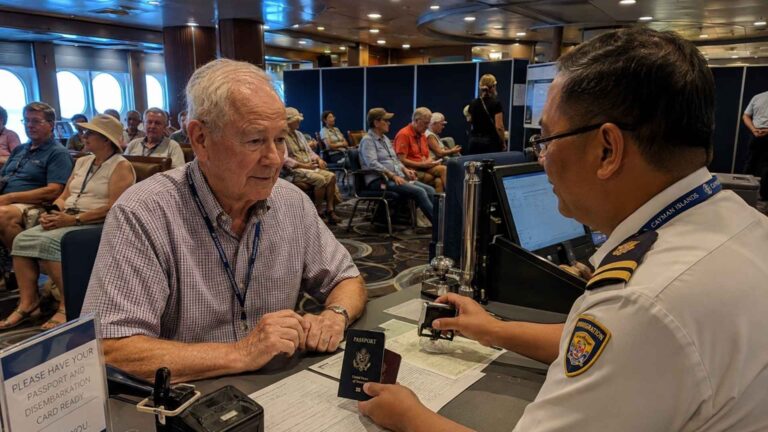
In practice, most cruise arrivals are a walk through a shed and out to a bus. Nobody opens your bag, and the ship handles clearance as a group rather than passenger by passenger.
That casual feeling is exactly why people get careless, and it is worth being precise about what it means. The absence of a search is not permission, and the medication in your cabin has entered the country whether or not anyone looked at it.
Some terminals are much more formal, with a face to face immigration desk and a scanner on the way in or out. Ports in Japan and the Gulf tend toward the formal end, and I would not walk into either expecting the Caribbean version of a terminal.
The ship can help, but not with your exact drug
Ship medical centers carry a working formulary, not a pharmacy. They usually cover common categories such as antibiotics, blood pressure medication, antinausea drugs and basic pain relief, and can often improvise a short bridge if you lose something.
What they cannot reliably do is replace a specific brand, a specific dose, or anything controlled, since controlled stock onboard is locked down and logged. The other thing to plan for is the bill, because onboard care is charged privately.
I have gone through the numbers separately in what a cruise ship medical center costs, and none of them are small. Going ashore to a pharmacy is sometimes cheaper and sometimes impossible, which is its own problem covered in the piece on getting sick in port.
Refrigerated medication on a port day
This is the detail that quietly ruins trips. The cabin minibar on many ships is a thermoelectric cooler rather than a true refrigerator, so ask guest services what it will actually hold before you sail rather than after you board.
Most lines will store temperature sensitive medication in the medical center if you ask, and some will supply a sharps container and a small cooler. Arrange it during booking, in writing, because doing it at the gangway is a much worse conversation.
For the port day itself, an insulated pouch with a gel pack handles a normal excursion. On an 85 degree (29 C) afternoon in the Gulf or the Caribbean, a bag left on a tour bus seat is not a storage plan.
Needles, sharps and the scanner at the gangway
Injectable medication is normally fine to carry, and port security staff see insulin pens and auto injectors daily. What makes it smooth is a label on the device or its box matching your name.
Loose syringes with no accompanying medication are the version that raises eyebrows, at a gangway and at a border alike. Keep the pen, the cartridge and the box together, and carry the doctor letter.
Used sharps do not belong in the cabin trash. Ask the medical center for a container on day one and hand it back at the end, which is routine and nobody will find the request odd.
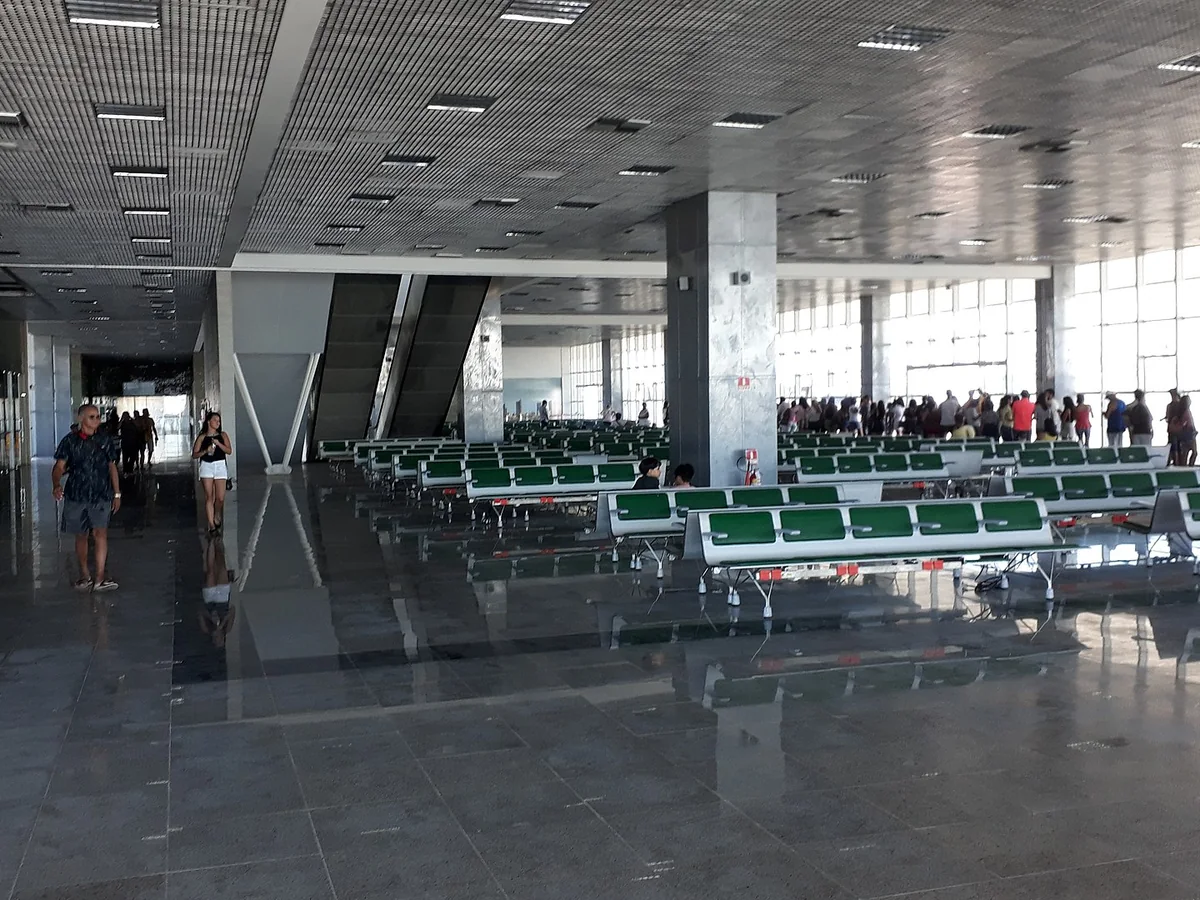
Cannabis and CBD, stated plainly
Legal at home means nothing at a foreign border. Cannabis in every form is illegal in Japan and in Singapore, and it is treated extremely seriously across the Gulf states.
CBD is the trap, because Americans have stopped thinking of it as a drug at all. A gummy, a tincture, a sleep patch or a topical oil can still contain a controlled compound, and a hemp label on the front is not a legal opinion.
Cruise lines also prohibit it onboard regardless of embarkation port, so there is no version of this where carrying it is the smart move. Leave it home, and if a doctor prescribed something in this family, ask them about an alternative for the sailing.
The general principles that cover everywhere else
Outside those three countries, a short set of habits covers essentially every itinerary. Personal quantities, original labels, generic names on paper, and no expectation that a US prescription is a valid document abroad.
The categories that draw attention are the same country to country. Opioid painkillers, ADHD stimulants, benzodiazepines, sleep aids, pseudoephedrine and anything cannabis derived are the ones that show up again and again on lists of medicines restricted for travelers.
If something you take is in one of those groups, check the specific country before you build an itinerary around it. If it is not, the labeled bottle and the printed list are genuinely enough.
The things people get wrong
The first is assuming the cruise line checked. Lines will warn you about visas and about fruit at the gangway, and I would not count on a medication briefing at any point.
The second is packing the whole supply in a checked bag on the flight to the ship. Delayed luggage on a fly cruise is common enough that medication belongs in the bag on your shoulder, every time.
The third is treating over the counter items as invisible. Cold medicine, sleep aids and some supplements are exactly the products that land on restricted lists, which is the same instinct that causes trouble with what you cannot bring back onboard.
The fourth is leaving it too late. Every process described here has a lead time measured in weeks, and none of them can be rushed from a cabin on ship internet.
Quick answers
Can I bring my Adderall on a Japan cruise?
Amphetamine based stimulants are prohibited in Japan and no permit makes them legal, so this needs a conversation with your prescriber well before you sail. Some related medications are handled differently, which is why the specific drug matters more than the category.
Do I need a Yakkan Shoumei for a one week cruise?
Usually not, because a week of personal medication sits well under the quantity thresholds that trigger it. It matters when you are carrying large amounts, or when the drug needs the separate narcotics permission instead.
Should I take my pills ashore or leave them in the cabin?
Carry the day’s doses plus one spare in a labeled container and leave the rest in the cabin safe. That covers you if the ship is late getting you back and keeps the bulk of your supply out of a day bag.
Will the ship replace medication I lose in port?
Sometimes, for common drugs, and at a price that will get your attention. Anything controlled or brand specific is much less likely to be available onboard.
Is CBD oil allowed on a cruise?
Cruise lines generally prohibit it onboard, and several countries on common itineraries treat it as a controlled substance. State legality at your embarkation port does not travel with the ship.
Final word
This is one of the few cruise problems almost entirely solved by an hour of admin a month out. Labeled bottles, a printed list, a doctor letter for anything controlled, and a real check on Japan, the UAE and Singapore if they are on your itinerary.
The failure mode is rarely a dramatic arrest. It is a confiscated bottle and a week spent rationing something you should not be rationing, which no policy undoes, though it is still worth knowing what a cruise policy actually covers.
How this guide was researched: Import rules, permit processes, quantity thresholds and application lead times for Japan, the United Arab Emirates and Singapore were checked against official government guidance in September 2026, alongside general advice for travelers carrying restricted medicines. Controlled substance lists and application timelines change without much notice, so confirm the rules for your own medications and sailing dates before you travel. See our Editorial Policy.
More on this topic: browse every guide on port logistics and timing.