Lavrion Cruise Port: Athens Alternative, Cape Sounion and What to Expect
Lavrion is the Athens-area cruise port people discover only after booking, usually followed by one urgent question: “Wait, this is not Piraeus?” Correct, and that is not necessarily bad news. Lavrion is smaller, calmer, and much closer to Cape Sounion.
My quick take
I would not choose Lavrion because I wanted the easiest possible sightseeing day in central Athens. Piraeus wins that particular contest simply because it is closer to the Acropolis and has more public transportation options.
I would choose Lavrion because the port itself is manageable, the airport side of the trip is convenient, and Cape Sounion is sitting almost next door. For a small-ship or yacht-style itinerary, the whole setup makes a lot of sense.
The biggest mistake is assuming “Athens” means the same transfer plan as my Piraeus cruise port guide. Check the port name on your documents before you book a hotel, taxi, or airport transfer.
The quick facts
- Where you land: Lavrio Port’s dedicated cruise sector on the southeast coast of Attica.
- Dock or tender: Ships using the cruise sector normally berth alongside; assignments depend on vessel size and port operations.
- Into town: Lavrion’s center is close to the harbor, though your exact berth determines the walk.
- Currency and language: Euro; Greek is official, with English widely used in tourism.
- Time zone: Eastern European Time, UTC+2, changing to UTC+3 during daylight saving.
- How often the call is missed: Low (about 1–3% chance): strong Aegean winds or operational changes can affect smaller-ship schedules.
Lavrion is a real cruise port, not a Piraeus overflow pier
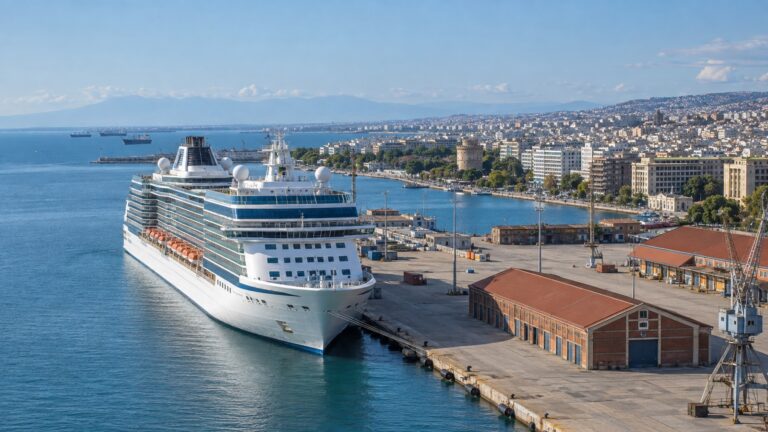
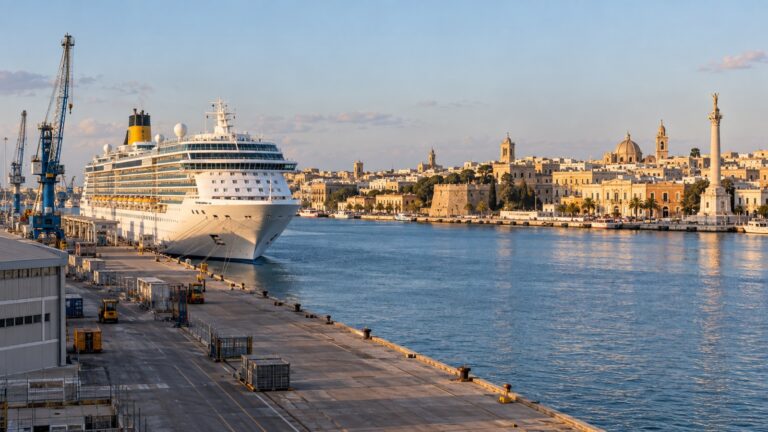
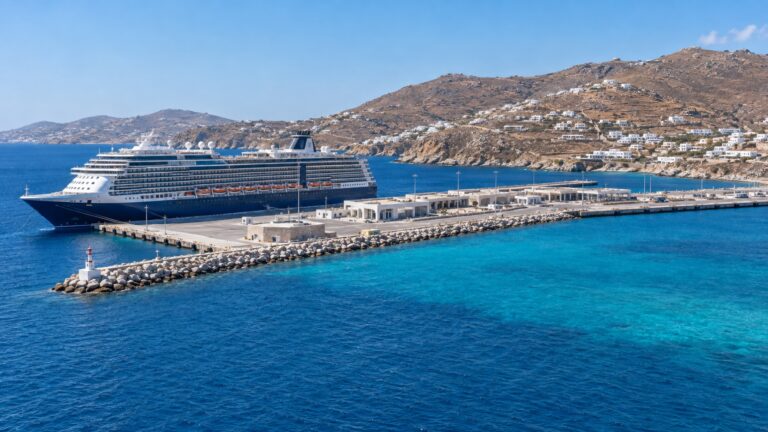
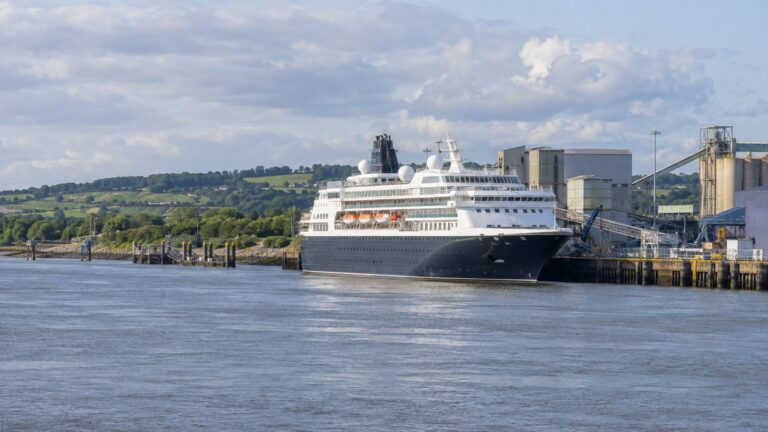
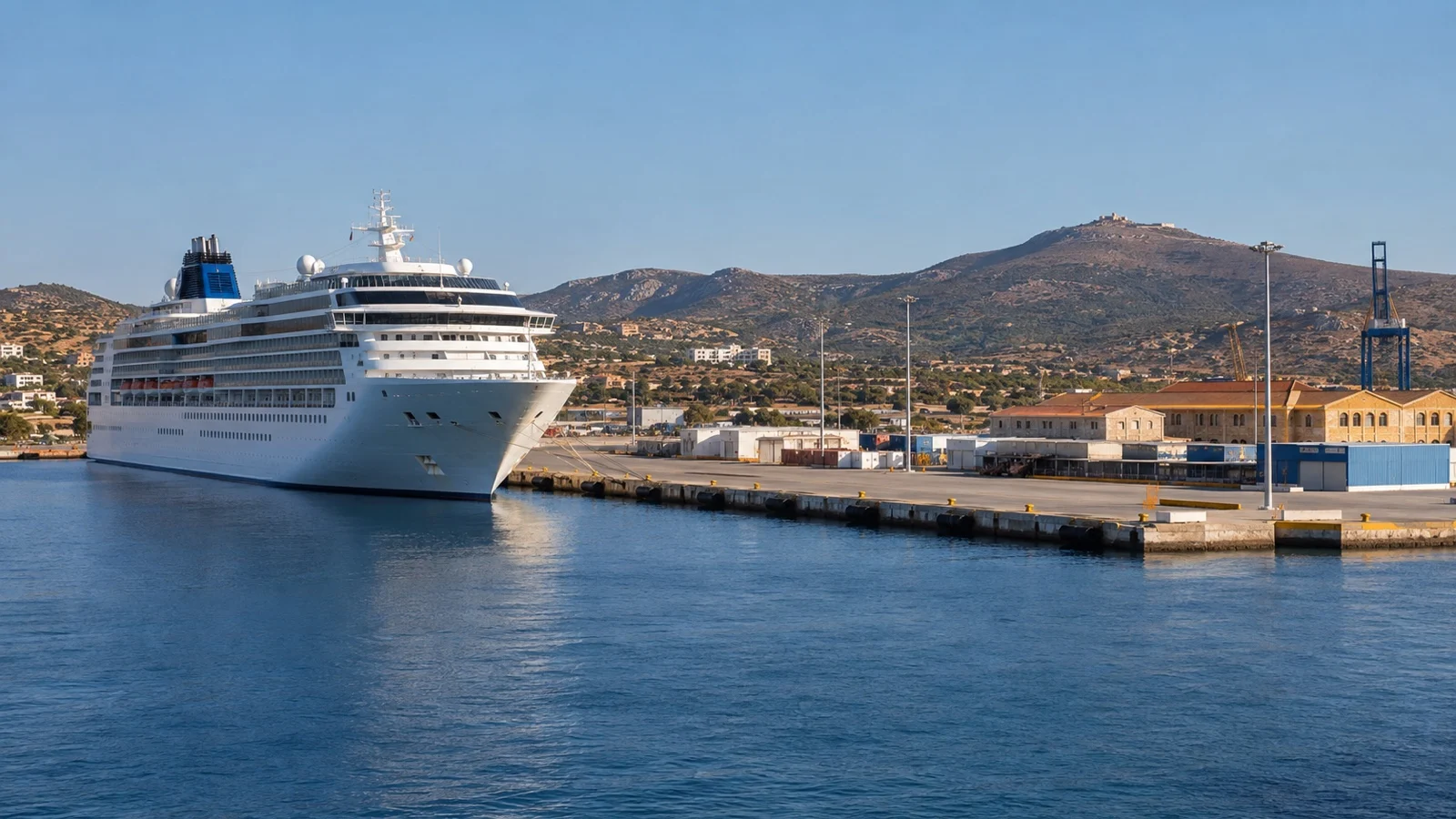
The official Lavrio Port Authority cruise sector can accommodate cruise ships up to roughly 722 feet long. It has a dedicated passenger station of about 29,200 square feet with customs, passport, police, luggage, and security functions.
That matters because Lavrion sometimes gets described online like a secondary marina with a few excursion boats. It is a proper cruise operation, just on a much smaller scale than Piraeus.
The terminal area also has room to handle more than 20 buses at once, which tells you how the port expects passengers to move. Coaches, prebooked transfers, and taxis are much more important here than a metro line outside the gate.
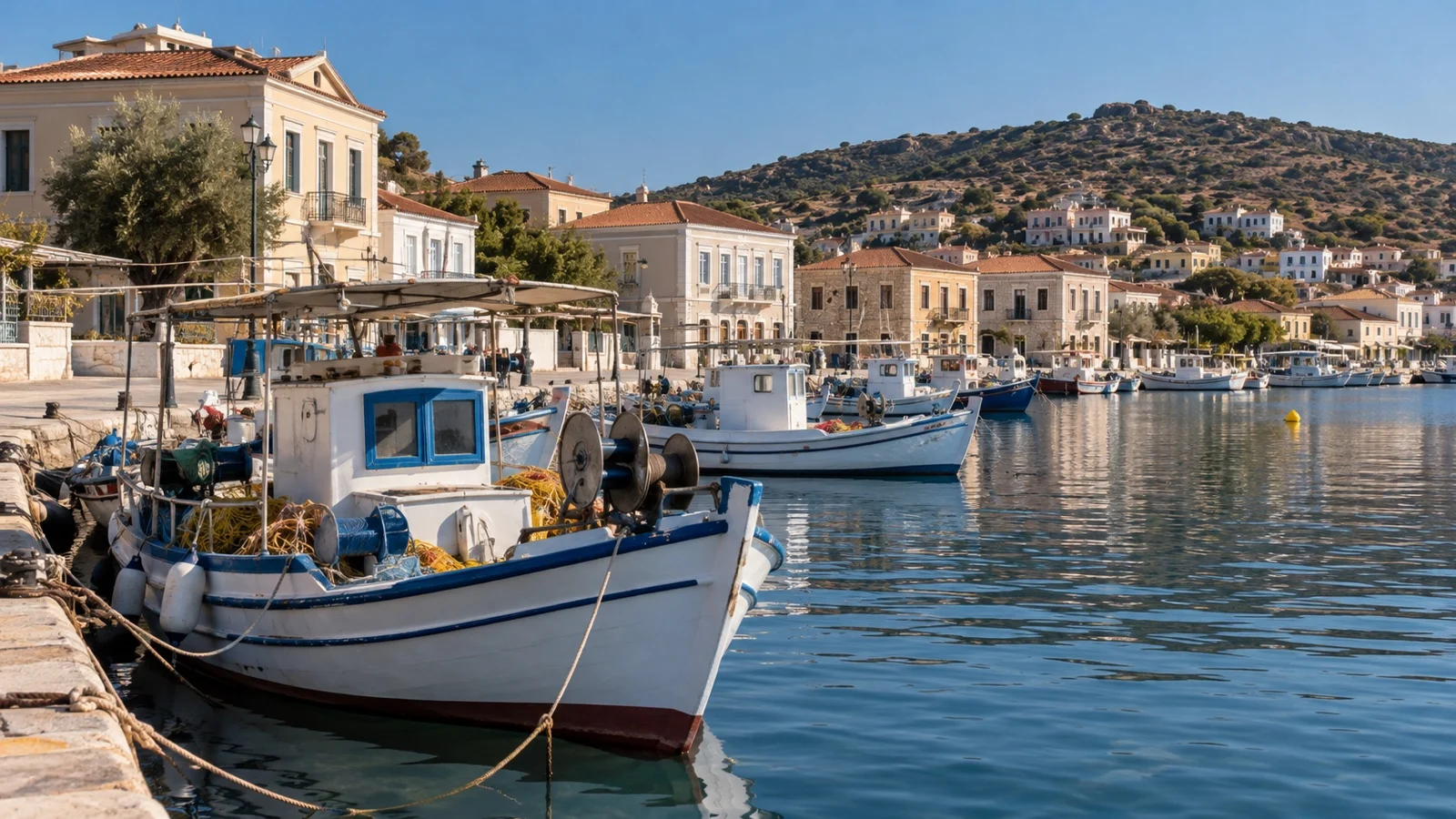
Lavrion also handles ferries, yachts, fishing, and commercial activity. The harbor can feel working and practical rather than polished into a giant cruise campus, which I actually prefer when the logistics are this straightforward.
Small ships are the natural fit. Celestyal, Ponant, Lindblad, and yacht-style lines are exactly the kind of operators I would expect to use a port with this scale and location.
The airport advantage is real
Lavrion sits on the same side of greater Athens as Athens International Airport, which is one of the strongest reasons to homeport here. You avoid crossing the entire metropolitan area to reach Piraeus on the southwest side.
I would still prebook transportation on embarkation morning. A port this small does not have the endless taxi depth of central Athens, and a ship turnaround is exactly when everyone wants a vehicle at once.
If your flight lands the same day as departure, use the cruise line’s transfer or a confirmed private car whenever possible. Greece is not difficult to navigate, but a delayed flight plus an improvised cross-Attica ride is not how I would start vacation.
For a pre-cruise stay, central Athens is still the better choice if your priority is sightseeing. If your priority is waking up close to the ship, Lavrion or the southeastern Attica coast becomes much more appealing.
My Greek cruise ports guide is useful here because Lavrion behaves differently from both the giant Piraeus homeport and the island tender calls you may see later in the week.
Cape Sounion is the excursion Lavrion does better than Piraeus
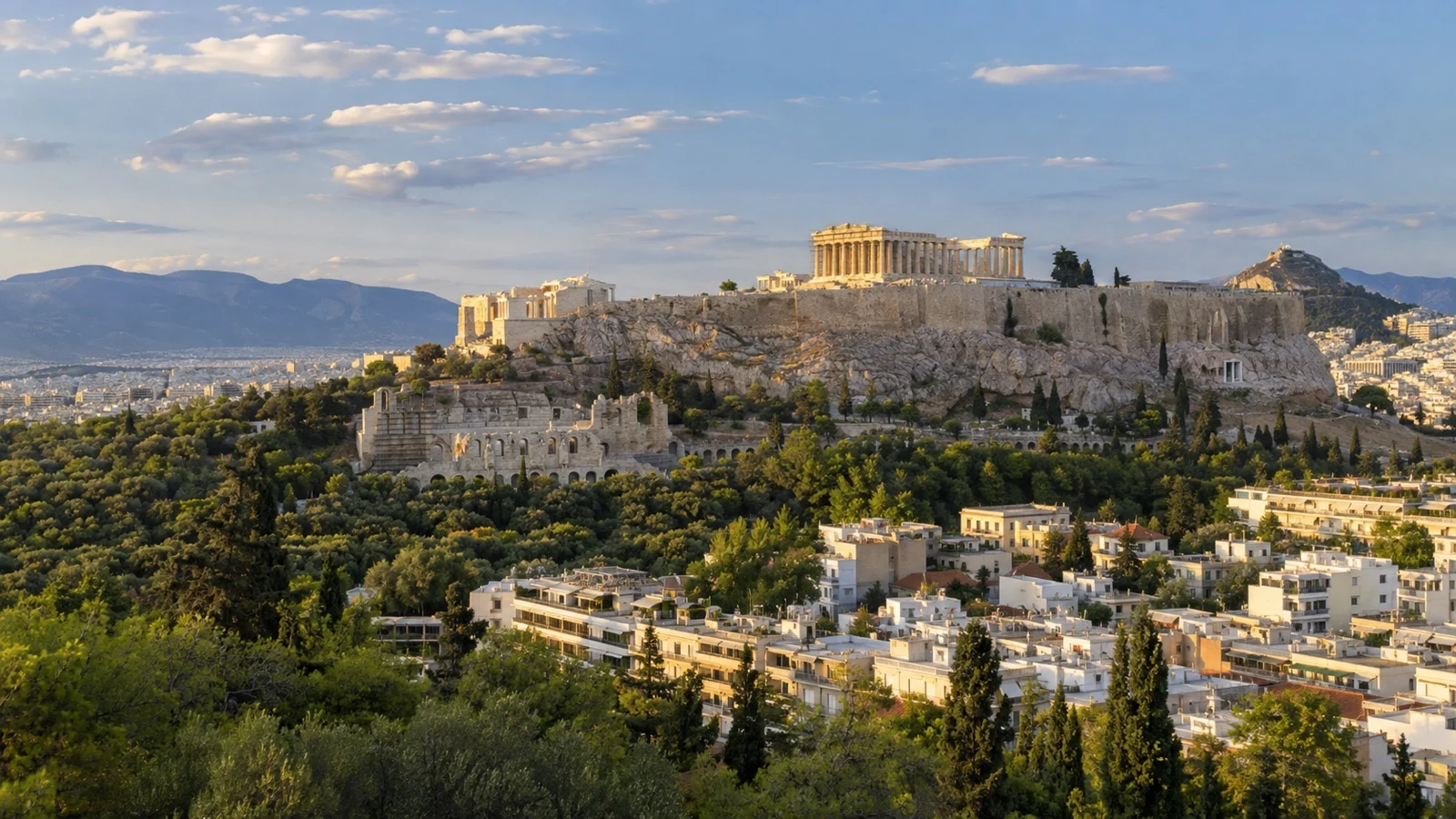
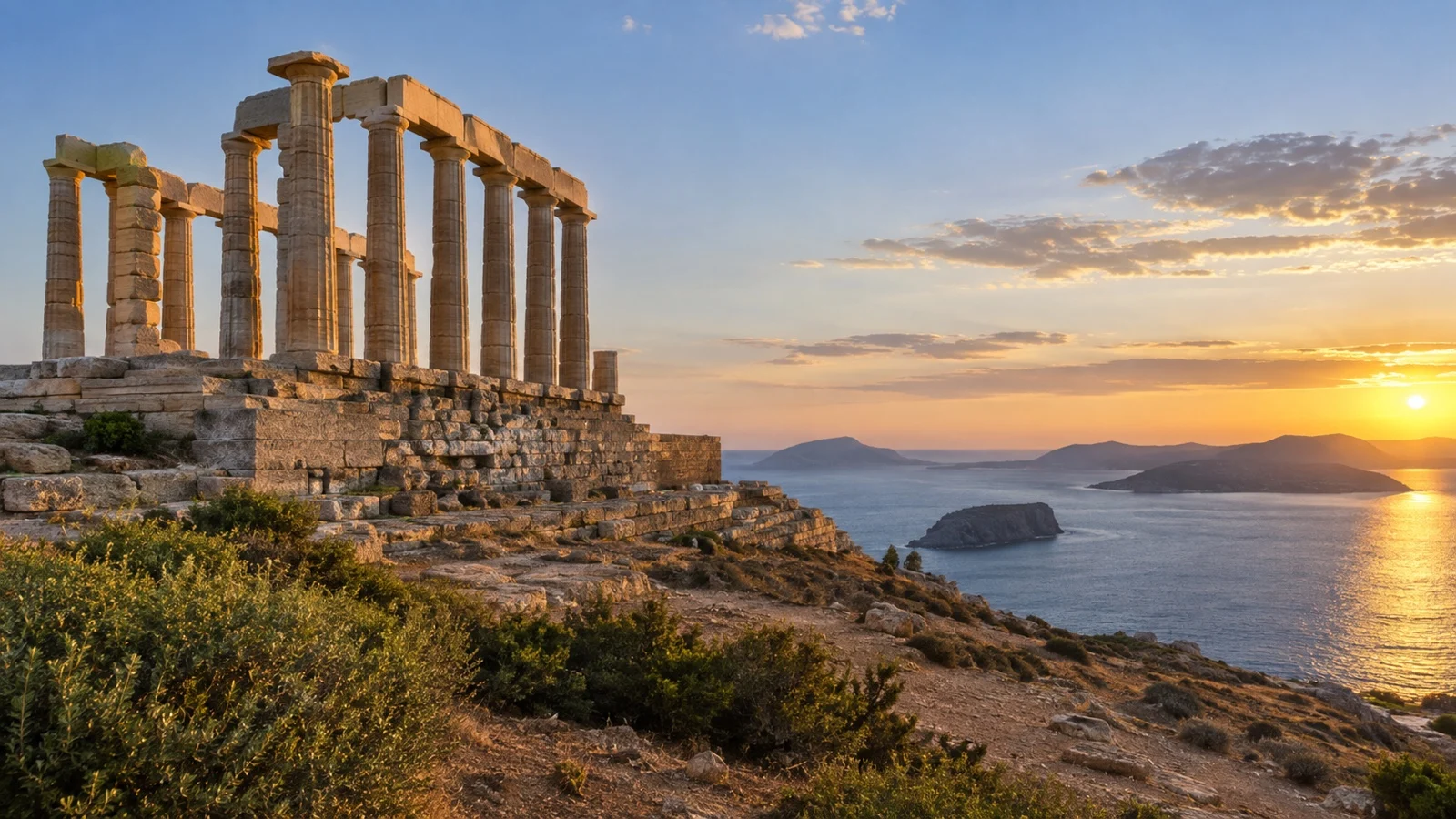
If I had one half-day here, I would go south rather than north. Cape Sounion is the obvious Lavrion advantage, with the Temple of Poseidon standing on a headland above the Aegean.
The official Hellenic Heritage guide to Sounion dates the surviving Doric temple to the mid-5th century BC. The site was both sacred and strategically important, watching over the sea routes toward Athens and the silver-rich Lavrion peninsula.
The drive from Lavrion is short enough that this feels like a local outing rather than a major excursion. From Piraeus, Sounion is a commitment; from Lavrion, it is the thing sitting down the road asking why you would skip it.
I would give myself time to walk the archaeological site rather than treating it as a photo stop. The temple is the headline, but the cliff setting and Aegean views are what make the place stick in your memory.
The site has accessible amenities, though the exposed archaeological terrain still deserves realistic expectations. Wind is common, sun can be intense, and the final approach is not the same as rolling through a modern museum.
Do not overlook Lavrion itself
Lavrion is not going to compete with Athens for monument density, and it should not try. Its history is tied to mining, metalworking, shipping, and the silver that helped finance ancient Athenian power.
The Archaeological Museum of Lavrion is the stop I would choose if I wanted context without leaving town. Its collection includes finds from the mines, workshops, Thorikos, and Sounion, including pieces connected to the Temple of Poseidon.
There is also something pleasant about simply having lunch near a Greek working harbor after several aggressively scheduled port days. Lavrion is compact enough that you can make the day simpler rather than constantly adding another transfer.
If you are embarking rather than visiting, I would arrive early enough for a meal and a walk before check-in. Just keep your luggage plan sensible, because the streets around a ferry and cruise harbor are not where I want to drag three giant suitcases for fun.
Should you go all the way into Athens?
You can, but this is the decision point where I would look hard at the clock. Central Athens is roughly 35 to 40 miles away by road depending on your destination, and traffic can turn that into a much longer trip than the mileage suggests.
If you have never seen the Acropolis and your call is long, Athens may still be worth it. I would use a ship excursion or prearranged driver rather than building the day around a series of local buses.
If you have already been to Athens, I would stay southeast and enjoy Sounion, Lavrion, and the coast. That plan wastes far less of the day staring at brake lights.
Visit Greece’s Attica guide treats the Athens Riviera, Sounion, and Lavrio as a connected coastal region. That is exactly how I would think about a Lavrion port day.
If your itinerary also includes islands, my Santorini guide and Mykonos guide are the opposite kind of Greek logistics, where tenders and island crowds matter far more than highway transfers.
Weather and the missed-call risk
The Greek summer weather most cruisers worry about is heat, but the operational weather issue is wind. Strong meltemi conditions in the Aegean can affect ferries, small ships, yacht operations, and itinerary timing.
A alongside cruise berth makes Lavrion more reliable than a tender anchorage, which is why I rate the missed-call risk as low. I would still watch the forecast if your ship is small and the Aegean is having one of its windier days.
In July and August, sun exposure matters on shore. I would bring water, sunscreen, a hat that will stay on your head in wind, and enough patience to accept that ancient Greece did not install shade everywhere for us.
Shoulder season is more comfortable for sightseeing, though rain becomes more plausible. A light jacket solves far more problems than packing as if every Greek day is guaranteed to look like a postcard.
A realistic word on accessibility
The passenger terminal itself is a modern facility, which is good news compared with tender-only island calls. The harder part is what you want to do after leaving the port.
For Athens or Sounion, confirm that your transfer vehicle can accommodate your mobility equipment. Smaller operators may use vans or coaches without the same lift setup you are used to on a large cruise-line excursion.
The Archaeological Museum of Lavrion lists accessible restrooms and tactile resources, making it one of the easier local cultural options. Sounion also lists accessibility amenities, though the archaeological landscape itself remains exposed and uneven.
If walking distance is limited, I would choose one major outing rather than combining Athens and Sounion. The transfer time already consumes enough energy without turning the day into a marathon.
How I would plan the day
On an embarkation day, I would sleep in Athens or southeast Attica the night before, eat breakfast without rushing, and use a prebooked transfer to the terminal. I would not gamble the cruise on a same-morning ferry, complicated bus connection, or optimistic airport timing.
On a port call of six hours or less, I would choose Cape Sounion and Lavrion. That keeps the geography compact and leaves a healthy return buffer.
With eight to ten hours and a first visit to Greece, Athens becomes reasonable. I would go directly to the Acropolis area, choose only a few priorities, and head back before traffic gets the opportunity to ruin the day.
If I had already toured Athens, I would be delighted to skip the long transfer. Sounion, lunch by the water, the Lavrion museum, and a relaxed return to the ship sounds much more like vacation.
If you are flying in the night before, our guide to hotels near Lavrion cruise port compares the options by distance from the terminal.
Quick answers
Is Lavrion the same cruise port as Piraeus?
No. Lavrion is on the southeast coast of Attica, while Piraeus sits southwest of central Athens.
Do ships dock in Lavrion?
Yes. The dedicated cruise sector accommodates ships up to roughly 722 feet and has a full passenger station.
Can you visit Athens from Lavrion?
Yes, but expect a substantial road transfer and allow extra time for traffic.
What is the best nearby attraction?
The Temple of Poseidon at Cape Sounion. It is the excursion that makes Lavrion’s location genuinely special.
Is Lavrion convenient for Athens airport?
Yes. Its southeastern Attica location avoids the cross-city transfer required to reach Piraeus from the airport.
The last word
Lavrion is not Piraeus-lite. It is a smaller homeport with its own logic, and the sooner you stop judging it by how quickly it gets you to the Acropolis, the better the itinerary looks.
I would lean into what Lavrion does well: easy small-ship operations, a sensible airport side of Athens, and one of Greece’s most beautiful ancient temples practically waiting down the coast.
How this guide was researched: Port logistics were checked against Lavrio Port Authority, with archaeology and destination details reviewed through official Greek cultural and tourism sources in August 2026. See our Editorial Policy.