Port Townsend Cruise Port: A Victorian Seaport for Small Ships
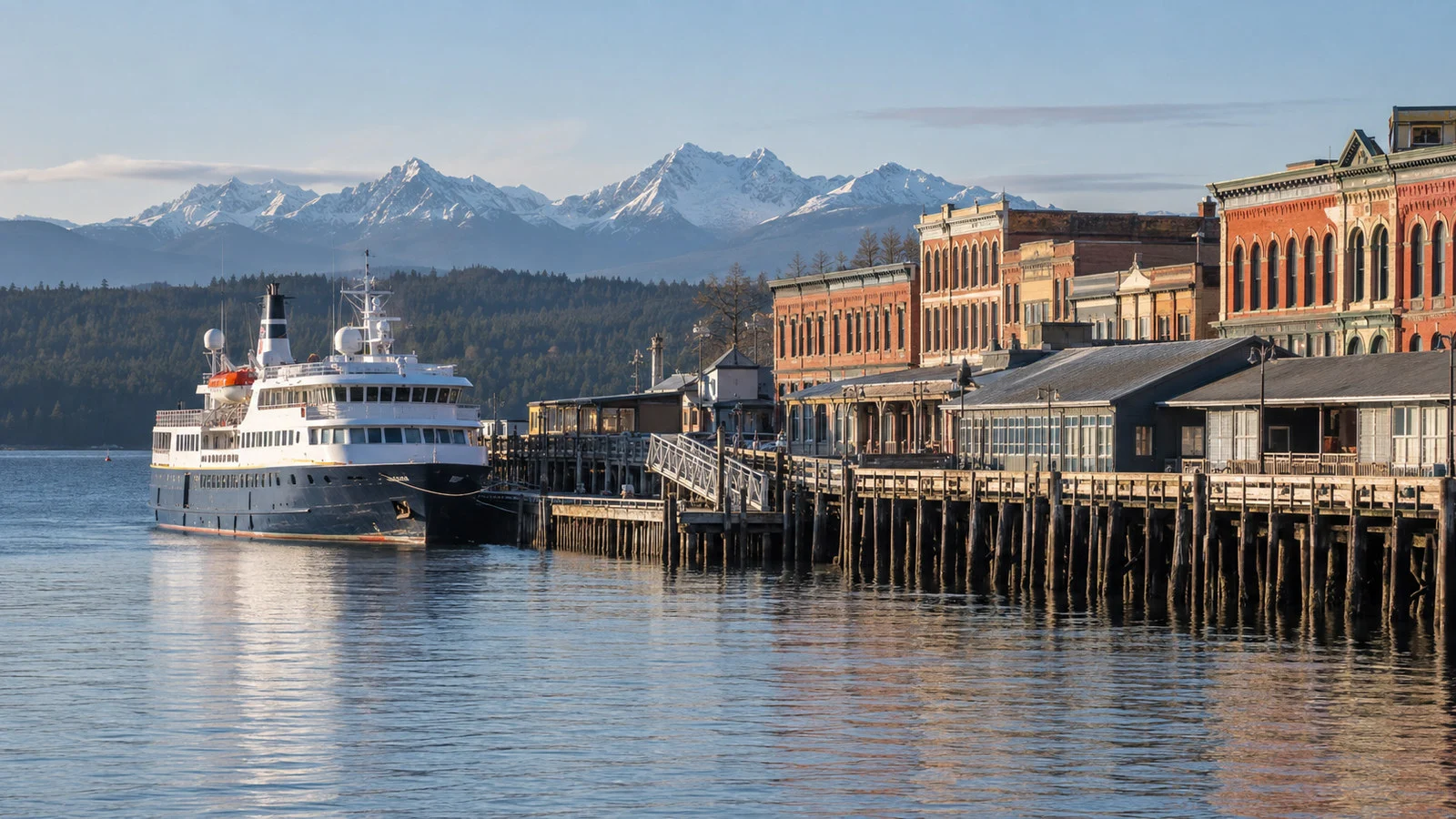
Port Townsend rewards a small ship with a working waterfront, a walkable historic district, and a former coastal defense post within one compact call. The complication is elevation, because Uptown rises sharply above downtown and Fort Worden needs a separate transportation plan.
Start with the ship’s same-day landing instructions, then choose either a downtown loop or Fort Worden as your main outing. Trying to cover both during a short call can turn an easy port into a race.
My quick take
For a first visit, I would keep the day around Water Street, the historic downtown, and one museum or maritime stop. Add Uptown only if hills feel comfortable, and choose Fort Worden when the schedule gives it enough time.
Port Townsend is more about atmosphere and maritime character than a checklist of major attractions. A bakery, a waterfront stroll, local history, and a little time watching boats can make a better day than an ambitious regional excursion.
Port Townsend quick facts
- Location: Northeastern tip of Washington’s Olympic Peninsula, beside Port Townsend Bay and Admiralty Inlet.
- Typical visit: A small-ship call on a Puget Sound or Salish Sea itinerary.
- Best short plan: Water Street, the historic downtown, and one museum or maritime attraction.
- Main mobility issue: Downtown is compact, but Uptown sits above a steep bluff and Fort Worden covers a large outdoor area.
- Local transit: Jefferson Transit operates zero-fare local routes, including current service linking downtown and Fort Worden.
- Currency: US dollar; cards are common, though small cash purchases remain useful.
- Time zone: Pacific Time, with daylight saving time observed seasonally.
Where the ship stops
Do not assume every vessel uses one permanent cruise berth. Small ships may use a waterfront facility or another operating arrangement selected for that sailing.
The Port of Port Townsend manages Point Hudson, Boat Haven, and other marine facilities, but that does not mean every itinerary uses the same location. Follow the captain’s announcement and the printed daily program for the exact gangway or tender point.
Before leaving, photograph the reboarding location and save the ship’s contact number. Ask whether a shuttle operates and whether the gangway slope is expected to change with the tide.
Getting into downtown
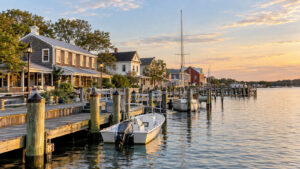
When the assigned landing is near downtown, Water Street shops, restaurants, galleries, and historic buildings may be an easy walk. Distance is only part of the calculation because dock ramps, brick surfaces, and the bluff affect mobility.
Ask about any ship shuttle before arranging a ride. If you use local transit, check current rider alerts and the return schedule rather than relying on an old screenshot.
Downtown and Uptown are distinct parts of the visit. Staying below the bluff creates a mostly compact day, while adding Uptown introduces a meaningful climb or a short transit ride.
A strong three-hour plan
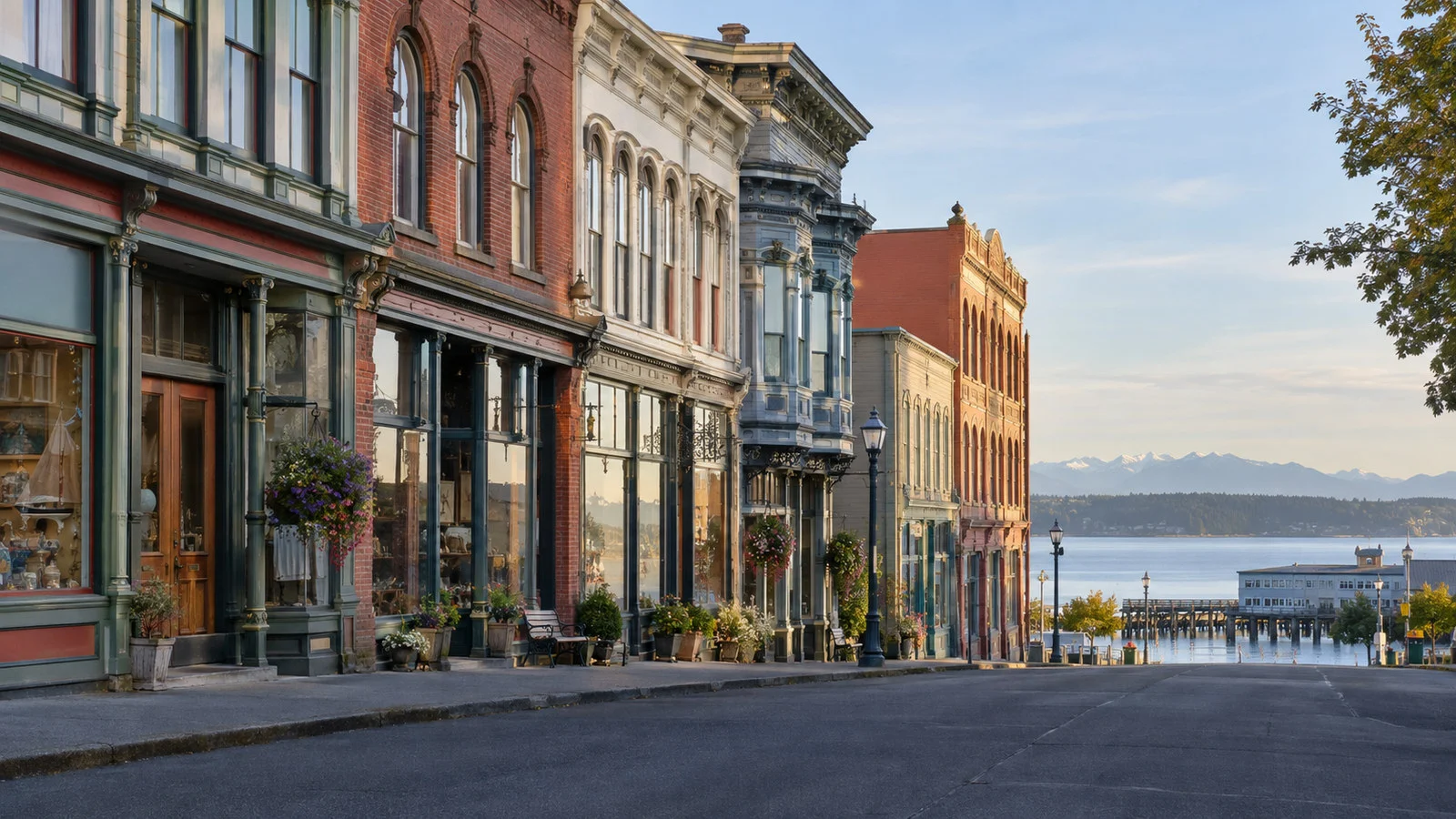
Begin on the waterfront and orient yourself before committing to a hill. Walk a section of Water Street, notice the nineteenth-century commercial facades, and pick one focused indoor stop.
The Jefferson Museum of Art and History occupies the historic City Hall complex near downtown. It is a sensible choice for visitors who want local history without spending much of the call in transit.
The Northwest Maritime Center is the better fit when wooden boats, seamanship, and the modern working waterfront interest you most. Confirm current public access and program times before making any venue the anchor of a short call.
Leave room for coffee, seafood, or a bakery stop, then turn back with a comfortable buffer. Port days are happier when dessert is not eaten at a jog.
The story is older than the Victorian buildings
Port Townsend is widely marketed through its Victorian architecture, but the local story begins much earlier. The čičməhán Trail presents Indigenous history and the continuing presence of the S’Klallam people across the landscape.
Use the trail and local interpretation to add context to the downtown facades, shoreline, and place names. This creates a fuller visit than treating the town as a preserved nineteenth-century stage set.
The commercial buildings reflect a period of maritime growth and grand expectations for rail connections. Those expectations faded, helping leave an unusually intact collection of historic structures.
When Uptown is worth the climb
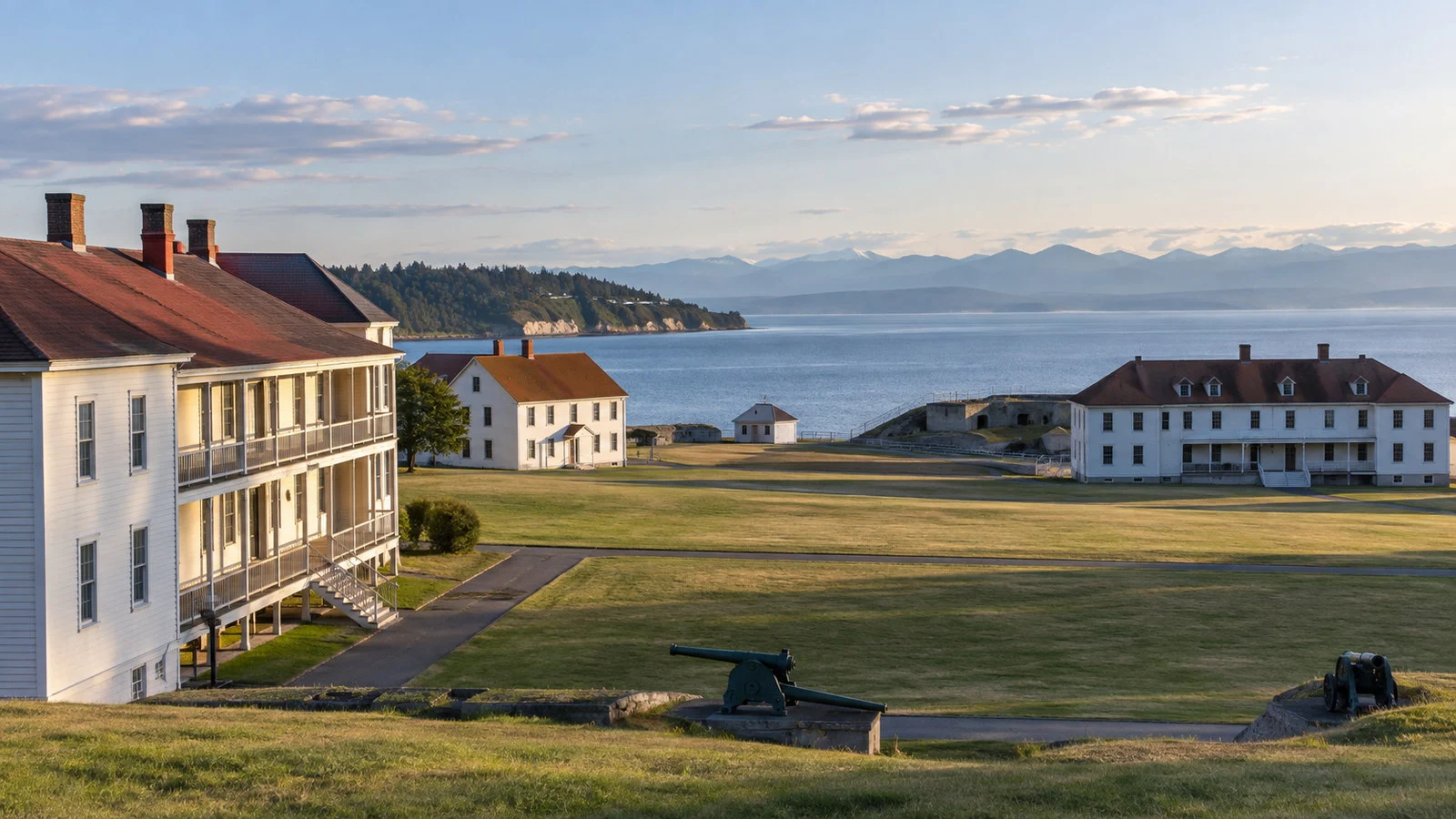
Uptown adds residential streets, historic homes, local businesses, and broad views. The bluff creates a real elevation change, so ask for the gentlest route or use local transit if steep grades are a concern.
A staircase can look like the shortest route on a map while being the least useful choice for your group. Choose an accessible street route or shuttle even if it adds a few minutes.
The Port Townsend Farmers Market can be a worthwhile seasonal stop when its operating day matches your call. Verify the current schedule because cruise dates, market dates, and special events do not always align.
Fort Worden needs its own plan
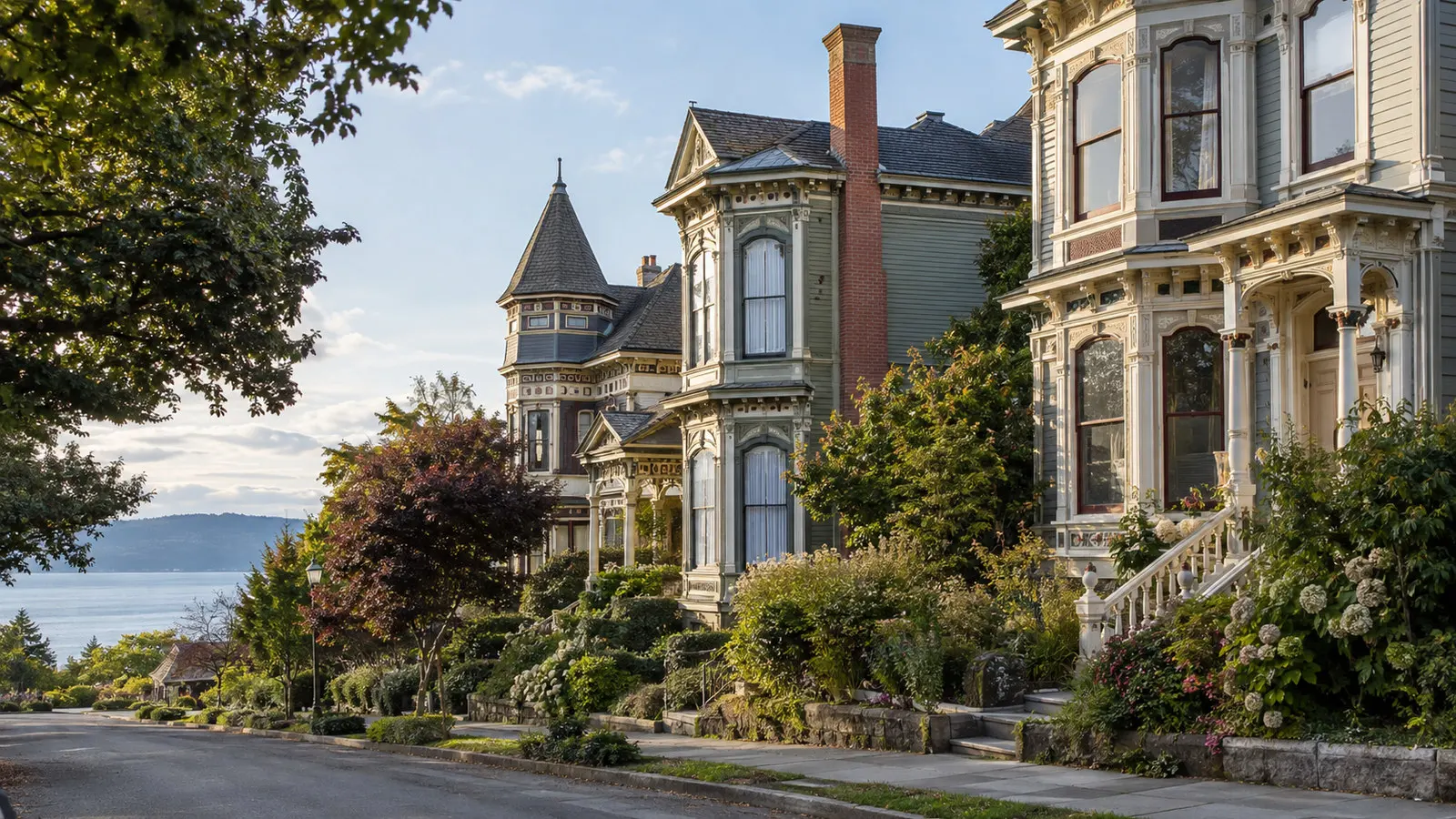
Fort Worden Historical State Park combines former coastal defense structures, beaches, forest, and views across Admiralty Inlet. The site’s scale makes it a dedicated outing rather than a casual extension of downtown.
Washington State Parks is the authority for current hours, closures, parking, and open areas. Bunkers can be dark, damp, and uneven, so obey closures and bring a flashlight only when independent entry is allowed.
Decide before leaving the waterfront whether your priority is military history, beach time, trails, or scenery. The park is too large to cover thoroughly during a brief cruise call.
Jefferson Transit Route 2 connects downtown and Fort Worden. The official Route 2 page shows a schedule effective May 3, 2026, but same-day alerts and all-aboard time still control the decision.
Ship excursion or independent day?
Explore independently when the landing is near downtown, the weather is settled, and your wish list is compact. Water Street, local history, galleries, and the lower historic district reward wandering without much transportation planning.
Choose a ship excursion for Fort Worden, kayaking, wildlife trips, or any activity with equipment and timed transfers. The included transport may matter more than the guide when the attraction sits beyond the downtown loop.
Before booking, translate the activity rating into walking distance, slope, steps, standing time, and vehicle entry. A label such as moderate does not tell you whether the challenge is a dock ramp, a bluff, or an outdoor fort.
Independent travelers should avoid building a chain of tight connections. One delayed bus or attraction visit can erase the margin that made the plan look comfortable.
Accessibility and mobility
A compact street map can hide older thresholds, curb cuts, dock ramps, and the steep rise to Uptown. Ask the cruise line for the exact marine access setup and the excursion’s walking profile.
Jefferson Transit publishes accessible service information and operates zero-fare routes. Ask whether your mobility device can board the specific vehicle and whether any temporary stop change affects the route.
The Port Townsend Marine Science Center publishes venue-specific accessibility guidance. Confirm its current location, hours, and exhibit access because facilities and programs can change.
Historic buildings and Fort Worden require separate checks. One accessible museum does not make the entire shore day step-free.
Weather and practical safety
Port Townsend lies in the Olympic rain shadow, but a cruise day can still be cool, wet, or windy. Conditions near Admiralty Inlet often feel colder than the temperature suggests.
Check the National Weather Service Seattle forecast, dress in layers, and carry a light waterproof shell. Shoes with grip help on wet ramps, brick, gravel, beaches, and bunker floors.
Stay outside marked working marine areas and follow closures at Fort Worden. If wind, fog, or a schedule change shortens the call, cut the farthest stop first and keep the downtown loop.
Wildlife and boat tours need their own layers because travel on the water increases wind exposure. Follow the operator’s instructions for boarding and remain seated when requested.
Timing your return
Set a personal return time at least 20 to 30 minutes before all aboard, with more margin if you leave downtown. Use the ship’s clock and verify that your phone shows the correct local time.
A ship-run tour normally coordinates with the vessel if its official vehicle is delayed. That protection does not extend to a private detour after the tour ends.
Transit users should identify the earlier of two workable return buses. The last theoretically possible bus is not a sensible cruise-day plan.
The ferry is transport, not a bonus cruise
Washington State Ferries operates between Port Townsend and Coupeville across Admiralty Inlet. It is not a direct ferry to Seattle.
Check the official Washington State Ferries schedule and alerts before considering a crossing. Reservations, vehicle space, weather, and service changes can affect the trip.
For most cruise guests, riding the ferry during a normal call creates more risk than reward because a cancellation could leave you across the water. Enjoy the view from shore unless the cruise line built the crossing into an excursion.
Food and shopping
Downtown makes an easy lunch stop with seafood, bakeries, cafes, and casual restaurants. Check opening hours if the ship arrives early or calls on a quiet weekday.
Local galleries, bookstores, and maritime shops suit a short browse. Buy heavier items near the end of the loop so you are not carrying them uphill or onto a bus.
A reservation can help during festivals or busy weekends, but it can also make a short port call inflexible. Choose a restaurant that understands your return deadline.
How Port Townsend fits the itinerary
Port Townsend adds maritime craft, local history, and historic streets to a Puget Sound itinerary. It may be paired with regional gateways such as the Tacoma cruise port.
The nearby Port Angeles cruise port is another Olympic Peninsula gateway, but its shore plans often reach farther toward national park scenery. Port Townsend leans more heavily into its seaport identity and compact historic center.
Do not plan a Seattle side trip during the call. Road and ferry choices make the journey too variable for a normal small-ship port window.
Quick answers
Can a large cruise ship dock here?
Port Townsend is mainly associated with small-ship calls. Your line’s itinerary and same-day instructions determine the actual berth, tender, or transfer arrangement.
Is downtown walkable from the ship?
It can be when the assigned landing is near the waterfront. Ask for the actual distance and route because operating locations vary.
What is the best plan for a short call?
Pair Water Street and the waterfront with one museum or maritime stop. Add Uptown only when time and mobility allow.
Can I visit Fort Worden independently?
Yes, when current park access, transit, and the ship schedule leave a generous buffer. A ship excursion is simpler when the call is short.
Do I need a passport at this stop?
Port Townsend is in the United States, but the voyage may include Canada. Follow the cruise line’s document rules for the entire itinerary.
The last word
Port Townsend is at its best when you let the working waterfront and layered history set the pace. Choose one ambitious addition rather than three, and the call remains relaxed.
Keep downtown as the reliable core, add Fort Worden only with a sound transport plan, and protect the return buffer. That simple structure fits the town better than a packed checklist.
Planning note: Berths, tenders, excursions, ferry service, transit, and attraction access can change. Verify the current plan with your cruise line and the Port of Port Townsend; our standards are in the CruisePorts editorial policy.