Germersheim River Cruise Port: Fortress Walks, Museums, and Speyer
Germersheim is a small Rhine stop built around the remains of a huge nineteenth century fortress. It offers a calm walking day, an unexpectedly engaging road museum, and an easy base for cruise excursions to Speyer.
My quick take
Stay in Germersheim if you enjoy military architecture, local history, and unusual museums more than headline sightseeing. The fortress gates, armory, visitor center, and central streets make a compact route without a long coach transfer.
Choose Speyer if its UNESCO listed cathedral is a priority and your itinerary does not visit it separately. A ship excursion removes the timetable risk, while an independent train trip only makes sense with a generous call.
Do not assume every vessel uses the same landing or that the walk begins beside a particular fortress wall. Follow the ship’s daily berth and all aboard instructions.
Germersheim quick facts
- Best for: Fortress architecture, a compact old town, local history, and the German Road Museum.
- Possible excursion: Speyer Cathedral is the major nearby draw and a UNESCO World Heritage Site.
- Arrival: Berth and gangway arrangements can vary, so use the ship’s current instructions rather than an old map pin.
- Currency: Euro. Carrying some cash is helpful for small purchases even when cards are accepted.
- Time zone: Central European Time in winter and Central European Summer Time during daylight saving months.
- Planning caution: Check museum hours, tour availability, train schedules, and all aboard time for the actual date.
Where river ships arrive
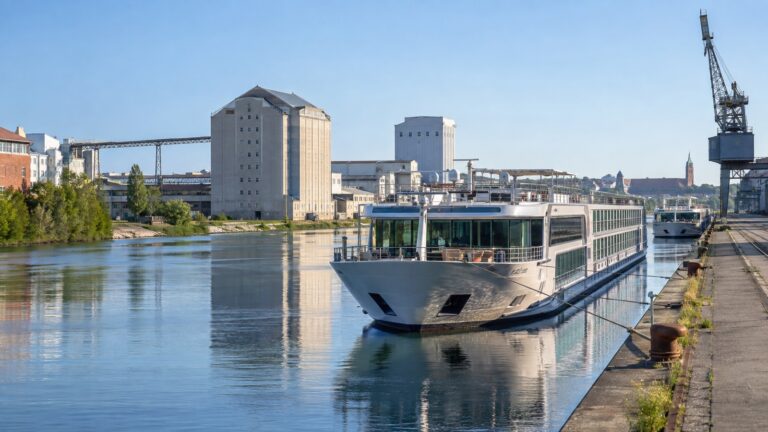
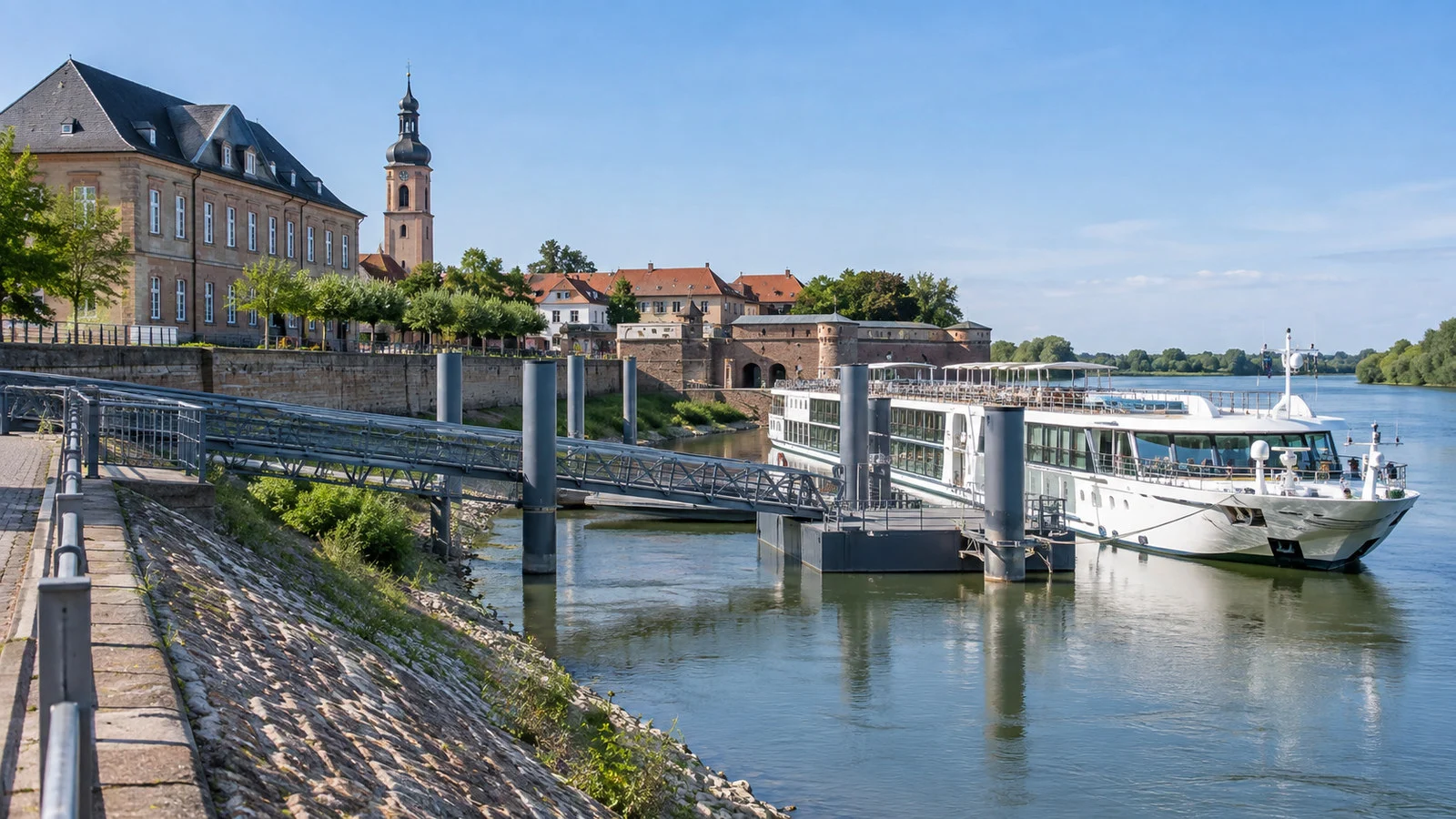
Germersheim sits on the west side of the Rhine, but river cruise operations can use different landing arrangements. Vessel traffic, water level, local events, and the operator’s itinerary may affect the berth.
There is no reason to expect the passenger facilities of a major ocean terminal. Before going ashore, note the berth name, gangway location, ship contact number, and any instructions about a later relocation.
Several river vessels can also share a landing through rafting. Crossing another ship may add steps and affect accessibility even when the riverside path itself is level.
Walking into town
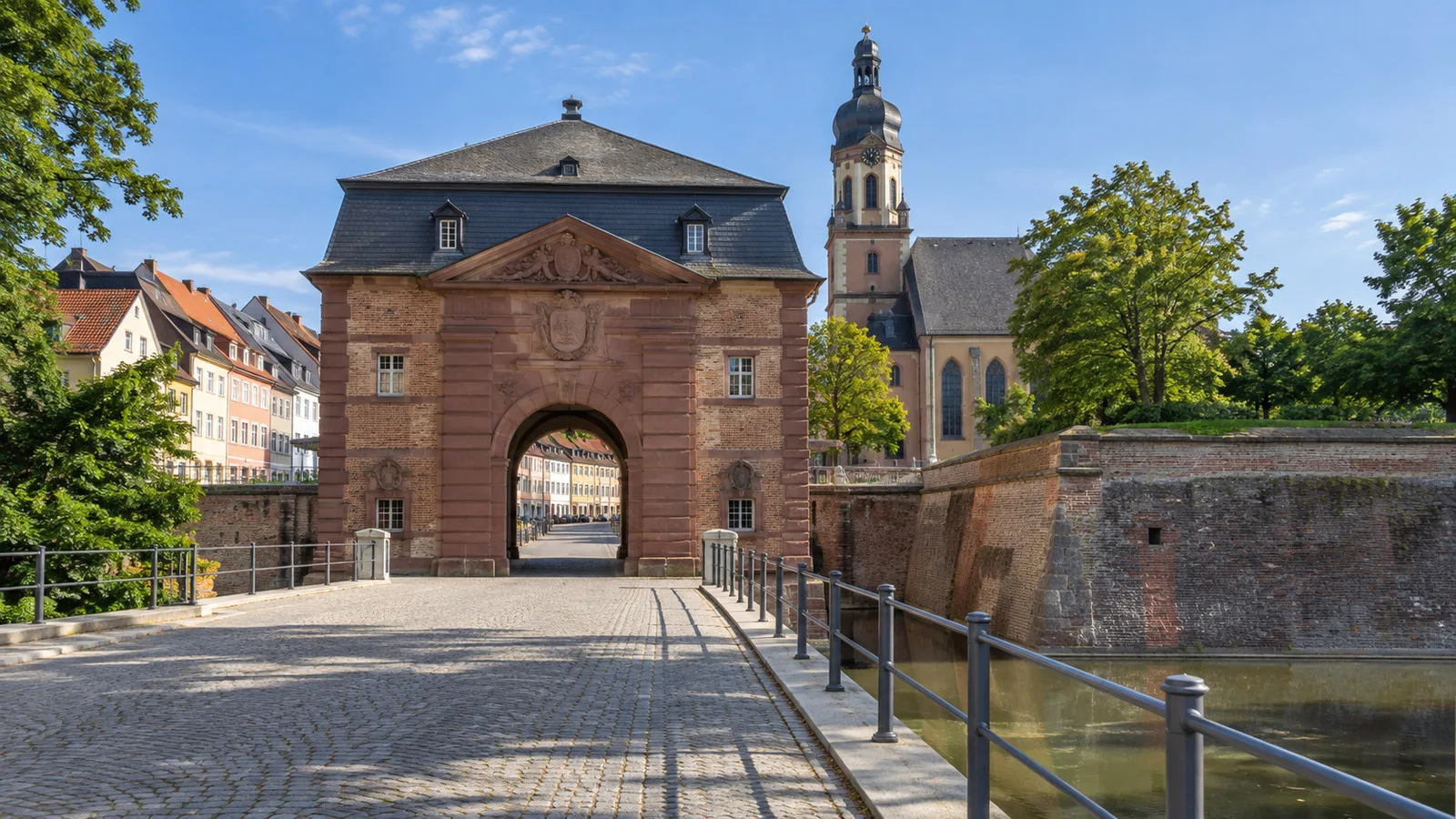
The central sights are close enough to combine on foot from a practical river landing. Germersheim is flat overall, but historic paving, gravel, curbs, and fortress interiors can slow the route.
The city’s visitor center occupies the Weissenburger Tor at Europaplatz 1. The official Germersheim tourism pages list current hours, maps, museums, city tours, and local events.
Start there when you want a printed map or the latest access information. Staff can help identify which museum, exhibition, or guided fortress tour fits the hours of your call.
Why Germersheim is a fortress town
The Kingdom of Bavaria developed Germersheim as a major Rhine fortress during the nineteenth century. Although large sections were later removed, substantial gates, defensive works, military buildings, and underground spaces remain woven into the modern town.
The scale is easier to understand with a map because surviving elements no longer form one complete enclosure. A guided fortress walk can connect the scattered structures and explain their original role.
Visitors should not expect a romantic medieval castle. Germersheim’s character comes from brick fortifications, parade grounds, gates, armories, and the practical geometry of a planned defense system.
Weissenburger Tor and the visitor center
The Weissenburger Tor is one of the strongest starting points for a short visit. It combines a surviving fortress gate with the city’s tourism, culture, and visitor information service.
The official city site currently lists weekday opening from 10 in the morning to 5 in the afternoon, with shorter weekend hours. Recheck before arrival because holidays, events, and seasonal changes can affect access.
Even when you do not join a tour, the gate helps frame the fortress story. From here, a map can lead you through the center toward other surviving military buildings and museums.
The German Road Museum
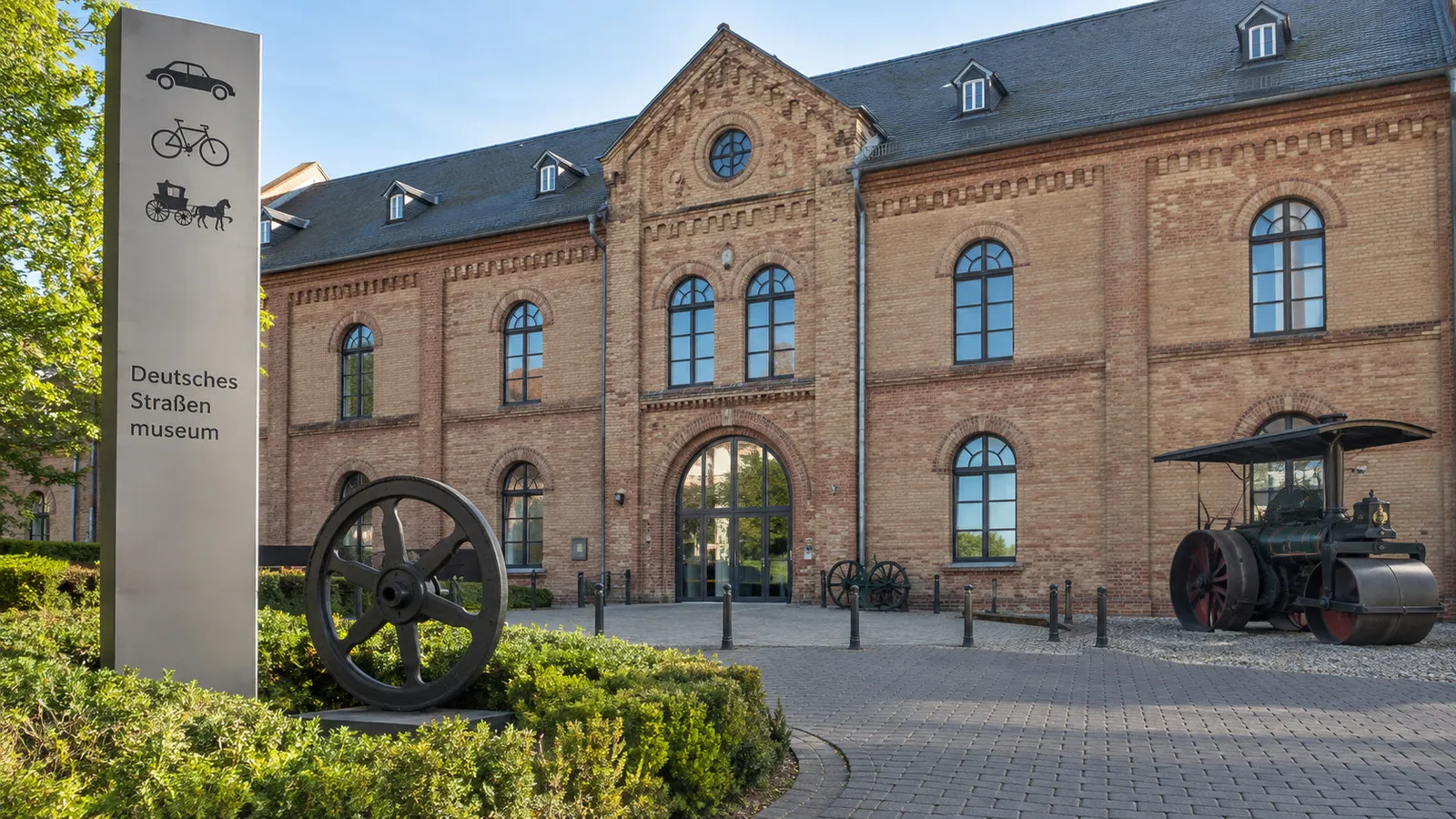
The German Road Museum is the most distinctive indoor attraction in Germersheim. The city describes it as Germany’s only museum devoted comprehensively to roads, with 5,000 square meters of displays inside the former fortress armory.
Exhibits move from historic trade routes and Roman roads to asphalt, concrete, surveying, bridges, tunnels, signs, guardrails, and winter maintenance. Large road building machines give the collection more visual interest than the subject may suggest.
The city museum page currently lists opening from Tuesday through Friday, 10 in the morning to 6 in the evening, and weekends from 11 in the morning to 6 in the evening. Group tours can be arranged separately, but cruise passengers should verify what their program includes.
Monday calls need another plan because the regular schedule does not list Monday opening. The fortress exterior, visitor center, and central walking route can still fill a short visit.
City and Fortress Museum
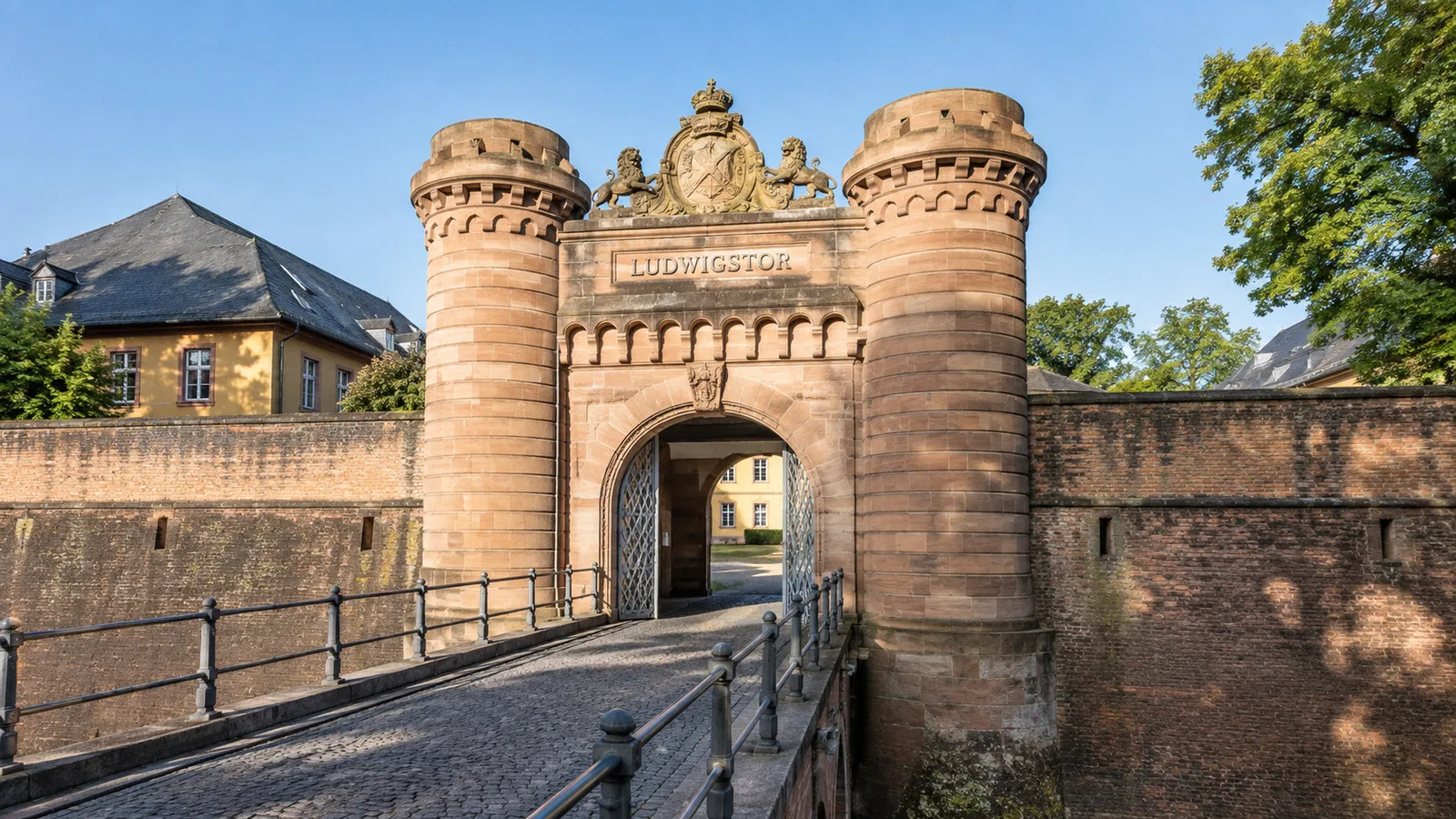
The City and Fortress Museum occupies the Ludwigstor and covers the development of Germersheim, its garrison, trades, and civic life. The official city page says the permanent exhibition is currently closed for a complete redesign.
A special exhibition for the city’s 750th anniversary runs from March 29 through October 4, 2026, with weekend and holiday hours listed by the city. Entry to that temporary exhibition is free.
Because the museum program is changing, do not rely on an older guidebook. Check whether the special exhibition, permanent galleries, or a group visit is available on your date.
Other fortress spaces
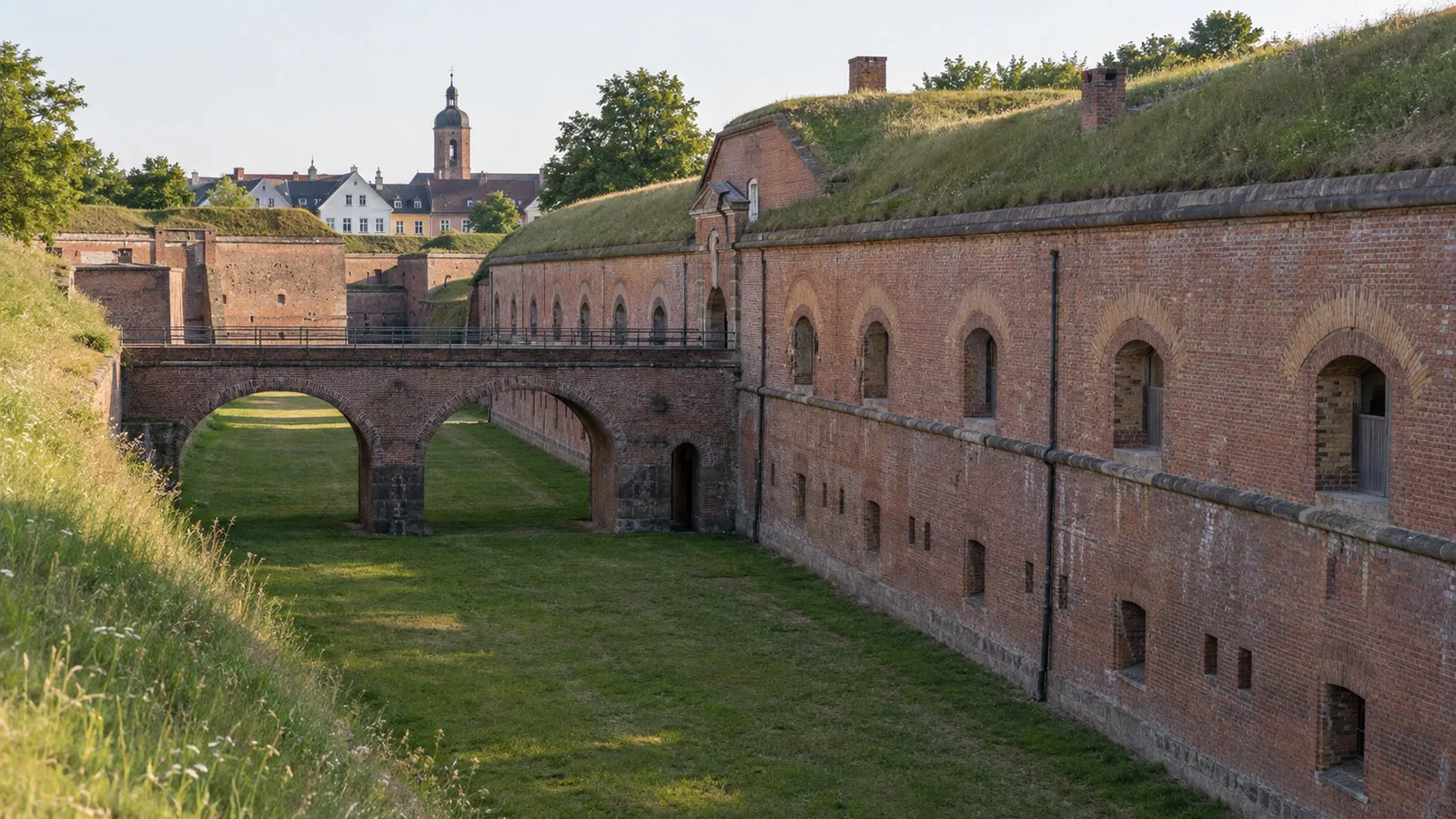
Germersheim uses surviving military buildings for culture, administration, education, and events. That adaptive reuse is part of the appeal because the fortress is not frozen as a single ticketed attraction.
The Professor Deutsch Sculpture Museum occupies reconstructed historic rooms and pairs modern sculpture with fortress architecture. Opening can be limited, so confirm access through the visitor center rather than building the whole day around it.
Guided tours may enter spaces that are not obvious from the street. Wear a light layer because underground or thick walled rooms can feel cool even when the riverside is warm.
A practical two hour plan
Begin at the Weissenburger Tor for orientation and a map. Walk a compact fortress route through the center, then use the remaining time for the German Road Museum if it is open.
If the museum is closed, continue past surviving gates and military buildings before pausing in the center. Turn back early enough to allow for a wrong turn or changed gangway.
This plan works better than trying to add Speyer to a very short call. The cathedral city deserves enough time for the transfer and a calm visit.
A half day in Germersheim
With a longer call, combine the Road Museum with a guided fortress tour or the city’s self guided center route. Add the temporary City and Fortress Museum exhibition if its limited schedule matches your visit.
Leave room for lunch or coffee rather than filling every minute with interiors. Germersheim’s appeal is the contrast between monumental military structures and an ordinary modern town living around them.
Check the event calendar if your call is on a weekend. Markets, festivals, and anniversary programs can add interest while also changing pedestrian routes or access.
Speyer as the main excursion
Speyer Cathedral is the obvious reason to leave Germersheim during a port call. UNESCO recognizes the cathedral as a major Romanesque monument with deep importance to the medieval German Empire.
A ship excursion is the simplest option when it includes coach transport, a guide, and a coordinated return. Read the description carefully to see whether the cathedral interior, crypt, museum, or free time is included.
Speyer offers more than the cathedral, but a short excursion may not allow the Technical Museum, Jewish heritage sites, cathedral complex, and old town together. Choose the one or two experiences that matter most.
Visiting Speyer independently
Regional rail links Germersheim with Speyer, but the station walk and local connection add time at both ends. Use the official Deutsche Bahn planner for the exact date and check for construction or replacement buses.
An independent trip only works when the ship’s call is long and the schedule provides a fallback train. Do not plan around a single return connection or an arrival only minutes before all aboard.
A taxi can be more direct but may not be waiting at the river. Arrange the return in advance and confirm the correct Germersheim landing, especially if the ship will move.
Stay in town or take the excursion?
Stay when the fortress and Road Museum match your interests, or when you want an unhurried independent day. Germersheim is compact enough to enjoy without transport planning.
Go to Speyer when the cathedral is a priority and this is your only realistic chance to see it. A guided excursion also suits travelers who prefer guaranteed logistics over timetable calculations.
Do not dismiss Germersheim simply because Speyer has the famous monument. The two places tell different stories, and the fortress town is more unusual than another quick cathedral exterior.
Accessibility
Germersheim’s overall terrain is flat, which helps travelers with limited stamina. The harder details are the gangway, rafting, curbs, gravel, cobbles, heavy doors, and stairs in historic buildings.
Ask the cruise line about the exact landing rather than relying on a general port description. Gangway slope changes with the river, and crossing another vessel can add narrow passages or steps.
Contact the visitor center or museum for the access route that matches your device. A building may be partly accessible while a specific exhibit, restroom, or guided underground area is not.
A riverside and central city walk can still work when fortress interiors are unsuitable. Leave extra time for surface changes and avoid assuming that a short map distance means an effortless route.
Food, money, and practical stops
Germersheim is a real town rather than a cruise enclave, so cafes, bakeries, and restaurants follow local hours. Sunday and Monday openings can be limited, and kitchens may pause between lunch and dinner.
Germany uses the euro. Cards are common, but a small amount of cash is useful when a cafe, market stall, or machine does not accept your preferred payment method.
The visitor center is the best first stop for restrooms, maps, tour questions, and current closures. Use the ship before disembarking when facilities are a concern.
Weather and what to wear
Much of the fortress route is outdoors, and the Rhine plain can feel hot in direct summer sun. Carry water, use sun protection, and plan indoor museum time for the warmest part of the day.
Rain makes cobbles, ramps, and leaves slippery. A light waterproof layer is easier than an umbrella when you need a free hand for steps or railings.
Cooler seasons call for layers because fortress interiors may remain chilly. Comfortable walking shoes matter more than formal clothing for this port.
Rhine levels and itinerary changes
High or low water can affect sailing times, berths, excursion departures, and the sequence of ports. No fixed percentage can predict whether a Germersheim call will operate.
An operator may shorten the day, move the landing, use coaches, or substitute another Rhine stop. Wait for the cruise director’s specific plan before changing independent bookings.
Keep train and taxi plans flexible when possible. A route that works on paper can fail if the ship arrives late or leaves from a different landing.
Returning to the ship
Set a turnaround time before entering a museum or boarding a train. The ship’s all aboard time is the deadline that matters, and it may be earlier than the advertised departure.
Allow extra time from the station because it is not the same as returning from the town center. Photograph the gangway area and carry the ship’s contact details offline.
If the vessel will relocate during the call, follow the written instructions from crew. Returning to the original riverbank after a move can create a serious problem even in a small town.
How Germersheim fits a Rhine cruise
Germersheim sits on a broader Upper Rhine corridor where many itineraries emphasize cities, cathedrals, and excursions rather than the castle scenery of the Middle Rhine. Its fortress gives the stop a distinct identity.
The nearby Speyer guide helps compare a local Germersheim day with the cathedral excursion. Make the choice based on your itinerary, museum hours, and interests rather than assuming the more famous name is always better.
Travelers who have already seen Speyer may appreciate the chance to stay local. The Road Museum and surviving fortress works are difficult to duplicate at another Rhine call.
Quick answers
Can I explore Germersheim independently?
Yes, central fortress sights and museums can be combined on foot from a practical landing. Confirm the berth and opening hours before leaving the ship.
What is the best museum?
The German Road Museum is the most distinctive choice and occupies the former armory. It is normally closed on Mondays, so check the current schedule.
Is the City and Fortress Museum fully open?
The official city site says the permanent exhibition is closed for redesign. A temporary 750th anniversary exhibition operates on selected dates through October 4, 2026.
Should I take the excursion to Speyer?
Take it if Speyer Cathedral is a priority or the call is too short for comfortable independent rail travel. Stay in Germersheim when the fortress and Road Museum suit you better.
Is Germersheim wheelchair accessible?
The town is generally flat, but gangways, rafting, historic surfaces, and fortress interiors can create barriers. Confirm each part of the route with the cruise line and venue.
The last word
Germersheim is a rewarding small port when you meet it on its own terms. The fortress, visitor center, and German Road Museum create a focused day without demanding a bus ride.
Speyer remains an excellent alternative, especially for first time cathedral visitors. Choose one clear plan, verify the hours, and protect the return margin.
How this guide was researched: This guide uses official Germersheim tourism and museum pages, UNESCO, and current transport resources, with time sensitive details reviewed in September 2026. Recheck berth details, museum openings, tours, trains, accessibility, and all aboard time for your sailing date.