Kalocsa River Cruise Port Guide: Meszes Dock, Paprika and Puszta
Kalocsa is a Danube port where the first decision matters more than the attraction list. Ships use the Meszes waterfront outside the center, so you need a transfer before you can explore the cathedral, paprika culture, or the city’s colorful folk art.
The good news is that central Kalocsa is compact once you get there. The harder choice is whether to spend the call in town or use the day for an organized Puszta and horse-show excursion.
My quick take on Kalocsa
Choose central Kalocsa if you want the most flexible day and your cruise provides a dependable transfer. Szentháromság Square puts the cathedral precinct and Paprika Museum close together, which keeps the sightseeing efficient.
Choose the Puszta excursion if horses, countryside, and a managed program are the reason you booked this stop. I would not try to squeeze in an independent town visit afterward unless the operator’s schedule clearly allows it.
Kalocsa quick facts
- River landing: Meszes, about 3.1 miles or 5 km from central Kalocsa
- Boat stations: The municipality lists two international boat stations on the Meszes waterfront
- Best town base: Szentháromság Square for the cathedral area and Paprika Museum
- Best organized outing: A cruise-line Puszta or equestrian excursion with transportation included
- Independent transportation: Reserve both directions and confirm the precise pickup point
- Currency: Hungarian forint, abbreviated HUF
- Accessibility: Check the gangway, transfer vehicle, street route, and each attraction separately
- Return rule: Work from the ship’s all-aboard time and keep a meaningful transfer buffer
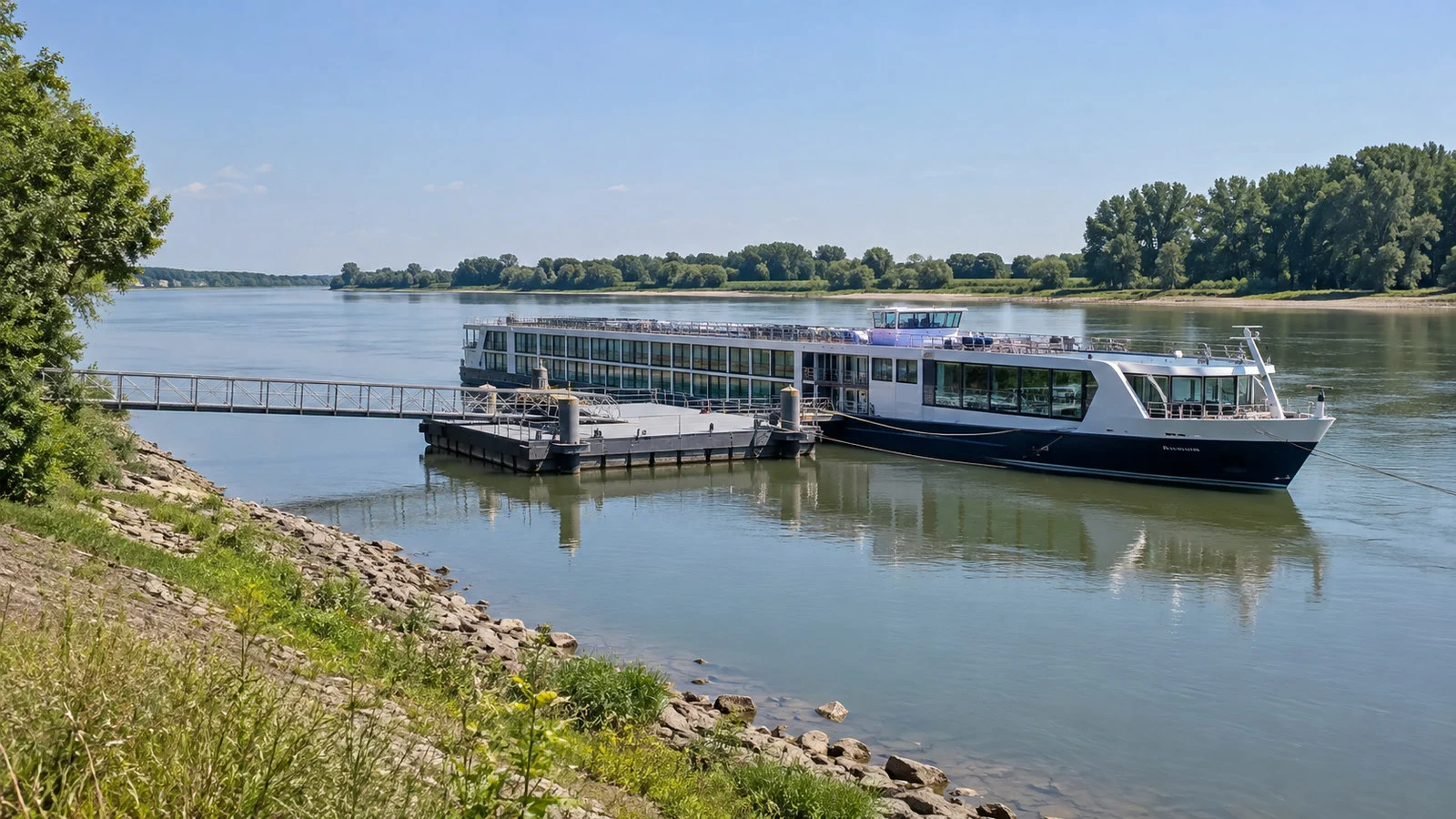
Where river cruise ships dock for Kalocsa
The City of Kalocsa’s Meszes page places the Danube waterfront 5 km from the city. It also identifies two international boat stations and an information office for arriving visitors.
This is not a dock where most passengers simply wander into the historic center. Your cruise line may provide a coach, include transportation with an excursion, or give specific instructions for an independent transfer.
Use the onboard briefing as the authority for the day’s landing, meeting point, and return. Photograph the boat-station sign and save the ship’s local emergency number before you leave the waterfront.
Getting from Meszes to central Kalocsa
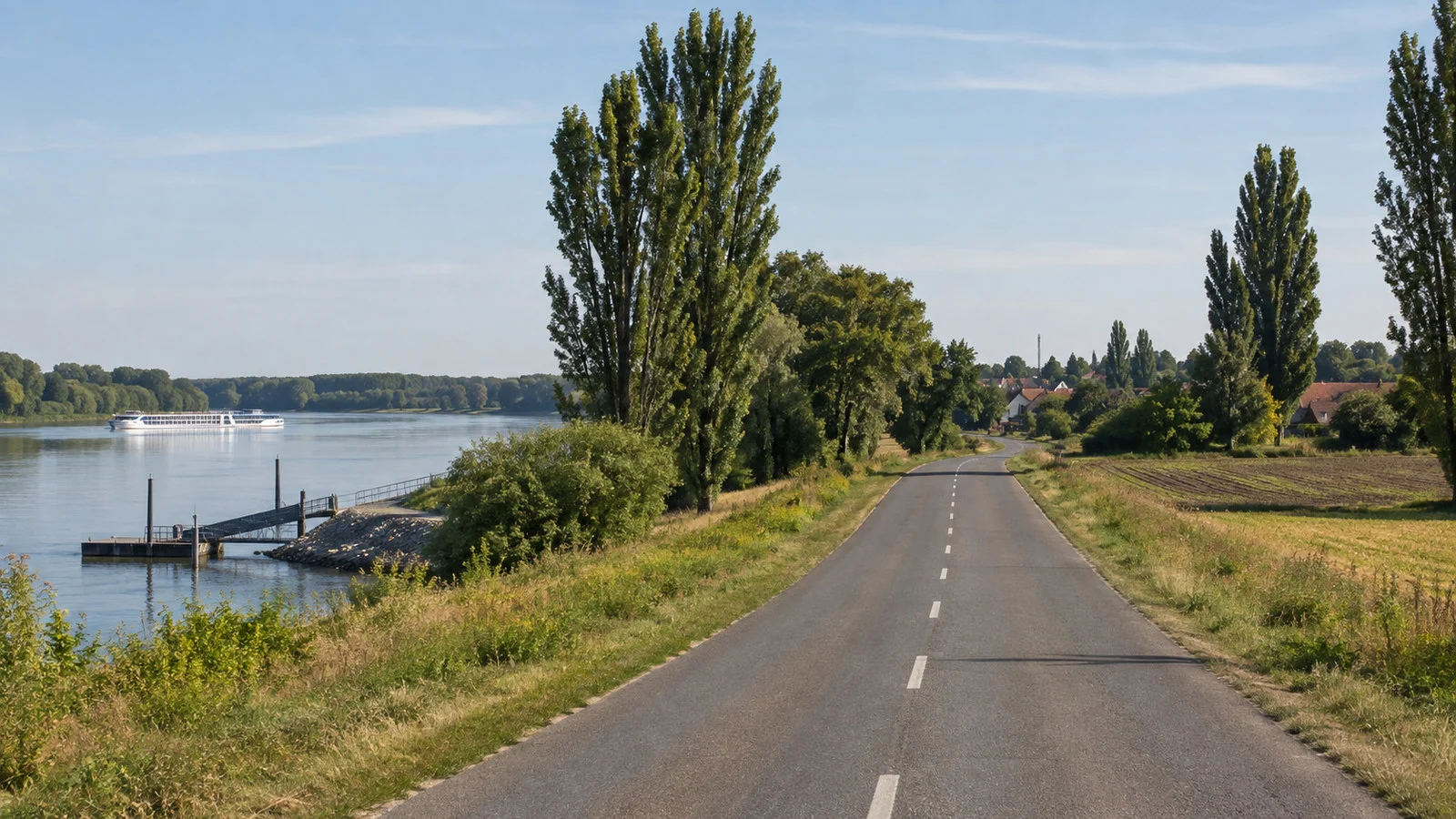
The 3.1-mile gap makes walking an unattractive default during a timed port call. Even strong walkers would spend too much of the day on the transfer rather than on the sights.
An included cruise shuttle or coach is the easiest option. Confirm whether it runs continuously or at fixed times, where it drops passengers, and which departure is your safe final return.
If you need a taxi or private driver, book the outbound and return rides together. Give the driver the ship name, Meszes boat station, and a pickup time based on all-aboard rather than the published sailing time.
Hungary’s MÁVPlusz journey planner provides current public transportation information. Only use a bus plan if the exact date, stops, walking links, and return service all fit the call with room to spare.
A practical route through central Kalocsa
Begin around Szentháromság Square and keep the day concentrated there. This is the most efficient area for Kalocsa’s church heritage, paprika story, and the Baroque character that gives the town its identity.
Start with whichever attraction has the narrowest access window, then leave time to look around the square. Religious services, group visits, and seasonal hours can change what is open even when the exterior is accessible.
Cathedral and ecclesiastical center
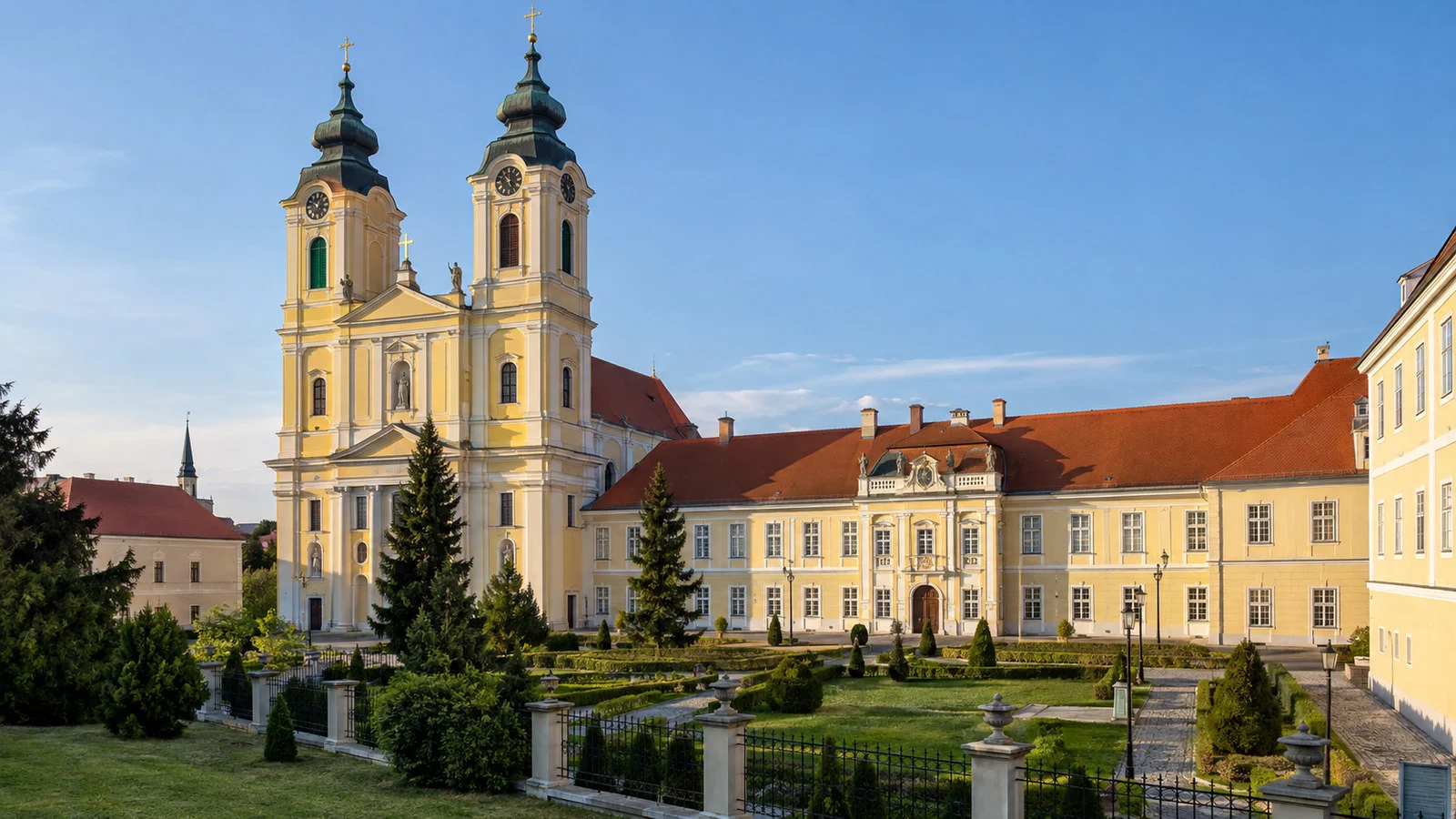
Kalocsa’s official church heritage page describes a complex that includes the Cathedral of the Assumption, Archbishop’s Palace, ASTRICEUM museum, library, archive, and treasury. These are related sites, not one continuously open attraction.
The restored Baroque cathedral is the visual anchor of the square. Check current visitor access before planning an interior visit, since worship and church events take priority.
ASTRICEUM presents the archdiocese’s history and collections in a former canon’s house opposite the cathedral. If that museum or the library is essential, confirm its visiting arrangements directly rather than assuming cathedral hours apply.
Hungarian Spice Paprika Museum
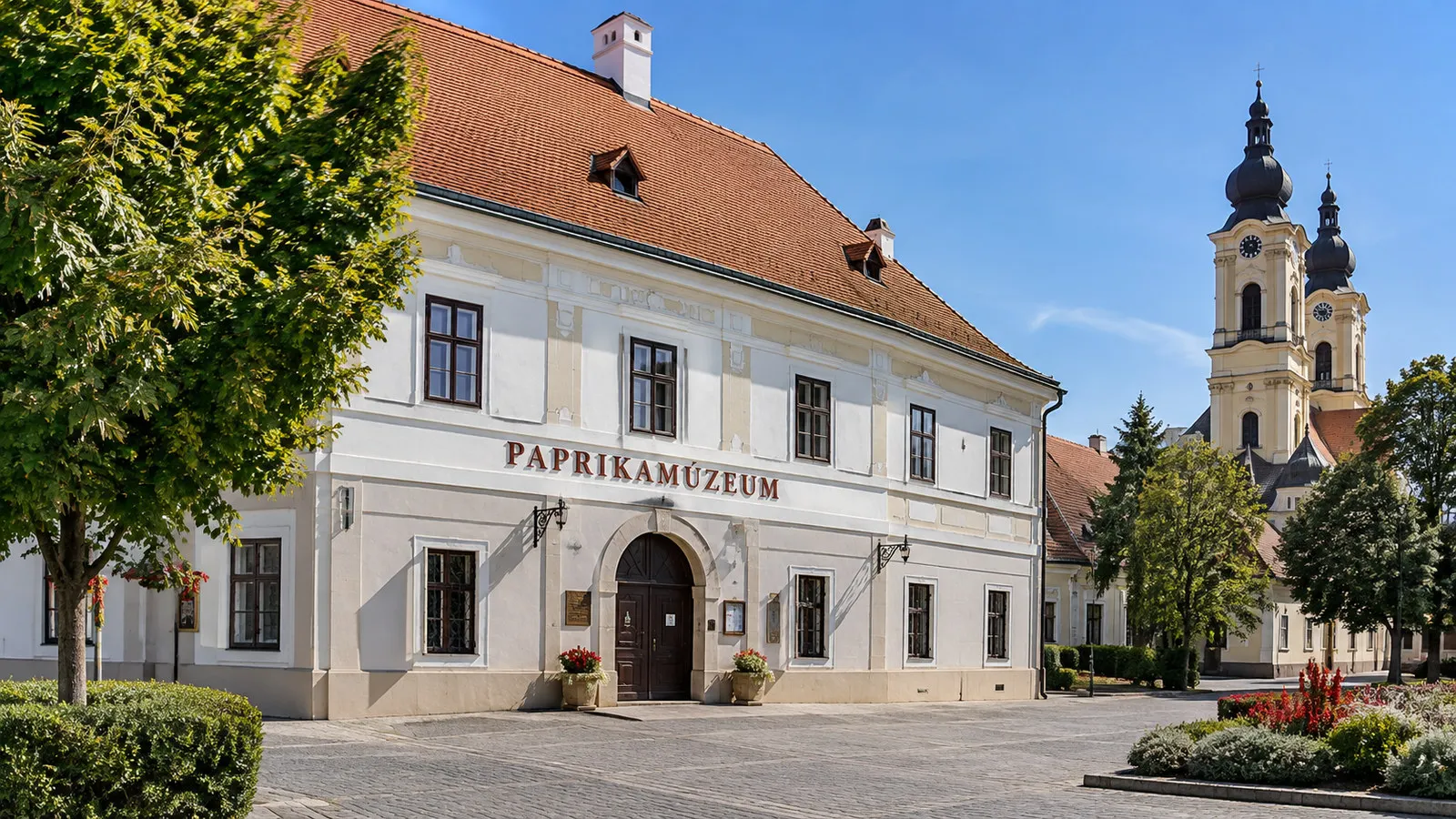
The municipal museum page places the Hungarian Spice Paprika Museum at Szentháromság tér 2-3. Its exhibition explains paprika growing and processing through traditional tools and displays.
The city currently lists opening from April 1 through October 31, Tuesday through Sunday, from 9 AM to 5 PM. Recheck before your cruise, especially for a Monday call, holiday, private event, or sailing outside that season.
The exhibition occupies an attic space, which is an important detail for anyone avoiding stairs. Ask the museum about step-free access and seating before treating it as an accessible stop.
Paprika and folk art beyond the museum
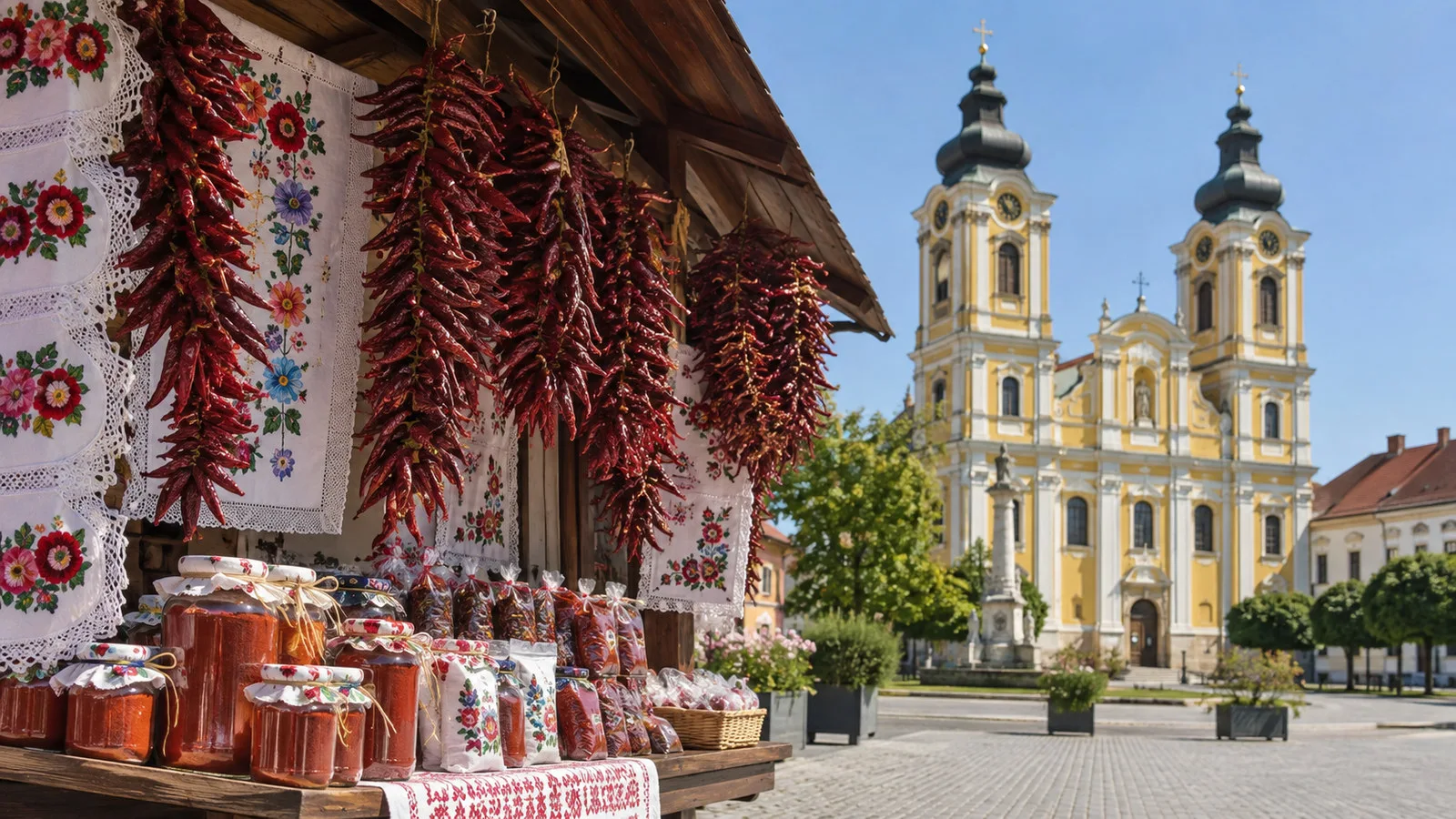
Kalocsa’s paprika is more than a souvenir theme, and the museum gives useful context before you shop. Look for clear labeling, ask where a product was grown or packed, and keep food-import rules in mind when you return home.
The city’s bright floral drawing, embroidery, and wall-painting tradition is recognized in Hungary’s official Collection of Hungarikums. That recognition helps explain why the same motifs appear on textiles, porcelain, costumes, and decorative objects.
Demonstrations and workshops are wonderful when they are included, but they are not guaranteed on every call. Treat them as scheduled activities that need confirmation, not as something you will automatically encounter downtown.
Puszta and horse-show excursions
A Puszta excursion trades independent time in town for a structured countryside program. The venue, driving time, performance, meal, and included activities can vary by cruise line and sailing.
Read the excursion description for the actual destination rather than relying on the generic label. A precise venue makes it possible to assess the coach time, surfaces, shade, seating, restrooms, and distance from the animals.
This is the option where the ship’s transportation has real value. Recreating the trip independently means coordinating a rural venue, admission, driver, and return to Meszes, all against a fixed sailing schedule.
If mobility is a concern, ask whether the coach has steps or a lift and how far the route runs over gravel, grass, or packed earth. Also ask whether there is sheltered seating and an accessible restroom at the performance site.
Which port-day plan should you choose?
The compact town plan
Take the confirmed transfer to Szentháromság Square and choose one interior attraction as your anchor. Add the cathedral exterior, a short walk, and paprika or folk-art shopping only after the essential visit is secure.
This is my favorite plan for travelers who want control over their pace. It also gives you the best chance to adjust if one building is closed.
The Puszta plan
Join the excursion at the ship and stay with the group through the return. Add central Kalocsa only if the published itinerary includes it or the operator confirms a comfortable independent window.
The low-mobility plan
Begin with the cruise line, because the gangway and distance to the coach are the first barriers to check. Then confirm the vehicle, drop-off surface, restroom access, entrances, elevators, interior stairs, and available seating.
A panoramic coach program may be easier than combining several interiors, but the excursion title alone does not prove accessibility. Ask for details tied to the exact ship, berth, vehicle, and venue.
How much time do you need?
A focused town visit needs enough time for both transfers plus at least one meaningful attraction. The 5 km distance is short by road, but waiting for a coach can matter more than the drive itself.
A Puszta program should be treated as a complete excursion rather than a half-day backdrop to independent sightseeing. Follow the operator’s duration and resist adding an unconfirmed side trip.
When the call is short, choose one core experience and protect it. Kalocsa becomes frustrating only when the dock, center, and countryside are treated as if they occupy the same place.
Money, language, and practical details
Hungary uses the forint, and the Hungarian National Bank publishes reference exchange rates. Cards are useful, but carrying a small HUF backup is sensible for minor purchases or a business with a temporary terminal problem.
Do not assume euros will be accepted or that a euro price offers a favorable conversion. Check the amount in HUF before approving a card transaction.
English may be available in visitor-facing settings, though not in every taxi or small shop. Keep the written names “Meszes” and “Szentháromság tér” on your phone so you can show the destination clearly.
Accessibility and comfort
Accessibility is a chain, and the trip only works if every link works. The landing, gangway, vehicle, curb, street surface, entrance, and interior route each need their own answer.
The municipality says a waterfront building complex at Meszes was modernized and made accessible, but that does not certify the cruise gangway or transfer coach. Get current, trip-specific information from the cruise line.
Summer can be hot, especially on an exposed waterfront or at a rural show. Carry water if permitted, use sun protection, and choose shoes that handle cobbles, grass, or gravel.
Return timing and safety
Your all-aboard time is the controlling deadline, and it is earlier than the sailing time. Work backward from that deadline using the last confirmed transfer, then add a margin for traffic, boarding, and a missed connection.
Do not build the return around an online estimate of a perfect drive. The useful plan is the one that still works when a coach is late or the pickup point is crowded.
For police, fire, or ambulance assistance in Hungary, call 112. Contact the ship as soon as a transport or medical issue could affect your return.
Common Kalocsa planning mistakes
The first mistake is assuming Kalocsa’s historic center sits beside the ship. Meszes is outside town, so every independent plan needs a round-trip transfer.
The second mistake is combining the town and Puszta without checking the operator’s actual timeline. These are separate experiences in separate places, and forcing both can leave little time for either.
The third mistake is trusting old museum hours. Seasonal schedules, Monday closures, religious services, and special events can all change an otherwise sensible route.
How Kalocsa fits the Danube itinerary
Kalocsa offers a smaller and more focused contrast to Budapest. Its strength is not a huge inventory of landmarks, but a clear local identity built around church history, paprika, folk art, and the countryside.
If your sailing continues south, Mohács often provides another Hungarian stop before the route moves toward Serbia. Use the booked itinerary for current calls because river conditions and operations can alter ports.
Final take
Kalocsa is easiest when you decide what kind of day you want before the ship arrives. Choose a compact town visit for paprika and Baroque heritage, or let the cruise line handle the countryside logistics for a Puszta program.
Whichever you choose, confirm the Meszes transfer first. Once that piece is secure, the rest of the day can feel pleasantly simple.
How this guide was researched: Unless a first-hand visit is explicitly identified above, this guide is based on independent research using official municipal, tourism, transit, government, and attraction sources where available. Logistics and time-sensitive details were reviewed in September 2026; see the Editorial Policy.