Crotone Cruise Port Guide: Castle, Capo Colonna and Old Town
Crotone is the kind of Italian cruise port that lets you make a good day without making a complicated plan. The terminal sits close to town, the waterfront is easy to follow, and several worthwhile sights fit within a compact walk.
The bigger decision is whether to stay local or travel to Capo Colonna, where a lone Greek column marks the sanctuary of Hera Lacinia. I would keep the day in town for a short call and choose the headland only when transportation and return timing are firmly arranged.
Where cruise ships dock in Crotone
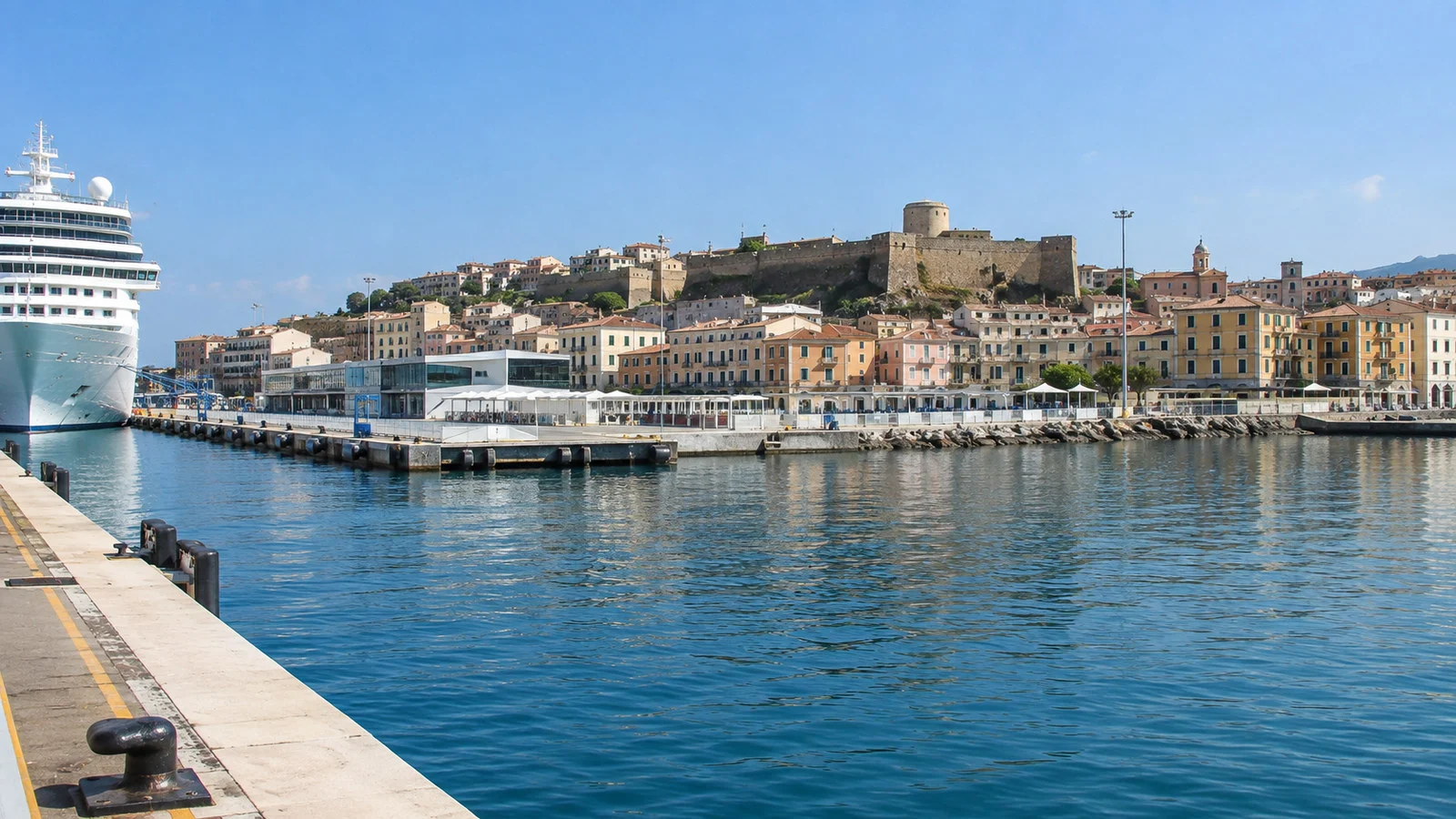
Cruise ships use the Riva quay in Crotone’s New Port. Global Ports Holding, the terminal operator, lists one cruise berth, a 380-meter berthing line, a maximum ship length of 330 meters, and a quay depth of 7.5 meters.
This is normally an alongside call, so passengers step onto the quay rather than taking a tender boat. Operational changes are always possible, and the ship’s daily program remains the final word on gangway location and shore access.
The operator puts the city center just 250 meters from the port and states that there is no port shuttle. That short distance is Crotone’s great advantage, because an independent day begins almost as soon as you clear the controlled port area.
The harbor is divided into Old Port and New Port areas, so map labels can look confusing when you first check your phone. Follow the signed passenger route from the Riva quay instead of trying to cut through working-port roads.
Quick Facts
- Berth: Riva quay in the New Port
- Arrival: Normally alongside, with no tender ride
- City-center distance: About 250 meters according to the port operator
- Port shuttle: None listed by the terminal operator
- Best independent plan: Waterfront, old town, Castle of Charles V, and the National Archaeological Museum
- Best trip beyond town: Capo Colonna archaeological park and museum
- Currency: Euro
- Emergency number: 112
Walking from the port to town
Once outside the passenger area, aim toward the seafront and the historic center. The first part of the day is largely level, although curbs, patched paving, and occasional cobbles mean it is not perfectly step-free.
Crotone feels like a working Calabrian city rather than a purpose-built cruise stop. Cafes, pharmacies, bakeries, and ordinary shops are more prominent than rows of souvenir counters, which makes a relaxed wander especially pleasant.
Download an offline map before leaving the ship, because street names and the split between old and new harbor areas can cause unnecessary circling. Mark the port gate as a saved point so the return route remains obvious even if mobile service becomes patchy.
If you only want coffee, a waterfront walk, and one museum, there is little reason to book transportation. Keep a modest time buffer for port security and the walk along the quay, then enjoy having a port day that does not revolve around a bus.
Castle of Charles V
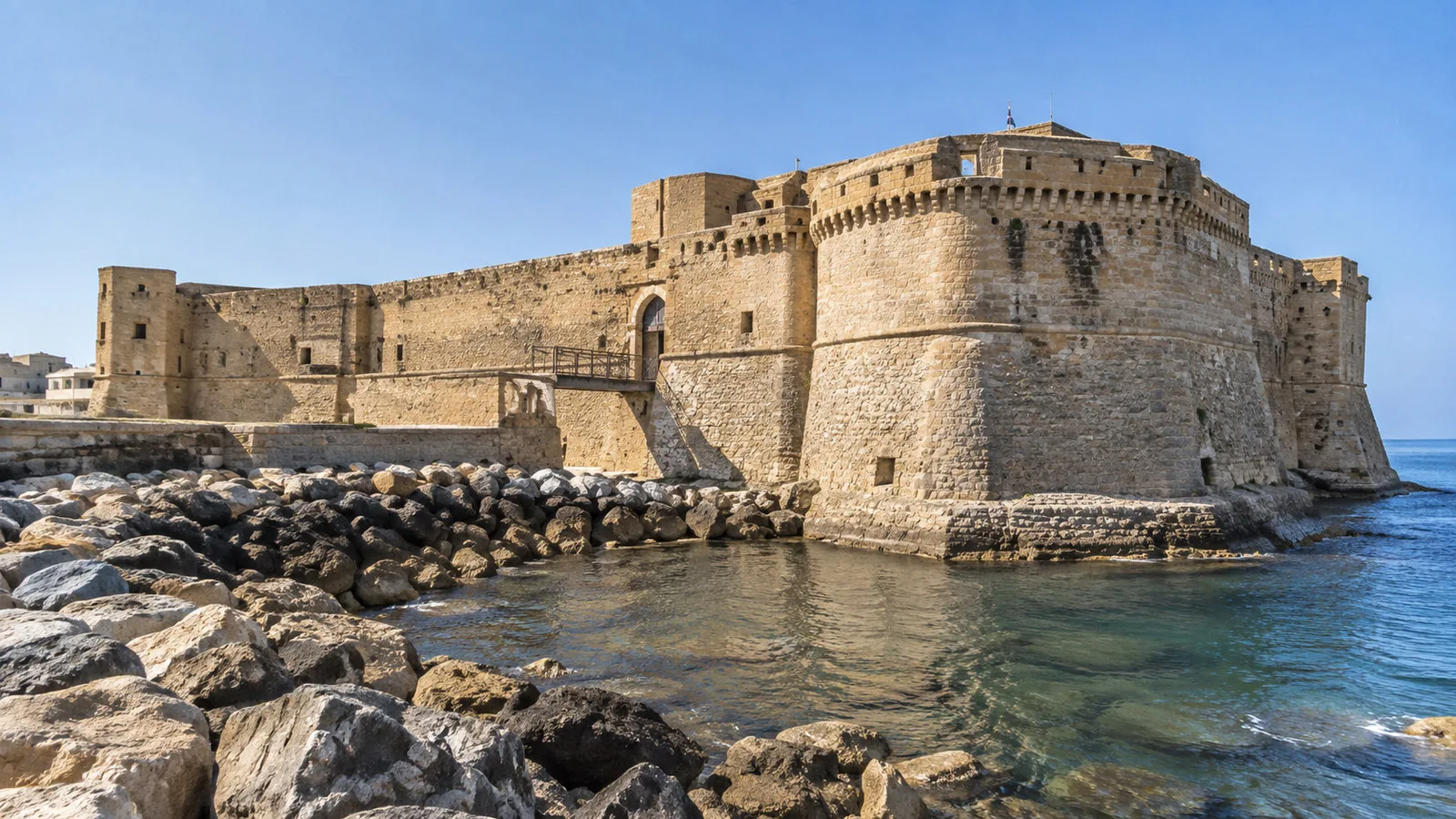
The Castle of Charles V anchors the historic center close to the port and is the natural first landmark on a walking route. Its heavy walls reflect centuries of changes to Crotone’s defenses, including major work during the period of Spanish rule in southern Italy.
Do not assume every interior, tower, or rampart will be open on the day of your call. Restoration, events, and local operating decisions can affect access, so check posted information before building the entire day around a castle visit.
Even when access is limited, the exterior gives the old town a strong sense of place. Walk around the fortifications, look back toward the harbor, and notice how close the defensive core sits to the modern cruise berth.
The area around the castle includes inclines and older surfaces that may be tiring for travelers with limited balance or stamina. A slow circuit at ground level is a sensible alternative to chasing every elevated viewpoint.
Crotone’s Greek story and Pythagoras
Ancient Kroton became one of the important Greek cities of southern Italy, the region later called Magna Graecia. Pythagoras settled here in the sixth century BC and established a community whose influence linked mathematics, philosophy, religion, and civic life.
You will see the philosopher’s name throughout modern Crotone, but the city is not a preserved Greek ruin in the style of Paestum. Its ancient story is best understood through museum collections, the wider urban landscape, and the sanctuary at Capo Colonna.
This distinction matters when setting expectations. Come for artifacts and historical context, not for a complete temple complex rising beside the cruise terminal.
National Archaeological Museum in town
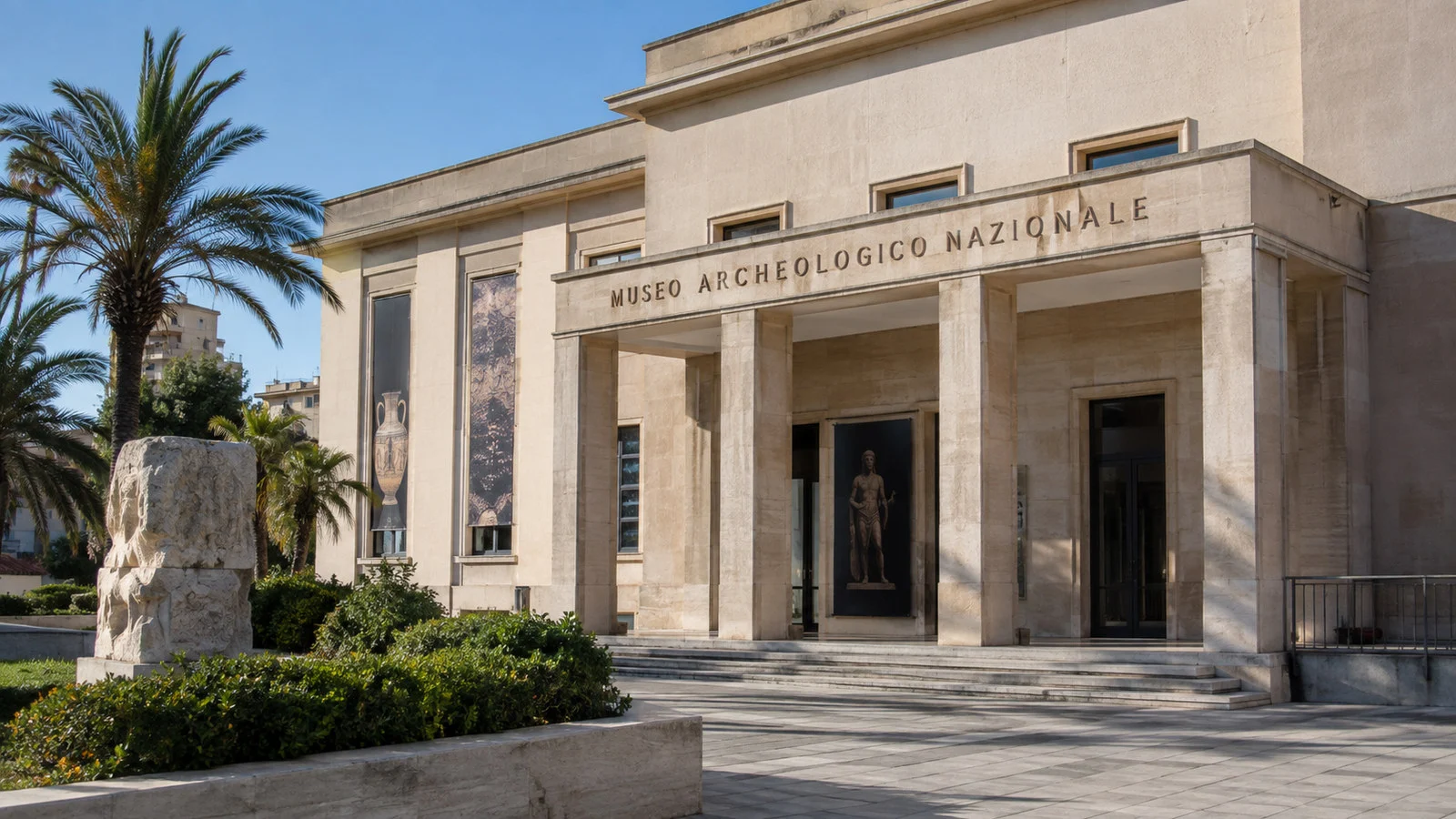
The National Archaeological Museum is the most useful in-town stop for travelers interested in Kroton and Magna Graecia. Its collections provide the context that turns the solitary column at Capo Colonna from a photograph into part of a much larger religious and trading world.
Check the official Italian Museums listing for current hours, ticket arrangements, and temporary closures. Museum schedules in Italy can vary by weekday, holiday, staffing, and season, so an old blog post is not a reliable opening-hours source.
I would allow at least an hour if archaeology is a priority, then pair the museum with the castle exterior and a waterfront walk. Travelers who prefer street life can make a shorter visit and spend the saved time over lunch.
Capo Colonna and the sanctuary of Hera
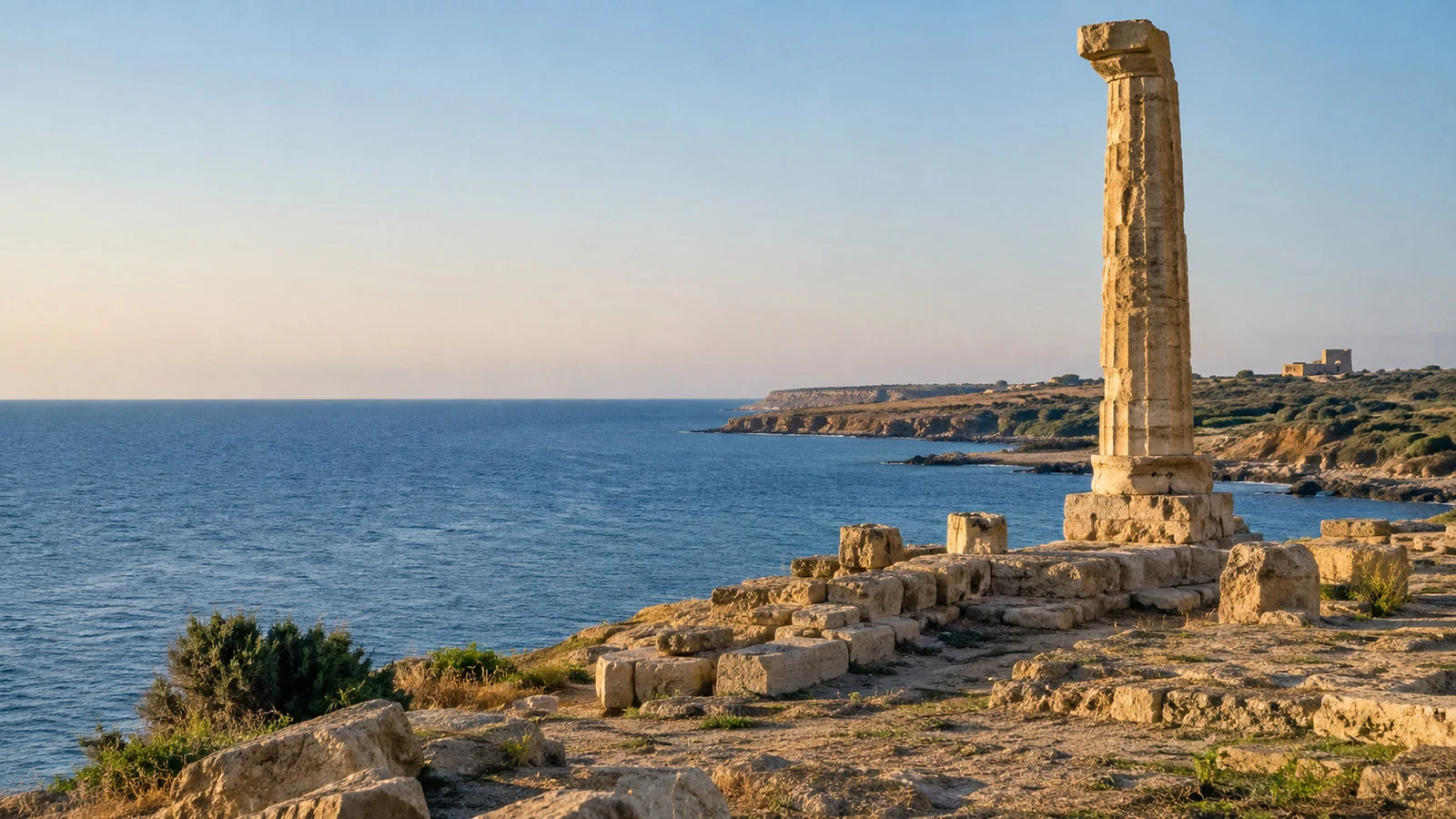
Capo Colonna lies outside central Crotone on a headland overlooking the Ionian Sea. The standing column belongs to the sanctuary of Hera Lacinia, an important religious center in the ancient Greek world.
The archaeological park and its museum reward travelers who enjoy landscape as much as intact architecture. The exposed headland, fragments of the sanctuary, and sea views create the atmosphere, while the museum helps explain what the site once represented.
This is not a sensible walk from the cruise berth, and I would not rely on finding a return taxi at the headland. Use a ship excursion, a reputable local tour, or a prearranged driver with a confirmed pickup time.
Before committing, verify the museum and park schedule on an official channel and compare it with all-aboard time. A closed museum may still leave you with a dramatic headland, but it changes the value of the trip.
Wind, strong sun, and limited shade can make the site feel more demanding than the distance suggests. Take water, wear secure shoes, and use sun protection even if the morning near the ship feels mild.
Stay in town or take an excursion
Stay in Crotone if your call is short, you prefer a flexible pace, or you want a low-stress day. The close berth makes the castle area, museum, waterfront, shops, and lunch easy to combine without watching a tour guide’s flag.
Choose Capo Colonna if Magna Graecia is the reason you booked the itinerary. Organized transportation removes the biggest uncertainty, which is not the drive itself but having a dependable ride back.
Longer excursions may head toward the Sila uplands, Capo Rizzuto, or other parts of Calabria. These can be worthwhile, but they turn an easy walk-off port into a driving day and should be judged against the actual hours ashore.
A ship excursion offers return protection if its own tour runs late, while an independent driver gives you more control over stops. Whichever you choose, keep the operator’s contact details and agree on times in writing before setting out.
A practical half-day walking route
Begin by following the authorized route from the New Port to the waterfront, then continue toward the Castle of Charles V. Circle the exterior first so you have seen the main landmark even if an interior opening time does not suit your schedule.
Continue into the old center and make the National Archaeological Museum your main indoor stop. Afterward, choose a cafe or trattoria within an easy walk of the return route rather than crossing town for a restaurant recommendation.
Finish along the seafront and start back before the deadline printed in the ship’s program. This plan leaves room for an unexpected closure because the harbor, castle exterior, streets, and sea views still make a coherent day.
If the call lasts most of a day, add beach time or a longer lunch instead of stretching the route beyond what interests you. Crotone works best when you let it be a quiet port rather than forcing it into a frantic checklist.
Food and a Calabrian lunch
Crotone is a good place to look for seafood, pasta with southern Italian flavors, local vegetables, and products that use Calabria’s famously assertive chiles. Ask what is local and seasonal rather than ordering from the most generic tourist menu.
Restaurants may serve lunch later than some American travelers expect, and not every kitchen opens continuously. If your ship leaves early, choose a cafe, bakery, or casual counter where timing is more predictable.
Cards are common, but carrying a small amount of cash helps with minor purchases. Keep enough time to request the bill, because a relaxed local meal can move at a different pace from a shipboard dining room.
Beaches near the port
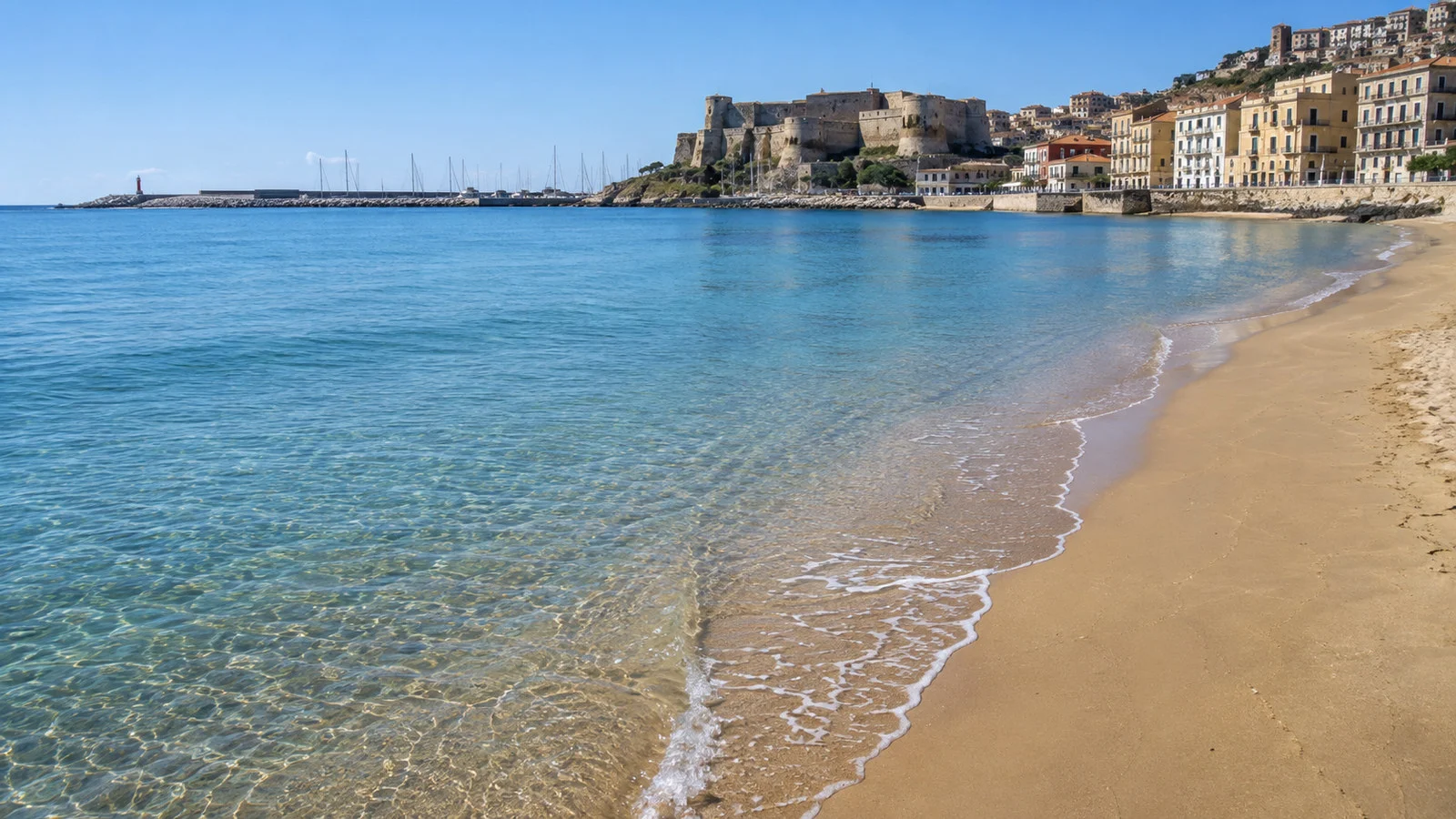
Crotone’s urban shoreline makes a simple beach break possible without a long transfer. Conditions, beach services, and water access vary by season, so look at the beach before committing your remaining port time.
Bring only what you can comfortably carry and protect valuables while swimming. A beach stop is easiest after sightseeing, when you can choose a spot that keeps the portward return straightforward.
Do not confuse a nearby city beach with the more scenic coastal reserves promoted elsewhere in the province. Reaching those farther shores requires transport and a more deliberate schedule.
Accessibility and mobility
The short distance between port and center makes Crotone more manageable than many historic Mediterranean calls. The port route may still include security barriers, curbs, and working-area controls, while the old town adds uneven paving and slopes near the castle.
Wheelchair users should ask the cruise line where the gangway will be positioned and whether accessible assistance is available through the port zone. A map distance alone does not describe gangway angle, surface transitions, or access inside historic buildings.
Capo Colonna involves outdoor archaeological terrain and exposed paths, so confirm the exact accessibility of the vehicle and planned route before booking. Travelers who need a predictable surface may get more from the in-town museum and a gentle waterfront circuit.
Use a taxi for energy conservation rather than because the center is far away. Saving a few hundred meters at the start can make the castle and museum more enjoyable later.
Weather and what to wear
Crotone has a Mediterranean climate with hot summers, mild winters, and more rain concentrated in autumn, according to the port operator. Summer calls need sun protection and water, while spring and fall are often more comfortable for walking.
Wind off the Ionian Sea matters on the waterfront and even more at Capo Colonna. A light layer that stays secure is more useful than loose clothing on an exposed headland.
Wear supportive shoes with grip because polished stone, broken pavement, and archaeological paths can be slippery. A compact rain jacket is useful outside the driest months and takes less space than an umbrella.
Safety and practical details
Crotone calls for normal city precautions: keep your phone and wallet secure, watch traffic when crossing, and avoid leaving valuables unattended at the beach. The European emergency number is 112.
Use licensed transportation and agree on the price or meter arrangement before a longer trip. For Capo Colonna, confirm both the outward ride and the return pickup instead of assuming another car will be waiting.
Carry the ship’s port-agent details and a photo of the daily schedule. Those two small steps are more useful in a delay than relying on memory or searching for information with a weak signal.
Getting back to the ship
For an in-town day, retrace the waterfront route to the authorized port entrance and allow time for security. The terminal’s closeness reduces stress, but it does not change the ship’s all-aboard deadline.
From Capo Colonna or another out-of-town destination, leave a much larger buffer for traffic, a delayed pickup, and port access. Set a personal departure time before the tour begins and do not let an extra stop consume it.
Remember that ship time can differ from the time displayed automatically on a phone. Check the onboard instruction and keep a watch set to the ship’s official time.
Is Crotone worth a cruise stop?
Yes, particularly if you value a port that is easy to explore independently. Crotone offers Greek history, a substantial castle, a museum, local food, and an Ionian waterfront without requiring a long transfer.
The city is not polished into a theatrical version of Italy, and that is part of its appeal. You see an ordinary southern city layered over ancient Kroton, with the cruise terminal close enough that curiosity can set the pace.
My choice for a first visit would be the castle area, the archaeological museum, and lunch in town. I would save Capo Colonna for a longer call or a well-organized excursion, because the headland deserves more than a rushed photograph before a nervous ride back.
Before you walk ashore
Confirm the gangway, port exit, all-aboard time, and any museum closures announced by the excursion desk. Save the terminal location offline, carry water and sun protection, and decide whether Capo Colonna transportation is truly settled.
Then relax into the day. Crotone is at its best when you use the close berth to explore thoughtfully, not when you spend every hour racing toward somewhere else.