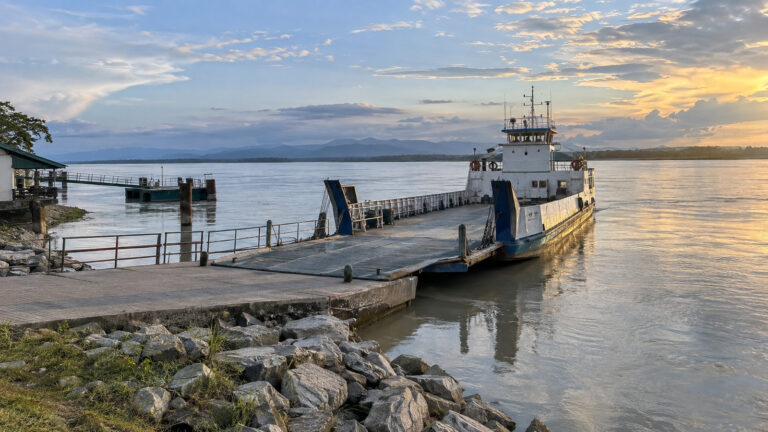
Cù Lao Giêng River Cruise Stop: Church, Island Life, and Transfers
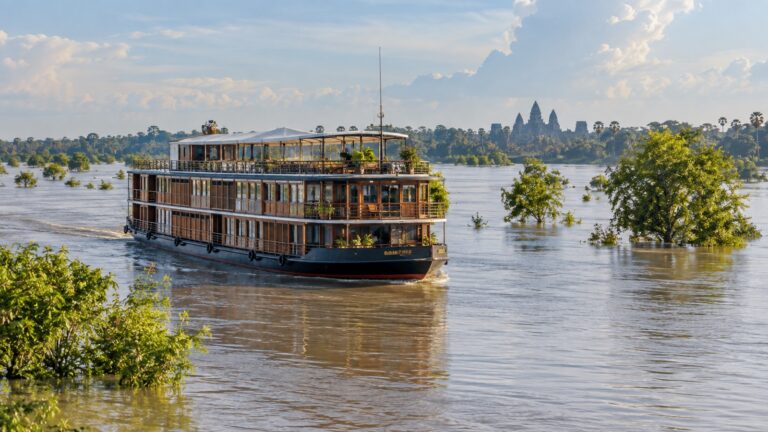
Cù Lao Giêng is a Mekong Delta call where the journey ashore is part of the experience. The island’s appeal comes from religious architecture, gardens, workshops, local roads, and the everyday rhythm of communities shaped by the Tiền River.
This is not a conventional cruise port with one terminal and a permanent visitor route. Your ship’s landing, transfer boat, local vehicle, included stops, and time ashore can vary by operator and sailing.
What Kind of Cruise Stop Is Cù Lao Giêng?
Cù Lao Giêng is a river island in An Giang province in southern Vietnam. It is best approached as a locally coordinated excursion rather than a place where independent passengers simply walk from a standardized pier.
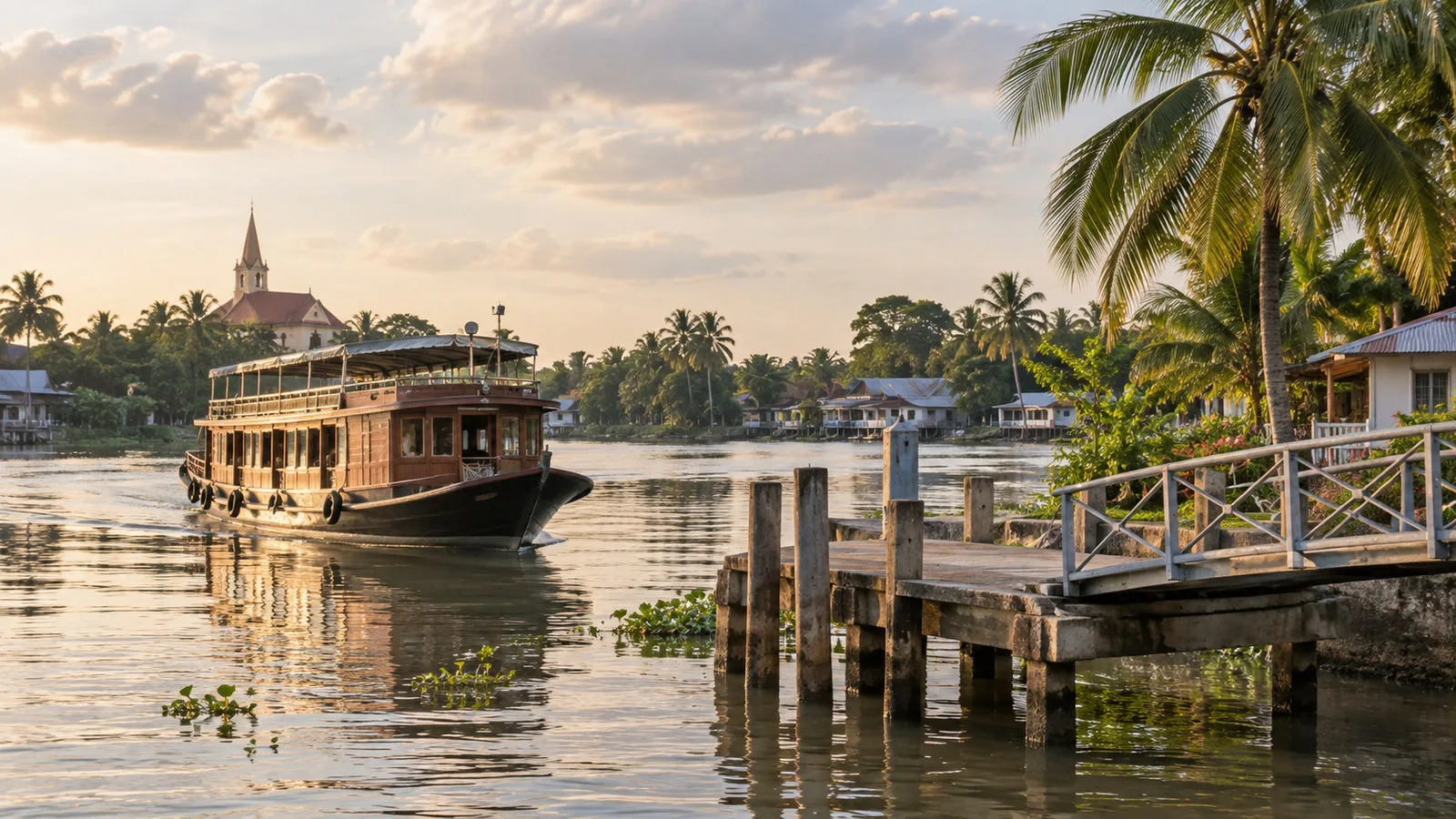
Small river vessels may use a local landing or transfer passengers to another boat before reaching the island. The operator may then use buses, vans, carts, tuk-tuks, or another form of local transportation between stops.
Read the daily program closely because the island may appear as a named landing, one portion of a wider outing, or a route that changes with operating conditions. The cruise director’s instructions are more reliable than a map pin or an itinerary from another line.
Quick Facts
- Setting: A Mekong Delta island in An Giang province on the Tiền River
- Port style: Operator-managed local landing rather than a universal passenger terminal
- Typical visit: Guided transport between religious, community, garden, or workshop stops
- Main landmark: Cù Lao Giêng Church
- Currency: Vietnamese đồng
- Language: Vietnamese, with English support varying by guide and host
- Weather: Tropical heat, humidity, strong sun, and seasonal heavy rain
- Accessibility: Highly dependent on the gangway, transfer boat, road surface, and local vehicle
- Return rule: Stay with the assigned transport and follow the guide’s meeting time
Landing and Transfer Logistics
Expect a practical river transfer rather than a polished terminal arrival. Depending on the day, passengers may encounter gangways, narrow steps, boat-to-boat movement, a natural or simple landing, and a walk to the first vehicle.
Ask about the entire sequence before leaving the ship. A short description such as village walk may leave out the most demanding part, which is often the transfer between vessel, shore, and local transportation.
Keep both hands free while boarding and follow crew directions about when to move. Do not step onto an unsteady surface until staff have confirmed that it is ready.
Independent taxis and app-based rides should not be assumed at a rural landing. If the cruise line allows independent time, get the landing name in Vietnamese, a confirmed vehicle, and a return plan that the cruise director considers realistic.
Photograph the gangway sign and save the ship or guide contact offline. Mobile service may be available, but it is not a substitute for knowing where and when the group meets.
Cù Lao Giêng Church
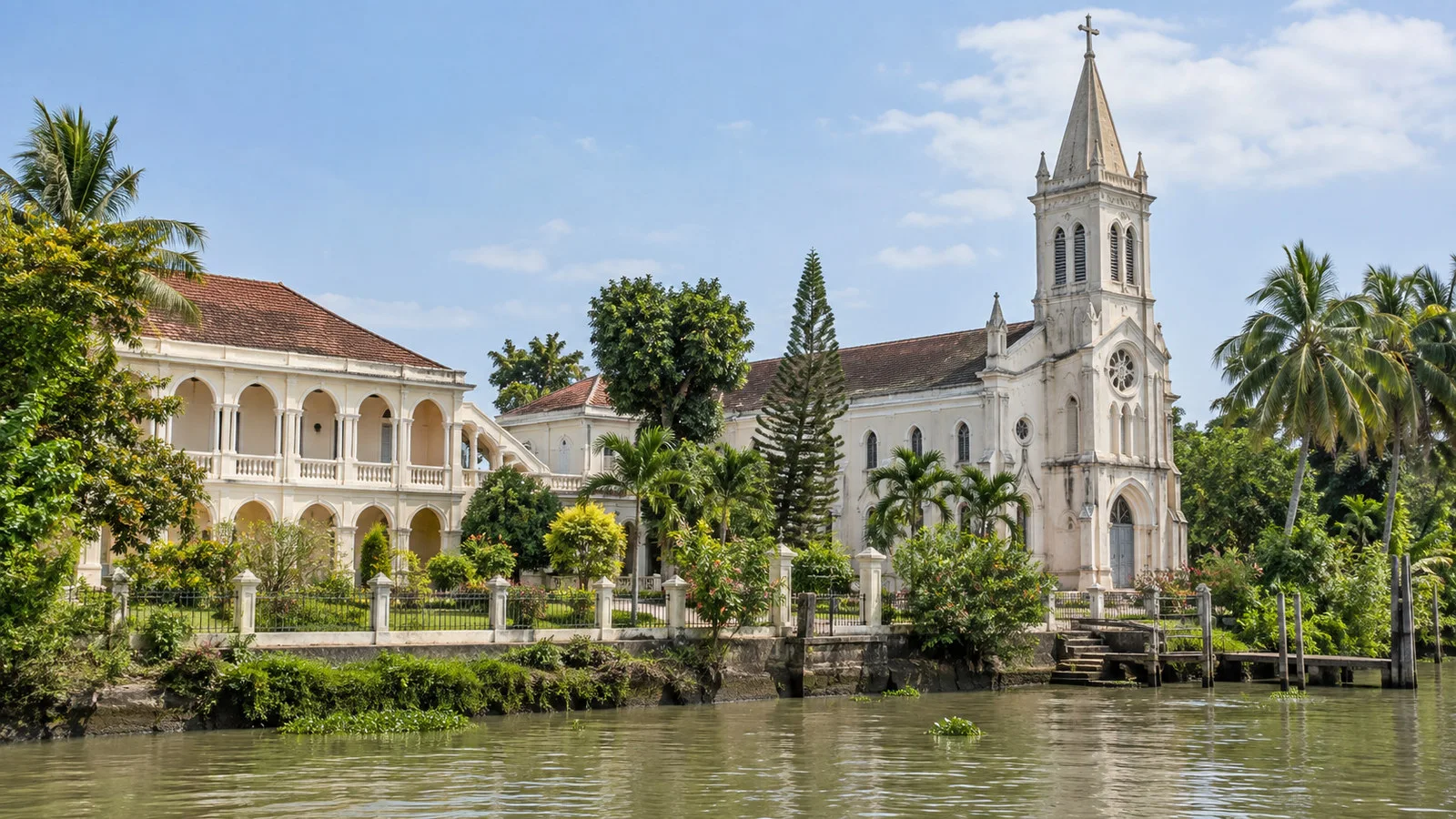
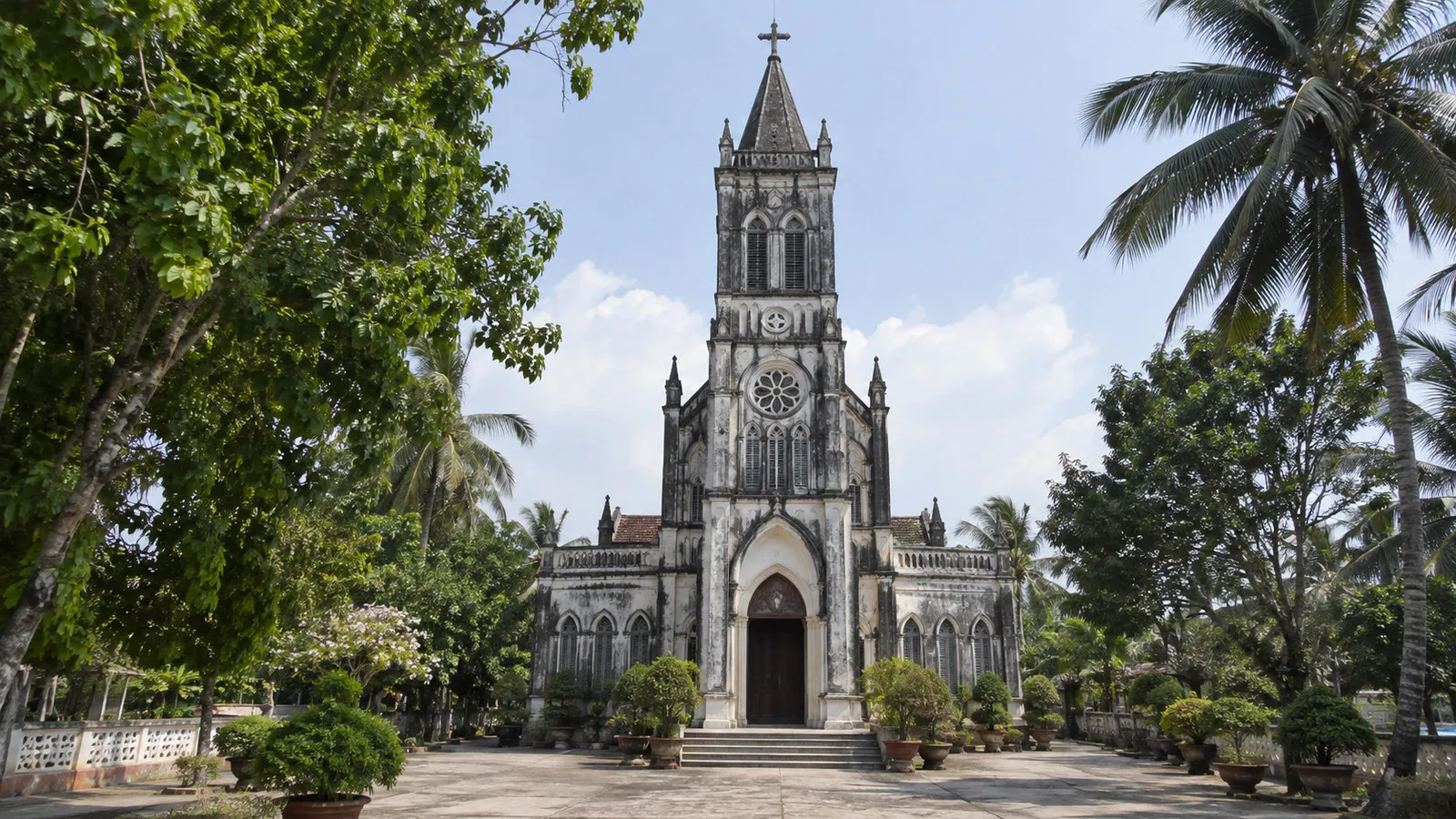
Cù Lao Giêng Church is the island’s best-known architectural landmark. Vietnam’s national tourism information describes the historic church as a French-built structure dating to the late 19th century, while An Giang provincial media places it within a wider group of religious sites on the island.
The building’s scale can feel surprising in a rural river landscape. Its architecture and long association with the local Catholic community make it more than a quick photo stop.
It remains an active religious place, so access can change for worship, ceremonies, parish needs, or maintenance. A scheduled cruise visit does not guarantee that every interior space will be open.
Wear clothing that covers shoulders and knees, speak quietly, and follow instructions about photography. If a service is underway, wait outside or accept an exterior visit without disrupting the congregation.
Other Religious Heritage
The island is known for more than one church building, and some cruise programs include another Catholic institution or historic religious complex. The exact route depends on permissions, timing, and the relationships maintained by the operator.
Do not assume that a site mentioned in an old cruise brochure remains part of the current visit. Ask the guide which buildings are active places of worship and which areas are open to visitors that day.
Respectful behavior matters even when the stop feels informal. Avoid photographing residents at prayer, private rooms, children, or staff without clear permission.
Village Roads, Gardens, and Workshops
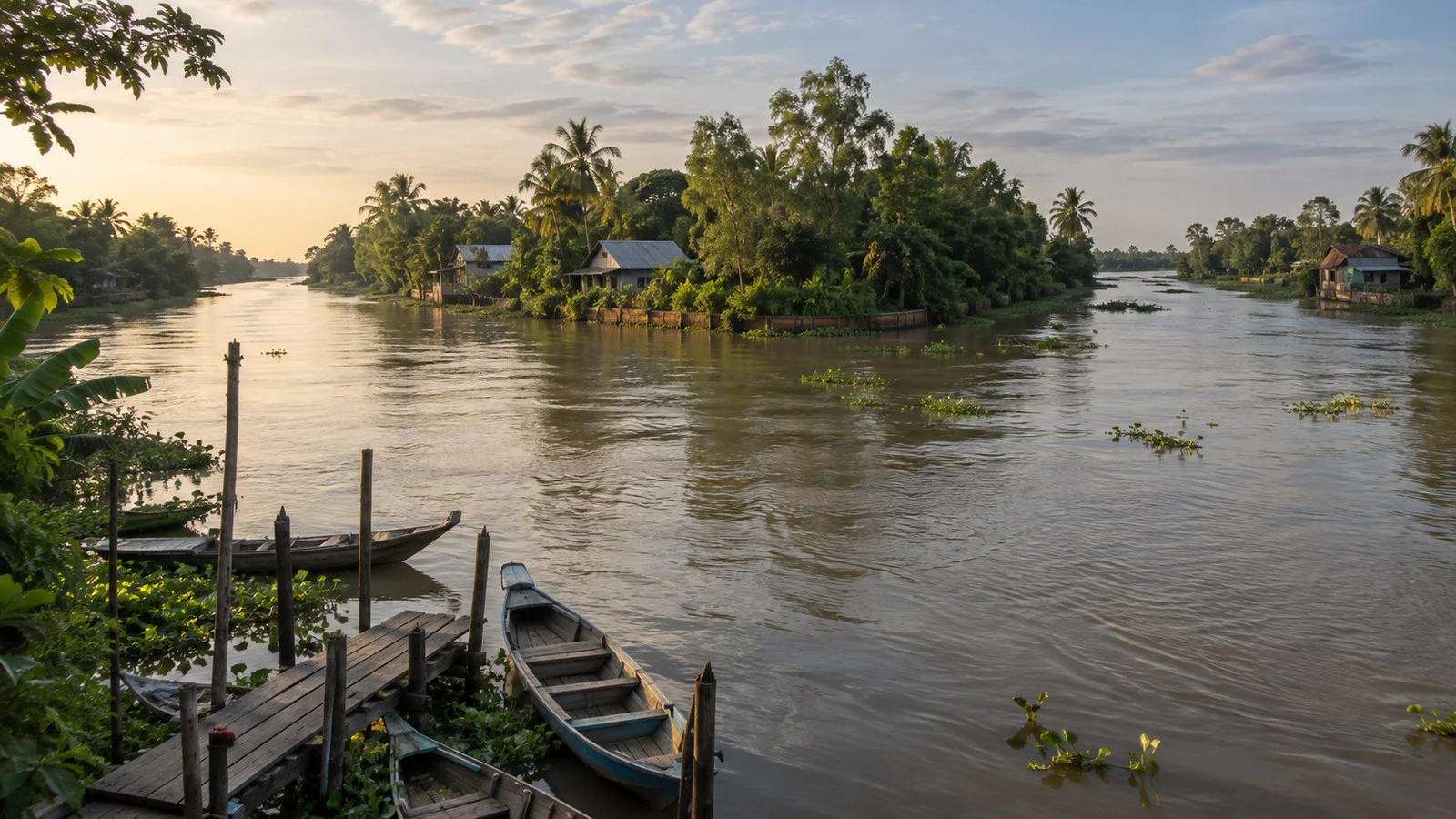
Cruise outings may add fruit gardens, family workshops, boatbuilding, weaving, food preparation, or a short village walk. These are itinerary-specific visits rather than permanent attractions with universal opening hours.
Listen for context about who is hosting and whether the visit is a demonstration, a working home, or a sales stop. Buying something is optional, but a direct purchase can support the host when it is handled respectfully.
Carry small-denomination Vietnamese notes because cards and large bills may not be practical. Ask before touching tools, produce, religious objects, or items in a home.
Fruit or refreshments should be considered included only when the program says so. Travelers with allergies should ask what is being served and how it was prepared before tasting.
A Sensible Island Visit
Begin with the operator’s transfer and stay attentive during the safety briefing. At the church, allow time for the exterior and community context rather than trying to rush through the building.
Continue with one workshop, garden, or village stop if it is part of the current program. A smaller number of genuine encounters is more rewarding than trying to cover the whole island.
Keep water, sun protection, and your return details with you throughout the outing. The group’s last pickup may occur at a different location from the first drop-off.
Ship Excursion or Independent Visit
For most cruise passengers, the organized outing is the practical choice. The ship controls or coordinates the landing, and the guide connects boats, vehicles, hosts, and the return schedule.
An independent visit can work only when the cruise director permits it and the logistics are genuinely clear. A phone map does not solve an unfamiliar landing, limited transport, a bridge detour, or a driver who does not recognize the ship.
If you want a quieter day, ask whether you can skip one included stop while remaining within the operator’s transfer plan. Do not leave the group without telling the guide.
Read the excursion description for mobility ratings, vehicle types, and the amount of walking. The word easy may describe the sightseeing pace without describing the boat transfer accurately.
Accessibility
Accessibility depends on every link from the cabin to the island. A level church entrance does not make the gangway, transfer boat, riverbank, road, restroom, or local vehicle accessible.
Ask whether the outing uses narrow boats, high steps, low benches, unpaved paths, motorcycles, carts, or vehicles without lifts. Confirm whether a wheelchair or scooter can be carried, secured, and returned safely.
Travelers who can walk short distances should still ask about handrails and the largest step. Heat, humidity, and moving boats can make a familiar mobility task more difficult.
A folding cane may help on irregular ground, but it cannot remove the risk of an unsuitable transfer. Skip any portion that the crew or guide says cannot be completed safely.
Remaining aboard is sometimes the best decision when the landing is not compatible with your needs. Ask whether the ship can provide a view, talk, or alternative activity without promising that one will be available.
Heat, Rain, and What to Wear
The Mekong Delta is hot and humid, and sudden rain can make gangways and paths slippery. Wear breathable clothing and carry a lightweight rain layer even when the sky looks clear.
Closed-toe shoes with grip are the safest choice for boats, steps, and uneven ground. Smooth sandals can become unreliable when surfaces are wet.
Use a hat, sunscreen, and insect repellent, and drink safely treated or sealed water. Follow current health guidance for Vietnam from your clinician and the United States Centers for Disease Control and Prevention.
Carry any essential medication in a small day bag that stays with you. Do not leave time-sensitive medication on a shuttle that may separate from the group.
Food and Water
A village tasting can be a highlight when it is part of the organized visit. Ask the guide whether water is treated, whether ice is commercially produced, and whether a dish contains ingredients relevant to your allergies.
Peelable fruit and freshly cooked food are usually easier choices for travelers with sensitive stomachs. Personal risk varies, so follow medical advice and your own dietary needs.
Do not expect a full restaurant, special-diet menu, or restroom with Western fixtures at every stop. Eat before leaving the ship if the timing or available food is uncertain.
Money, Phones, and Language
Vietnamese đồng is the useful currency for small purchases, and an ATM should not be expected near the landing. Obtain small notes in a larger town or through an onboard service if your cruise offers one.
Vietnamese is the local language, while English availability depends on the guide and host. Save essential addresses in Vietnamese and use an offline translation tool for simple requests.
Mobile coverage can vary by device and exact location. Screenshot the meeting point, return time, guide contact, and emergency instructions before going ashore.
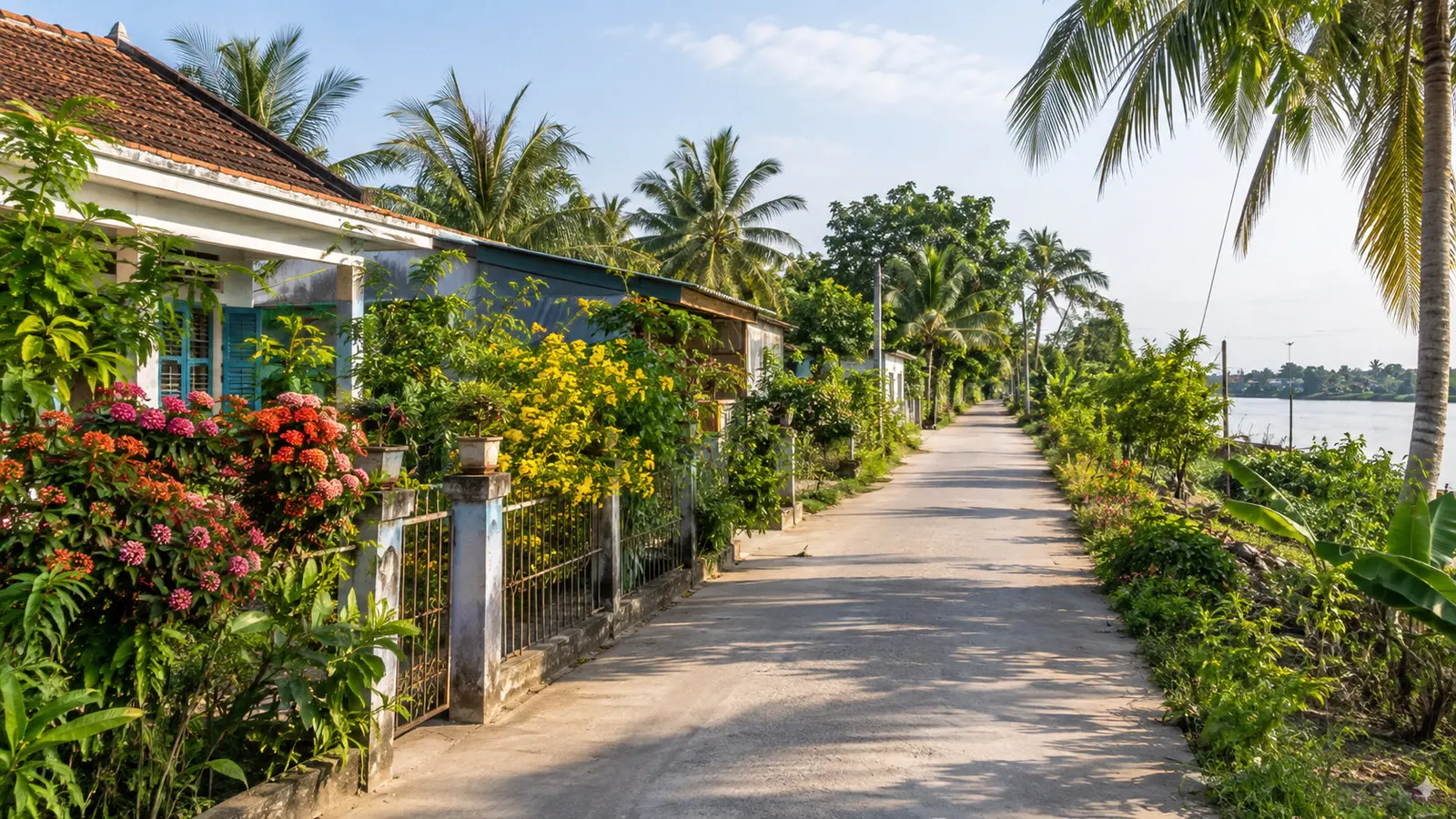
Photography and Community Etiquette
Ask before photographing people, homes, workshops, children, ceremonies, or religious interiors. A guide’s general permission does not always replace an individual’s consent.
Keep doorways and working areas clear, and do not treat a family home as a staged attraction. When someone declines a photograph, accept the answer immediately.
Drones are inappropriate without explicit legal and local permission. They can disturb residents, worship, animals, and river operations.
Getting Back to the Ship
The guide’s meeting time is the controlling deadline for an operator-managed visit. It may be earlier than the ship’s departure because the group still has to complete the road and boat transfers.
Stay with the assigned vehicle when it is the only reliable connection to the landing. If independent movement is allowed, agree on a conservative turnaround time and carry the landing name in Vietnamese.
River traffic, weather, water conditions, and local needs can change the return sequence. Follow crew instructions and board only the boat identified by the cruise team.
Count your belongings before leaving each stop because returning to retrieve an item may not be possible. Keep your cruise card and essential documents secured against rain and spray.
How Cù Lao Giêng Fits a Mekong Itinerary
Cù Lao Giêng adds rural life and Catholic heritage to a route often associated with markets, larger towns, and border journeys. Its character is quieter than a major sightseeing port, which is exactly why the visit can feel memorable.
Do not assume that nearby Mekong stops are interchangeable. Sa Đéc, Châu Đốc, Tân Châu, and Cái Bè have different landings, communities, and excursion patterns even when the scenery shares familiar river elements.
The most rewarding approach is to let the island remain specific. Listen to the guide, notice how residents use the river and roads, and avoid turning the day into a checklist of generalized Delta images.
Is Cù Lao Giêng Worth the Stop?
Yes, for travelers who value community context, religious architecture, and a slower view of the Mekong Delta. The day works best when you accept that access and transport are locally coordinated rather than standardized.
Confirm the landing sequence, dress respectfully, ask before taking photographs, and stay disciplined about the return. Those simple choices make the visit safer for you and more considerate for the people hosting it.