Hakodate Cruise Port Guide
Hakodate combines a famous harbor view, a compact historic district, a seafood market, and a star-shaped fort.
The berth and call hours decide whether the celebrated night view is even possible.
My quick take on Hakodate
This is an easy, rewarding port: compact, safe, and full of character. If it is your first time in Japan, pair this guide with my Japan cruise ports overview and my first-timer port tips.
Spend your limited hours on three things: the Mount Hakodate night or day view, the Motomachi slopes, and the morning market. Everything else is a bonus.
The quick facts
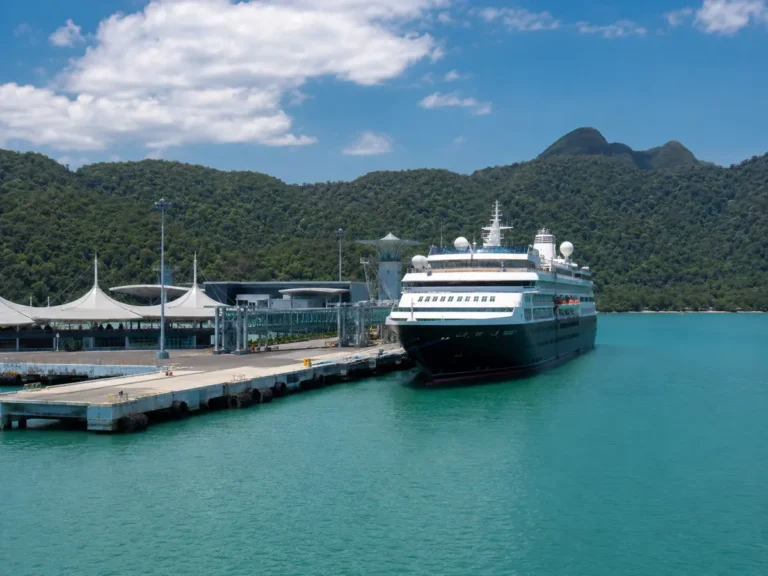
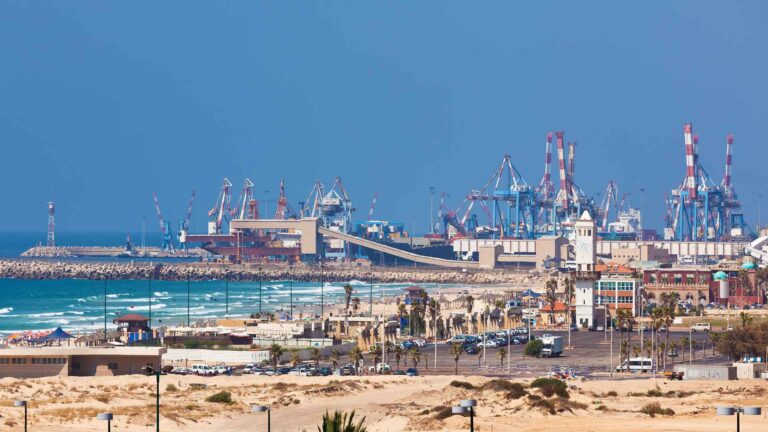
- Where you land: one of three berths at the Port of Hakodate. The city’s official port information identifies Nishi, Wakamatsu, and Minato-cho as cruise berths, with assignments based on ship and operations.
- Dock or tender: These are alongside berths, although gangway access and any shuttle depend on the assignment.
- Into town: Wakamatsu Wharf is closest to the center, about a 10 minute walk to the morning market and the city tram.
- Currency and language: Japanese yen (JPY) and Japanese. Carry cash, since many small shops and market stalls are cash-first, and English is limited away from the main sights.
- Time zone: Japan Standard Time (JST, UTC+9).
- How often the call is missed: Low (roughly 1 to 2%): dense fog or tropical storms can disrupt pilotage.
How I’d confirm my own berth
Because Hakodate assigns berths by ship size, your walk into town depends on where you tie up. Check your ship’s port guide the night before for the berth name.
If you are at Wakamatsu, you are near the tram and a short ride from everything. If you are at Minato-cho, plan to use the port shuttle rather than walking.
Getting around
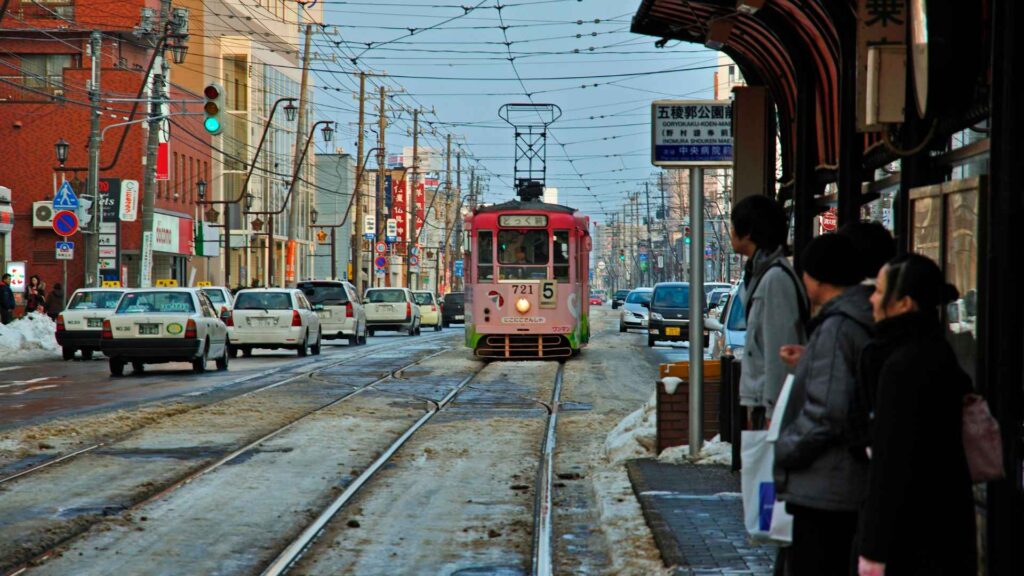
The vintage city tram is the classic way to move between the main sights, linking the station area, the bay, Motomachi, and Goryokaku. A one-day tram pass is convenient if you plan several hops.
Taxis wait near the terminals and are easy for the Mount Hakodate ropeway base or Goryokaku. Central Hakodate is flat and walkable, though Motomachi’s slopes are steep.
An IC card or coins make tram and bus rides smoother. A translation app helps, since English is limited outside tourist spots.
The stops I’d actually spend time on
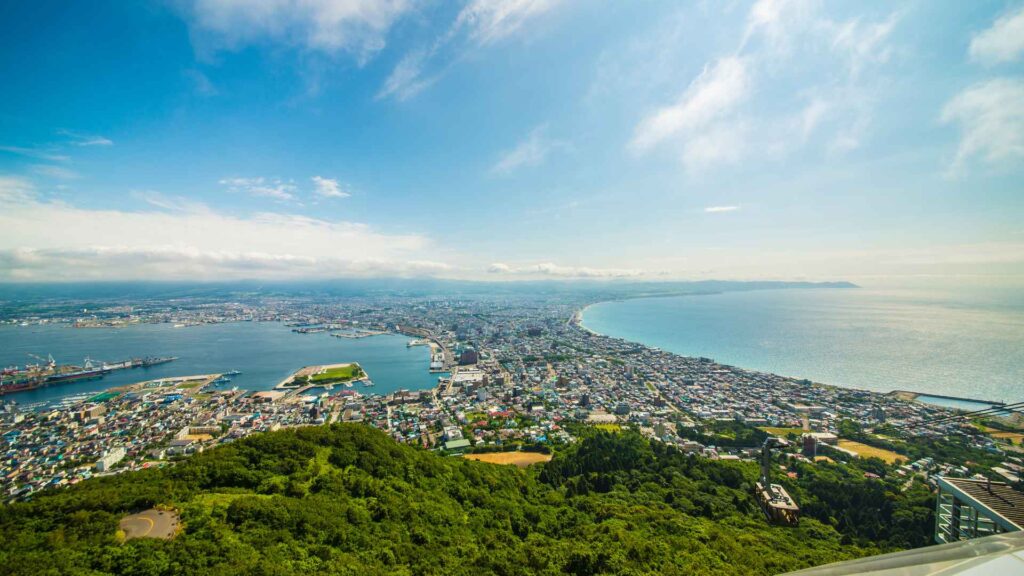
- Mount Hakodate: The Mount Hakodate Ropeway climbs to a summit view over the narrow, glittering isthmus. Fun fact: the panorama is celebrated as one of Japan’s three great night views, and it is just as striking by day.
- Motomachi district: Steep lanes lined with Western-style buildings, churches, and old consulates, including the Old Public Hall. Fun fact: this look dates to Hakodate opening as one of Japan’s first international trade ports in 1859.
- Kanemori Red Brick Warehouses: Restored bayside warehouses now full of shops, cafes, and candy. It is the easiest, most photogenic stroll near the water.
- Hakodate Morning Market (Asaichi): A dense block of seafood stalls and small eateries beside the station. Fun fact: it is famous for squid and uni (sea urchin), and some stalls let you catch a live squid to eat on the spot.
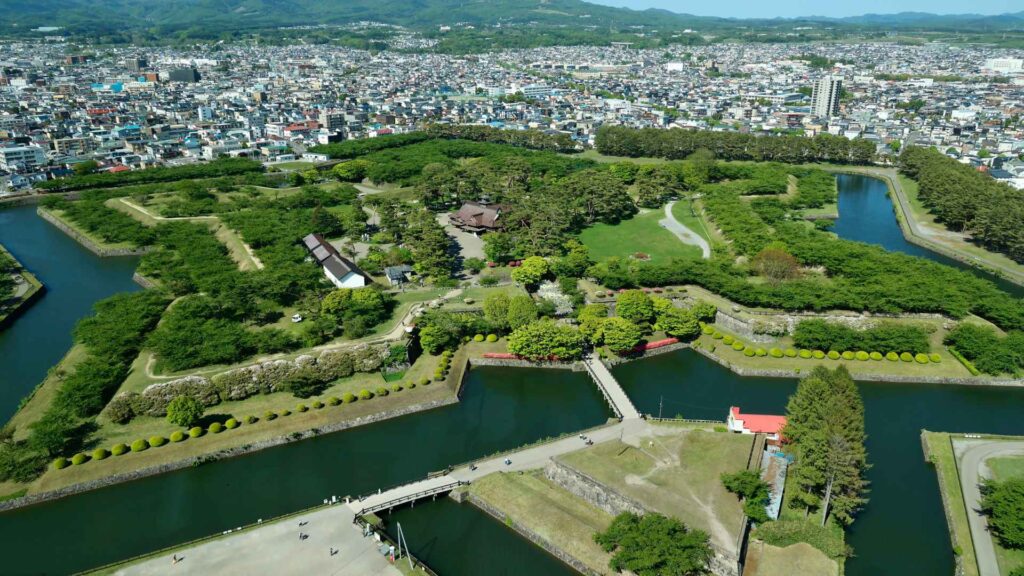
- Goryokaku and Goryokaku Tower: A star-shaped Western-style fort viewed from the Goryokaku Tower. Fun fact: built between 1857 and 1864, it was the site of the last battle of the Boshin War in 1869, Japan’s final civil conflict.
- Trappistine Convent: A quiet 19th-century monastery on the city’s edge, known for its brick chapel and its own-made confections.
- Yunokawa Onsen: Hakodate’s seaside hot-spring district, an easy add-on for a soak or a footbath before heading back.
- Onuma Quasi-National Park: A lake-and-volcano landscape at the foot of Mount Komagatake, about 30 minutes out by train. Fun fact: its islet-dotted ponds are laced with short walking and cycling trails.
For more Hokkaido and Japan planning, I would also skim my Otaru and Nagasaki guides. Both pair naturally with a Hakodate itinerary.
How I’d plan the day
3 hours: Morning Market for breakfast, then the Kanemori Red Brick Warehouses and a quick tram loop. Easy and low stress.
5 hours: Add Motomachi’s slopes and the Mount Hakodate ropeway for the big view, weather permitting.
8 hours: Fold in Goryokaku and its tower, or a run out to Onuma. Build in a return buffer and confirm all-aboard time before you wander far.
A realistic word on accessibility
The bay area, warehouses, and market are mostly flat and manageable. Motomachi is hilly with steep steps, so pick your streets carefully.
The tram and the Mount Hakodate ropeway are the gentlest ways up and across. If your ship berths at Minato-cho, rely on the port shuttle and confirm accessibility details with the ship beforehand.
When to go, and the weather
Most cruises call from late spring through autumn. Spring brings cherry blossoms at Goryokaku, and autumn brings crisp air and color.
Even in summer, evenings on the water and the summit turn cool, so pack a light layer. A compact umbrella is smart for passing rain.
Quick answers
Do ships dock or tender in Hakodate? Ships dock alongside at one of three berths, so you walk off rather than tender.
Can I reach the sights on foot? The market, bay, and warehouses are walkable from central berths, while Motomachi, the ropeway, and Goryokaku are best reached by tram or taxi.
What is Hakodate best known for? The night view from Mount Hakodate, the historic Motomachi slopes, and fresh seafood at the morning market, per the official Hakodate tourism guide.
Match the plan to daylight
Choose the ropeway at the start when skies are clear on a daytime call, or save it for dusk only when the published all-aboard leaves enough margin. Wind and annual maintenance can close the ropeway, so keep Motomachi or Goryokaku as the backup.
Visit the morning market early because individual stalls finish at different times. Combine the bay warehouses and Motomachi on foot, then use the tram for Goryokaku rather than walking the whole distance.
Berth-specific transport
Wakamatsu is the easiest berth for the station and market, while Minato-cho usually needs a shuttle, bus, or taxi. Save the berth name and return stop on your phone before leaving.
Begin the final return 75 minutes before all-aboard from central Hakodate and 90 minutes before it from Onuma or another regional excursion. Fog, wind, and winter surfaces can slow both road and foot travel.
Weather and accessibility
okkaido calls can be much cooler than the previous Japanese port, even in spring and fall. Pack layers and rain protection, and expect snow or ice outside the main cruise season.
The bayfront is mostly level, but Motomachi slopes, fort grounds, ropeway queues, and station transfers add effort. Use the tram or taxi and confirm the ropeway’s step-free boarding route when needed.


How this guide was researched: Unless a first-hand visit is explicitly identified above, this guide is based on independent research using official port, tourism, transit, government, and attraction sources where available. Logistics and time-sensitive details were reviewed in September 2026; see our Editorial Policy.