Placencia Cruise Port (Belize): A Tender Port Guide
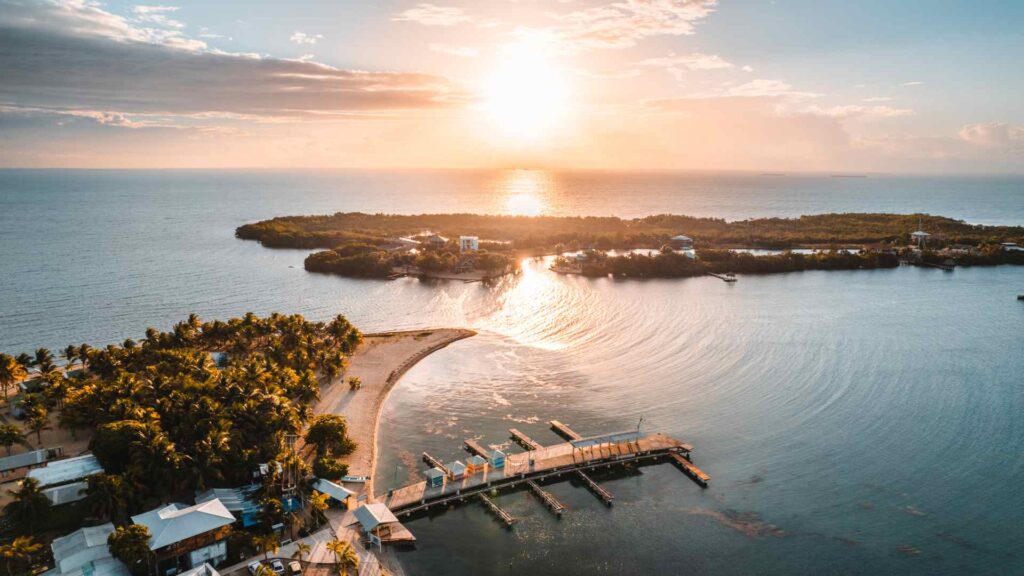
Placencia sits at the tip of a long, skinny peninsula in southern Belize. It is a laid-back reef-and-nature call, and a tender port.
Here is how I would plan a relaxed, salty day ashore.
Think small village, local food, and boat access to the Belize Barrier Reef, with fewer built-in services than a private-island stop.
My quick take
Come here for the reef, the beaches, and the wildlife, not for a big port complex. If you want a private-island beach day instead, that is the nearby but separate Harvest Caye call.
For more Belize context, I lean on my Belize cruise ports overview and my Belize City guide.
The quick facts
- Where you land: Ships calling at Placencia anchor offshore and use small boats to a designated landing near the village. The exact landing and transfer are controlled by the ship and local operator.
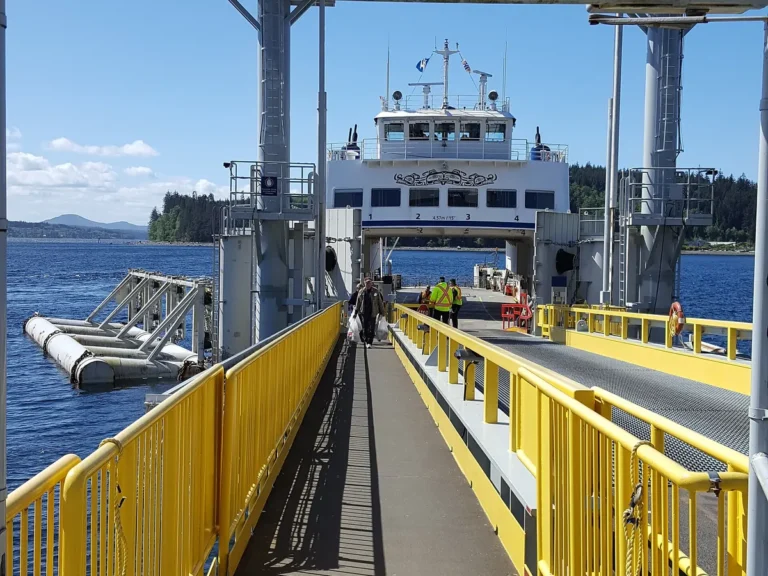
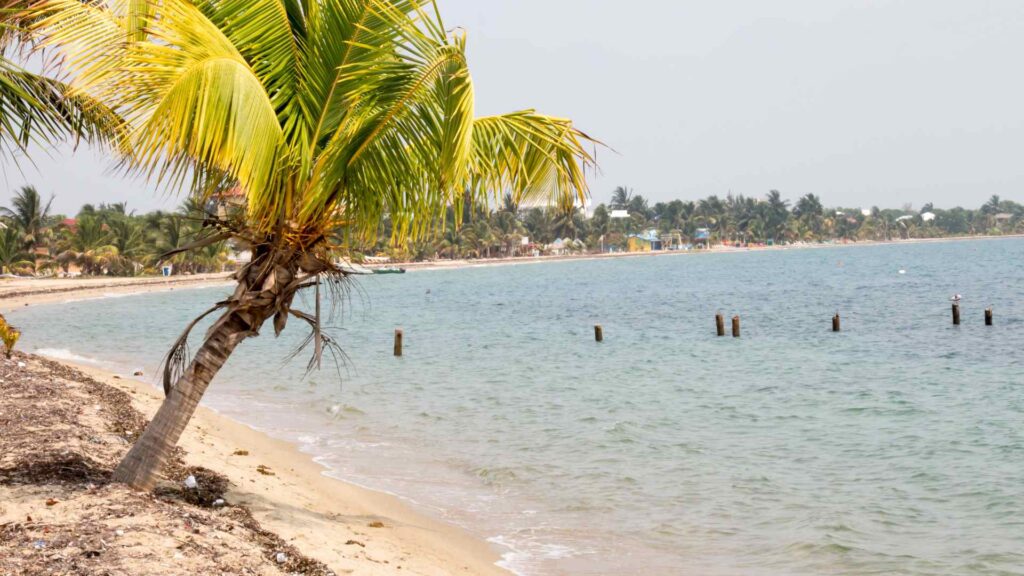
- Dock or tender: With no pier able to take a ship, you come ashore by ship’s tender.
- Into town: The landing is normally near the village center, but usable time begins only after tender clearance and the ride ashore.
- Currency and language: The Belize dollar (BZD), pegged at two to one against the US dollar, and US dollars are widely accepted.
- Time zone: Central Standard Time (UTC−6).
- How often the call is missed: High (roughly 8 to 15%): tropical storms can make the approach unsafe.
Fun fact: Belize is the only country in Central America with English as its official language.
A quick word on the tender, and on Harvest Caye
Because Placencia is a tender port, your time ashore depends on clearance, tender tickets, the ride, and sea state. Join the return line at least 90 minutes before all-aboard, following any earlier last-tender time set by the ship.
Do not confuse Placencia village with Harvest Caye, Norwegian Cruise Line’s private island in the same southern-Belize region. They are two different ports, so check which one your itinerary actually lists.
The stops I’d actually spend time on
1. The Placencia Sidewalk
The village’s famous sidewalk is a slim concrete footpath lined with shops, cafes, and colorful art. It is the heart of the village and an easy stroll from the tender.
Fun fact: this narrow main path is often cited as one of the narrowest main streets in the world, and it once earned a spot in the Guinness Book of World Records.
2. Placencia’s beaches
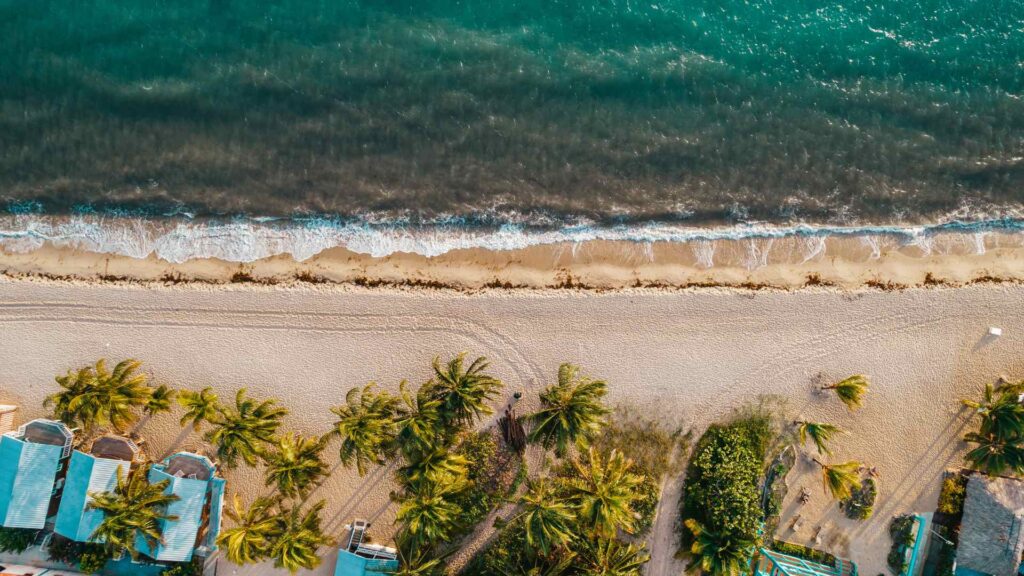
The peninsula has roughly 16 miles of soft Caribbean shoreline. It is the easy, no-planning option if you just want sand and warm water near the tender.
3. Snorkel or dive the Belize Barrier Reef
Placencia is a springboard to the Belize Barrier Reef Reserve System, a UNESCO World Heritage property. Use a licensed operator that follows reserve rules and matches the site to your experience and that day’s sea conditions.
4. Silk Caye Marine Reserve
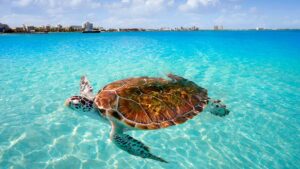
The Silk Cayes are tiny uninhabited islands on the reef’s outer edge. Turtles, rays, and nurse sharks are possible, not guaranteed, and conditions can be rougher than the village beach.
5. Laughing Bird Caye National Park
Laughing Bird Caye National Park is a protected islet and reef a short boat ride offshore. It is a classic Placencia snorkel-and-picnic outing.
6. Monkey River tour
A guided boat trip up the Monkey River combines mangroves and a forest walk. Howler monkeys, birds, manatees, and crocodiles are wild sightings, so choose it for the habitat rather than a guaranteed checklist.
7. Cockscomb Basin Wildlife Sanctuary
This vast rainforest reserve protects jaguars and miles of jungle trails and waterfalls. Fun fact: it is recognized as the world’s first jaguar preserve.
8. Nim Li Punit Maya site
Nim Li Punit is an ancient Maya ceremonial site known for its tall carved stelae. It is an inland drive, so it works best as a full-day organized excursion.
9. Lubaantun Maya ruins
Lubaantun, further south in the Toledo District, is famous for its unusual mortar-free stone construction. Like Nim Li Punit, it is a longer inland trip.
10. A cacao or chocolate tour
Southern Belize is cacao country, and local farms run bean-to-bar chocolate experiences. It is a fun, shaded change of pace from beach time.
11. Placencia Lagoon
The sheltered lagoon behind the peninsula is a calm spot for kayaking and manatee spotting. Its mangroves and quiet water suit an easygoing morning.
How I’d plan the day
Short and easy: tender in, walk the sidewalk, grab a beach chair, and enjoy the village at a slow pace.
Reef day: book one licensed trip to Silk Caye or Laughing Bird Caye, preferably through the ship when timing is tight. The excursion boat must return before you can join the ship tender, so protect both buffers.
Nature or history day: pick one bigger excursion, like Monkey River, Cockscomb Basin, or a Maya site. These are long round trips, so an official ship tour is the safest bet against missing the last tender.
A realistic word on accessibility
Tender ports are the trickiest for limited mobility, since you transfer from ship to a small boat and back. If the sea is choppy, tendering can be slow or, rarely, curtailed.
The village itself is flat and walkable, but boat excursions involve steps and unsteady docks. Check specifics with your cruise line before booking.
When to go, and the weather
Belize’s dry season runs roughly late November to mid-May, which lines up with the main cruise season. Days are warm and humid year-round.
The Atlantic hurricane season officially runs June 1 through November 30, when rain, wind, and swell can cancel reef boats or the entire tender call. Keep a village-and-beach fallback for marginal conditions.
Quick answers
Is Placencia a tender port?
Yes, ships anchor offshore and use small boats to a designated landing near the village.
Is Placencia the same as Harvest Caye?
No, Harvest Caye is Norwegian’s private island in the same region and has a separate port operation.
What currency should I bring?
US dollars are widely accepted, and the Belize dollar is pegged at two Belize dollars to one US dollar, so carry small bills and confirm which currency a quoted price uses.
How this guide was researched: Unless a first-hand visit is explicitly identified above, this guide is based on independent research using official port, tourism, transit, government, and attraction sources where available. Logistics and time-sensitive details were reviewed in September 2026; see our Editorial Policy.