El Puerto de Santa María River Cruise Port: Bay Stop and Cádiz Substitute Guide
El Puerto de Santa María is the Andalusian cruise stop most likely to make a geography teacher reach for a red pen. It appears on Guadalquivir itineraries, but the town sits on the Guadalete River at the Bay of Cádiz, not on the Guadalquivir.
The stop still makes sense because small hybrid vessels combine river and coastal navigation. El Puerto adds bodegas, seafood, a castle and easy access to Jerez, provided the operator does not replace it with Cádiz as the published itinerary permits.
El Puerto de Santa María quick facts
Into Town: Landing details vary; allow an estimated 5 to 20 minutes to the center once ashore, or use the operator transfer.
Currency and Language: Euro and Spanish. English is common at major tourism businesses and cruise services.
Time Zone: CET, UTC+1 in winter; CEST, UTC+2 during European daylight saving time.
How Often the Call Is Missed: Medium (about 20%): The operator may substitute Cádiz, while berth availability, wind or navigation can change the stop.
No port authority or cruise line publishes a missed-call percentage for El Puerto. The 20% figure is an editorial planning estimate, while the possibility of Cádiz substitution is stated explicitly by a current operator.
My quick take
Stay local for Castillo de San Marcos, a reserved bodega visit and lunch, or take the organized Jerez excursion if horses, sherry or flamenco are the priority. Do not build a complicated independent day until the cruise director confirms both the landing and whether the ship is actually calling here.
El Puerto is not a miniature Cádiz. It is a separate working town with its own wine houses and history, which becomes more enjoyable once nobody asks it to impersonate the city across the bay.
First, understand the geography
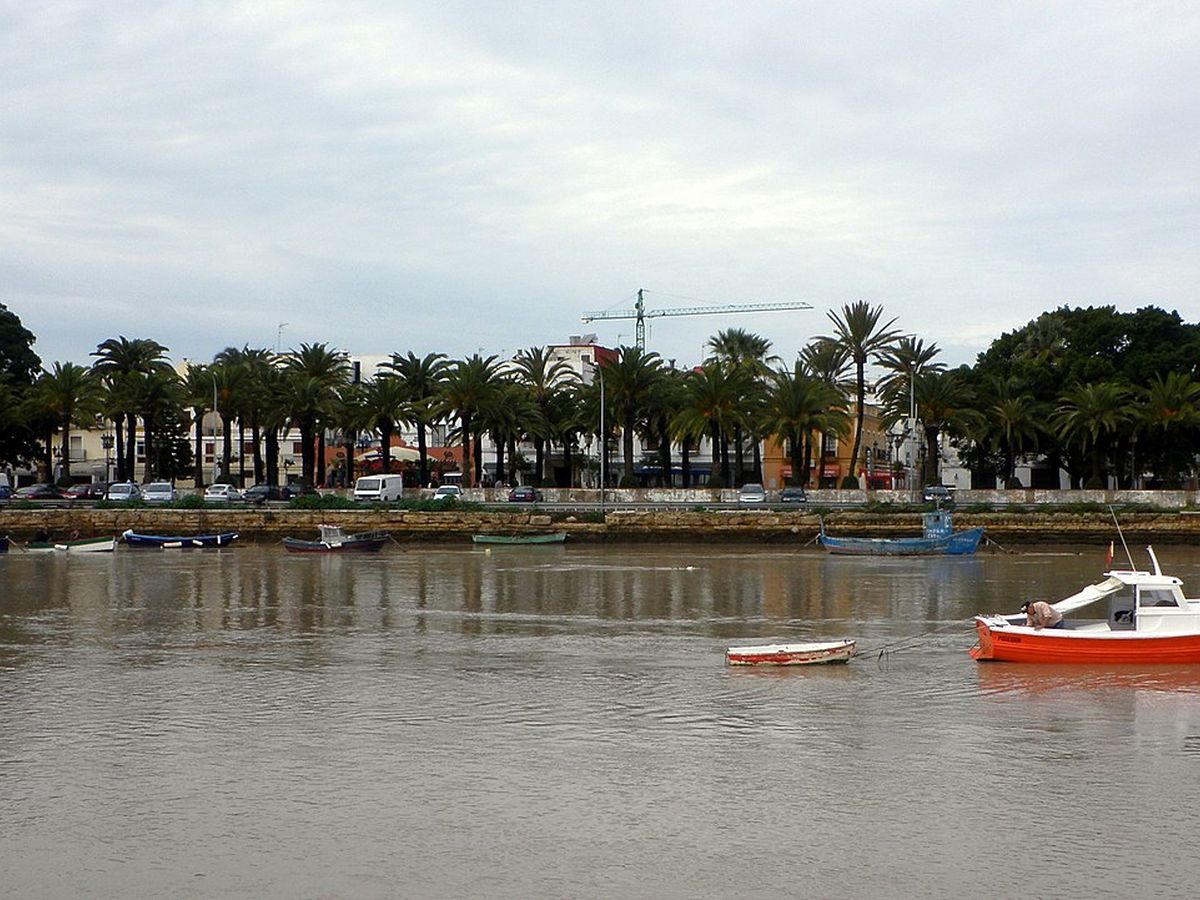
The Guadalquivir reaches the Atlantic near Sanlúcar de Barrameda. El Puerto de Santa María lies farther south within the Bay of Cádiz, where the Guadalete meets the bay.
Cádiz occupies a peninsula across the water, while Jerez sits inland. A hybrid cruise can connect these places because its vessel operates on both the lower Guadalquivir and coastal or bay waters.
Calling El Puerto a “river-cruise port” describes its itinerary role, not its location on the Guadalquivir. The distinction matters when interpreting weather, navigation changes and a possible substitution by Cádiz.
If Cádiz replaces El Puerto, the ship has changed its bay-area stop rather than abandoning the Guadalquivir section. Excursion driving times, pickups and the sequence of Jerez or Cádiz sightseeing may still change.
Where does the vessel land?
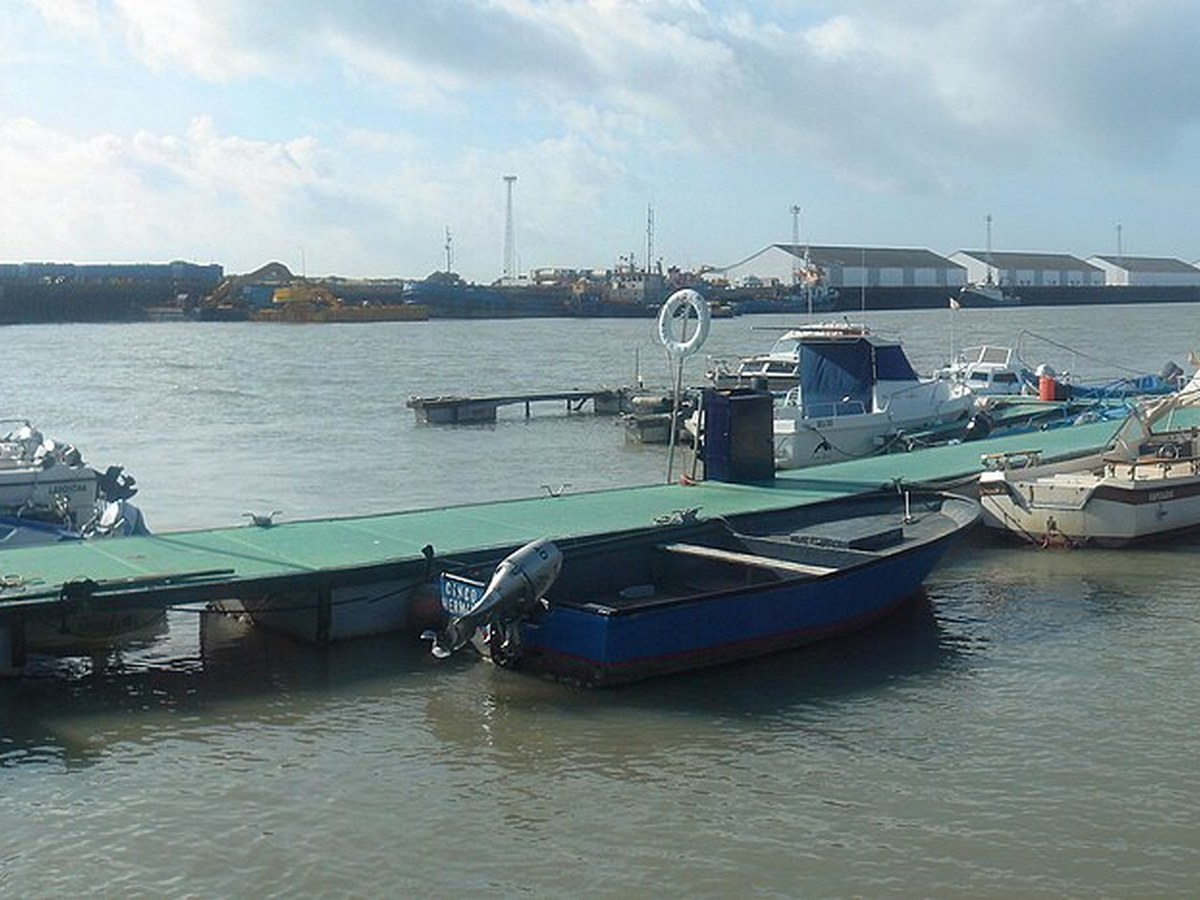
Exact small-ship landing information is not published consistently enough to promise one quay. The operator may use a berth or landing near the Guadalete and town waterfront, but assignment depends on vessel, local operations and the day’s plan.
Ask onboard for the landing name, walking route and return point before leaving. A generic map pin is not a substitute for a current berth briefing, particularly when the stop itself can be moved across the bay.
Once ashore near the central waterfront, allow an estimated 5 to 20 minutes to Plaza del Castillo and the old-town streets. A more distant or controlled berth can require a shuttle, coach or taxi.
Gangway slope, steps and walking surfaces vary with vessel and landing. Closed shoes make more sense than assuming the bay has provided a polished terminal purely for the convenience of vacation footwear.
The Cádiz substitution is real
A current CroisiEurope Andalusia itinerary states that its El Puerto de Santa María stopover may be replaced by Cádiz. The same page allows the captain and crew to modify navigation for passenger safety.
This is unusually clear operator language and should shape private plans. Do not prepay a nonrefundable El Puerto tour unless the provider accepts a Cádiz substitution or the call is reconfirmed close to arrival.
A switch may still preserve a Jerez excursion, but it will begin from a different port and involve another road route. Wait for the ship’s revised timing before telling a private guide where to stand.
Passengers who receive Cádiz instead can use the site’s full Cádiz cruise port guide. The central Cádiz terminals usually make independent old-town exploration straightforward.
What to do in El Puerto
A useful half-day centers on Castillo de San Marcos, the historic streets and one booked bodega. Add lunch near the center or waterfront rather than treating the town as a transfer platform for Jerez.
The municipal tourism office operates from Palacio de Araníbar beside Plaza del Castillo and publishes seasonal visitor information. It is a sensible first stop for current openings and a map.
Castillo de San Marcos
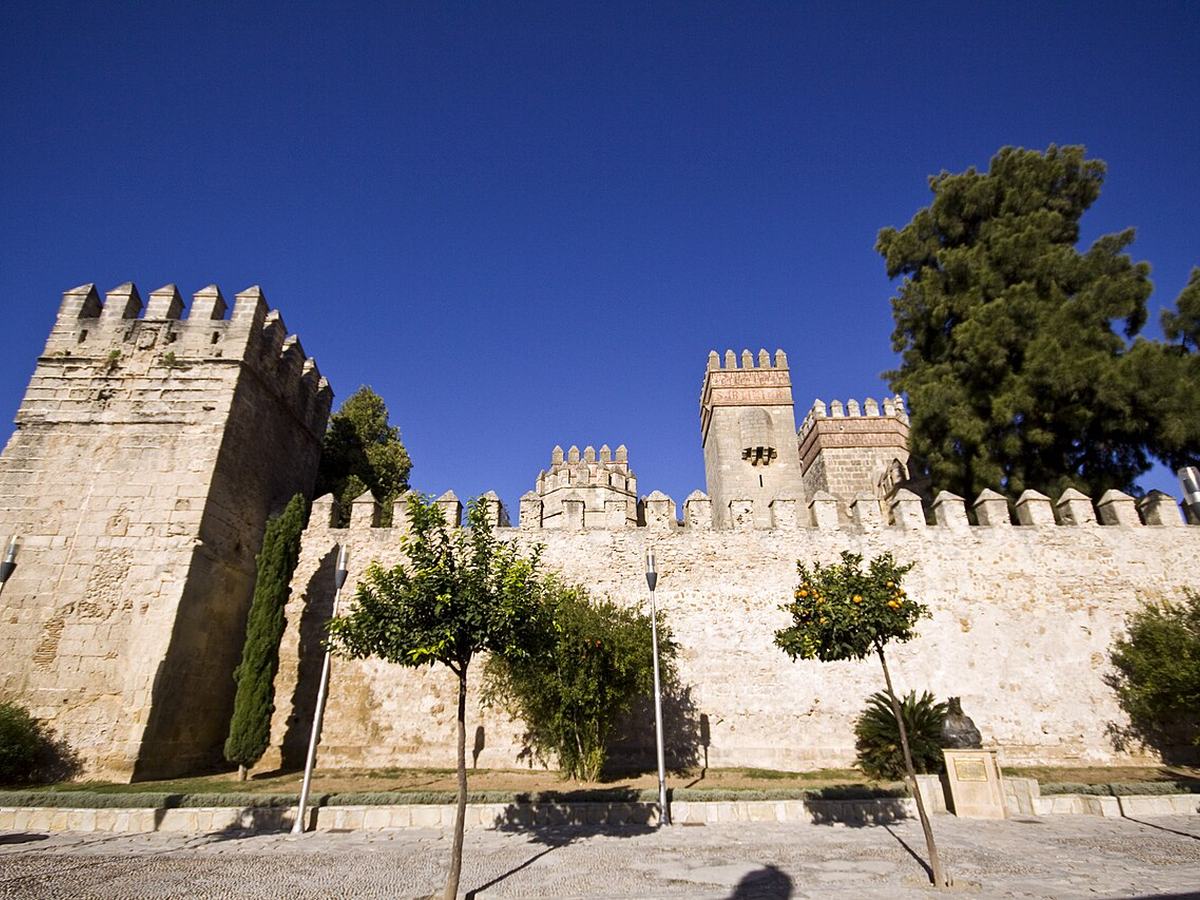
Castillo de San Marcos developed from a medieval fortified church on an earlier Islamic structure. The municipality calls it one of El Puerto’s most representative buildings, but interior visits may require a tour or specific opening period.
Check the city’s current museum and monument schedule before building the call around entry. Exterior views and Plaza del Castillo remain worthwhile when the doors and your port day have different plans.
A bodega visit
El Puerto belongs to the Jerez wine region and supports historic bodegas in and near the center. Tours commonly require advance reservations and run at set times, so a spontaneous knock may produce a locked door rather than a tasting.
Reserve directly with the bodega and disclose the cruise arrival window. Choose a visit reachable on foot or by short taxi, and cancel promptly if the operator substitutes Cádiz.
Taste with the understanding that these are fortified wines with meaningful alcohol levels. Water, food and a calm return to the vessel are better companions than treating the tasting sheet as a competitive scorecard.
Market, seafood and town streets
The central streets reward a relaxed wander through plazas, churches, traditional houses and food businesses. Opening patterns can include a long midday pause, especially outside major visitor sites.
Seafood is an obvious choice, while local wines range well beyond the sweetest stereotype. Ask for prices before ordering fish sold by weight and leave enough time for service that is not designed around a gangway countdown.
Jerez from El Puerto
Jerez de la Frontera is the major inland excursion for bodegas, equestrian traditions and flamenco culture. The road journey is an estimated 25 to 40 minutes each way, depending on traffic, pickup and destination.
The ship excursion is the lowest-risk option because it coordinates with the vessel and any port substitution. A private driver can work when the guide accepts last-minute location changes and tracks the ship’s revised schedule.
Train service connects El Puerto and Jerez, but station transfers and fixed departure times add fragility to a short call. Use rail only after confirming the landing, current timetable and a generous return margin.
Do not confuse a Jerez bodega appointment with one in El Puerto. The wine region shares traditions and names, but your reservation address still expects the correct town.
Can you visit Cádiz independently?
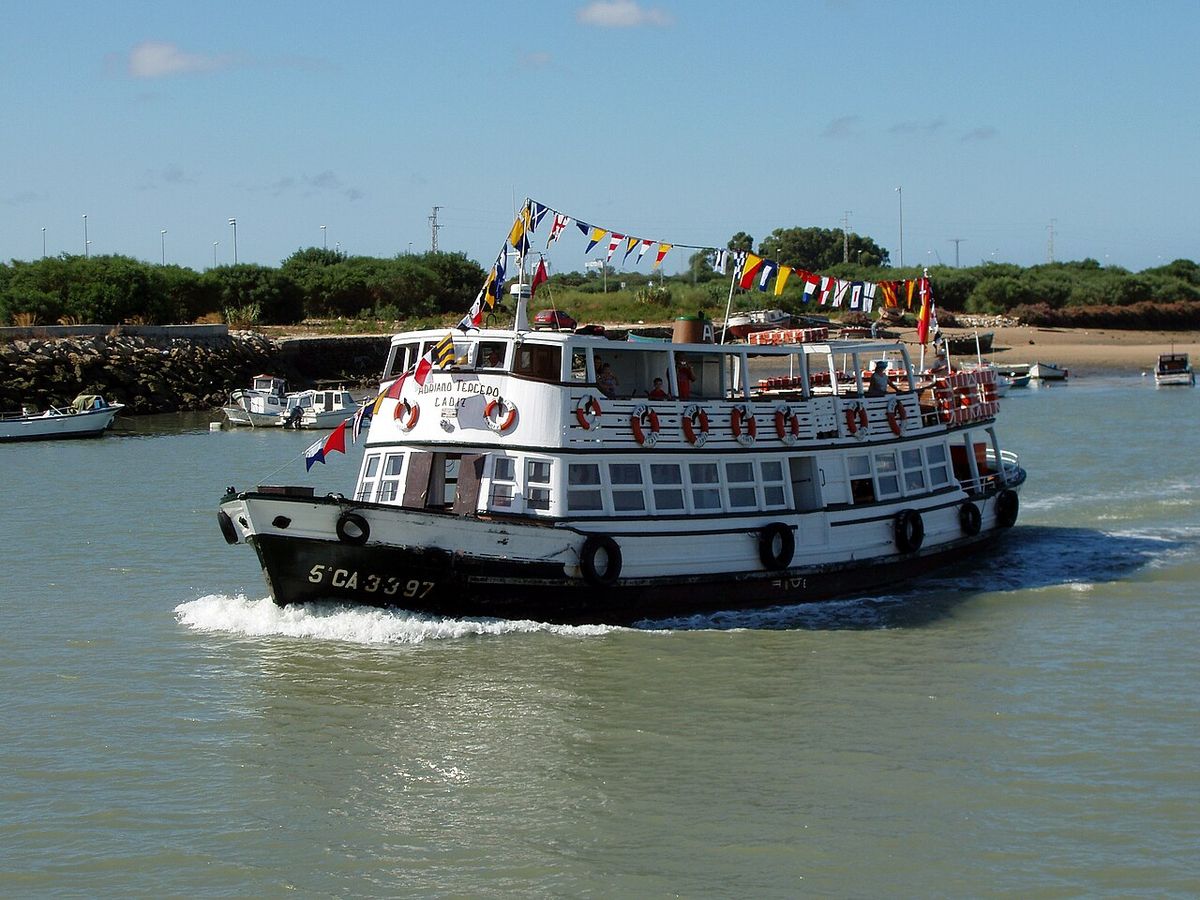
The B-042 catamaran links El Puerto de Santa María and Cádiz under normal published operation. The municipal transport page links to current schedules and also lists regional rail information.
A bay crossing can be enjoyable, but it is not the best use of every call. Service can vary with schedule or weather, and returning across the water adds a separate deadline before the ship’s deadline.
If Cádiz already appears later in the itinerary, remain in El Puerto. If Cádiz has replaced El Puerto, you have saved yourself the fare through an admirably direct form of itinerary management.
Accessibility
The unknown landing is the biggest accessibility variable. Ask whether passengers face a gangway, steps, tender, uneven quay or security-controlled shuttle before reaching town.
Historic paving and thresholds can affect castles, churches and bodegas, while cellar or production tours may include stairs. Contact the attraction directly for the accessible route and whether every part of the tour is reachable.
The site’s river-cruise accessibility guide provides a question list for the operator. A general “easy” excursion rating is not enough when the precise landing remains variable.
Weather and navigation
Bay and coastal conditions expose this call to wind, sea state, visibility and berth availability. Those factors differ from the river and lock conditions governing the Seville portion.
A changed stop can protect the wider itinerary by moving the vessel to Cádiz’s established passenger facilities. The substitution is inconvenient for a private booking but may be the most sensible nautical decision.
Summer heat also matters ashore, particularly on an unshaded walk or Jerez excursion. Carry water, wear sun protection and let the middle of the day make fewer decisions on your behalf.
Quick answers
Is El Puerto de Santa María on the Guadalquivir?
No. It sits at the Guadalete River and Bay of Cádiz, but appears on hybrid itineraries that also navigate the Guadalquivir.
Can the ship replace El Puerto with Cádiz?
Yes. A current operator states this possibility explicitly, so keep private arrangements flexible until the call is reconfirmed.
Can I walk into town?
Possibly from a central landing, with an estimated 5 to 20-minute walk. Exact berth information is inconsistent, so verify onboard.
Should I visit Jerez?
Choose Jerez for a specific bodega, horse or flamenco experience. Stay local for an easier day centered on the castle, bodegas and seafood.
Can I take the boat to Cádiz?
The B-042 catamaran normally connects the towns, subject to current schedule and conditions. Use it only with substantial return margin.
The last word
El Puerto de Santa María is a small call with a surprising amount of work to do. It links the cruise to Jerez, supplies its own wine and history, and stands ready to be replaced by Cádiz when operations require.
Confirm the landing, reserve the bodega and keep the bay geography straight. For more Spanish port planning, use the site’s Spain cruise ports guide.
How this guide was researched: No firsthand visit is claimed; geography, tourism services, monument schedules, regional transport and current substitution language were checked against El Puerto de Santa María’s municipal sources and the operating cruise line. Facts were reviewed August 20, 2026, while the missed-call percentage and all labeled walking or driving times are editorial estimates; see the CruisePorts.co Editorial Policy.