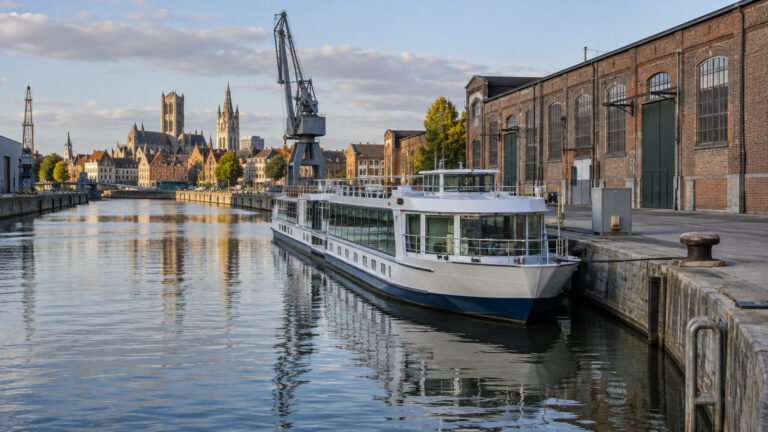
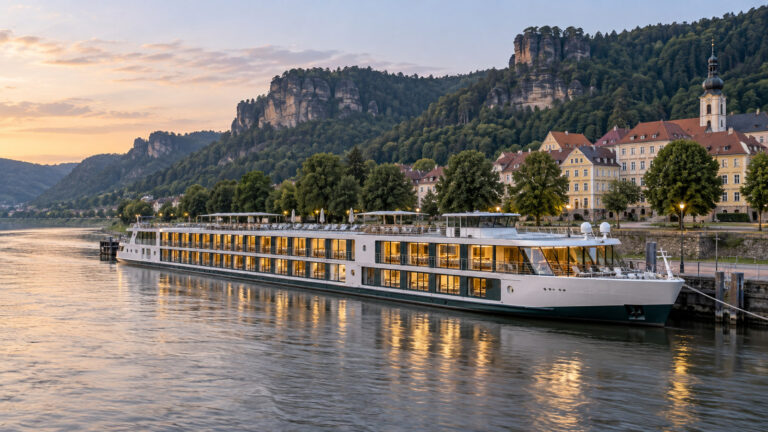
Silghat River Cruise Port: Kaziranga Gateway and Landing Guide
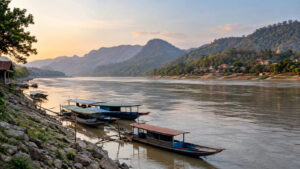
Silghat is a working Brahmaputra landing and a practical gateway to Kaziranga National Park. The river scenery begins at the ship, but the safari experience requires a coordinated road transfer inland.
The exact ghat, gangway, and vehicle meeting point can shift with river depth and bank conditions. Follow the final instructions from the cruise team rather than an old map pin, since the Brahmaputra has never shown much respect for permanent-looking plans.
Quick Facts
- State: Assam, India
- River: Brahmaputra on National Waterway 2
- Arrival: Ship-assigned floating terminal, ghat, or seasonal landing
- Main excursion: Kaziranga National Park by organized road transfer
- Other experience: Tea country, village visits, and Brahmaputra scenery
- Currency: Indian rupee
- Time zone: India Standard Time, UTC+5:30
- Best plan: Use the cruise-arranged safari, transport, and luggage transfer
Is Silghat an Active Cruise Stop?
Yes. Assam Bengal Navigation currently publishes four-night and seven-night Brahmaputra cruises that begin in Guwahati and end at Silghat near Kaziranga.
The operator’s official Brahmaputra cruise page describes voyages between October and April. That seasonal pattern reflects river and weather conditions rather than a year-round port calendar.
Silghat can be the endpoint of a cruise rather than a brief walk-off call. Guests may leave the vessel for Kaziranga, a lodge, or an onward road transfer while luggage follows a separately coordinated plan.
Read your own itinerary carefully because similarly named cruises can use different nights, excursions, and arrival sequences. Current river conditions and park permissions can still change the advertised plan.
Where River Ships Land
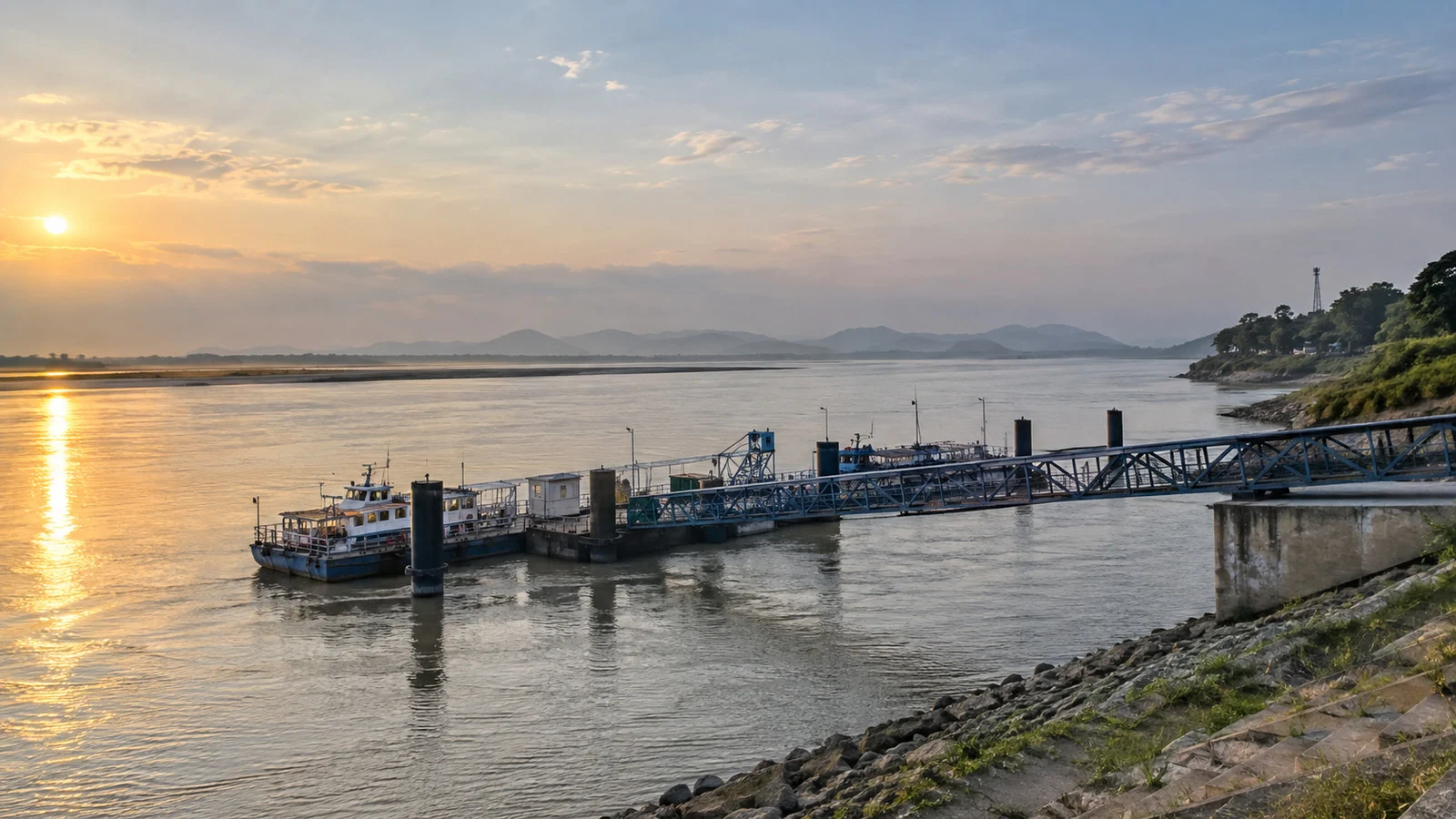
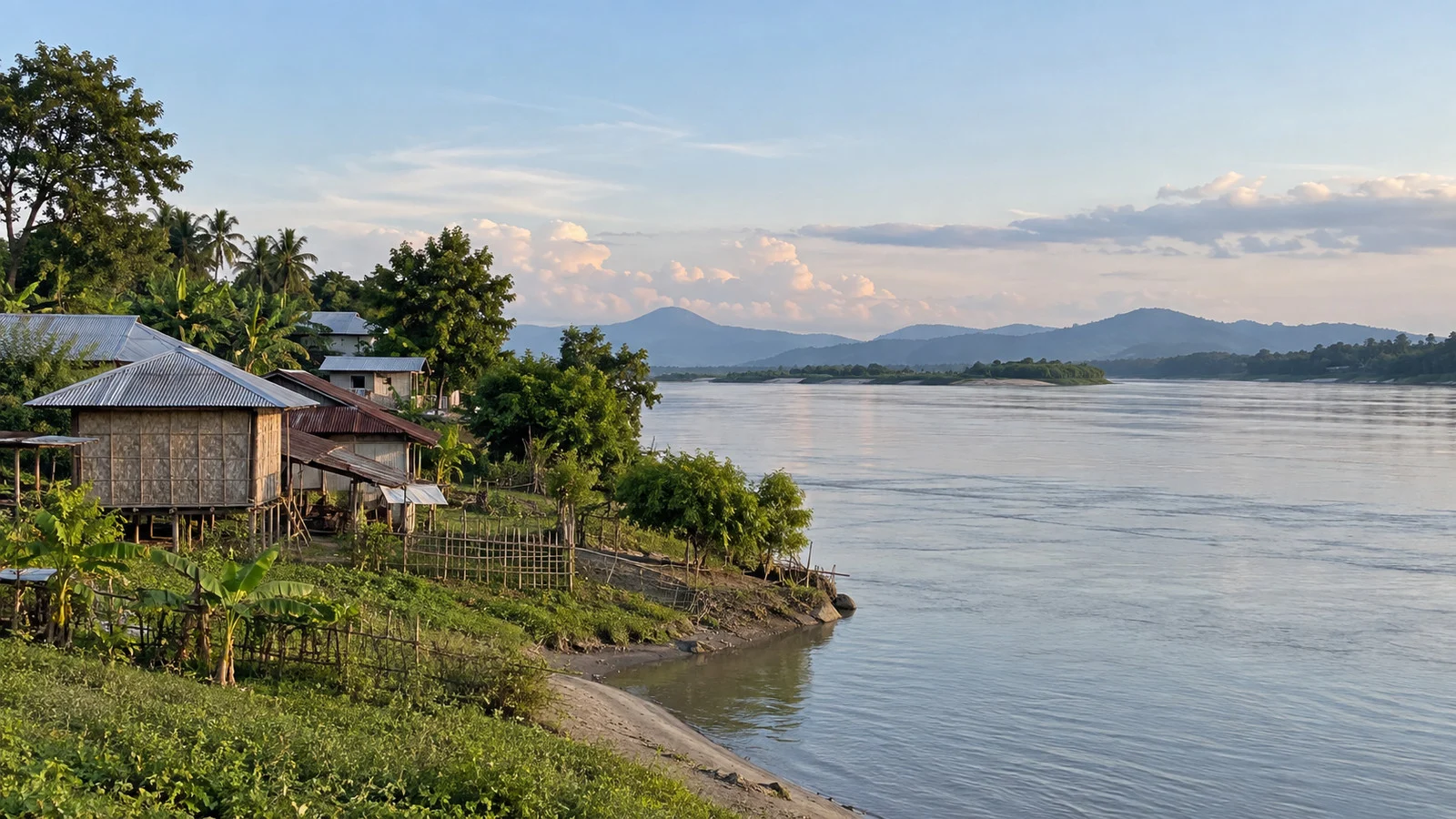
Silghat has recognized river infrastructure on India’s National Waterway 2, including a floating terminal. That establishes it as a real working landing, but it does not promise one fixed leisure-cruise gangway for every vessel.
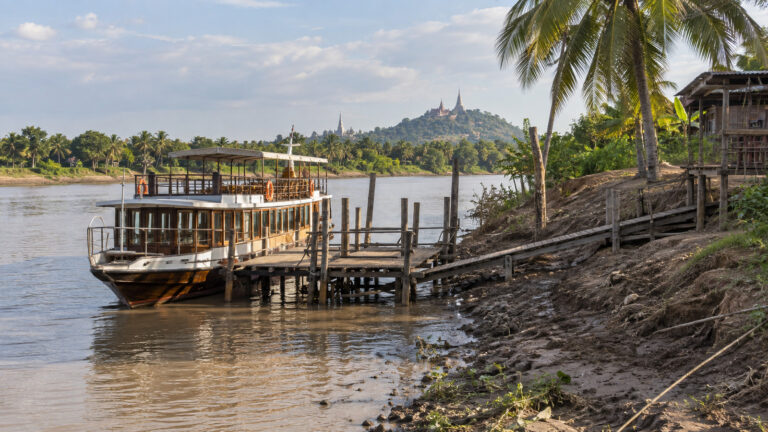
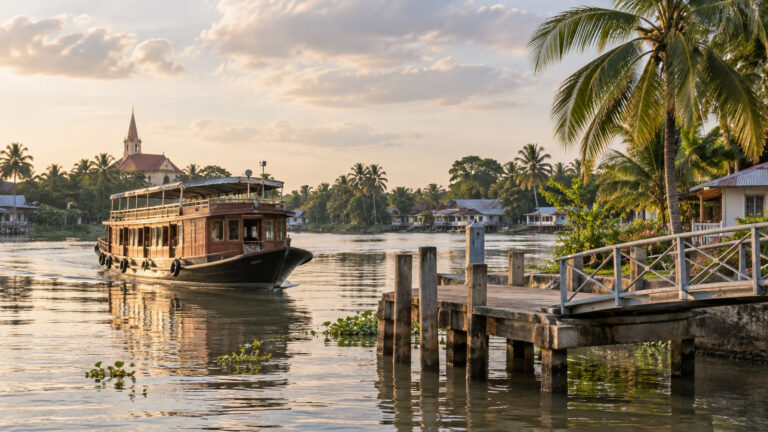
A floating pontoon moves with the river, and seasonal conditions may make another nearby ghat more practical. Boarding or disembarking can involve a sloped gangway, temporary steps, sand, mud, or a short launch transfer.
The cruise director’s announcement is the authority for the current landing and all-aboard point. Save the final location before leaving independently, since the words Silghat riverfront are not precise enough for a safe return.
Remain clear of ropes, cargo activity, and working ferry areas. A rural riverbank can feel informal while still presenting current, vessel, and machinery hazards.
Why the Brahmaputra Changes Plans
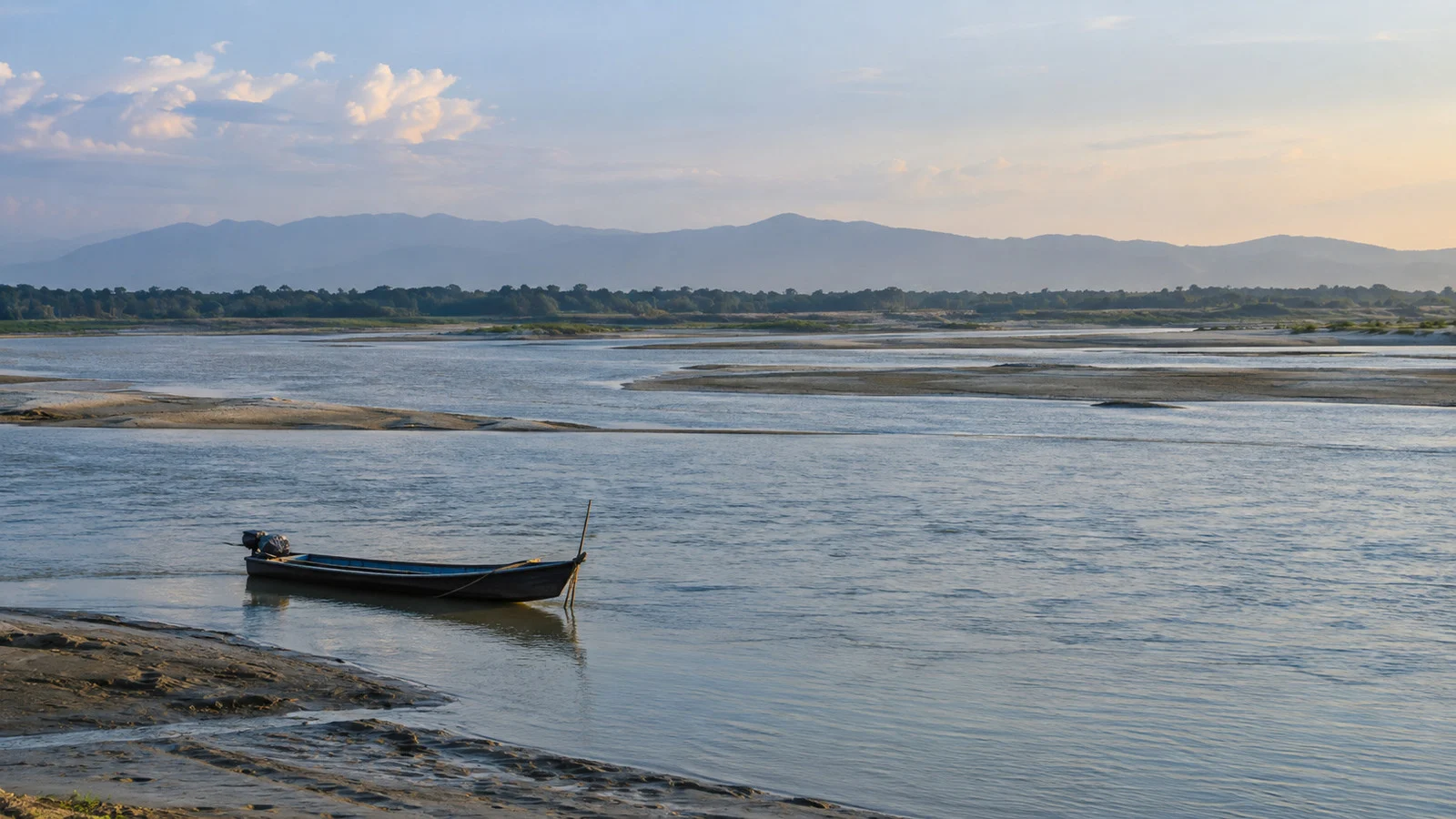
The Brahmaputra carries heavy sediment and forms shifting channels around sandbars and islands. A route that worked earlier in the season may require a new line, different pilotage, or another landing later.
River notices and hydrographic information guide the captain’s decisions. Daylight, fog, water depth, current, weather, and traffic can influence the time a ship reaches Silghat.
A schedule change is often a sign of professional navigation rather than a failure. It may produce a revised ghat, shorter excursion, different transfer, or reordered program without canceling the entire cruise.
No audited Silghat-specific cancellation rate is publicly available, so percentage claims are not useful. The sensible preparation is flexibility, travel insurance, and attention to the live briefing.

Getting From Silghat to Kaziranga
Kaziranga lies inland from the south bank and requires road transportation from the landing. The actual journey depends on the ghat, lodge, park range, road conditions, and stops built into the itinerary.
Use the operator’s transfer whenever possible. It coordinates the vehicle, luggage, park timing, guide, and any hotel arrangements around the ship’s real arrival.
The park has multiple managed ranges and entry gates, so Kaziranga is not one address with one universal safari route. Vehicle allocation, track conditions, conservation needs, and wildlife movement can influence which area a group visits.
Do not build a private outing around a travel time copied from a generic map. Confirm the chosen range, pickup point, road plan, and return or hotel location with the cruise company.
What Makes Kaziranga Special
Kaziranga is a UNESCO World Heritage Site in the Brahmaputra Valley floodplain. UNESCO describes it as a major stronghold for the Indian one-horned rhinoceros and habitat for tigers, elephants, wild water buffalo, bears, and many bird species.
The UNESCO Kaziranga page emphasizes the riverine processes that shape its grasslands, pools, and woodlands. Annual flooding is central to the ecosystem even though it can complicate roads and visitor access.
A safari may provide excellent rhinoceros or elephant sightings, but no species is guaranteed on a particular drive. Wildlife chooses its own route and has not agreed to the cruise brochure’s photo schedule.
Listen to the guide, keep voices low, and remain seated when instructed. Never feed animals or pressure a driver to approach more closely than park rules allow.
What the Safari Feels Like
Many cruise programs use open safari vehicles with assigned drivers and guides. Expect high steps, bench seating, dust, bumps, wind, and little shade once the vehicle is moving through open habitat.
An early drive can begin cool or foggy, then become warm quickly after sunrise. Dress in layers and keep a secure hat, sun protection, and water within easy reach.
Neutral clothing is practical, and closed shoes are easier for boarding than loose sandals. Bring a camera strap and protect lenses from dust between sightings.
Restrooms may be limited to the gate, lodge, or designated stop. Ask about timing before departure rather than discovering the plan midway through a long track.
Safari Accessibility
Open safari vehicles can be difficult for travelers with limited mobility. High steps, narrow openings, fixed benches, and rough tracks require a different assessment from the river ship itself.
Ask for the actual vehicle type, number of steps, available handholds, ride duration, and restroom plan. Confirm whether a folding wheelchair can be carried safely and whether assistance is permitted.
Guests unable to take the safari should request a lodge-based program, tea visit, village activity, or shorter drive when available. A thoughtful alternative can still offer strong regional context without forcing an unsafe transfer.
Get current answers in writing because vehicle and range assignments may change. A generic activity icon cannot describe a specific person’s access needs.
Tea Country and Village Visits
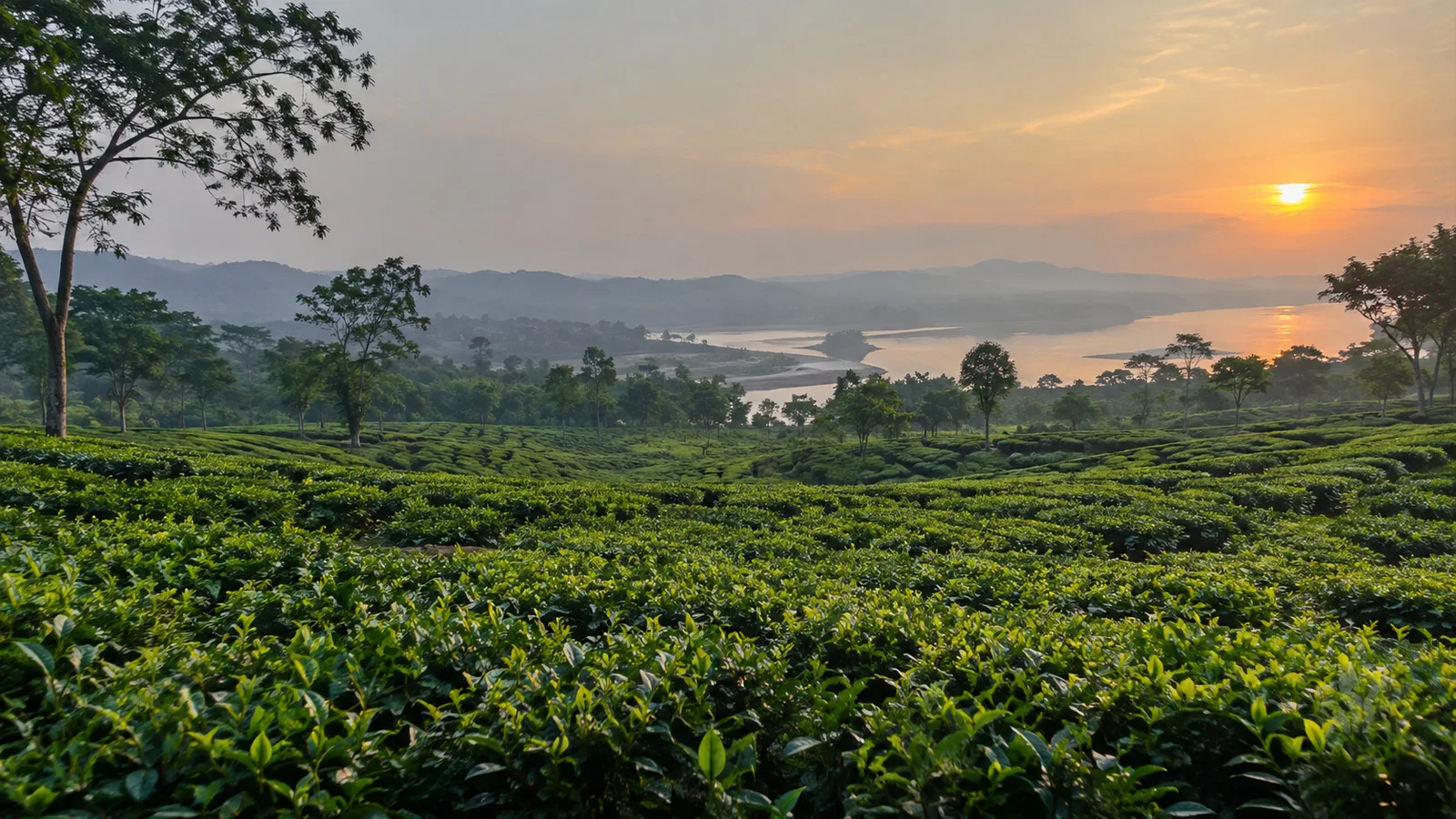
Tea-estate visits can complement Kaziranga or provide an alternative for some guests. Central Assam’s gardens and factories show how leaves move from the field through processing, grading, and tasting.
These are working agricultural and industrial properties, not permanent museum displays. Factory access can depend on production, machinery, footwear, safety rules, and management permission.
Ask before photographing workers or production areas. Listen to the guide’s explanation of harvest season and processing before assuming every tea in an attractive packet came from the garden beside you.
A reputable estate shop or cooperative is the best place to ask about origin, grade, and packaging. Keep receipts for larger purchases and check food-import rules for your home country.
Can You Explore Silghat Independently?
Independent exploration is possible only when the landing, free time, and departure plan are clear. Silghat is a small working river community rather than a visitor district built around cruise passengers.
Village lanes, river views, small shops, temples, and local activity may sit near the ghat. Sidewalks, shade, English-language signs, public restrooms, card payment, and regular taxi service should not be assumed.
Tell the cruise director if you skip the organized activity and ask which routes are safe and respectful. Save the current landing and ship contact before walking away.
The included outing is usually the better use of the day because it solves transport, park permissions, guiding, and luggage. Independence is less impressive when it consists mainly of negotiating a return from the wrong ghat.
Embarking or Leaving the Ship
Some itineraries terminate at Silghat, so the day may combine disembarkation, a safari, a lodge stay, and onward transportation. Luggage can travel by road on a different schedule from guests.
Follow the operator’s packing instructions and keep medication, documents, valuables, weather protection, and a change of clothes in a day bag. Do not assume you can retrieve a suitcase between the riverbank and hotel.
A cruise-arranged airport or hotel transfer is strongly preferable. Road time to Guwahati varies with the actual starting point, traffic, weather, stops, and road work, so a same-day flight with a tight connection is risky.
Add a buffer night when an important international departure follows the cruise. River and road travel are both involved, and neither is improved by a heroic connection time.
Accessibility at the Landing
The floating terminal provides organized river access, but the gangway angle changes with water height. Another landing may add sand, mud, temporary steps, a natural bank, or a smaller boat.
Ask for the narrowest gangway width, number of steps, handrail arrangement, and distance to the vehicle. Confirm whether lifting a wheelchair or scooter is expected and whether the crew considers it safe.
The transfer vehicle, hotel entrance, safari jeep, and restroom plan each need separate confirmation. Accessibility on the ship does not automatically continue across a seasonal riverbank.
Request details before final payment if shore access will determine whether the itinerary works. Conditions can still change, but written planning gives the operator a fair chance to arrange the best available option.
Weather and Practical Safety
Dry-season mornings can be cool and foggy, while afternoons become warm and sunny. Pack layers, a hat, sunscreen, insect repellent, rain protection, and closed shoes.
Drink sealed or properly treated water and carry essential medication in hand luggage. Travelers should consult an appropriate health professional before departure for personalized advice on vaccines and mosquito precautions.
Do not swim from a pontoon, ferry area, or unsupervised sandbank. Current, vessel traffic, sudden depth changes, and soft edges make the river more powerful than its wide calm surface suggests.
Follow park guides around wildlife and landing staff around vessels. Local instructions are based on conditions in front of you, which makes them more valuable than a confident prediction written months earlier.
A Practical Plan for Silghat
Pack the day bag before the ship reaches the landing and confirm how luggage will move. Wear your safari clothes, keep both hands free for the gangway, and carry the operator’s contact details.
Take the coordinated transfer to Kaziranga when it is included. Ask about the selected range, vehicle, meal, restroom, mobility requirements, and hotel arrival before leaving the ship.
If the safari changes, consider the alternative on its own merits rather than treating it as a failed version of the day. Tea, villages, and Brahmaputra scenery can still explain Assam exceptionally well.
Keep expectations flexible and let the crew manage the final landing. The river is part of the destination, not simply the road leading to the rhinoceros.
The Final Take
Silghat is valuable because it connects two great Assam experiences: navigation on the Brahmaputra and wildlife in Kaziranga’s floodplain. The landing itself is modest, but its role in the itinerary is substantial.
Use the ship’s current ghat and transfer plan, prepare for a real safari vehicle, and leave generous room for river and road changes. This guide was desk-researched on September 12, 2026 using the Inland Waterways Authority of India, Assam Bengal Navigation and UNESCO, and it does not claim a personal sailing, landing inspection or safari.