Salalah Cruise Port: Frankincense, Taxis and a Cargo Berth
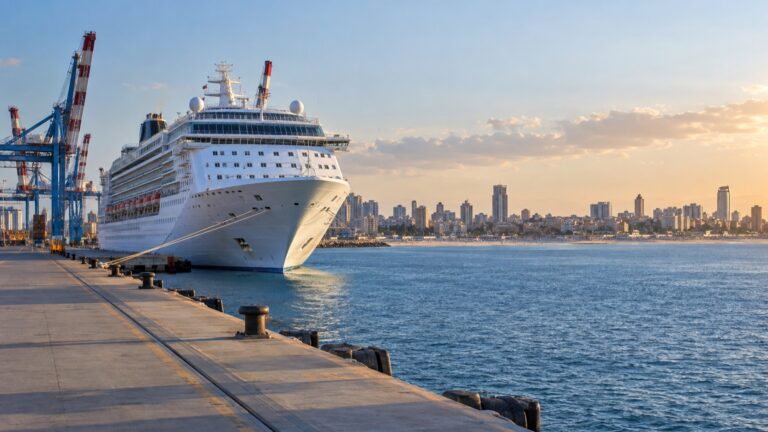
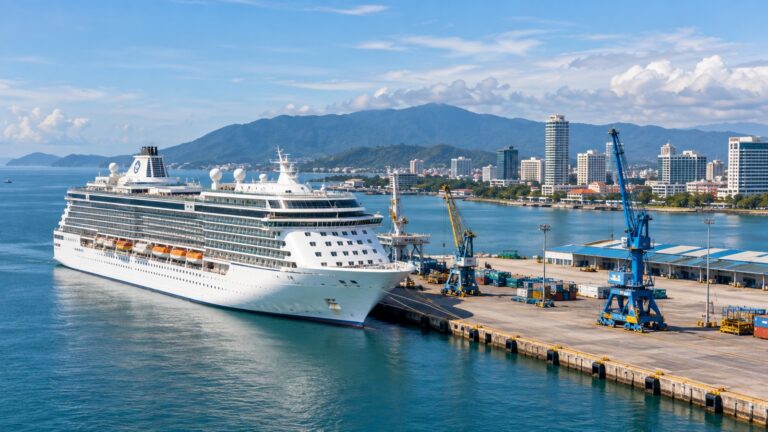
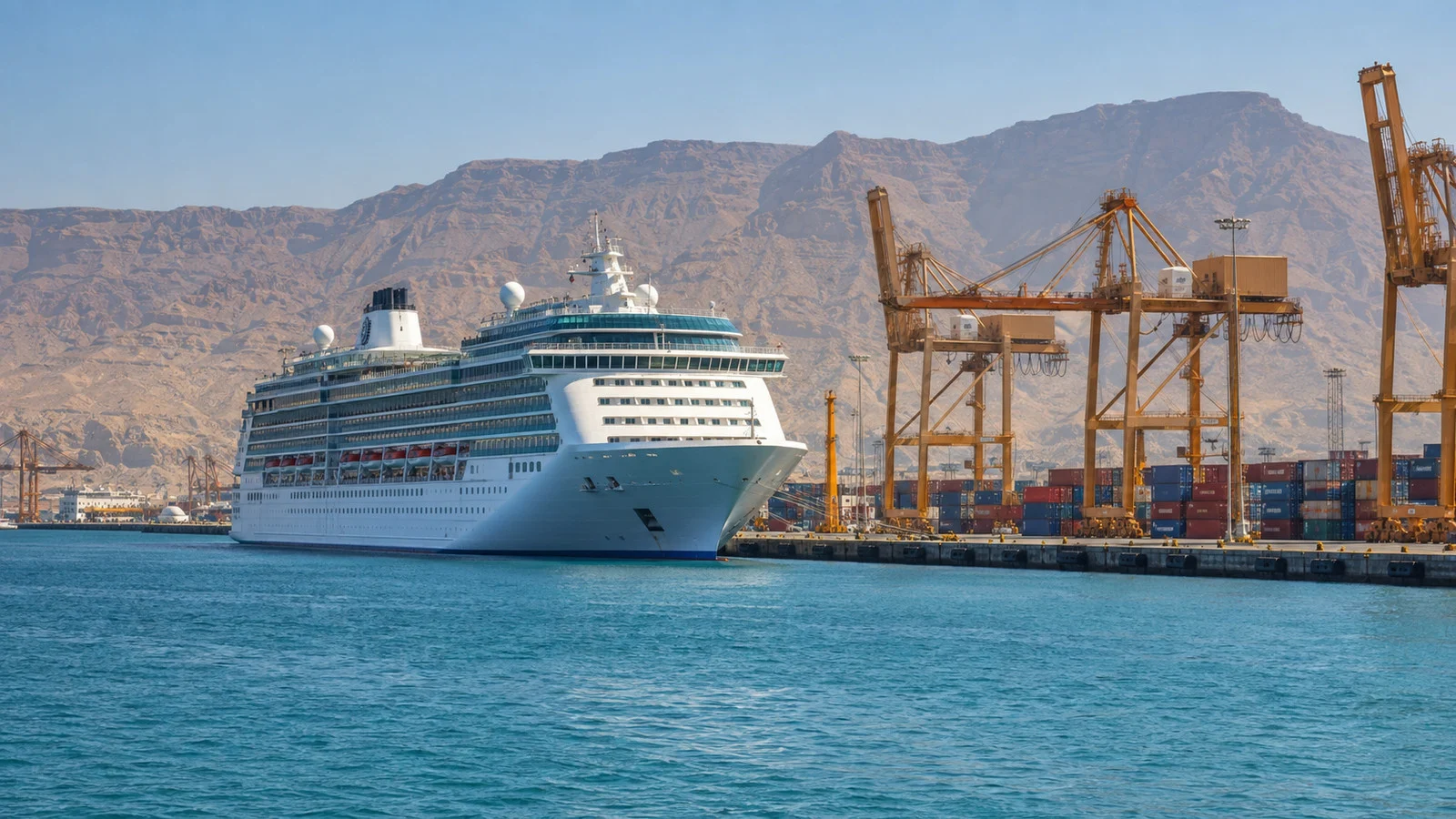
Salalah begins with an unromantic truth: your ship docks in a major working port at Raysut, not beside a waterfront cafe. The reward comes after the secure gate, when the cargo cranes give way to coconut palms, white beaches, limestone hills, and the scent of frankincense.
This is one of those cruise days that improves dramatically with a little planning. Arrange a driver, keep your route compact, and Dhofar feels generous rather than rushed.
My quick take
Do not try to improvise Salalah from the gangway. The berth is isolated, walking out is not a useful plan, and the region’s best sights spread east and west of the city.
For a first visit, choose one side of Salalah and build a four-to-six-hour loop. East gives you Al Baleed, Khor Rori, and Wadi Darbat, while west gives you Mughsail Beach, Al Marneef, and big coastal scenery.
The sweet spot is three meaningful stops with an early return. Dhofar looks compact on a map, but city traffic, port security, and time spent negotiating at the gate can nibble away at a short call.
Quick Facts
- Where ships dock: Port of Salalah at Raysut, west of central Salalah, inside an active container and general cargo complex.
- Dock or tender: Cruise ships normally dock alongside, although the exact berth and internal transport arrangements can change.
- Walkability: Poor from the ship. Passengers need authorized transport through the secure port area and then a taxi, private driver, or excursion.
- Best first visit: An eastbound loop combining Al Baleed with Khor Rori or Wadi Darbat.
- Currency: Omani rial. Carry small notes and agree taxi pricing before departure.
- Language: Arabic is official, and English is widely used in tourism.
- Time zone: Gulf Standard Time, UTC plus 4, with no daylight saving time.
- Entry check: Oman publishes visa exemptions and conditions by nationality, while cruise clearance can follow ship procedures. Verify your passport requirements with the cruise line and Omani authorities.
- Best weather for cruise calls: The cooler, drier winter season, although sun and heat still matter.
What the cruise berth is really like
The Port of Salalah says the modern port was founded in 1998 and operates both container and general cargo facilities. It is a serious logistics hub, which explains why the first view ashore is cranes, stacks, service roads, and controlled access.
Your cruise line will tell you where its internal shuttle ends and what identification you need to carry. Follow that daily notice instead of assuming the arrangements from a previous call will be identical.
There may be taxis or prearranged vehicles at the designated passenger pickup point, but the berth itself is not a place to start walking toward town. The industrial distances are long, shade is scarce, and pedestrian movement is controlled for safety.
Wear closed shoes that handle hot pavement, and keep your ship card and photo identification easy to reach. Photograph the port pickup point and the posted return instructions before leaving.
Getting from Raysut to Salalah
Raysut sits west of the city, so even the closest sightseeing begins with a drive. Your real transportation decision is whether to use a ship excursion, reserve a private driver, or negotiate with a taxi after disembarking.
A ship tour costs more but bundles the port transfer, timing, and return responsibility into one booking. That can be worthwhile if your call is short, mobility is limited, or the ship changes the berth plan at the last minute.
A private driver gives you the best control over pacing and lets you skip shopping stops that do not interest you. Confirm the vehicle, total price, currency, route, waiting time, and return time in writing before the day.
If you take a taxi at the port, agree on the same details before getting in. Do not leave the total vague, and do not assume the quote includes several hours of waiting unless the driver says so clearly.
App-based taxis exist in Oman, but access rules and driver availability near a secure cargo gate make them a poor sole return plan. Keep the driver’s phone number and build in time for the port shuttle or checkpoint on the way back.
The best first day: Al Baleed, Khor Rori, and Wadi Darbat
The eastern side of Salalah offers the strongest mix of archaeology and landscape. It also keeps the route moving in one direction instead of crossing the city twice.
Al Baleed Archaeological Park
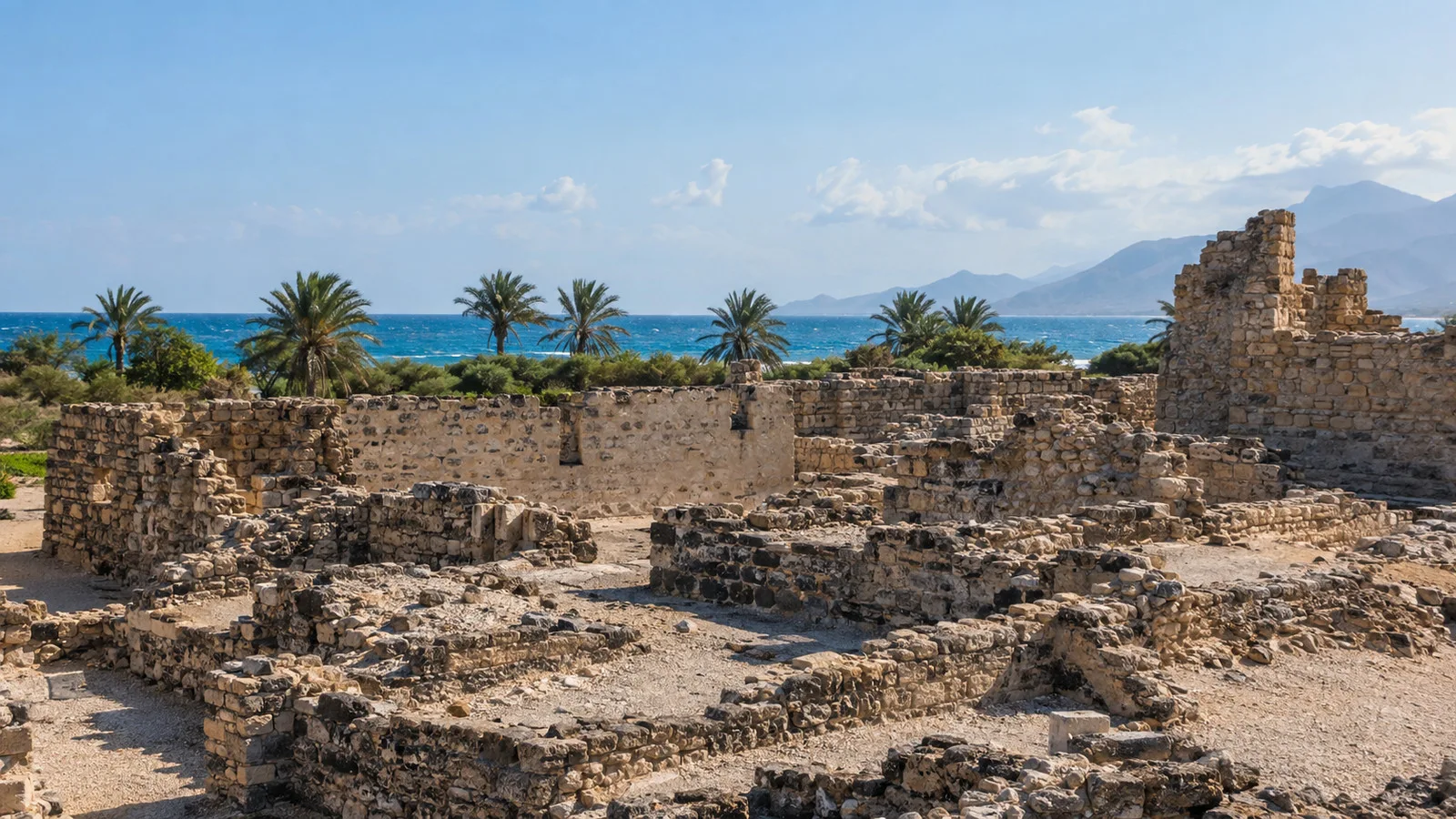
Al Baleed is the easiest introduction to the story that defines Dhofar. The ruins occupy a historic harbor site near central Salalah, and the Museum of the Frankincense Land adds the context that bare foundations cannot provide on their own.
UNESCO includes Al Baleed within the Land of Frankincense, alongside Khor Rori, Shisr, and Wadi Dawkah. The group records how frankincense was produced, gathered, moved inland, and shipped through fortified ports over many centuries.
Allow time for both the museum and the outdoor site if the weather is comfortable. If the sun is fierce, prioritize the museum and a shorter circuit through the ruins rather than turning the visit into an endurance test.
Khor Rori and Sumhuram
Khor Rori lies about 40 kilometers east of Salalah on a natural inlet close to the sea. UNESCO dates this fortified port from the fourth century BC to the fifth century AD and describes it as a hub for the incense trade.
The setting does half the work: stone walls rise above a khor with mountains behind it and the coast just beyond. Footing can be rough, so shoes with grip are more useful than sandals.
Give the site enough time to walk beyond the entrance and look back over the water. A rushed photo stop misses the geography that made this harbor valuable.
Wadi Darbat
Wadi Darbat sits inland from Taqah and Khor Rori, which makes it the natural landscape partner for an eastern archaeology stop. Oman’s official tourism site describes it as one of Dhofar’s standout places, tucked into the mountains above Khor Rori.
The famous green slopes and flowing water belong most strongly to khareef, the summer monsoon season. During the winter cruise season, expect a drier landscape and ask locally what conditions are like before building the whole day around waterfalls.
Even when the water is modest, the drive, limestone escarpment, grazing animals, and broad valley make the detour worthwhile. Keep a little distance from camels and cattle on the roadside, because they move on their own schedule.
A westbound alternative: Mughsail and Al Marneef
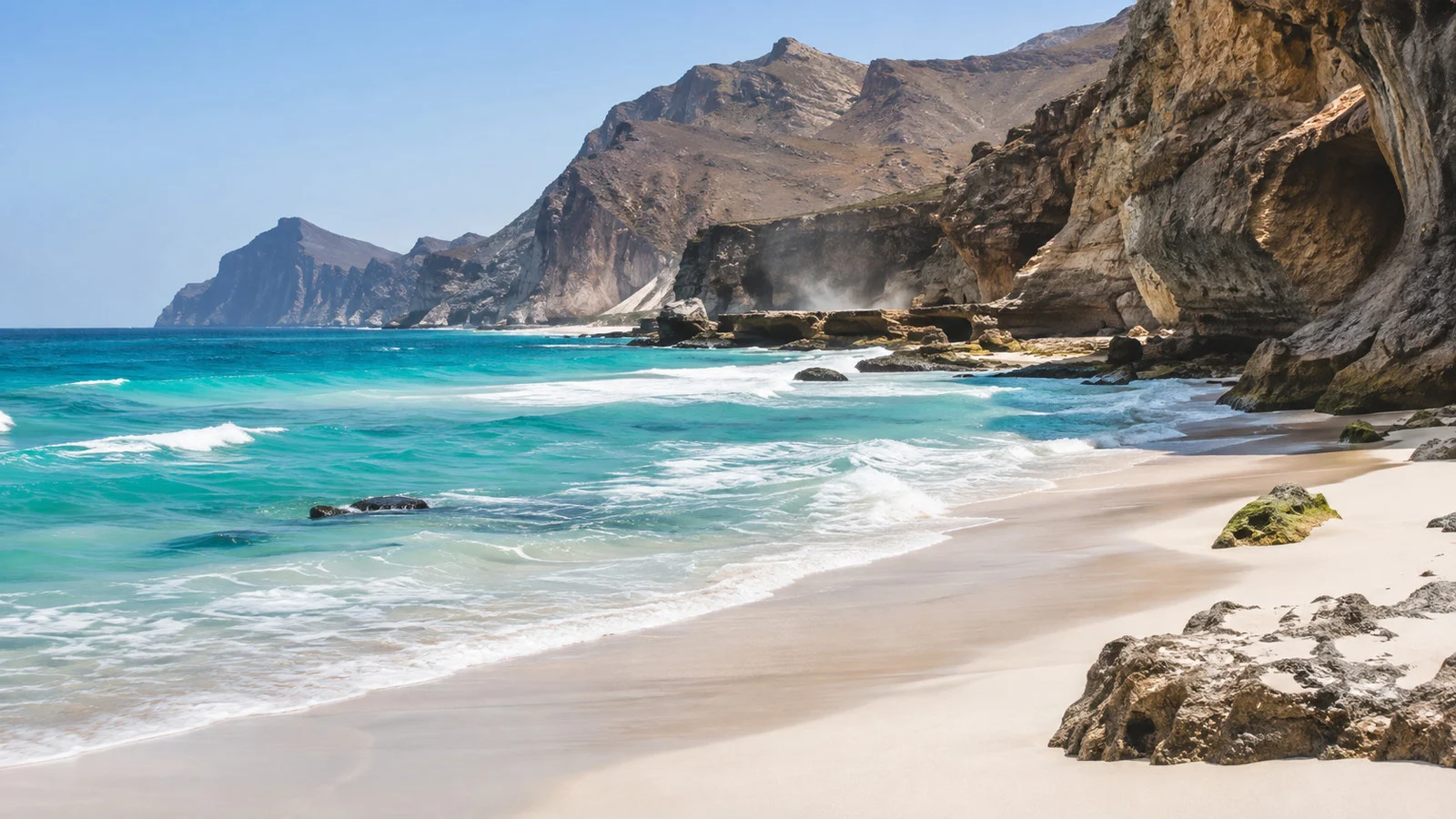
Choose west if beaches and coastal geology matter more to you than ruins. Al Mughsail Beach stretches beneath pale cliffs beyond the port, and the official tourism authority highlights the natural fountains formed by erosion.
Those blowholes depend on the sea. With enough swell they send spray through openings in the rock, while on a calm day you may get sound, air, or very little performance.
The boardwalk and viewing area near Al Marneef make this an easy scenic stop for many visitors, but surfaces can still be wet and slippery. Stay behind barriers, since waves and blowholes are not predictable stage effects.
A westbound day can include a viewpoint, beach time, and a short stop in the city on the return. Do not add Khor Rori or Wadi Darbat to the same plan unless the ship is in port for a very long day.
Frankincense without driving into the desert
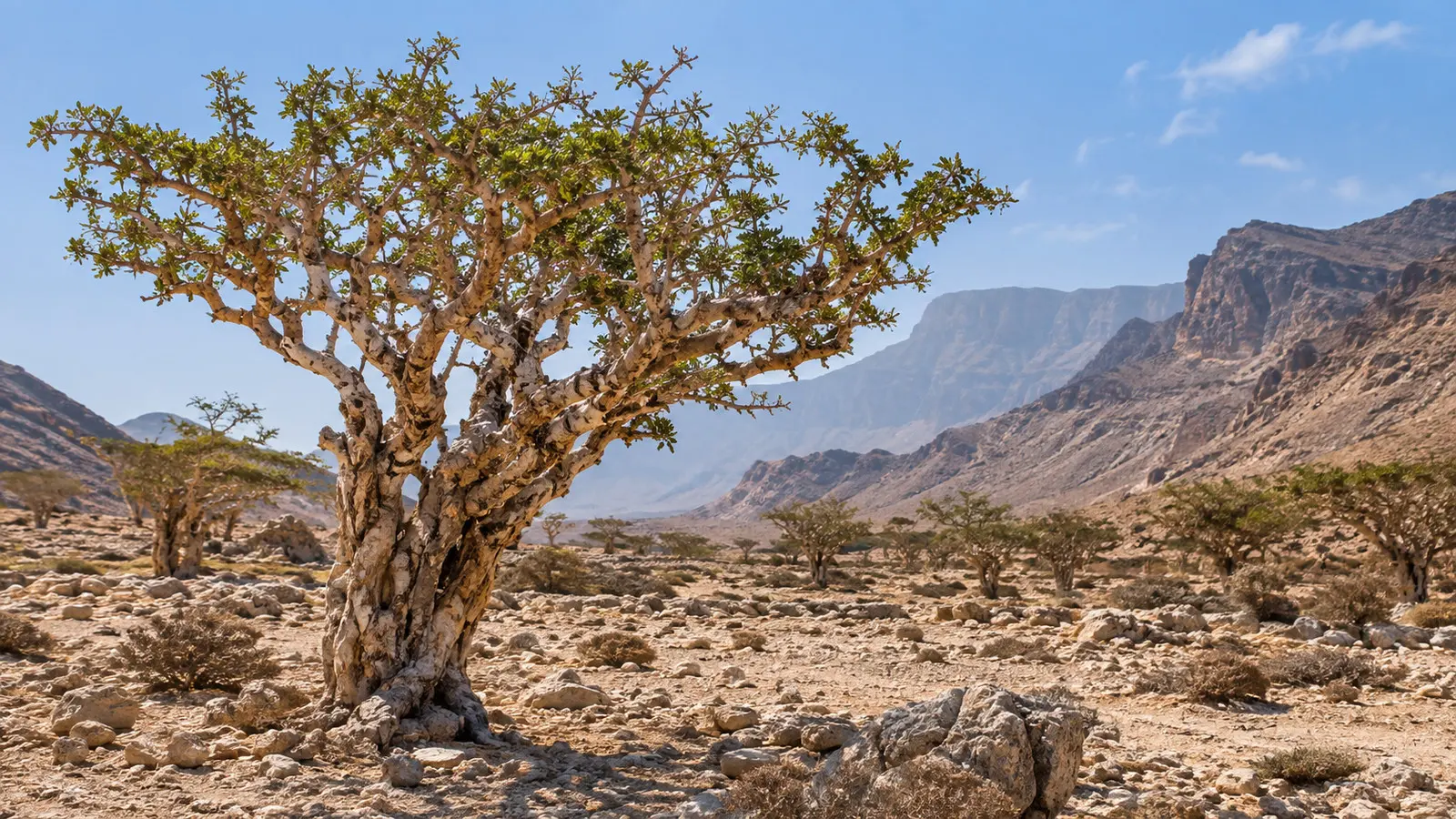
You do not need to travel to remote Wadi Dawkah to understand why frankincense matters here. Start with the museum at Al Baleed, then visit Al Haffa Souq to see resin, burners, perfumes, and incense sold as everyday goods rather than museum pieces.
Frankincense comes in different colors and grades, and a patient vendor can explain what is used for fragrance, household burning, or personal scent. Ask the price per weight, compare a few stalls, and buy charcoal plus a heat safe burner if you want to use it at home.
Check your home country’s customs rules before purchasing plant products. Keep resin sealed in its original packaging and remember that the aromatic smoke may not be welcome in a ship cabin.
Wadi Dawkah is the living tree component of UNESCO’s site, while Shisr is far inland near the Empty Quarter. Both are important, but neither is a sensible casual add-on to a standard cruise day from Raysut.

City stops worth your time
Salalah is low rise and spread out, so a driver remains useful even for a city focused plan. Al Baleed, Al Haffa, the beach, and the main mosque are not arranged as one compact pedestrian circuit.
Sultan Qaboos Mosque is a graceful city landmark, but visitor access depends on prayer times, dress rules, and current local arrangements. Ask your driver before going, dress conservatively, and treat worshippers’ space with care.
Al Haffa Souq is the more flexible cultural stop and works especially well near the end of the day. It is best when you browse slowly, smell a few resins, and let one knowledgeable seller explain the differences.
For refreshments, look for fresh coconut, banana, papaya, or juice from Dhofar farms. Salalah’s irrigated gardens feel almost improbable after the stark road beside the port.
Accessibility and comfort
Docking alongside avoids a tender, but that does not make the call automatically accessible. The distance across the port, shuttle steps, vehicle design, and rough surfaces at outdoor attractions are the bigger issues.
Ask the cruise line whether the port transfer can take a wheelchair without folding it and whether an accessible excursion vehicle is confirmed. A promise that staff will help is not the same as a lift, tie downs, or a step free route.
Al Baleed’s museum is generally the easiest major attraction to plan around, while the archaeological grounds require more distance in sun. Khor Rori has uneven stone and slopes, and natural areas can have loose ground or wet paths.
Bring water, sun protection, and any medication you may need away from the ship. Shade can disappear quickly once you leave the vehicle, even in winter.
Weather, khareef, and what you will actually see
Most cruise visits fall in Dhofar’s drier season, when the landscape is no longer the intensely green version shown in summer tourism photographs. Days can still feel hot in direct sun, while evenings and air conditioned vehicles may feel surprisingly cool.
Khareef usually runs from June through September, according to Experience Oman. Mist and light rain turn the plains and mountains green, but they can also reduce visibility and make roads or paths slick.
Pack for the day you actually have, not the image in the brochure. A hat, high protection sunscreen, water, and a light layer cover most cruise season conditions.
Entry rules and money
Oman’s Ministry of Foreign Affairs says visitors from more than 100 countries and regions may qualify for visa free stays of up to 14 days. The rules include nationality specific conditions, at least six months of passport validity, a return ticket, confirmed accommodation, health insurance, and sufficient funds.
Cruise passengers may be processed through arrangements handled by the ship, but that does not erase individual document requirements. Check the official entry visa guidance and your cruise line’s instructions for your passport.
The Omani rial is a high value currency, so pay attention to whether a taxi quote is in rials, US dollars, or another currency. Carry smaller notes, ask for the full total, and do not rely on a driver having change.
A realistic five hour plan
Start with your prearranged driver as soon as the ship’s transport reaches the passenger pickup point. Go first to Al Baleed, where an early museum and archaeological visit gives the day a clear story.
Continue east to Khor Rori, then choose Wadi Darbat only if conditions and time make sense. On the return, stop briefly at Al Haffa Souq and head back to the port with a generous security margin.
If your call is shorter, drop Wadi Darbat rather than shaving every stop to twenty minutes. Al Baleed, Khor Rori, and the souq already make a satisfying day.
For the westbound version, go directly to Mughsail and Al Marneef, pause at scenic points on the coastal road, and finish with the souq if time remains. Do not let a slow lunch consume the buffer you need at the port gate.
Common mistakes to avoid
The biggest mistake is assuming you can walk from the berth into Salalah. The second is trying to combine the eastern and western highlights in an ordinary port call.
Another is paying for a car before agreeing exactly what the fare covers. Write down the stops, duration, currency, and return time, then keep that message or note until you are back at the ship.
Do not treat green khareef photos as a promise of winter waterfalls. Seasonal change is part of Dhofar, and the dry landscape has its own beauty when expectations are honest.
Finally, do not time your return to the published all aboard minute. You still need to clear the port entrance and internal transfer, and those steps can take longer when several tours arrive together.
Quick answers
Can I walk from Salalah cruise port into town?
No, because the ship docks inside the working port at Raysut, so use authorized port transport and continue by taxi, driver, or excursion.
Should I go east or west?
Choose east for Al Baleed, Khor Rori, and Wadi Darbat, or west for Mughsail and Al Marneef, with east the stronger first-visit pick for its mix of history and landscape.
Do I need Omani rials?
Cards may work at larger businesses, but small rial notes are useful for taxis, souq purchases, and minor expenses, and you should confirm the currency whenever you negotiate a fare.
Is Salalah accessible?
The ship normally docks, but port shuttles, vehicle steps, and rough outdoor sites can create barriers, so arrange accessible transport before sailing and ask for precise equipment details.
Is khareef part of cruise season?
Most calls take place outside the June to September monsoon period, so expect drier scenery during the usual winter cruise season.
The last word
Salalah is not a port where the gangway delivers you neatly into the destination. It asks for a vehicle, a sensible route, and enough return time to pass back through a busy cargo complex.
Make those decisions early and the contrast becomes the pleasure of the day. You leave cranes behind for ancient incense ports, green edged wadis, white beaches, and a souq that smells like Dhofar’s oldest trade.
Choose the eastern loop, keep it to three stops, and return before the convoy of buses. Salalah rewards curiosity, but it rewards restraint just as much.
How this guide was researched: This guide was checked against the Port of Salalah, Oman Ministry of Heritage and Tourism, UNESCO World Heritage Centre, and Oman Ministry of Foreign Affairs. Operational and time-sensitive details were reviewed September 12, 2026; confirm the live berth, daily program, entry rules, accessibility, and cancellation terms before travel.
See our Editorial Policy.