Savusavu Cruise Port Guide: Fiji’s Hidden Paradise
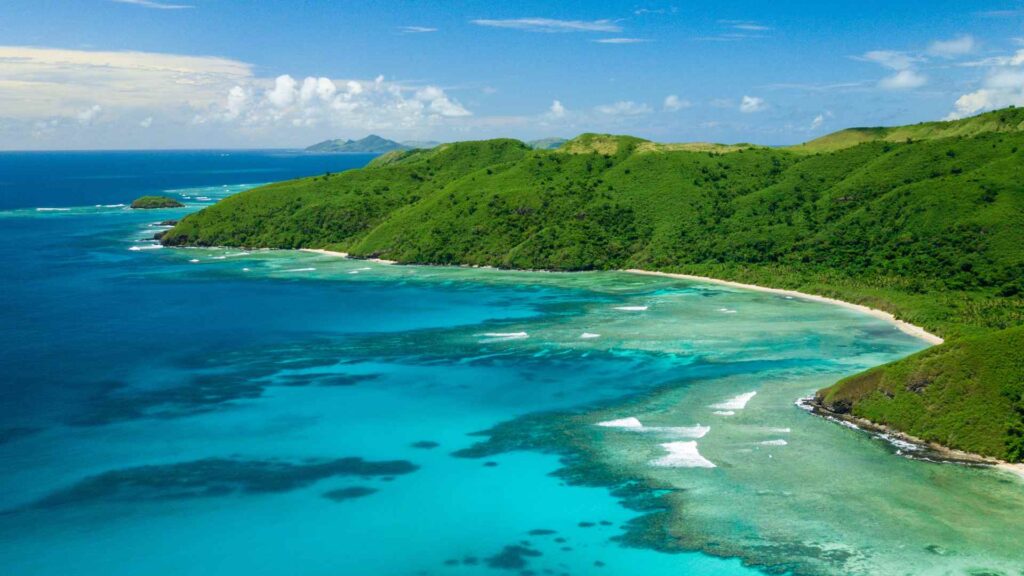
Savusavu is a tiny, laid-back town on Vanua Levu, Fiji’s second-largest island. It sits on a sheltered bay that locals call a “hidden paradise,” and it is one of the gentlest, greenest port days in the South Pacific.
Build the tender, road, or boat chain
After tendering to the Copra Shed area, the town sights are close, but waterfalls, gardens, and reef sites are separate outings. Ask a driver or boat operator for pickup, total transfer time, admission or village protocol, and a return to the marina at least 60 minutes before the last tender.
A second boat trip after the ship’s tender creates two weather-dependent links. That is still worth it for divers and keen snorkelers, but a town-and-garden plan is more resilient for families, cautious swimmers, or anyone who wants an easy return.
- Best easy day: hot-spring viewing, the market, pearl showroom, and waterfront on foot.
- Best land outing: choose either Flora Tropica or a guided waterfall visit, not a rushed list of both.
- Best water outing: a local bay or reef trip that publishes a cruise-compatible return time and explains certification, current, and ladder access.
My quick take
Treat Savusavu as a slow nature-and-water day, not a checklist sprint. It is a tender port with a walkable little main street, so a short list done well beats trying to see the whole island.
If you like this stop, it pairs naturally with Fiji’s bigger ports at Suva and Lautoka.
The quick facts
- Where you land: ships anchor out in Savusavu Bay and run tenders ashore. Per the Savusavu Tourism Association, tenders drop you at the Copra Shed Marina, at one end of the main street.
- Dock or tender: Ships anchor offshore and tender ashore; this is a small town with no big-ship wharf, so getting ashore depends on calm conditions in the bay.
- Into town: You are basically already there.
- Currency and language: The Fijian dollar (FJD); English is an official language and widely spoken, alongside Fijian and Fiji Hindi.
- Time zone: Fiji Time (UTC+12).
- How often the call is missed: Medium (roughly 3 to 7%): tropical storms can make the approach unsafe.
Getting around
The town itself is a walking town. The hot springs, market, marina and waterfront cafes are all within a few minutes of where the tender lands.
For anything farther out (gardens, waterfalls, dive sites), taxis wait near the landing and dive and pearl operators run their own boats. Agree a taxi price before you set off, since meters are not common here.
Fiji drives on the left, and the roads out of town are narrow and winding, so for a short port call a driver or booked tour is easier than a rental car.
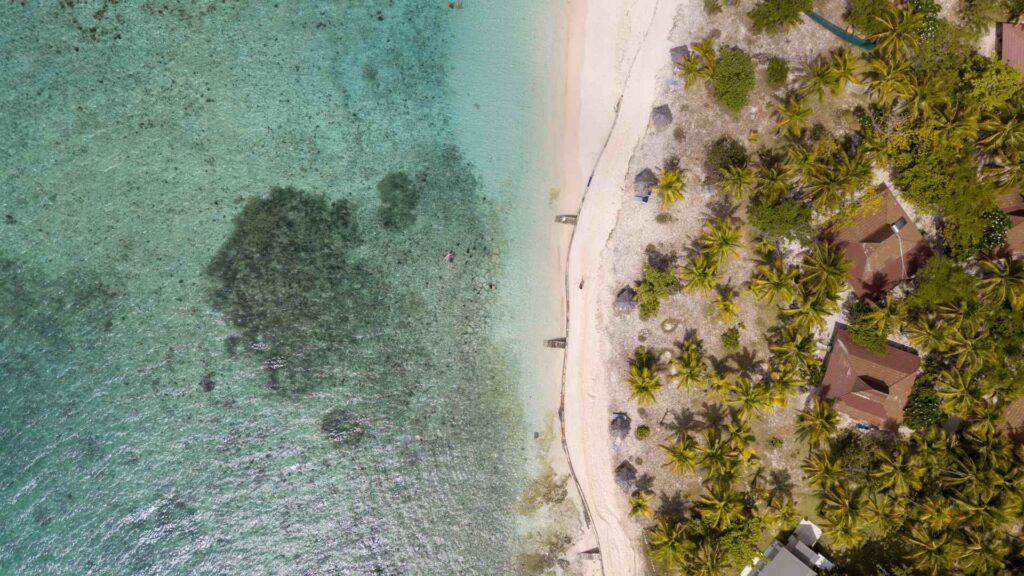
The stops I’d actually spend time on
Savusavu rewards a short, well-chosen list. These are the places worth your limited hours ashore.
1. The Nakama thermal hot springs
Savusavu sits on top of geothermal vents, and steam drifts up from the ground right in town. The Nakama hot springs are a genuine local curiosity and an easy walk from the landing.
Fun fact: the water runs hot enough that locals boil food in it, and you will often see pots of taro or cassava cooking in the springs. The pools themselves are for looking, not swimming.
2. Copra Shed Marina and the waterfront
The Copra Shed is where your tender lands and the heart of the town’s small yachting scene. It has a cafe, a restaurant and the Savusavu Yacht Club, all looking over the bay.
Savusavu is a favorite storm-season shelter for cruising yachts, so the marina is a relaxed spot to watch boats come and go with a cold drink.
3. J. Hunter Pearls farm
J. Hunter Pearls farms cultured pearls right in Savusavu Bay, and its showroom sits on the main street a short walk from the landing.
Fun fact: Fiji’s pearls are prized for unusual natural colors, from metallic blues and cool greens to bright bronzes, per Tourism Fiji. Boat tours out to the oyster lines run on set days, so check timing before you commit.
4. Snorkeling and diving off Savusavu
Tourism Fiji calls the waters off Vanua Levu some of Fiji’s best for snorkeling and scuba diving, especially near Savusavu. Local operators run half-day trips out to reefs in and around the bay.
If you dive, book ahead and confirm the timing fits your ship’s tender schedule, since boats leave from the marina.
5. Namena Marine Reserve
The Namena Marine Reserve is a protected reef system offshore from Savusavu, known for thriving soft-coral walls and big fish life.
It is a long offshore boat commitment and usually a poor fit for a normal cruise call. Consider it only when the ship or an experienced operator explicitly sells a cruise-timed trip with a conservative return.
6. Rainbow Reef in the Somosomo Strait
Fiji’s famous Rainbow Reef, in the Somosomo Strait toward Taveuni, is world-class for soft corals but too far for a normal Savusavu port day. Save it for a Taveuni call unless your ship offers a dedicated trip and guarantees the transport chain.
7. Flora Tropica Gardens
A short drive from town, Flora Tropica is a hillside botanical garden. Tourism Fiji notes its real stars are the roughly 250 species of palms, alongside creek flats of ornamentals and fruit trees.
It is a calm, shady stop for anyone who would rather stay on land than get on a boat.
8. Vuadomo Waterfall
Vuadomo is a rainforest waterfall reached through a local village, a short forest walk from the road. Because it sits on village land, visits usually include a small entry fee and the courtesy of a village welcome.
Dress modestly and follow your guide’s lead, and you may be offered a traditional sevusevu (kava) welcome.
9. Waisali Rainforest Reserve
Waisali is a protected patch of native rainforest in the hills inland from Savusavu, with marked walking trails and birdlife. It is a quiet, green half-day for eco-minded travelers who booked a driver.
10. Savusavu town and the market
The single main street is the easiest thing to do, and one of the best. Wander the produce market, browse Fijian handicrafts and buy tropical fruit, all within a few minutes of the tender.
A friendly “Bula” goes a long way, and Saturday mornings are the liveliest at the market.
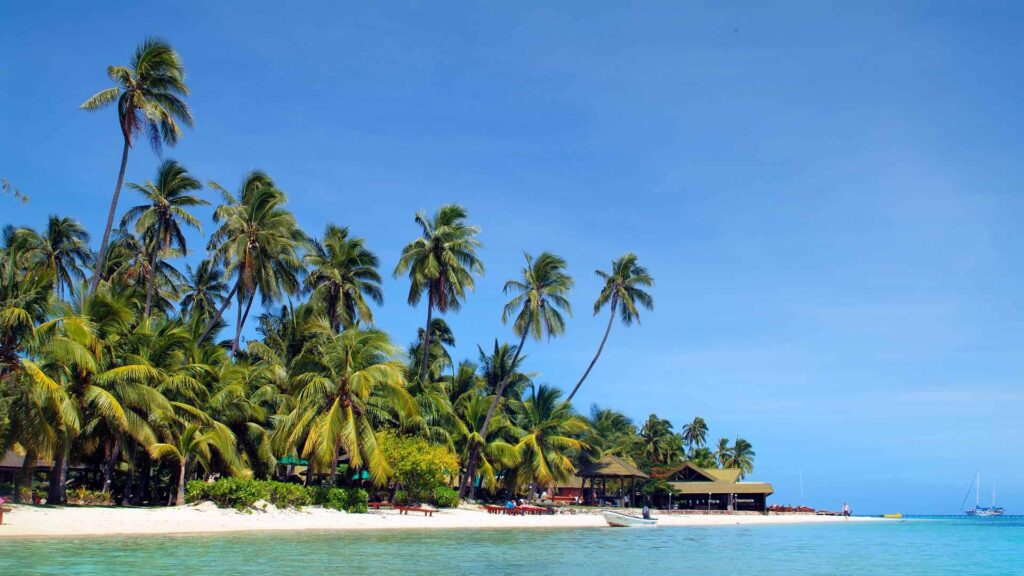
How I’d plan the day
Short on time (about 3 hours): Walk the main street, see the Nakama hot springs, browse the market, and finish with a drink at the Copra Shed. All of it is on foot from the tender.
A relaxed half day (about 5 hours): Add a taxi out to Flora Tropica Gardens or the J. Hunter Pearls showroom and tour, then back to town with time to spare.
A full day (about 8 hours): Book a morning snorkel or dive trip, or a village-and-waterfall outing to Vuadomo, and build in a generous buffer. Tenders and boat trips both depend on the weather, so leave margin before all-aboard.
A realistic word on accessibility
This is a tender port, so getting ashore means stepping between a moving tender and the landing, which is hard to manage with a wheelchair or unsteady footing. The town waterfront is flat but paths and market ground are uneven.
If mobility is a concern, ask your cruise line directly how tenders will run on the day, since rough conditions in the bay can change everything. For more on this style of port, see my guide to the nearby Dravuni Island stop.
When to go, and the weather
Most South Pacific cruises call in the drier, cooler season from roughly May to October, which is the most comfortable time to be ashore. The wetter season brings warmer, more humid days and heavier tropical showers.
Whenever you visit, pack light breathable clothing, reef-safe sunscreen and something for a sudden downpour.
Quick answers
Is Savusavu a dock or a tender port?
It is a tender port. Ships anchor in Savusavu Bay and bring passengers ashore by tender to the Copra Shed Marina.
Can I explore Savusavu on foot?
Yes. The hot springs, market, shops and marina are all a short, flat walk from where the tender lands, while gardens, waterfalls and dive sites need a taxi or a booked tour.
Is Fiji safe to visit?
The US State Department places Fiji at its lowest advisory tier, Level 1 (exercise normal precautions). Always check the current Fiji travel advisory before you sail.
How this guide was researched: Unless a first-hand visit is explicitly identified above, this guide is based on independent research using official port, tourism, transit, government, and attraction sources where available. Logistics and time-sensitive details were reviewed in September 2026; see our Editorial Policy.