Mississippi or Ohio: Choosing a US River Cruise
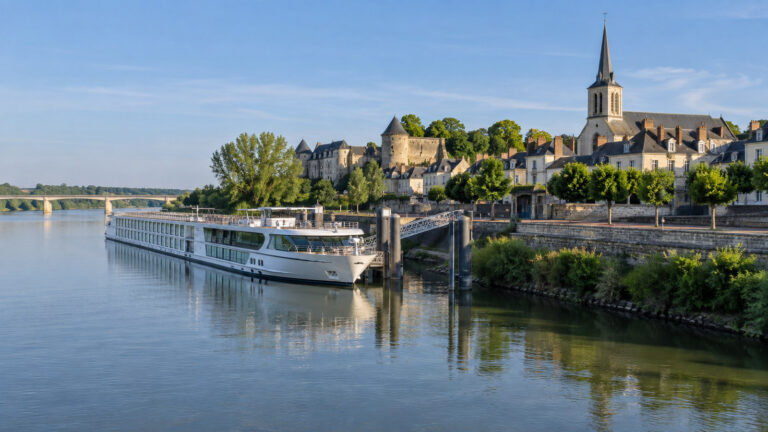
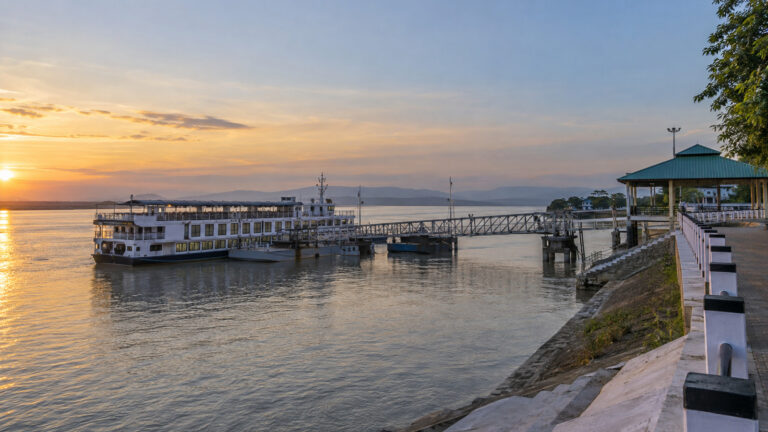
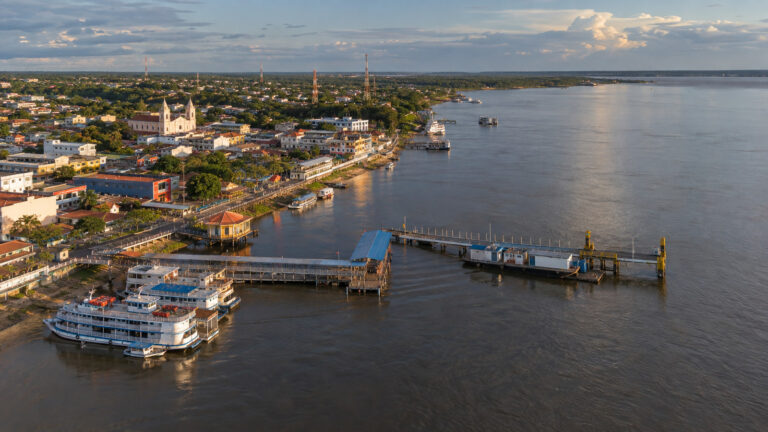
Both of these boats look the same, cost about the same, and sail the same country. What separates them is how much of your week you spend walking a small downtown versus sitting on a motorcoach, and nobody tells you that before you book.
My quick take
The Mississippi is the famous one and the Ohio is the easy one. That sounds like a compliment to the Ohio, and mostly it is.
But if this is your first US river cruise, I would still send you down the Lower Mississippi. You came for the history and the names, and that river hands you both without you having to explain the trip to anyone.
The quick facts
- Route shape: The Mississippi runs New Orleans to St. Paul, the Ohio runs Louisville to Pittsburgh.
- Trip length: Mississippi segments usually run 8 to 15 days, Ohio itineraries are typically shorter.
- Ships: Nearly identical American riverboats, generally topping out around 180 passengers.
- Bus time: Heavy on the Lower Mississippi, much lighter on the Ohio.
- Best months: Spring and fall on both, with high summer humidity worth avoiding.
What a Mississippi cruise actually is
The river splits into two completely different products. The Lower Mississippi runs New Orleans to Memphis with no locks at all, and the Upper Mississippi runs St. Louis to St. Paul through a staircase of more than twenty five locks and dams.
Lower river calls are Oak Alley, St. Francisville, Natchez, Vicksburg and Memphis, with a few smaller Delta landings mixed in. Upper river calls are Hannibal, Dubuque, Winona, Red Wing and St. Paul, and they feel like a different country.
Full river sailings exist and run 22 or 23 days, which is a lot of river. I would take two shorter trips instead, and the port by port rundown from New Orleans to St. Paul makes the case for splitting it better than I can here.
What an Ohio cruise actually is
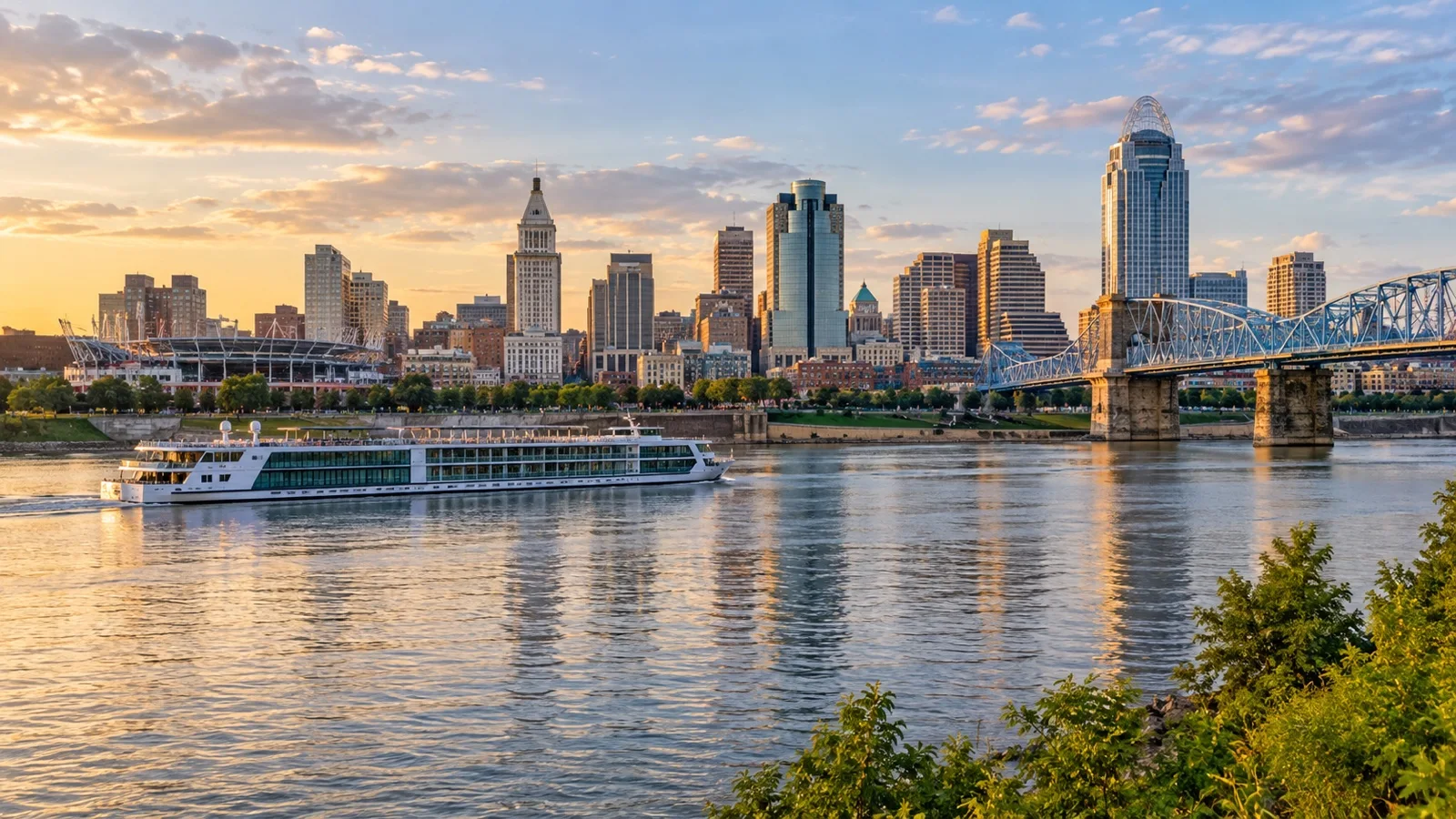
The Ohio is a tighter, more compact itinerary with seven main stops between Louisville and Pittsburgh. Madison, Cincinnati, Maysville and Marietta carry most of the trip, with Henderson and Evansville sometimes paired as a regional call.
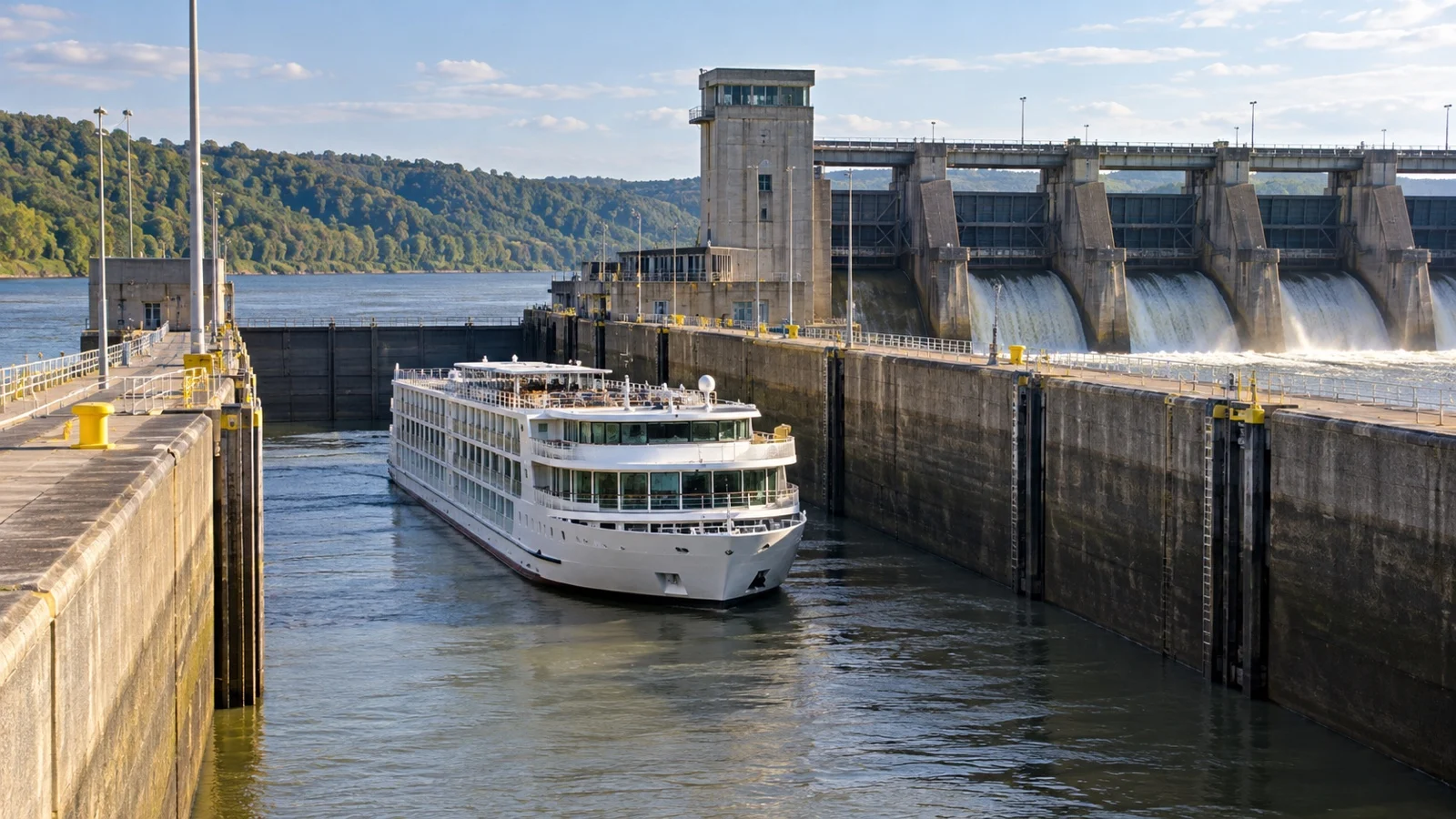
The whole river is a managed navigation channel, held at nine feet (2.7 m) year round by a long chain of locks and dams on the upper stretches. That means your boat can run the route in most conditions, and it also means you will sit and wait for a lock more than once.
The character of the trip is small industrial river towns with very good historic cores. It is less famous, less photographed and considerably less crowded, which the dock by dock guide from Louisville to Pittsburgh lays out stop by stop.
What you actually look at from the deck
Nobody warns first timers that the Lower Mississippi is not scenic in the way a brochure implies. It is wide, brown, powerful and hemmed in by levees, and for long stretches you are looking at a treeline and a barge tow.
The Upper Mississippi is the genuinely pretty part, with limestone bluffs, wooded islands and the eagles that go with them. If scenery is your priority on the Mississippi, book north of St. Louis and go in fall.
The Ohio sits in the middle. Rolling hills, wooded banks, bridges and river towns, plus more visible industry than the Upper Mississippi and considerably more shape than the Lower.
The towns, and how good they really are
This is where the Ohio quietly wins, and I do not think that is close. Madison, Marietta and Maysville all put a real historic downtown within a short walk of the gangway.
Marietta lands you on the levee with Front Street shops maybe 3 to 10 minutes away on foot. Madison gives you a 133 block National Historic Landmark district with more than 1,800 contributing buildings, and the walk into that historic downtown is usually 5 to 15 minutes.
Mississippi small towns are a different arrangement. Natchez and Vicksburg both have real downtowns, but a lot of the lower river calls are a landing with a bus waiting, and the town is not the point of the stop.
History is the reason you are on either river
The Mississippi’s history is heavier and better told than it used to be. Vicksburg gives you a siege battlefield with more than 1,400 monuments, a national cemetery holding over 17,000 graves, and a raised Civil War gunboat.
Natchez does the harder work. The protected sites there cover the planter class, the people they enslaved, and a free man of color whose diary survives, which is a long way from the moonlight and magnolias version.
The Ohio’s history is earlier and less familiar. Marietta was founded in 1788 and has a stockade museum plus Indigenous earthworks in an old burial ground.
Maysville has its riverfront murals and the Old Washington district a short drive inland. Madison has Underground Railroad sites and Federal and Greek Revival streets that survived because nobody there ever got rich enough to knock them down.
How much of your week is spent on a bus
This is the question I would actually decide on, and it is the one people never ask. On the Lower Mississippi, the motorcoach is frequently the only way off the levee and into whatever you came to see.
A plantation, a battlefield, a museum or a distillery, reached by coach, is the standard shape of the day. If you like being handed a schedule and a headset, that is fine, and if you hate it you will notice by day three.
The Ohio flips it. Four of the seven stops are short walks into a compact downtown, and you only really need a ride in Louisville and Pittsburgh, where one booked attraction plus a car beats trying to cover a whole modern city.
The boats are nearly identical, and that matters
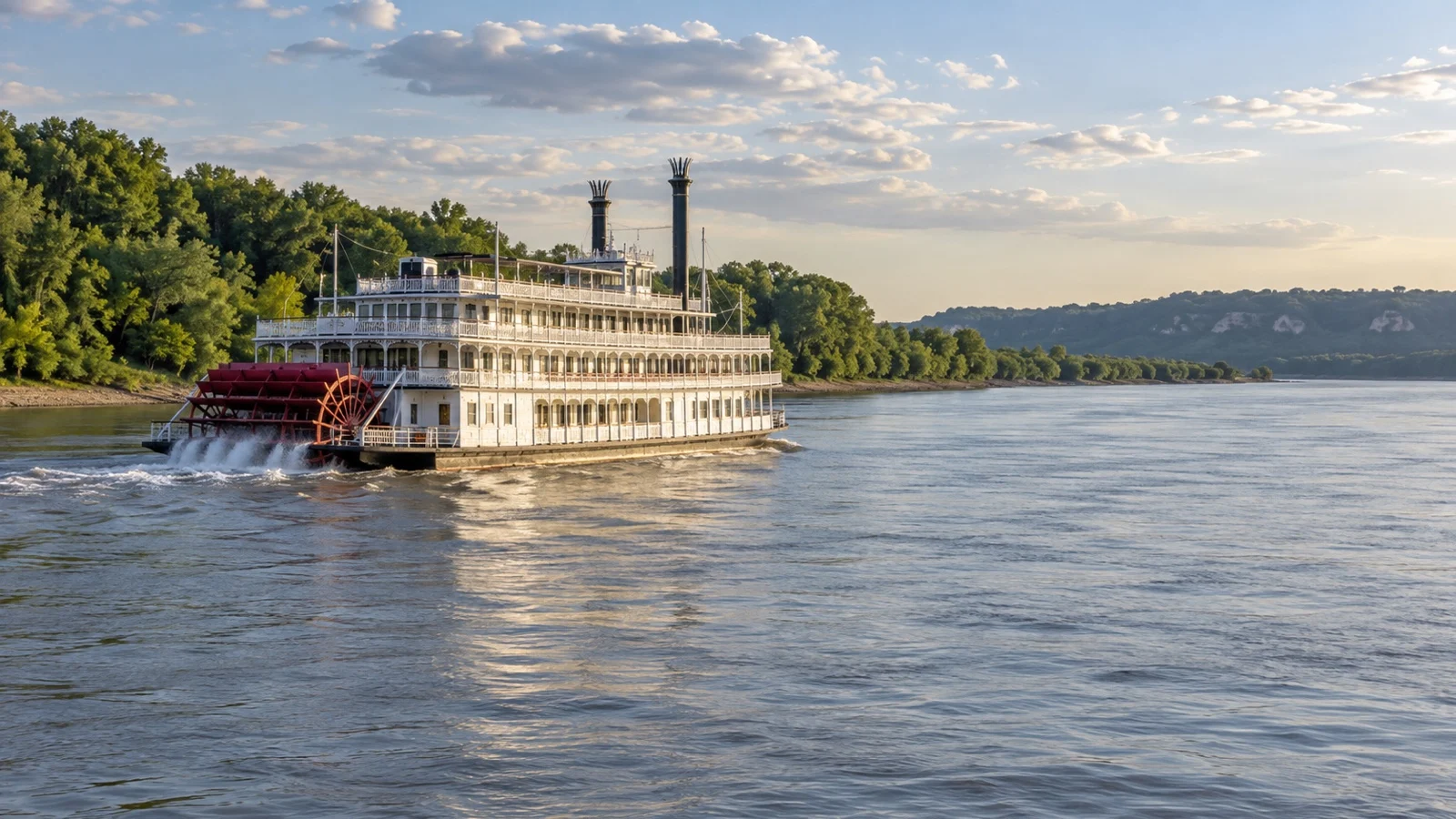
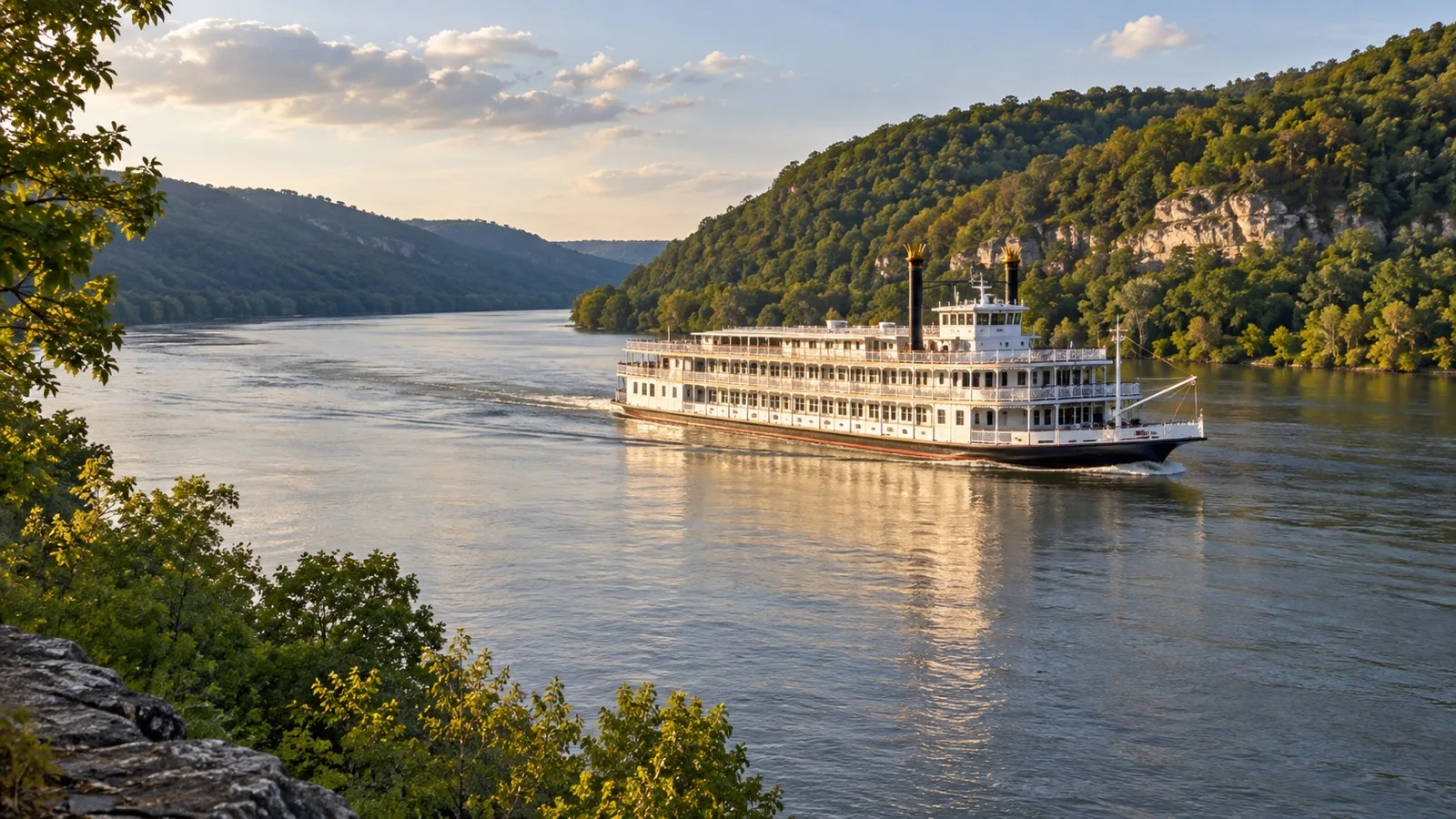
You are not choosing between two products, you are choosing between two routes on much the same hardware. American riverboats are wide, they carry real promenade decks and usable balconies, and a few of them have a paddlewheel that is more theater than propulsion.
Do not expect a bargain because it is domestic. A week on either river tends to cost as much as a week on the Rhine and often more, which surprises people every single time.
The daily rhythm also runs about an hour earlier than Europe, with dinner nearer 6 pm than 7 pm. If you want the full picture of that difference, the piece on why the Mississippi feels so different from a European river covers the inclusions and the pace.
Where you tie up changes almost every morning
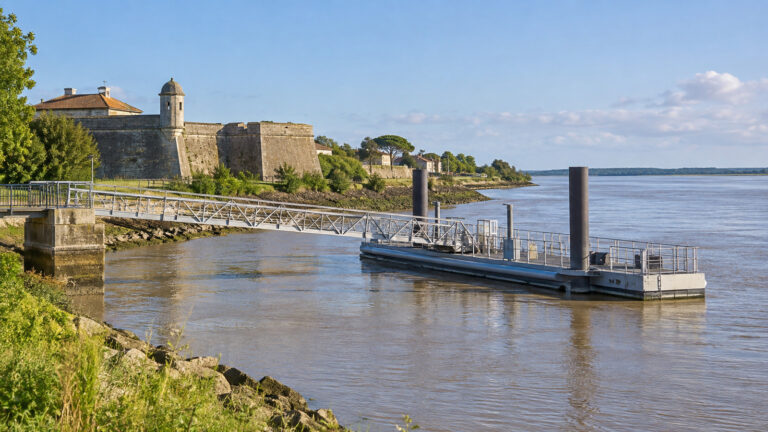
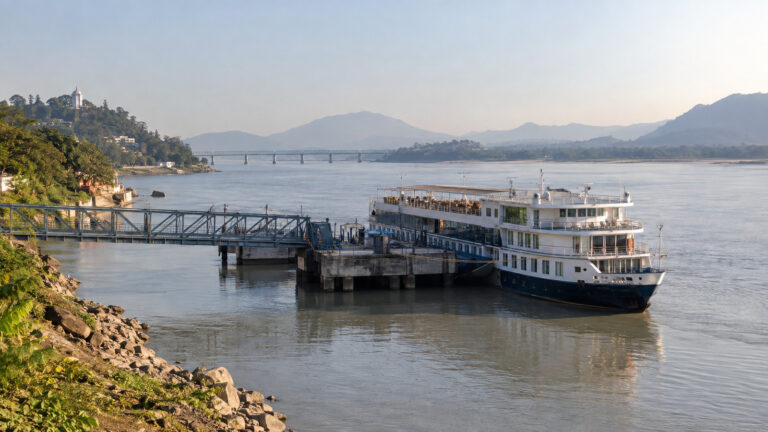
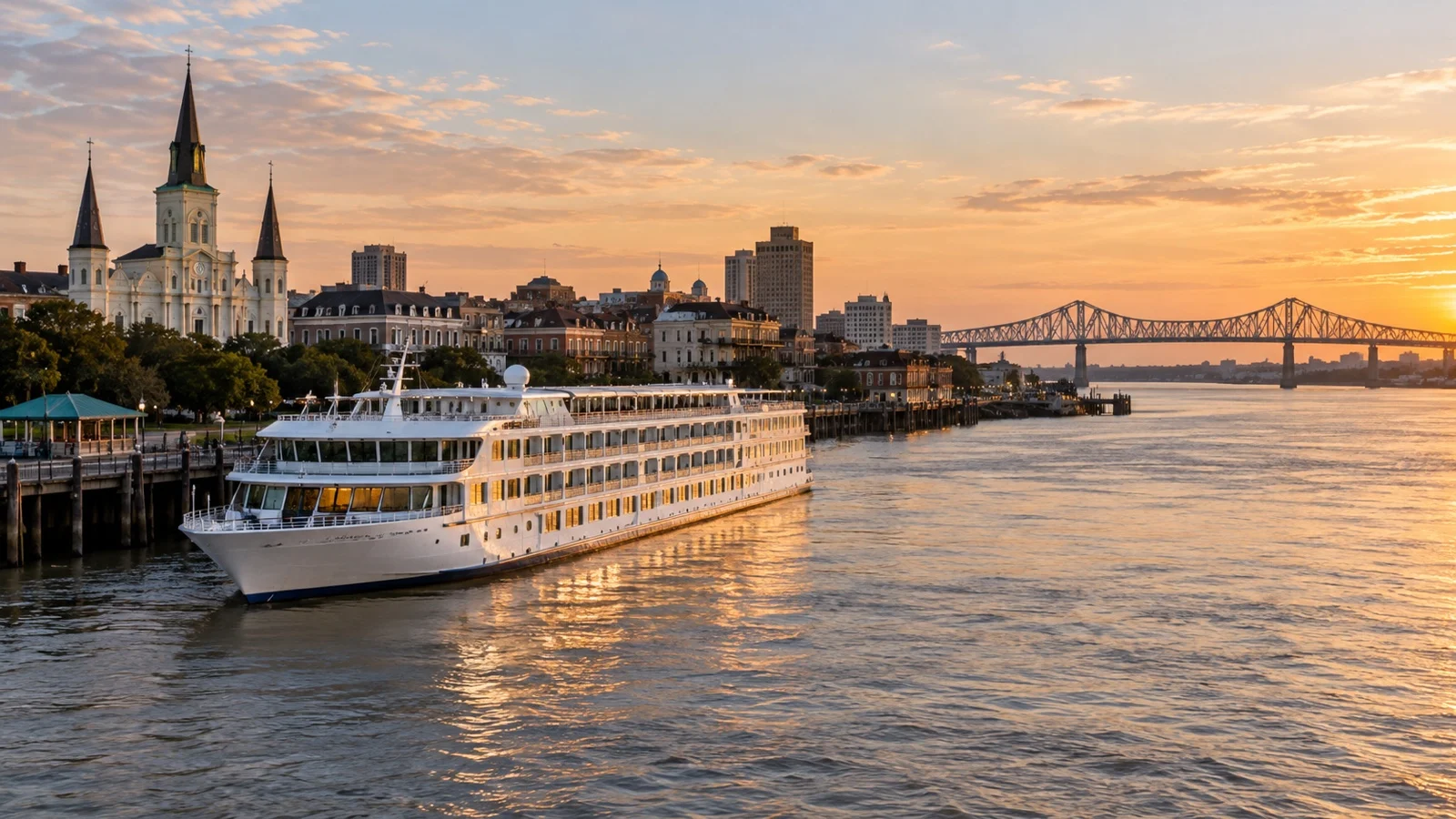
Neither river gives you a tidy row of purpose built river cruise berths. One morning is a proper city wharf and the next is a bow ramp lowered onto a levee or a grassy bank.
On the Mississippi, only a handful of stops have real wharves, and New Orleans, Memphis, St. Louis and St. Paul carry most of that load. The landing at Memphis is one of the few places where you step off and are simply in the city.
On the Ohio it is a similar mix of public landings and small town levees. Either way, treat the exact gangway position as a day of sailing detail rather than something you can plan a week around.
Locks, dams and the water level question
The Lower Mississippi has no locks between St. Louis and the Gulf, which is why those itineraries move so freely. The Upper Mississippi is the opposite, and locking through the pools eats several afternoons of your trip.
Some people love watching a lock. If that is not you, know in advance that the northern half of the Mississippi and the Ohio both include a fair amount of it.
The bigger operational risk on the Ohio is high water rather than low. Spring flooding can suspend locking or force a landing change, and your day gets rearranged rather than canceled.
Season, and the weeks I would actually pick
The Lower Mississippi is best in March, April, October and November, when days sit in the 70s (around 22 C). July and August are humid, hot and not worth the discount.
The Upper Mississippi peaks late September into early October, with days around 60 to 68 degrees (16 to 20 C) and the bluffs turning color. It is a short window and it prices accordingly.
The Ohio works across a wider spring to fall stretch. I would aim for late spring or early fall and skip the deep summer, mostly because you will be walking those historic downtowns rather than sitting in air conditioning on a coach.
The cities at each end do a lot of work
The Mississippi bookends are hard to beat. New Orleans and Memphis are both worth extra nights on their own, and St. Paul sits beside a 72 mile (116 km) protected river corridor that runs straight through the Twin Cities.
The Ohio bookends are strong but narrower. Louisville gives you bourbon, the racetrack and a very good waterfront, and Pittsburgh gives you the Point, the museums and a genuinely striking arrival by water.
Build an extra night at each end regardless of which river you pick. These are inland airports with thin schedules, and I would not gamble a same day connection on either trip.
What people get wrong about the Ohio
People assume the Ohio is the consolation prize, the route you take when the Mississippi is sold out. That is backwards for anyone who wants to walk rather than ride.
The other mistake is expecting the Mississippi to look like the poster. The Lower river is a working waterway with levees on both sides, and the reward is what the buses take you to, not what you see from the rail.
Which one a first time US river cruiser should book
Book the Lower Mississippi, New Orleans to Memphis, in spring or fall. The history is the strongest on offer in American river cruising, the bookend cities are worth flying for, and it is the trip that will tell you whether this style of cruising suits you at all.
Then do the Ohio second, and you will probably enjoy it more. That is not a contradiction, it is just what happens when you already know how the boats work and you can appreciate a walkable town for what it is.
The one exception is buses. If a scheduled motorcoach every day would genuinely ruin your vacation, skip the Lower Mississippi entirely and start on the Ohio.
Quick answers
Is the Ohio River cruise cheaper than the Mississippi?
Not meaningfully, because it is the same operator and much the same boats. Shorter itineraries cost less in total, but the nightly rate lands in a similar place.
Which river has more walkable stops?
The Ohio, clearly. Madison, Cincinnati, Maysville and Marietta all put you within a short walk of a real downtown.
When is the best time to cruise the Mississippi?
Spring and fall for the lower river, and late September into early October for the upper river and its fall color. Avoid the humid middle of summer if you can.
Do American riverboats have real paddlewheels?
A few carry one, but on modern hulls it is decorative rather than the thing pushing the boat. Most of the fleet does not have one at all.
How long should a first US river cruise be?
Somewhere around eight to ten days is plenty for a first trip. The 22 day full Mississippi is a wonderful idea and a poor first experiment.
Final word
These two rivers sell the same boat and deliver two different vacations. One is a history trip with a coach attached, and the other is a small town walking trip with a river in front of it.
Start with the Mississippi because it is the one you will regret skipping, and go back for the Ohio because it is the one you will want to repeat. If you only ever do one of them, pick based on how you feel about buses, since that single answer settles it faster than any brochure will.
How this guide was researched: Port stops, docking arrangements, lock and dam counts, walking distances and seasonal weather patterns for both rivers were checked in November 2026 against official navigation and park information. Itineraries, dock assignments and river conditions change from season to season, so confirm the ports and landing arrangements for your own sailing. See our Editorial Policy.
More on this topic: browse every guide on river cruise planning.