United Arab Emirates Cruise Ports: Dubai and Abu Dhabi Compared
Dubai and Abu Dhabi make an unusually strong cruise pairing because they share modern terminals, reliable infrastructure, and ambitious skylines while offering very different days ashore. Dubai is bigger, faster, and more fragmented, while Abu Dhabi feels calmer and puts museums, palaces, beaches, and the Corniche into a more focused plan.
The critical planning detail is your exact terminal, especially in Dubai. “Dubai cruise port” can refer to Mina Rashid near the old city or Dubai Harbour beside the marina district, and those locations create completely different transportation choices.
Quick facts about UAE cruise ports
- Main cruise cities: Dubai and Abu Dhabi
- Dubai terminals: Mina Rashid and Dubai Harbour
- Abu Dhabi terminal: Abu Dhabi Cruise Terminal at Zayed Port
- Best first visit: Dubai for icons, Abu Dhabi for a calmer cultural day
- Best public transportation: Dubai, once you connect to the metro or tram network
- Best simple taxi day: Abu Dhabi
- Currency: United Arab Emirates dirham
- Ideal season: The cooler months from late fall through early spring
Dubai cruise port
Dubai is not a single compact sightseeing district, and the city’s headline attractions spread across a long coastline. A successful port day begins with the terminal name, then groups two or three compatible areas instead of racing between every landmark.
Mina Rashid
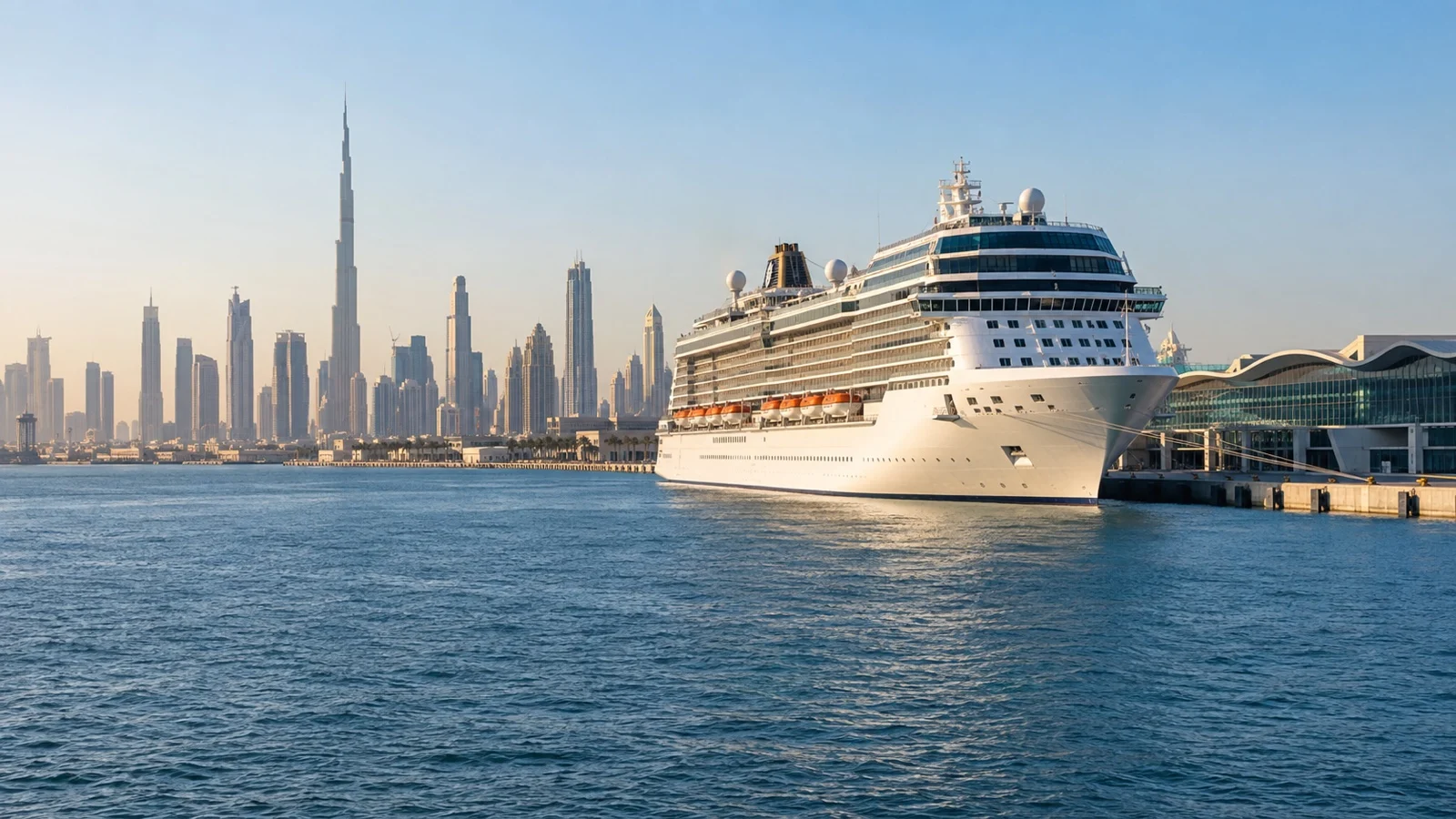
Mina Rashid is the traditional cruise complex near Bur Dubai, the Creek, Al Fahidi, and the historic trading districts. It is the better Dubai arrival for travelers who want souks, abra boats, museums, and a sense of the city’s pre-skyscraper story.
The terminal itself is not a convenient walk to the main attractions, so use a taxi to your first stop or a metro station. Port roads, gates, and ship positions can add time even when the destination looks close on a map.
Dubai Harbour
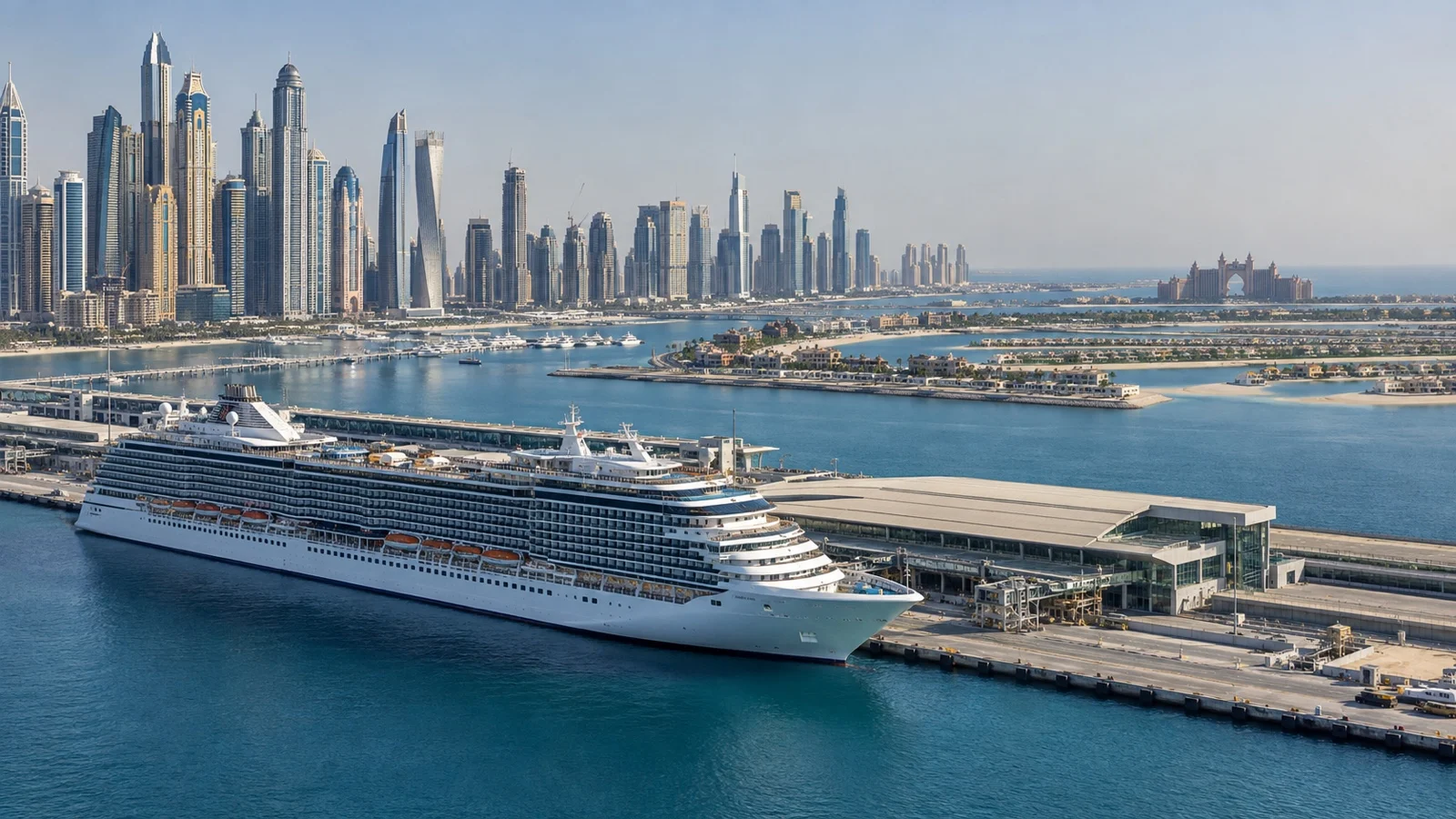
Dubai Harbour sits beside Dubai Marina, Palm Jumeirah, and the modern beach districts. It is the stronger arrival for marina views, resort time, Ain Dubai surroundings, or attractions around the Palm.
Downtown Dubai, the Creek, and the old city are much farther away than the word “Dubai” suggests. Connect to a tram or metro station only after leaving the secured port area, and use a taxi when heat or limited time makes the first transfer impractical.
What to do from Mina Rashid
A focused old-Dubai day can combine Al Fahidi, the Creek, an abra crossing, and the spice or gold souks. Add one modern landmark only if your call is long enough to absorb the cross-city travel.
Travelers determined to visit Burj Khalifa should reserve a timed admission that leaves a large return buffer. Dubai Mall is enormous, and the walk from transportation to the tower entrance can take longer than expected.
What to do from Dubai Harbour
The marina, JBR, Bluewaters area, and Palm Jumeirah fit naturally into one modern-coast itinerary. Choose a beach club, boat trip, observation experience, or resort visit rather than trying to combine every option.
The old city remains possible on a long call, but it requires crossing much of Dubai twice. A private guide or taxi can protect time, while metro use avoids some road congestion but adds walking and transfers.
Abu Dhabi cruise port
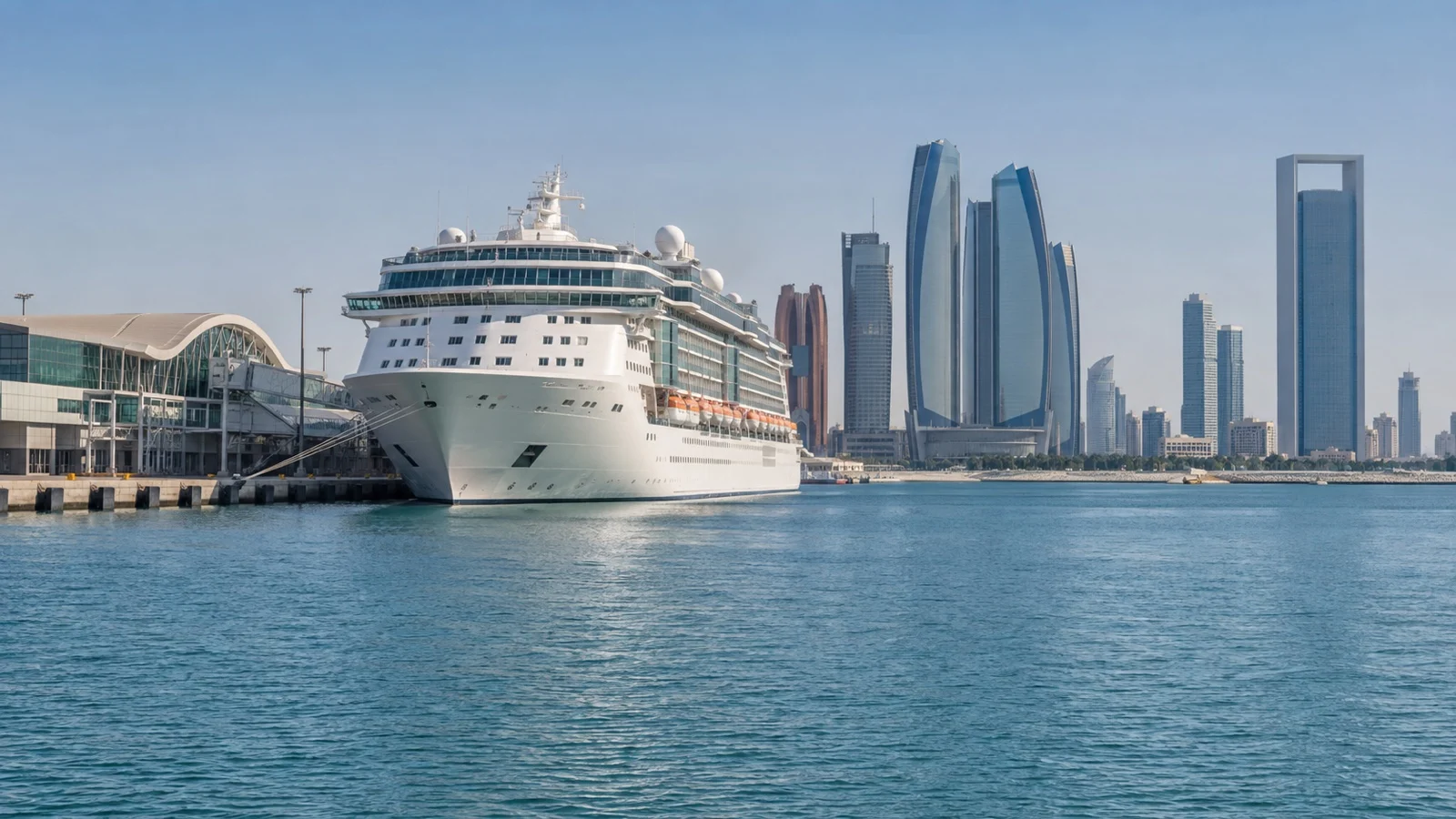
Abu Dhabi Cruise Terminal is at Zayed Port, close to the Mina district and within a practical taxi ride of the Corniche, downtown, and Saadiyat Island. The city is spread out, but its road network and attraction clusters make a well-planned day feel calmer than Dubai.
Taxis are the simplest choice for most cruise passengers. Agree on a clear pickup plan after visiting a major attraction because relying on a random return taxi can waste time during busy periods.
Louvre Abu Dhabi and Saadiyat Island
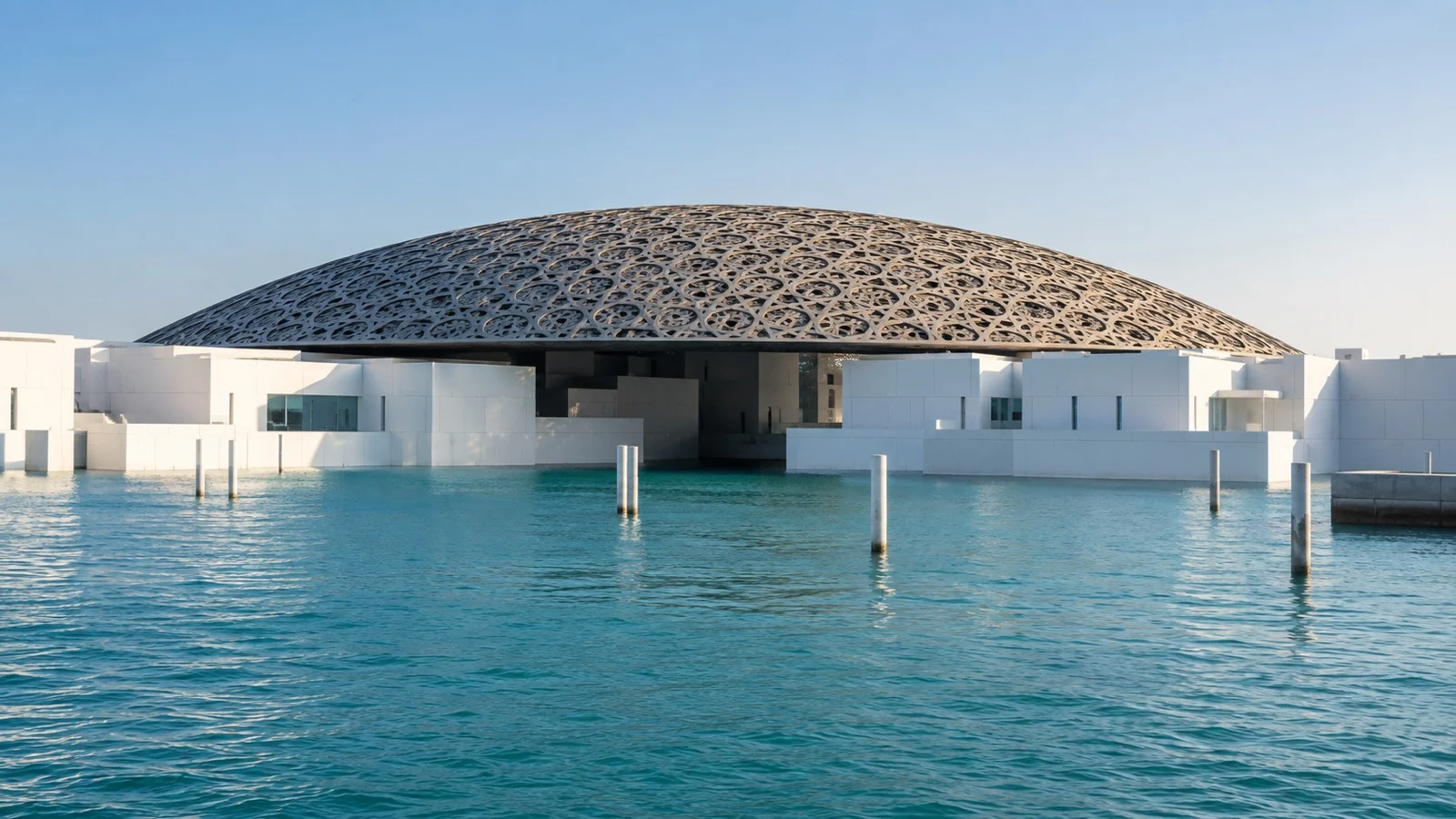
Louvre Abu Dhabi is the easiest major cultural attraction from the cruise terminal and can anchor half a day by itself. The building, shaded dome, waterfront setting, and global collection reward travelers who resist rushing.
Saadiyat’s expanding cultural district makes advance research important because opening schedules and timed-entry systems can change. Reserve only what comfortably fits your port hours.
Sheikh Zayed Grand Mosque
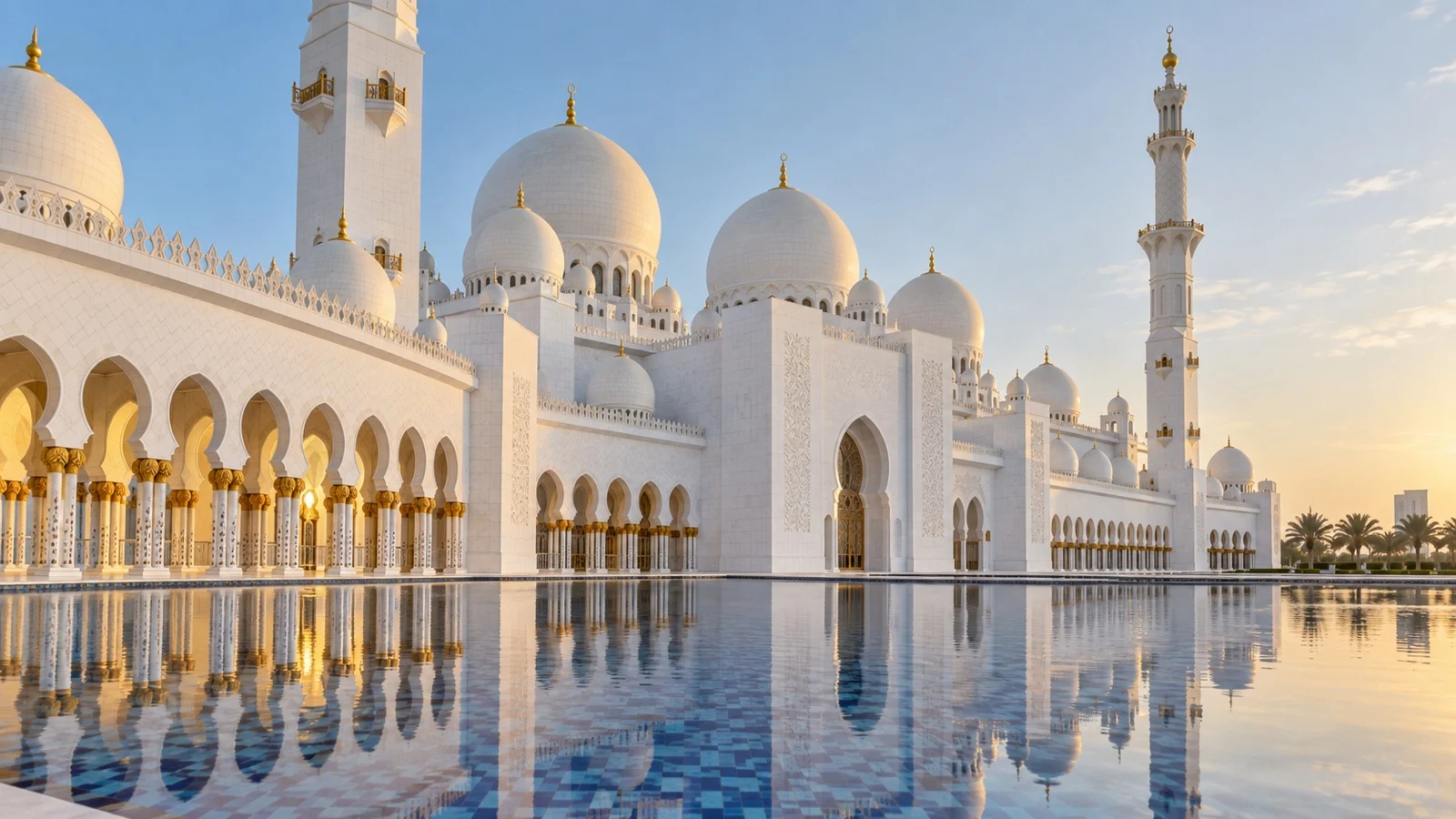
The Grand Mosque is Abu Dhabi’s essential landmark for many first-time visitors. It lies well beyond the port, so reserve the required visitor access, understand the dress code, and allow time for security and the walk through the visitor center.
A mosque visit combines well with Qasr Al Watan or a panoramic city drive, but only on a sufficiently long call. Exact visitor hours can change around worship and religious observances.
Corniche, Qasr Al Watan, and city beaches
The Corniche shows Abu Dhabi’s broad, landscaped side and works well with a palace visit or relaxed beach time. Qasr Al Watan adds architecture, government history, and grand interiors, while nearby hotels can provide carefully managed resort day passes.
Do not underestimate walking distances along the waterfront in heat. Short taxi hops preserve energy and make the day easier for children, older travelers, and anyone dressed for indoor attractions.
Dubai or Abu Dhabi: which is better?
Dubai is better for travelers who want instantly recognizable landmarks, shopping, skyline views, beach clubs, and a huge menu of attractions. It demands stronger geographic discipline because a poorly grouped plan can spend hours in transit.
Abu Dhabi is better for a measured day centered on museums, monumental architecture, palace interiors, and the Corniche. It still requires transportation, but the pace often feels less frantic.
If your itinerary includes both, give Dubai to the modern skyline or old Creek and use Abu Dhabi for the Grand Mosque plus one cultural attraction. That creates contrast instead of repeating malls, beaches, and observation decks.
Transportation and realistic timing
Licensed taxis are widely available and generally the easiest first and last step. Carry the terminal name, ship name, and address because “cruise port” is not precise enough in Dubai.
Dubai’s metro and tram are clean and useful once you reach them, but neither eliminates the port-to-station connection. Buy the correct transit card, avoid prohibited behaviors, and allow for station walking inside enormous commercial districts.
Abu Dhabi sightseeing is usually simplest by taxi, booked driver, or organized tour. Keep a return margin for traffic, security screening, and the distance from the port gate to the ship.
Weather, clothing, and cultural respect
The main cruise season overlaps with the UAE’s cooler months, but midday sun can still feel powerful. Carry water, sunglasses, sunscreen, and a light layer for aggressive indoor air-conditioning.
Dress modestly in public areas and follow stricter published requirements for mosques and religious sites. Swimwear belongs at beaches and pools, while shoulders and knees should be covered in many cultural settings.
During Ramadan, visitors are welcome but opening hours, entertainment, traffic, and dining patterns may shift. Respect local guidance and verify every timed attraction close to the visit.
Accessibility and family planning
Modern cruise terminals, malls, museums, and major attractions generally provide strong step-free infrastructure. The practical challenge is distance, heat, long indoor walks, and getting an appropriate vehicle at the right time.
Families should build the day around one headline attraction and one flexible stop. Young children often enjoy an aquarium, beach, fountain, or short abra ride more than a marathon tour of distant landmarks.
Money, connectivity, and bookings
Cards are widely accepted, but carrying a small amount of dirhams helps with minor purchases and backup needs. Use official taxi meters or app pricing and avoid informal transportation offers.
Timed attractions can sell out during the cruise season, especially at sunset or on weekends. Reserve the experience you care about most, but keep the rest of the day flexible enough to absorb traffic.
Three sensible ways to plan the day
The independent city day
Use a taxi to one compact district, explore on foot, then connect by transit or another taxi to a single reserved attraction. This works best for confident travelers who monitor time and understand the terminal location.
The private-driver day
A licensed driver is valuable when the group wants several distant landmarks, limited walking, or a guaranteed return vehicle. Agree on the itinerary, waiting time, price, and port return in writing.
The ship-excursion day
A ship tour reduces logistical risk for long drives, desert experiences, or packed sightseeing. The tradeoff is a fixed pace, larger groups, and less freedom to linger.
Final thoughts
A note on desert excursions
Desert drives can be memorable, but they consume substantial time and move you far from the ship. Cruise-line tours reduce return risk, while an independent operator should provide licensing, insurance, clear pickup details, and a conservative schedule.
Travelers with back, neck, motion, or pregnancy concerns should read the activity restrictions before booking dune driving. A gentler desert visit, cultural meal, or city-focused day may be the better use of a short call.
Dubai rewards precise geography, while Abu Dhabi rewards a focused cultural plan. Confirm the terminal, group nearby attractions, reserve only the essentials, and protect the return to the ship with a generous buffer.
CruisePorts.co provides practical, independent planning guidance for cruise travelers. Terminal assignments, admission rules, transportation, and opening hours can change, so verify critical details with the port, attraction, and cruise line before travel.