Indonesia Cruise Ports: A Planner’s Guide to Every Stop
Indonesia is not one cruise destination so much as a whole collection of them. A single itinerary can move from Bali’s temple courtyards to Komodo’s dry savanna, then on to Java’s great cities and the green hills of Maluku.
That variety is thrilling, but it also makes planning more important than usual. Some Indonesia cruise ports are easy independent days, some sit behind busy industrial gates, and some require tenders, park guides, or a long drive to reach the landmark that sold you on the itinerary.
Quick Facts for Indonesia Cruise Ports
- Main cruise stops: Benoa in Bali, Komodo Island, Lembar or Gili Mas in Lombok, Tanjung Emas in Semarang, Tanjung Priok in Jakarta, and Ambon.
- Dock or tender: It varies by ship, berth, sea conditions, and port schedule, so treat the cruise line’s daily program as final.
- Currency: Indonesian rupiah, written as IDR or Rp.
- Language: Bahasa Indonesia is the national language, while English is common in major visitor areas.
- Best planning rule: Book the longest or most logistically fragile excursion first, especially Komodo and Borobudur.
- Weather: Tropical heat and humidity are normal, but rainfall patterns differ across this vast archipelago.
- Entry paperwork: Check current visa and arrival declaration requirements for your nationality and sailing before departure.
How to Think About an Indonesia Cruise Itinerary
The first mistake is assuming every port day works the same way. Benoa and Tanjung Priok are transport puzzles, Komodo is a controlled nature visit, Semarang often becomes an endurance run to Borobudur, and Ambon rewards travelers who are happy to let a less polished place reveal itself slowly.
I start by circling the days that can fall apart if one link fails. A tender delay, a national park schedule, Jakarta traffic, or a slow drive across Java can matter far more than the admission price at the attraction.
Ship arrival details also deserve respect. A port name on an itinerary may describe a broad destination rather than the exact pier, and a last-minute berth change can alter walking distances, shuttle arrangements, and pickup points.
1. Benoa, Bali
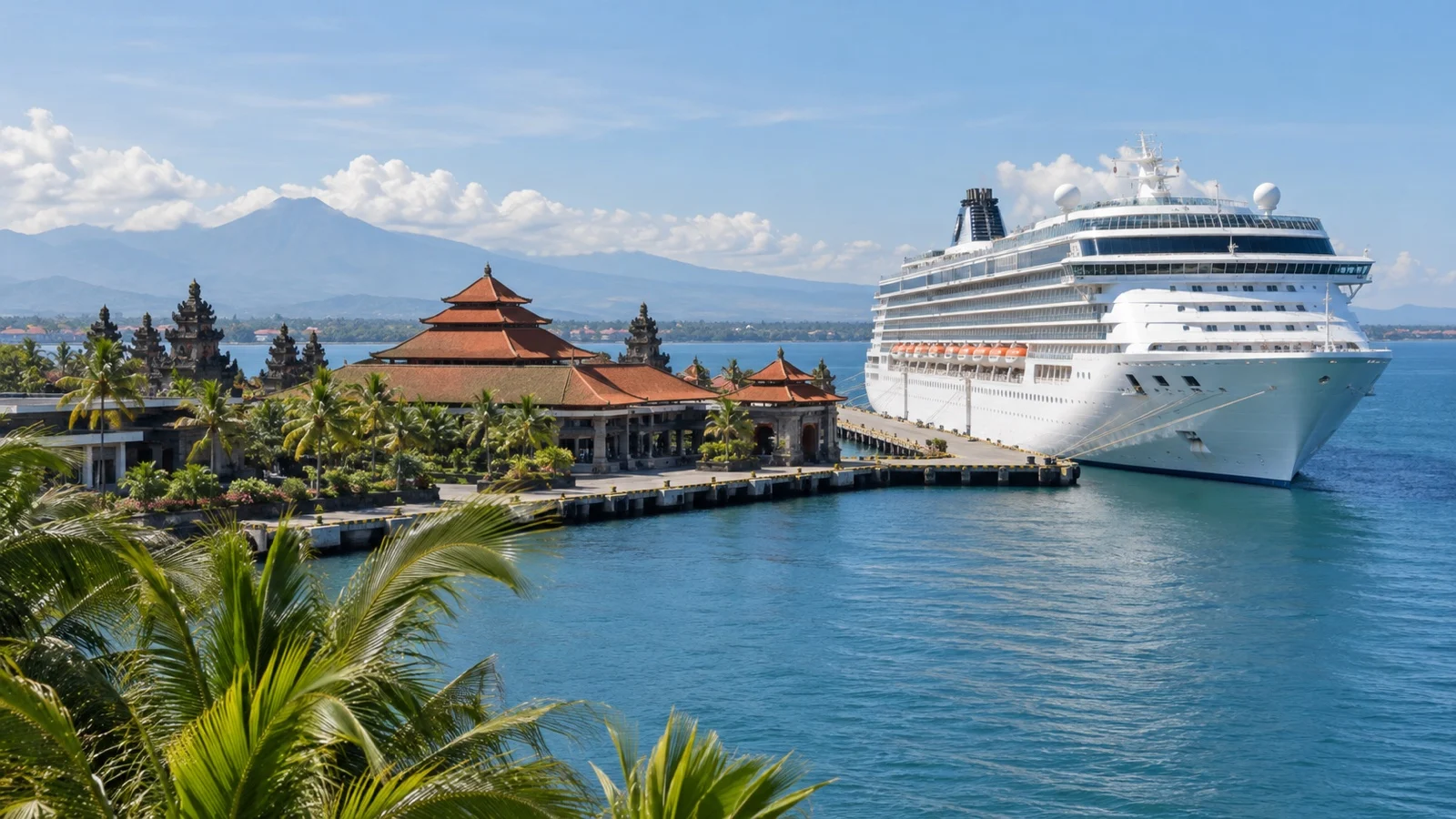
Benoa is the main cruise gateway for southern Bali, but it is not a walk-off port for the island’s biggest sights. Your real decision is whether to stay in the south, travel inland toward Ubud, or commit to a longer temple and landscape route.
For a gentler day, combine a temple, a beach area, and a good Balinese lunch without trying to cross the island. Sanur, Nusa Dua, Jimbaran, and parts of Denpasar are generally more realistic from Benoa than a checklist that jumps from Uluwatu to Ubud and back.
Ubud makes sense when rice landscapes, craft villages, and Balinese culture are the priority. UNESCO describes Bali’s subak landscape as a living system of rice terraces, water temples, canals, and cooperative water management, which is much richer than treating the terraces as a quick photo stop.
Traffic is the variable that can undo an otherwise sensible plan. I would use a cruise excursion or a properly licensed private driver who understands the ship’s all-aboard time, then agree on two essential stops and keep everything else optional.
Temple visits call for covered shoulders and legs, respectful behavior, and attention to local rules. Ceremonies are part of daily religious life rather than entertainment staged around a cruise schedule, so access can change without much notice.
2. Komodo Island
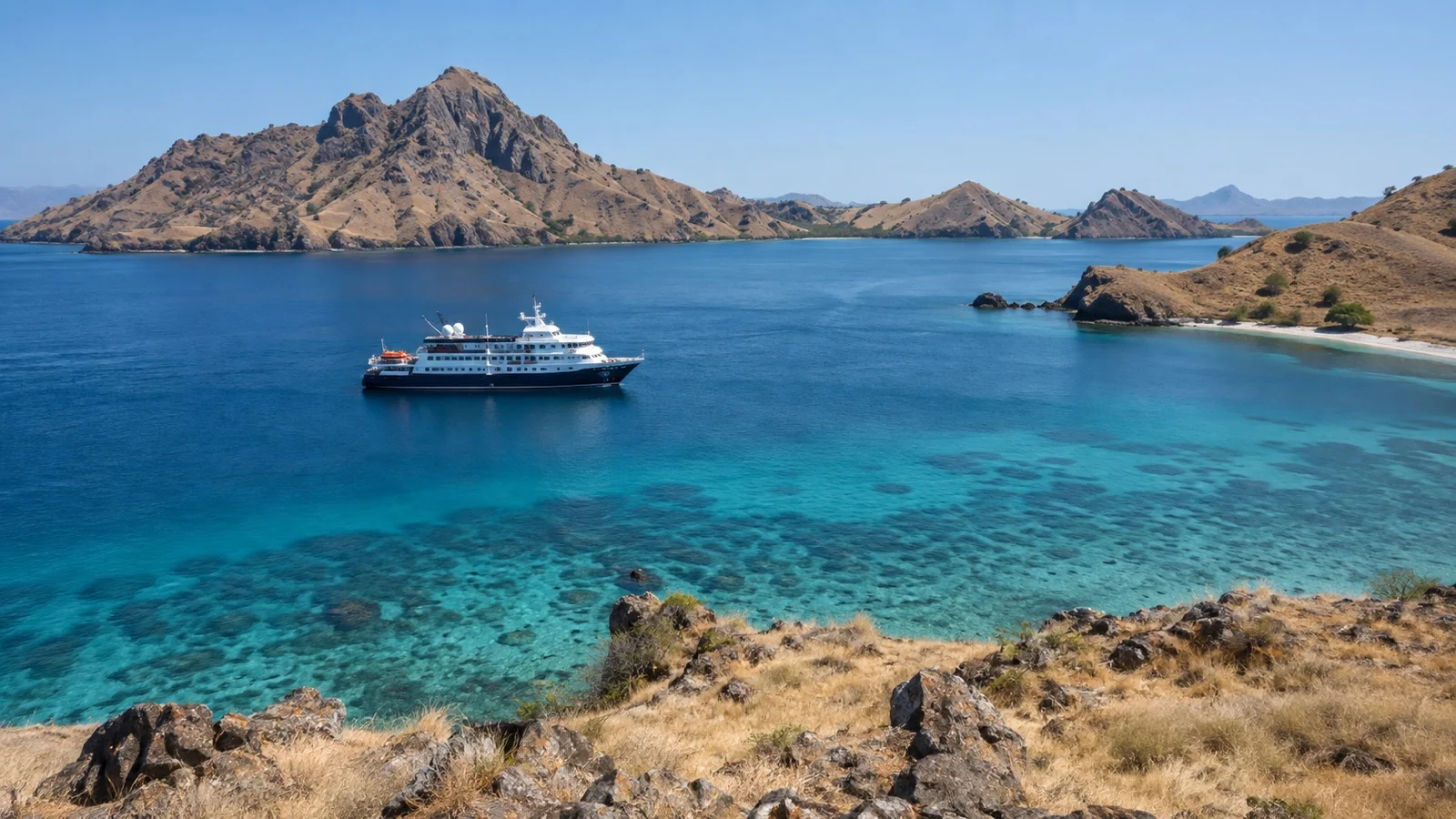
Komodo is the port where I would be least tempted to improvise. The ship normally anchors and guests go ashore by tender or local boat, while the protected park visit operates through authorized arrangements and ranger guidance.
UNESCO’s World Heritage listing covers a landscape of volcanic islands, dry savanna, beaches, coral-rich water, and habitat for wild Komodo dragons. That protection is the reason the day has rules, designated areas, and limits that can feel more structured than an ordinary beach call.
A dragon sighting is never a performance, and wildlife does not work to a timetable. Follow the ranger’s instructions, keep a safe distance, do not carry loose food, and never separate from the group for a better photo.
Heat can be the real challenge. Wear closed shoes with reliable grip, carry water, use sun protection, and choose a route that honestly matches your mobility rather than the version of yourself you imagine on vacation.
Some itineraries pair a ranger-led walk with snorkeling or a beach stop. Sea conditions, currents, tender operations, and park permissions all affect what is possible, so book through a chain of operators you can clearly identify and confirm what is included.
If seeing Komodo dragons is the main reason you booked the cruise, the ship’s excursion offers the cleanest protection against schedule changes. Independent arrangements may be possible on some calls, but I would only consider them with explicit cruise-line approval and a verified park operator.
3. Lombok: Lembar or Gili Mas
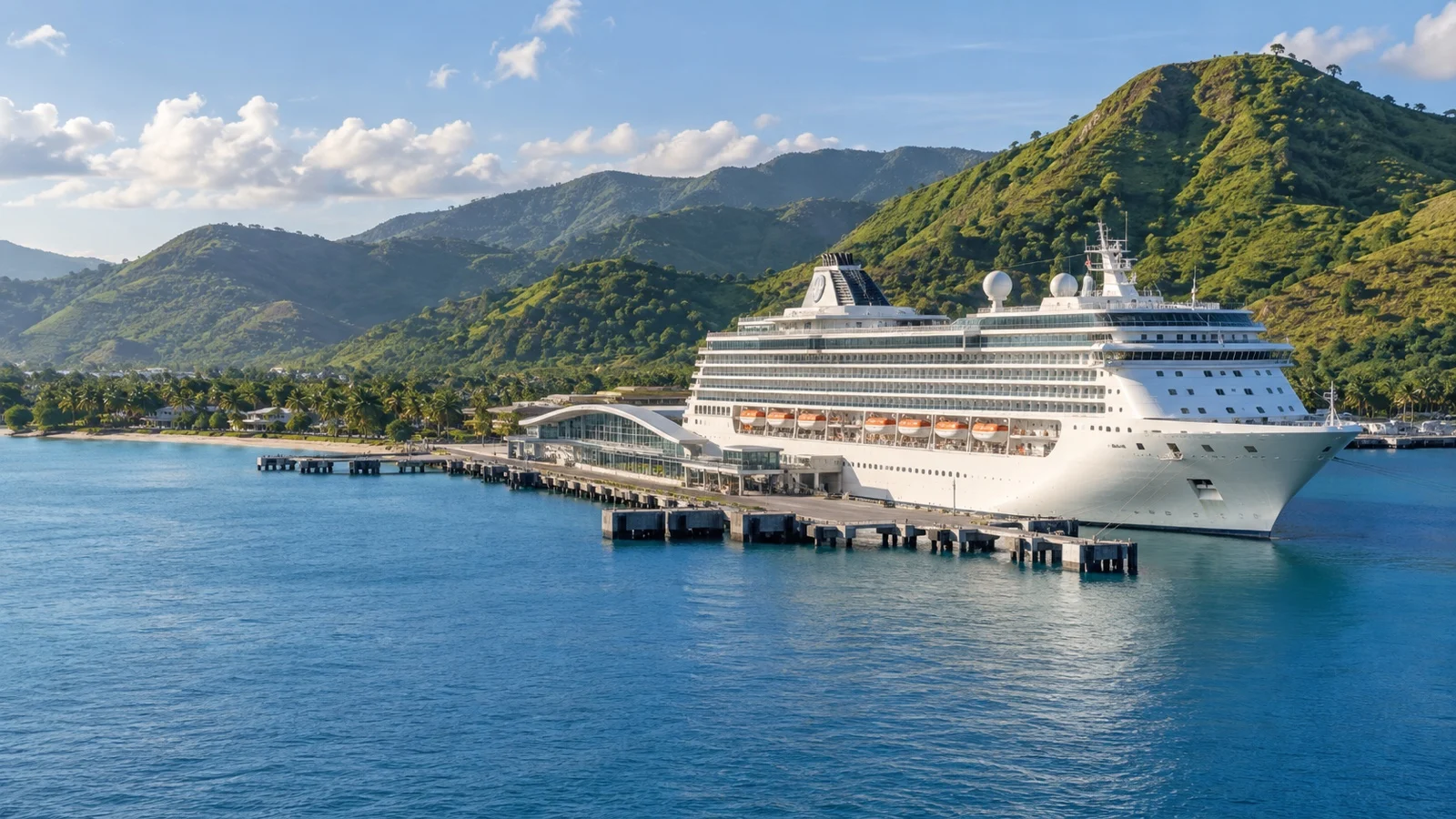
Lombok is calmer than Bali in many places, but its cruise logistics still begin with the terminal name. Ships may use Lembar or the nearby Gili Mas cruise facility, and your pickup instructions must match the actual berth.
The south coast is a strong choice for scenery, beaches, and Sasak cultural experiences. A village visit is most rewarding when it is community-led and unhurried, with enough time to learn about weaving, architecture, and daily life instead of rushing through a staged photo stop.
Waterfalls in northern Lombok look close on a small map and can demand a substantial drive. They may also involve steps, damp surfaces, and uneven paths, so ask about total vehicle time and walking conditions before booking.
A relaxed port day might focus on one coast, a local lunch, and a short cultural stop. That plan leaves room for traffic and gives Lombok space to feel distinct rather than turning it into a smaller copy of Bali.
The Gili Islands are famous, but a cruise-day visit introduces another boat transfer and another weather-sensitive link. Check the complete return schedule and do not assume a public fast boat will fit a ship deadline.
4. Semarang, Java
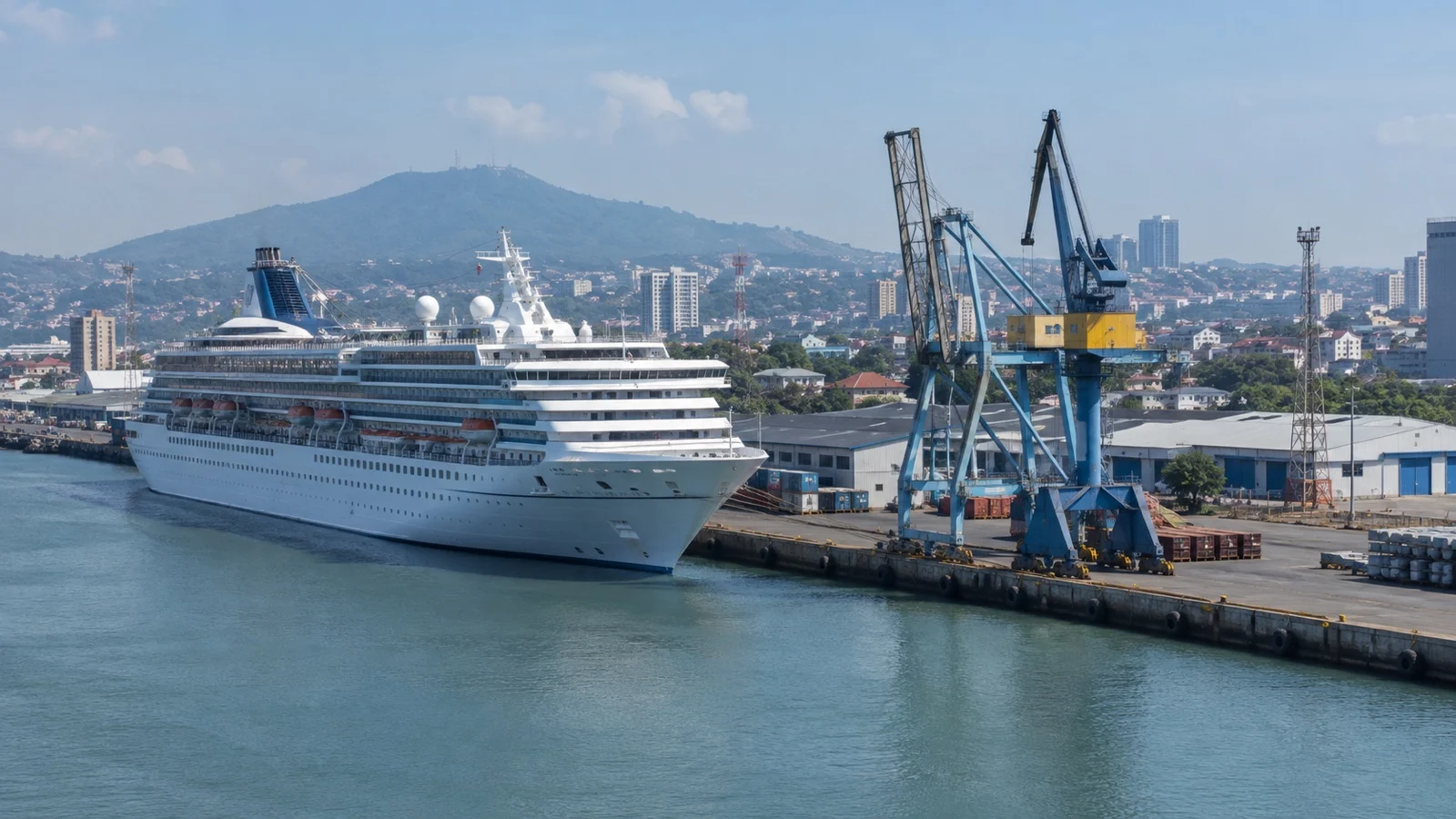
Semarang’s Tanjung Emas port is the gateway for Borobudur on many cruise itineraries. It is also a fascinating city in its own right, which makes the day a genuine choice rather than a consolation prize if you skip the long inland drive.
Borobudur is one of the world’s great Buddhist monuments, but the excursion can consume most of the port call. Road conditions, traffic, timed visitor arrangements, site rules, and the ship’s departure time all need to align.
This is another day when I favor the cruise line’s transport or an established operator with a conservative turnaround plan. If you go, take water, a hat, and footwear that handles heat and stone surfaces, then follow current instructions about which levels visitors may access.
Staying in Semarang gives you more breathing room. Kota Lama’s historic streets, the blend of cultures at Sam Poo Kong, and the landmark Lawang Sewu can be arranged into a compact day with a local meal.
Semarang is hot and humid, and shade can be limited in open squares. A slower pace usually produces a better day than stacking attractions simply because they appear close together on a map.
5. Jakarta at Tanjung Priok
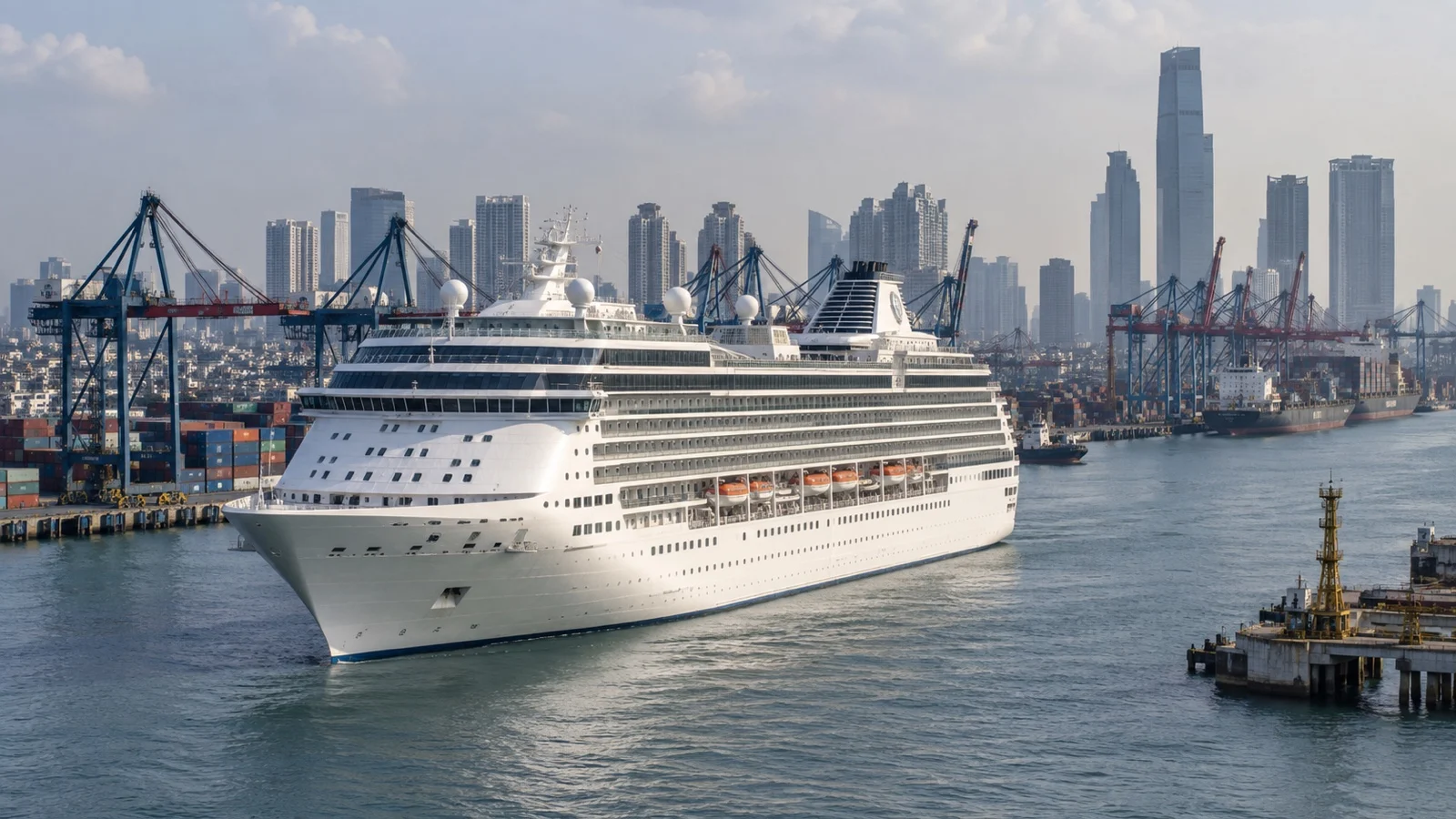
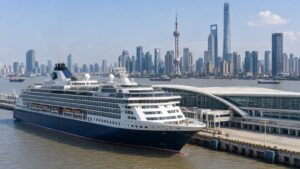
Jakarta’s cruise ships generally use Tanjung Priok, a working port well away from the capital’s main visitor districts. Even when the distance looks reasonable, traffic can turn the transfer into the defining feature of the day.
The easiest plan is to choose one geographic cluster. Kota Tua offers colonial-era streets and museums, while central Jakarta places the National Monument area closer to major civic landmarks and shopping.
Trying to do both clusters plus a long lunch leaves little margin. I would book a car in advance, confirm whether the driver can enter the secure port, and build the return around a pessimistic traffic estimate.
Jakarta can feel intense on a first visit, yet that energy is part of its appeal. Markets, mosques, old warehouses, contemporary towers, and neighborhood food cultures reveal a capital that makes more sense when you stop treating it as a race between monuments.
Independent travelers should expect the pier and terminal procedure to be controlled by port security. Use the ship shuttle where provided, and never set a pickup point without checking whether outside vehicles are allowed to reach it.
6. Ambon, Maluku
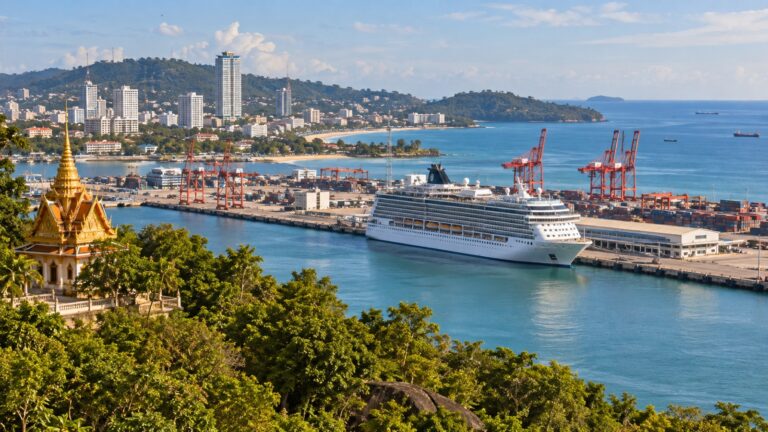
Ambon is the Indonesia cruise port that may surprise you most. It has deep maritime history, a strong musical identity, vivid markets, wartime remembrance, and a bay whose steep green sides make the arrival worth watching from the deck.
The port experience can be less standardized than in Bali, which I see as an invitation to slow down. A local guide adds context to the city’s layered Dutch, Indonesian, Christian, Muslim, and island traditions while smoothing out transport arrangements.
Ambon is recognized within UNESCO’s Creative Cities Network for music. That designation fits a place where performance is woven into community life, and a music-focused visit can be more memorable than a generic highlights drive.
History-minded travelers may visit Ambon War Cemetery, which is maintained by the Commonwealth War Graves Commission. Treat it as a place of remembrance, allow quiet time, and verify opening access before setting out.
City sights can be paired with a viewpoint, a beach, or a coastal drive, but road time grows quickly once you move around the bay. Local conditions and the ship’s berth should shape the route rather than a prewritten list copied from another traveler.
The Merah Putih Bridge is a modern Ambon landmark and an important connection across the bay. It is best understood as part of the city’s living geography, not merely a photo stop.
Ambon’s markets are colorful and busy, with fish, spices, fruit, and everyday household goods sharing the same sensory space. Ask before photographing people, keep valuables unobtrusive, and bring small rupiah notes for modest purchases.
A shoreline stop can be lovely, but beach conditions and facilities vary. Reef-safe habits, sturdy water shoes where appropriate, and clear expectations about changing rooms or showers make a simple visit much easier.
Docking, Tenders, and Getting Through the Port
Indonesia cruise calls range from full cruise terminals to tenders and secure commercial facilities. Your ticket, ship app, and daily program are the best sources for the final landing point because operational details can change after the itinerary is published.
At a tender port, build extra time into every plan. Guests with mobility concerns should ask the cruise line how many steps, ramps, floating platforms, and crew-assisted transfers the actual operation may involve.
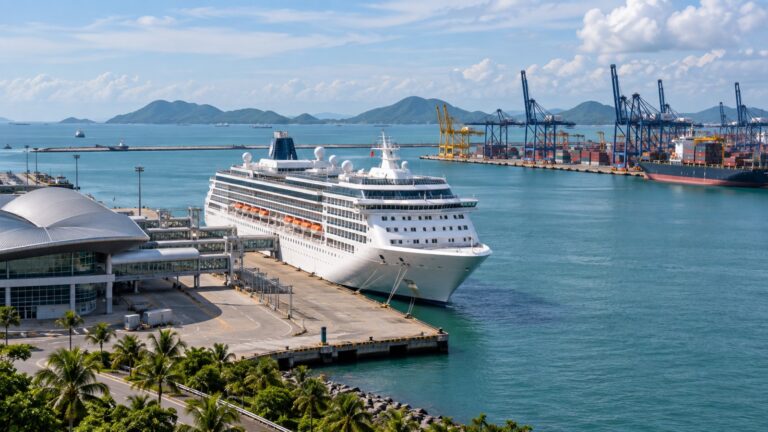
At an industrial port, do not assume you can walk through the gate. Shuttle buses often exist for safety and security reasons, and a private guide may need to meet you outside a controlled zone.
Keep the port agent’s contact details and a photo of the ship’s daily schedule on your phone. I also write the ship name, berth, and all-aboard time on paper in case a battery dies.
Entry Rules, Visas, and the Arrival Declaration
Indonesia’s entry rules depend on nationality, passport validity, route, and the kind of permission under which you arrive. A cruise line may coordinate parts of the process, but that does not remove your responsibility to hold the correct documents.
The official All Indonesia portal combines arrival information used by immigration, customs, health, and quarantine authorities. It is an arrival declaration system, not a substitute for any visa or other entry permission you may need.
Use Indonesia’s official immigration and eVisa channels to check the current rule for your passport, then compare that advice with your cruise line’s instructions. Avoid unofficial lookalike websites that add fees or collect more personal information than necessary.
Bali may have a separate tourist levy or local procedure in addition to national entry formalities. Whether it applies to your cruise visit can depend on current implementation, so use the official Bali guidance and the cruise operator’s latest written instructions.
Money, Connectivity, and Local Transport
The Indonesian rupiah is useful for markets, small cafés, tips, and drivers. Cards are common in larger hotels and established businesses, but I would not plan a port day around card acceptance in rural or island locations.
ATMs inside reputable terminals, banks, or shopping centers are preferable to isolated machines. Decline dynamic currency conversion when your own card provider offers a better rate, and notify the bank before travel if it still uses geographic security blocks.
Ride-hailing apps work well in some cities and poorly or inconsistently around protected port gates. A prearranged driver is often worth the extra planning when the day includes a long route or a strict return time.
Mobile coverage is strongest in major urban areas and can fade on park islands or remote roads. Download maps, booking details, and the ship’s contact information before going ashore.
Weather, Clothing, and What to Carry
Indonesia is tropical, but rain and sea conditions vary across its huge east-to-west span. Check the national meteorological agency BMKG close to your sailing, then use the cruise line’s notices for any tender or port-specific change.
My day bag would include water, sun protection, insect repellent, a light rain layer, and a modest temple-ready cover. I also pack tissues and hand sanitizer because facilities on longer drives can be basic.
A sudden shower does not always ruin the day, but it can slow roads and make stone, boat steps, and forest paths slippery. Shoes with real traction are more useful than elegant sandals at Komodo, waterfalls, and archaeological sites.
Accessibility and Traveling With Children
Accessibility varies sharply between ports and even between berths at the same port. Ask the cruise line for details about gangway slope, tender transfer, shuttle lifts, accessible restrooms, and the walking surface on your chosen excursion.
Komodo trails, Borobudur’s stone surfaces, waterfall paths, and small local boats can present genuine barriers. A panoramic drive, music visit, market tour, or city route may offer more flexibility without feeling like a lesser day.
Families should be conservative about heat and drive time. One strong experience, regular water breaks, and a familiar snack will usually beat an ambitious schedule that ends with tired children in traffic.
How I Would Prioritize Excursions
I would reserve Komodo first because access is controlled and the wildlife experience is the point of the call. Borobudur comes next because its distance from Semarang and visitor arrangements make the logistics unusually sensitive.
Bali deserves an advance driver or excursion if you want Ubud, the subak landscapes, or a distant temple. Jakarta also benefits from booked transport, while Lombok and Ambon can be planned more flexibly if you choose a compact local route.
Read cancellation terms before paying and make sure the operator understands that you are arriving by cruise ship. The crucial questions are who meets you, where the meeting point is, what happens if the ship is late, and how much return margin is built in.
Frequently Asked Questions
Can I explore Indonesia cruise ports on my own?
Yes in selected places, especially when the ship provides a shuttle to a useful central point. Komodo, remote beaches, long inland drives, and tightly controlled terminals are better handled through authorized or carefully vetted arrangements.
Which Indonesia cruise port is best for first-time visitors?
Benoa offers the widest menu of famous sights, while Komodo delivers the most singular nature experience. My personal favorite for a slower, more local-feeling day is Ambon.
Is Borobudur realistic from Semarang on a cruise day?
It can be realistic when the port call is long enough and transport is organized around ship timing. It is not a casual taxi trip, so confirm current access arrangements and choose a provider with a robust return plan.
Do I need cash?
Carry some rupiah even if you mainly use cards. Small notes are helpful for markets, snacks, modest tips, and places where payment terminals or connections fail.
Will my ship dock at every port?
No. Tendering is common at some island calls, and even normally docked ports can change because of berth availability, ship size, weather, or local operations.
When is the best time to cruise Indonesia?
There is no single dry season that describes every island equally. Choose the itinerary for its ports, then check regional climate patterns and current BMKG forecasts rather than relying on a broad countrywide rule.
Final Verdict
The best Indonesia cruise itinerary is not the one with the longest excursion list. It is the one that respects how different these ports are and gives each day enough margin to work.
Book Komodo and Borobudur with care, plan Bali and Jakarta around road time, and let Lombok and Ambon breathe. Do that, and the journey becomes a graceful passage through distinct islands and cultures instead of six stressful races back to the gangway.
This guide was researched using official information from Indonesia’s immigration services, All Indonesia, BMKG, UNESCO, Komodo National Park, and relevant port and tourism authorities. Rules, berths, park access, weather, and entry procedures can change, so confirm the latest details with your cruise line and the responsible official agency before travel.