Colombia Cruise Ports: Cartagena and Santa Marta Compared
Cartagena and Santa Marta offer two compelling but fundamentally different Colombian cruise days. Cartagena delivers a spectacular walled city, major fortifications, vivid street life, and intense tourism energy, while Santa Marta feels smaller and acts as a gateway to beaches, mountains, and Tayrona country.
For a first visit, Cartagena is the easier recommendation because its essential sights fit a focused city itinerary. Santa Marta becomes the better choice when your priority is nature and you are comfortable with longer roads, changing park conditions, and a more excursion-dependent plan.
Quick facts about Colombia cruise ports
- Main Caribbean ports: Cartagena and Santa Marta
- Best first visit: Cartagena
- Best colonial city: Cartagena
- Best nature gateway: Santa Marta
- Best major excursion: Tayrona region from Santa Marta
- Currency: Colombian peso
- Weather: Hot and humid, with powerful sun and sudden rain
- Planning rule: Protect the return from beaches, parks, and mountain roads
Cartagena cruise port
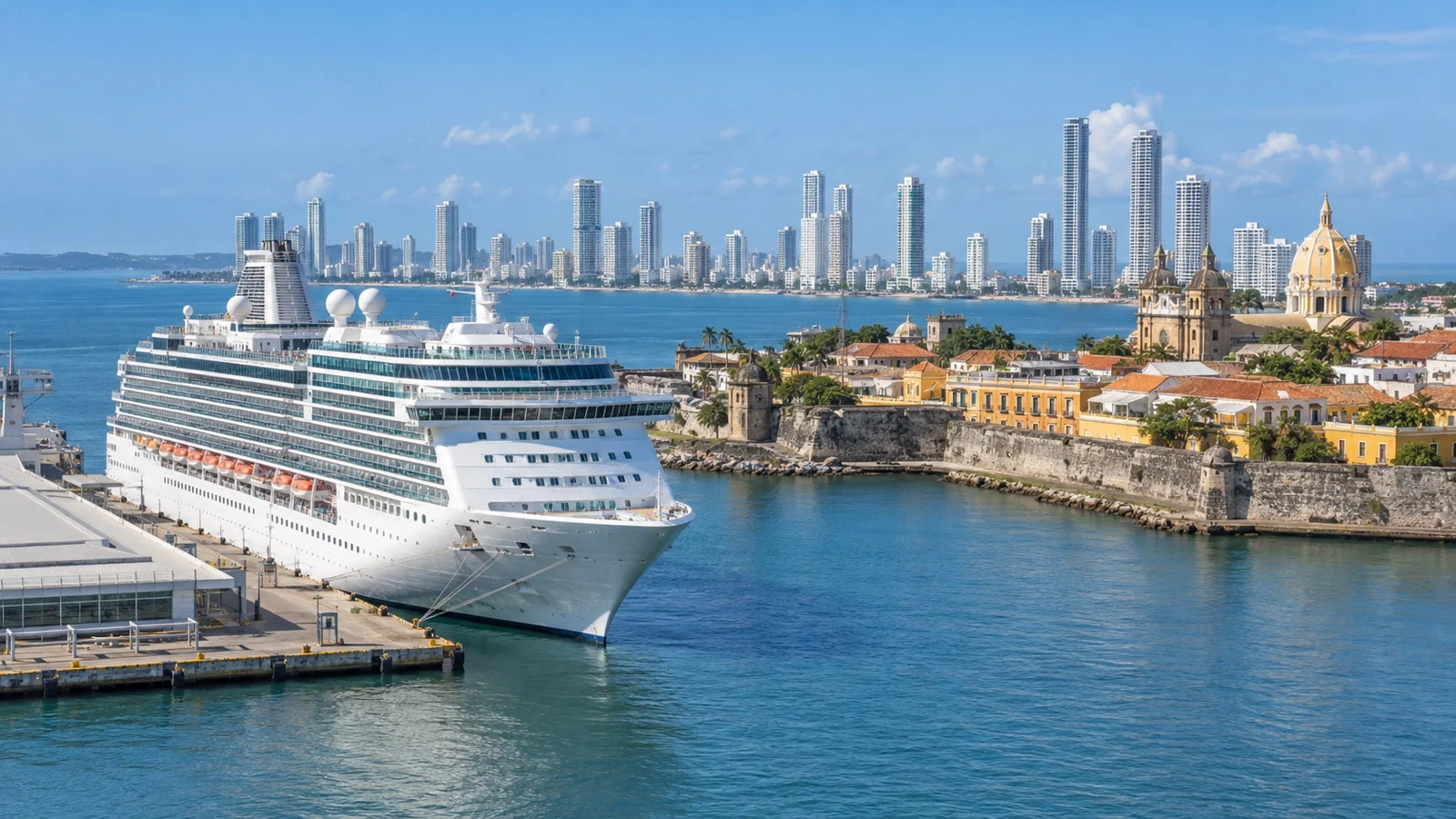
Cartagena’s cruise terminal sits inside the working port at Manga, separate from the historic walled city. The terminal complex is known for landscaped grounds, birds, small wildlife displays, shops, and transportation connections, but it is not a practical walking route to the old city.
Use an authorized taxi, organized tour, or arranged driver for the short trip into the historic center. Traffic can expand that ride considerably, especially when several ships, local events, or road works overlap.
The walled city
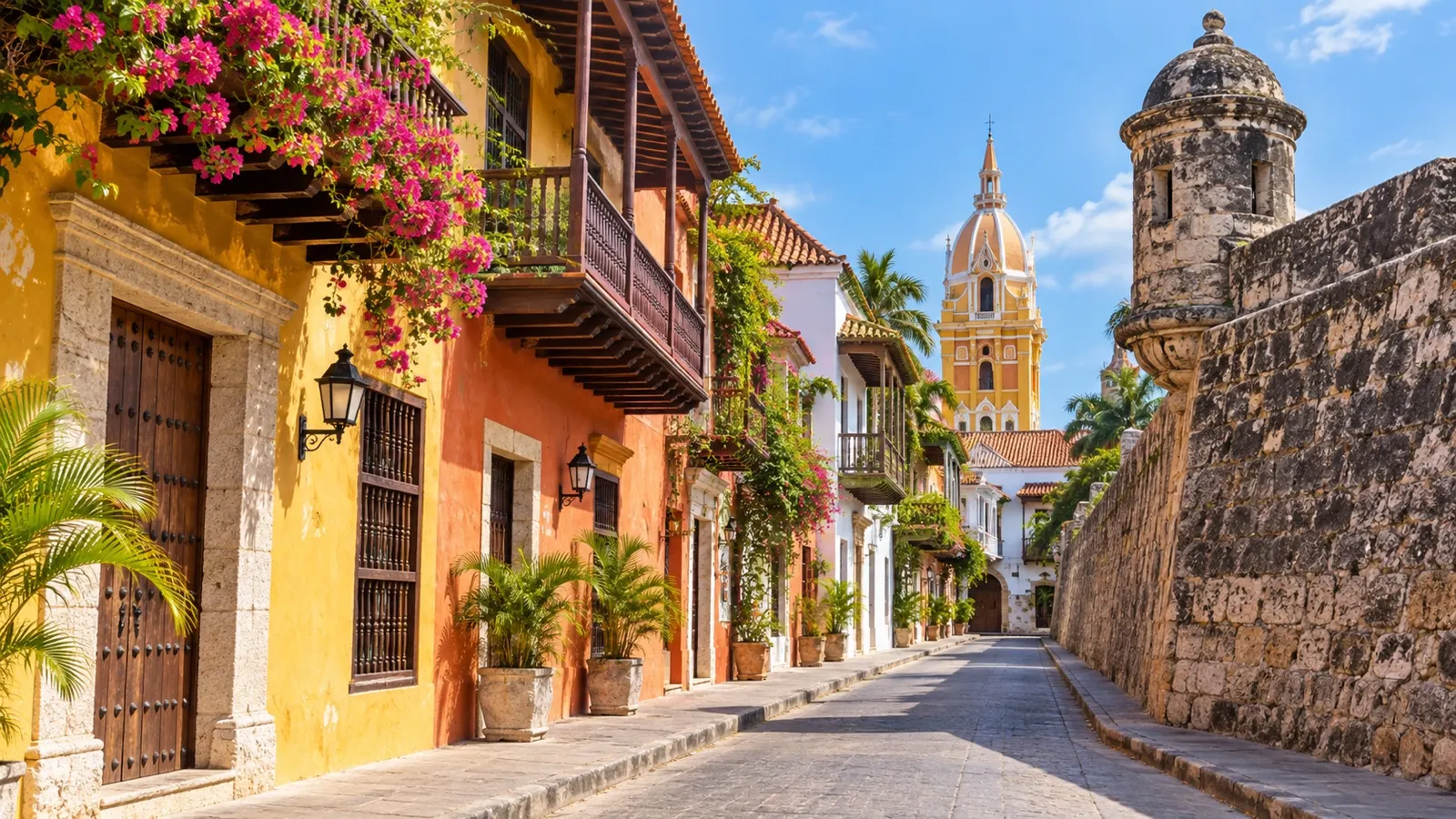
Cartagena’s walled city is the heart of a first port day, with plazas, churches, balconies, museums, shops, street food, and layers of Caribbean colonial history. The best route is compact enough to walk but deserves shade breaks because heat reflects from the stone streets.
A guide adds context about Spanish rule, slavery, trade, independence, architecture, and modern life. Independent travelers should choose a short route between a few landmarks rather than following every street vendor and photo opportunity.
Getsemaní
Getsemaní sits just beyond the formal walls and brings murals, cafés, music, guesthouses, and a more neighborhood-centered atmosphere. It pairs naturally with the old city, though the midday heat can make even this short extension tiring.
Visit respectfully because this remains a lived-in community rather than an outdoor theme set. Ask permission before photographing residents or performers and agree on any paid service first.
Castillo San Felipe de Barajas
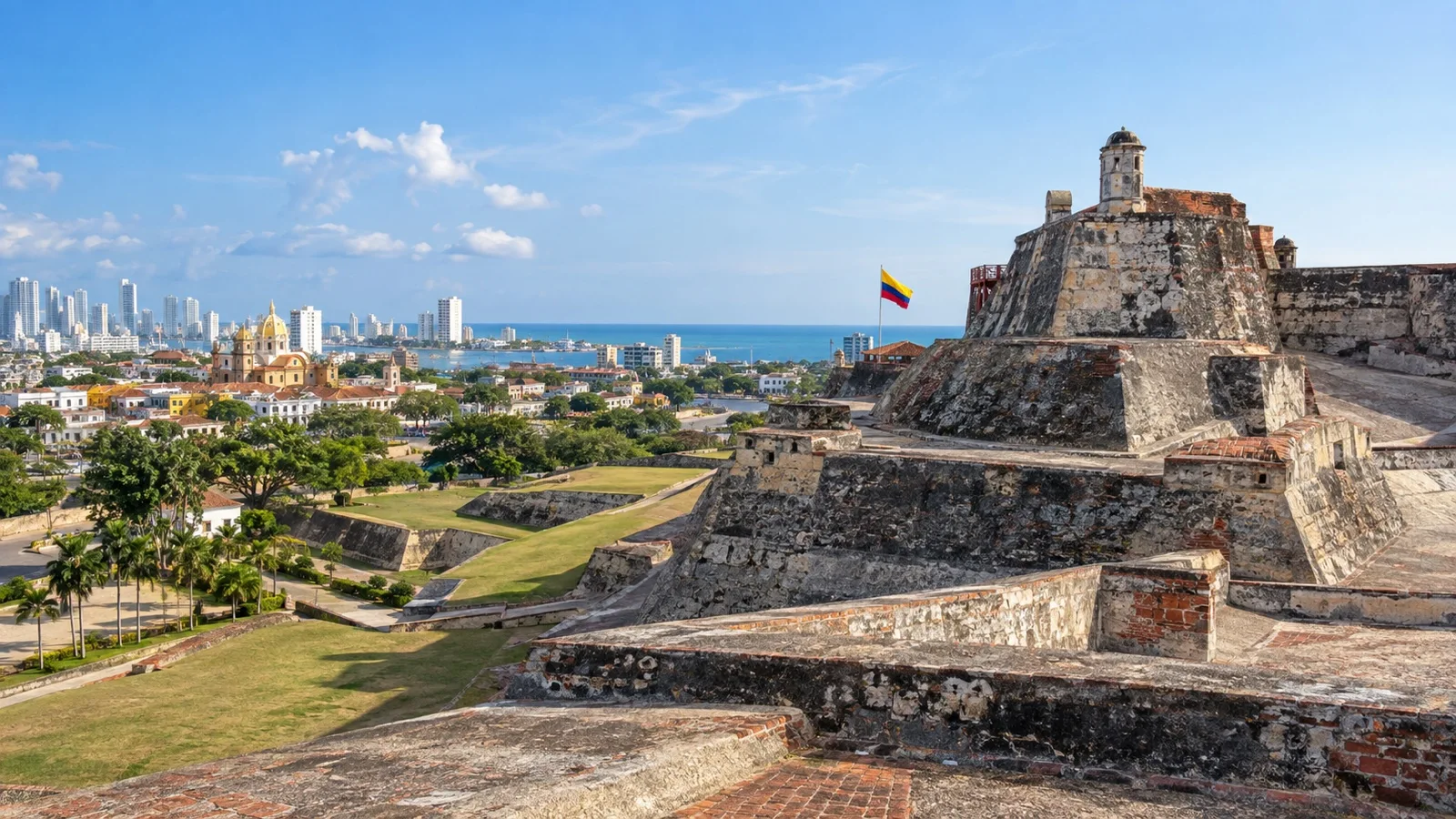
Castillo San Felipe is Cartagena’s most powerful fortification and gives a wider understanding of the city’s strategic history. Ramps, exposed stone, tunnels, and limited shade make an early visit easier than a midday one.
The fort combines well with Getsemaní and the walled city in a half-day tour. Travelers with mobility limitations should review the surfaces and gradients before committing to the full route.
Cartagena beaches and islands
Cartagena can provide a beach day, but the most attractive island experiences require boat transportation and careful scheduling. Conditions, marina procedures, sales practices, and return times make a reputable excursion more valuable than choosing an offer impulsively.
Bocagrande is closer and simpler but feels urban rather than remote. If your itinerary includes another excellent beach port, Cartagena’s history is usually the more distinctive use of the day.
Santa Marta cruise port
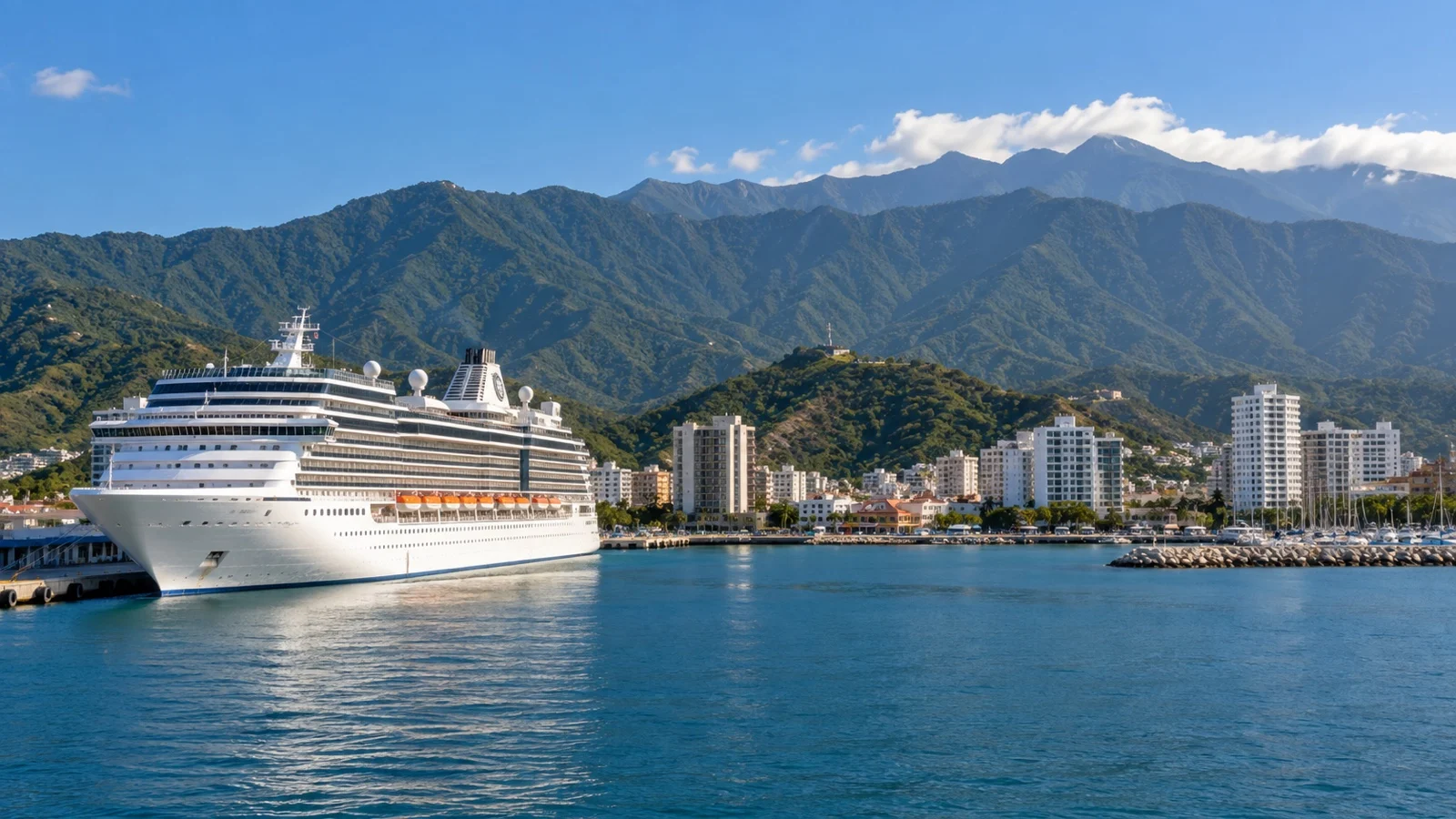
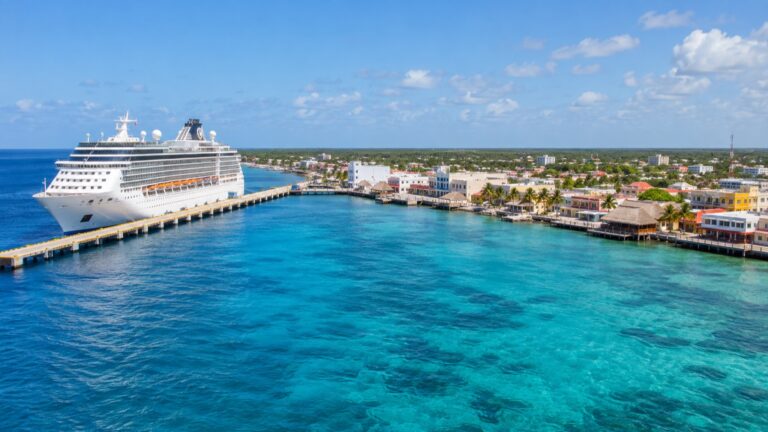
Santa Marta’s port sits close to the historic center and waterfront, although pedestrian access depends on the assigned berth and current security operation. The city is more compact than Cartagena and can support a relaxed independent day when you do not head into the surrounding region.
Santa Marta is also one of the oldest Spanish-founded cities in South America, with a cathedral, museums, plazas, and a strong regional identity. Its real cruise advantage is proximity to the Sierra Nevada foothills and the broader Tayrona landscape.
Santa Marta city day
A city-focused visit can combine the cathedral, historic streets, waterfront, Gold Museum, local food, and Quinta de San Pedro Alejandrino. This is the lower-risk choice for a shorter call or travelers who want less time in a vehicle.
The center can be hot, uneven, and busy, so use shade and short taxi hops when necessary. Carry small local currency for minor purchases while keeping valuables discreet.
Tayrona National Natural Park
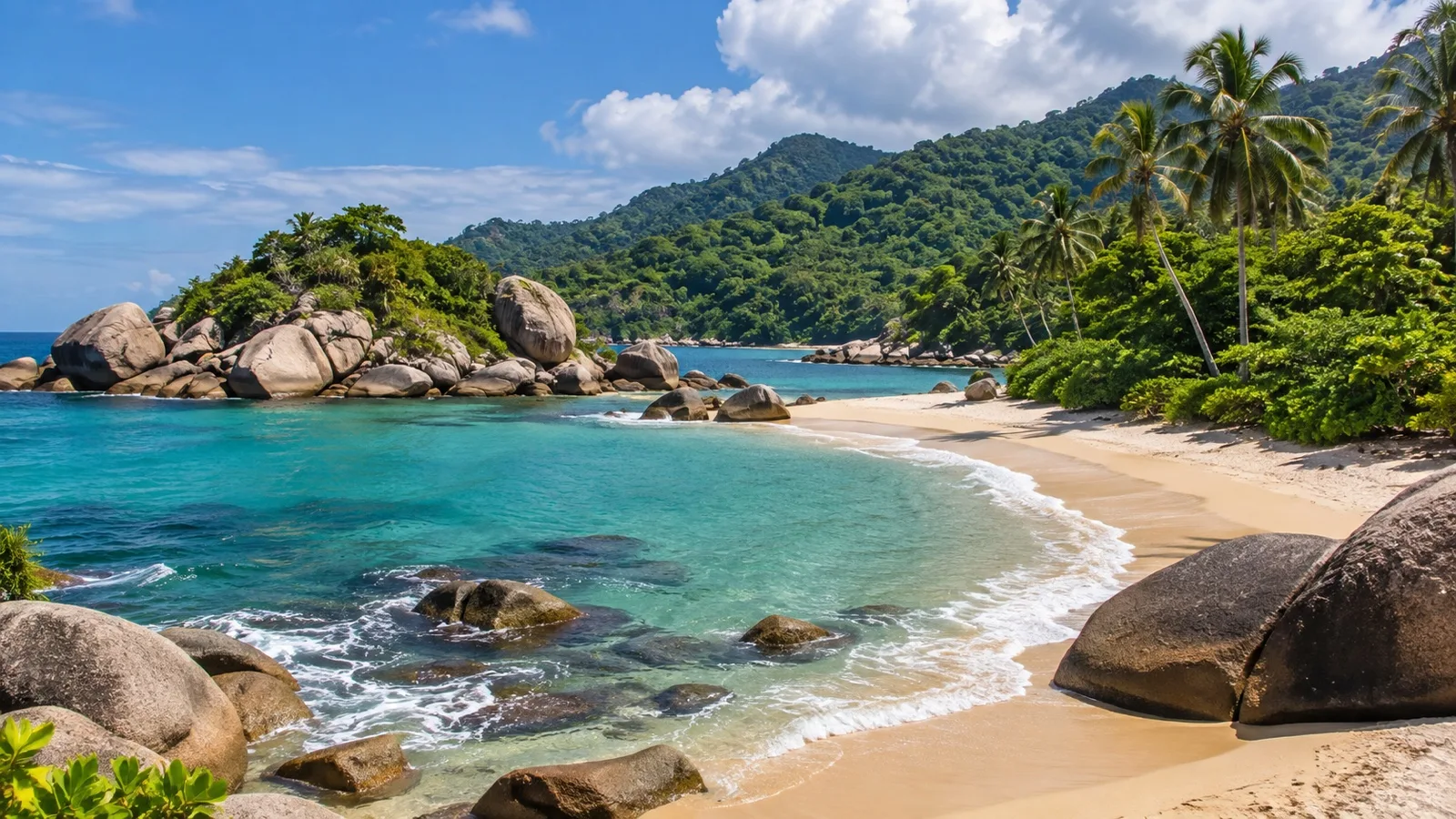
Tayrona is the headline nature excursion, but it is not one simple beach beside the port. Road time, entry controls, walking distance, heat, sea conditions, and the chosen access area determine how much of the park a cruise passenger can realistically experience.
The park also observes conservation closures and can impose operational changes, so verify official status for your date. A ship excursion or highly reputable local operator is sensible when the route reaches well beyond the city.
Minca and the Sierra foothills
Minca offers cooler air, coffee and cacao experiences, forest scenery, birds, and mountain views above Santa Marta. Winding roads and variable travel times make it another excursion that needs a conservative port-day schedule.
Choose an operator who explains the actual driving, walking, vehicle type, and return margin. A focused farm or nature visit is better than racing between distant waterfalls and viewpoints.
Beaches near Santa Marta
Rodadero and other nearby beach districts are easier to reach than remote Tayrona coves, but they can be crowded and commercial. Agree on taxi pricing and pickup details, then choose a beach with facilities matching your group.
Sea conditions vary, and not every beautiful cove is safe for casual swimming. Follow local warnings and never leave valuables unattended while in the water.
Cartagena or Santa Marta: which is better?
Cartagena wins for a first Colombian call because the architecture, fortifications, food, and street life create a complete experience without a long regional journey. It is busier, more commercial, and more intense around major sights.
Santa Marta wins for travelers prioritizing nature, a smaller city, or the Sierra Nevada and Tayrona region. It requires more advance decisions if you want to leave the urban waterfront.
If an itinerary visits both, give Cartagena to history and Santa Marta to nature. That creates a satisfying contrast and avoids repeating generic beach or shopping days.
Transportation and safety
Use authorized terminal transportation, a reputable tour, or an established ride service where available. Confirm prices, routes, waiting time, and pickup locations before leaving, and do not display large amounts of cash or expensive jewelry.
Most cruise visits are straightforward, but normal big-city awareness matters. Keep phones secure near traffic, use official ATMs in controlled locations, and stay in active visitor areas unless accompanied by a trusted guide.
Weather, clothing, and comfort
Both ports are hot and humid, and the sun can be punishing even when clouds appear. Carry water, sunscreen, a hat, insect repellent, and a compact rain layer.
Wear breathable clothing and shoes that grip uneven stone or natural paths. Bring a modest layer for churches and cultural sites, and keep swimwear for the beach.
Accessibility and family planning
Cartagena’s old city has flat sections but also cobbles, curbs, crowds, and heat, while the fort adds steep ramps. Santa Marta’s city sights can be manageable, but nature excursions often involve rough ground, boats, or long vehicle rides.
Ask about step-free transport, wheelchair storage, restroom access, shade, and the exact walking requirement. Families should choose one main experience and avoid long tours that leave no margin for meals, weather, or tired children.
Money, food, and responsible travel
Colombian pesos are the clearest choice for local purchases, although some visitor businesses quote foreign currency. Ask which currency a price uses, inspect card terminals before approving, and carry small notes for tips and minor purchases.
Try Caribbean Colombian dishes, fresh fruit, seafood, arepas, and regional sweets from established vendors. Respect park rules, avoid wildlife handling, reduce plastic waste, and never remove shells, coral, or natural objects.
Handling vendors and beach services
Popular visitor zones can bring persistent offers for tours, taxis, photos, massages, souvenirs, chairs, and food. A calm “no, gracias” is enough, while any service you accept should have its total price, currency, duration, and inclusions agreed before it starts.
At beaches, ask whether a chair, umbrella, shower, restroom, or minimum purchase carries a separate fee. Keep a written or photographed record of an agreed package when several people or services are involved.
Independent exploration works best when one person in the group keeps track of time and transportation. Save the ship’s daily program offline, photograph the terminal entrance, and carry the port agent’s number in case a delay develops.
A guide should improve the experience through context and logistics rather than pressure. Choose operators with clear contact details, recent reviews, appropriate licensing, and a realistic promise to return well before the ship’s deadline.
When anything feels unclear, step away and ask an authorized terminal representative or your cruise line’s local staff for help.
Final thoughts
Cartagena offers Colombia’s most complete first cruise day, while Santa Marta gives adventurous travelers a bridge to nature. Match the plan to your port hours, protect the return, and leave enough space to experience the place rather than just collect landmarks.
CruisePorts.co provides practical, independent planning guidance for cruise travelers. Port operations, park access, prices, and transportation can change, so verify critical details with the port, official attraction, and cruise line before travel.