Argentina Cruise Ports: A Planner’s Guide to Every Stop
Argentina’s three principal cruise gateways could hardly feel more different. Buenos Aires is a vast cultural capital, Puerto Madryn opens the door to Patagonian wildlife, and Ushuaia combines Tierra del Fuego scenery with the logistics of Antarctic expedition travel.
A single itinerary may include all three, but each rewards a different planning style. Buenos Aires needs neighborhood discipline, Puerto Madryn needs a prebooked wildlife plan, and Ushuaia needs weather flexibility plus careful attention to expedition documents.
Quick facts about Argentina cruise ports
- Main cruise ports: Buenos Aires, Puerto Madryn, and Ushuaia
- Best first visit: Buenos Aires
- Best wildlife day: Puerto Madryn
- Best dramatic scenery: Ushuaia
- Antarctica gateway: Ushuaia
- Currency: Argentine peso, with payment conditions changing frequently
- Docking reality: Berths and tender operations depend on ship size and daily traffic
- Planning rule: Reserve long wildlife excursions and expedition transfers early
Buenos Aires cruise port
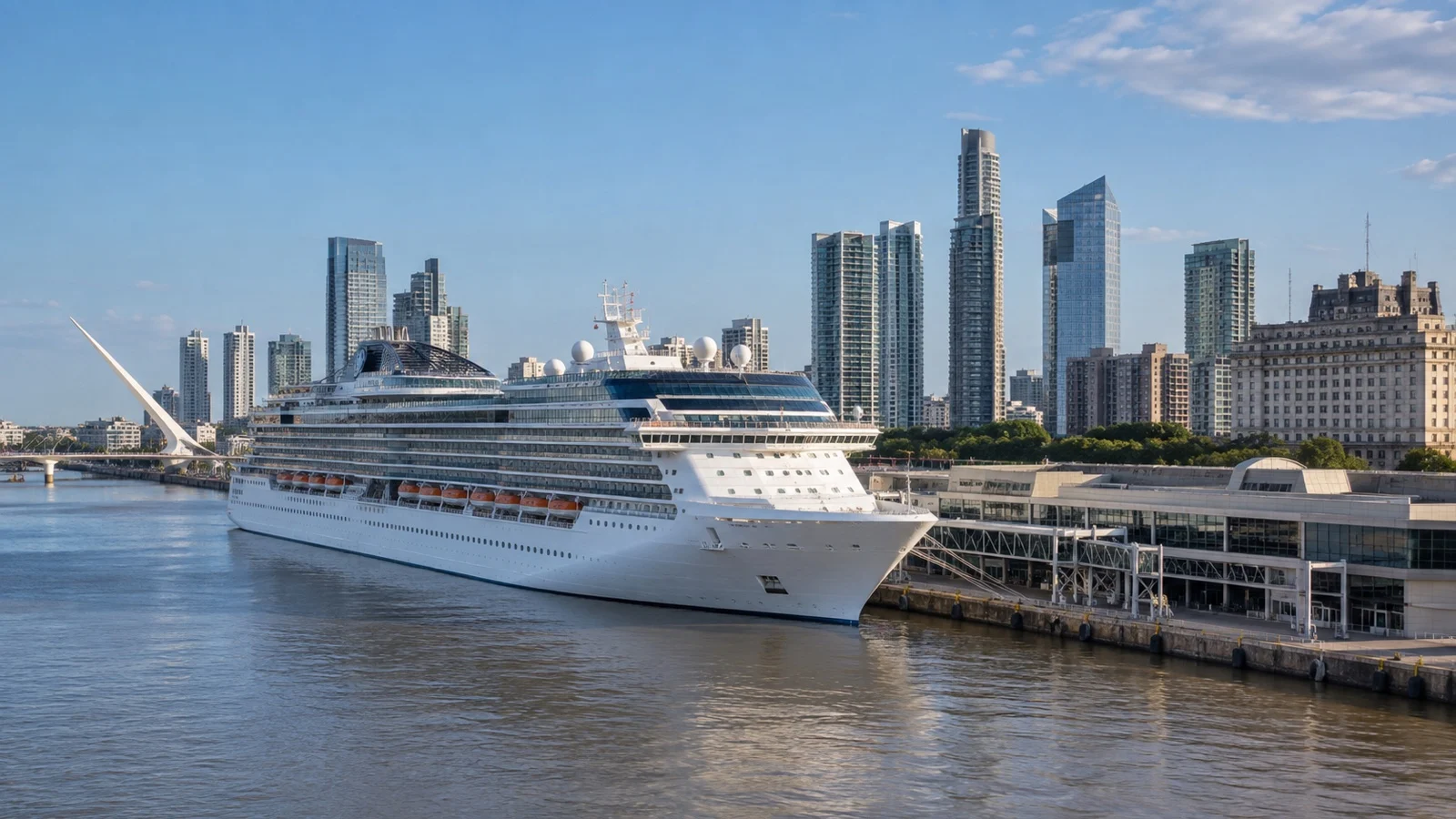
Buenos Aires is both an embarkation city and a rewarding destination that deserves at least two nights before a cruise. The terminal area sits near Retiro and the working port, but it is not where most travelers should spend their sightseeing time.
Use a licensed taxi, arranged transfer, or reputable app-based car between the terminal and your hotel. Port traffic, road controls, baggage handling, and the exact ship position make walking an unrealistic plan with luggage.
What to see in Buenos Aires
First-time visitors often combine Plaza de Mayo, the historic center, Recoleta, and one carefully chosen evening experience. The city’s scale means that La Boca, Palermo, San Telmo, Puerto Madero, and Recoleta should not all be squeezed into a few hours.
San Telmo works beautifully for antiques, architecture, cafés, and Sunday-market energy, while Recoleta feels elegant and museum-rich. Palermo gives you restaurants, parks, and nightlife but sits farther from the cruise terminal.
La Boca’s colorful Caminito area is visually memorable, yet the visit should be focused and transportation planned carefully. A guided city tour can connect distant neighborhoods efficiently without turning the day into a sequence of taxi negotiations.
Where to stay before an Argentina cruise
Recoleta is my easiest recommendation for a refined first stay, while Microcentro is practical for major sights and transport. Palermo is best for a longer food-and-neighborhood visit, and Puerto Madero provides modern waterfront hotels with straightforward road access.
Arrive at least one night early for a conventional cruise and two or more before an Antarctic expedition connection. International flight delays, baggage issues, and airport-to-city traffic are too significant to gamble against same-day sailing.
Ushuaia cruise port
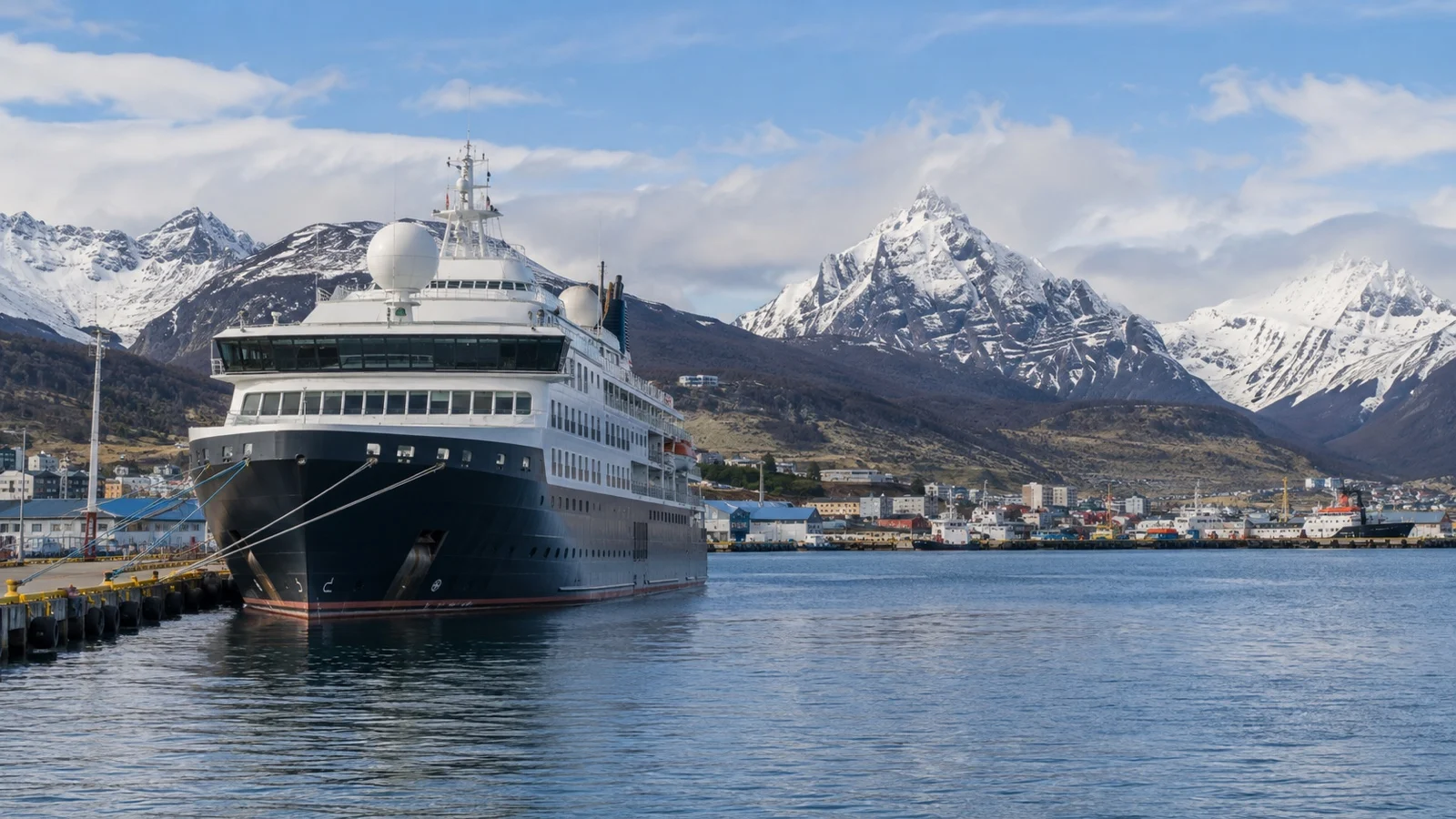
Ushuaia’s long pier projects into the Beagle Channel at the edge of the compact center. Many hotels, restaurants, shops, and museums are walkable from the port, though hills rise quickly behind the waterfront.
Large cruise ships and expedition vessels share limited harbor infrastructure, so berths, gangway positions, and tender arrangements can change. Follow ship instructions rather than assuming your vessel will use the same point shown in an old photograph.
What to do in Ushuaia
Tierra del Fuego National Park is the classic land excursion, with forests, bays, peat landscapes, and mountain views. The End of the World Train can be combined with a park visit, but schedules and tickets should be reserved if it is a priority.
Beagle Channel boat trips offer wildlife and lighthouse views, though weather can alter comfort and routing. A city day can include the former prison museum, waterfront, local food, and viewpoints without the risk of a long road excursion.
The weather can switch quickly between sunshine, wind, rain, and cold even in summer. Dress in layers, carry a waterproof outer shell, and protect gloves and electronics from spray.
Ushuaia before an Antarctic expedition
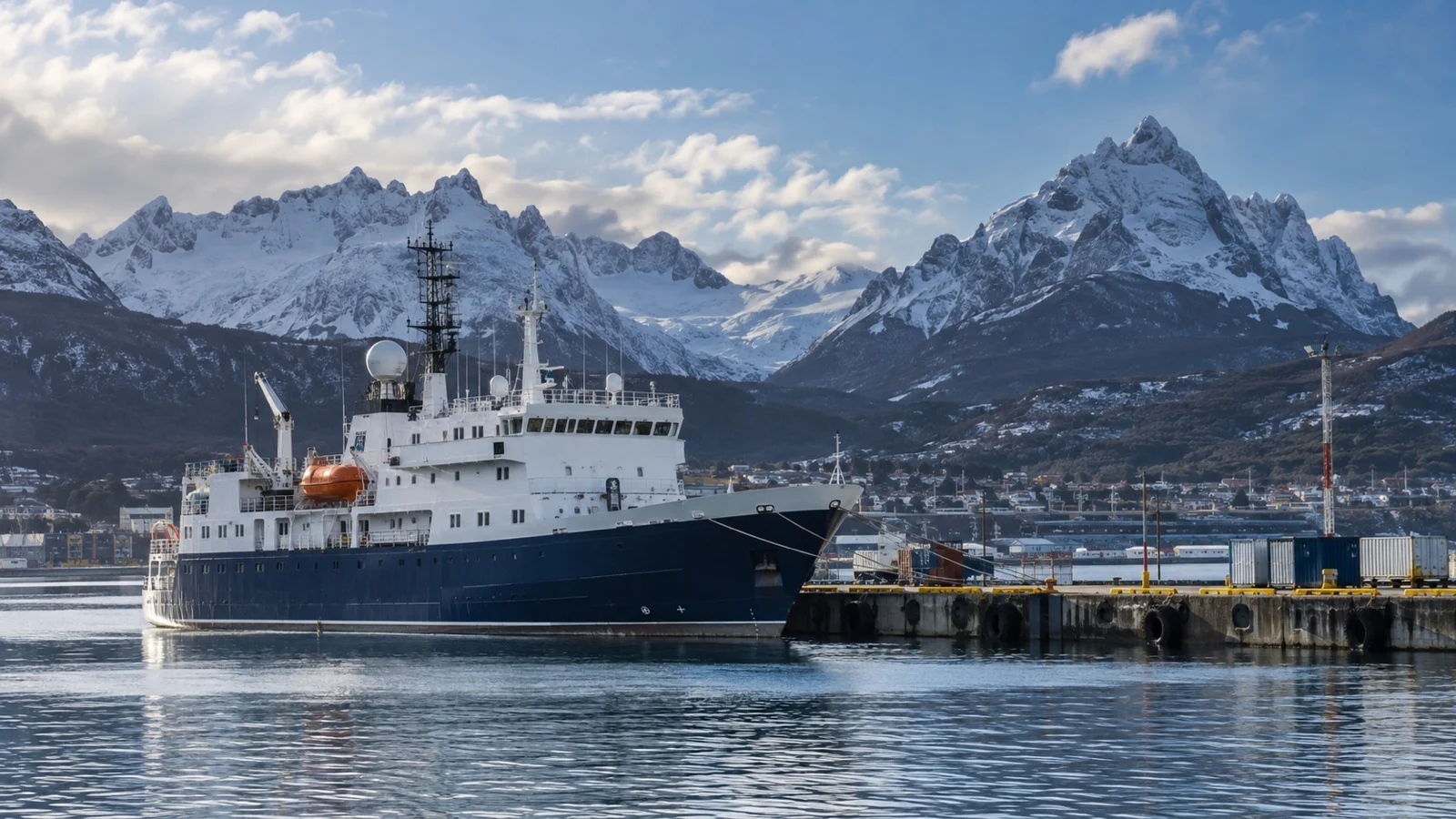
Expedition travelers should separate the cruise-line meeting point from the actual ship berth because some operators begin at a hotel or conference venue. Read every transfer instruction, luggage-tag requirement, medical form, insurance condition, and biosecurity rule.
Build spare time into both Buenos Aires and Ushuaia rather than relying on a tight self-connection. Weather disruptions can affect domestic flights, and missing an expedition departure creates a far more complex problem than missing a conventional hotel night.
Puerto Madryn cruise port
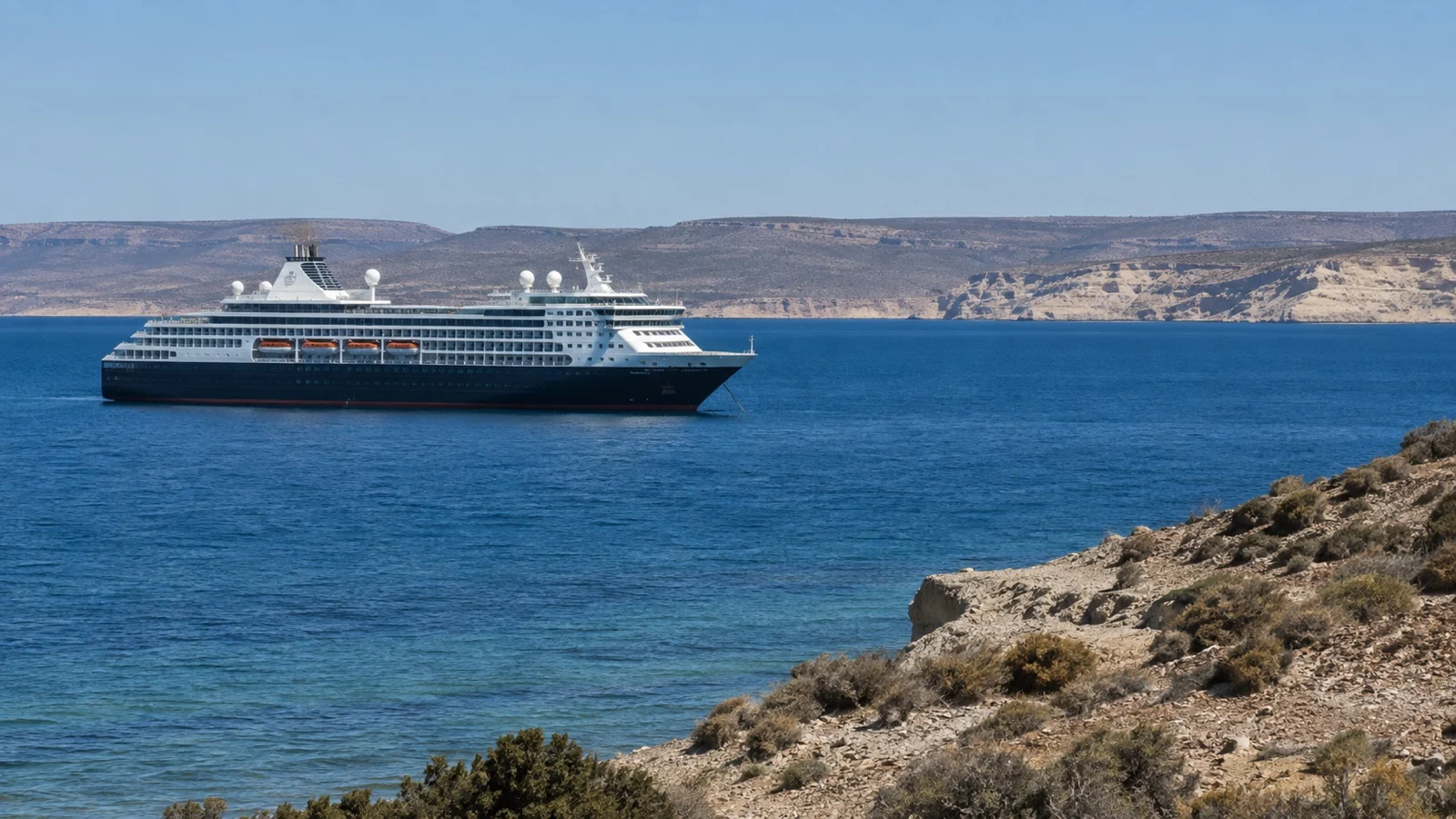
Puerto Madryn is a Patagonian wildlife gateway where the pier reaches directly toward the compact city center. When ships berth at the main passenger pier, restaurants, shops, and the waterfront are easy to reach, while alternate operations may require different arrangements.
Peninsula Valdés
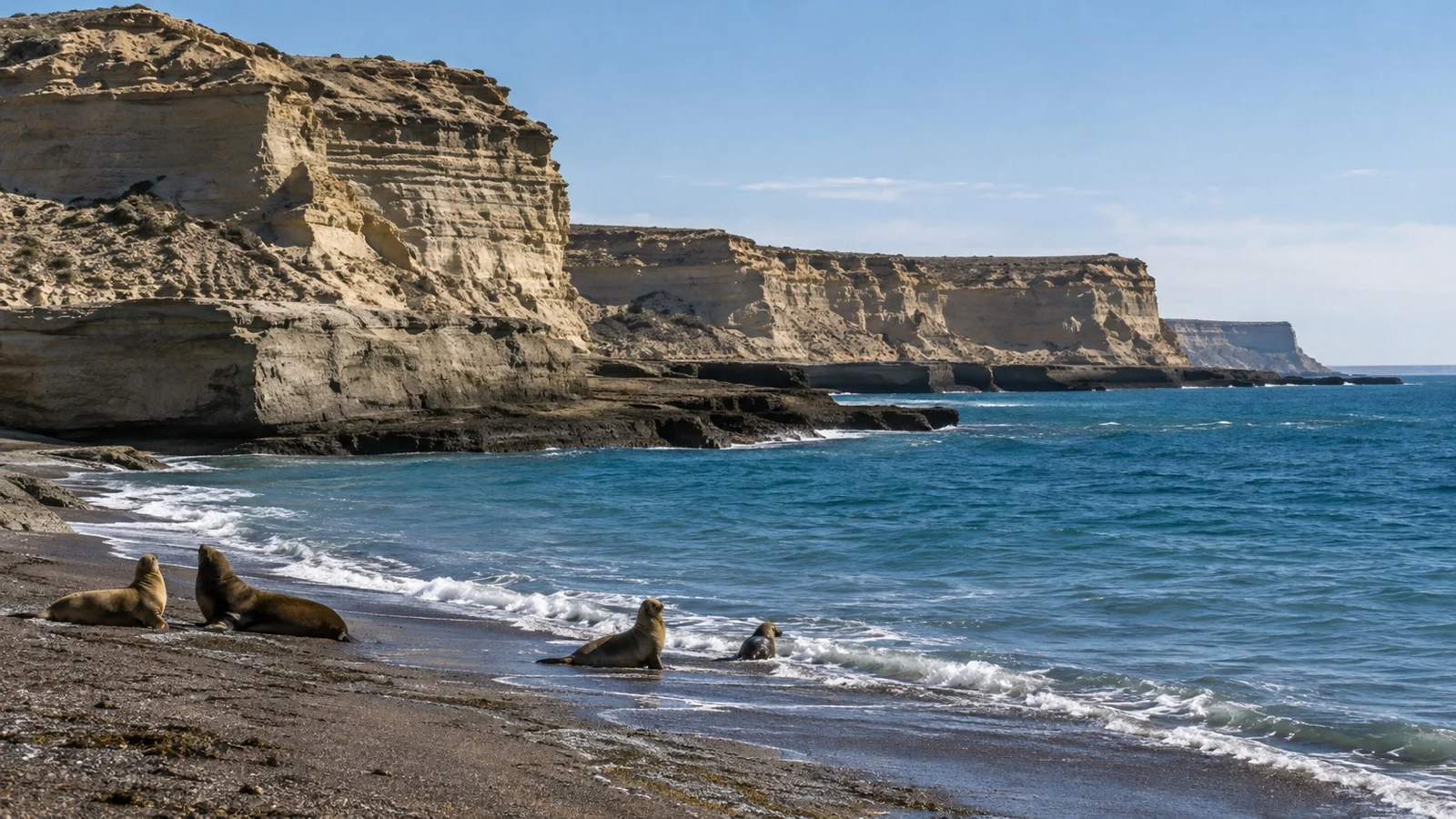
Peninsula Valdés is the headline excursion, but its wildlife sites involve long road distances across an exposed landscape. The exact experience depends on season because whales, penguins, elephant seals, sea lions, and other animals follow different annual patterns.
A reputable guide should explain what is realistically present during your visit rather than selling a generic wildlife promise. Ship excursions reduce schedule risk, while independent tours can offer smaller groups if their return margin is conservative.
Punta Tombo and other long excursions
Punta Tombo is famous for Magellanic penguins, but the drive is substantial and should never be treated as a casual taxi outing. Confirm the colony season, road time, admission, walking conditions, and ship-return commitment before booking.
Travelers who prefer a lower-risk day can explore Puerto Madryn’s waterfront, local museums, nearby reserves, and food scene. A shorter excursion may be the wiser choice during strong wind, limited port hours, or reduced mobility.
How I would choose between the ports
Choose Buenos Aires for architecture, food, tango, museums, and an immersive urban stay. Choose Puerto Madryn for a seasonal wildlife mission, and choose Ushuaia for subantarctic scenery, Tierra del Fuego, or the beginning of an expedition.
If the itinerary includes all three, resist planning three exhausting highlight tours. Use Buenos Aires for culture, Puerto Madryn for the longest wildlife outing, and Ushuaia for a flexible scenic day that can absorb weather changes.
Transportation and realistic timing
Buenos Aires requires planned urban transportation, particularly between airports, hotels, and the port. Puerto Madryn and Ushuaia have walkable centers, but their signature natural attractions require tours, transfers, or rental vehicles.
Long Patagonian roads offer few shortcuts when weather, traffic, or wildlife viewing runs late. Build a return buffer into every independent excursion and carry the port agent’s details supplied by the ship.
Money, connectivity, and practical details
Argentina’s exchange and payment environment can change quickly, making old advice unreliable. Carry more than one card, some local cash, and a backup payment method, then check current official guidance shortly before travel.
Do not rely on continuous mobile service during remote Patagonian drives. Download maps, tour contacts, tickets, and ship information before leaving town.
Accessibility and slower-paced days
Buenos Aires offers many accessible vehicles and modern venues, but broken sidewalks and crowded historic streets require route planning. Ushuaia’s hills, wind, and gangways can be challenging, while Puerto Madryn’s long nature excursions may involve rough ground and limited facilities.
Ask detailed questions about steps, restroom access, walking surfaces, vehicle height, and wheelchair storage. A shorter private tour can provide a better experience than a large coach itinerary built around fixed walking stops.
Food, timing, and a better pace
Buenos Aires deserves an unhurried meal, whether you choose steak, pasta shaped by Italian immigration, empanadas, or a modern neighborhood restaurant. Dinner often begins later than many cruise travelers expect, so reserve an earlier table if you need sleep before embarkation.
Patagonian menus commonly feature lamb, king crab around Ushuaia, seafood, and regional wines. Ask the price and portion size before ordering, carry enough time for service, and avoid an elaborate lunch when a long-distance tour already controls the schedule.
A port day improves when you leave space between the headline stops. Buenos Aires traffic, Puerto Madryn’s remote roads, and Ushuaia’s fast weather changes all punish an itinerary built with no margin.
Keep passports and expedition documents exactly where the cruise operator instructs, since requirements differ between a domestic port call and an international voyage. Carry medication and essential layers in hand luggage, particularly when bags are transferred separately for an Antarctic sailing.
Three sensible ways to plan an Argentina port day
The city-focused day
Choose two connected neighborhoods in Buenos Aires or stay close to the waterfront in Ushuaia and Puerto Madryn. This keeps the schedule flexible and leaves room for food, museums, weather, and spontaneous discoveries.
The wildlife mission
Book one seasonal target with a reputable Puerto Madryn operator and accept the required road time. Wildlife is never a performance, so choose a guide who sets honest expectations and protects the ship return.
The ship excursion
A cruise-line excursion is most valuable for the longest Patagonian journeys, limited port calls, or travelers worried about schedule risk. The tradeoff is a larger group and less control over time at each stop.
Final thoughts
Argentina’s cruise ports are not interchangeable, and that is precisely what makes them compelling. Give Buenos Aires time, match Puerto Madryn to the wildlife season, and let Ushuaia’s weather shape a flexible Tierra del Fuego day.
CruisePorts.co provides practical, independent planning guidance for cruise travelers. Port operations, wildlife conditions, prices, and transport can change, so verify critical details with the port, operator, and cruise line before travel.