Hilo (Big Island) Cruise Port Guide
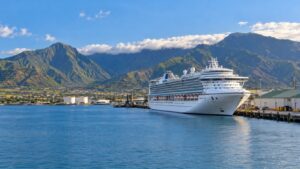
Hilo sits on the lush, rainy east coast of Hawaii’s Big Island, and it is your gateway to Kilauea, one of the world’s most active volcanoes. Here is exactly how I would plan a day ashore.
It is one of the greenest, most laid-back stops among the cruise ports in Hawaii, and it rewards cruisers who plan ahead.
My quick take on Hilo
Hilo is a nature port, not a shopping port. If you love waterfalls, rainforest, and volcanoes, you will love it, and it pairs beautifully with the drier west side you get at Kona.
My honest advice: decide before you dock whether this is a Volcanoes National Park day or a Hilo-town-and-waterfalls day. Trying to cram both usually means rushing.
The quick facts
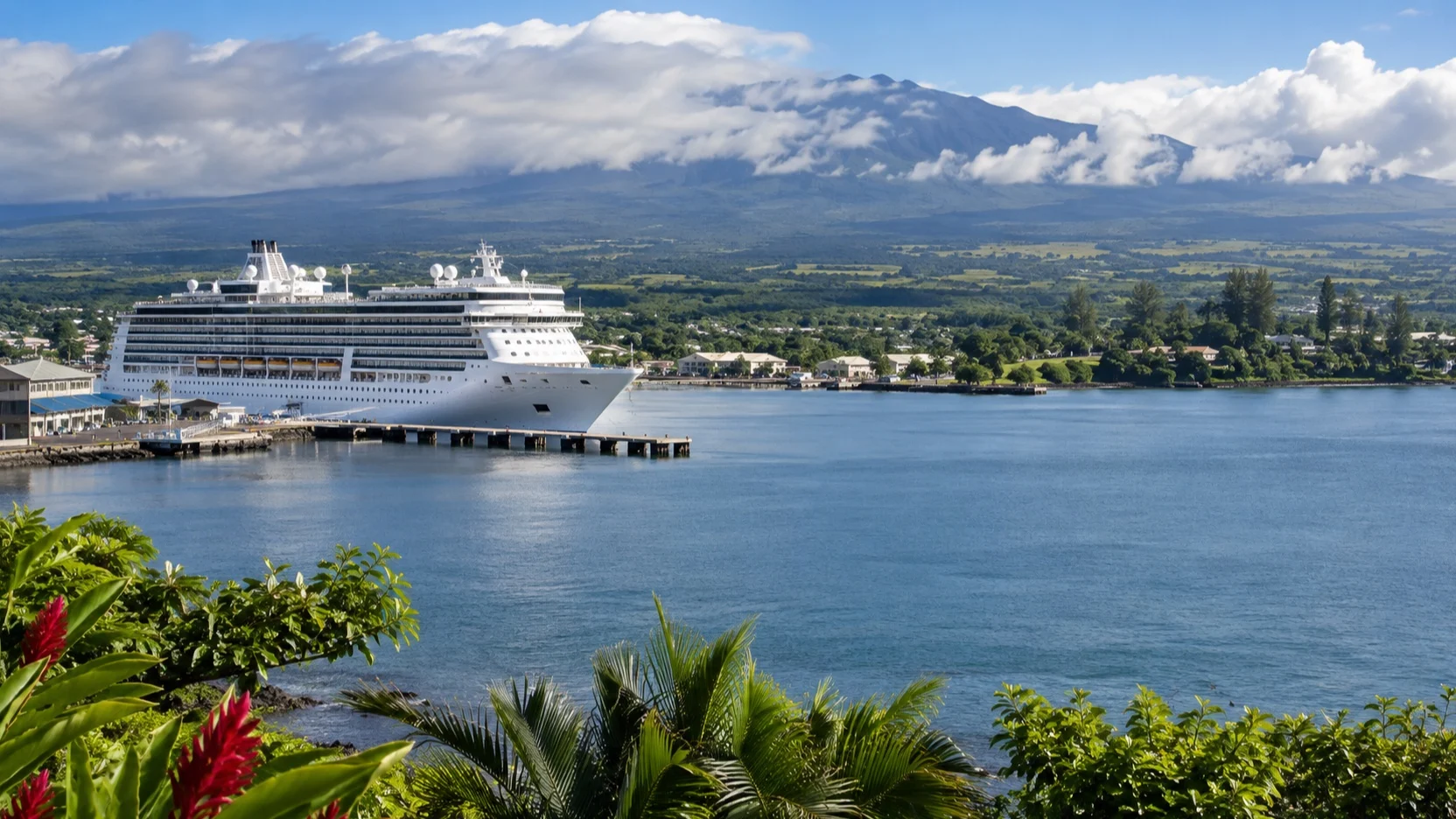
- Where you land: Pier 1 in Hilo Harbor, a working commercial pier on the south side of Hilo Bay, about 2 to 3 miles from downtown. See the state’s Hawaii DOT passenger and cruise schedules.
- Dock or tender: Hilo is an alongside berth, so you walk straight off with no tender boats.
- Into town: Not a walk.
- Currency and language: The US dollar and English, with Hawaiian as the state’s other official language.
- Time zone: Hawaii-Aleutian Standard Time (HST, UTC−10).
- How often the call is missed: Low (roughly 1 to 2%): tropical storms can make the approach unsafe.
Getting around from the pier
Because the harbor is a couple of miles from the action, transport is the first decision you make. Here is how the realistic options stack up.
Ship shuttle, taxi, and ride-share
Some lines offer a shuttle, but the destination and price vary by sailing. Taxis and ride-share operate in Hilo, although return supply can tighten on a busy ship day, so arrange the ride back before leaving the center.
The public bus
Hele-On bus routes and stops can change, and service near the harbor is not designed around every ship. Check the county’s current map and schedule before walking to a stop, and do not use public transit for Hawaiʻi Volcanoes National Park on a fixed port day.
Rental car
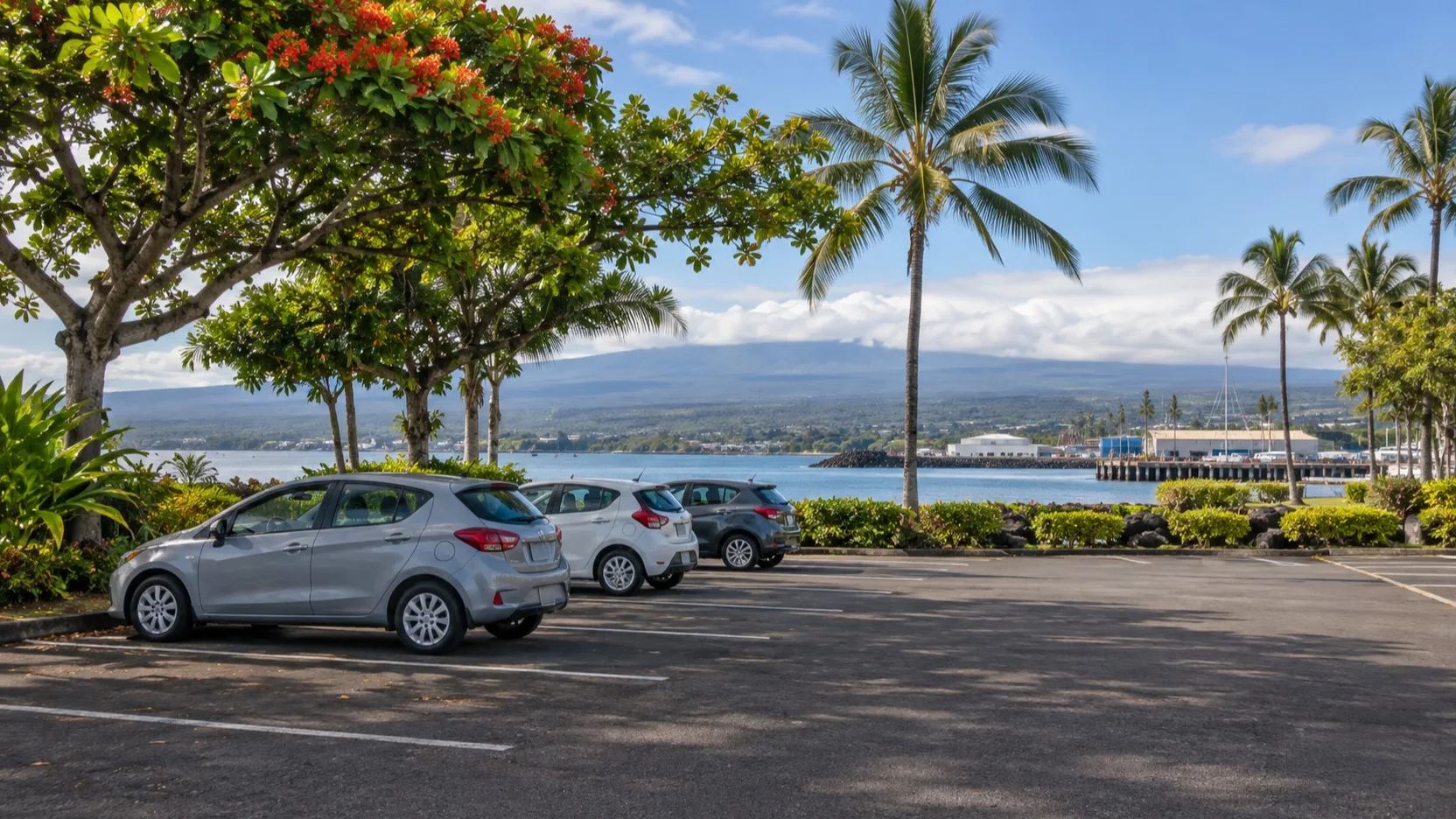
A rental car is the best way to see the Big Island at your own pace, especially for the volcano. Reserve well ahead, since Hilo’s fleet is small and sells out on multi-ship days.
Heads up: some links below are affiliate links. If you book through one, I may earn a commission at no extra cost to you. It never changes which hotels or tours I recommend. Full disclosure.
The stops I’d actually spend time on
These are the real, named places worth a cruiser’s limited hours. Pick a few that cluster together rather than sprinting across the island.
1. Hawaii Volcanoes National Park
This is the headline excursion, usually about 45 to 60 minutes from the pier before traffic or stops. Kīlauea’s activity changes quickly, so the current National Park Service and USGS notices matter more than an old eruption count.
Kīlauea is one of the world’s most active volcanoes, but active lava is never promised. Closures, volcanic gas, summit construction, and parking limits can change which overlooks, trails, and lava tubes are available.
- Entry fee: The NPS charges $30 per private vehicle (or $15 per person on foot), valid 7 days, card only, no cash.
- Check first: Eruptions come and go in pauses of days to weeks, so check the NPS webcams and alerts the morning you sail in.
- Time needed: Allow 4 to 5 hours round trip; a ship tour removes the timing stress.
2. Rainbow Falls (Wailuku River State Park)
An 80-foot waterfall just minutes from downtown, Rainbow Falls is part of Wailuku River State Park and is free to visit. Go on a sunny morning and the mist really does throw rainbows.
The overlook is steps from the parking lot, so it is an easy, quick win. The same park holds the Boiling Pots and Peepee Falls upstream.
3. Akaka Falls State Park
About a 30-minute drive north of Hilo, Akaka Falls plunges 442 feet at the end of a short paved loop through rainforest. There is a small non-resident parking or entry fee.
The loop is easy but can be misty and slick, so wear grippy shoes. It is one of the most photogenic short walks on the island.
4. Liliuokalani Gardens
This Japanese-style garden on Hilo Bay is free, calm, and close to the port, with koi ponds, pagodas, and arched stone bridges. It is a lovely low-effort stop if the weather turns.
Pair it with a short walk over to Coconut Island (Moku Ola) next door. In Hawaiian, Moku Ola means “island of life,” and it was historically a place of healing.
5. Downtown Hilo and the Farmers Market
Historic downtown Hilo is walkable once you are there, with vintage storefronts, galleries, and cafes. The Hilo Farmers Market runs daily, with its biggest spread on Wednesdays and Saturdays.
Come here for tropical fruit, local crafts, and flowers rather than big-brand shopping. It is the best spot to feel the town’s everyday rhythm.
6. Richardson Ocean Park
About 15 minutes from the pier, Richardson is a dark-sand and lava-rock ocean park used for swimming and snorkeling when conditions permit. Follow lifeguard signs, keep clear of surf and rock, and give resting or swimming sea turtles plenty of space.
There are restrooms and picnic areas, so it works as an easy half-day base. Bring water shoes for the lava rock.
7. Panaewa Rainforest Zoo and Gardens
This small county zoo is free (donations welcome) and sits in a genuine rainforest setting, which is a rarity for a US zoo. Kids love the tigers, tropical birds, and lemurs.
It is compact enough for an hour or two. Expect it to be damp underfoot, in true Hilo fashion.
8. Imiloa Astronomy Center
ʻImiloa blends Hawaiian wayfinding and culture with the science of Maunakea’s observatories, plus a planetarium. It is a strong rainy-day option, but it is currently closed Mondays and planetarium programs have their own schedule.
The mountain’s high-altitude summit is not a realistic cruise-day trip. The Visitor Information Station sits far up the access road and needs far more time than a port call allows, so treat Mauna Kea as a view, not a hike.
9. Pacific Tsunami Museum
Hilo has been struck by devastating tsunamis, and this downtown museum tells that story with survivor accounts and science. The museum is small and sobering, but it currently operates a limited weekend schedule during revitalization, so check official hours before making it the anchor of a downtown plan.
10. Big Island Candies and Mauna Loa macadamias
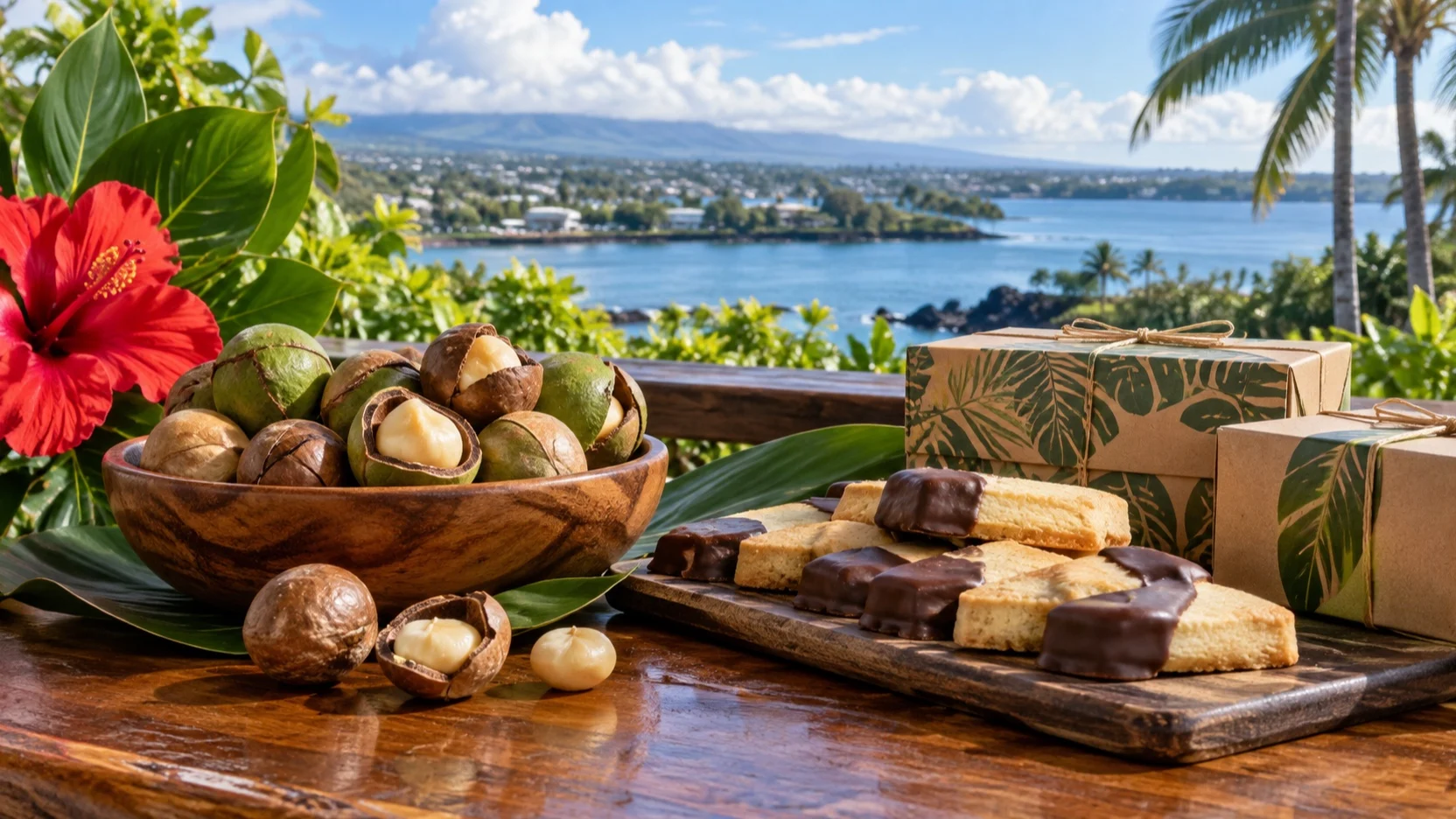
For edible souvenirs, Big Island Candies makes beautifully boxed shortbread and chocolate-dipped treats near the port. The Mauna Loa Macadamia Nut Visitor Center is the classic stop for samples and gifts.
How I’d plan the day
Here are three simple frameworks depending on how much time you have and how far you want to roam.
- Short (about 3 hours): Ship shuttle into town, Rainbow Falls, Liliuokalani Gardens, and the Farmers Market, then back with a buffer.
- Half day (about 5 hours): Add Akaka Falls to the north or Richardson Ocean Park to the east for a beach-and-waterfall combo.
- Full day (8 hours): Commit to Hawaiʻi Volcanoes National Park. A cruise-line excursion offers the strongest late-return protection, but no operator can guarantee weather, lava, or every park stop.
Whatever you choose, aim to be back at the pier at least an hour before all-aboard. Big Island distances are longer than they look on a map.
A realistic word on accessibility
Hilo is an alongside berth, so boarding and leaving the ship avoids tender boats, which is a real plus for anyone with mobility needs. Downtown, Liliuokalani Gardens, and the Rainbow Falls overlook are among the flatter, easier options.
Waterfall trails and lava-rock beaches involve uneven, often wet ground. ʻAkaka Falls has steps and is not wheelchair accessible, while gangway slope, vehicle lifts, and individual park stops should be confirmed with the cruise line.
When to go, and the weather
Hilo is warm year-round but genuinely rainy, sitting on the island’s wet windward side. The drier stretch runs roughly April through October, though a passing shower is possible any day.
Do not let rain derail the plan, since that same moisture is what makes the waterfalls and rainforest so spectacular. A packable rain jacket beats an umbrella in the wind.
Reserve the parts that can derail the day
A rental car gives you the most freedom for the national park, but confirm the pickup location before booking because many agencies are near Hilo airport rather than at the pier. Reserve early, allow time for any shuttle or taxi at both ends, and save an offline map because cell service is patchy in the park.
For Hawaiʻi Volcanoes National Park, check the official alerts, air-quality guidance, parking notice, and volcano status on the morning of the call. Lava is never guaranteed, summit construction can change routes, and parking at popular overlooks can fill by midmorning.
The park currently charges $30 per private vehicle or $15 for an adult entering without a vehicle, and it does not accept cash at the entrance. At ʻAkaka Falls State Park, nonresidents currently pay a $5 per-person entry fee plus $10 per noncommercial vehicle, also by card.
Choose a cruise-line volcano tour when late-return protection matters most, or a private tour for a smaller group only when its cancellation and port-return terms are clear. From the park, aim to start back at least 90 minutes before all aboard, with more time for roadwork, weather, or an airport car return.
Quick answers
Can I walk from the ship to downtown Hilo?
Not really. Downtown is about 2 to 3 miles from Pier 1 along a working harbor road, so a shuttle, taxi, tour, or the local bus is the practical choice.
Is it worth going to the volcano on a port day?
Yes, if volcanic scenery is your priority and you book suitable transport with a wide return margin. Check official alerts first because lava viewing, air quality, closures, and parking depend on current conditions.
Which is better for me, Hilo or Kona?
Hilo is greener, wetter, and closer to volcanoes and waterfalls, while Kona is sunnier and better for beaches and snorkeling. Many Hawaii itineraries include both, and you can compare a nearby island stop at Kahului on Maui.


How this guide was researched: Unless a first-hand visit is explicitly identified above, this guide is based on independent research using official port, tourism, transit, government, and attraction sources where available. Logistics and time-sensitive details were reviewed on September 10, 2026; see our Editorial Policy.