Puerto Chiapas Cruise Port: Terminal, Izapa and Tapachula
Puerto Chiapas is a straightforward cruise arrival with a wonderfully complicated region beyond the pier. Your ship normally docks beside a purpose-built terminal, but the archaeology, cacao country, Tapachula, mangroves, and coffee foothills all require organized road transport and a realistic return plan.
The best day here is not the one that collects the most stops. Choose one strong Soconusco story, confirm current security guidance, and leave enough time for the highway and federal port gate on the way back.
Quick facts about Puerto Chiapas cruise port
- Arrival: Ships normally berth alongside at the dedicated cruise terminal
- Tender: Not normally required
- Nearest city: Tapachula, roughly 19 miles inland
- Best first visit: Izapa with a cacao experience
- Easiest day: Stay around the terminal welcome area
- Currency: Mexican peso
- Language: Spanish
- Main planning risks: Heat, rain, road delay, and changing security advice
- Return rule: Allow time for both the highway and port security
Where your ship docks
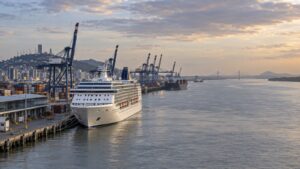
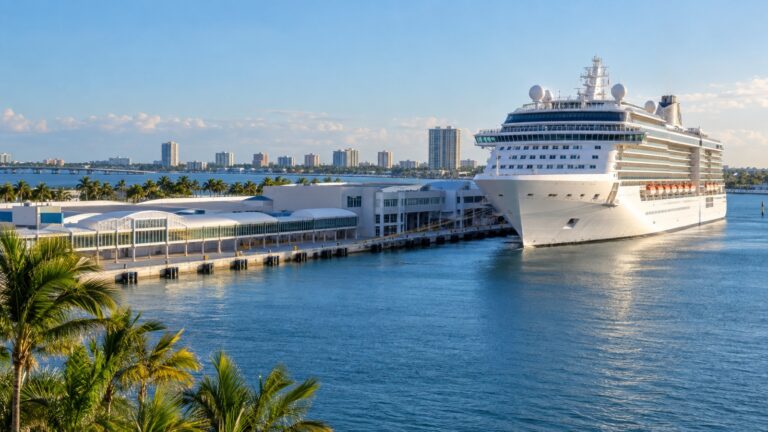
Puerto Chiapas has a dedicated cruise facility inside the larger commercial harbor formerly associated with Puerto Madero. The normal passenger operation is alongside, which makes getting off the ship simpler than at a tender port.
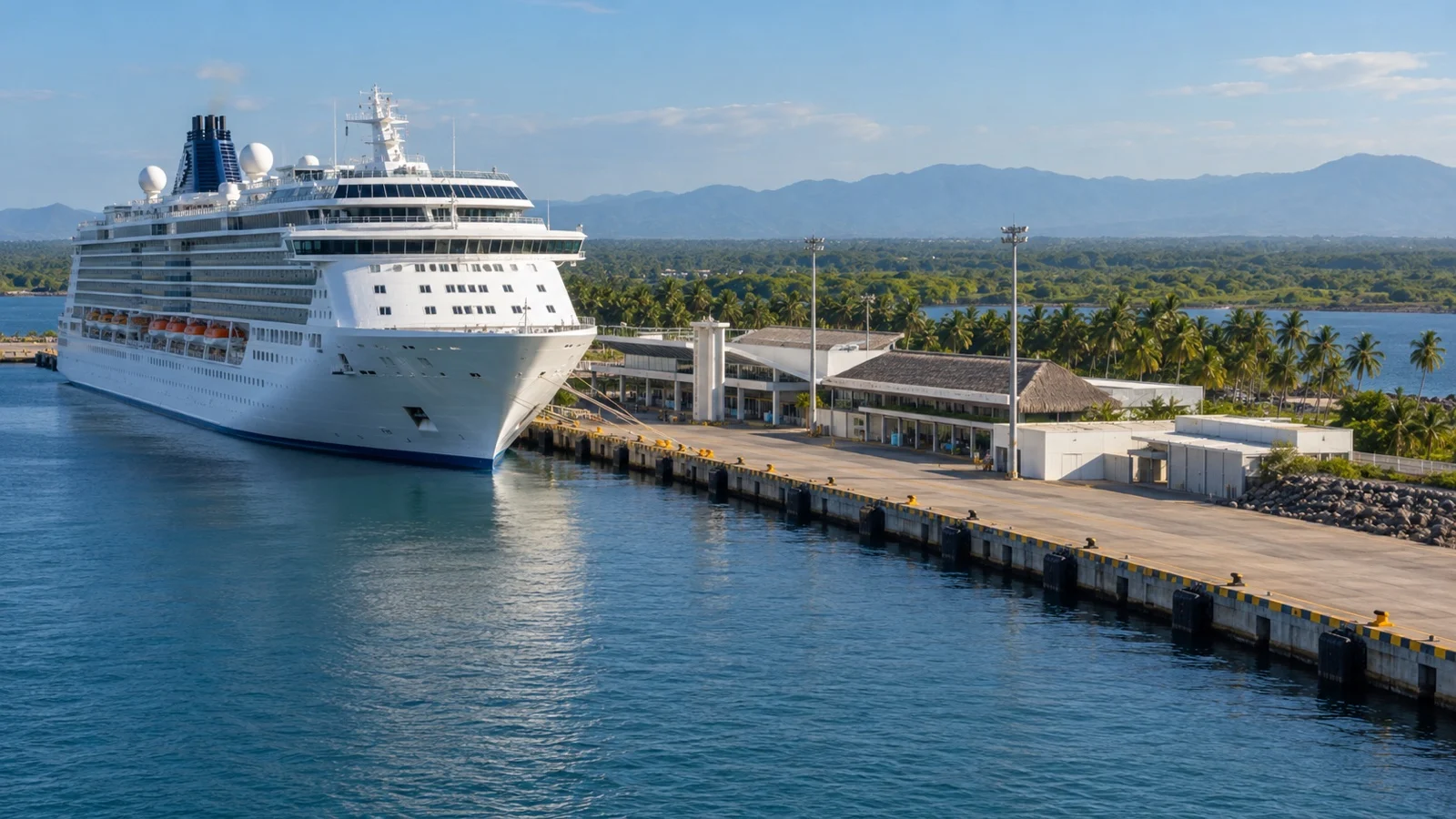
The gangway angle, walking distance, and exact passenger route still depend on the berth and tide. Follow the marked path through the secure port rather than treating the working harbor as a place to wander.
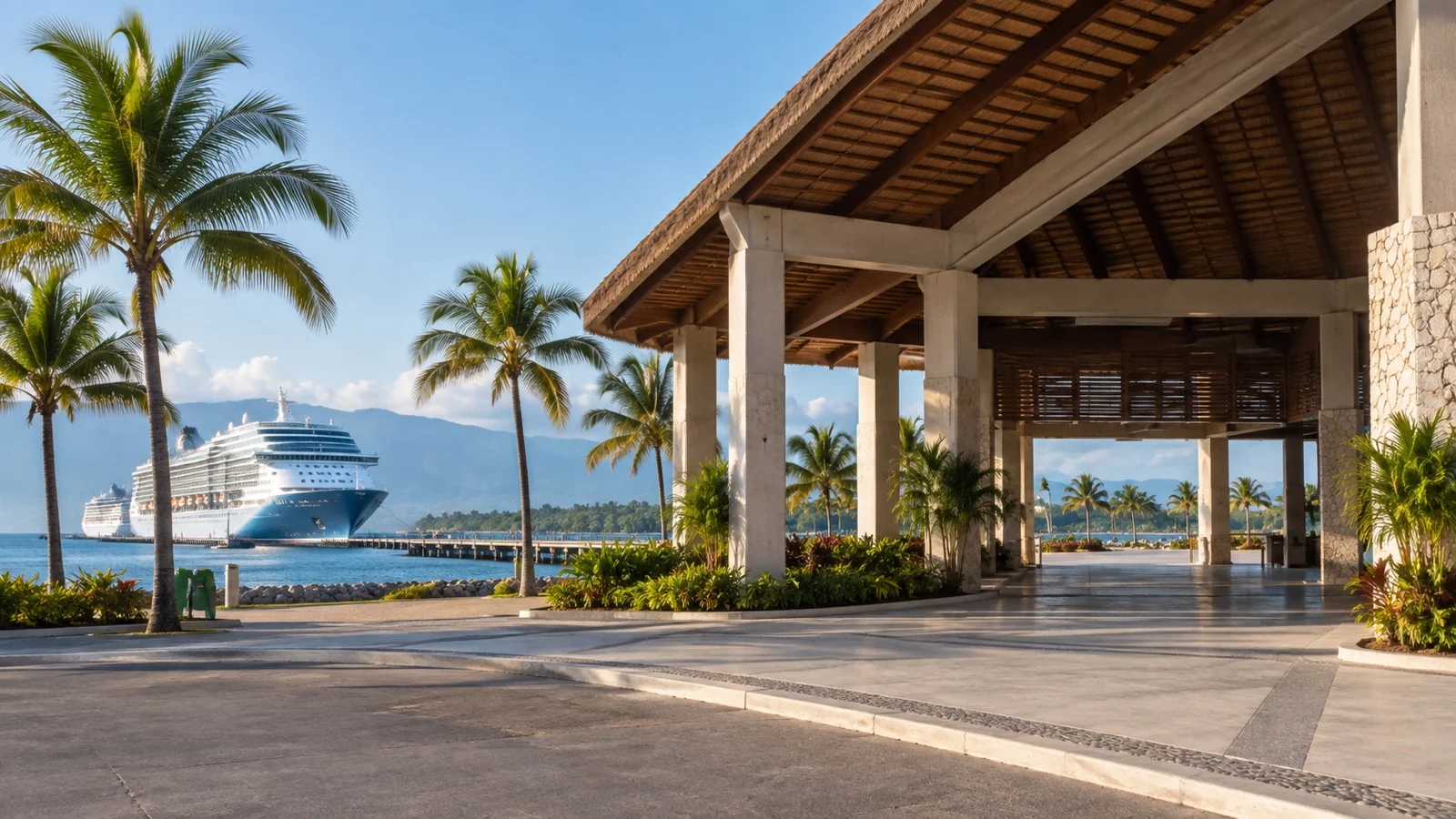
The terminal has been designed as a welcome point, with a palapa-style complex, local vendors, tourist information, and cultural performances on some calls. What is open can vary with the ship schedule, so regard the day’s actual setup as the reliable guide.
The terminal can be the whole port day
Staying at the terminal is a sensible choice for travelers who want a low-effort day or prefer not to take a long road excursion. You may find handicrafts, music, dance, snacks, drinks, and shaded places to pause, although the program is never guaranteed.
Ask the tourism desk which authorized transportation is operating and when the last return reaches the controlled gate. A vendor or driver should be able to explain the complete price, meeting point, waiting arrangement, and accepted payment before you agree.
There is no walkable town outside the port that turns a short stroll into a city visit. If you want Tapachula, Izapa, a plantation, or a lagoon, plan on a vehicle and treat transfer time as part of the excursion.
Tapachula is an inland excursion
Tapachula is the regional city, not the cruise-port neighborhood. The drive commonly takes around 30 to 40 minutes in ordinary conditions, but rain, traffic, road works, and security controls can stretch that estimate.
A city visit may include the central square, local architecture, food, and the Museo Arqueológico del Soconusco when it is open. Use a guided route or a clearly agreed drop-off and pickup plan rather than expecting to improvise a long independent day.
Confirm whether transportation is a round trip, whether the same vehicle waits, and where you will meet for the return. Save the driver’s details and the port location offline because a weak phone connection is a poor substitute for a plan.
Izapa is the standout history choice
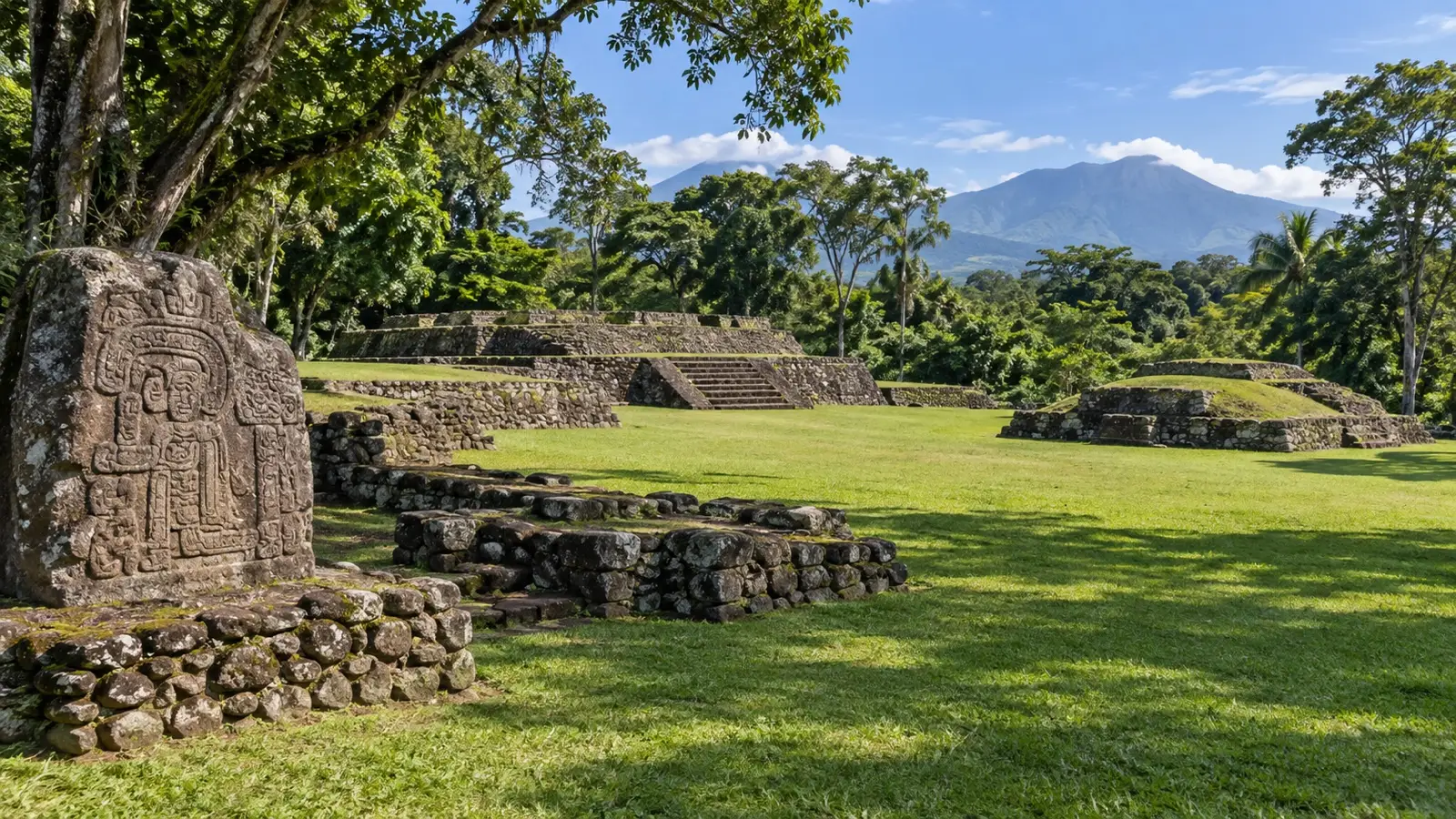
Izapa preserves the remains of an important pre-Hispanic center with plazas, mounds, platforms, and carved stone monuments. It lies close enough to Tapachula to pair naturally with a focused city stop or cacao visit, but it still needs organized transport from the ship.
Check the National Institute of Anthropology and History for current opening information before relying on any tour description. Maintenance, heavy rain, local access decisions, or a closure can change the day even when the ship docks normally.
The archaeological terrain is open, uneven, and potentially hot, with limited shade in places. Wear closed shoes, carry water, and choose a knowledgeable guide who can explain what archaeologists actually know without turning every carving into a dramatic myth.
Cacao tells the region’s living story
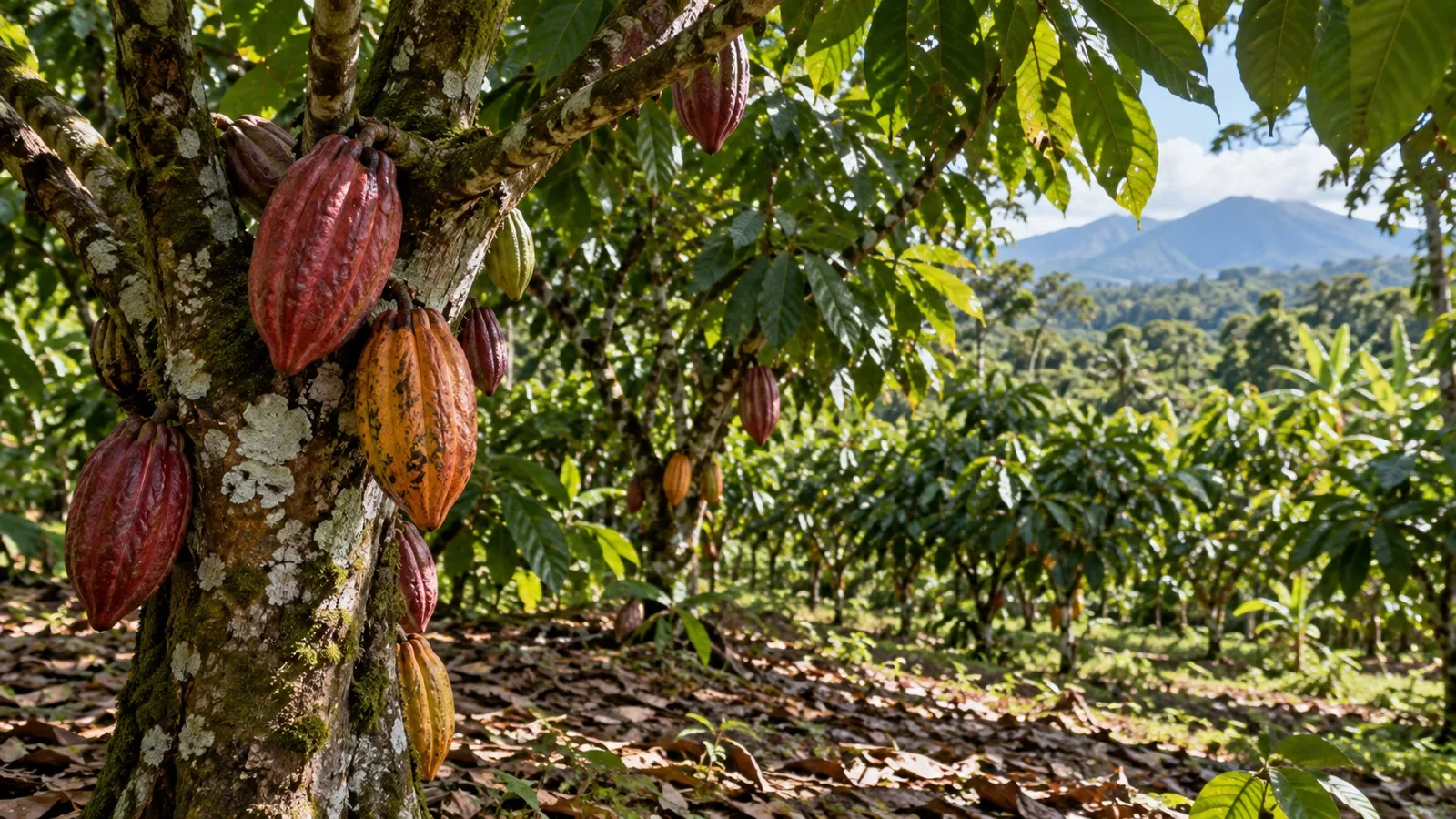
Cacao experiences around the Soconusco region can add cultivation, fermentation, roasting, and chocolate-making context to an Izapa day. The strongest visits are run by people who connect the crop to local families and present-day agriculture, not only a souvenir counter.
Ask what the tasting contains if you have dairy, nut, or other food allergies. Products should be sealed and labeled, and your next destination may restrict what food can be carried ashore.
Coffee country needs more time
Historic coffee estates sit toward the Sierra Madre foothills north of Tapachula, where elevation can bring greener scenery and cooler air. The longer drive and more variable roads make this a better fit for a cruise-line excursion or a thoroughly vetted local operator.
Before booking, ask for the real door-to-door driving time, road surface, walking level, meal plan, restroom availability, and delay contingency. A plantation should be the main event, not an extra stop squeezed behind Izapa and the city.
Mangroves and coastal nature
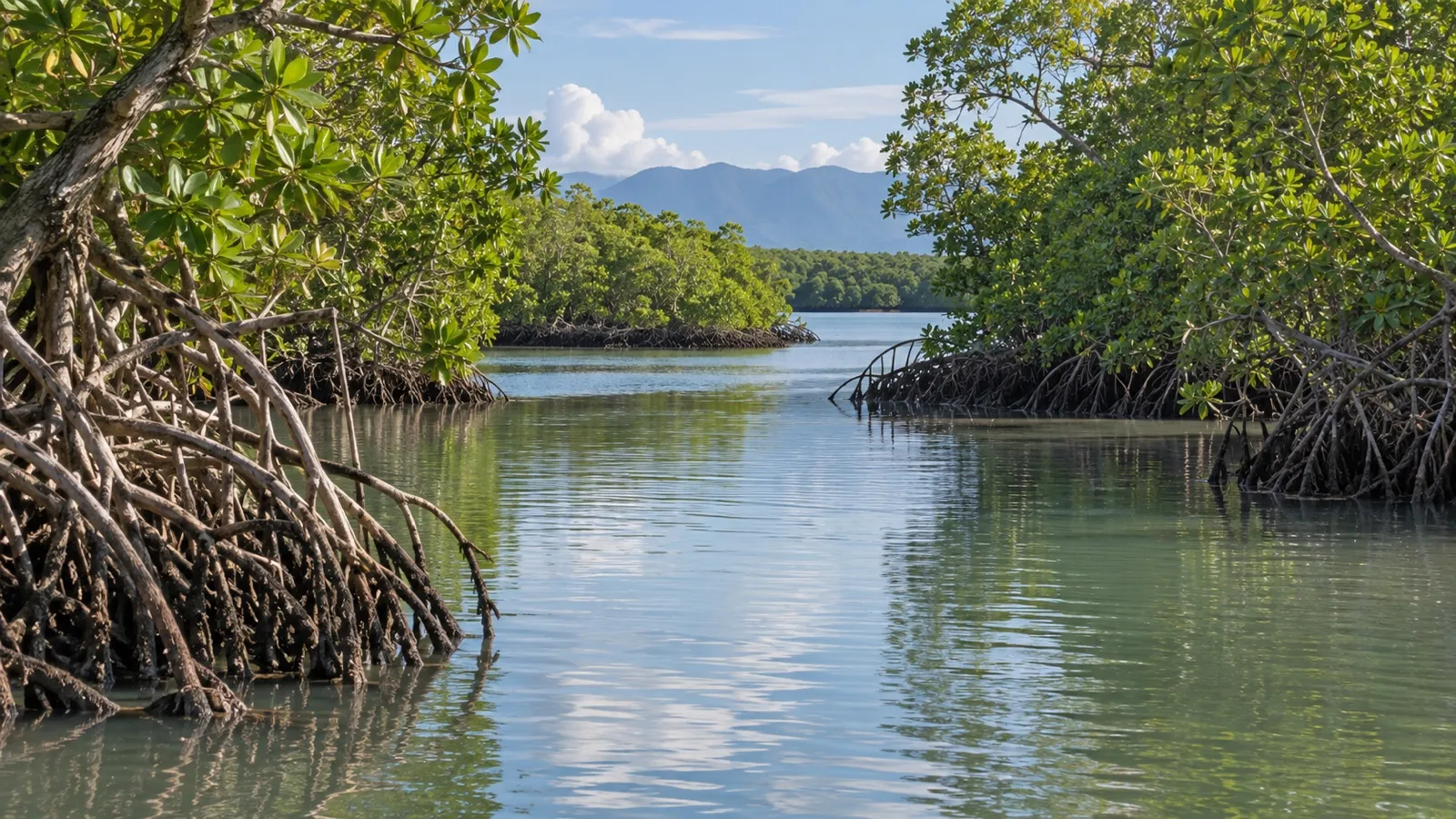
Lagoon or mangrove outings can reveal waterbirds and a quieter side of the coastal lowlands. Confirm the boat operator, life jackets, shade, boarding method, transfer time, and weather policy before treating the excursion as suitable for your group.
Wildlife sightings are never guaranteed, and ethical observation keeps a respectful distance from feeding or nesting animals. Do not encourage a guide to use recorded calls, feed birds, or push a small boat into sensitive habitat for a photograph.
Volcán Tacaná is not a port-day summit
Volcán Tacaná rises near the Mexico and Guatemala border and can dominate the inland skyline on a clear day. A summit attempt or improvised border detour does not fit an ordinary cruise call because distance, permits, terrain, weather, and current security conditions all work against it.
Enjoy the mountain from an authorized route or viewpoint if your planned excursion offers one. Keep the day’s primary focus on Izapa, cacao, Tapachula, coffee, or one coastal nature experience.
Current security advice matters
Government travel advice for Chiapas has changed over time and can distinguish between specific cities, roads, and regions. Read the current advisory issued for your nationality shortly before sailing, then follow the cruise line’s latest operational guidance on the day.
Use authorized transportation, travel in daylight, keep valuables discreet, and stay on the agreed route. Do not accept an unverified roadside ride, arrange a casual border trip, or ask a driver to bypass a disruption through unfamiliar territory.
A ship excursion offers the simplest coordination if regional security guidance or road conditions concern you. Independent travelers should choose a vetted operator who communicates clearly and understands federal port access.
Accessibility from gangway to excursion
An alongside berth avoids the transfer into a tender boat, but the gangway can still be steep and the pier walk can be long. Ask the cruise line about wheelchair assistance and the terminal about the current step-free route.
Accessible transportation must be confirmed in advance because space in a luggage bay is not the same as a lift-equipped vehicle. Ask about securement points, steps, aisle width, accessible restrooms, and how far the vehicle parks from each stop.
Izapa has rough outdoor ground, plantations can include gravel and slopes, and small boats may require a substantial step. A relaxed terminal day may be the most comfortable option when transfers or heat would diminish the experience.
Money, language, and comfort
Mexican pesos provide the clearest pricing, especially away from the cruise terminal. Some cruise-facing sellers may accept United States dollars, but they choose the exchange rate and may return change in pesos.
Spanish is the everyday language, so save the port name, meeting point, and driver’s contact details on your phone. A few useful translated phrases can solve a problem faster than searching for a signal.
The coastal lowlands are hot and humid, with heavy rain possible in the wetter season. Carry water, sunscreen, a hat, insect repellent, and a compact rain layer, then slow the pace before the heat chooses it for you.
Build the return margin first
Work backward from the ship’s all-aboard time and include driving, loading, possible rain, traffic, and federal port re-entry. Reaching the outer gate is not the same as reaching the gangway, so keep a separate margin for security processing and the walk through the terminal.
Tapachula and Izapa require more buffer than staying near the pier, while the coffee foothills require the most. If conditions deteriorate, cut the final optional stop instead of borrowing time from the return.
Three realistic Puerto Chiapas days
Easy terminal day
Enjoy the welcome area, browse local crafts, watch any scheduled cultural program, and return to the ship whenever the heat rises. This plan has the smallest transport and timing risk.
Izapa and cacao day
Visit Izapa first with a qualified guide, then add one cacao experience if access and traffic allow. Put any short Tapachula stop last so the final road begins closer to the direct port route.
Coffee country day
Choose one organized estate visit as the day’s centerpiece and accept the longer drive. Avoid adding distant attractions merely because the vehicle passes through Tapachula.
Final thoughts
Puerto Chiapas rewards a focused plan: one regional experience, authorized transport, and a conservative return. Izapa and cacao make a superb pairing, while the terminal itself offers a perfectly valid low-stress day.
CruisePorts.co provides practical, independent planning guidance for cruise travelers. Port access, security advice, attraction hours, road conditions, and excursion operations can change, so verify critical details with official sources and your cruise line before travel.