Toamasina Cruise Port: Tamatave Markets and Rainforest
Toamasina is Madagascar’s largest port and the energetic capital of the island’s east coast. Cruise travelers still encounter the older name Tamatave, but both names point to the same humid city of markets, palm-lined avenues, working docks, and gateways toward exceptional wildlife.
The best port day is not the one that tries to conquer eastern Madagascar in a few hours. It is the one that respects the secure cargo port, chooses one strong story, and leaves a generous road or tender buffer.
Quick Facts
- Port: Toamasina, also widely known as Tamatave
- Country: Madagascar
- Currency: Malagasy ariary
- Languages: Malagasy and French, with limited English outside tourism settings
- Main city plan: Markets, avenues, local food, and a guided cultural overview
- Best nature option: Parc Ivoloina, subject to current access and reservations
- Arrival: A secure working port, with docking or tender procedures set by the call
- Health planning: Discuss malaria prevention and routine travel care with a qualified clinician before departure
Toamasina and Tamatave Are the Same Place
Toamasina is the modern Malagasy name, while Tamatave remains common in older maps, cruise materials, and conversation. Do not treat the two names as separate ports or cities.
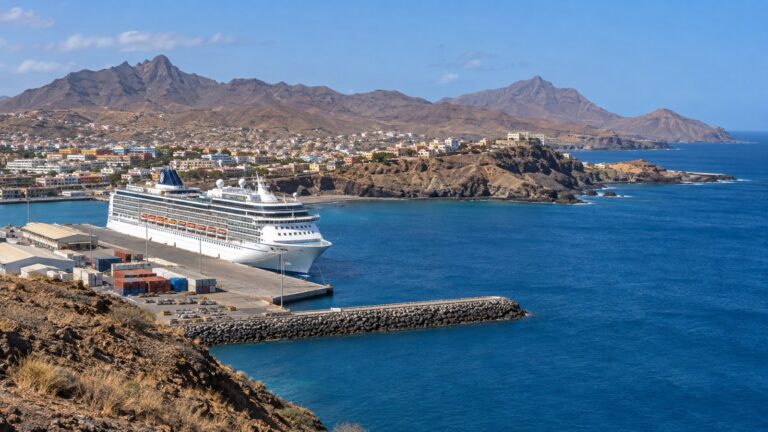
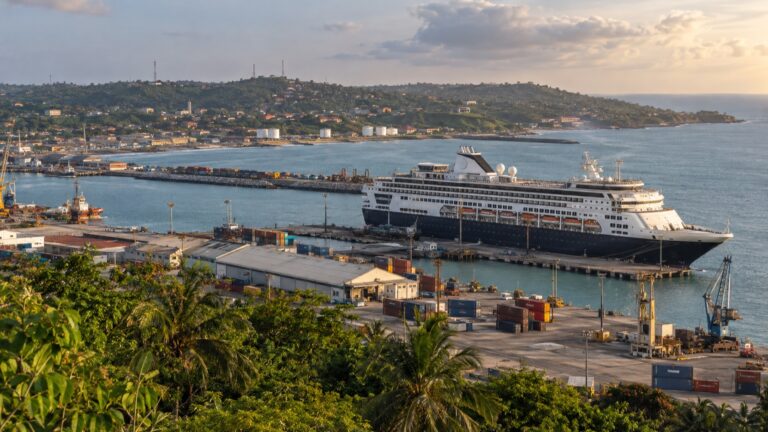
This is Madagascar’s principal commercial harbor, so the waterfront first presents cranes, cargo activity, secure gates, and heavy vehicles. The working character is part of the destination, but it also means passengers must follow port instructions closely.
The city lies beside the port, yet the permitted route from ship to street is not automatically walkable. Confirm whether the cruise line provides a shuttle and where independent drivers are allowed to meet.
Docking, Tendering, and the Secure Port
A Toamasina call may dock or use another passenger-transfer arrangement depending on the ship, berth, construction, weather, and port operations. The itinerary name does not guarantee a particular terminal or gangway.
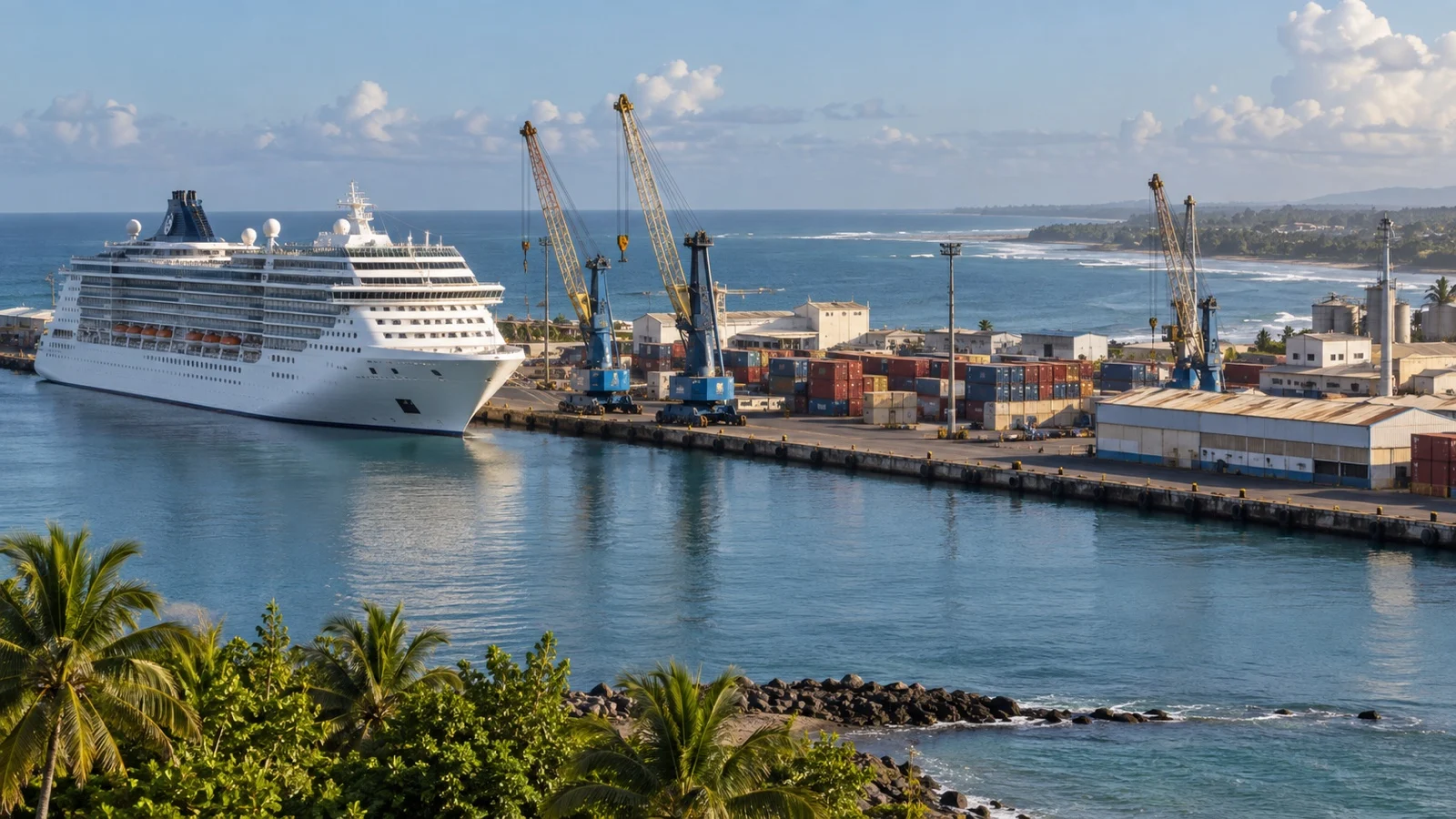
ENAPOR and the local port authorities control secure access. Passengers should use the marked route, ship shuttle, or organized pickup rather than walking among commercial traffic.
If the ship tenders, the last tender time becomes the practical deadline for your day. Wind, swell, boat capacity, and priority groups can delay the start or return.
Send your guide the ship name and final arrival notice after boarding. A cruise-aware operator should know the approved meeting point and have a backup if the vessel changes position.
A Toamasina City Day
Toamasina is a living port city rather than a collection of polished monuments. Its appeal comes from markets, food, broad avenues, pousse-pousse traffic, coastal air, and the chance to understand daily life with someone local.
A guide adds more value here than a rigid attraction checklist. Language, port access, market etiquette, transport, and neighborhood context all become easier when someone can explain what you are seeing.
Markets
The city’s markets can be vivid with produce, spices, household goods, clothing, and everyday trade. Go earlier for stronger activity and cooler conditions, while remembering that exact opening patterns change.
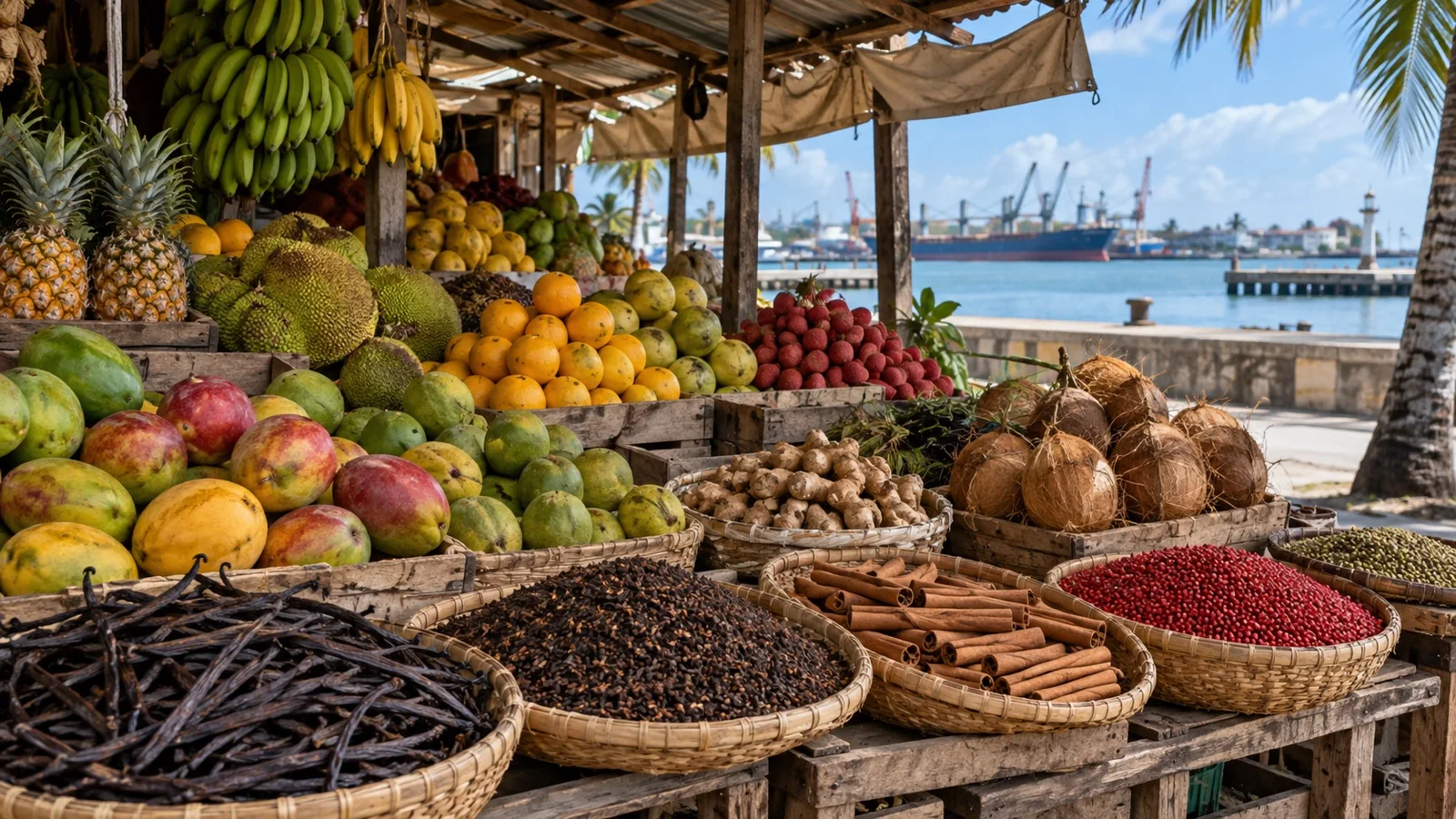
Keep phones and wallets secure in crowds, ask before photographing vendors, and avoid blocking working aisles. Small ariary notes are useful when you buy fruit, snacks, or modest crafts.
Vanilla and spices may be tempting souvenirs, but customs and agricultural rules at your next destination still apply. Buy sealed, clearly labeled products and declare them when required.
Avenues and Waterfront Atmosphere
Toamasina’s palm-lined streets and coastal setting offer an easy visual introduction to the east coast. Traffic mixes cars, bicycles, rickshaws, pedestrians, and commercial vehicles, so stay alert even on a broad road.
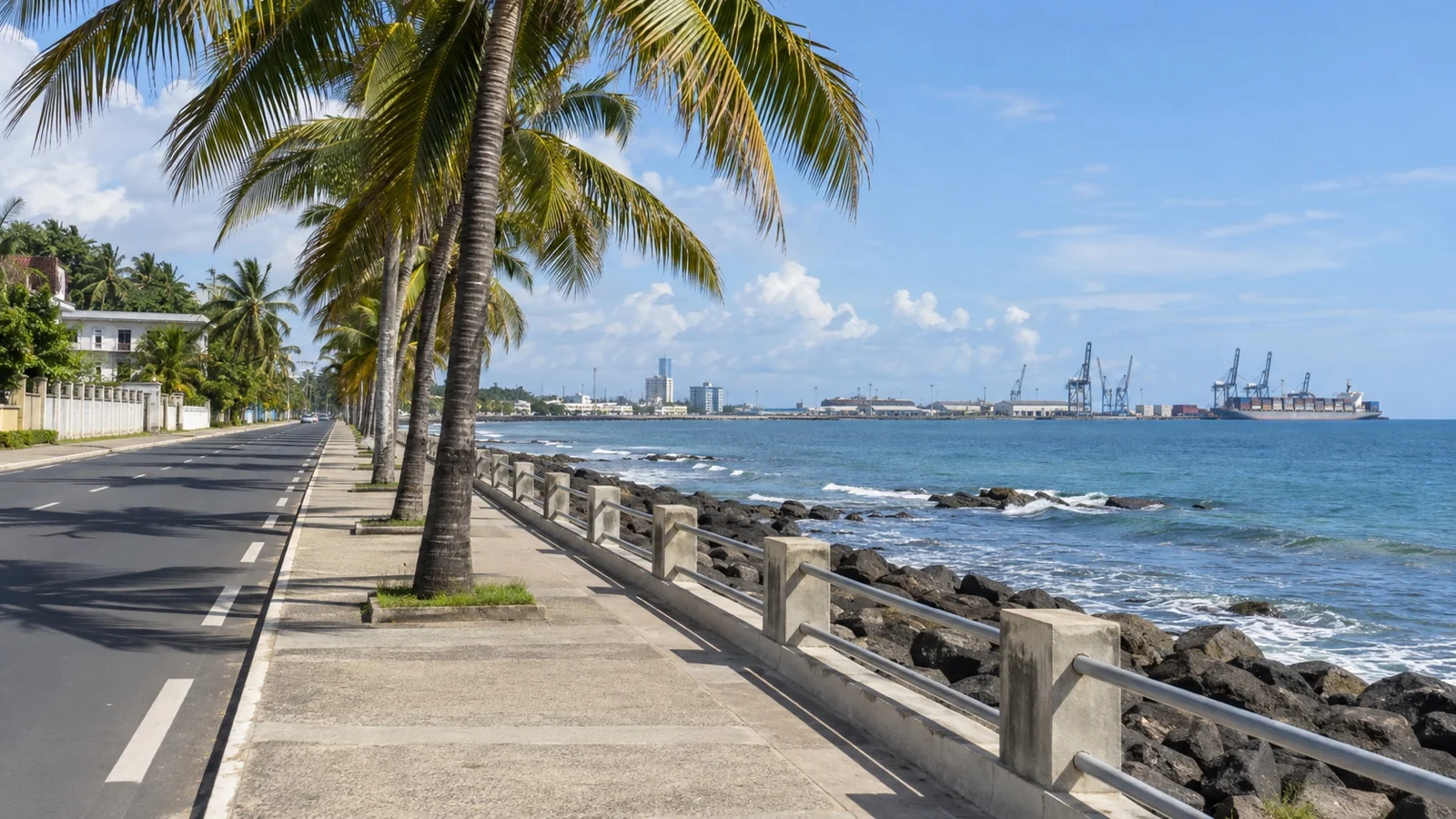
The city shoreline should not automatically be treated as a swimming beach. Ask a trusted local guide about current water, surf, sanitation, and supervised alternatives before entering.
A relaxed city route can include a market, cultural stop, local lunch, and short waterfront drive. This is the most forgiving plan when the ship call is short or clearance begins late.
Food and Coffee
Madagascar’s east coast brings rice, seafood, tropical produce, spices, and regional preparations to the table. Choose a busy, clean restaurant and allow enough time for service.
Travelers with allergies should carry a French or Malagasy translation card. Sauces, cooking oils, seafood, and cross-contact may not be obvious from a menu.
Parc Ivoloina
Parc Ivoloina is the strongest nearby choice for travelers interested in Madagascar’s wildlife and conservation work. The Madagascar Fauna and Flora Group operates the site as a conservation, education, and visitor center.
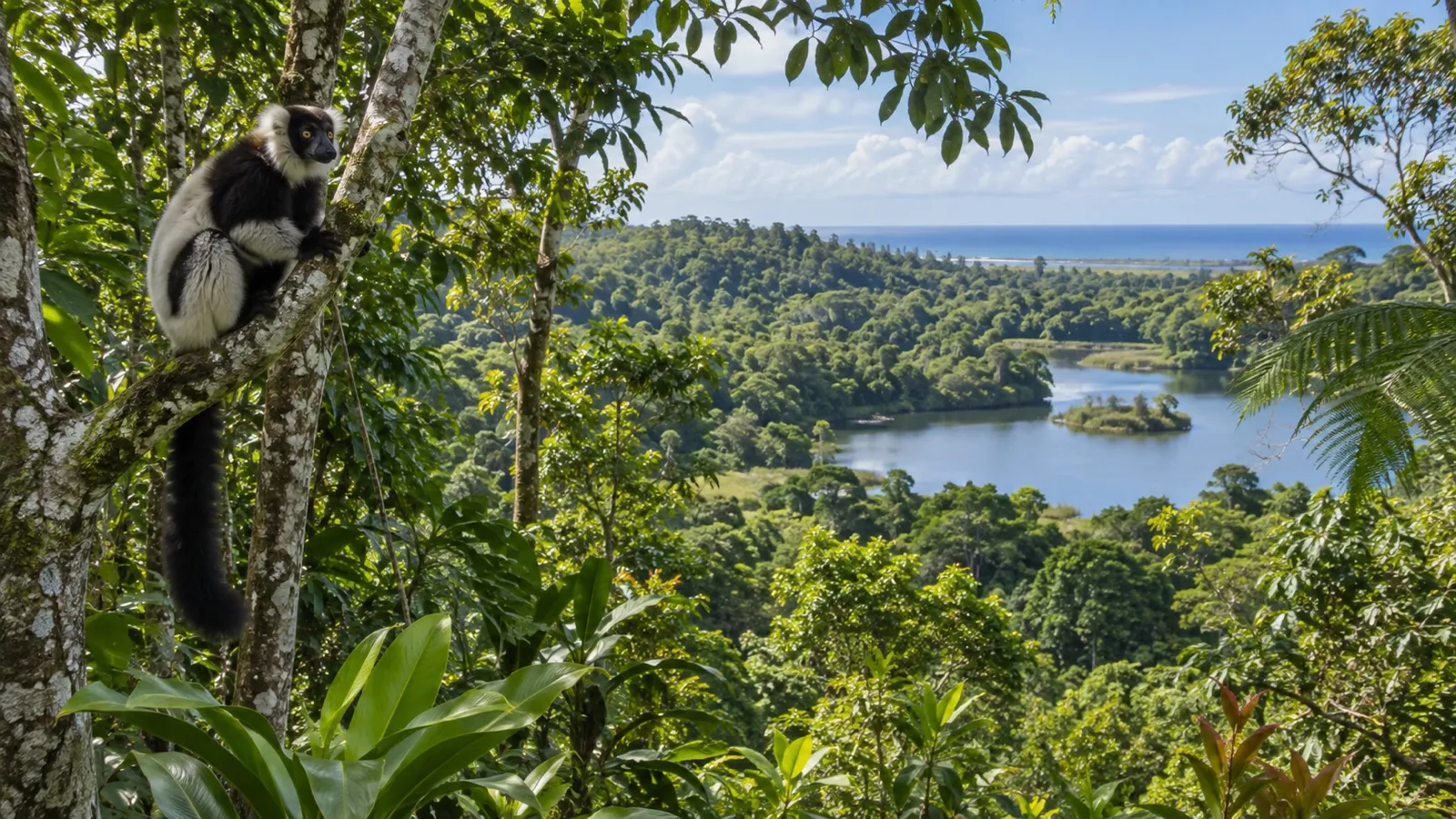
The experience is not a substitute for a multi-day rainforest expedition. It is a practical way for cruise visitors to learn about native species and the work required to protect them.
What to Expect
Depending on current operations, a visit may include managed wildlife areas, botanical elements, trails, conservation interpretation, and guides who explain the animals and habitat. Conditions, access, and available experiences should be confirmed directly.
A guide can help you notice animals without chasing or feeding them. Follow staff instructions and never touch wildlife unless a controlled program explicitly permits it.
Bring insect repellent, water, rain protection, and shoes suited to damp ground. Eastern Madagascar can be humid and muddy even when the port looks dry.
Reserve Before Sailing
Parc operations can be affected by weather, storm damage, conservation needs, or maintenance. Contact the organization or use a reputable shore operator before sailing instead of assuming walk-up access.
Confirm the travel time from the current port gate, the duration on site, restroom availability, and the return buffer. A ship excursion may be worthwhile when transport supply is limited.
A Responsible Wildlife Visit
Wildlife tourism should support conservation rather than create forced contact. Avoid any operator that promises handling, feeding, or staged interaction without clear welfare standards.
Do not use flash when prohibited, and keep noise low around animals. Purchases and admission fees are most meaningful when they support transparent local conservation work.
The Pangalanes Canal
The Canal des Pangalanes is a long system of waterways, lakes, and settlements running along Madagascar’s eastern side. It is often presented as a signature Toamasina experience, but a cruise-day outing depends heavily on the embarkation point, boat, weather, and operator.
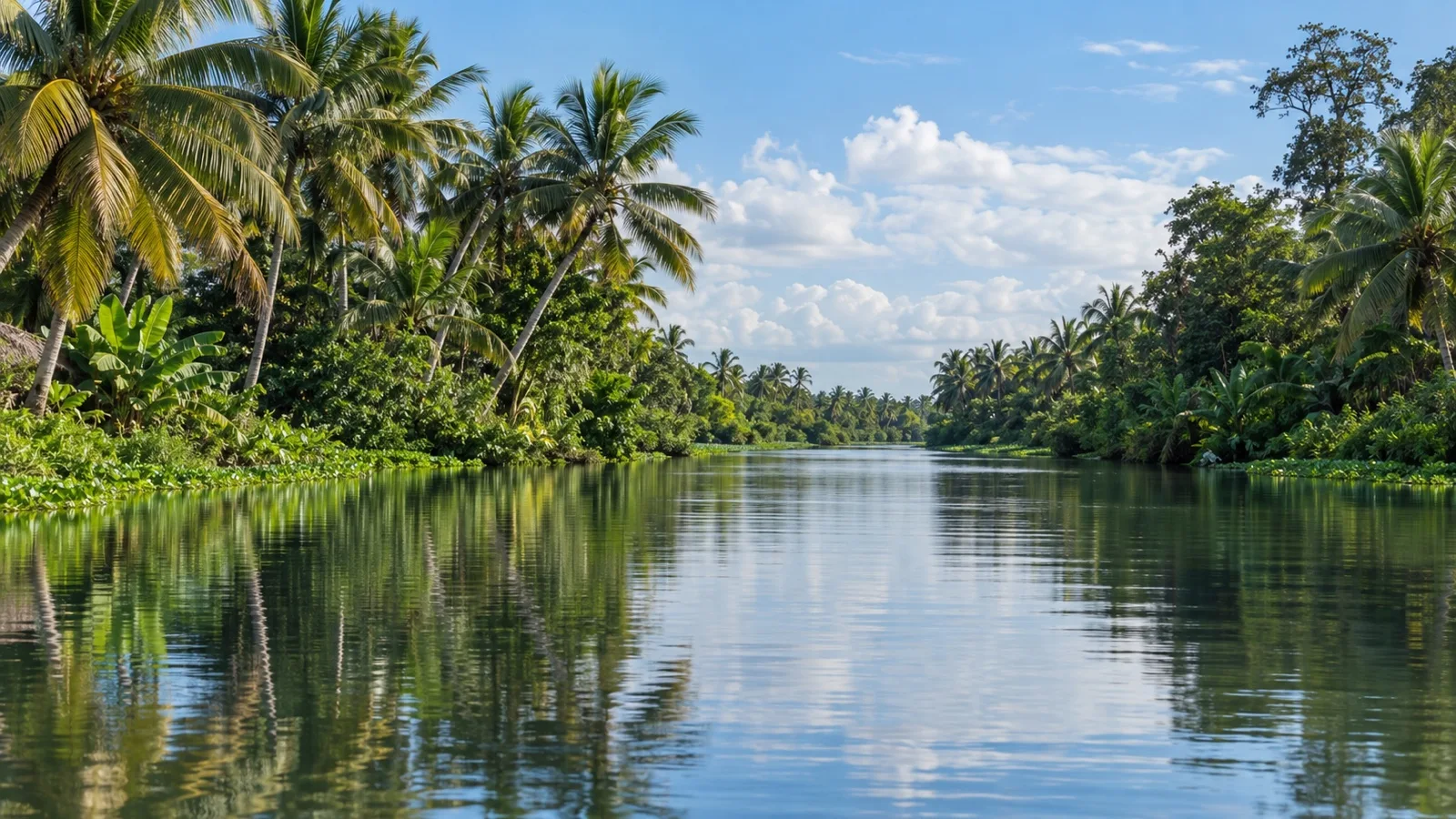
Official Madagascar tourism material describes the canal as a multi-day journey in its fullest form. A port call can offer only a short sample, so be skeptical of an itinerary that promises a vast stretch plus several distant attractions.
Choose a Cruise-Aware Operator
Ask exactly where the boat begins, how passengers reach it, what safety equipment is carried, and how the operator monitors the ship. The road transfer to the launch and the boat return both need independent time margins.
Wear a life jacket, protect electronics from rain, and keep hands inside the boat near docks or vegetation. Travelers with limited mobility should ask about step height, balance, seating, shade, and restroom access.
Rain or wind can change water conditions and road access. A strong operator will offer a clear cancellation or land-based backup rather than forcing the excursion.
Which Toamasina Day Fits You?
Choose the city when the call is short, you enjoy markets and food, or you want the least fragile return plan. A guided overview can reveal far more than the city receives credit for.
Choose Parc Ivoloina when wildlife and conservation are your priority. Reserve it carefully and treat any available animal sightings as a privilege, not a guarantee.
Choose a canal outing when the operator has strong safety standards and cruise timing experience. Accept that the day is about the waterway rather than seeing every city landmark as well.
For a mixed group, city plus lunch is the easiest shared option. Travelers with separate interests can add a market or cultural stop without committing everyone to a humid trail or small boat.
Transportation and Road-Time Reality
Toamasina’s local transport can include taxis, tuk-tuks, pousse-pousses, and shared vehicles, but availability and condition vary. For a cruise excursion beyond the city, a prearranged vehicle with seat belts is the safer choice.
Agree on price, currency, route, waiting time, and return point before leaving. Keep the port name and ship contact written in French in case mobile service fails.
Road surfaces, rain, construction, freight traffic, and congestion can change travel time. Map estimates are only a starting point, especially outside the central city.
Avoid motorcycle taxis unless you fully understand the safety and insurance risks. A cheap shortcut is not useful if it compromises the rest of the voyage.
Money, Cards, and Connectivity
The Malagasy ariary is the local currency. Cash is important for markets, small restaurants, local transport, and places where card equipment or connectivity is unreliable.
Cards may work at established hotels and larger businesses, but never make one card your only plan. Use bank-affiliated machines, cover the keypad, and withdraw only what you expect to use.
Download maps, reservation details, guide contacts, and the ship’s local agent information before leaving. Mobile data can weaken outside the city or during poor weather.
Check ship time against local time and photograph the all aboard notice. Automatic phone settings can create unnecessary confusion.
Health Planning Before the Cruise
Travel health deserves advance attention because eastern Madagascar presents different risks from a typical resort port. The CDC currently identifies malaria transmission across Madagascar outside rare-transmission Antananarivo and advises some travelers to use prescription prevention.
Discuss your itinerary, medical history, and medication options with a qualified travel clinician well before departure. Some malaria medicines must begin before arrival and continue after leaving.
Use an effective insect repellent as directed, wear protective clothing when practical, and avoid letting water collect around your resting place. Mosquito precautions also help reduce exposure to other insect-borne illnesses.
Choose sealed or properly treated water, wash or sanitize hands before eating, and favor food cooked thoroughly and served hot. Avoid freshwater swimming because infections can be transmitted through untreated water.
Carry personal medicines in original packaging and bring enough for delays. Medical evacuation coverage is worth considering because advanced care may be limited.
Accessibility and Lower-Energy Planning
The secure cargo-port transfer may be the first accessibility challenge. Ask whether the shuttle is step-free, whether a wheelchair can be stored, and how far the passenger route extends.
City streets can be uneven, busy, wet, and crowded. A vehicle-based overview with selected short stops may be more comfortable than an unstructured walking day.
Parc Ivoloina and canal outings add trails, mud, boat transfers, high vehicle steps, and limited restrooms. Request exact details rather than relying on a label such as moderate.
Tender transfer remains subject to the ship’s equipment and actual sea state. The crew makes the final safety decision for each guest.
A lower-energy day can still feel complete with a guided market visit, scenic drive, and seated lunch. Build shade and water into the schedule before fatigue begins.
Weather and Cyclone Risk
Toamasina lies on Madagascar’s wetter eastern coast, where rain can be frequent and tropical systems can affect travel. Weather shapes roads, port operations, trails, and small-boat excursions, not just what you wear.
Check Madagascar’s official meteorological information and the ship’s announcements close to arrival. A forecast saved at embarkation may be outdated by the time you reach the port.
Bring a breathable rain layer, insect protection, sun protection, and shoes with grip. Seal medication and electronics in a waterproof pouch.
If authorities, the ship, or an operator cancels a trip because of severe weather, accept the change. A simple city day is better than pushing through a flooded road or unsafe boat route.
Local Etiquette and Fady
Malagasy communities may follow fady, local taboos or customary restrictions that differ by place. A guide should explain any rules connected with sacred areas, food, behavior, or photography.
Do not mock a rule because it is unfamiliar. Respectful curiosity is far more appropriate than demanding a simplified explanation during a short visit.
Ask before photographing people, children, homes, markets, ceremonies, or working spaces. If someone declines, thank them and move on.
French is useful in Toamasina, while Malagasy is central to daily life. A greeting and patient tone help even when the rest of the conversation relies on translation.
Entry Rules and Documents
Madagascar’s entry requirements depend on nationality, itinerary, and the way the cruise line processes transit passengers. Visa and health-document rules can change.
Use official Malagasy government or embassy guidance and follow the cruise line’s written instructions. Do not assume an airport visa procedure applies exactly to a cruise arrival.
Carry the identification the ship tells you to take ashore and secure unnecessary valuables. Keep a protected copy of important documents in case of loss.
Planning With Children or a Mixed-Age Group
A city route can work well for families when the guide keeps the market visit focused and includes a comfortable meal. Heat, traffic, unfamiliar smells, and crowds may tire young travelers faster than expected.
Parc Ivoloina can be memorable for children interested in animals, but welfare rules and quiet behavior still apply. Explain before arrival that sightings and interaction are controlled by the animals and staff.
A canal boat requires careful questions about life jackets, shade, seating, motion, and restroom access. Choose the land plan if the group cannot board safely.
Set one meeting point and make sure every traveler knows ship time. Do not rely on every phone having service.
Frequently Asked Questions
Are Toamasina and Tamatave the same city?
Yes. Toamasina is the modern official name, while Tamatave remains widely recognized.
Do cruise ships dock in Toamasina?
A ship may dock or use another transfer arrangement depending on the berth, vessel, weather, and operations. Confirm the current plan onboard.
Can I walk from the ship into town?
Do not assume so because this is a secure commercial port. Follow the ship’s shuttle and approved port-exit instructions.
Is Parc Ivoloina possible in one port day?
It can be when current access, transport, and call length align. Reserve through the park or a reputable cruise-aware operator.
Can I visit the Pangalanes Canal?
A short outing may be possible, but the full canal experience is much larger than a cruise day. Verify the launch point, safety equipment, weather policy, and return timing.
What money should I carry?
Malagasy ariary is the practical choice. Cards are not reliable enough to replace cash everywhere.
My Final Take
Toamasina is at its best when travelers accept its working-port energy and choose one clear story. That might be city life, conservation at Parc Ivoloina, or a carefully managed glimpse of the Pangalanes waterways.
Confirm the arrival, plan for health and weather, and protect the return buffer. The reward is a day that feels connected to eastern Madagascar rather than assembled from hurried stops.
I checked current planning information from the Toamasina port authority, the official Madagascar tourism guide to Toamasina, the Madagascar Fauna and Flora Group, the official tourism overview of the Pangalanes Canal, and the CDC Madagascar traveler page. Port access, wildlife visits, boat operations, weather, health guidance, and entry rules can change, so verify them for your sailing.
I hope this guide helps you choose a Toamasina day that feels curious, careful, and genuinely connected to place. Leave room for a market conversation, a lemur sighting, or the sound of rain moving through the trees.