Vavaʻu Cruise Port: Neiafu Tenders, Whales and Island Time
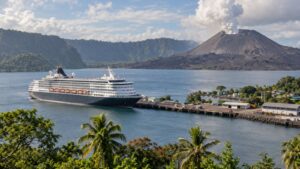
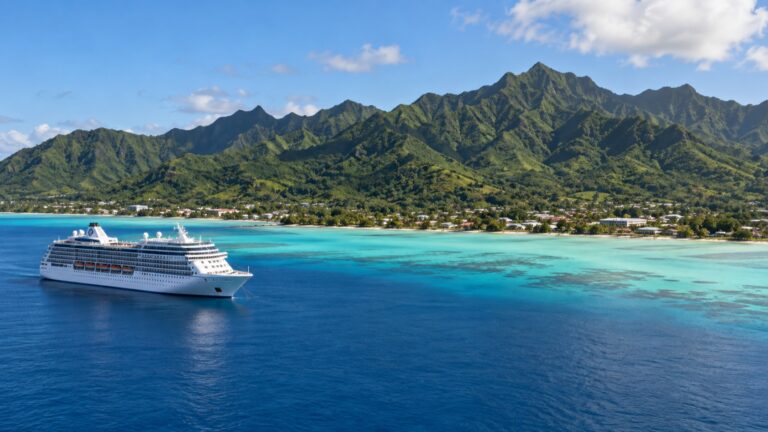
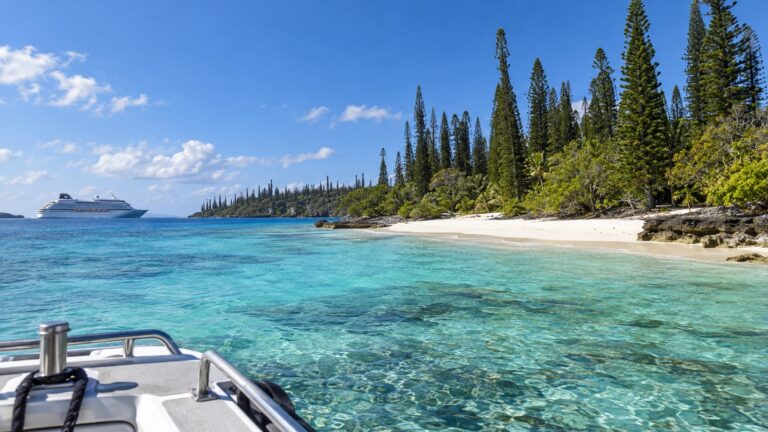
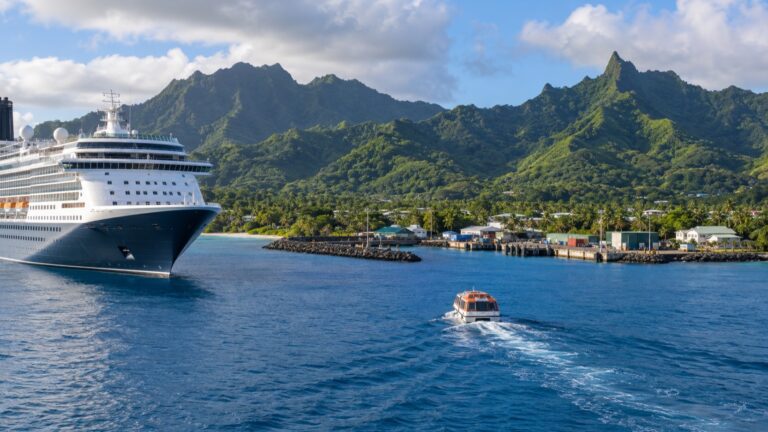
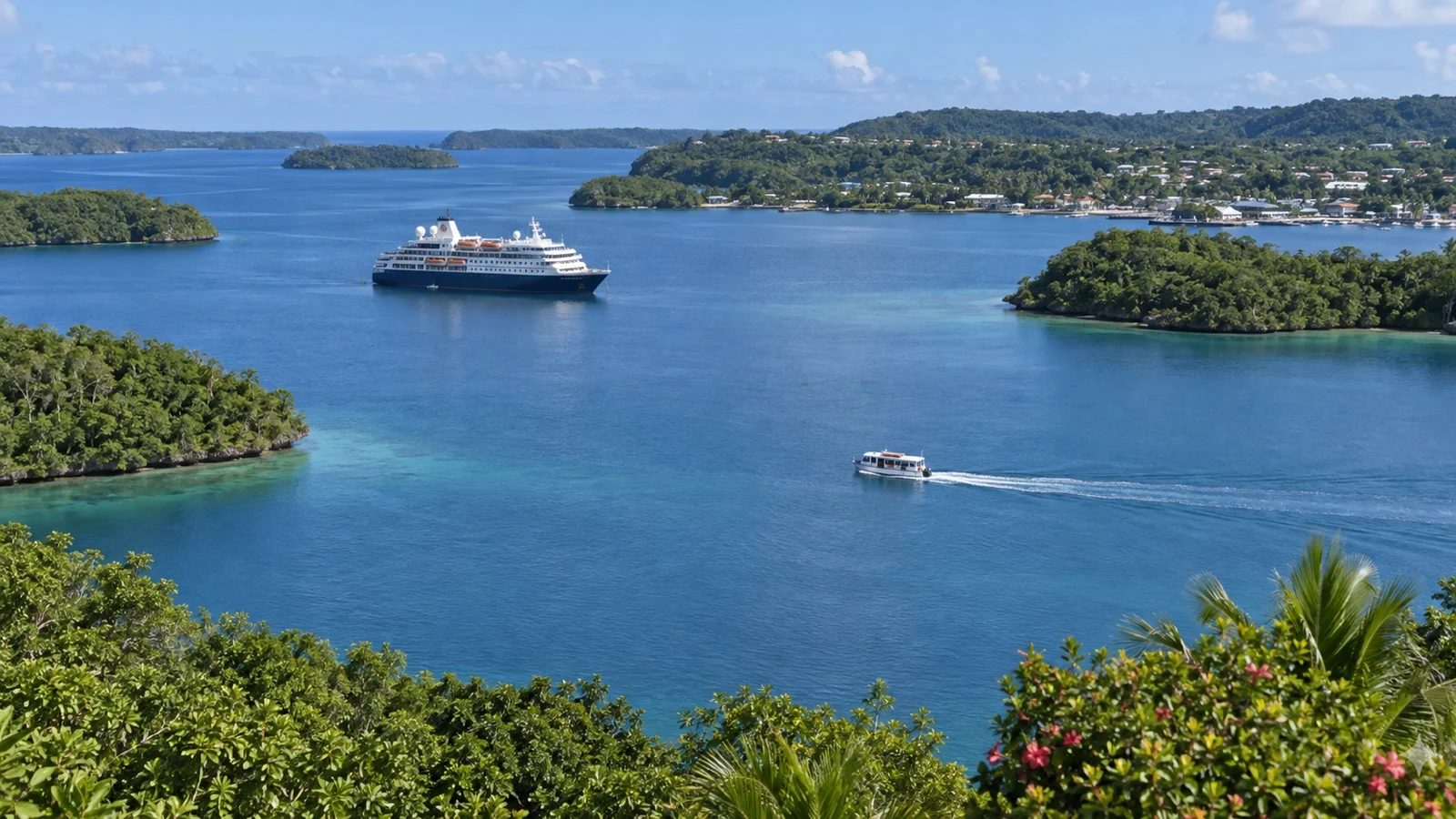
Vavaʻu is the kind of cruise port that makes you slow down before you have even stepped ashore. Your ship rests in a deep blue island harbor, local boats move between green ridges, and Neiafu waits at the end of a tender ride rather than behind a wall of cruise terminals.
I love this call because it still feels unmistakably Tongan, but it rewards travelers who arrive with a plan. Tender timing, seasonal whale rules, limited transport, Sunday customs, and the distance between island attractions all shape what you can realistically do in one day.
Quick Facts
- Port type: Anchor call with ship tenders or local tenders into Neiafu
- Arrival area: Neiafu waterfront on the Port of Refuge
- Best known for: Seasonal humpback whales, sheltered island cruising, coral gardens, caves, villages, and relaxed waterfront life
- Currency: Tongan paʻanga, with cash especially useful for small purchases and local services
- Languages: Tongan and English
- Getting around: Walking in central Neiafu, plus prearranged boats, licensed whale operators, taxis, and guided island tours
- Key planning issue: Tender queues and boat travel make an early return buffer essential
- Sunday calls: Expect widespread closures and a much quieter day shaped by worship and rest
Where Cruise Ships Arrive in Vavaʻu
Cruise ships normally anchor in the protected waters off Neiafu, the capital of the Vavaʻu island group. The harbor is known as the Port of Refuge, and its sheltered shape is one reason sailors have long valued this part of Tonga.
There is no giant passenger terminal to funnel you into town. You come ashore by tender at or near the Neiafu waterfront, where the compact commercial center begins within a short walk.
That simple arrival is part of the charm, yet it means your schedule starts with the ship’s tender process. Listen carefully for instructions about tender tickets, mobility rules, final boarding, and any change caused by wind or sea conditions.
Tender Operations and the Smart Way to Start
Tender ports always contain a little uncertainty. Loading, the distance from the anchorage, changing water conditions, and the number of guests going ashore can all affect how quickly you reach Neiafu.
If you have a ship excursion, follow its meeting instructions rather than assuming you should join the general tender line. Independent travelers should be ready early, but they should not book a private activity with a start time that leaves no allowance for tender delays.
Keep your ship card, a photo ID if required by your cruise line, sun protection, water, and any essential medication in a small bag. Boat transfers can be wet, so I also protect my phone and documents in a waterproof pouch.
The return deserves even more care than the outbound trip. Aim to be back at the landing well before the ship’s stated final tender because a delayed local boat, a slow road transfer, or a line at the pier can erase a comfortable margin quickly.
Understanding Neiafu
Neiafu is Tonga’s second largest urban center, but it feels more like an easygoing island town than a city. The waterfront, churches, shops, market activity, cafes, banks, and small visitor services are clustered closely enough for a gentle independent walk.
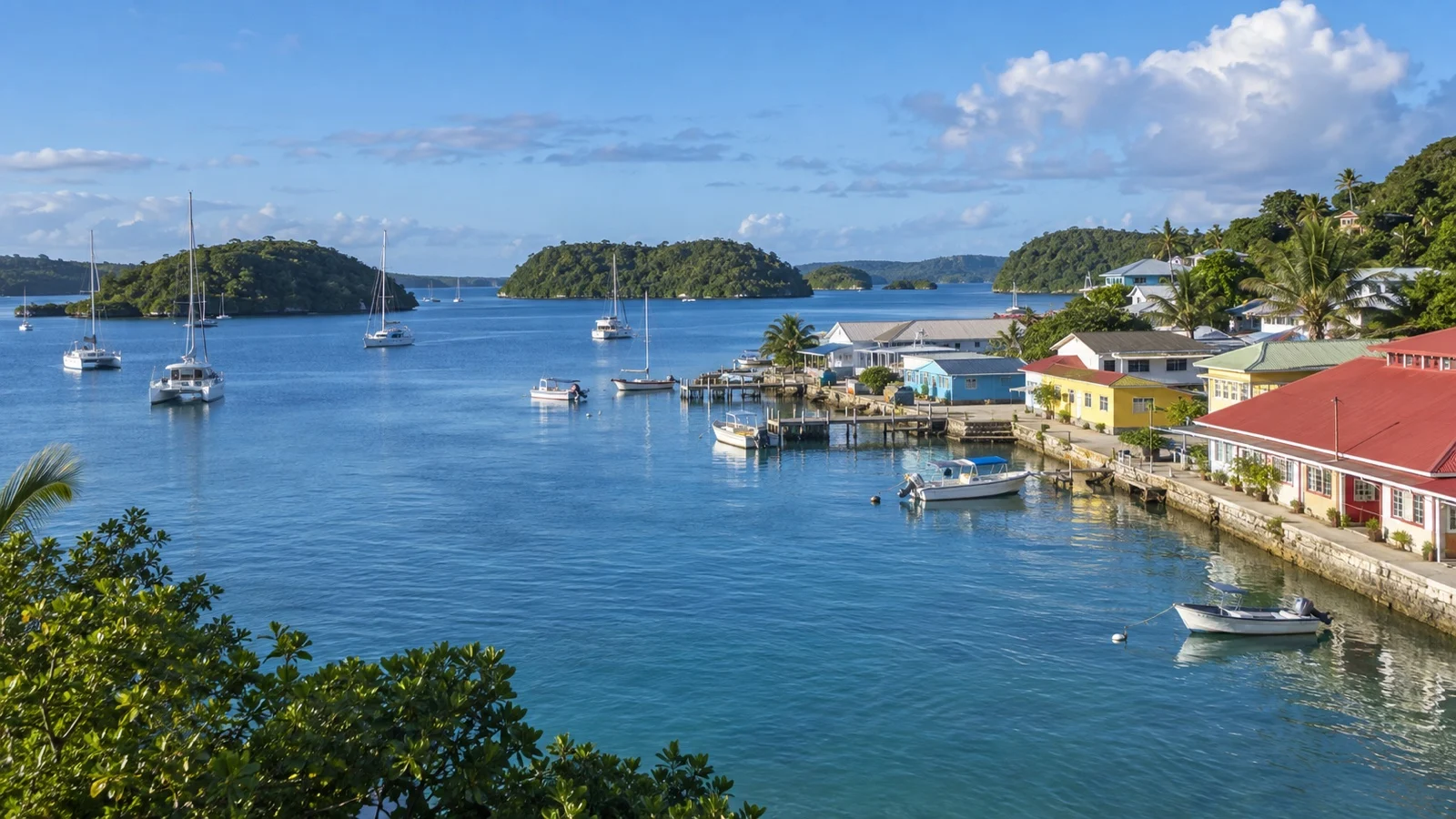
Do not expect a polished cruise district built around international chains. The appeal is the everyday rhythm of a working Tongan community, with sea views appearing between buildings and boats constantly reminding you that Vavaʻu is an archipelago.
A short town visit works well for guests who prefer not to commit to a boat excursion. You can browse local produce and handicrafts when vendors are operating, stop for a drink or lunch, photograph the harbor from public viewpoints, and leave yourself a generous tender buffer.
Whale Season in Vavaʻu
Vavaʻu is internationally associated with humpback whales that migrate into Tongan waters to mate, give birth, and nurse calves. Tonga’s official tourism guidance currently presents the main visitor season as running through the middle of the year into spring, commonly highlighted as July through October.
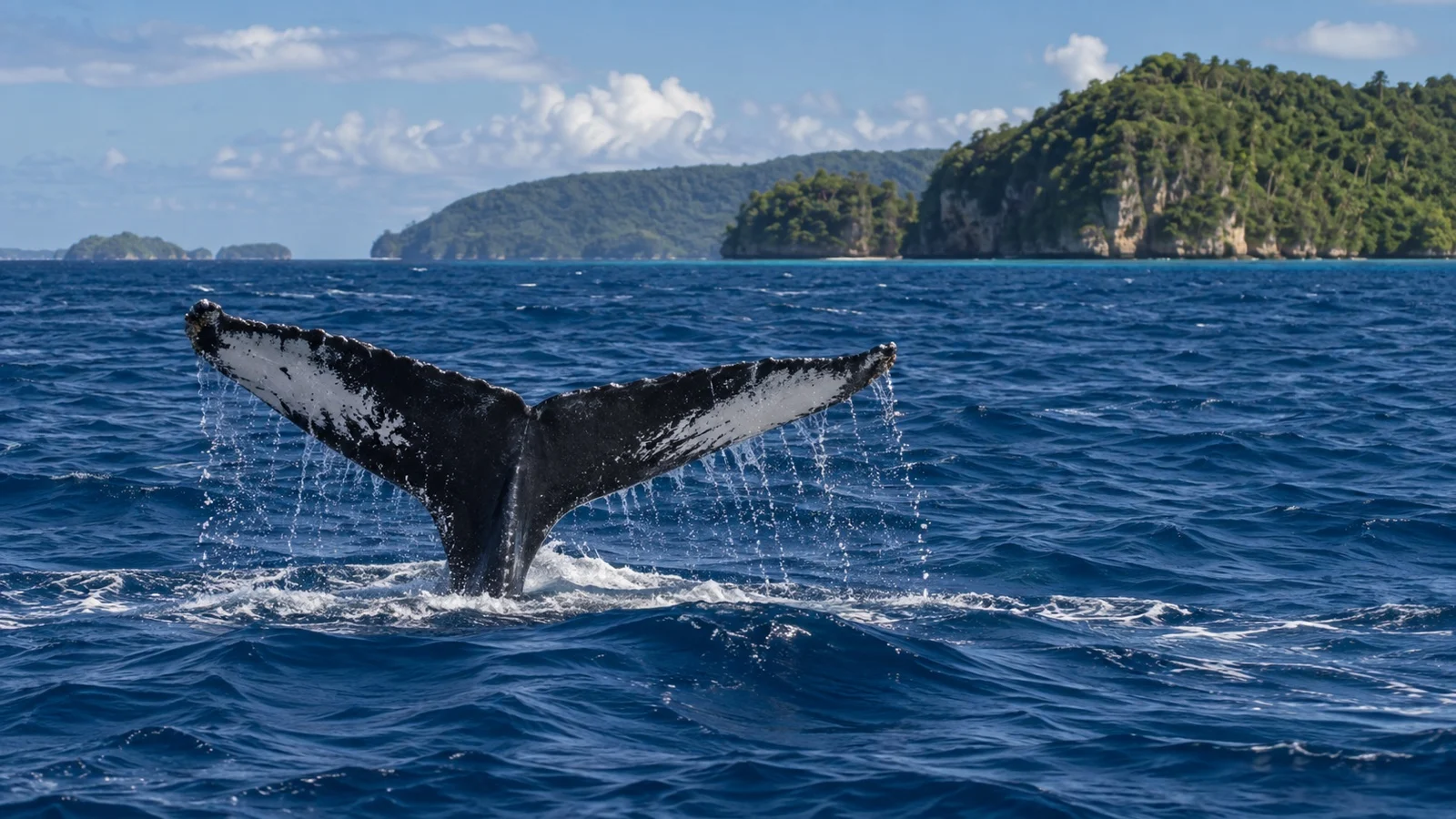
Nature does not follow a cruise itinerary, so no ethical operator can promise a sighting, an in-water encounter, or a specific amount of time near whales. Weather, whale behavior, permit conditions, and the guide’s judgment determine what is possible on the day.
The most important rule is straightforward: use a licensed whale operator. Official Tonga Tourism guidance specifically directs visitors to licensed businesses, and that protects both you and the animals.
Whale Watching Versus Swimming With Whales
A whale-watching trip remains on the boat while the crew searches for blows, backs, tails, and surface behavior. It can be a thrilling choice for families, travelers who do not want to enter open water, and anyone who values the scenery of the island group as much as the encounter.
A whale-swim trip may allow eligible guests to enter the water only when the licensed guide decides conditions and animal behavior are appropriate. Swimming ability, age rules, health considerations, group limits, equipment, and operator policies matter, so confirm every requirement before paying.
A booking is for the outing and professional effort, not a guaranteed swim. Mothers with calves need space, and a responsible guide may end or avoid an approach that could cause stress.
Choose the option that fits your real comfort level rather than the most dramatic photograph online. Open-water entries can involve ladders, fins, masks, current, swell, and climbing back into a small boat, which is very different from snorkeling from a beach.
How to Book Responsibly
Ask whether the operator is currently licensed, what is included, how cruise tender delays are handled, and what time the boat will return to Neiafu. You should also ask about flotation, guide-to-guest procedures, physical requirements, cancellation terms, and the plan if weather prevents the advertised activity.
A ship-sponsored whale excursion offers the clearest coordination with the vessel, though availability can be limited. An independent operator may offer a smaller-group experience, but you carry the responsibility for meeting the ship’s all-aboard time.
Island Hopping, Snorkeling, and Sea Caves
Whales are seasonal, but the Vavaʻu seascape is the year-round star. Official tourism material describes more than 50 islands, sheltered coves, coral gardens, beaches, and sailing water, which explains why so many of the best shore experiences begin with another boat.
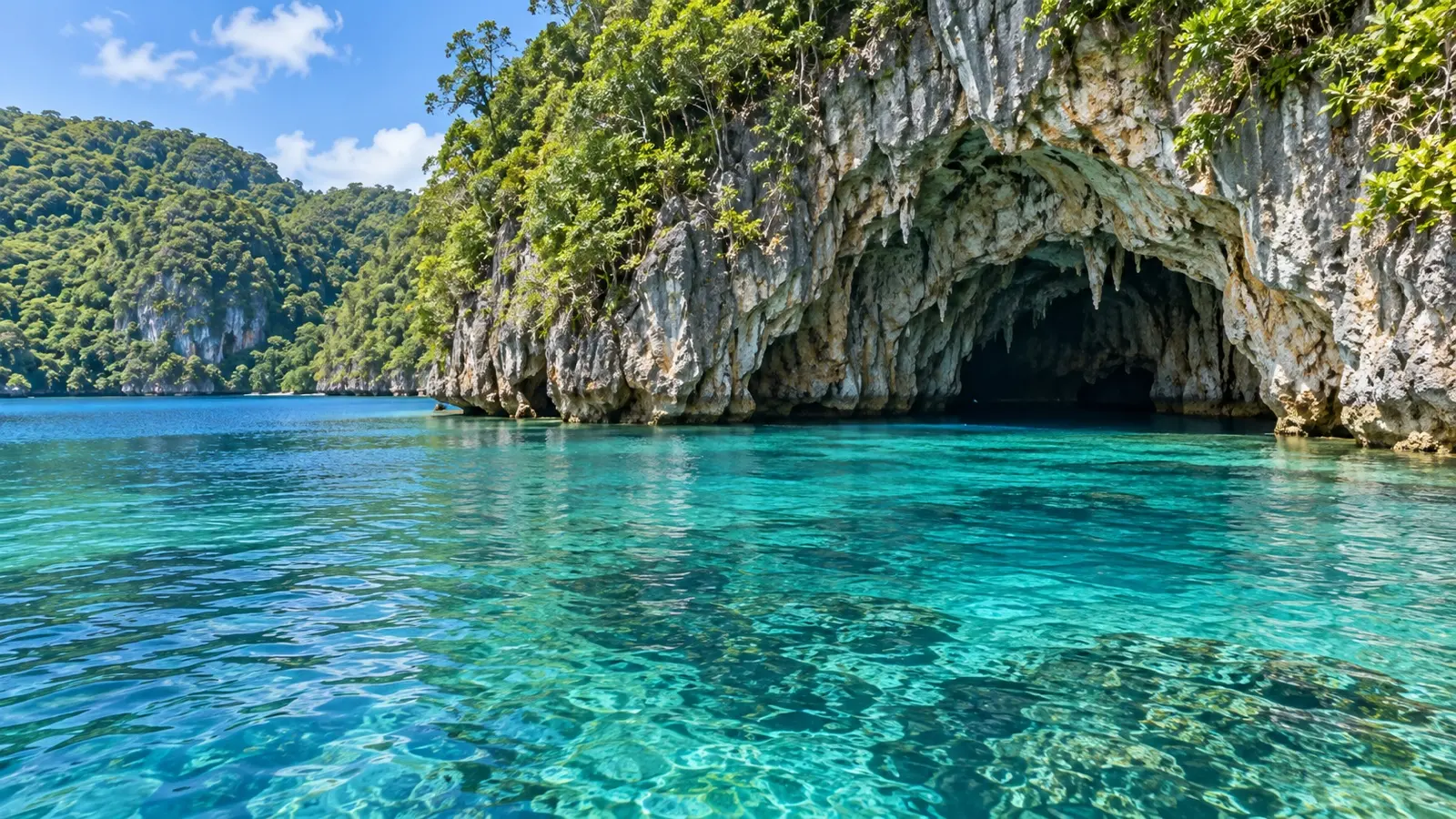
A typical island outing might combine a scenic ride, a snorkeling stop, a beach visit, and time near dramatic limestone or coral formations. The exact route should remain flexible because wind direction, swell, visibility, and local access can change the safest choice.
Mariner’s Cave and Swallows Cave are names you may see in Vavaʻu tour descriptions. Treat them as skilled-operator experiences rather than simple swim stops, and never enter a cave or enclosed water area without a guide who has assessed current conditions.
Snorkelers should ask whether equipment is fitted onboard and whether a flotation aid is available. Reef-safe habits matter here, so do not stand on coral, chase wildlife, collect shells from protected settings, or leave anything behind.
Beaches and the Island Scenery
Vavaʻu’s most photogenic beaches are generally reached by boat or through an arranged land-and-boat itinerary, not by stepping off the tender onto a resort strip. That makes a beach day more rewarding when transport, access, and return timing are agreed in advance.
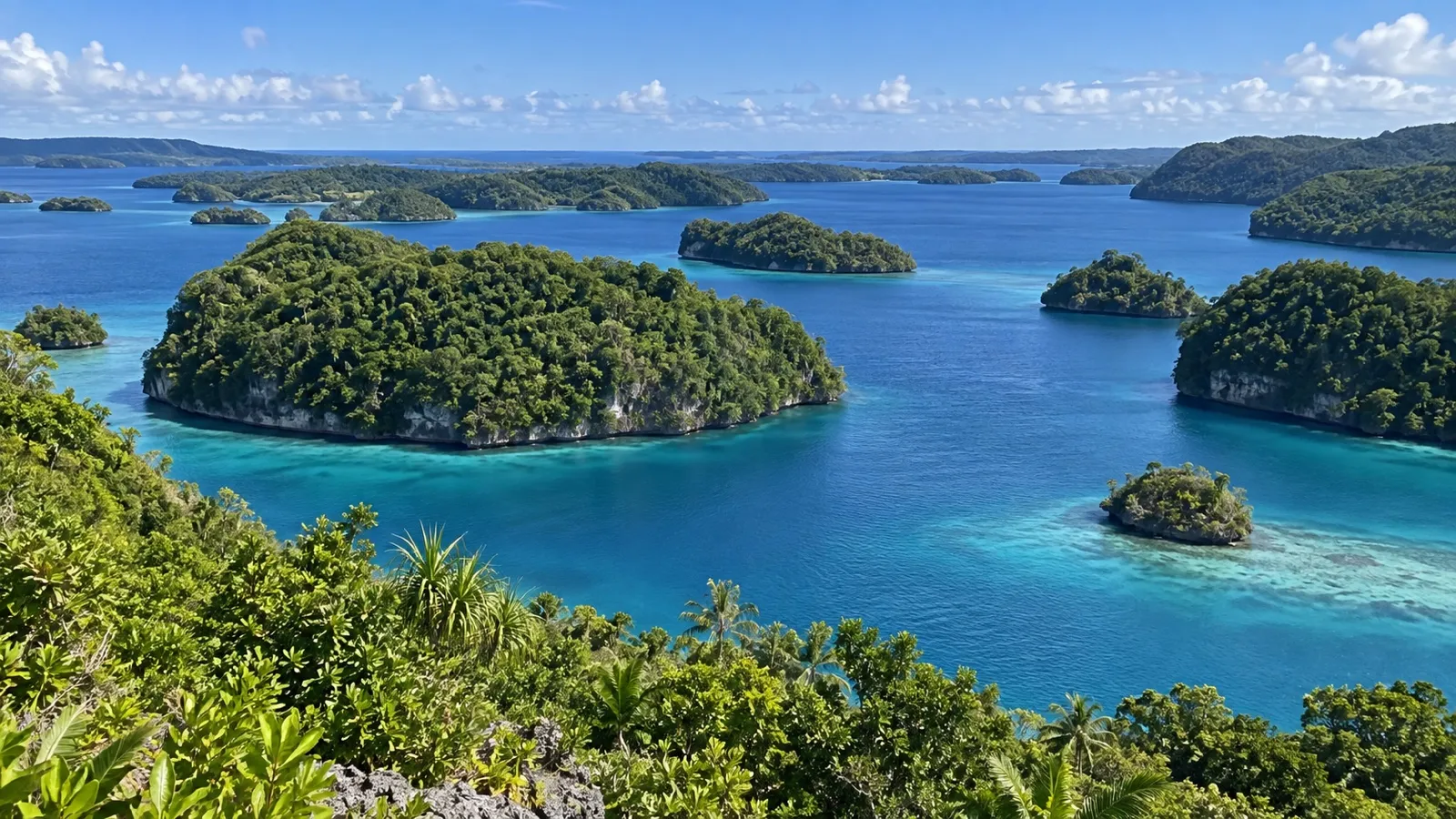
The reward is a landscape of pale sand, clear water, green islands, and quiet anchorages rather than a row of beach clubs. Facilities can be minimal, so carry what you need and follow your guide’s directions about private land, village access, reefs, and waste.
Land Tours Beyond Neiafu
You do not have to board another small boat to enjoy the day. A guided road tour can connect Neiafu with villages, coastal viewpoints, plantations, gardens, and the rolling green interior of the main island.
Ene’io Botanical Garden is one of the attractions highlighted by Tonga’s official tourism organization. Confirm current opening arrangements and transport before setting out because hours, hosting, and cruise-day availability can change.
Vanilla is closely associated with Vavaʻu, and a plantation or agricultural visit can add valuable context when it is operating. A thoughtful local guide can explain how crops, family land, village life, churches, and the ocean fit together without turning the community into a stage set.
Distances may look short on a map, but road conditions and stops can stretch the outing. Agree on the full route, price, currency, waiting time, and return point before entering a taxi or private vehicle.
Culture, Dress, and Respectful Visits
Tonga has a strong Christian culture, close family networks, and social customs that visitors should approach with respect. Modest clothing is a good default away from a swimming area, particularly near churches and villages.
Ask before photographing people, worship, schools, homes, ceremonies, or private property. A warm greeting and a little patience go much further than treating the island as a checklist of photo stops.
Tongan and English are both official languages, so communication is usually manageable in visitor settings. Learning a simple local greeting is still a gracious gesture, and your guide can help with pronunciation and context.
What a Sunday Call Means
Sunday in Tonga is set aside for worship, family, and rest. Official visitor guidance notes that almost all businesses and services close, while work, sports, and loud activities are discouraged.
If your ship calls on a Sunday, expect a far quieter version of Neiafu and do not assume that normal tours, shops, markets, or transport will operate. Use only arrangements that your cruise line or a local provider has explicitly confirmed for that date, and behave quietly around services and residential areas.
Weather, Sea Conditions, and Return Timing
Vavaʻu has a tropical marine climate, and conditions on the water matter more than a generic weather icon suggests. Tonga Meteorological Services publishes official forecasts, wind, sea state, swell, tides, and warnings, which are the right references for operators and travelers.
The generally cooler, drier period falls around May through October, while the warmer and wetter cyclone season is associated with November through April. Those broad patterns do not replace a same-day marine forecast, and a sunny morning can still include wind or swell that changes a small-boat route.
Wear sun protection even under broken cloud because reflected light from the water is strong. A light rain layer and a dry bag are useful, while anyone prone to motion sickness should follow their usual medical guidance before the tender or excursion.
Cruise lines and local boat captains may alter or cancel operations when conditions are unsafe. It is disappointing, but it is also a sign that the safety system is working.
Money, Cards, and Connectivity
The local currency is the Tongan paʻanga, commonly shown as TOP. Cash is especially useful for markets, small shops, taxis, tips, and businesses whose card connection may be limited or unavailable.
Neiafu has more services than the outer islands, but you should not depend on every ATM, card terminal, or mobile connection working on demand. Bring a sensible amount of local cash from a legitimate source, keep smaller notes, and confirm the accepted payment method before a tour begins.
Internet and mobile coverage can be adequate in town and inconsistent once you travel among islands. Download your ship details, operator contact, meeting instructions, and a map before leaving reliable service.
Accessibility and Mobility
The tender transfer is the first accessibility question. Steps, moving boats, gaps, crew-assisted boarding, and sea conditions can make the operation unsuitable for some wheelchairs or for guests who cannot manage stairs independently.
Ask the cruise line for the ship-specific tender policy before the voyage because equipment and procedures differ. A mobility device that works well on land may not be accepted on a tender if it cannot be safely carried or stored.
Neiafu’s central area is compact, but surfaces, slopes, heat, limited curb cuts, and vehicle access can affect an independent walk. Travelers who need step-free transport or adapted facilities should arrange them in advance and obtain explicit confirmation rather than relying on a general tour description.
Vavaʻu With Children
Families can have a wonderful day when the activity matches each child’s age, swimming ability, patience, and comfort on small boats. A short harbor tour, gentle town walk, or prearranged island outing may be a better fit than a long open-water wildlife search.
Licensed operators set their own minimum ages and safety requirements for whale trips and snorkeling. Ask about life jackets in appropriate sizes, shade, toilets, food, drinking water, travel time, and what happens if a child wants to stop.
Sun, heat, waves, and waiting can wear children down quickly. Pack simple snacks where permitted, plenty of water, sun protection, and a dry change of clothes, then keep the return plan comfortably early.
Food, Water, and Health Practicalities
Neiafu can offer cafes and casual meals when businesses are open, but selection and hours vary, especially on Sundays and public holidays. If a particular restaurant matters, verify its current opening directly instead of building the entire day around an old listing.
Drink sealed or appropriately treated water and follow your cruise line’s health advice. For a remote boat trip, carry any personal medication you may need because quick access to a pharmacy or clinic should not be assumed.
Use insect repellent when conditions call for it, protect cuts before swimming, and tell the operator about relevant medical conditions. Travel insurance should cover the activities you actually plan to undertake, including open-water excursions if applicable.
Entry, Customs, and Biosecurity
Your cruise line normally coordinates arrival formalities, but every traveler remains responsible for valid documents and compliance with Tongan rules. Official tourism guidance advises checking passport validity, onward or return requirements, and nationality-specific visa conditions before travel.
Tonga protects its agriculture and environment through biosecurity controls. Do not take fresh food, plant material, seeds, shells, coral, or wildlife products ashore or back onboard unless the relevant authorities clearly allow it.
Rules can change, and cruise passengers may follow different clearance procedures from air arrivals. Confirm current requirements with your cruise line and the appropriate Tongan government authority rather than relying on a social-media answer.
Three Realistic Ways to Spend the Day
A Wildlife Day
Book a licensed whale-watching or whale-swim operator during the recognized season, allowing for tender uncertainty and a firm early return. Treat any wildlife encounter as a privilege rather than a guarantee, and enjoy the island scenery even if the whales choose distance.
An Island and Snorkel Day
Choose a reputable small-boat trip that combines sheltered cruising, a reef stop, and perhaps a beach or cave area when conditions permit. Confirm safety equipment, swimming requirements, inclusions, and the exact time you will be back at the Neiafu landing.
A Gentle Neiafu and Island Tour
Walk the waterfront and town, browse local stalls when open, then take a prearranged vehicle tour to a viewpoint, garden, village area, or agricultural stop. This plan avoids a full day on a small boat and can be adapted more easily to changing weather or energy levels.
Common Planning Mistakes
The biggest mistake is treating tender arrival time as guaranteed. A booking that begins too soon after scheduled arrival creates stress before the day has even started.
The second is assuming every whale excursion includes a swim and every booking guarantees whales. Read the operator’s current terms, licensing information, eligibility rules, and weather policy before committing.
The third is trying to combine a long whale trip, multiple islands, a land tour, shopping, and a leisurely lunch. Vavaʻu is better when you choose one main experience and protect the return buffer.
The final mistake is ignoring Sunday. Normal cruise-day assumptions about shops, taxis, restaurants, and entertainment do not apply when the community is observing its weekly day of worship and rest.
Frequently Asked Questions
Can I walk from the tender landing into Neiafu?
Yes, the center of Neiafu begins close to the waterfront landing used for cruise tenders. The exact landing and pedestrian conditions can vary, so follow local signs and crew directions.
Do I need a tour in Vavaʻu?
You can enjoy central Neiafu independently, but most headline experiences require arranged transport. Whale trips, snorkeling, caves, outer-island beaches, gardens, plantations, and distant viewpoints are best organized with a reputable local provider.
Are whale sightings guaranteed?
No, and an in-water encounter is never guaranteed either. Licensed guides must respond to animal behavior, sea conditions, safety, and current operating rules.
Can I use US dollars?
Some tourism businesses may quote or accept foreign currency, but you should never assume it. Ask first, confirm the exchange basis, and carry Tongan paʻanga for small local purchases.
Is Vavaʻu a good port without whale season?
Absolutely. The sheltered harbor, island scenery, snorkeling, sailing, villages, gardens, viewpoints, and unhurried atmosphere remain the core of the destination.
What if the weather cancels my boat tour?
Use the operator’s stated cancellation process and switch to a simple Neiafu walk or a safe land activity if available. Do not hire an unlicensed or poorly equipped boat simply because a responsible operator has cancelled.
My Take on Vavaʻu Cruise Port
Vavaʻu is not a port to conquer at speed. Its beauty comes from the protected harbor, the spaces between islands, the dignity of its wildlife, and a community whose rhythm was never designed around a ship’s shopping schedule.
Plan one meaningful experience, use licensed and reputable operators, carry local cash, respect Sunday and village customs, and return earlier than feels necessary. Do that, and your tender ride back to the ship may be filled with the rare feeling that the day gave you more by asking you to rush less.
For current planning, check Tonga Tourism’s official Vavaʻu guide, its guidance on licensed whale experiences, and Tonga Meteorological Services for marine conditions. Cruise operations, licensed providers, weather, opening hours, and entry requirements can change, so reconfirm them with your cruise line and the relevant Tongan authorities before your visit.