Dublin Cruise Port: Transfers, City Walks & Timing
Dublin is one of those cruise cities that looks wonderfully close to the ship and then tests your planning with a sprawling working port, unpredictable traffic, and attractions that run on timed admission. Get the transfer right, choose one compact walking loop, and the day becomes lively, literary, and surprisingly easy.
The important phrase is get the transfer right. Dublin Port is close to the center by road, but the cruise berth is not necessarily at a public gate or beside a tram stop.
Quick Facts
- Arrival point: Confirm Dublin Port versus Dún Laoghaire and the exact berth or tender operation in the ship’s daily program.
- Distance: Dublin Port Company places the port estate about 2.7 kilometers from the city center, but cruise berths can sit well inside the working port.
- Best transfer: Use the ship shuttle when offered, or take a licensed taxi from the designated rank.
- Currency: Euro, abbreviated EUR.
- Languages: English and Irish are official, with English used throughout visitor services.
- Time: Ireland uses UTC in winter and UTC+1 during summer time.
- Road rule: Traffic drives on the left.
- Return margin: Plan to reach the port area 60 to 90 minutes before all aboard, with more time for a tender call.
First Confirm Which Dublin Port You Have
A cruise itinerary may say Dublin even when the ship is not using Dublin Port. Some calls use Dún Laoghaire, a separate harbor south of the city where passengers commonly tender ashore and then travel by DART rail or an organized transfer.
Dublin Port itself is Ireland’s busiest freight and passenger port, with cruise ships sharing a large operational estate. The day’s berth can affect shuttle time, taxi access, walking permissions, and the location to which you must return.
Read the ship’s daily program before committing to a timed ticket. It should state the berth or tender landing, shuttle destination, last shuttle or tender, identification requirements, and all-aboard time.
I also take a screenshot of the port agent’s emergency number and the shuttle pickup point. Dublin has many quays and terminals, so telling a driver only “the cruise port” is not precise enough.
Dublin Port Is Close, but Not a City-Center Pier
Dublin Port Company says its estate is about 2.7 kilometers from the city center. That sounds walkable until you account for the distance from an individual berth to the gate, heavy vehicle traffic, security limits, and roads designed for port operations.
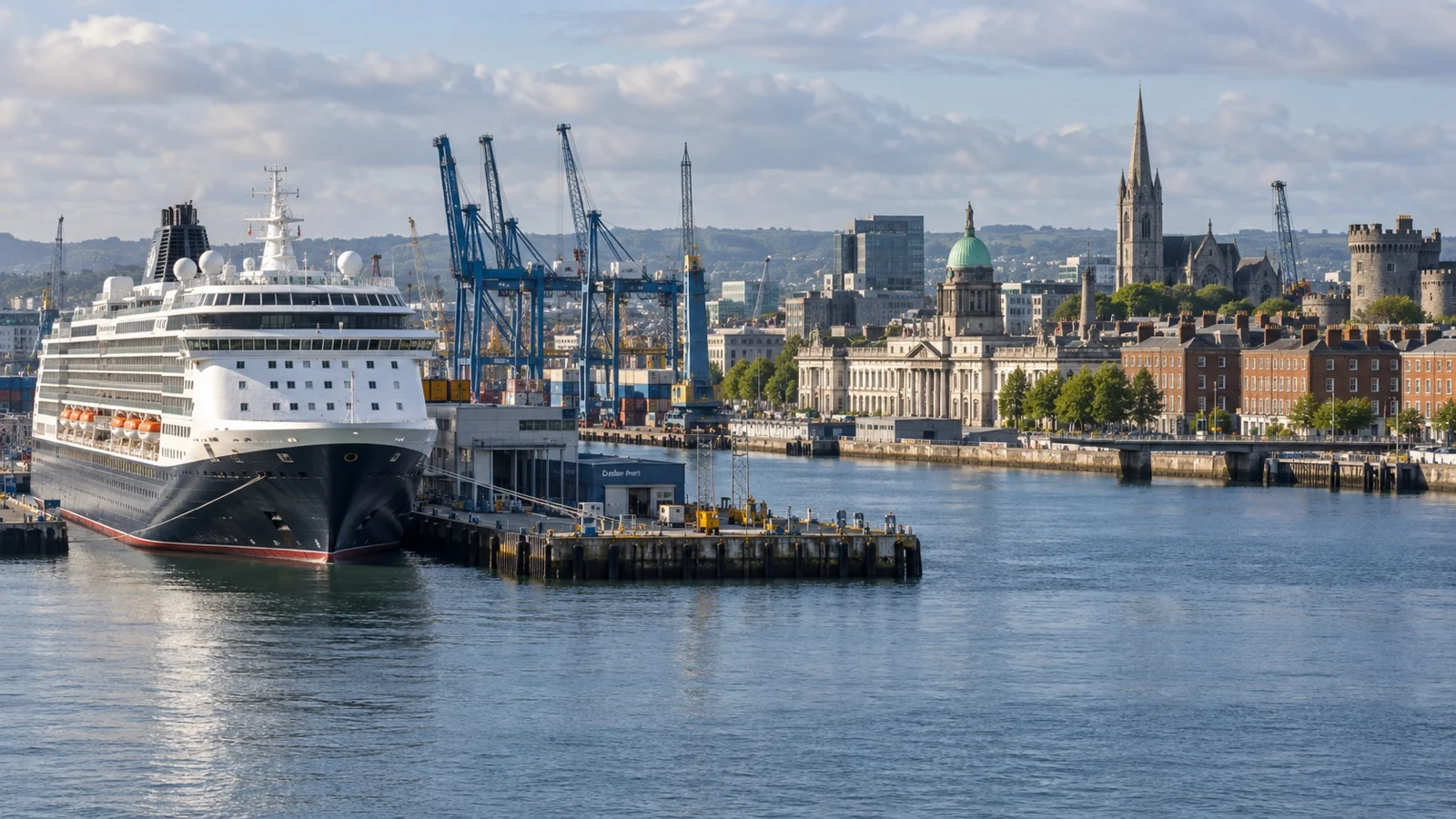
Do not set off on foot from the gangway unless the ship and port explicitly direct passengers to a safe pedestrian route. A berth deep inside the estate can be much farther from The Point Luas stop than a map pin suggests.
The Port’s public guidance identifies The Point as the final stop on the Luas Red Line and places it opposite the port entrance on East Wall Road. That makes the tram useful only after you have safely reached the public side of the estate.
Dublin Bus route 53 serves the port’s ferry Terminal 1 from Talbot Street, according to Dublin Port Company. It should not be assumed to stop at your cruise gangway or wait for your ship.
The Best Transfer Options
Ship Shuttle
A ship-operated or port-arranged shuttle is usually the cleanest choice. It removes the uncertainty of walking through the estate and gives you a clearly defined city pickup point for the return.
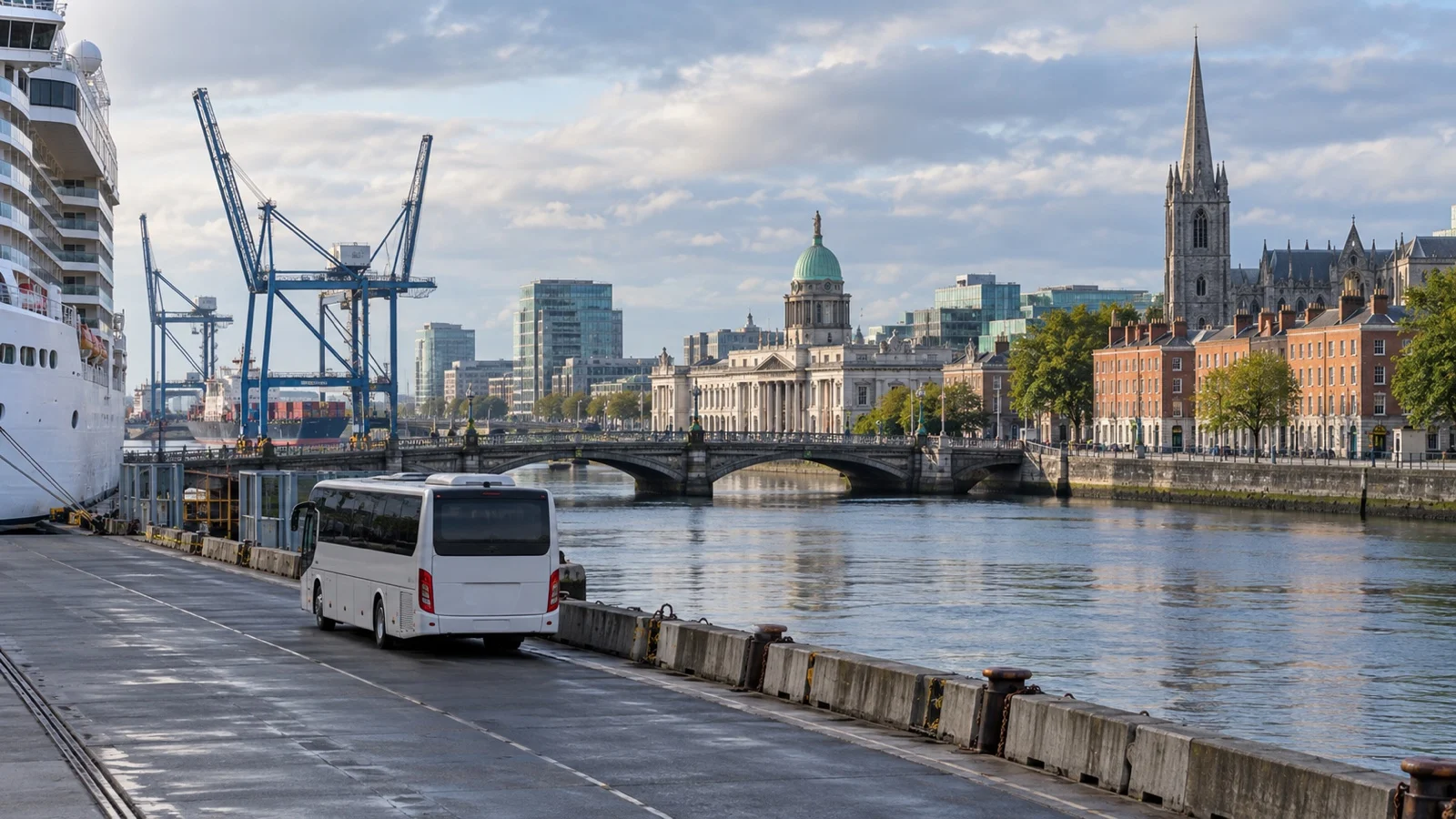
Check whether the shuttle is complimentary, whether tickets are sold onboard, and where it finishes. Different sailings may use different central drop points, so old forum reports are not dependable.
Photograph the stop, note the last departure, and ask how long the ride took that morning. Evening events, bridge openings, construction, and port traffic can change the return journey.
Licensed Taxi
A taxi is efficient for two or more people, a mobility need, or an attraction away from the central walking core. Join the official rank or use a recognized dispatch app, and show the driver the exact berth or terminal details for the return.
The ride to central Dublin can be quick in light traffic and frustrating in a peak period. I budget by time rather than distance and avoid scheduling a nonrefundable attraction immediately after the published arrival.
Ask for the meter and pay with the method confirmed before departure. Card acceptance is common, but carrying some euros protects you from a terminal or connectivity problem.
Luas and Public Bus
Public transport works well once you are outside the port and know your starting stop. Use Transport for Ireland’s official journey planner or TFI Live app on the day because routes, stop locations, and service disruptions can change.
The Luas Red Line connects The Point with the north side of the center and continues toward Heuston Station and the James’s area. It is especially useful when your plan includes the Docklands, O’Connell Street, or the Guinness Storehouse side of town.
A Leap card can simplify fares for several journeys, but a one-day cruise visitor should compare the setup with ordinary tickets. Never rely on a bus or tram that leaves too little recovery time if it is delayed.
A Walkable First-Time Dublin Route
My favorite first-day plan begins wherever the shuttle leaves you and bends around one timed attraction. Dublin’s center is compact enough to connect Georgian streets, Trinity College, the River Liffey, Dublin Castle, and a pub lunch without crossing the same ground repeatedly.
Start near Trinity College or College Green if your shuttle arrives on the south side. From there, Grafton Street leads toward St Stephen’s Green, while Kildare Street brings you to the National Museum of Ireland’s Archaeology branch.
The museum’s Kildare Street location currently offers free admission, making it a useful flexible stop when weather turns. Its archaeological collections provide context for Ireland long before the Georgian doors and modern pubs outside.
From St Stephen’s Green, walk west toward Dublin Castle, then decide whether to continue to Christ Church Cathedral or turn north toward the river. Temple Bar lies in between, but I treat it as a streetscape and meal option rather than the entire Dublin experience.
Crossing the Liffey gives you views of the Ha’penny Bridge and access to the General Post Office area on O’Connell Street. Your final route should angle back toward the shuttle pickup rather than end at the farthest attraction on your map.
Timed Attractions Need a Real Schedule
Book of Kells Experience
Trinity College strongly recommends online booking for the Book of Kells Experience, and entry is timed. Its official visitor guidance suggests allowing about 90 minutes for the full experience.
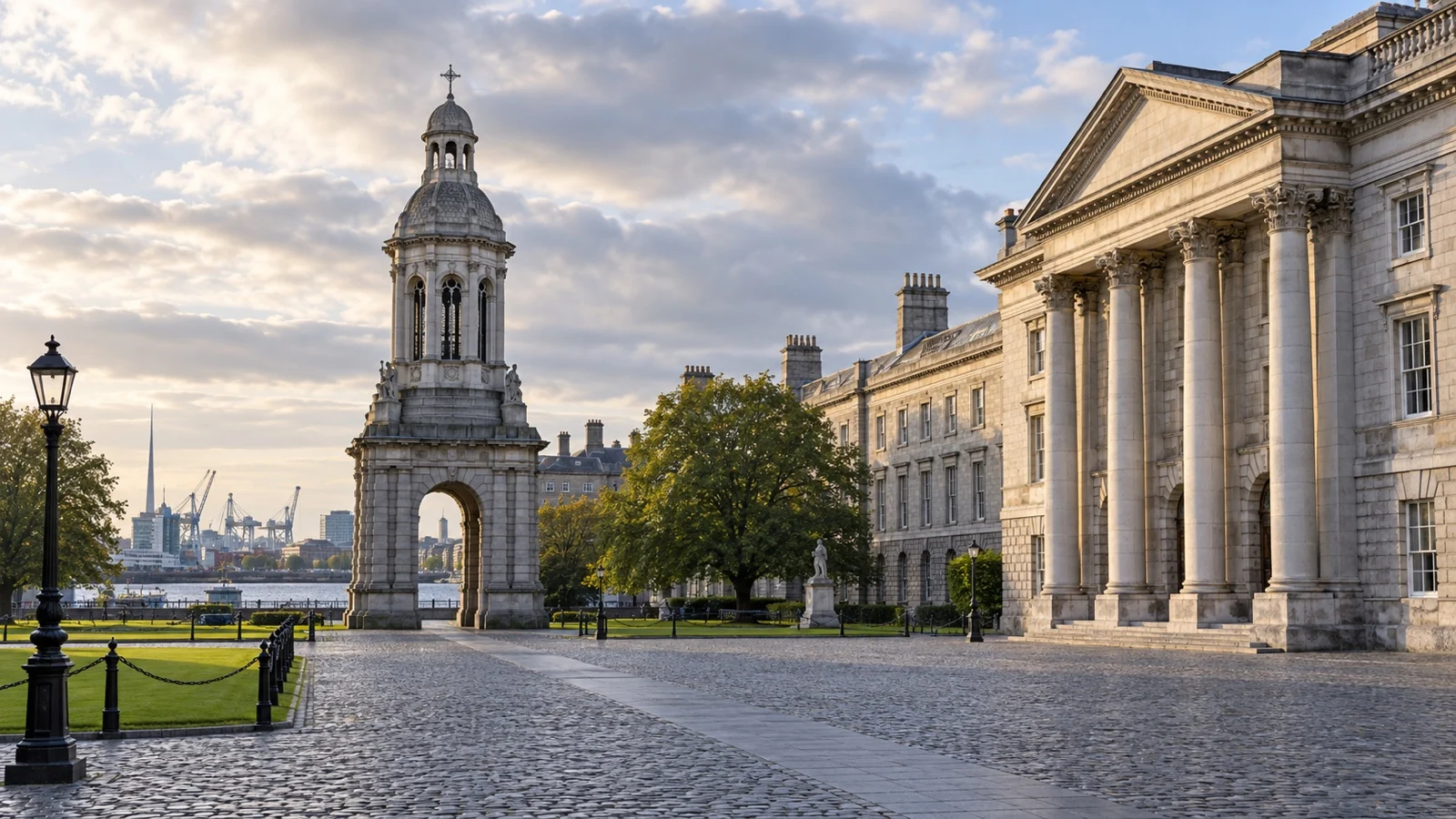
The historic Old Library is in a major redevelopment era, and most books have been removed from the Long Room apart from a limited section. The manuscript remains the star, but visitors expecting every shelf to look like an old photograph should read the current official description before buying.
Choose a slot at least 60 to 90 minutes after your realistic city arrival, not after the ship’s scheduled docking time. A late clearance or shuttle queue should not turn the first hour ashore into a sprint.
Photography rules are strict around the manuscript, and no luggage storage is available at the experience. The official accessibility information says the Old Library and Pavilion are wheelchair accessible, with staff assistance for the elevator.
Guinness Storehouse
The Guinness Storehouse sits west of the central core and deserves a deliberate block of time. It pairs well with a taxi or Luas plan, but not with four other ticketed attractions.
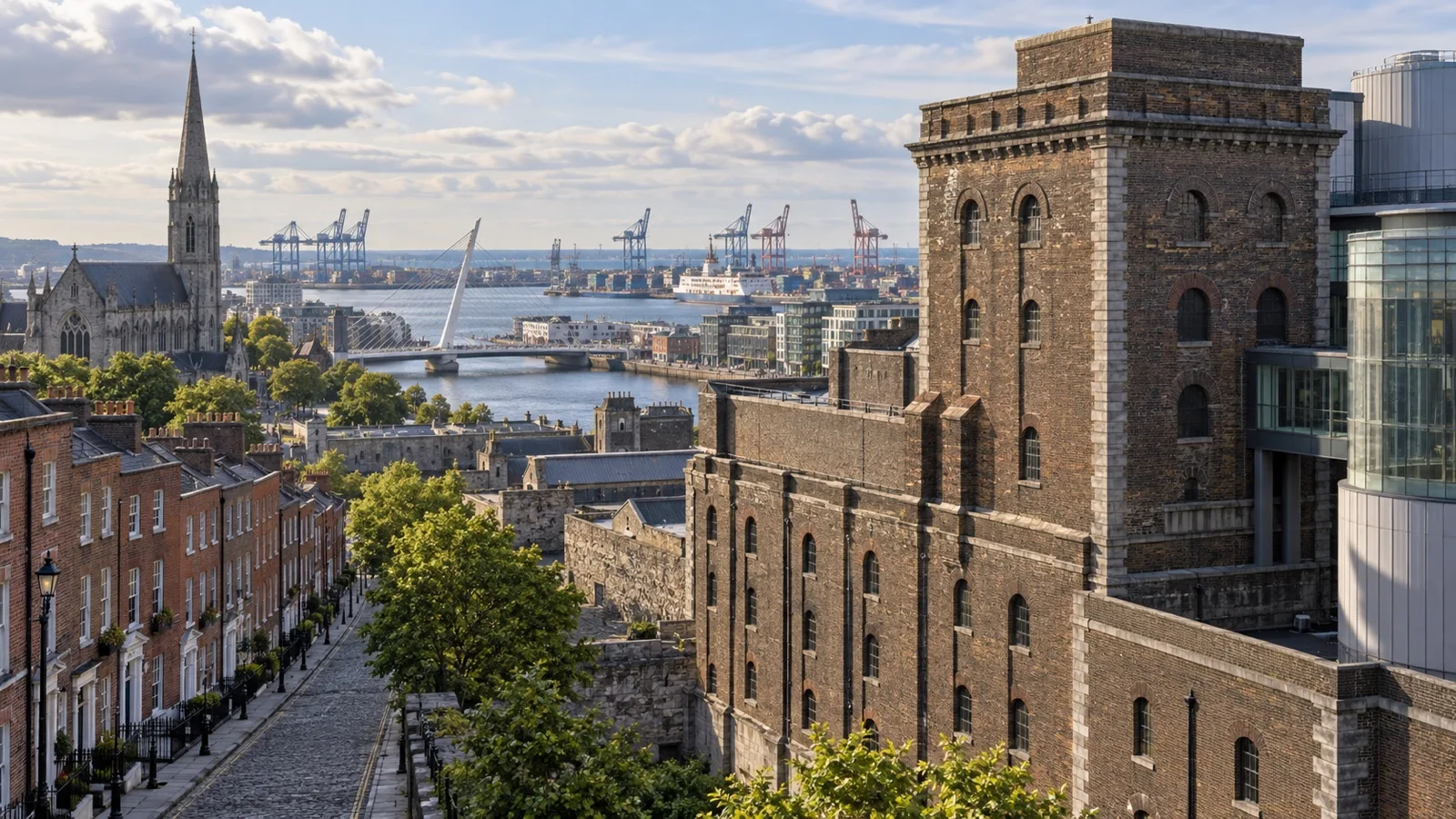
Book through the official site and allow for the journey, the exhibit, the rooftop experience, and the trip back. Alcohol service rules apply, and a tasting is never a reason to cut the port return margin.
Kilmainham Gaol
Kilmainham Gaol is one of Dublin’s most powerful historic sites, yet it is not a casual walk-in stop. Tickets are limited, guided, and often sell quickly through the official Office of Public Works system.
The jail lies beyond the main center, so a visit needs a transport plan in both directions. Pair it with one nearby or central stop and skip it entirely if the ship arrives late.
Dublin Castle and the Cathedrals
Dublin Castle, Christ Church Cathedral, and St Patrick’s Cathedral can anchor a history-focused loop. Hours may change for state business, worship, ceremonies, or special events, so check each official site before sailing.
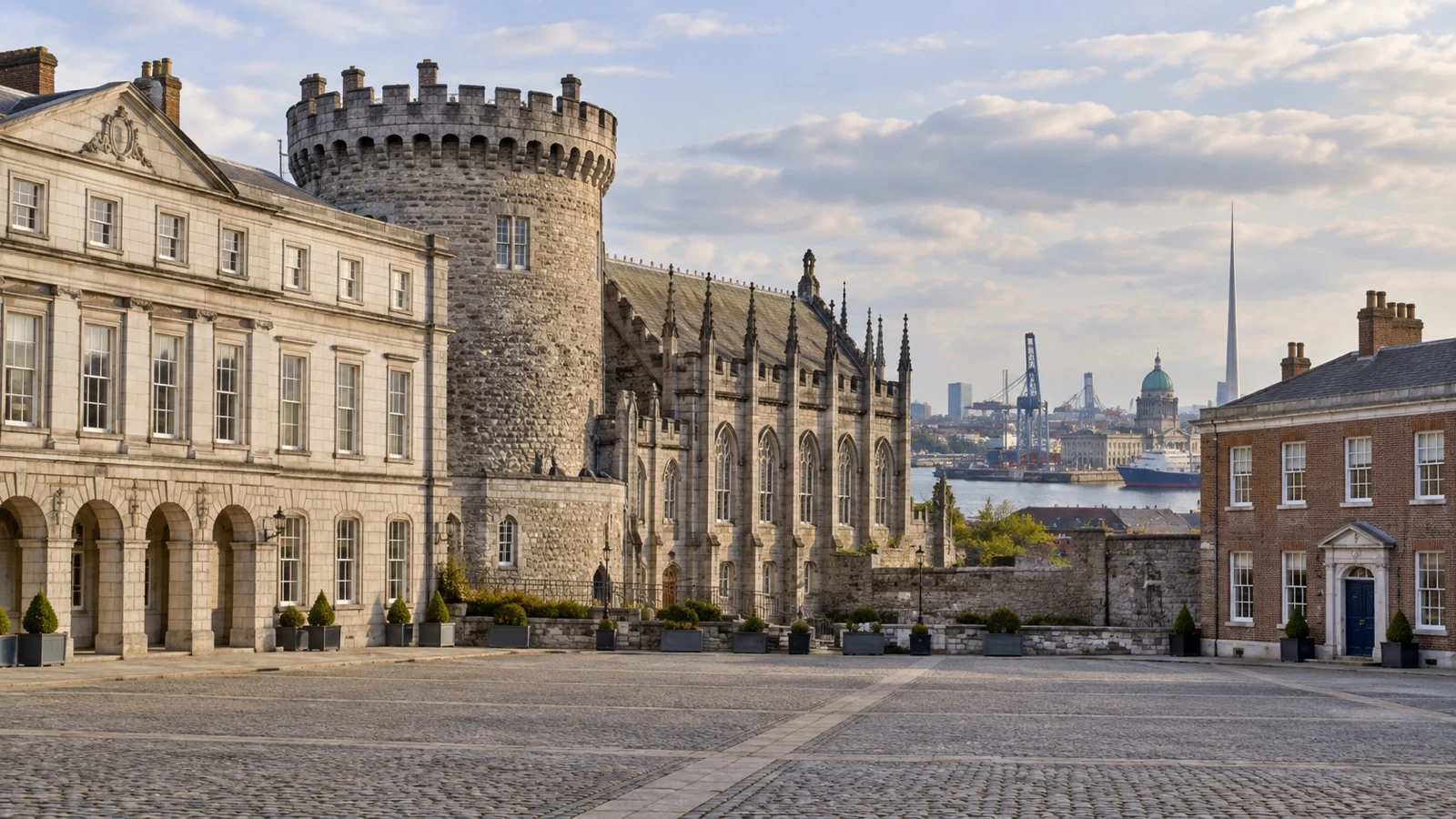
Dublin Castle’s grounds can still add atmosphere when interior access is limited. Cathedral admission and service access differ, and quiet respect matters more than completing a checklist.
Good Options Without a Fixed Ticket
The National Museum of Ireland at Kildare Street is my favorite weather fallback because admission is free and the collections are substantial. Confirm the exact opening day and any gallery closures on the museum’s own website.
The National Gallery of Ireland near Merrion Square is another strong flexible choice. It can be shortened or extended according to the ship’s clock, which is exactly what a port day needs.
The Chester Beatty at Dublin Castle offers art and manuscripts from across cultures. It is compact enough to pair with the castle grounds, although opening hours and free-entry policies should still be checked.
EPIC The Irish Emigration Museum in the Docklands is closer to the port side of the city than many western attractions. It is ticketed, indoors, and useful when rain makes a long walking loop less appealing.
Merrion Square, St Stephen’s Green, and the Grand Canal area deliver Georgian Dublin without an admission line. A slow circuit of doors, parks, and plaques can feel more personal than squeezing into another exhibit.
How to Use Temple Bar
Temple Bar is a district, not a single pub, and it is busiest around its photogenic central streets. Walk through for the atmosphere, then decide whether the crowds and prices match the kind of lunch you want.
Traditional music sessions are not guaranteed at every hour, and louder venues may be focused more on visitors than musicians. Ask locally about daytime sessions and never leave drinks or belongings unattended.
Dublin’s pub culture works best when you slow down and talk to people. One meal and one drink fit a cruise day better than a crawl, especially when you still have a working port to reach.
When a Coastal Trip Makes Sense
Howth and Malahide tempt repeat visitors with coastal scenery and rail access, but each adds transport exposure. Choose one only on a long call and only after confirming that the DART schedule leaves a generous recovery window.
Dún Laoghaire passengers may already be on the coast, making a walk along the harbor or a local lunch a smart alternative to crossing into central Dublin. It is often the calmer answer when the tender operation starts late.
The cliff walk between Bray and Greystones has experienced closures and route changes, so old recommendations can be unsafe or impossible. Check official local guidance rather than assuming the full path is open.
A countryside excursion to Glendalough, Powerscourt, or the Wicklow Mountains is best handled by a ship excursion or a port-aware operator. Rural traffic and weather can make independent return timing uncomfortable.
Dublin Traffic and Return Timing
The city can slow dramatically during commuter periods, concerts, matches, protests, roadwork, and bad weather. A ride that took 15 minutes in the morning may take much longer in the afternoon.
The River Liffey also divides the center, and your driver may need a route that looks indirect on the map. Let a licensed local driver choose the crossing while you protect the deadline.
For a Dublin Port berth, I want to be approaching the correct port gate 60 to 90 minutes before all aboard. For Dún Laoghaire, the line for the last tender and the final boat time matter more than the city-to-harbor distance.
Never confuse shuttle departure with all aboard. The last shuttle can leave substantially earlier, and missing it may require an expensive taxi plus a stressful search for the permitted entry point.
Rain, Wind, and What to Wear
Dublin weather changes quickly, even in summer. A bright morning can produce wind, drizzle, and a cool shower before lunch, then clear again by the time you reach the river.
Wear layers, bring a light waterproof shell, and choose shoes that grip on wet pavement. Umbrellas can be awkward in gusty streets, so a hood is often more useful.
Cobblestones around older districts become slick, and curb cuts may collect water. Leave extra walking time rather than treating every map estimate as a dry-weather pace.
The weather is not a reason to abandon the city. It is a reason to place a museum or long lunch near the middle of the route and keep the rest flexible.
Money, Cards, and Connectivity
Ireland uses the euro, and cards are widely accepted in Dublin. Keep a small amount of cash for a minor purchase, tip, or payment terminal outage, but there is no need to carry a large wad of notes.
When a card terminal offers to convert the charge to your home currency, compare the rate before accepting. Your bank may provide a better exchange rate when you pay in euros.
Public Wi-Fi exists in many venues, yet it should not be your only link to the ship. Save maps, tickets, shuttle details, and emergency contacts offline before leaving the vessel.
Portable chargers earn their place in Dublin because navigation, digital tickets, and photography drain a phone quickly. Keep the phone protected from rain and pickpocketing in crowded streets.
Ireland Entry Requirements
Ireland is a member of the European Union but is not in the Schengen Area. A Schengen visa does not automatically grant entry to Ireland, and Ireland applies its own immigration rules.
The Irish Immigration Service says visitors from visa-required countries generally need a Short Stay C tourist visa for a visit of less than 90 days. Requirements depend on nationality and circumstances, so use the official Irish Immigration website and the cruise line’s instructions.
Cruise staff may collect passports or coordinate clearance for the ship, but that does not remove a passenger’s responsibility to hold the correct documents. Never assume a British visa, residence permit, or Schengen permission substitutes for an Irish visa unless official rules expressly say it applies to you.
Carry the identification requested in the daily program when going ashore. Keep copies separate from the originals and know when the ship requires your passport back.
Accessibility and Reduced Mobility
Dublin can work well for reduced mobility when transfers are arranged in advance. The challenging pieces are the gangway, shuttle lift availability, distance from the berth, wet surfaces, cobbles, and older buildings with protected architecture.
Ask the cruise line whether the shuttle can carry a folding wheelchair or mobility scooter. Give the exact weight and dimensions, and do not assume the vehicle used on a previous call will return.
A licensed accessible taxi should be booked early when possible. Confirm ramp or lift type, securement, transfer ability, passenger count, and the exact port pickup permissions.
The central route can be shortened around Trinity College, Kildare Street, and Merrion Square. The National Museum and Book of Kells publish venue-specific accessibility information, but temporary works or elevator issues should be checked close to the visit.
Tender calls at Dún Laoghaire may exclude some mobility devices when sea conditions or vessel design make transfer unsafe. The captain and crew make the final decision, even when a passenger has tendered successfully elsewhere.
Food and the Right Kind of Lunch
Dublin can serve everything from seafood and stew to modern Irish cooking, excellent bread, and international food. Choose a restaurant near the next part of your route rather than crossing the city for one famous plate.
Reserve if a specific restaurant matters, but avoid a tight prepaid seating close to your arrival. A flexible lunch window absorbs port delays without wasting money.
Tell staff about allergies clearly and ask about cross-contact when needed. Ireland has strong allergen information practices, yet communication is still essential in a busy kitchen.
A pub lunch can be relaxed and family-friendly during the day, although individual house policies differ. Remember that the legal and practical goal is to enjoy Dublin, not test the return plan after several pints.
Two Sample Port Days
First Visit With One Timed Attraction
Take the shuttle or taxi into the center, allow a comfortable margin, and book the Book of Kells for midmorning. Continue through Grafton Street to St Stephen’s Green, visit the National Museum if time allows, then walk toward Dublin Castle for lunch.
Cross Temple Bar toward the river only if the clock is comfortable. Begin the return from a known taxi stand or shuttle point while the city still feels enjoyable.
Flexible Rainy-Day Visit
Start in the Docklands at EPIC or continue to Kildare Street for the National Museum. Add a long lunch, the National Gallery, or the Chester Beatty depending on opening hours and energy.
This version avoids a fragile chain of reservations. If the ship clears late, remove one stop and keep the same safe return time.
Repeat Visit From Dún Laoghaire
Stay local for the harbor, the People’s Park area, and a coastal meal, or take the DART into the center for one specific neighborhood. Check the last practical train and return well before the final tender window.
A repeat visit does not need to be bigger than the first. Dublin often reveals more through one museum, one conversation, and one good walk than through an ambitious county-wide excursion.
The Mistakes I Would Avoid
I would not walk from an unknown cruise berth toward The Point based only on a phone map. Port safety restrictions and berth distance outrank the apparent straight line.
I would not book the Book of Kells at the ship’s arrival time or Kilmainham Gaol without a return transport plan. Docking, clearance, gangways, shuttles, and city traffic all happen before the attraction clock starts.
I would not ride a complete hop-on hop-off loop on a short call unless sightseeing from the bus is the entire goal. Central Dublin rewards walking, and traffic can turn a full loop into most of the day.
I would not finish at the far western edge of the city and hope to find a taxi at the last minute. End near the shuttle or begin the return before the deadline feels urgent.
Final Planning Advice
Confirm the exact port, berth, and transfer before buying tickets. Build the day around one priority, place a free or flexible attraction beside it, and know which stop you will drop if the ship is late.
Keep the daily program, port agent number, shuttle map, and all-aboard time on your phone and on paper. A dead battery should never separate you from the ship.
Dublin is close enough for a rich port day and busy enough to punish overconfidence. Give the port transfer the respect it deserves, then let the city unfold at walking pace.
Planning more calls around Ireland and Britain? Explore our other CruisePorts.co guides for practical port-day ideas, and confirm live details with your cruise line before sailing.