Lifou Cruise Port: Easo Tenders, Beaches and Island Tours
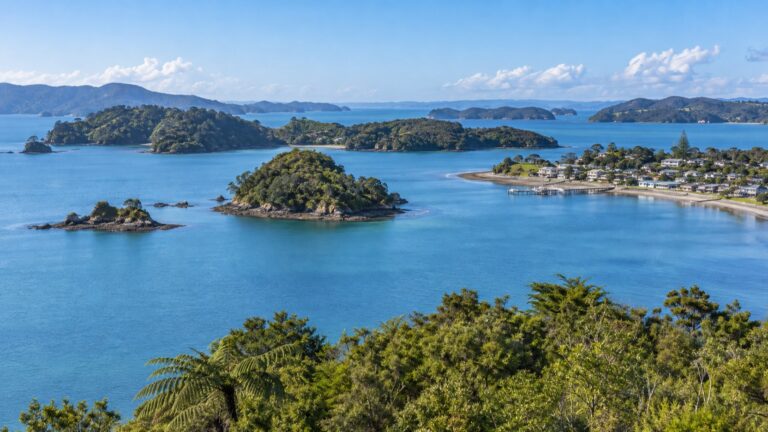
Lifou is not a resort port dressed to look like an island village. It is a large, living Kanak island in New Caledonia’s Loyalty Islands, and cruise guests arrive by tender at Easo, where beaches, local vendors, church history, and customary land all meet within a remarkably small first impression.
You can have a beautiful day without crossing the island, but the best plan depends on current reef access and the ship’s tender schedule. Stay near Easo for swimming and the chapel walk, or take one organized island tour with a deliberately early return.
Lifou Cruise Port Quick Facts
- Arrival: Cruise ships anchor offshore and tender passengers to the small wharf at Easo.
- Landing area: Easo has a modest welcome zone with local vendors and tour activity rather than a conventional cruise terminal.
- Nearest sights: Easo Beach, Jinek Bay, the church, and the Notre-Dame de Lourdes chapel are close to the tender landing.
- Reef access: Jinek Bay rules, capacity, fees, and snorkeling access can change for conservation, so confirm them ashore.
- Island tours: Local vans or ship excursions may visit villages, vanilla producers, beaches, caves, or coastal viewpoints.
- Currency: The CFP franc is the official currency, and cash is more dependable than cards at small stalls and local tours.
- Culture: Much of Lifou is customary Kanak land, and visitors should follow local permission, photography, and access rules.
- Accessibility: Tender boarding, the small wharf, sand, uneven paths, steps, and local vehicle access all require separate checks.
- Weather: Heat, humidity, tropical rain, swell, and cyclone season can alter tenders and water activities.
- Return rule: Be at the Easo wharf before the final tender, with extra time after any island tour or swim.
Easo Is a Tender Port
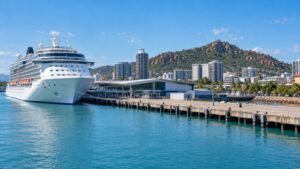
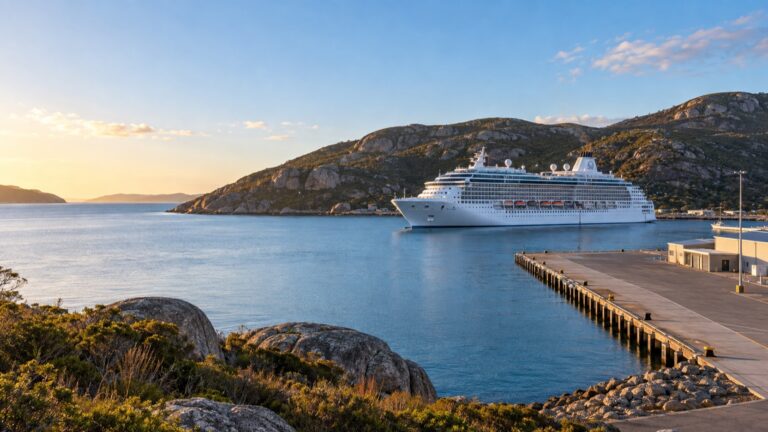
Ocean cruise ships remain offshore in Santal Bay and carry guests to Easo by tender. The small landing places you near the main cruise day activity, but there is no large terminal building with the transport and services you might expect in Nouméa.
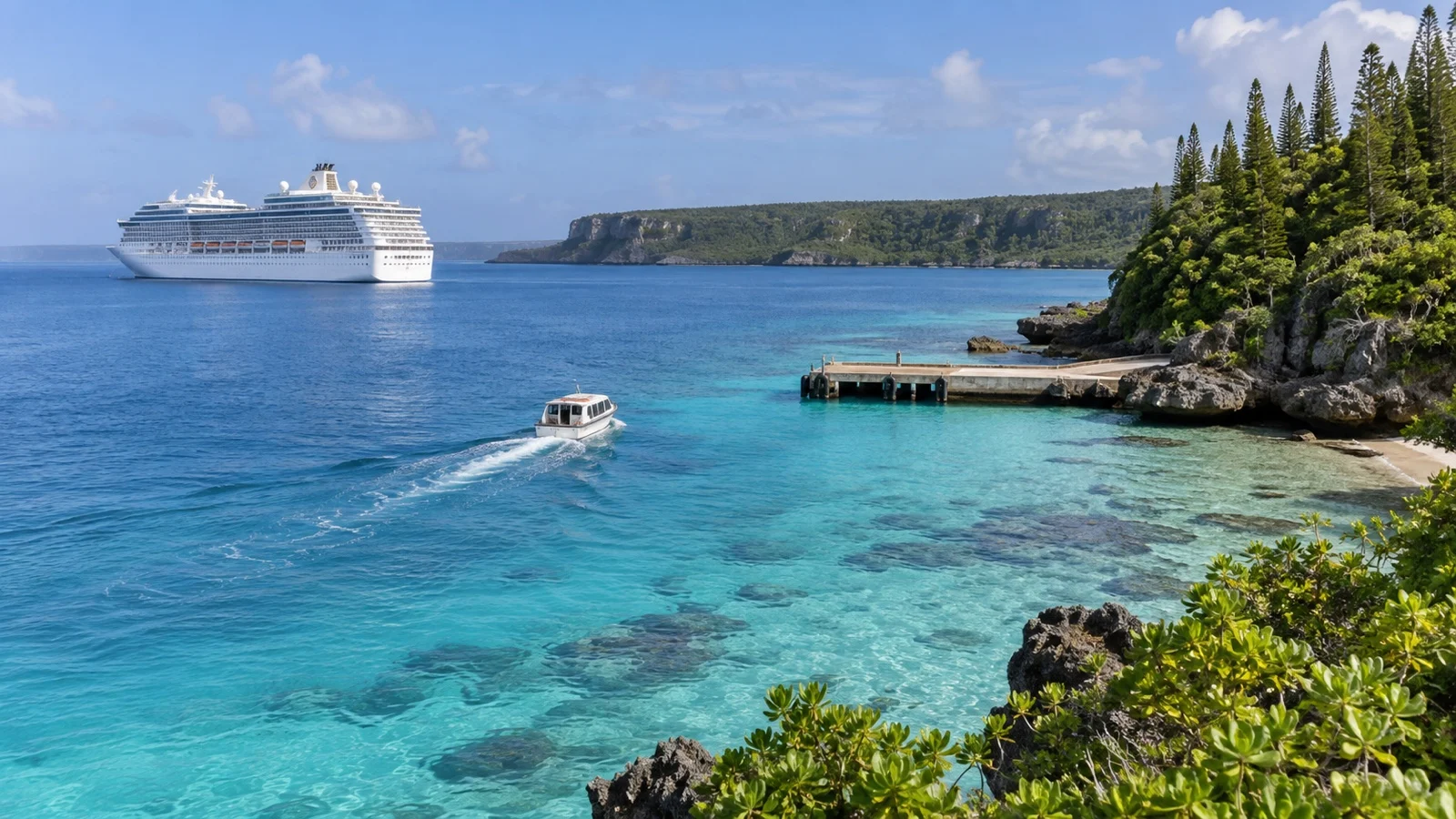
The ship’s daily program is the authority for tender tickets, mobility procedures, priority groups, prohibited items, and final return. Sea conditions can slow or suspend boats even when the beach itself looks calm.
Understand the Landing Before You Walk Away
At Easo, locate the exact return queue and ask whether separate lines serve excursions and independent guests. Take a photograph of the wharf, keep the cruise card dry, and note the final tender rather than only the ship’s published departure.
Local stalls and tour sellers may gather near the landing on cruise days, while quieter calls can offer fewer services. Bring essential medication, sun protection, and a small cash reserve because you cannot assume an ATM, pharmacy, or reliable card terminal beside the wharf.
Easo Beach Is the Easy Choice
The beach beside the landing gives you a straightforward swimming and relaxing day with the ship still visible offshore. Conditions, usable shoreline, shade, and crowds change through the day, so choose your spot only after checking the designated swimming area and boat lanes.
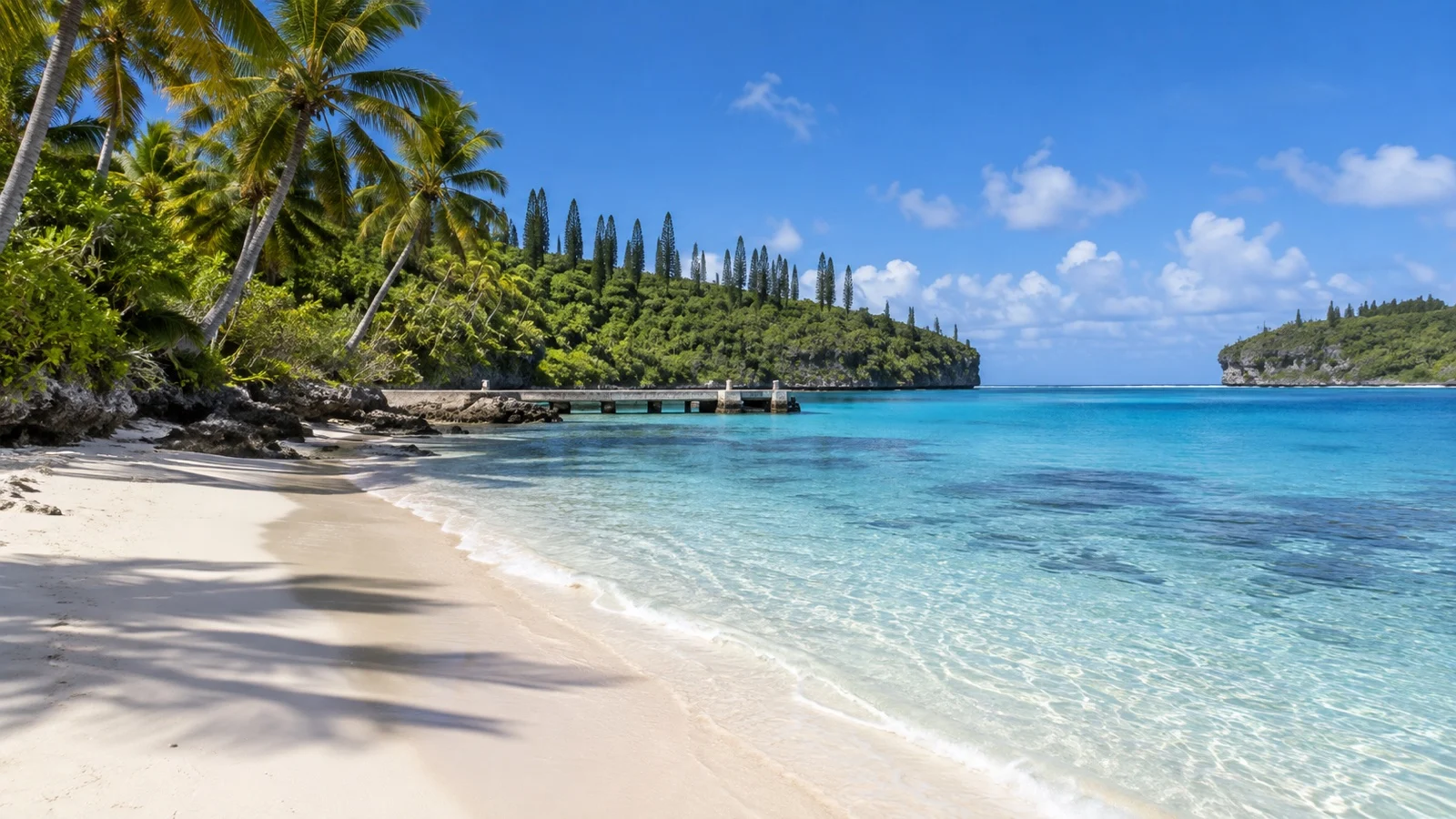
Wear water shoes if the entry is rocky or coral rubble is present, and never stand on living coral. Keep children within reach, use the buddy system, and stop swimming before fatigue or heat makes the tender transfer harder.
Jinek Bay Must Be Treated as a Managed Reef
Jinek Bay lies close to Easo and is known for clear water and coral habitat. Its popularity also creates pressure, so access, visitor numbers, fees, equipment rules, and whether snorkeling is allowed may change to protect the reef.
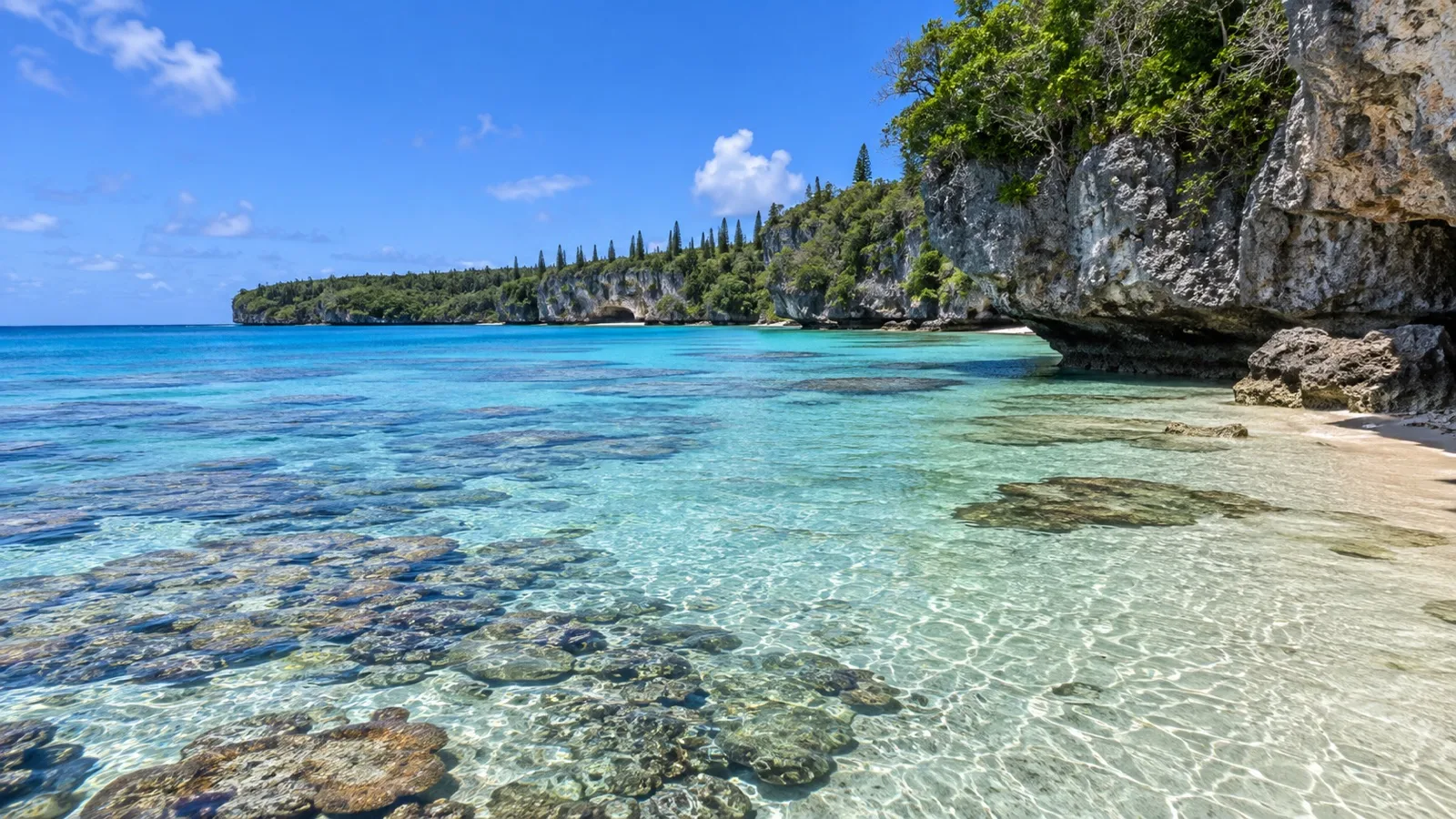
Ask the official welcome team or local managers for the rules that apply that morning, then accept a closure without trying to enter from another path. Conservation only works when visitors treat the reef’s needs as more important than an itinerary promise.
Snorkel Without Touching the Living System
If Jinek or another approved area is open, enter only where directed and stay inside the marked zone. Keep fins above coral, control buoyancy, never chase or feed fish, and do not collect shells, coral, plants, or animals.
A flotation vest can reduce fatigue and make you easier to see, while a buddy can help with a flooded mask or cramp. Strong swimmers still need to respect current, depth, and small boat traffic.
Use sun protective clothing and follow local guidance on sunscreen. Secure straps and cameras so nothing drags across the reef, and leave the water before the area closes rather than forcing staff to search for you.
The Notre-Dame de Lourdes Chapel Walk
The small Notre-Dame de Lourdes chapel stands above Easo and offers a broad view across Santal Bay. The route is close enough to tempt almost everyone, but the final climb includes uneven ground and steps that become more demanding in heat or after rain.
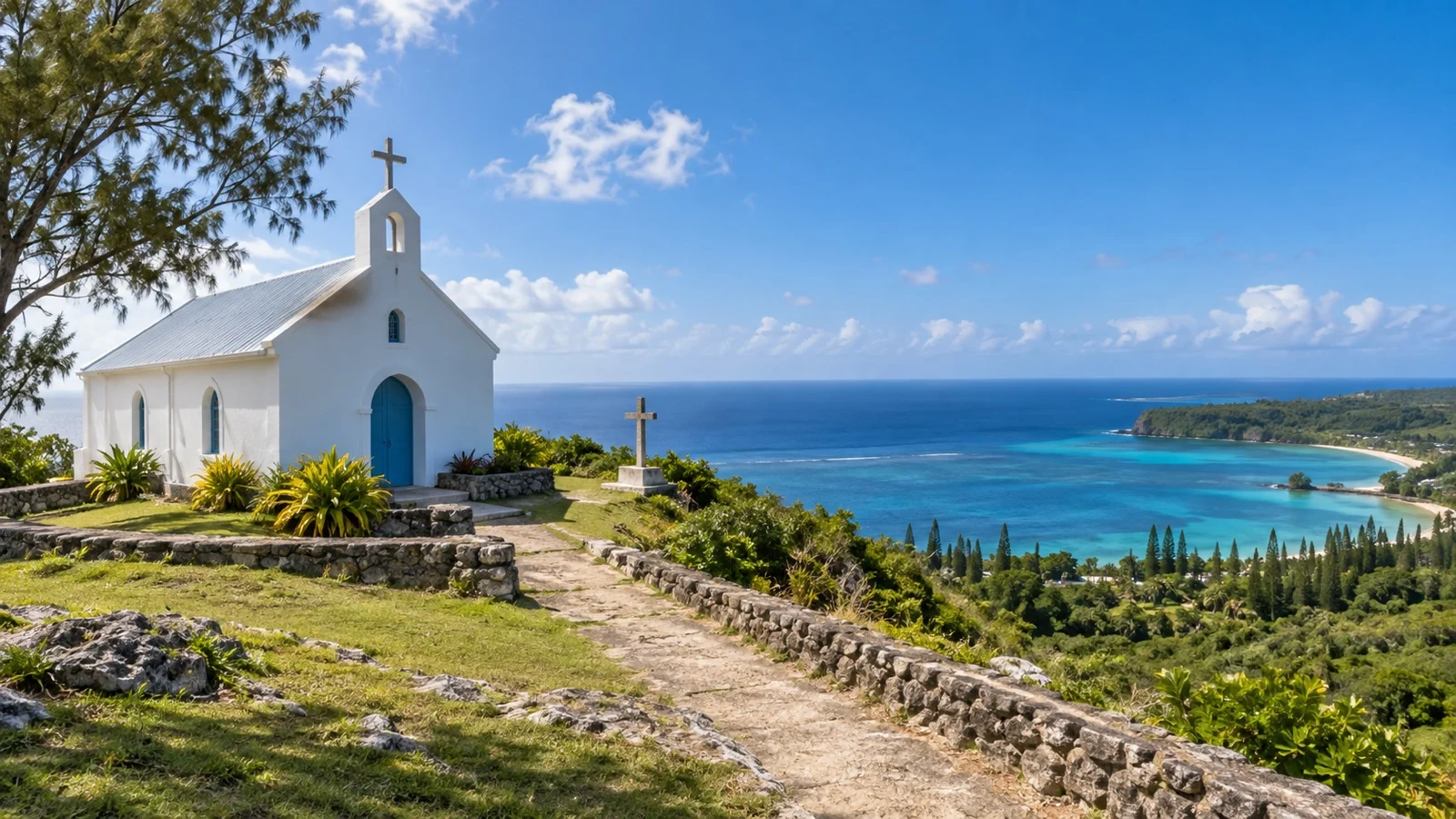
Wear shoes with grip, carry water, and take the ascent slowly. The chapel is a religious place within a local community, so dress respectfully, lower your voice, and keep doors and worship areas clear.
The Church and Mission History
Easo’s church and chapel recall the arrival and expansion of Catholic missions in the Loyalty Islands. That history belongs within a much longer Kanak story, and it should not be interpreted as though the island began when Europeans arrived.
A local guide can add language, family, customary, and community context that a building cannot provide on its own. Listen for how residents describe their history rather than fitting every place into a familiar colonial narrative.
Lifou Is Larger Than the Cruise Beach
Lifou is the largest island in the Loyalty group, and its administrative center at Wé lies well beyond Easo. A full island circuit is not a casual extension of the chapel walk, especially when roads, stops, and cruise day traffic are added.
Choose one organized route and confirm every stop before boarding. A tour advertised simply as island highlights may focus on beaches, villages, vanilla, caves, or viewpoints depending on permission and conditions.
Book Island Transport With a Return Plan
Local vans and community operators may sell tours near the tender landing, while the ship offers prearranged excursions. For an independent local tour, agree on price, currency, duration, vehicle capacity, included entries, and the exact return time in Easo.
Tell the driver the final tender and request arrival back at the wharf well before it. Keep the vehicle number or guide contact, and do not add an unplanned stop when the return margin has already narrowed.
Customary Land Requires Permission
Much of Lifou is customary Kanak land rather than open public tourism space. A beach, cave, forest path, or viewpoint can require local permission, a guide, or a customary access payment even when no fence appears on a map.
Follow the host’s route, ask before photographing people or homes, and do not enter gardens, sacred places, or caves independently. Respectful access supports the community relationship that makes visits possible.
Vanilla and Garden Visits
Lifou is known for vanilla and other island crops, and a hosted visit can reveal how plants are cultivated and prepared. Availability depends on season, family operations, and cruise day arrangements, so the experience may differ from promotional photographs.
Do not pick fruit, flowers, or pods, and ask before touching equipment or photographing a working area. Buy directly from the producer when possible and check any agriculture declaration required by your next country or by the ship before taking plant products aboard.
Caves Are Not Do It Yourself Attractions
Lifou’s raised coral landscape contains caves and freshwater features, but access can involve dark rock, ladders, slippery steps, and customary permission. Visit only with an authorized local host or a cruise excursion that explains the physical requirements.
Use the provided route, keep both hands free, and do not swim where a guide has not specifically approved it. A cave pool can hide depth, branches, rock shelves, and water quality conditions that are invisible from the entrance.
Beaches Beyond Easo
Luecila and other beaches around Lifou can appear on island tour routes, offering a very different setting from the cruise landing. They require road transport, and facilities, swimming zones, shade, and access permission vary.
Ask whether the tour includes beach time or only a viewpoint, and bring clothing that works for both community stops and swimming. Arrange the return before entering the water, because a local beach does not have a cruise tender desk.
Jokin Cliffs and Coastal Views
The cliffs around Jokin show the raised coral structure of the island and can be a striking tour stop. Paths, viewing edges, and access conditions need local guidance, particularly after rain or in strong wind.
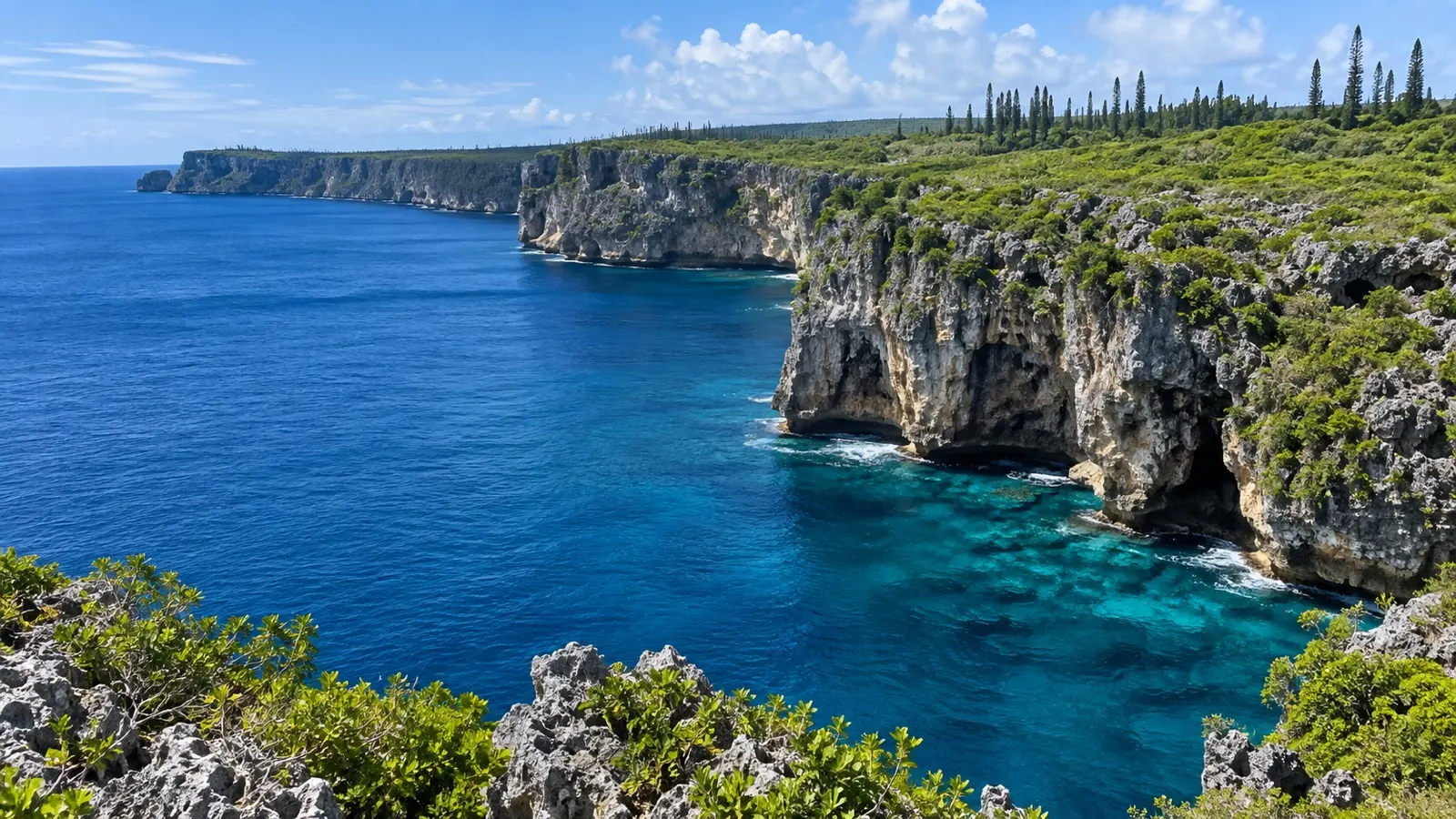
Stay behind barriers, supervise children closely, and avoid leaning over a drop for a photograph. Drones should not be flown without checking aviation, community, wildlife, and ship rules.
Accessibility Begins on the Tender
Guests who use wheelchairs, scooters, walkers, or who have limited balance should ask the cruise line whether tender boarding is possible. Sea state, transfer ability, equipment dimensions, crew procedures, and the ship’s safety assessment determine access.
The Easo landing may include ramps, steps, gaps, or a moving small boat connection. Sand, soft ground, uneven paths, limited shade, and the chapel climb create additional barriers after arrival.
Ask Local Tour Operators Exact Questions
Before booking a van, ask about step height, door width, seating, air conditioning, mobility equipment storage, and how close the vehicle can stop to each attraction. A tour described as easy can still involve a high van step and uneven customary paths.
Travelers who cannot go ashore safely still have a valid port day aboard, with island views and a quieter ship. Tender cancellation or personal limits are not problems to solve by taking an unsafe transfer.
Heat and Humidity Change the Pace
Lifou can feel intensely hot and humid, especially on exposed roads and the chapel climb. Carry water, wear a hat and breathable coverage, use shade early, and do not wait for dizziness or nausea before resting.
Older travelers, children, and people using certain medications can overheat quickly. Confusion, weakness, headache, vomiting, or altered sweating needs immediate cooling and medical attention.
Tropical Rain and Cyclone Season
A short shower can cool the island, while a thunderstorm or tropical system can end tender service. The southwest Pacific cyclone season overlaps part of the cruising calendar, but the ship makes decisions from the actual forecast and sea state rather than the date alone.
Check Météo-France New Caledonia and listen to ship announcements. The captain may shorten or cancel the call even when Easo looks sheltered, because the open water transfer must remain safe in both directions.
Reef, Beach, and Wildlife Safety
Do not touch sea snakes, cone shells, coral, turtles, or unfamiliar marine life. Some beautiful animals can bite, sting, or carry venom, and even harmless handling disrupts natural behavior.
Avoid walking on reef flats and watch for sharp coral rubble above and below the waterline. Never dive into unknown water, and obey local closures around nesting, restoration, or culturally restricted areas.
Food and Drinking Water
Local vendors may sell fruit, baked goods, grilled food, drinks, and island specialties during cruise calls. Selection and food service change with the ship, so carry any medically necessary snack that the cruise line permits ashore.
Use sealed drinking water and tell the seller about allergies before buying, especially with coconut, seafood, nuts, wheat, and shared cooking surfaces. Wash or sanitize hands before eating, and do not feed animals near the beach.
Cash Matters More Than Cards
New Caledonia uses the CFP franc, commonly shown as XPF. Small Easo vendors and community tours may be cash only, while cards can fail because of connectivity or minimum purchase rules.
Ask the currency before agreeing to a price, carry smaller notes, and do not rely on receiving change in Australian dollars, euros, or another currency. The ship can explain whether it offers exchange or whether a particular beach service accepts cabin charging.
Shopping With Cultural Respect
Craft stalls can be one of the best ways to support local families and take home something connected to Lifou. Ask who made an item, listen to its meaning, and never haggle in a way that dismisses the time or cultural knowledge behind it.
Check customs and biosecurity rules before buying seeds, shells, feathers, wood, woven plant material, or food. What can leave New Caledonia may still be prohibited at the next port or in your home country.
Language and Courtesy
French and Drehu are central languages on Lifou, while English ability varies. A greeting, patient gestures, and written ship time can make a local transaction easier without expecting every vendor to translate complex terms.
Ask before photographing people, ceremonies, homes, churches, or customary places. Modest clothing away from the beach and a calm manner show that you recognize Easo as a community, not a private cruise compound.
Return Planning for a Tender Port
Work backward from the ship’s final tender, not from the published sailing time. Include the drive back from an island tour, payment, rental return, the walk to the wharf, the queue, and the boat ride.
Return earlier when rain is building, wind is increasing, or mobility assistance takes extra time. Tender loading can pause while the ship moves or the landing clears, and the final advertised boat is not a personal target.
After swimming, leave time to rinse sand, change, and secure wet gear before joining the line. Easo is small enough that an early return still leaves you with a lovely final view across the bay.
Lifou Cruise Port Questions
Where do cruise ships land on Lifou?
Cruise ships anchor in Santal Bay and tender passengers to the small Easo wharf. Your cruise line will confirm the exact landing process and final tender for the call.
Can I walk to Jinek Bay?
Jinek Bay is close to Easo, but access and snorkeling rules can change for conservation. Check the official local instructions on arrival and do not enter when capacity is full or the reef is closed.
Is the chapel walk difficult?
The Notre-Dame de Lourdes chapel is nearby but reached by an uphill path with uneven ground and steps. Heat and rain increase the effort, so use sturdy shoes and take your time.
Can I tour Lifou independently?
Local van tours may be available at the tender landing, but access to many places requires community permission or a host. Confirm the route, cash price, physical demands, and early return before booking.
What is the easiest day?
Stay near Easo for the beach, approved reef access, the church area, local stalls, and the chapel if your mobility allows. This keeps the ship close and lets you respond quickly to weather or tender changes.
Which currency should I bring?
The CFP franc is the official currency and the most dependable cash for local purchases. Cards and foreign currencies may be accepted selectively, but they should not be your only plan.
Lifou Rewards a Guest, Not a Consumer
The best Lifou day comes from moving gently through a place that belongs to its community and reef. Follow local permission, choose one meaningful experience, and return before the tender schedule turns the bay into a deadline.
For current planning, consult New Caledonia’s official tourism site, the Loyalty Islands Province, the Météo-France New Caledonia service, and your cruise line’s Lifou port instructions. Always follow the live reef, customary access, tender, and all aboard directions given locally, because those rules take priority over any general guide.