Seward Cruise Port: Terminal, Train & Kenai Fjords
Seward is both an Alaska cruise port and a transfer point, which means the smartest plan begins by deciding whether this is a sightseeing day or a travel day. The harbor, downtown, Alaska SeaLife Center, Kenai Fjords boat tours, Exit Glacier, railroad, and Anchorage road all pull the clock in different directions.
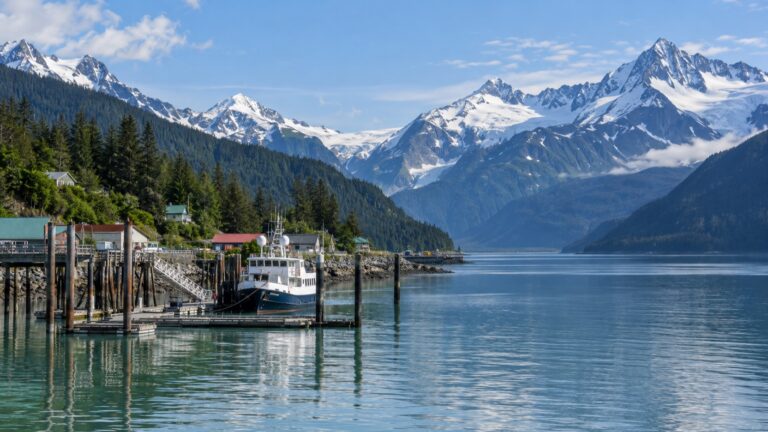
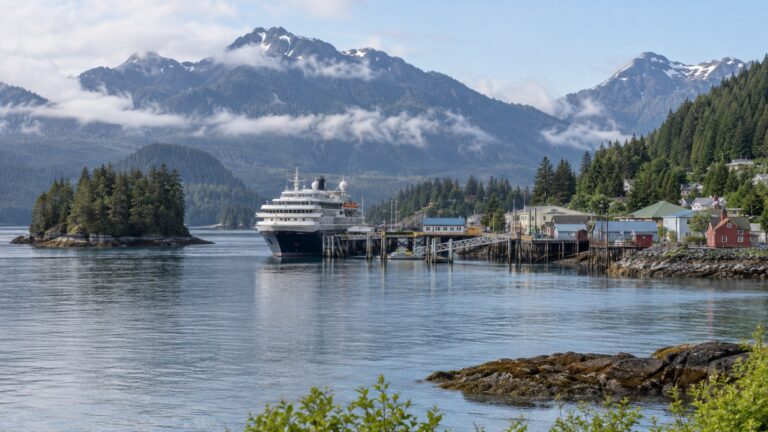
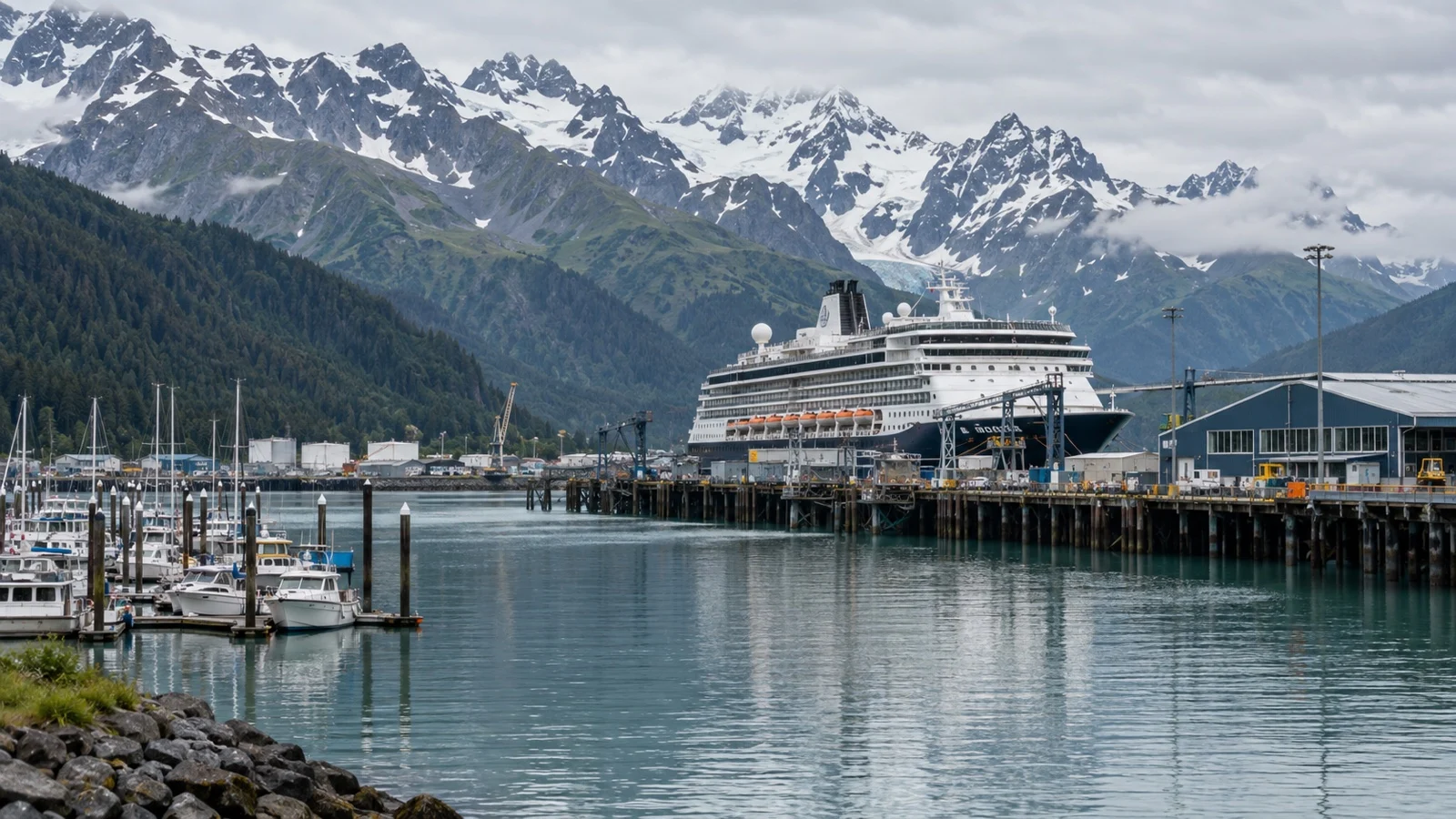
Cruise ships normally berth alongside at the head of Resurrection Bay near the rail and small-boat harbor area. Confirm the terminal, luggage process, train or coach meeting point, and all aboard before leaving, because the visible scale of town hides how precisely some connections run.
Quick facts about Seward cruise port
- Arrival: Alongside at the cruise and rail harbor area at the head of Resurrection Bay
- Downtown: South of the ship, reachable by seasonal shuttle, taxi, or a substantial walk
- Signature excursion: Kenai Fjords wildlife and glacier cruise
- Easy town day: Alaska SeaLife Center, waterfront, shops, and lunch
- Land nature trip: Exit Glacier, subject to road and trail conditions
- Anchorage transfer: By cruise coach, private vehicle, or scheduled Alaska Railroad service
- Currency: United States dollar
- Weather: Cool, wet, windy, and changeable even in summer
- Main risks: Boat delays, rail deadlines, road construction, luggage timing, and treating a transfer day like a full port call
The ship berths beside the rail and harbor district
Seward’s cruise facilities sit near the Alaska Railroad dock and the northern end of the small-boat harbor. Passengers walk down a gangway rather than tendering, but the route through the terminal and luggage areas remains controlled.
Follow signs for the correct shuttle, train, coach, taxi, or tour meeting point. On embarkation and disembarkation days, luggage instructions take priority because a bag placed in the wrong stream can travel on a more ambitious itinerary than its owner.
The small-boat harbor is relatively close, while central downtown and the Alaska SeaLife Center lie farther south. A seasonal city shuttle often links key areas, but current stops and operating dates should be confirmed locally.
Kenai Fjords boat tours deserve the whole window
Wildlife and glacier cruises from Seward are the signature way to experience the coast of Kenai Fjords National Park. Routes vary from shorter Resurrection Bay trips to longer voyages reaching tidewater glaciers and more exposed water.
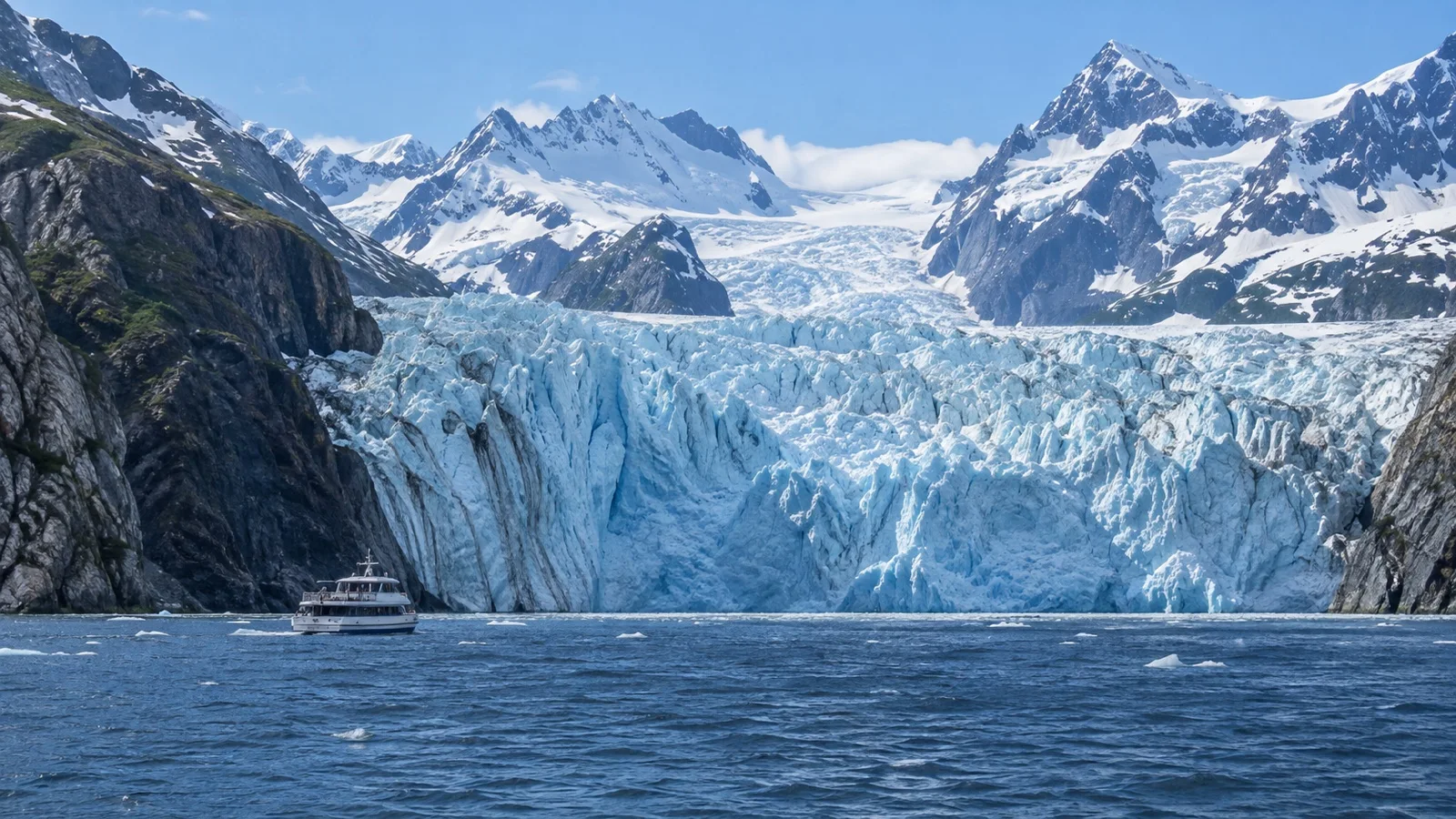
Choose by total duration, route, vessel size, indoor seating, viewing decks, food, accessibility, and cancellation policy. The National Park Service emphasizes that the park is remote, rugged, and unpredictable, so weather and wildlife should be treated as conditions rather than guaranteed performances.
Book a departure that returns well before ship or onward transport deadlines. A vessel can slow for sea state, wildlife, or safety, and an independent operator cannot make a train wait because the whales were unusually persuasive.
Prepare for motion and cold air
Resurrection Bay can be calm while the Gulf of Alaska is lively, making the exact route important for anyone prone to motion sickness. Follow medical advice before departure, eat lightly, and choose a lower central seat when motion becomes uncomfortable.
Viewing decks feel much colder than the town forecast once wind and spray join the trip. Wear waterproof layers, secure shoes, gloves, and a warm hat, then keep binoculars and cameras protected from rain.
The Alaska SeaLife Center anchors a town day
The Alaska SeaLife Center sits on the downtown waterfront and combines public exhibits with marine research, rescue, and rehabilitation. It is a strong choice for families, limited weather, shorter calls, and travelers who want wildlife context without spending hours on a boat.
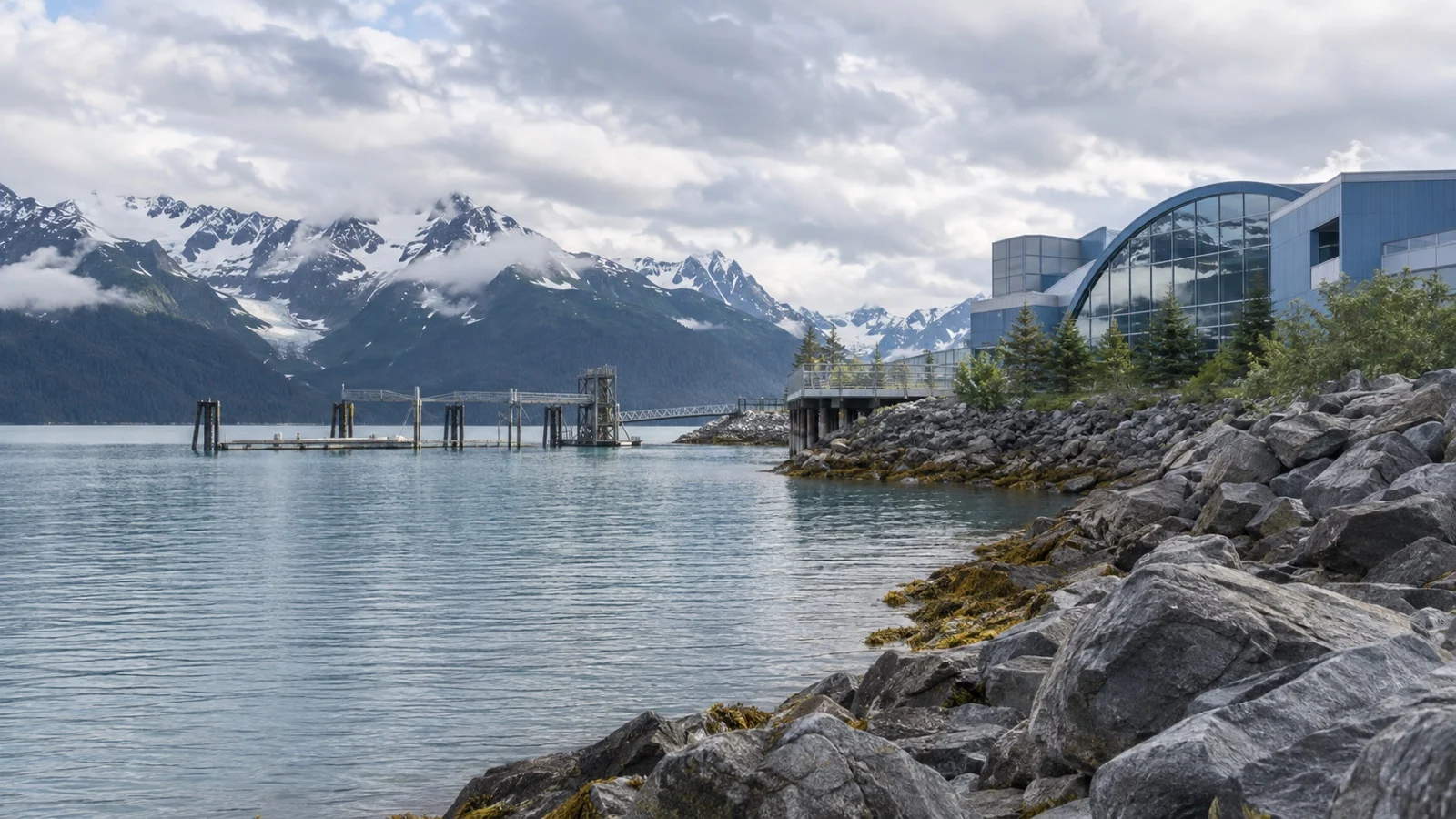
Check current hours, timed entry, exhibit access, and special programs before arrival. The center can become busy when a ship is in port, so a reservation may protect more of the day than an optimistic walk-up.
Downtown and the waterfront are easy to combine
Seward’s center has shops, cafés, restaurants, murals, historic buildings, and views across Resurrection Bay. The waterfront trail connects parts of town, though weather, distance, and occasional uneven surfaces make the seasonal shuttle useful.
Walk south through town, visit the SeaLife Center, eat, and ride back when energy or rain runs out. This is not a consolation itinerary, since the bay and surrounding mountains provide constant Alaska scenery without a long highway commitment.
Exit Glacier is the practical land-nature excursion
Exit Glacier provides road-accessible entry to Kenai Fjords National Park, followed by trails of varying length and difficulty. The road is seasonal, and current closures, snow, flooding, construction, wildlife activity, and trail conditions must be checked with the National Park Service.
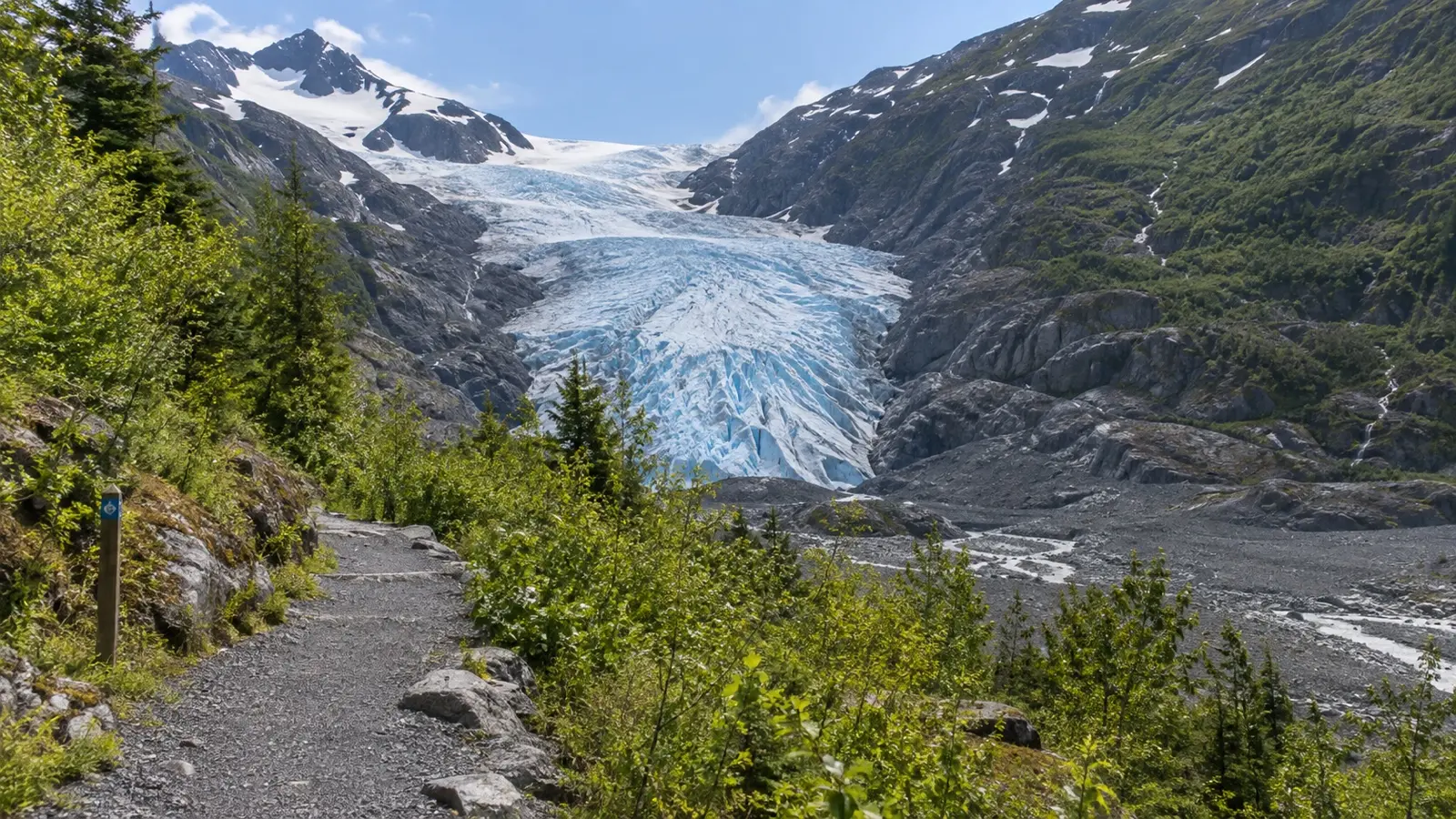
There is no simple city bus that makes every cruise schedule work, so use a ship excursion, reputable shuttle, or private guide. Confirm the actual walking route, restroom availability, pickup time, and what happens if conditions close the intended trail.
Stay on marked paths and never approach wildlife for a photograph. Glacial landscapes change, and barriers or warnings protect visitors from hazards that may not look dramatic from the viewpoint.
The train to Anchorage is transportation, not a side trip
The Alaska Railroad’s Coastal Classic links Seward, Girdwood, and Anchorage through Turnagain Arm and mountain country. The railroad publishes a scheduled evening departure from Seward in season, but cruise-charter trains and transfer packages can follow different arrangements.
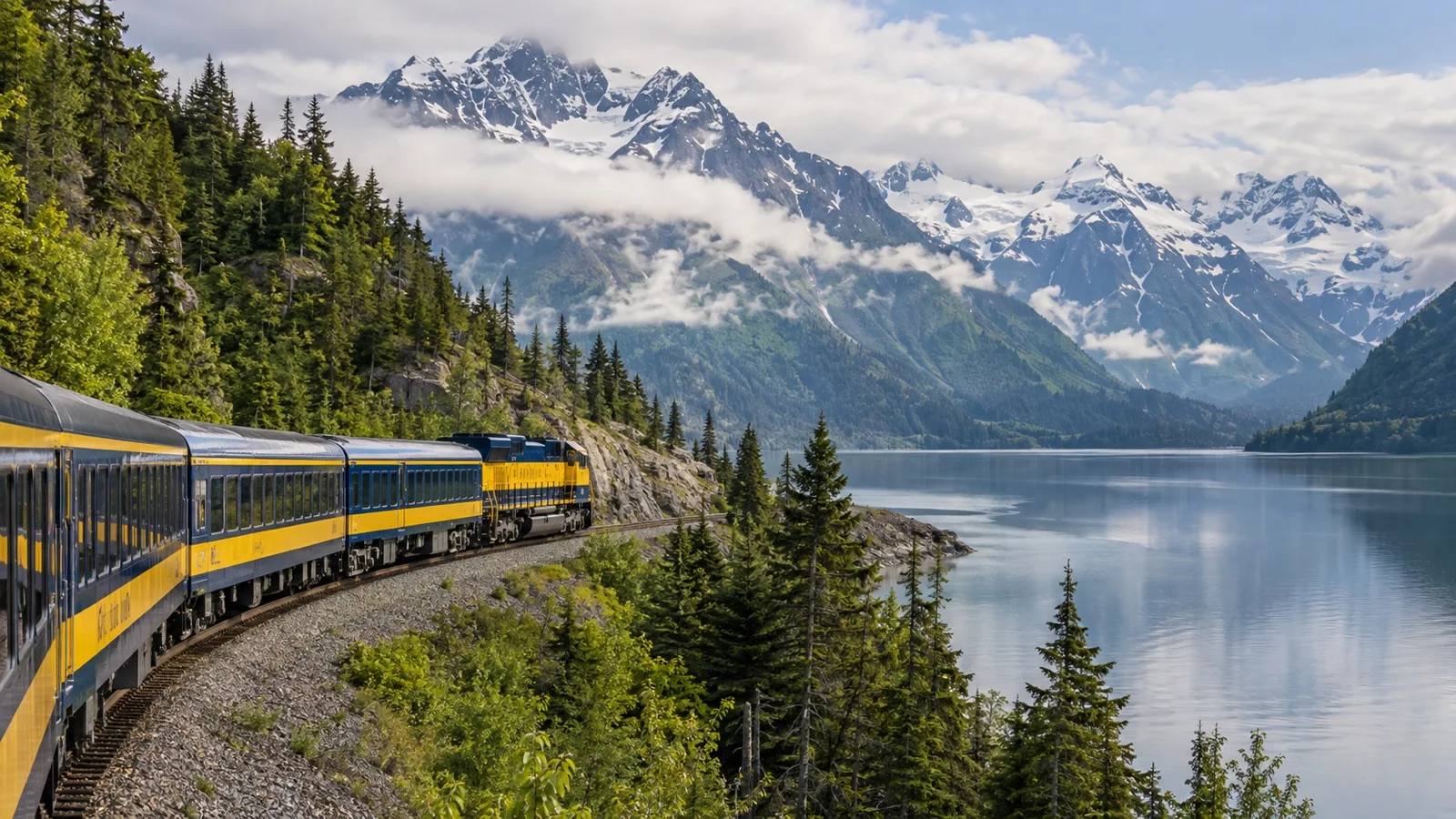
Use the ticket and cruise line’s instructions for check-in, luggage, coach assignment, and platform. Do not use a public schedule to override a charter document that names a different time or meeting point.
On a transfer day, choose one compact Seward activity that ends comfortably before baggage and rail processing. The scenic journey north is already a major part of the day and deserves to begin without a sprint.
The road to Anchorage needs a large margin
Seward Highway is spectacular and vulnerable to construction, crashes, weather, and concentrated seasonal traffic. A cruise coach or reputable transfer company understands terminal procedures and is safer than building a tight connection from an ideal driving time.
Airport travelers need time for the road, luggage, airline check-in, and security. Follow the cruise line’s minimum flight guidance even when a map suggests an earlier flight is theoretically reachable.
Accessibility depends on each link
Food in Seward ranges from quick bakery stops to seafood restaurants serving salmon, halibut, rockfish, and local shellfish. On a boat day, eat early enough to board calmly and tell the restaurant about a rail or ship deadline before ordering a leisurely meal.
Cards are widely accepted, but a backup payment method is useful when seasonal crowds or network trouble slow a terminal. Confirm gratuity and cancellation terms for tours, since weather changes may trigger a refund, rebooking, or a shorter route under the operator’s policy.
An alongside berth avoids tender boarding, but gangway angle, terminal distance, shuttle steps, and luggage handling remain ship-specific. Request assistance before arrival and confirm where the cruise line’s service ends.
Boat-tour accessibility varies by vessel, including boarding ramps, door widths, toilets, indoor seating, and outdoor deck access. Ask for measurements and the effect of tide rather than accepting a general wheelchair-friendly description.
The SeaLife Center and a vehicle-based city day can be easier to adapt, while trails at Exit Glacier depend on current surfaces and grades. The National Park Service publishes accessibility information, but on-the-day conditions still deserve confirmation.
Wildlife can appear around roads, trails, harbor edges, and camp areas. Keep the distance required by park guidance, secure food and trash, and never position yourself between an animal and its route simply because a camera lens makes the space look larger.
Families should build warm indoor pauses into a wet day and carry spare layers for children after a boat ride. A small pair of binoculars, simple snacks, and realistic expectations often contribute more than squeezing another distant stop into the schedule.
Three realistic Seward plans
The classic plan takes one well-timed Kenai Fjords cruise and leaves only a meal or harbor walk afterward. It gives the water experience the margin it needs.
The town plan combines the SeaLife Center, waterfront, downtown murals, shops, and lunch. It works well in rain, on a short call, or before a protected evening connection.
The land plan visits Exit Glacier with a verified shuttle or guide, then uses remaining time in town. Do not combine it with a long boat cruise unless the cruise line sells and protects the complete sequence.
Protect every deadline
All aboard, train check-in, coach departure, and airport check-in are separate deadlines. Put each one in writing and work backward with weather, luggage, and transport margins instead of trusting the earliest possible arrival.
If a tour begins late, shorten or cancel the next activity immediately. Ship-sponsored excursions may carry different delay protections, while independent travelers remain responsible for reaching the ship or onward connection.
Final thoughts
Seward rewards one strong choice: Kenai Fjords by boat, Exit Glacier by road, or a rich town day around the SeaLife Center and waterfront. Treat rail and Anchorage travel as major logistics, then let Resurrection Bay provide the scenery between them.
CruisePorts.co provides practical, independent planning guidance for cruise travelers. Terminal operations, boat routes, road and trail conditions, rail schedules, access rules, and weather can change, so verify critical details with official sources and your cruise line before travel.